
So will I build my altars in the fields,
And blue sky my fretted dome shall be,
And the sweet fragrances that the wild flower yields
Shall be the incense I will yield to thee.
~Samuel Taylor Coleridge
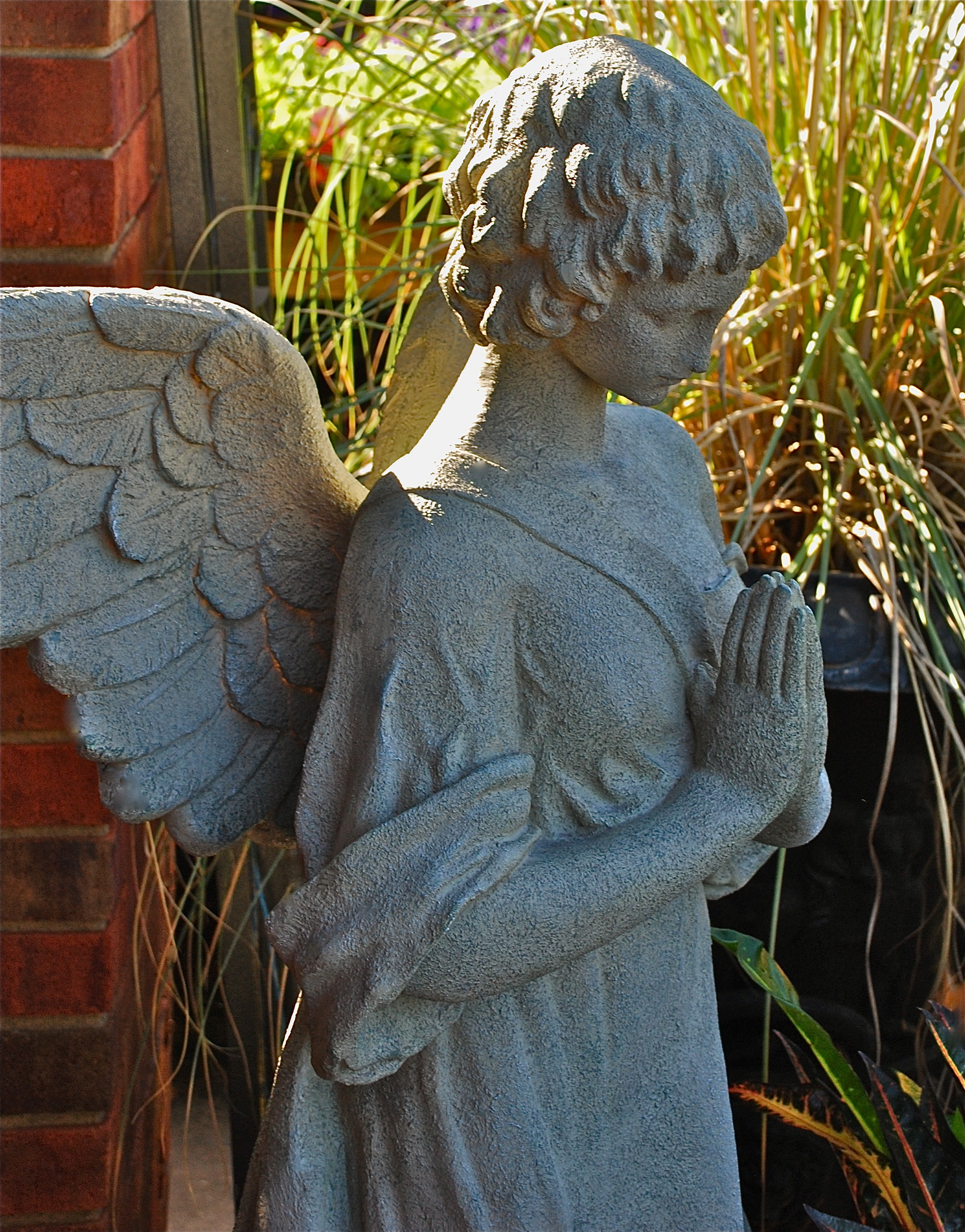
Adams, Coleridge, and countless others have thought of the natural world as a temple and of places within Creation as altars in a sanctuary. Another voice adds a similar thought to that throng when in one of his devotionals, Max Lucado tells the reader that “Nature is God’s first missionary. Where there is no Bible there are sparkling stars. Where there are no preachers, there are springtimes. . .If a person has nothing but nature, then nature is enough to reveal something about God.” He also notes that Paul tells us in Scripture that “God’s law is not something alien, imposed on us from without, but woven into the very fabric of our creation.” The word “altar” that both Adams and Coleridge used is mentioned well over 300 times in the Bible. Often built of wood or stone, the altar and the area around the altar are thought to be endowed with greater holiness, and the ones that are elevated are considered even more favorable for prayer since they are nearer heaven. And so we bring these pieces of nature’s altars into our gardens not to worship them or any other idol but to revere and be close to the Holy One whose Hands of which they are made. If you look close enough at anything in Creation, God’s autograph is written all over it, and so it keeps us ever mindful of how good He is and how important it is to praise Him for all that He has made and done.
Now this I know: The Lord gives victory to His anointed. He answers him from His heavenly sanctuary with the victorious power of His right hand. ~Psalm 20:6
 Sacred Touches