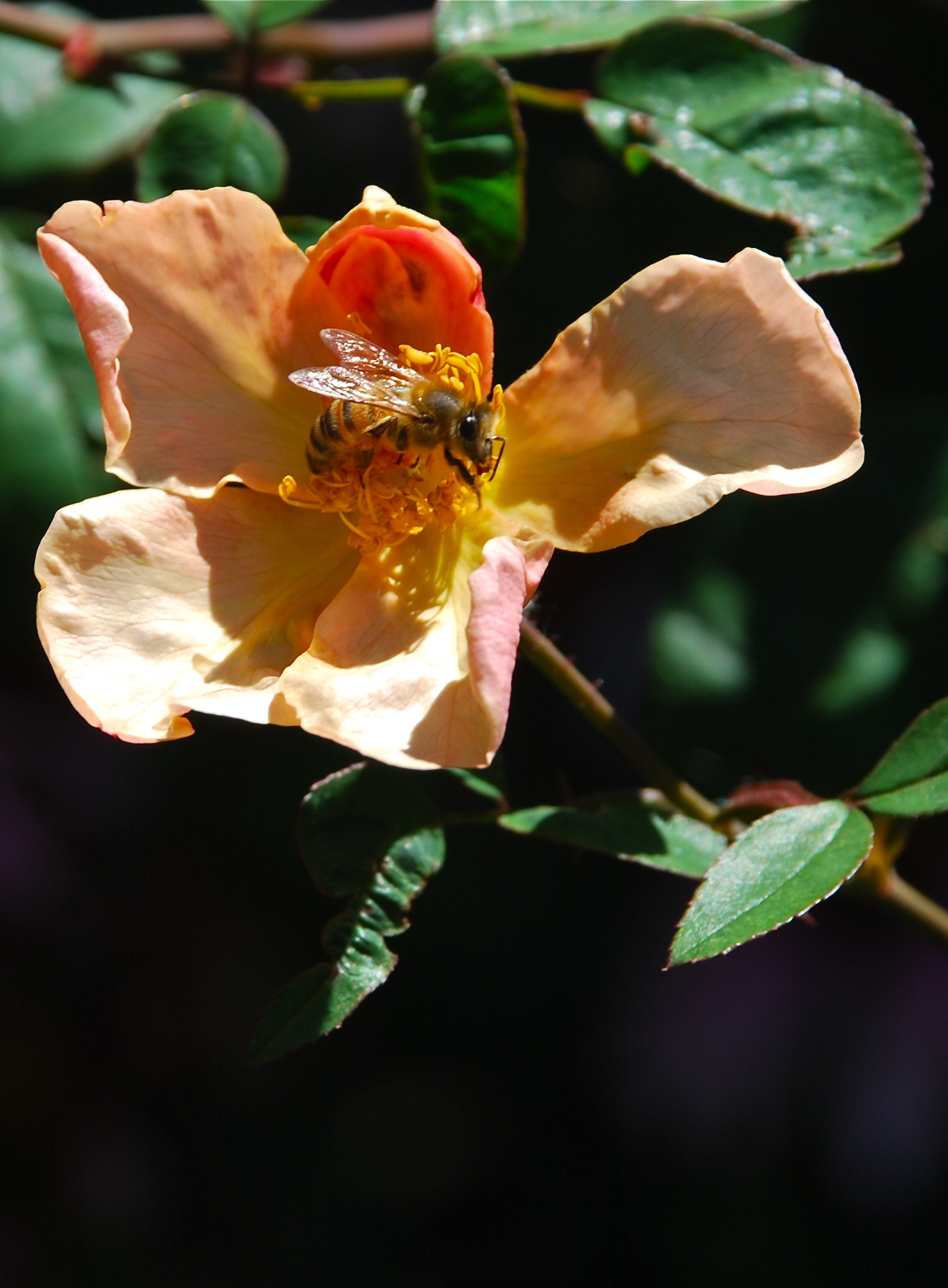
256. The best place to seek God is in a garden. You can dig for Him there. ~George Bernard Shaw

Flower in the crannied wall,
I pluck you out of the crannies.
I hold you here root and all, in my hand flower–
but if I could understand what you are
root and all, and all in all,
I should know what God and man is!
~Alfred Lord Tennyson

Image

Image

Whenever I read Tennyson’s poem or see a garden wall I think of Burnett’s novel, THE SECRET GARDEN, and then I find myself trying to imagine what Tennyson’s crannied wall and the garden walls at Misselthwaite Manor looked like.  I’ve read that walled growing spaces date back to the earliest of Persian gardens and that their function, especially in the northern temperate zones, was to shelter a garden from frost and wind.  Since purportedly the sheltering walls raised the ambient temperature inside a garden by several degrees, I’m guessing they were made of heavy stones.  Although the garden walls in Tennyson’s poem and Hodgson’s novel no doubt were constructed similarly and to serve the same purpose, the practicality of such, is not the point of the two tales.  The two literary pieces have to do with the impact of encountering the Ancient of Days or the contemplation of His mystery that often takes place within a garden’s walls.  Every garden in a very real sense is a piece of Eden, and in Eden man inevitably encountered Him by whose Hands both he and it were made.  As Tennyson grasped the entirety of a little flower in his hand, he voiced a firm belief that comprehending its mystery would lead to an unraveling of the ultimate conundrum, man and God.  And in THE SECRET GARDEN the lives of two children were resurrected and subsequently infused with that same mysterious “stuff of life” after holy “place” and “elemental” grace had had their way with them.

And the Lord God planted a garden in Eden, in the east; that there he put man whom he had formed…They heard the sound of the Lord God walking in the garden at the time of the evening breeze…  ~Genesis 2:8 and Genesis 3:8a  ✝

255. Joy is the holy fire that keeps our purpose warm and our intelligence aglow. ~Helen Keller, American author and educator

Who is the happiest of men? He who values the merits of others,
and in their pleasure takes joy, even as though t’were his own.
~Johann Wolfgang von Goethe, German writer and Politician

Image

One of my fellow bloggers commented today about the beauty in one of my posts and said she needed the joy.  It was such a blessing to know that I had spread some joy in the life of another.  So tonight I thought I would share some thoughts about joy.  And since this week is A.A. Milne’s birthday I decided to use some illustrations from his book to help do that.  Milne was the English author who brought so much joy not only to children but also to those of us fortunate enough to have read the Winnie the Pooh stories to our children.

Joy is not in things; it is in us.  ~Richard Wagner, German composer

Image

The sun does not shine for a few trees and flowers, but for the wide world’s joy.  ~Henry Ward Beecher, Congregational minister

Image

Sometimes your joy is the source of your smile, but sometimes your smile can be the source of your joy.  ~Thich Nhat Hanh, Vietnamese Monk and Writer

Image

He who has never looked on sorrow will never see joy.  ~Kahlil Gibran, Lebanese born American philosophical Essayist, Novelist, Poet

Image

Joy is the net of love by which you can catch souls.  ~Mother Teresa, Missionary

Image

Joy delights in joy.  ~William Shakespeare, English Dramatist, Playwright, Poet

But let all who take refuge in you(God) rejoice; let them ever sing for joy.  Spread your protection over them, so that those who love your name may exult you.  ~Psalm 5:10-12  ✝

254. January opens the box of the year and brings out days that are bright and clear and brings out days that are cold and gray and shouts, “Come see what I brought today!” ~Leland B. Jacobs

Is it winter? Is it not?
Is it cold? Is it hot?
The two-headed Janus knows not.

Image

Where I live unseasonable warming trends often occur in January, and when the month keeps its “box” open-ended long enough, some things in the garden are duped into thinking it’s time to get going.  If the lie that spring is upon us continues on into February, that month as well is made a partner in the deceiving treachery.   Then when the wintry weather falls back into place and worsens, as it nearly always does, the new growth is the innocent victim of the two traitorous libertines.  Such is exactly what happened last year when they were finally exposed as the charlatans they were by a mid-February ice storm.  After weeks of mild weather, frigid rain descended from a whitish cloud cover blown in on arctic winds.  As the temperatures fell from the 70’s and 80’s to well below the freezing mark and everything became encapsulated in tombs of ice, an almost audible death knell sounded.  For days the sun was unable to burn a hole in the clouds, and while the storm’s icy bite endured, the birds who over winter in my yard were, if visible at all, seen only in the mornings.  When they were present, I’d see them huddled close to their birdhouses or in the bay tree or azaleas near the house, but by afternoon they’d have disappeared completely into the day’s dismal gloom.  Neither did I see any of my neighbors nor the squirrels who’d been so busy as of late, and that collective absence of life forms led to a disturbing sense of aloneness that I did not like at all.

Be merciful to me, O God, be merciful to me, for in you my soul takes refuge; in the shadow of your wings I will take refuge, until the destroying storms pass by.  Psalm 57:1  ✝

253. Blue color is everlastingly appointed by the Deity to be a source of delight. ~John Ruskin

I’m a native of Europe and Siberia.
My name comes from the Greek word meaning “Dolphin.”
My dried flowers were used to dress wounds at the Battle of Waterloo.
European settlers made ink from my dried flowers.
I was used by West Coast Native Americans to make blue dye.
I’ve been said to represent the tears of the Virgin Mary.
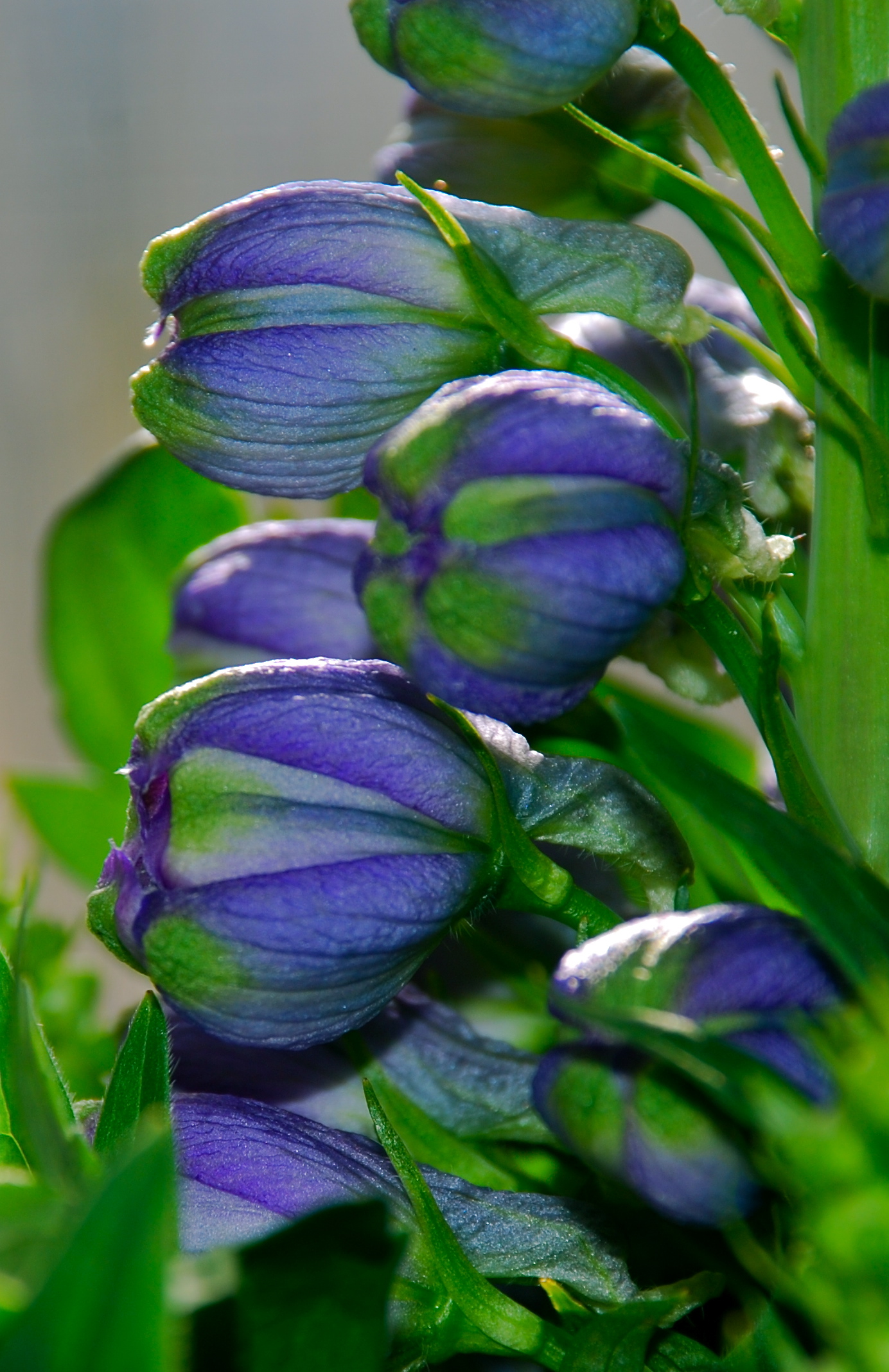
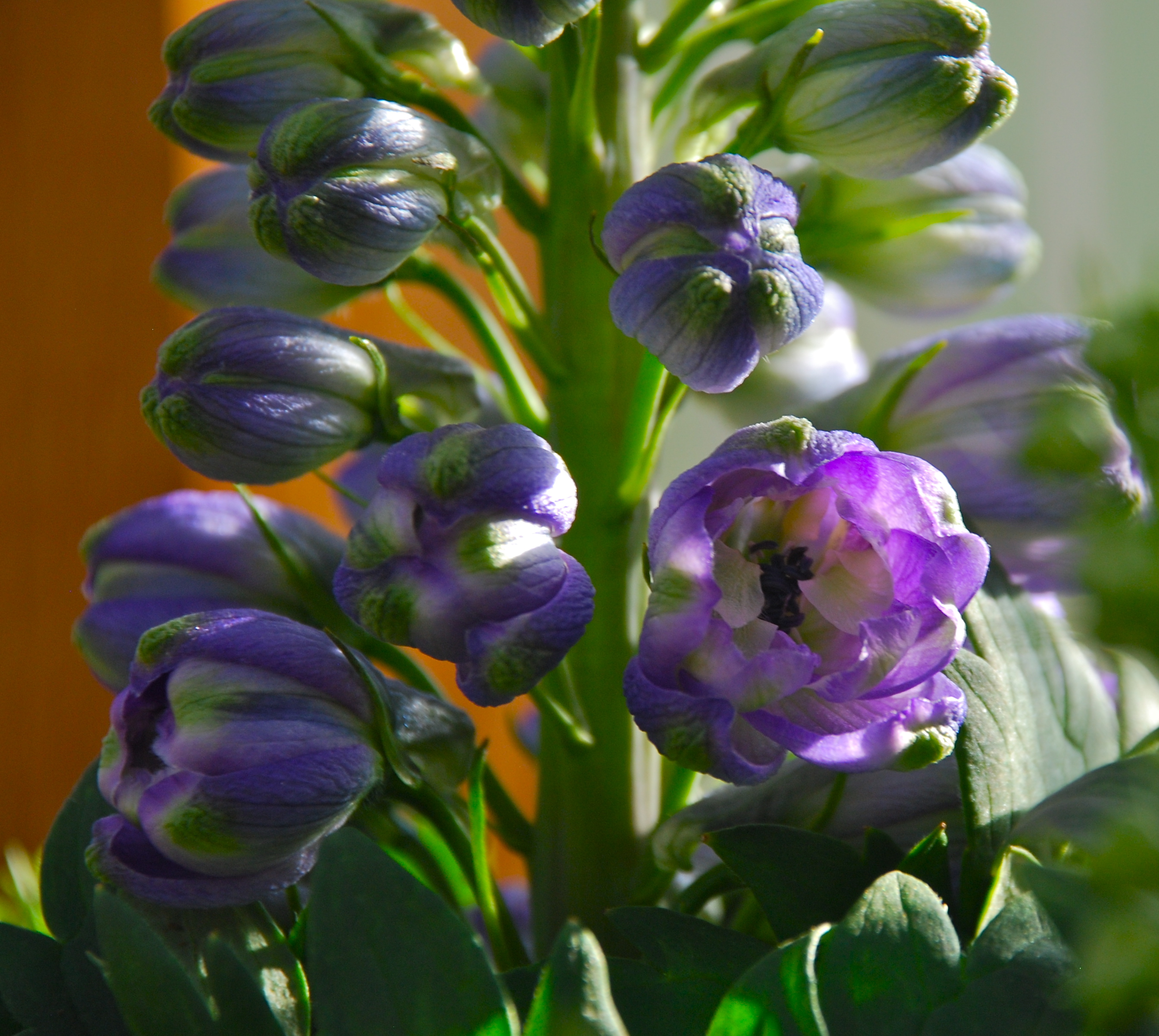
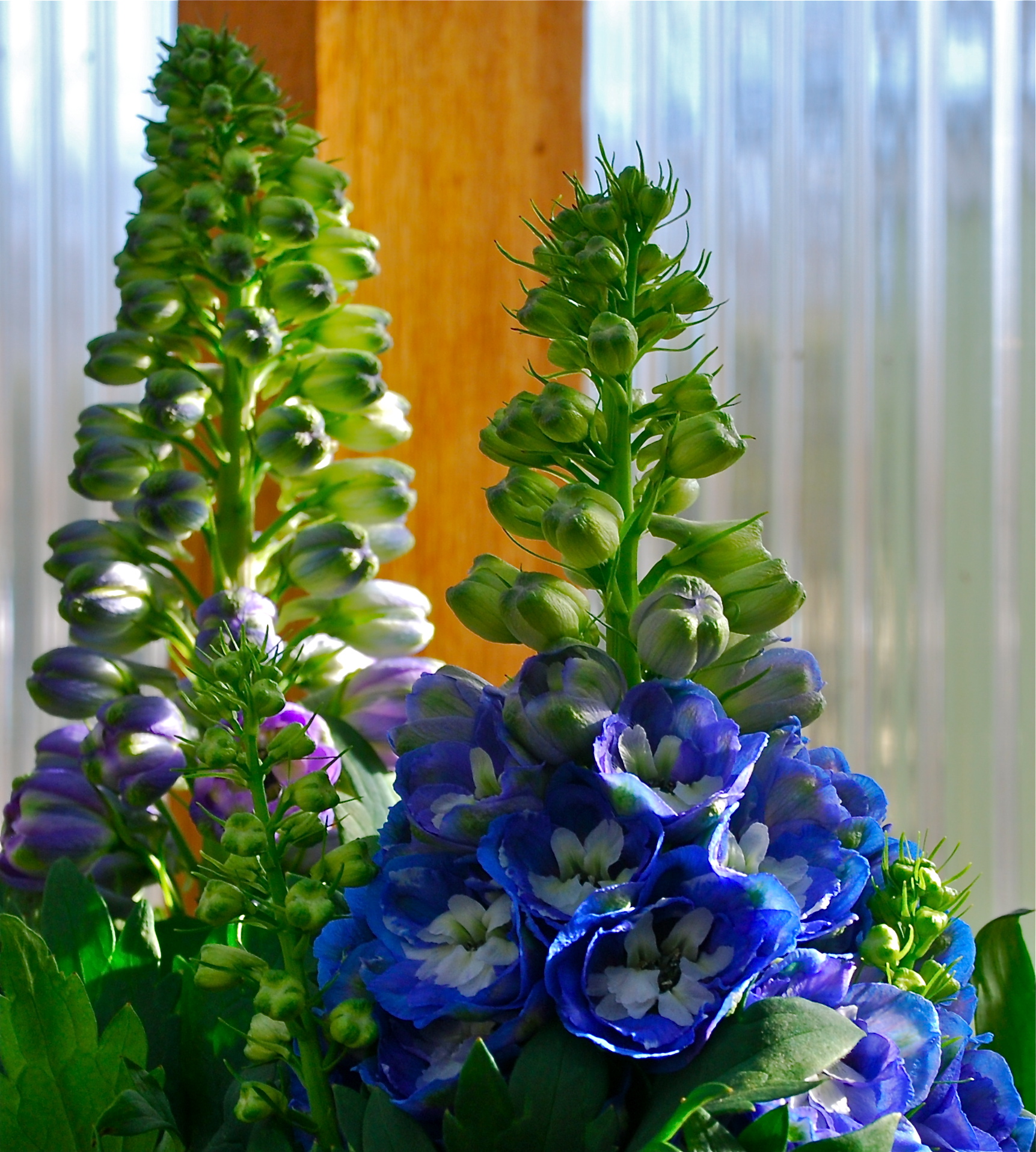
Who am I? My name is Delphinium.
I can be blue and I’m beautiful.

Image

Image

Image

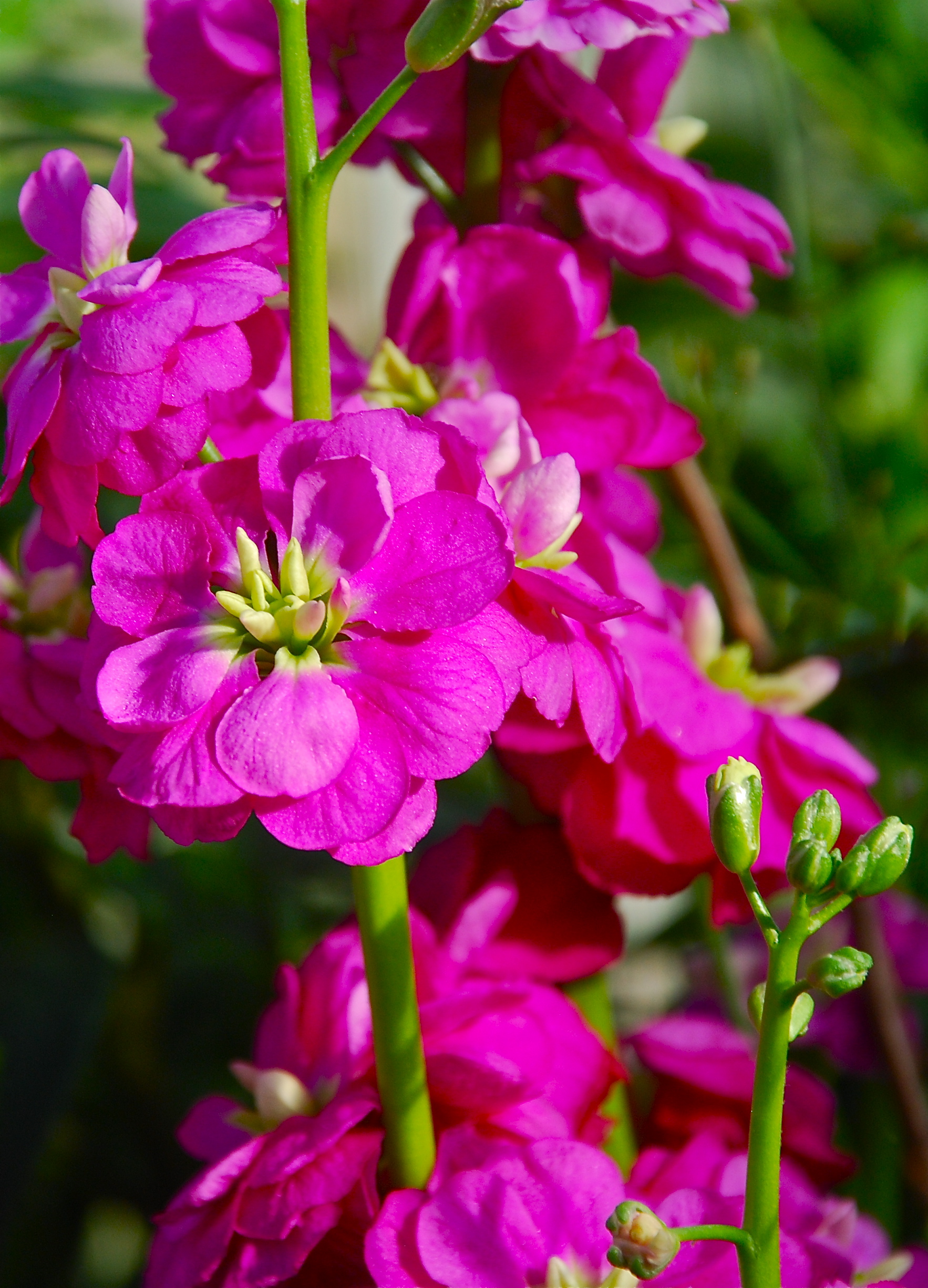
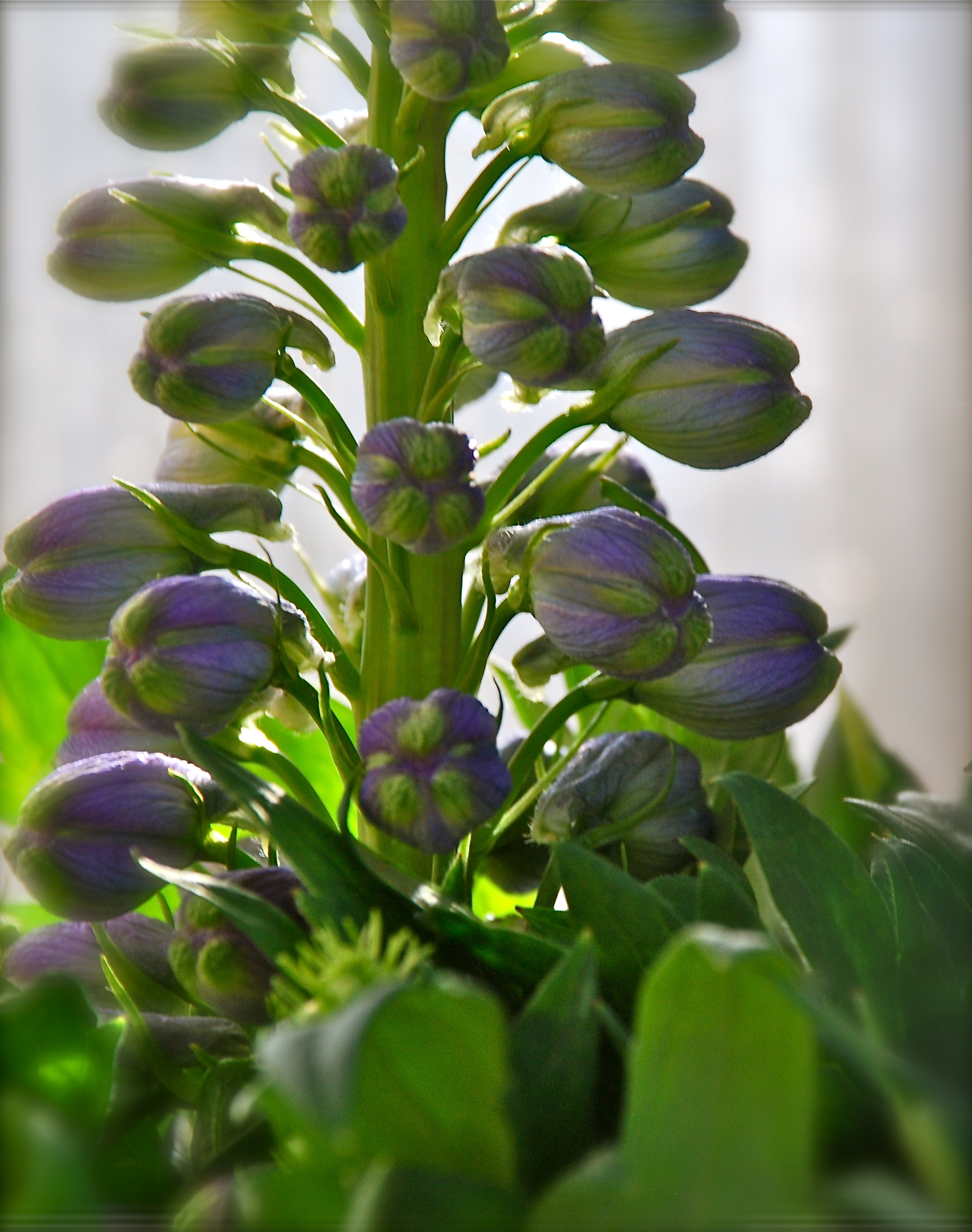
Blue is a popular color in the garden perhaps because it is relatively rare one in the plant world.   In fact, blue is said to be the most rare of colors amongst flowers.  Thus I am blessed to live in a place whose state flower is blue and whose landscape in places becomes covered in seas of bluebonnets for several weeks every spring.  Also, though Delphinium is not a staple in our landscape, they appear in pots in the nurseries this time of year before much, if anything, is blooming outside.  So I can, like I did last week, buy some to brighten the drab days of winter.  Both of the ones I got this year were marked as blue, but now that the second one is opening, I see that it’s going to be purple.  But hey, who am I to complain since purple is another of my favorite colors, and it too is often hard to come by in the garden.  Regardless of the color, now that I know that at one time delphiniums represented Mary’s tears, I’ll have yet another way of remembering what my salvation cost Mary and her precious son, the Christ.

May those who sow in tears reap with shouts of joy.  ~Psalm 126:5  ✝

252. Look deep into nature, and then you will understand everything better. ~Albert Einstein

The cycle of nature—the progress from seed to fruition to dying-off and then renewal in the spring—was mirrored in the wild fields and the cultivated garden alike, while the fragility of harvest—the possible interruption of the cycle by drought, wind, or other natural calamities— established the pattern of how humans understood the workings of the cosmos.  The oldest of surviving sacred stories have their roots in the garden and reflect how humanity sought to understand the changeable patterns of their world…  ~Peg Streep

Image

There is nothing better for mortals than to eat and drink, and find enjoyment in their toil.  This also, I saw, is from the hand of God; for apart from him who can eat or who can have enjoyment. For to the one who pleases him God gives wisdom and knowledge…  ~Ecclesiastes 2:24-26a  ✝

**In the photo is a pink poppy in bloom next to one that has already lost the petals which surrounded its seed pod.

251. More than anything, I must have flowers, always, and always. ~Claude Monet

When we look deeply into the heart of a flower,
we see clouds, sunshine, minerals, time, the earth,
and everything else in the cosmos in it.
~Thich Nhat Hanh

Image

 Color is my daylong obsession, joy, and torment.  ~Claude Monet

Image

 The richness I achieve comes from nature, the source of my inspiration.  ~Claude Monet

Image

I perhaps owe having become a painter to flowers.  ~Claude Monet

Image

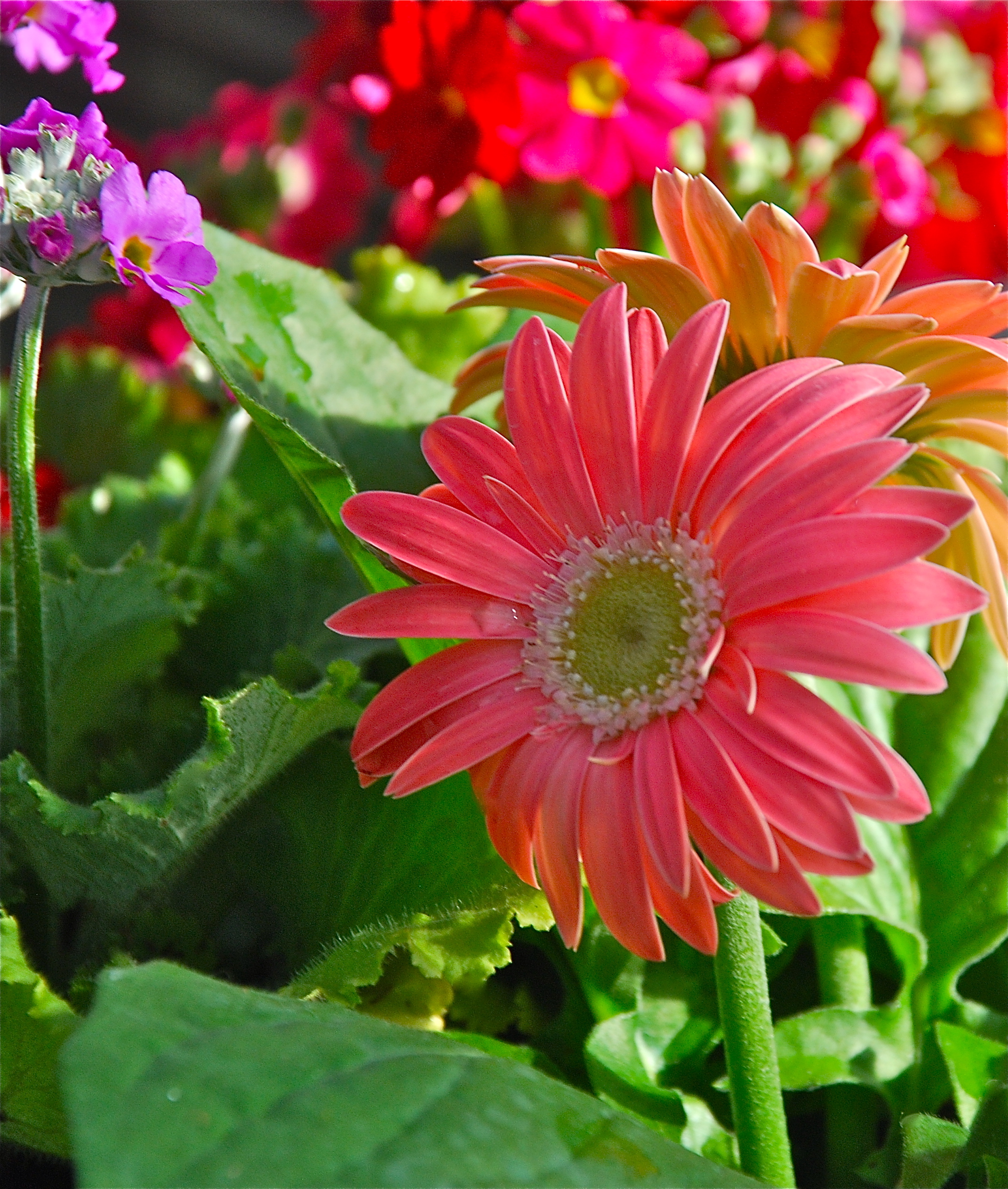
Like Monet, I must always, always have flowers, and I’ve discovered that cut flowers do little to satisfy that hunger.  I need to have flowers that, as in nature, are alive and growing, and to that end my greenhouse is a godsend.  From my chair in our family room I have a clear shot at the back shelf through the window in its door, and so that space is reserved during the winter months for potted flowers that aren’t suited to our Texas climate except as cool weather annuals.  Also like Monet, I must have color, lots and lots of color, and so the more bright and colorful the flowers are the better.  And again, like Monet I wanted to become a painter, but that’s where the likeness between us ends.  I may have found a way to have flowers and color but not the talent to translate that beauty onto a canvas.  However, the Lord in His gracious goodness did not let it end there.  During my years as a teacher I was asked at one time to sponsor the high school’s yearbook.  During that 5 year period I learned from the book’s professional publisher how to take photos,  how to edit and crop them, and how to lay them out on a page in an eye-appealing manner.  Then after I retired, with that training still in place, I discovered the amazing technology of digital photography, and voila, who’s to say an artist of sorts wasn’t born.

For you, O Lord, have made me glad by your work; at the works of your hands I sing for joy.  Psalm 92:4   ✝


250. Stay, little cheerful Robin! stay, and at my easement sing… ~William Wordsworth

Image

The robin’s song at daybreak
Is a clarion call to me.
Get up and get out in the garden.
For the morning hours flee.

Image

I cannot resist the summons,
What earnest gardener could?
For the golden hours of morning
Get into the gardener’s blood.

Image

The magic spell is upon me,
I’m glad that I did not wait;
For life’s at its best in the morning,
As you pass through the garden gate.
~Howard Dolf

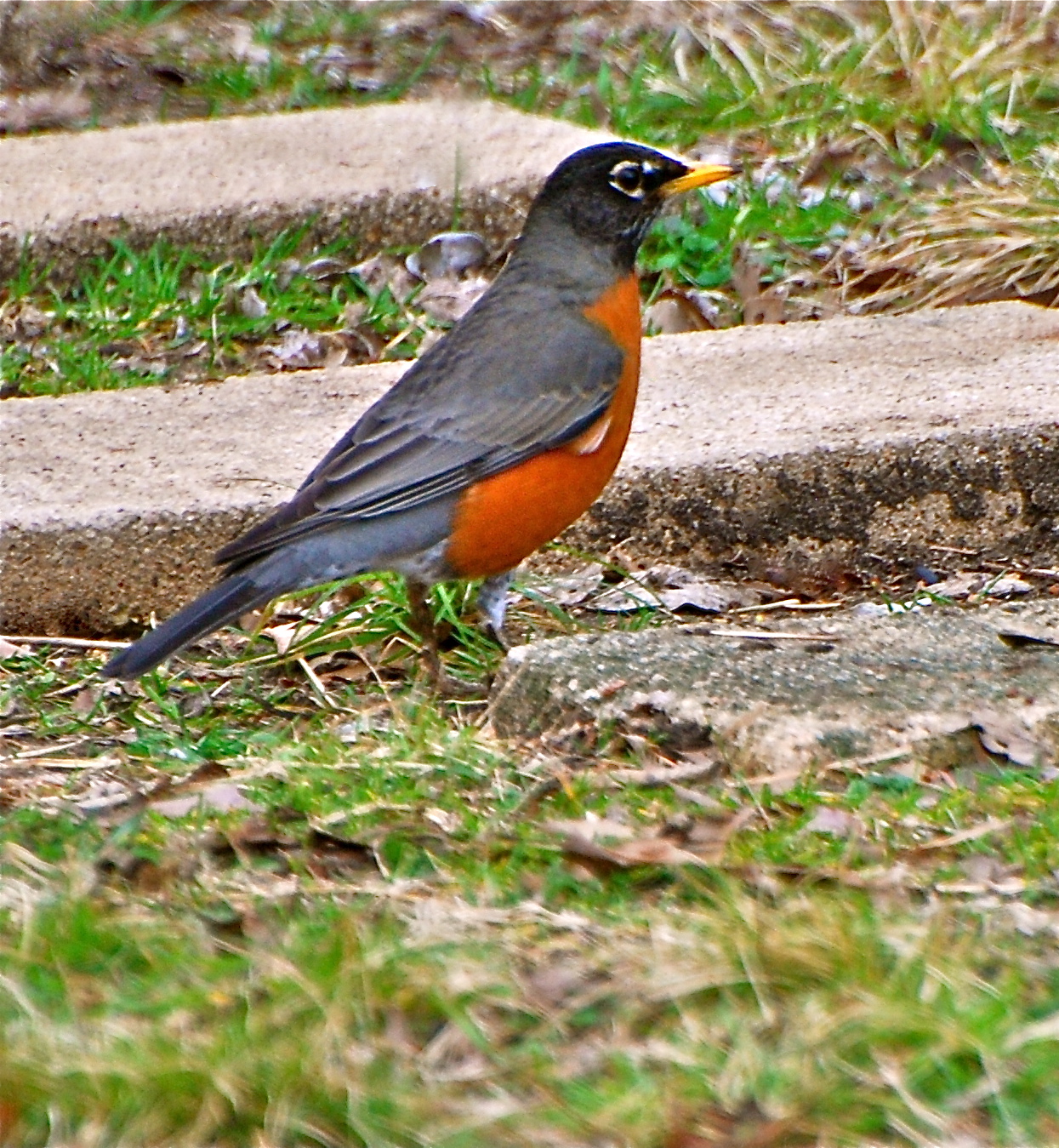
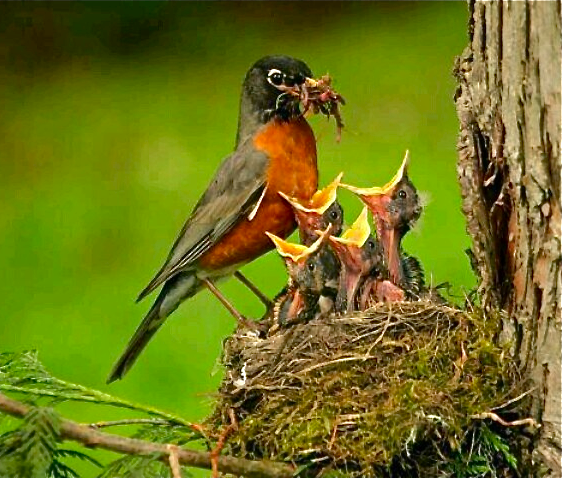
In the first photo, a Pinterest posting, is a European robin who according to my English garden bloggers is already singing in their gardens.  The one in the second photo is our American robin who has yet to come, but when he does, we’ll know that spring can’t be too far away.  For he, the stuff of a Messianic legend and spring’s cheery harbinger, will, as the poem says, sing loudly of its coming and our need to get up and out in the garden.  Given my willingness to heed a garden’s summons at any point in time, the robin’s task won’t be too hard to accomplish.  Would that I were as willing to listen to Christ’s calling.  The last photograph I also found on Pinterest.  Although I’ve heard and seen robins feeding their young in my yard, I’ve not yet been able to get a good photograph of the event.

For every wild animal of the forest is mine, the cattle on a thousand hills.  I(God) know all the birds of the air, and all that moves in the field is mine. ~Psalm 50:10-11  ✝

**See post 46 to read the legend of the robin.

249. The greatest gift of the garden is the restoration of the five senses. ~Hanna Rion

What pure delight a garden brings!
What joy in watching growing things.
Up springing from the sodden mold
Their wealth of beauty to unfold–
‘Tis here my spirit soars and sings!

Image

To note the flash of painted wings,
And hark the bees soft murmurings
In quests of sweets the blossoms hold;
Where all gray days are days of gold,
Strolling its paths bright wanderings,
What pure delight!
~Louella C. Poole

Image

My beloved has gone down to his garden, to the beds of spices, to pasture his flock in the gardens, and to gather lilies.  ~Song of Solomon 6:2  ✝

248. I look back with gladness to the day when I found the path to the land of heart’s desire… ~Mrs. George Cran

Earth, thou great footstool of our God,
who reigns on high;
thou fruitful source of all our
raiment, life, and food;
our house, our parent, our nurse,
and our teacher.
~Edited and adapted excerpt from Isaac Watts

Image

What’s that whisper in the wind?  Do you hear it?  Listen, there it is again!  Oh, I know.  It’s that ancient and seductive call that tempts the gardener to come and play in the dirt?  And it doesn’t take much bidding before this one can do naught but hearken to the bewitching pleas.

For days now I’ve heard the “call” because even though winter is still quite young,  January has obliged the “voice” by bringing some warmer days.  So several days ago I began clearing my flower beds of autumn’s dead, leafy debris, cutting off seed heads to be scattered elsewhere, and pruning weak, leggy growth off shrubs and roses.  Working close to the soil let me, as usual, hear earth’s heartbeat, and that sweet sound in turn spread a soothing balm over the spiritual doldrums.

Ironically, however, it occurred to me as I worked today that I was blessing the warmth of the same sun that only a few months ago I’d been cursing for its relentless waves of miserable heat.  That brought me face to face afresh with the truth that too much of anything spoils even the very best of things, that there is a purpose, if not understanding, in all things, and that gratitude, when in comfort or lack, is the only appropriate response to a day’s gifts.  So, you see, it was more than an ordinary call or faint heartbeat that I’d heard; I’d encountered the Teacher and He, leading me in and out of flesh and spirit, had shown me, again, wisdom growing in the garden’s “soil.”

…and the Lord your God will make you abundantly prosperous in all your undertakings, in the fruit of your body, in the fruit of your livestock, and in the fruit of your soil.  ~Deuteronomy 30:9a  ✝

247. The breeze at dawn has secrets to tell you. Don’t go back to sleep. ~Rumi

Every morning is a fresh beginning.
Every day is the world made new.
Today is a new day.
Today is my world made new.
I have lived all my life up to this moment,
to come to this day.
This moment–this day–is as good as any moment in all eternity.
I shall make of this day–a heaven on earth.
This is my day of opportunity.
~Dan Custer

Image

Welcome the new day; it is a new creation.  Greet it with gratitude.  It is a  nonrepeatable gift; it is a promise of resurrection.  Miss not the day’s beauty.  Miss not the joy.  Miss not the wonder.  Miss not chances to make the world a better place.  Miss not opportunities to praise God!

The steadfast love of the Lord never ceases, his mercies never come to an end; they are new every morning; great is your faithfulness.  ~Lamentations 3:22-23  ✝