152. A bit of fragrance always clings to the hand that gives roses. ~Chinese Proverb

Under a lawn, than skies more clear,
Some ruffled Roses nestling were,
And snuggling there, they seem’d to lie
As in a flowery nunnery;
They blush’d, and looked more fresh than flowers
Quickened of late by pearly showers. . .
~Robert Herrick, 17th century English poet
Image

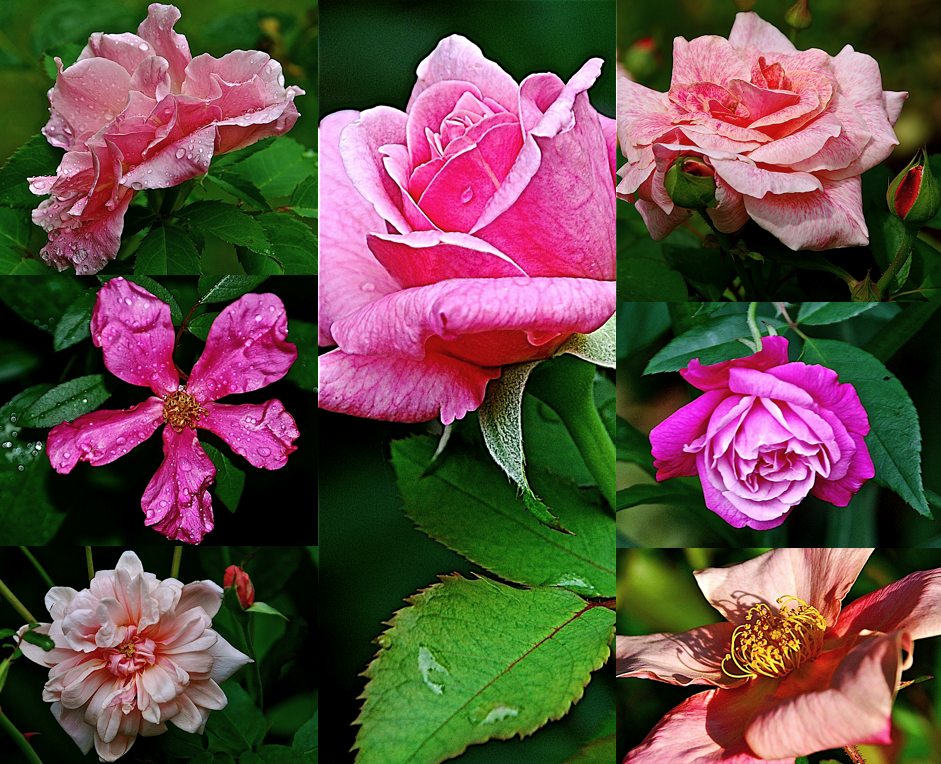
As you can see in my photographic “nunnery,” the “sisters” are all roses, but all are not wearing the same “habit.”  They all have petals, but the number of petals is not the same.  They’re all pink, but it is not the same shade of pink.  They all start out as not-so-different buds, but when open they do not all look alike.  Even the scents are not all the same.  However, there are those who been known to say, like I did at one time, that all roses are more or less the same.  But “a rose is a rose is a rose” is simply not the case.  When I fell in love with gardening, I started learning about the many varieties of roses, and after growing them I realized that each species has its own unique personality and appearance.  What surprised me the most was that according to fossil findings the roses we see today are the descendants of ones that have been growing for over 35,000,000 years.  It wasn’t until after prehistoric times, though, that treks of one kind or another began to spread them all around the world.  These early migrations are reported to have originated in places like Persia, Egypt, Mesopotamia, and China.  Then later on many of them traveled along with the spread of Christianity because monks would move them from one monastery garden to another during the Crusades, and it was some of those early Christians who identified the five petals of the single rose (lower right photo) with the five wounds of  the Messiah.

For we are to God the pleasing aroma of Christ among those who are being saved. . .  ~2 Corinthians 2:15
144. In the right light, at the right time, everything is extraordinary. ~Aaron Rose

For me, a landscape does not exist in its own right,
since its appearance changes at every moment;
but the surrounding atmosphere brings it to life – the
light and the air which vary continually.
For me, it is only the surrounding atmosphere
which gives subjects their true value.
~Claude Monet

Image

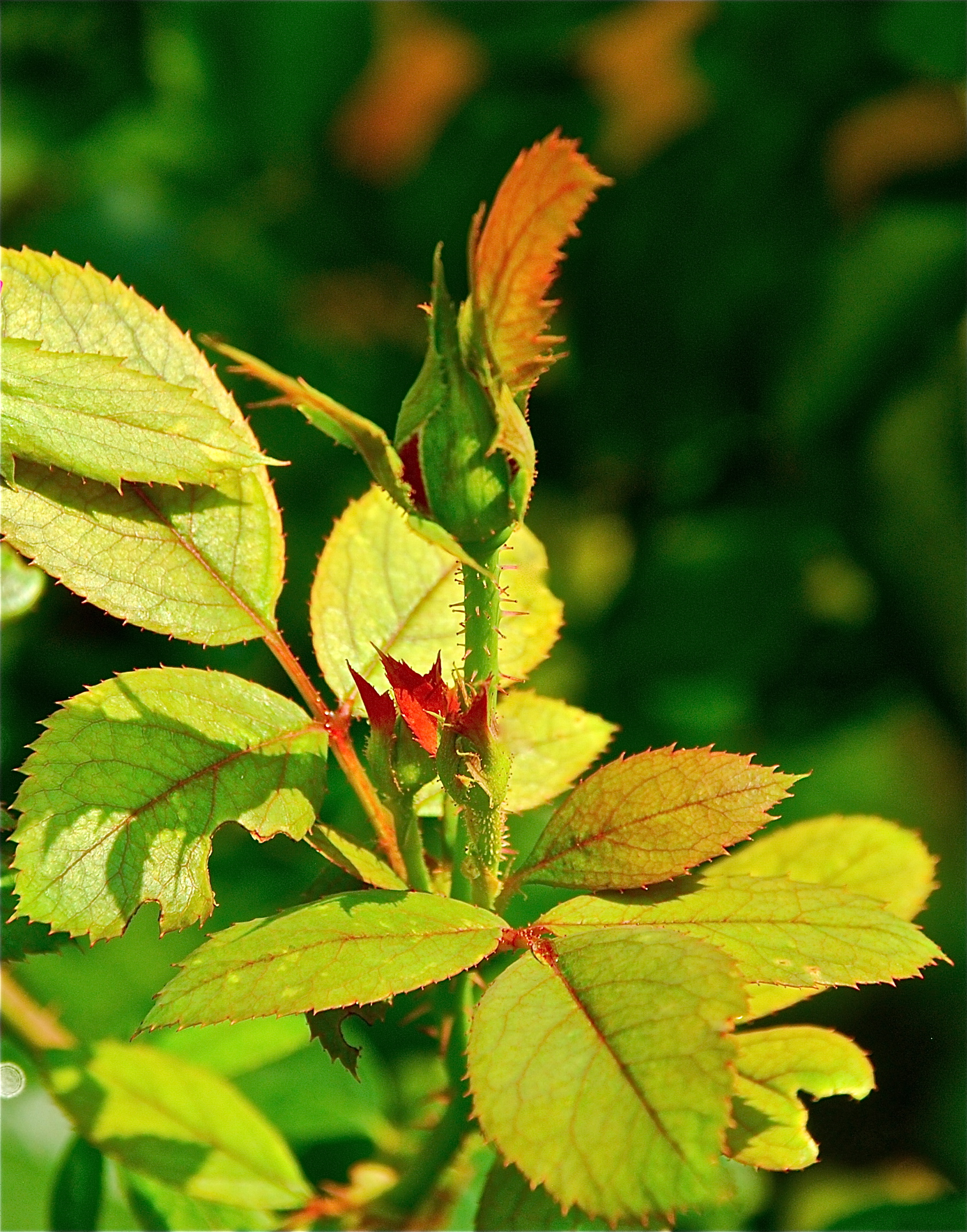
Living in a garden day after day, being a participant in all its events, witnessing the changes from season to season, and watching the way differing light falls on the landscape make gardening a thrilling experience.  The fact that colors in the garden change off and on during the course of a day fascinates me.  In morning light the hues are vivid and bright, but as daylight mellows into twilight, they melt into quieter, more subdued tones.  Light even affects the fragrance of things for it is only in the cooler moments of early morn and twilight that the strongest aromas are dispelled from herbs and flowers.  But then things are not just affected by changes in lighting.  Sometimes colors change as flowers and leaves age, when temperatures rise or fall, when changes occur in the content of the soil, or when rainfall is lacking or in abundance.  That’s why without looking at a calendar, I can tell that the rose bud in the photo is one born of recent rainfall and the passing of the autumnal equinox.  The constancy of this inconstancy defines the soul of a garden, and, like all else in nature, speaks to me of rhythmical and purposeful ordination.

Awake, north wind, and come, south wind!  Blow on my garden that its presence may spread everywhere.  Let my beloved come into his garden and taste its choice fruits.  ~Song of Songs 4:16   ✝

120. Every happening, great and small, is a parable whereby God speaks to us, and the art of life is to get the message. ~Malcolm Muggeridge

The world has different owners at sunrise. . .
Even your own garden does not belong to you.
Rabbits and blackbirds have the lawns;
a tortoise-shell cat who never appears in daytime
patrols the brick walls,
and a golden-tailed pheasant
glints his way through the iris spears.
~Anne Morrow Lindbergh,
pioneering American aviator and author

Image

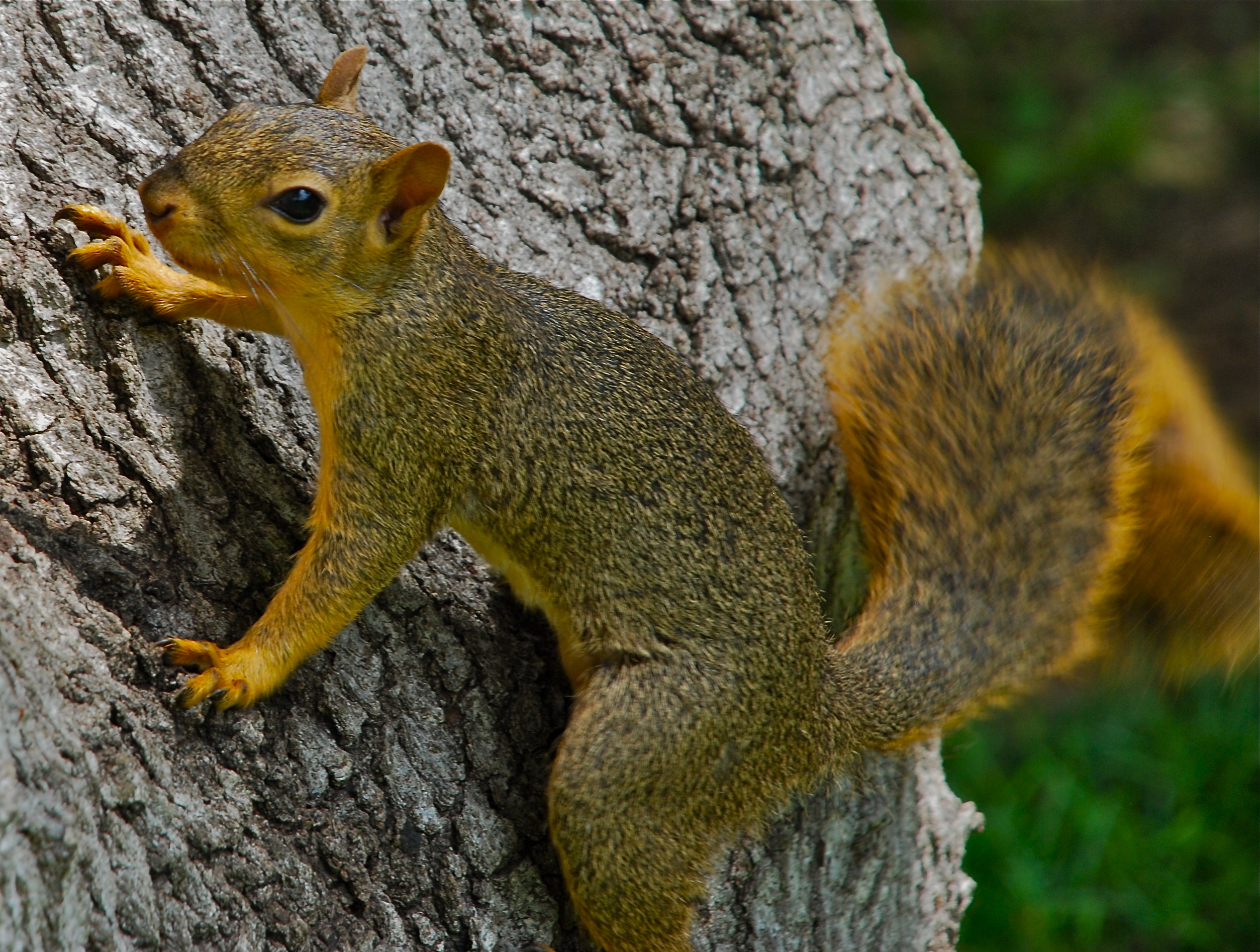
In my yard are squirrels instead of rabbits, mockingbirds instead of blackbirds, an assortment of stray cats instead of one tortoise-shell cat, and garter snakes that slither through the grass instead of a pheasant that glints his way through the iris spear.  So it is that my yard has as Lindbergh penned “different owners at sunrise.”  But since I planted everything for the wildlife as much as for me, why shouldn’t they come and sometimes in large numbers all through the day and night.

J. Philip Newell says that God’s glory glows “in the glistening of a creature’s eyes” as well as in “every emanation of creation’s life,” and that we can reverence God “in all that has life.”  My guess is that’s why some people garden in the first place.  We are fascinated by and delighted with the flowers and the wildlife, but we long for the presence of God into our green temples–that Presence that we feel and see in tiny buds breaking the soil, in pinkish purply glows in the eastern sky, in a silver slivers of the moon in the darkness of night, or in the delicious stillnesses in the garden as day passes into night.

For since the creation of the world God’s invisible qualities—his eternal power and divine nature—have been clearly seen, being understood from what has been made. . .  ~Romans 1:20   ✝