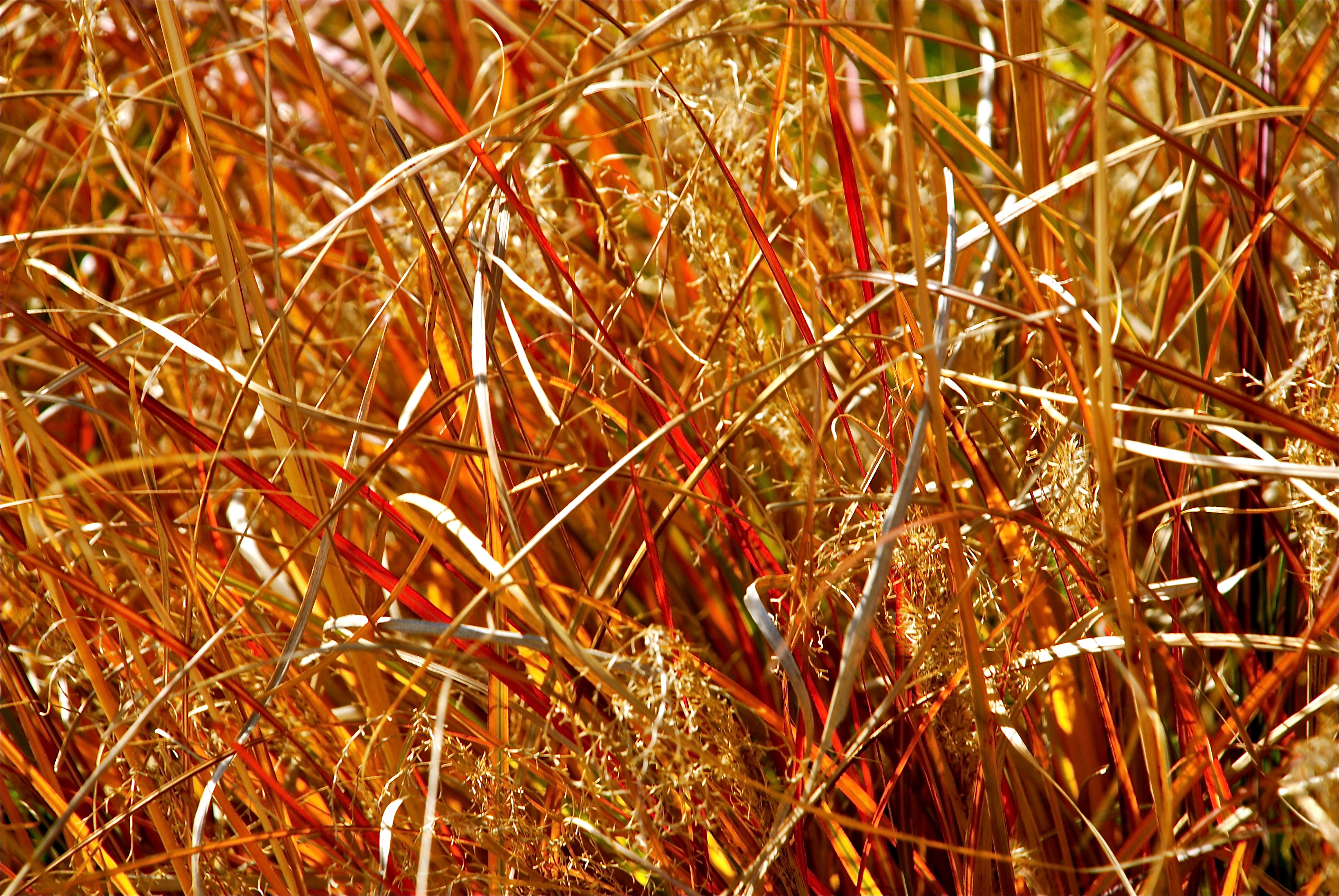
167. God gave us memory so that we might have roses in December. ~James M. Barrie

I arise today
blessed by all things.
~John O’Donohue
Image

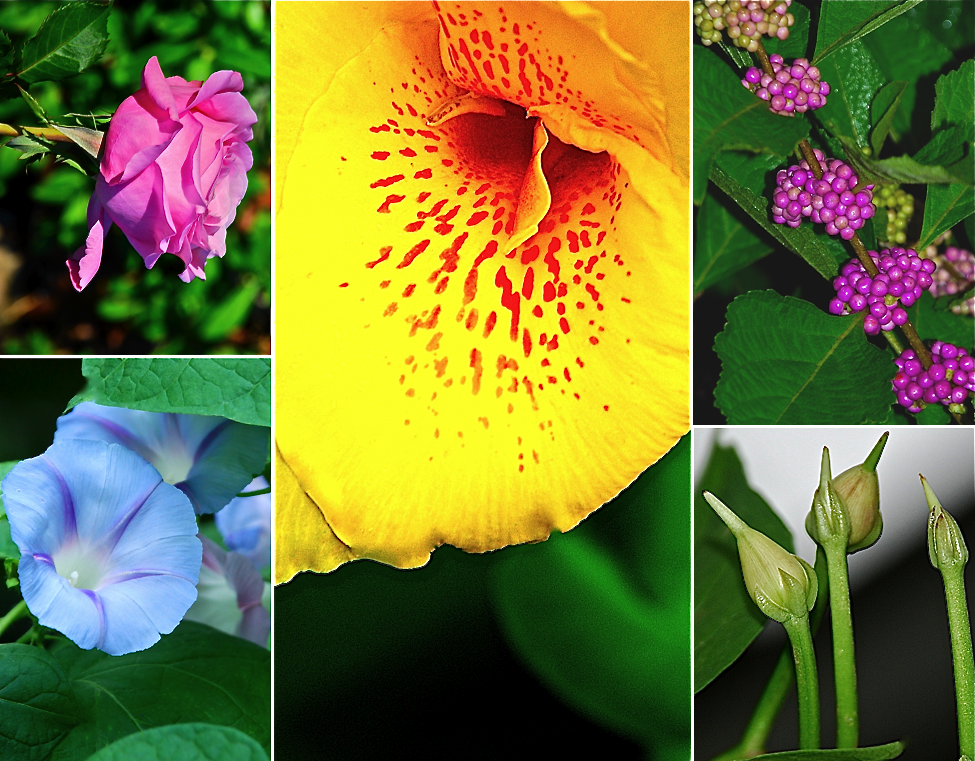
The English poet, William Blake, once penned that all “the daughters of the year shall dance” in autumn and “sing the lusty song of fruit and flowers.”  I think it might be hard to find a much lustier song or livelier a dance than what the beauties above are lending to October’s opus.  As a part of the process of summer’s “slow disrobing” and the “summing up” before year’s end, their ordained and impassioned performances are undeniably spreading a magnificent and long lasting “common feast for all that live.”  From this rich banquet, the berries will remain on winter’s menu for birds who fly not elsewhere for warmer refuge.  The seeds in the lower right corner produced from flowers like the pink and blue morning glories will foster faith and hope for we mortals as they carry the promise of spring through winter’s cold and dark dominion.  The scarlet spots in the throat of the yellow Canna will bleed thoughts of Christ into our awareness as we look forward to celebrating His birth in deep December.  And the scent and sight of the inimitable rose will take its usual place in memory whilst not in bloom.

I will perpetuate Your memory through all generations; therefore the nations will praise You for ever and ever.  ~Psalm 9:6  ✝
132. For summer here, bear in mind, is a loitering gossip, that only begins to talk of leaving when September rises to go. ~George W. Cable

Take thy spade,
It is thy pencil;
Take thy seeds, thy plants,
They are your colours.
~William Mason, English poet, editor, and cleric

Image

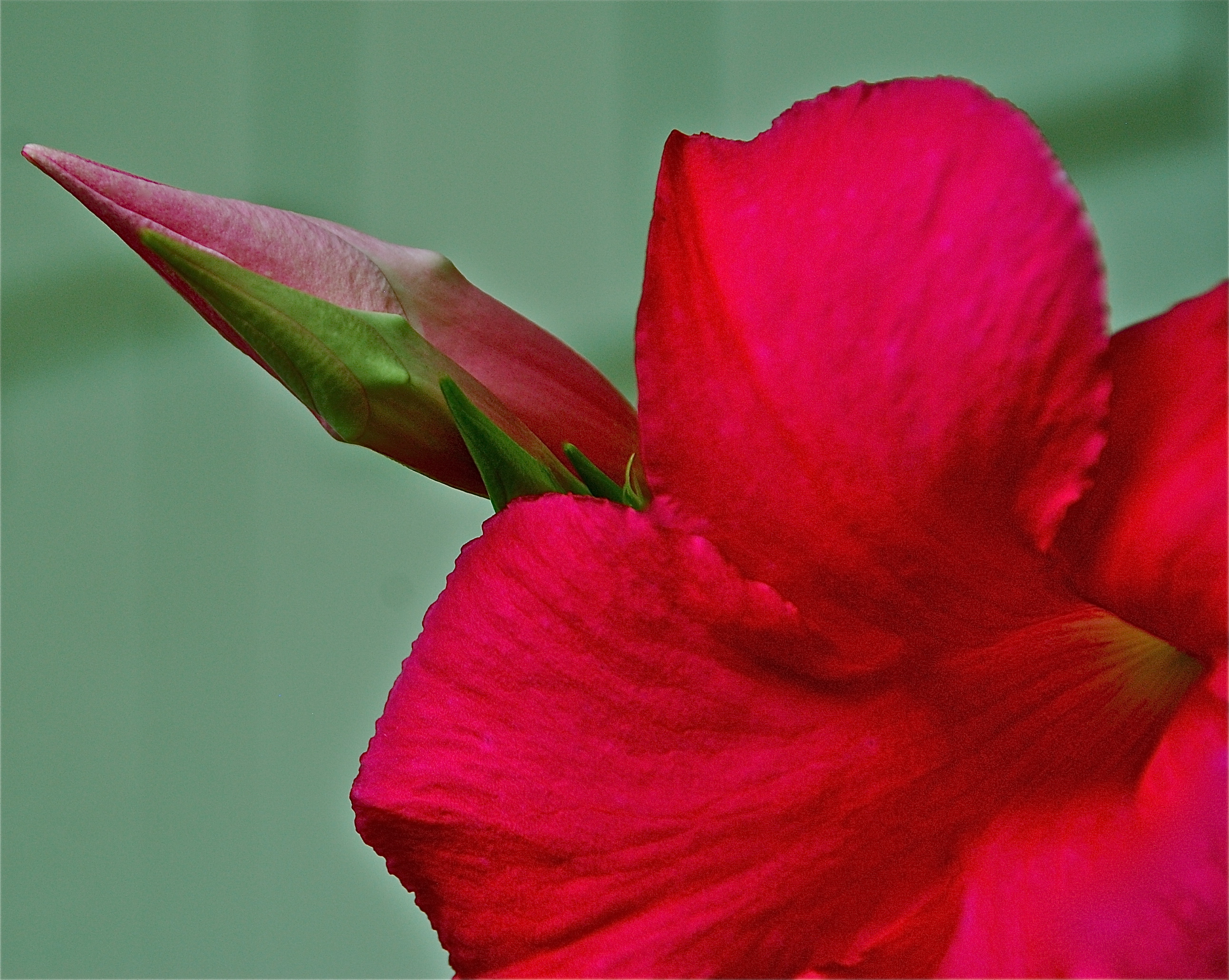
The level of sand in summer’s hour glass may be low, but, and in spite of August’s  lingering heat, there is yet to come a fair measure of glory in the garden.  The cycle of earth’s fruiting isn’t completely over here in north central Texas until Jack Frost’s frigid touch rings the death knell in mid-November or early December.  So the remaining modicum of flowers will be joined in the coming days and weeks with substantially more blossoms.  Moreover, squirrels aren’t finished gathering nuts, birds have songs yet unsung, pollinators have more rounds to make, and roses have a second flush of blooms to proffer.  But most of all autumn is the time for we who “dwell in gardens” to plant, sow seeds, and raise our voices in gratitude for what the Lord has already graciously given us.

You who dwell in the gardens with friends in attendance, let me hear your voice.  ~Song of Songs 8:13  ✝

3. Winter is an etching, spring a watercolor, summer an oil painting and autumn a mosaic of them all. ~Stanley Horowitz

O Autumn, laden with fruit, and stain’d
With the blood of the grape, pass not, but sit
Beneath my shady roof; there thou may’st rest,
And tune thy jolly voice to my fresh pipe,
And all the daughters of the year shall dance!
Sing now the lusty song of fruits and flowers.
~William Blake, English poet

Image

Lusty indeed is the dance of the year’s 4th child; regaled in glory and reigning in majesty, she’s a darling of the gardener.  Because fruitfulness and love run through her “thrilling veins,” those who choose to work the soil know they’ve got one last chance now before year’s end to plant, “to interact with nature, to share, to find sanctuary, to heal, to honor the earth, to leave a mark.”  So it is when autumn’s chariots, with pink and purple banners flying or veiled in a gray fog or torrents of rain, enter the eastern sky at dawn, the gardener’s heart is electrified.  Then when her crisp days are done and her carriage exits on the western horizon in a blaze of red and gold or is swallowed in the wetness of massive dark clouds, the gardener is left with the satisfied feeling that he’s conjured up or added yet another stroke or two to his beloved work of art.   As for what Blake called her “jolly voice,” autumn often sings gladsome odes to joy, but there are days when it belts out threatening, thunderous refrains or croons “mournful melodies.”  Regardless of what autumn vocalizes, it’s not until it plays “the harps of leafless trees” and sings the somber song of deep December that both the garden and gardener rest knowing that it’s time to let the Lord and Creation alone perform their miracles, God from on high and the earth from beneath the soil.

A common feast has been prepared at Creation’s hearty tables.  Food for the soul, spirit, and mind has been prepared and offered up for all of us.  So, come, dine with me there in the coming weeks.