206. The more I wonder, the more I love. ~Alice Walker, author of THE COLOR PURPLE

It seemed to my friend
that the creation of a landscape-garden
offered to the proper muse
the most magnificent of opportunities.
Here indeed was the fairest field
for the display of the imagination,
in the endless combining of forms of novel beauty.
~Edgar Allan Poe
Image

Image

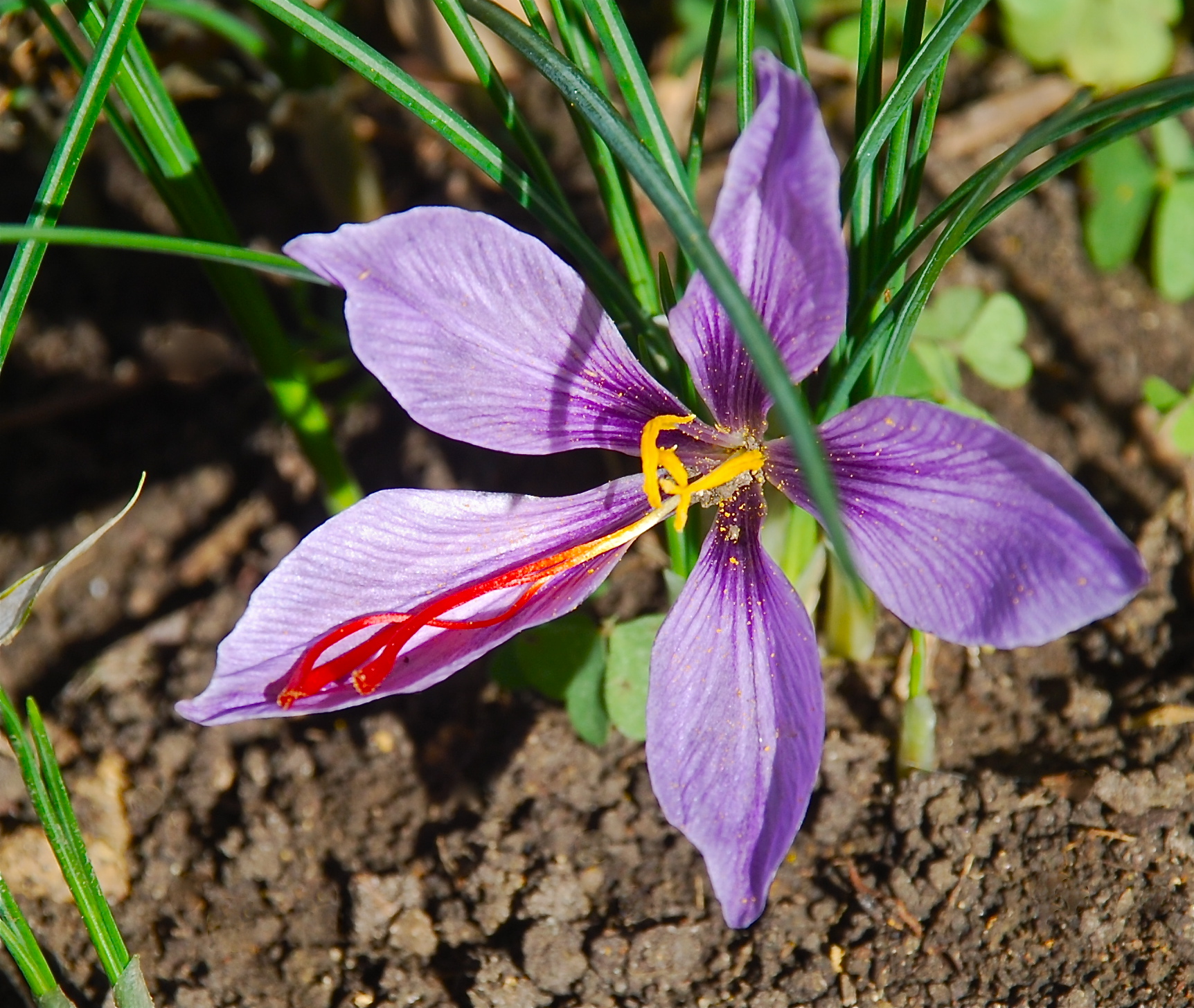
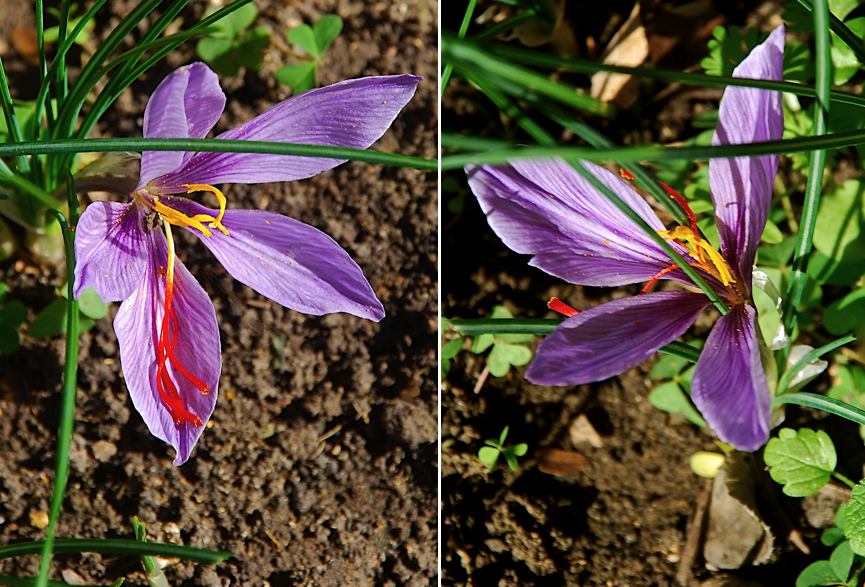
Purple, the most powerful wavelength of the rainbow, can be seen sometimes simply streaking the heavens, and it is mentioned at least 25 times in the Bible.  Over the ages the color’s “novel beauty” has symbolized magic, mystery, spirituality, the sub-conscious, creativity, dignity, and royalty; statistics show that it has evoked all of those meanings more so than any other color.  And yet the color purple is a rarity in nature so much so that its earliest dyes could be made only at great expense rendering it a color to be worn solely by kings, emperors, nobility, and priests. So when I find samplings of purple in my yard as I did yesterday, it feels as if honored guests have arrived at my “table.”  Add to that the fact that pigments from these particular guests have been found in prehistoric depictions dating back 50,000 years and that those depictions were found where the Garden of Eden could have been, then the honored guests become not only venerable ones but also sacred ones.  I sent out the invitations to these purple invitees last August after happening upon Crocus Sativus corms at a local nursery.  Since I had long wanted to try growing the plants from which the spice saffron is obtained, I came home and immediately planted my 6 little corms and then came the watching and waiting for signs of life.  But as the leaves began to fall and collect in the beds and I was spending less time outside, I’d almost forgotten about them until yesterday when I went out to get the mail.  To my surprise I spied two of the beauties with their three crimson stigmas (saffron threads) pushing up from under a layer of leaves.  Like a child I literally squealed with delight; it was as if I’d stepped into the Lord’s holy presence as He walked in His garden.

They put a purple robe on Him(Jesus), then twisted together a crown of thorns and set it on Him.  ~ Mark 15:17  ✝
204. The autumn leaves drift by my window, the autumn leaves of red and gold…and soon I’ll hear old winter’s song… ~Excerpts from a tune by Johnny Mercer

There is music in the meadows, in the air…
Leaves are crimson, brown, and yellow…
There is rhythm in the woods,
And in the fields, nature yields…
~Excerpts from LYRIC OF AUTUMN by
William Stanley Braithwaite

Image

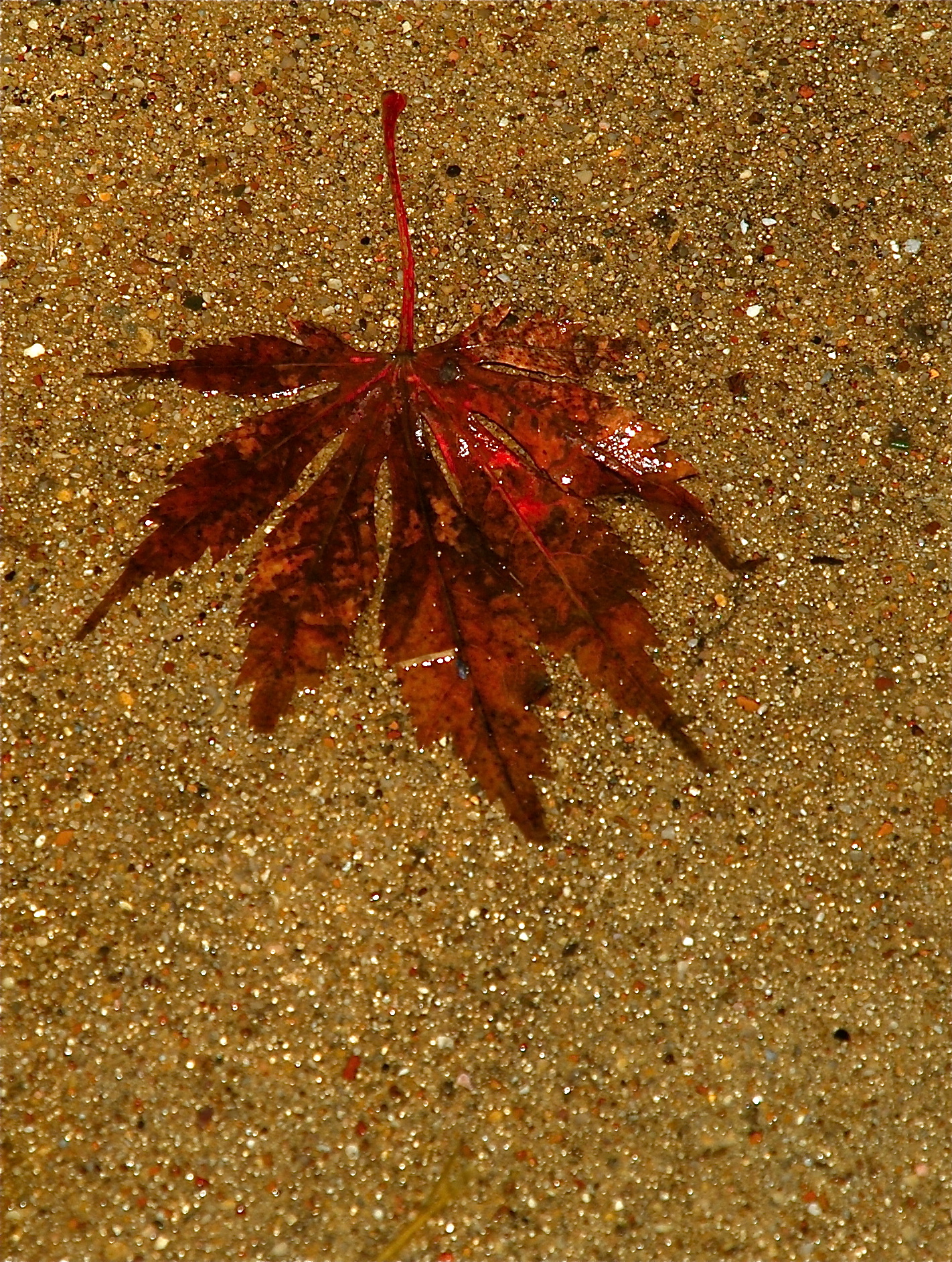
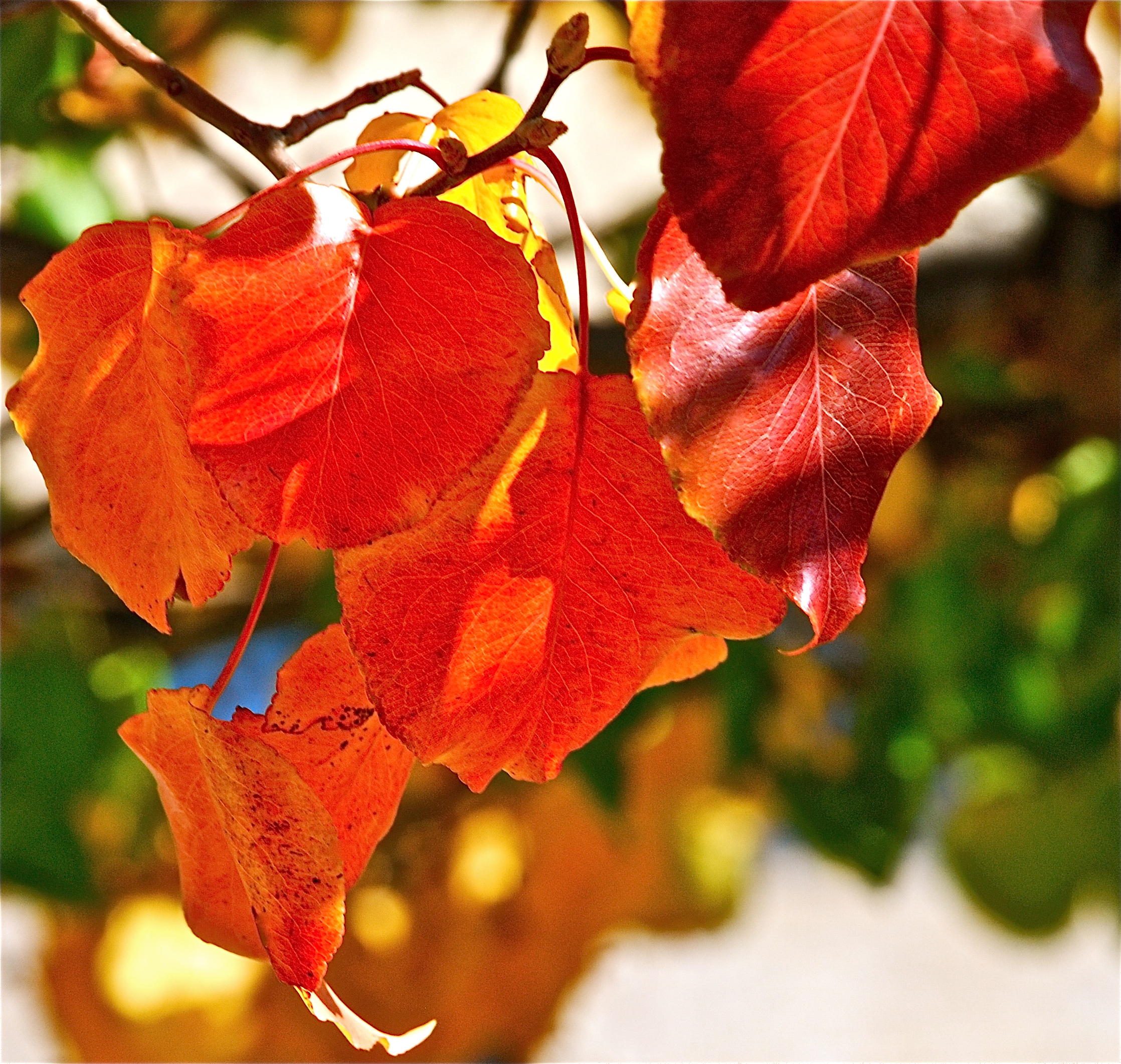
It was 1947 when Johnny Mercer borrowed lines from a French song to create the lyrics to his unforgettable melody, AUTUMN LEAVES, a song I find myself singing, at least the parts I remember, almost every year as I tear November’s page off the calendar.  Why?  I don’t know.  The words just seem appropriate when autumn’s persistent winds, wild with leaves, blow wide open the final month’s portals, and this year’s opening was no different.  November’s yet in place blustery gales did in fact sweep December onto its throne.  Once seated, the 12th month opened under bright, sunny skies, but by noon day one had become shrouded in unending shades of gray.   When night fell, there were few, if any, remaining leaves on the redbud and willow at the back of the yard.  The beneficiaries of these as well as the oak’s leaves when they fall are the big island bed and my secret garden in the north corner.  So now not only can my voice be heard singing autumn’s anthems, but wherever these tinted tidbits lie, I’ll be able to hear them crooning their embracing ballads of promise.  And theirs, songs different from the ones in springtime, pledge warmth and declare they’ll keep my plants safe during the bitter, stone-cold days of winter.  But wait, things like trees and leaves sing?  Really? As a matter of fact, according to some Scriptural references and to those of us who listen carefully, they do!

The Lord reigns…Let the heavens rejoice, let the earth be glad; let the sea resound, and all that is in it.  Let the fields be jubilant, and everything in them; let all the trees of the forest sing with joy.  ~Psalm 96:11-12  ✝

203. Surely a man needs a closed place where in he may strike root and, like the seed become. ~Antoine de St. Exupéry

But he also needs the Great Milky Way
above him and the vast sea spaces,
though neither stars nor ocean serve his daily needs.
~Antoine de St. Exupéry

Image

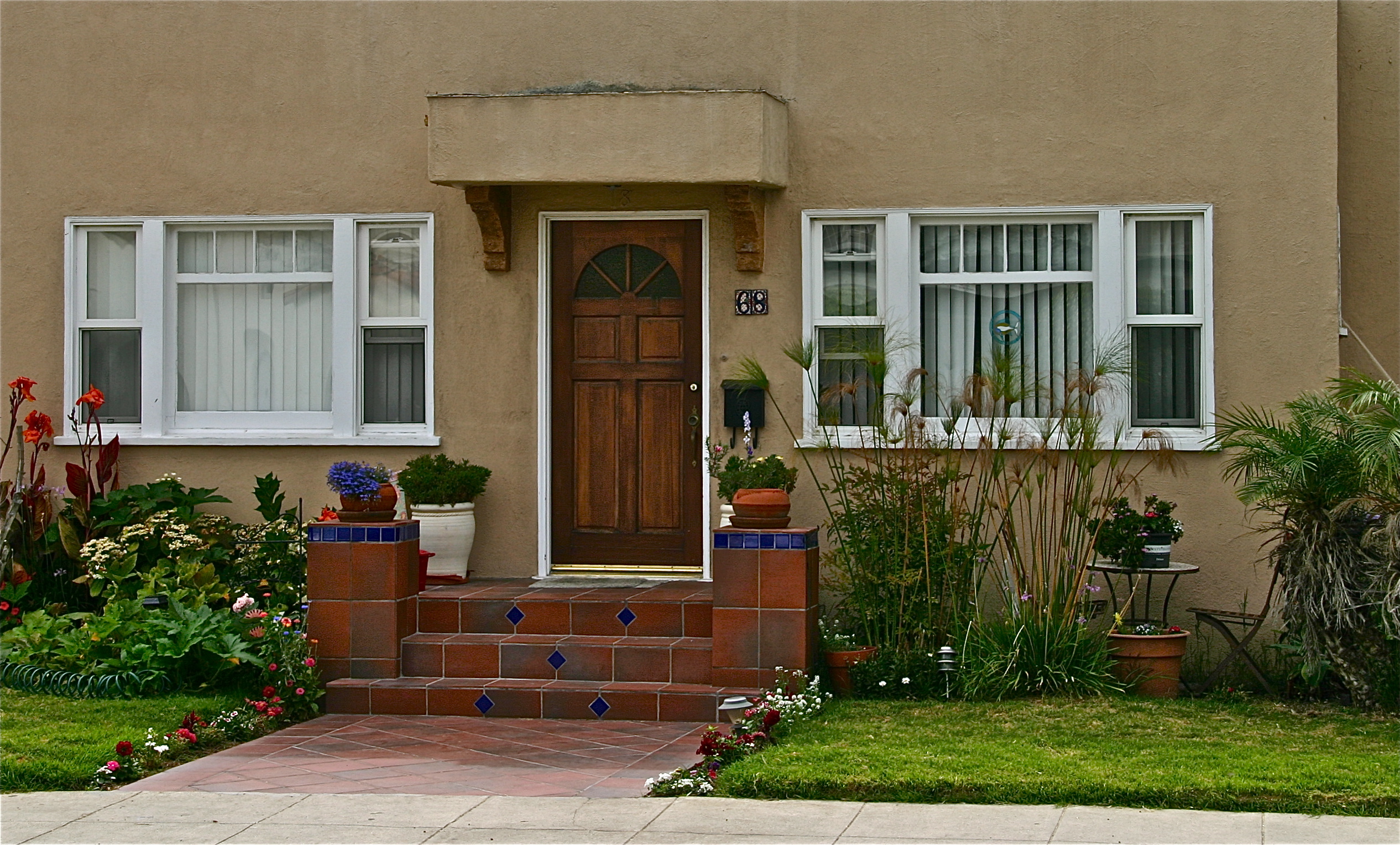
For me, autumn, especially late autumn, is a time for reflection, contemplation, and soul searching–a time for ruminating on the things that move me and make me who and what I am.  And so as I worked out in the yard on this sunny last day of November, the windmills in my mind started churning up memories of the events that led to its door.  Rather than covering every step of the journey, I decided to start when I found my “closed place” in this house with its spacious yards where I began to “strike roots.”  In the beginning, though the home and its conveniences served my physical needs and provided me with creature comforts, relief from old emotional wounds and peaceful contentment remained elusive long afterwards.  Years passed with little change in the status quo until one summer while recalling the beautiful flowers surrounding my childhood home (above) in California, I decided it was time to try growing my own flowers right here in hot old Texas.  Since I wasn’t sure I’d inherited the proverbial “green thumb” of my ancestors, I resolved to begin on a small scale.  So I cleaned off a corner of the patio, bought some bags of potting soil and an assortment of pots and seeds, and thus commenced what I know now to have been a pivotal moment in my life.  From the minute the first seeds germinated, a soul-saving passion for gardening was being birthed in me.  Despite the summer’s miserable heat, I faithfully watered and fussed over my thriving “little flock,” and it was those familiar flowery scents that were the catalysts which sparked my spiritual reawakening.  The next summer with the success of the previous year under my belt and a renewed recognition of Ruach Elohim (the Spirit of God), I decided to branch out and actually sow  seeds in the ground and dig a few holes for bedding plants.  Success came again and with it the quickening in my spirit intensified so much so that I decided to take my recently commissioned mentor’s advice to attend church once more.  This was the first step in righting the derailment of my faith journey that had begun after the early death of my father.

Scripture tells us that Christ is the vine, and we are the branches.  Until those first two growing summers the branch that was Natalie had been withering, not because the Lord had been doing less but because I had been turning a deaf ear and  blaming Him for the loss of my father as well as for painful, emotional wounds and the awful, unrelenting migraines that had started in my mid-twenties.  Since then I have spent season after glorious season planting, replanting, listening, seeking His presence, and marveling at the wonders of heaven and earth.  This pilgrimage that was involved in becoming the Natalie I am today has taught me that He, His Church, and His Creation, which includes the Great Milky Way, the vast sea spaces, and a garden, are the “holy foods” I must have to survive and live in peace and harmony.  Now minute by minute in this place where I have deeply “rooted” myself, the hungering need for “more” has been forever silenced by miracles great and small, blessing upon blessing, and the amazing grace He continues to bestow upon me.

I am the vine, and my Father is the gardener… Remain in me, as I also remain in you.  No branch can bear fruit by itself; it must remain in the vine.  Neither can you bear fruit unless you remain in me.  I am the vine;  you are the branches.  If you remain in me and I in you, you will bear much fruit; apart from me you can do nothing.  John 15:1 and 4-5

202. There is a communion with God, and there is a communion with earth, and there is a communion with God through the earth. ~Pierre Teilhard de Chardin, French philosopher and Jesuit priest

Grass is the forgiveness of nature-
her constant benediction.
Forests decay, harvests perish, flowers vanish,
but grass is immortal.
~Brian Ingalls

Image

Maiden grass, purple fountain grass, blood grass, little bluestem, pink muhly–what’s not to love about such names.  Not only are they alluring monikers for gardeners, but their visual charms provide great cover for  wildlife and their seeds are good food sources for birds.  Few pests bother them, and given a bit of wind their airy, flower panicles, feathery plumes, or striking seed heads resemble fairy wands as they capture and play with available light.  What I like best about them is that in their swishing and swaying the echoes of the eternal and murmurs of sacred benedictions can be heard.  A garden and all its plantings, be they grasses or trees or shrubs or ferns or herbs or mosses, always speak of earth’s primeval and venerable origins as well as man’s connection to the Holy Voice that spoke everything into being.  But it is in the movement of the grasses that I most feel the in and out movement of God’s ruach, His life-giving breath.  Chardin whom I quoted above contended that the more he devoted himself in some way to the interests of the earth the more he belonged to God.  It is the same for me because being close to and working the earth is like being attached to an umbilical cord that keeps me forever connected to and sustained by Him, the loving Source of all life.

Sing to the LORD with thanksgiving; make music to our God on the harp.  He covers the sky with clouds; he supplies the earth with rain and makes grass grow on the hills.  ~Psalm 147:7-8  ✝

197. If insects were to vanish, the environment would collapse into chaos. ~Edward O. Wilson, American Biologist

A single swallow, it is said,
devours ten millions of insects every year.
The supplying of these insects
I take to be a signal instance of the Creator’s bounty
in providing for the lives of His creatures.
~Ambrose Bierce

Image

Image

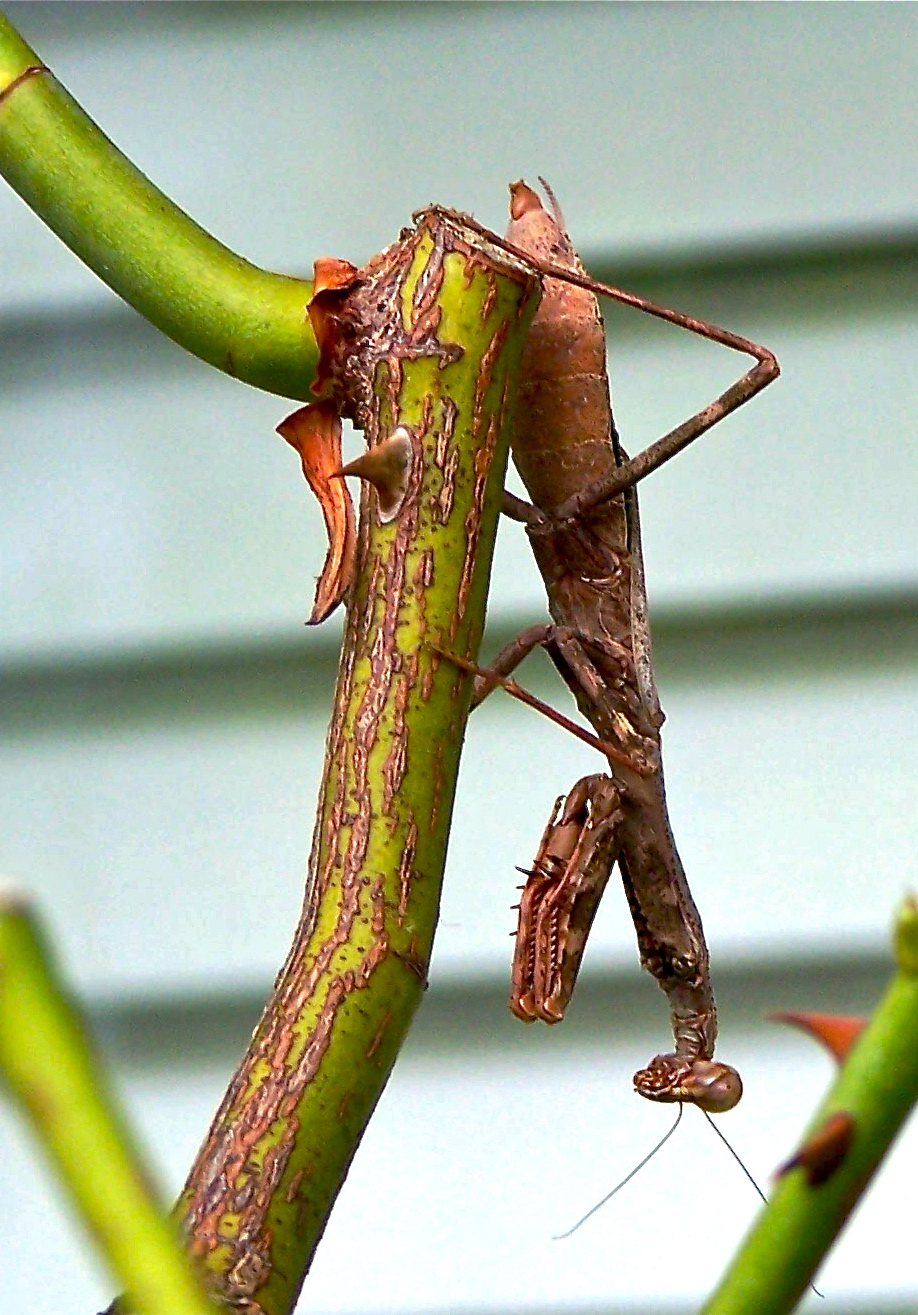
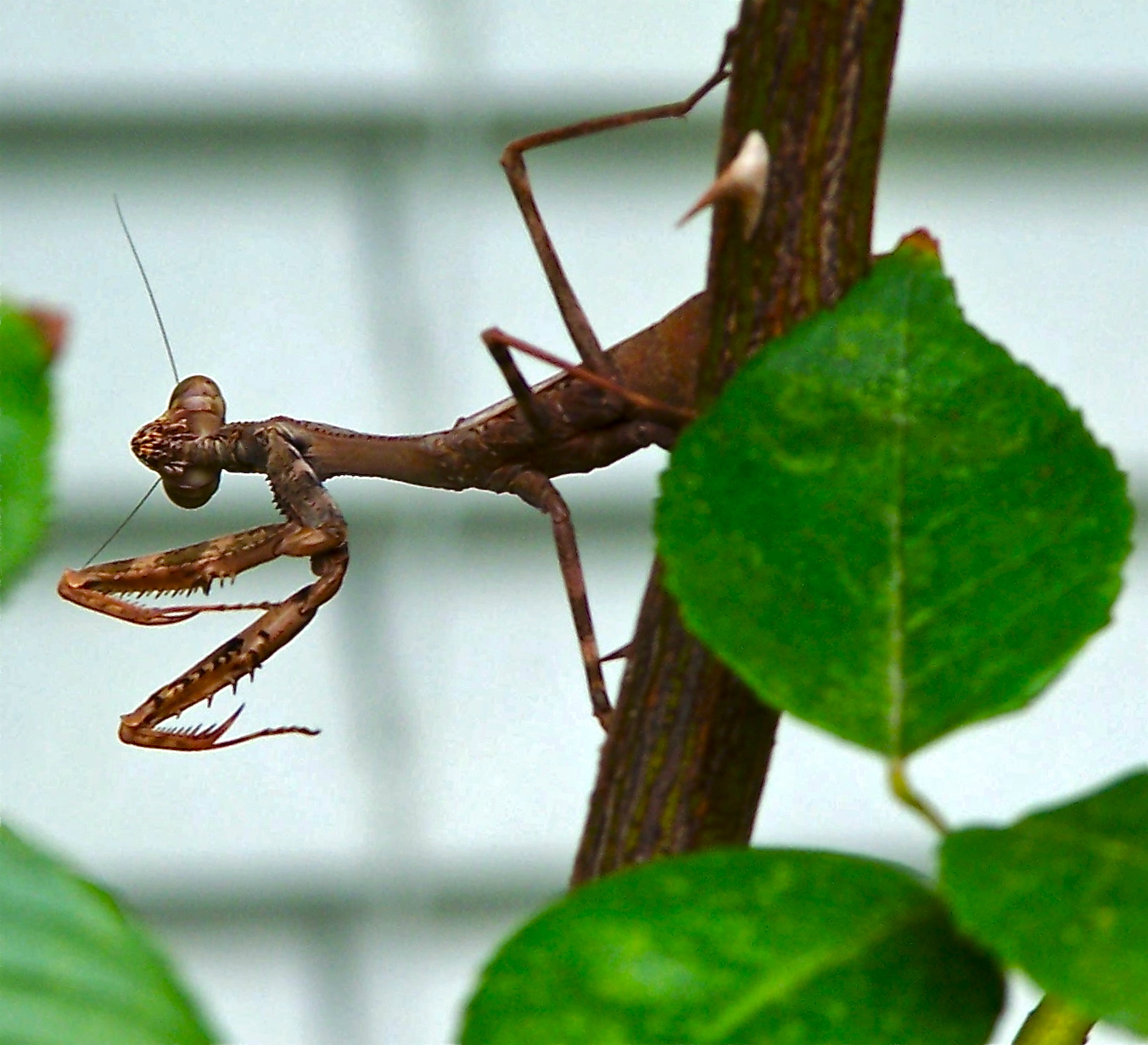
Seldom silent is a garden, not in deep darkness nor when the savage sun sits high atop the world.  In it are creatures that buzz, some that croak, others that chirp, those that squawk, and many a bird that has a pretty melody to sing.  These creatures fly, they hop, they walk, they slither, they crawl, they jump; one of them even prays as does the kind of “beastie” I found hiding in one of my roses last week.   Late in the day I’d gone out to cut away rose growth withered by summer’s siege.  As I reached in the second one to cut what I thought was a dead, brown piece of stem lying flat against a thick cane, it moved and raised its upper body.  Quite alive instead was a mantis hanging comically upside down and peering out at me.  When I realized what it was, I dashed back in the house to grab my camera.  Once back at the scene I took a few shots where it was; then I tried to get it to turn into an upright position.  Despite my repeated attempts, it only conceded a sideways turn which allowed me at least to see that one of its eyes was missing and covered with scar tissue.  Stubbornly determined however to get more compliance, I persisted in my nudging effort one more time. But boy oh boy, this guy had had enough, and it instantly raised its front legs as if preparing to attack the overzealous, annoying, and maddening pest.  So I wisely relented in my efforts, took what shots I could get, and departed.  The mantis was still holding steadfastly to that same cane when I went in at dusk, but by the next morning he had moved on to either a safer haven or one where the prey he was trying to lure with his “dead leaf” appearance was a great deal smaller and less bothersome than I.

Yet I am not silenced by the darkness, by the thick darkness that covers my face.  ~Job 23:17  ✝

Rambling Thoughts

This is a reblog from Annette’s Garden at: http://wp.me/p32RMi-cI

Image

In autumn, when the trees cry colourful leaves and the vibrant spirit of summer is only a memory, thoughts go on a ramble. Time for reflection and contemplation. A damp, heavy quietness settles on the garden. The work is done, we can sit back and watch. When I plant bulbs in the autumn, and there seem to be more and more each year, I always wonder how many more springtimes I will live to see. I don’t ask as a result of depression (I’m not a child of sadness!), but because I think of these bulbs that fill me with such happiness. First when I’m planting then later, when in the comfort of my armchair in front of the fire -longing in my eyes- they fill my head with fields of colour and scent and carry me through the season which I never came to love, although it has its beauty too. It must be the bulbs that fill me with wantonness and unreasonable hope. The expression “to be happy like a child” comes to my mind but kids are not happy and innocent like they used to be. If you’re faced with the first murder during breakfast and with Jingle Bells and plastic Santas climbing ridiculously into chimneys from September onwards how could you possibly hold on to that pure and carefree joy? As for myself, I find lots of happiness in the little treasures and secrets nature and garden hold for me. All the same, there’s something morbid about this question, and I admit that I never ask myself at other times of the year. How many summers or autumns will I live to see? No way. But maybe the reason for planting these crazy amounts of promising bulbs and corms lies in my hidden wish that the older I get the more spectacular spring ought to be. Recently I read a quote by Henry David Thoreau which follows me ever since: The mass of men lead lives of quiet desperation. Thoreau said this in the 19th century but it is still true. The reason for this lies in the continuous remoteness and alienation from nature which in its most dramatic case leads to people perceiving nature as an enemy or danger. Pristine nature has become rare and if it’s really wild, we meet it with fear and suspicion. Seeing and hearing have also become rare skills. We’re constantly exposed to noise, being lulled and deadened. Even the news are hammered into us to the sound of percussions so that there’s no risk of us coming to our senses or to be bored. Tranquility is out. A friend of mine told me about a visitor from Canada who switched on a tape each night at bedtime: She couldn’t bear the quiet, only with the constant noise was she able to sleep. Cathy at http://wordsandherbs.wordpress.com/ did a great post dealing with the subject of hearing a while ago, and I hope she will share the link once she reads this. To hear and I mean TO HEAR is by no means taken for granted anymore. There’s so much to hear when you listen to supposed quiet. Have you ever tried? The silence that makes you feel like you’re deaf has become rare. Where I live, in the middle of the woods, it can still happen. It descends like a comfortable blanket. No fear, no panic just peace. Some shake their heads asking how can you possibly live here? We shake our heads knowing that every explanation would fall into nothingness. The general rush and fear of missing out on something are so widespread that many cannot understand how satisfying it is to fill the basket with firewood to heat the house, to collect eggs from your hens and to tend the garden. To hear nothing and to work in the garden are today’s last luxuries. During our hikes we sometimes meet extreme mountainbikers rushing down steep slopes with fierce expression, or cool guys on rattling motorbikes, modern Marlborough-Cowboys. None of them knows the intriguing scents and sounds of the forest, sees the pink mushroom in the undergrowth, the tree creeper searching the bark for insects or hears the melancholic song of the robin. Kids don’t know anymore that milk comes from cows. A vegetarian friend of mine suggested recently that one could keep milking cows without letting them have calves. Once I watched children beating newly planted fruit trees with sticks until the bark had come off while their mother watched them proudly. Great to see kids fulfilling themselves. Nature is retreating more and more and can only be found where access is hard or impossible or where there’s nothing to exploit. Would we ask men their definition of nature – what would the answer be? I fear the answer a lot more than visitors the solitude of my wood. Why should men protect something they’re not aware of and don’t see, never mind appreciate? When man moves away from nature, he loses his roots, becomes depressed and unhappy. I could never be without my garden and nature, my sanity depends on them. I draw energy, courage and meaning out of them. Okay, some things don’t work out in the garden but I’m never disappointed and depressed. Still nothing fills me with more hope and optimism. A life of quiet desperation? That’ll never be an issue for someone who hasn’t lost touch with his/her roots.

187. The gardener’s feet drag a bit on the dusty path and the hinge in the back is full of creaks. ~Louise Seymour Jones

Pleasures lie thickest where no pleasures seem:
There’s not a leaf that falls upon the ground
But holds some joy of silence or of sound,
Some spirits begotten of spring and summer dreams.
~Adapted excerpt from Laman Blanchard

Image

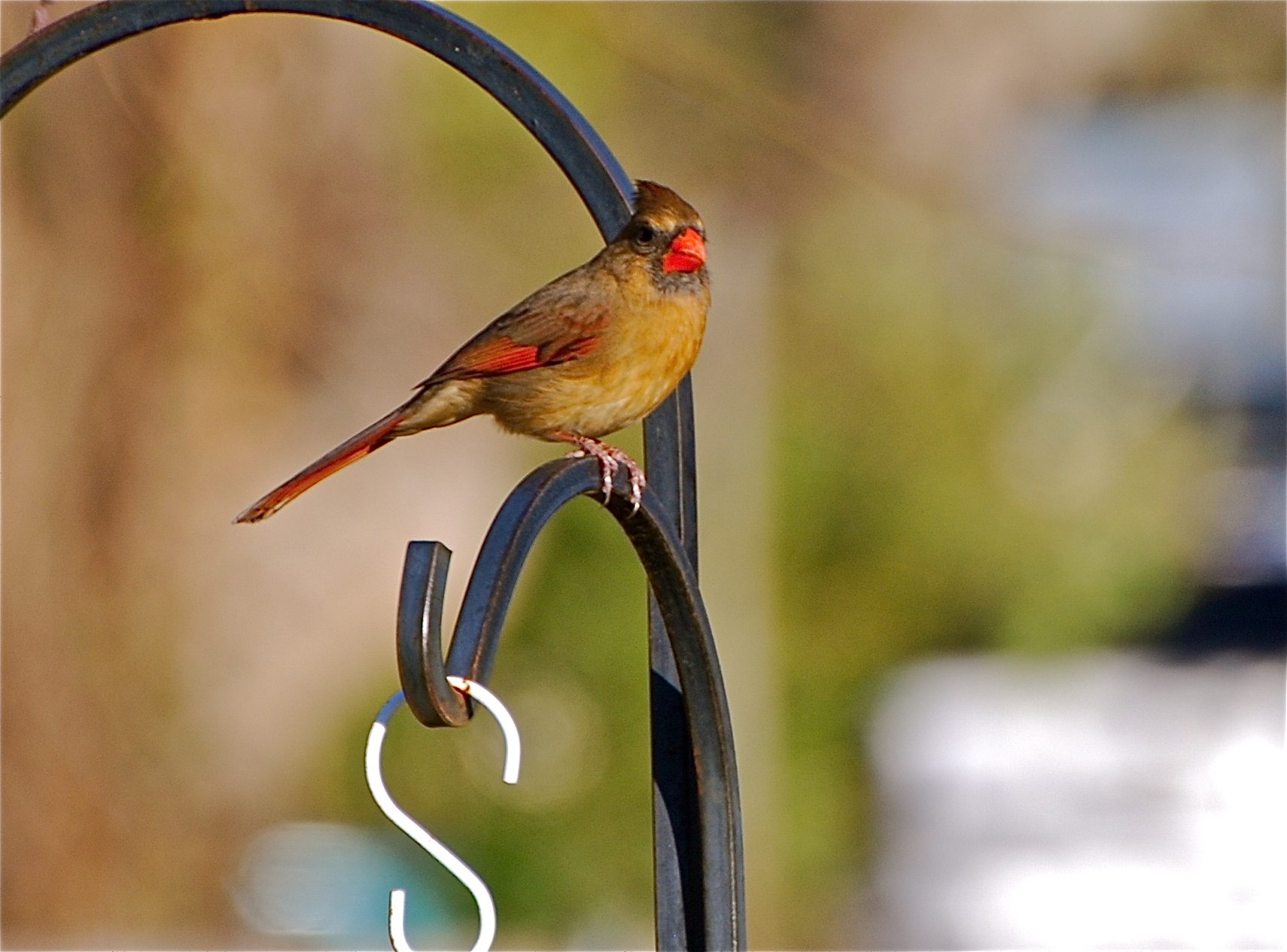
Birds that annually flee our area before winter arrives have already headed out on their migratory treks to warmer havens.  Thus, the number of avian guests in my yard is considerably smaller, and those that are still here have let up on their frantically busy doings in the garden.  The remainder of my “flock,” like me, are sometimes content to just perch a bit in idle watchfulness.  But despite our combined and periodic lethargy, the birds and I continue to greet our days with delight and a kind of expectancy even though we know old man Winter has left his arctic haunts and is headed down our way.

But now the LORD my God has given me rest on every side, and there is no adversary or disaster.  -1 Kings 5:4   ✝

182. Even if something is left undone, everyone must take time to sit still and watch the leaves turn. ~Elizabeth Lawrence

In the garden, Autumn is,
indeed the crowning glory of the year,
bringing us the fruition of months
of thought and care and toil.
And at no season, safe perhaps in Daffodil time,
do we get such superb color effects
as from August to November.
~Rose G. Kingsley

Image

Autumn, a time when magnificent days are often set ablaze under crystalline, sapphire skies or leaves are made to glisten on gloomy, rainy days.  Then there are the chilly eves with their rising moons on star-speckled, indigo nights that add more drama to the sensational spectacle.  What’s more lingering in sylvan settings observing flights of migrating birds or monarch butterflies, or watching busying squirrels gather acorns, or gazing at confetti-colored leaves fluttering gracefully to the ground under broad expanses bathed in the bluest of blues are rich, restorative times of hushed mellowness.  And what about the frosts that adorn grasslands and hills or  the fallen leaves that are the color of reddish, ripened persimmons?  All of it, simply all that autumn has to offer, is in fact “the crowning glory of the year.”

Be exalted, O God, above the heavens; let your glory be over all the earth.  ~Psalm 57:5  ✝

180. The great man is he who does not lose his child’s heart. ~Mencius, Chinese philosopher and sage

Image

rainy days
magical rainy days
pitter-patter, pitter-patter

puddles forming everywhere
bouncing droplets on the ground
pitter-patter, pitter-patter, pitter-patter

water gushing off old, rusty gutters
wind chimes whirling around and around
bowers bending from heavy showers, pitter-patter

each drop a tiny dancer bobbing up and down
tiny rivers flowing between stones on a garden path
beads forming along the tendrils of a grapevine, pitter-patter

rumbling, grumbling thunder; flashes of cool, clean air in the face
tree branches bending close to the ground; soothing sounds all around
vague memories of wet beginnings forever draw me to the rain, pitter-patter

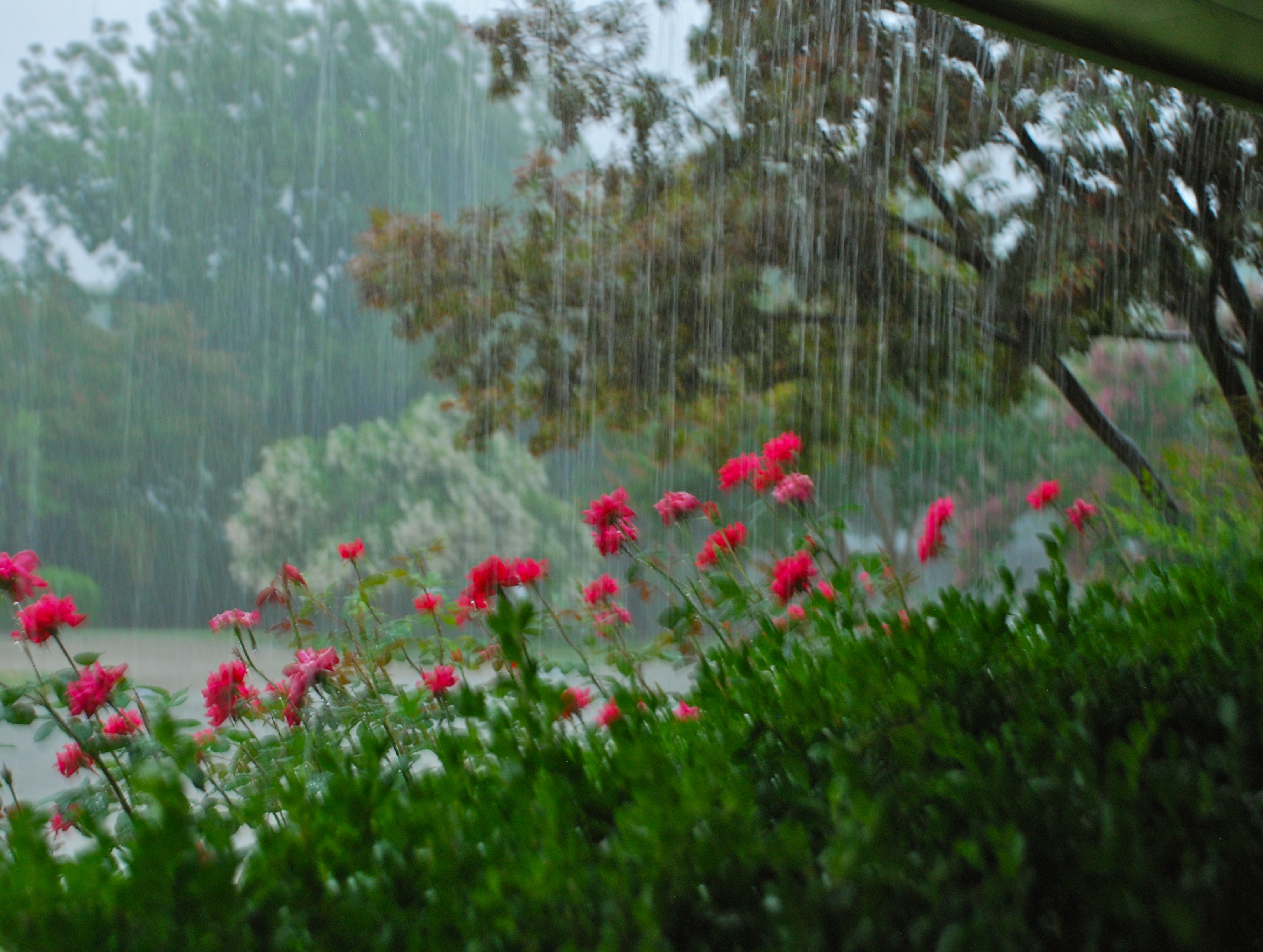
As I the rain started to fall today, I noticed it began with a few drops here and a few drops there.  Then there were a few more more and then more and more until finally it was falling steadily all around.  It was like it was building up momentum and so as I watched, I let my words fall on the page in a similar manner while watching the effects of its progression.  What I wanted to do was imitate the pleasant sights and sounds that kept cropping up as the rain fell heavier and heavier.  Frivolous and silly perhaps but every now and then I think we need to remember the kinds of simple pleasure we enjoyed as children.

When they see among them their children, the work of My hands, they will keep My name holy. . and will stand in awe of the God of Israel.  ~Isaiah 29:23  ✝

178. All the flowers of all the tomorrows are in the seeds of today and yesterday. ~Chinese Proverb

In the garden the door is always open into the holy –
growth, birth, death.
Every flower holds the whole mystery in its short cycle,
and in the garden we are never far away from death,
fertilizing, good, creative death.
~May Sarton

Image

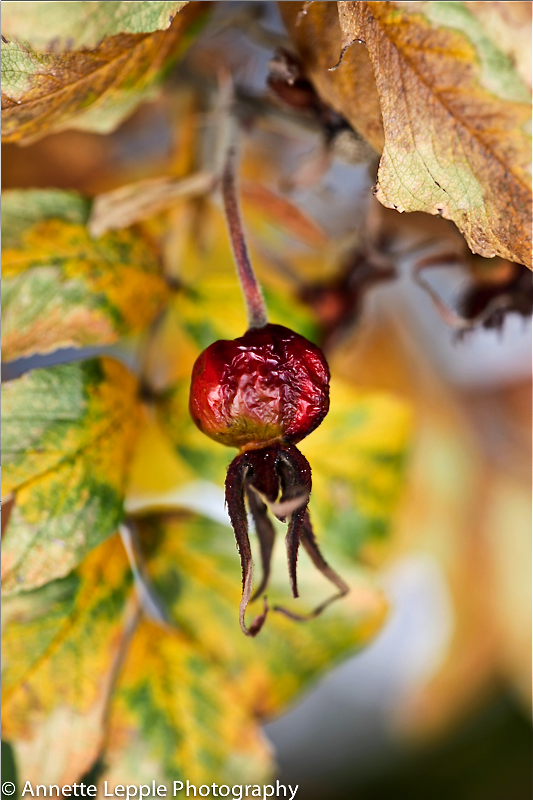
Every year the unseen becomes visible as new life explodes from quiet, dark, sustaining wombs.  Beneath the soil roots grow and above the surface tiny leaves yield proof of life.  Enlivening rains come, and the leaves grow.  Daylight hours lengthen, and they grow more.  Amid the leaves emerge buds, and they grow.  Buds burst into flowers, the flowers fade, and their petals fall.  Fruits, seed heads, or pods appear, and they ripen.  Fruits are harvested, seeds are spilled onto the soil, and buds are set inside woody canes or branches.  Then comes the time of rest, the discontinuance of the same, the different new genesis.  The beginnings, the middles, the ends–never an ending without a beginning–never a beginning without an ending, so goes the cyclic constancy of a garden.

The land produced vegetation; plants bearing seed according to its kinds and trees bearing fruit with seed in it according to their kinds.  And God saw that it was good.  ~Genesis 1:12  ✝