174. The greatness of a nation and its moral progress can be judged by the way its animals are treated. ~Mahatma Ghandi

If all the beasts were gone,
men would die from a great loneliness of spirit,
for whatever happens to the beasts
also happens to the man.
All things are connected.
Whatever befalls the Earth befalls the sons of Earth.
~Chief Seattle of the Suquamish Tribe
Image

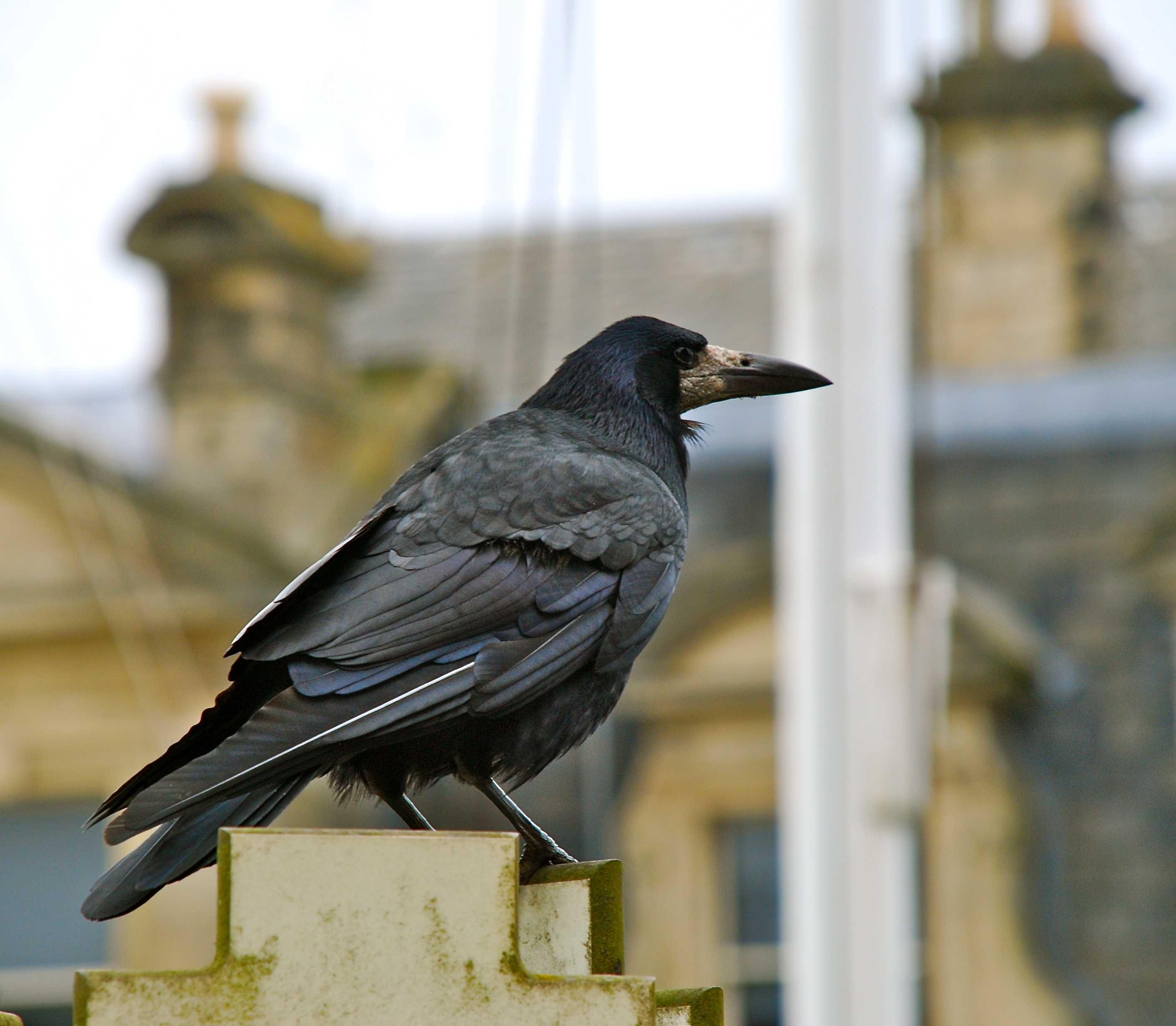
The creatures of earth, sea and sky came forth “out of the waters of God’s life.”   And their arrival was yet another manifestation of the visible from the invisible–another disclosure of the mystery of God.  In addition, “with the birth of the creatures there is the emergence of seeing, hearing, smelling, tasting, and touching.  The light of the sun and the whiteness of the moon can now be seen.  The wind blowing through the leaves of trees and the crashing of ocean waves can be heard.  The early morning fragrance of the earth can be smelled.  Its fruit can be tasted, and its textures touched,” writes J. Philip Newell.  It has even been said that if one wants to know the Creator, one of the ways to gain insight is to know His creatures, and I think that’s especially true when it comes to examining the sensory aspect of their coming.  For does not the ability to see, that the creatures brought, teach mankind to see with the eyes of the heart?  In the silences of humanity’s reality does not the ability to hear teach men to listen for the “echo of the spheres” and the still, small voice of God?  Do not the abilities to smell, taste, and touch help mortals meet their Savior, Jesus, through the holy sacrament of the Eucharist (Communion)?

And to all the beasts of the earth and all the birds in the sky and all the creatures that move along the ground–everything that has the breath of life in it–I give every green plant for food.”  And it was so.  ~Genesis 1:30
164. Is not this a true autumn day? Just the still melancholy that I love — that makes life and nature harmonize. ~George Eliot

Delicious autumn!
My very soul is wedded to it,
and if I were a bird I would fly about the earth
seeking the successive autumns.
~George Eliot

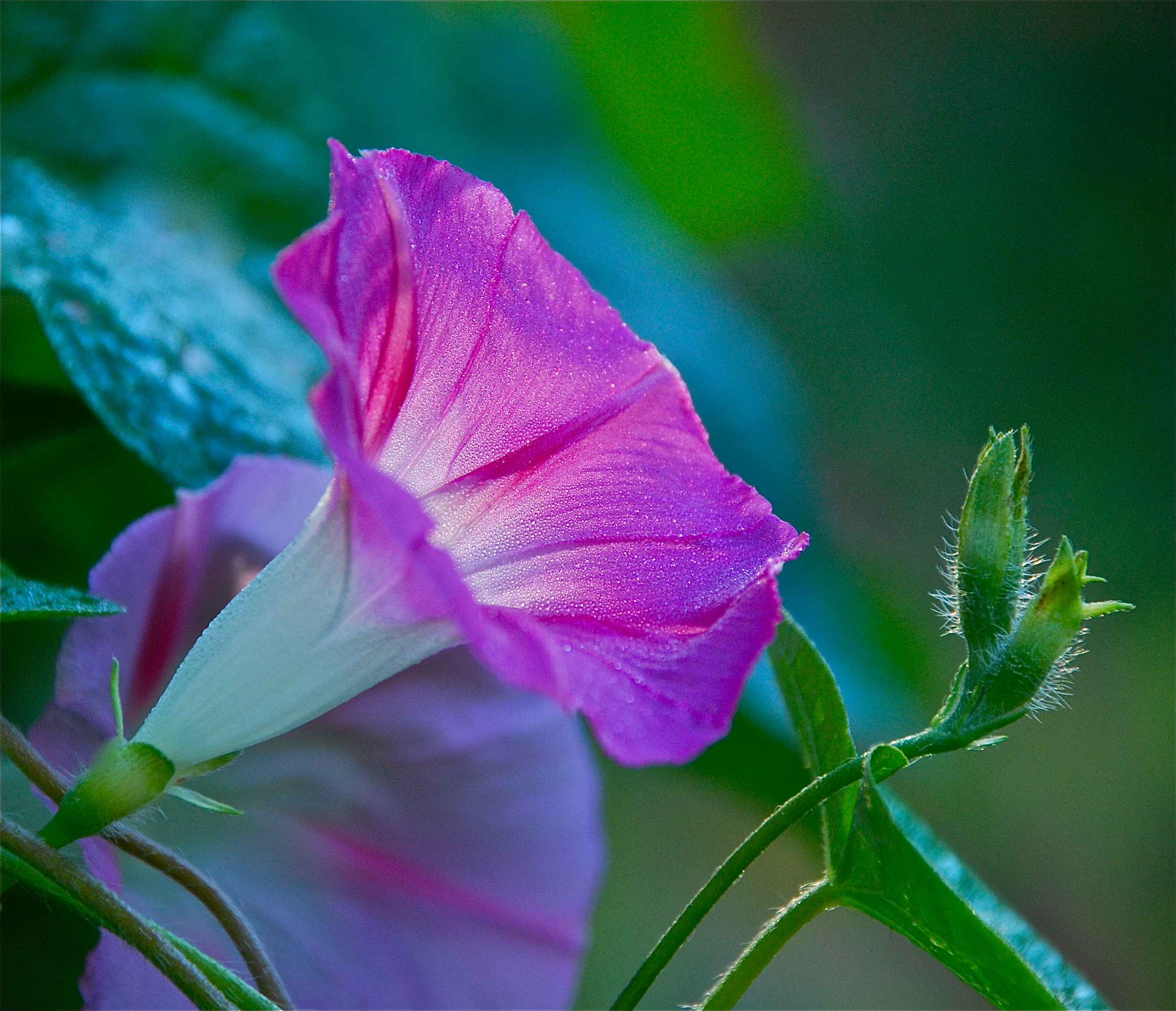
**I was hoping you could see that the morning glory below, heavy with dew after the rain, was an awesome, pink delight to behold, but the image is too smalll here for you to see its alluring sparkle.

Image

Northerly winds in the night blew our gray, rain-bearing clouds away, and the day dawned under a fresh, China blue sky.  Layers of dust that had been blowing in on southerly winds for weeks were washed away, sent back to the soil from whence they came.  As a result heaven’s dome along with the landscape looked sparkling clean and pristine.  In the day’s early light growing green things shined greener, new growth pushed up on rose canes, seedlings appeared in soil once parched and cracked by summer’s fiendish assaults.   Wildlife, though always smaller in number in October, flew, crawled, and buzzed with renewed energy and enthusiasm in the aftermath of the recent slow, soaking rains.  And so with a bit of an almost frosty nip in the air, this day evolved into our first quintessential, autumn day.  How, then, on such a day, could the early call to venture out in the yard, camera in hand, have been ignored?  Or how could it have been a surprise that the vignettes I found were so exquisite that all I could muster, with eyes blurred by joyful tears, was praise for the Holy One whose presence amidst the glory was sweetly palpable?

Let them give thanks to the Lord for His unfailing love and his wonderful deeds for mankind.  Let them sacrifice thank offerings and tell of his works with songs of joy.  ~Psalm 107:21-22  ✝

131. All gardens are a form of autobiography. ~Robert Dash

In his garden every man may be his own artist without apology or explanation. Each within his green enclosure is a creator, and no two shall reach the same conclusion; nor shall we, any more than other creative workers, be ever wholly satisfied with our accomplishment. Ever a season ahead of us floats the vision of perfection and herein lies its perennial charm.  ~Louise Beebe Wilder

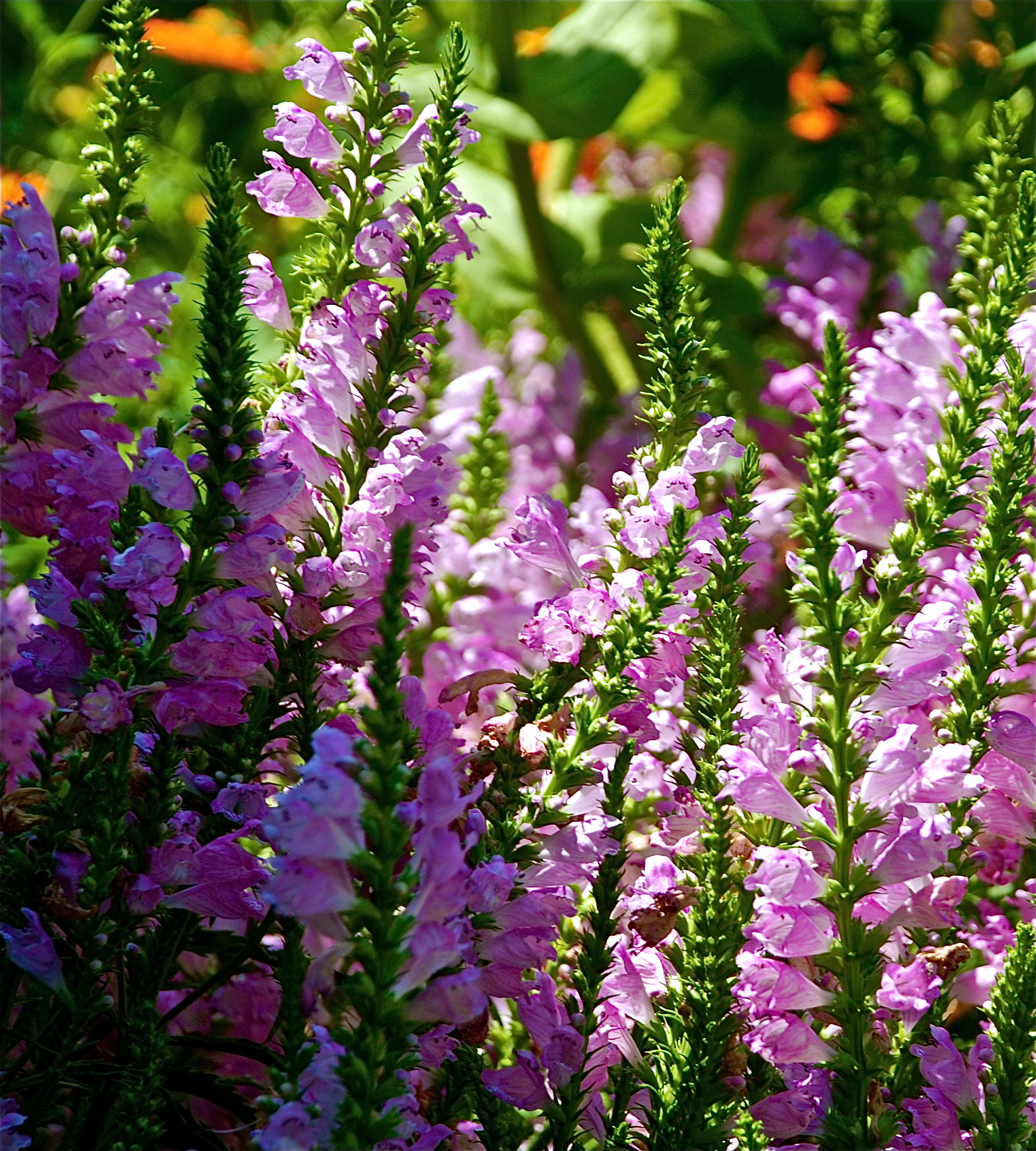
**(blooming currently in several places in my yard is Physostegia virginiana)

Image

Where does imagination come from?  It was spawned in the mind of God, and it is the conduit that connects us to our Maker.  I can think of no better place than a garden to let one’s imagination run wild.  It can be loosed over and over again in the ever-changing shapes of the beds and paths, in the kinds of plants that are introduced, and in the garden’s supports and structures.  My imagination has also led me over the years to include pieces of yard art into my garden.  For me it adds whimsical levels of interest that feed my inner child and would-love-to-have-been- an-artist self.

The LORD God placed man in the Garden of Eden to tend and watch over it.  ~Genesis 2:15

120. Every happening, great and small, is a parable whereby God speaks to us, and the art of life is to get the message. ~Malcolm Muggeridge

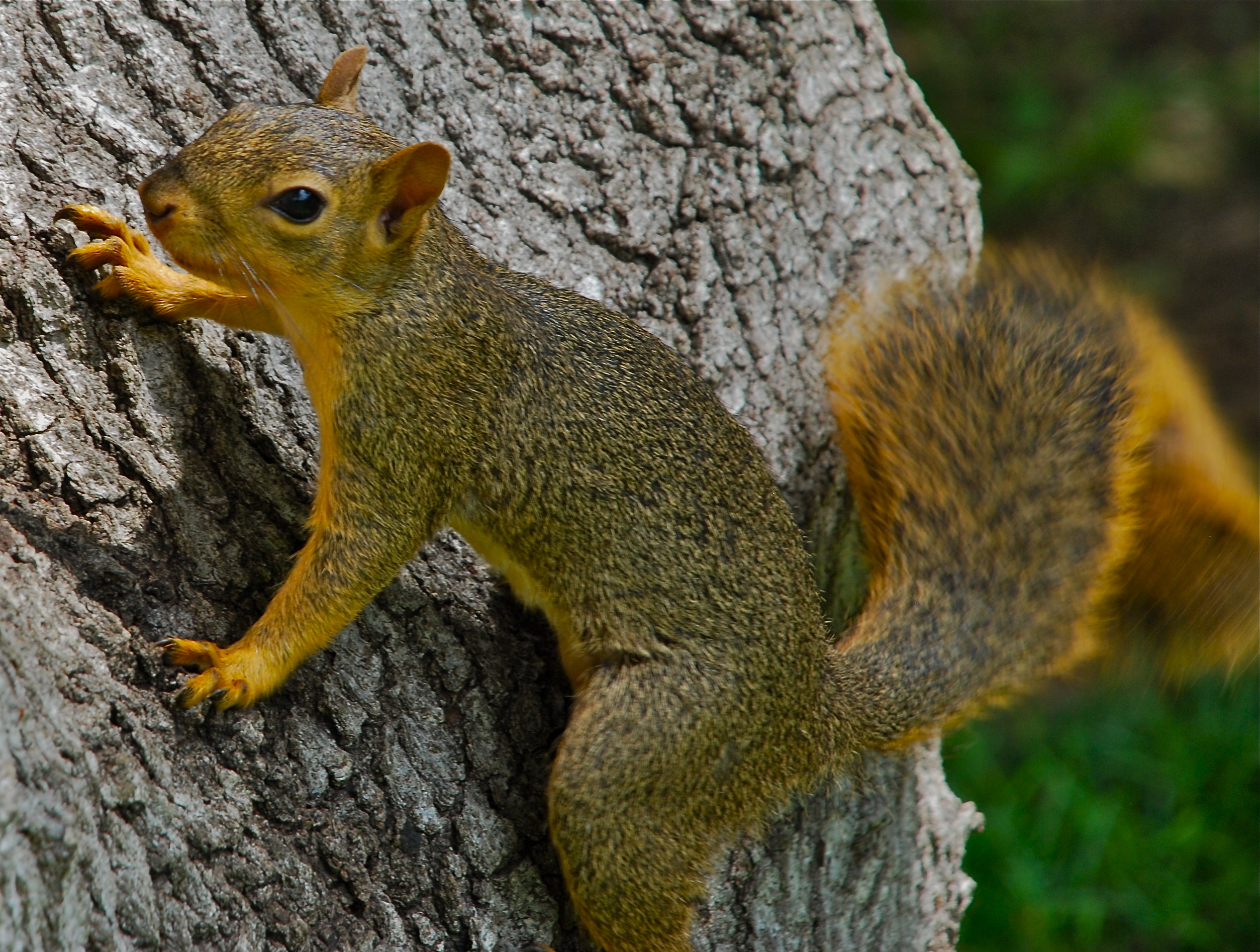
The world has different owners at sunrise. . .
Even your own garden does not belong to you.
Rabbits and blackbirds have the lawns;
a tortoise-shell cat who never appears in daytime
patrols the brick walls,
and a golden-tailed pheasant
glints his way through the iris spears.
~Anne Morrow Lindbergh,
pioneering American aviator and author

Image

In my yard are squirrels instead of rabbits, mockingbirds instead of blackbirds, an assortment of stray cats instead of one tortoise-shell cat, and garter snakes that slither through the grass instead of a pheasant that glints his way through the iris spear.  So it is that my yard has as Lindbergh penned “different owners at sunrise.”  But since I planted everything for the wildlife as much as for me, why shouldn’t they come and sometimes in large numbers all through the day and night.

J. Philip Newell says that God’s glory glows “in the glistening of a creature’s eyes” as well as in “every emanation of creation’s life,” and that we can reverence God “in all that has life.”  My guess is that’s why some people garden in the first place.  We are fascinated by and delighted with the flowers and the wildlife, but we long for the presence of God into our green temples–that Presence that we feel and see in tiny buds breaking the soil, in pinkish purply glows in the eastern sky, in a silver slivers of the moon in the darkness of night, or in the delicious stillnesses in the garden as day passes into night.

For since the creation of the world God’s invisible qualities—his eternal power and divine nature—have been clearly seen, being understood from what has been made. . .  ~Romans 1:20   ✝

24. Within the seed’s case a secret is held. Its fertile whisper shapes a song. ~Joan Halifax

When I see that first, miniscule, curled, pale
green wisp of a sprout poking up between a couple of
grains of vermiculite, I hear God speaking.
~June Santon

Image

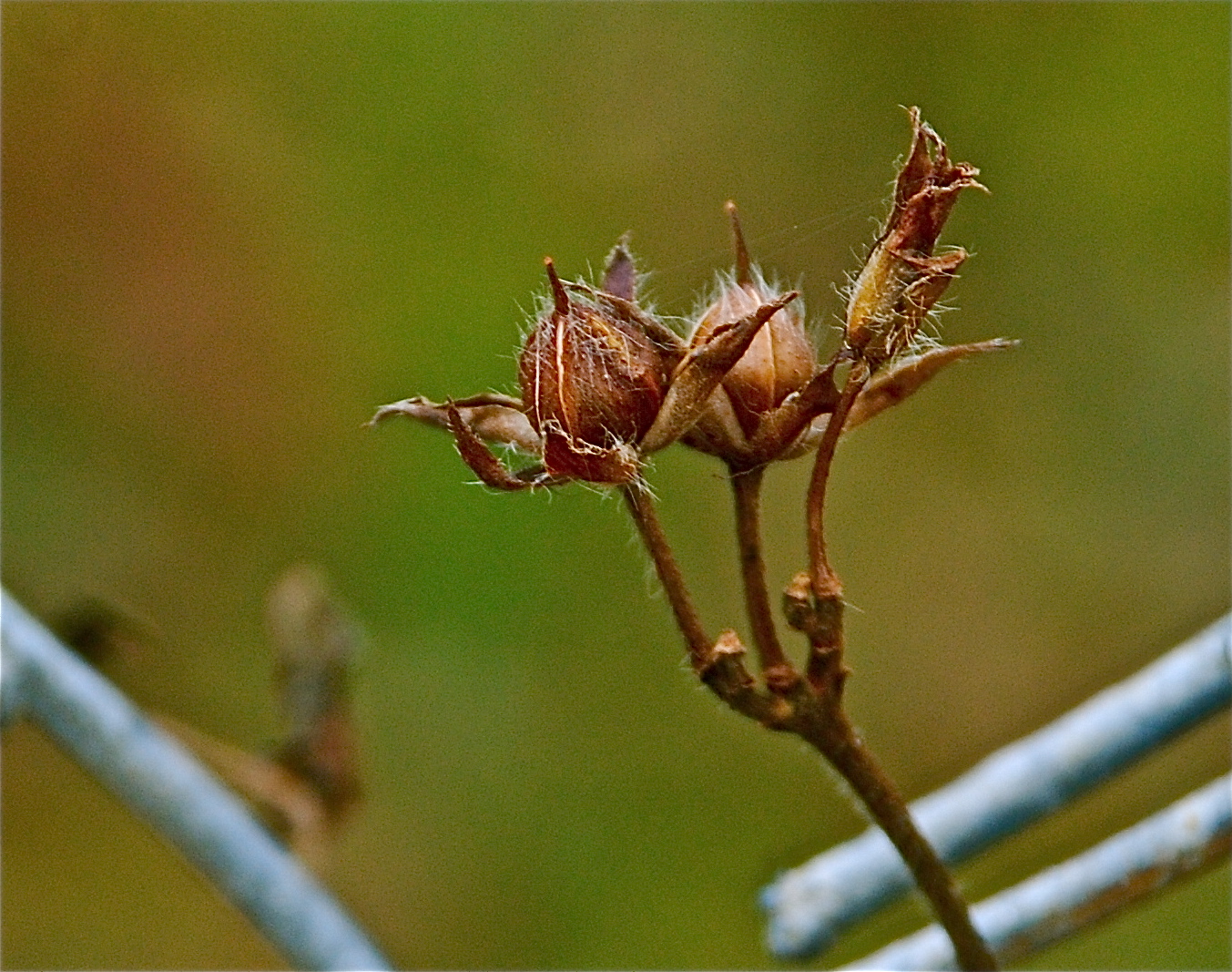
Seed plants date back about 365 million years ago to the Paleozoic era.  These wondrous pieces of antiquity vary greatly in size: the smallest being the dust-like seed of orchids and the largest, weighing as much at times as 50 pounds, being the fruit of the coco de mer, the double coconut palm.  A typical seed is composed of 3 basic parts: 1. an embryo, 2. a supply of nutrients for the embryo, and 3. a seed coat that protects the embryo from injury or from drying out.  Seeds have two points of growth, one which forms the stem of the plant and the other where the roots of the plant form.  Some seeds have wings or hairs and are dispersed by the wind.  Others are buoyant and float in rivers to the oceans and wash up on beaches; then there are those that are dispersed in various ways by animals.   Given the fascinating science of seeds, how they work and how tiny some of them are, how could one not hear fertile whispers from God in them.

Each seed, regardless of its size, is a sacred promise.  The dictionary defines a promise as: 1. a declaration that something will or will not be done or given, or as   2. an express assurance on which expectation is to be based, and seeds definitely declare what the Lord has done and given and what we as His children can expect.  Special mention of seeds and their promise is made on the 3rd day of the Genesis story where we can see that plants and trees are profuse manifestations of “this seed force.”  Plants and trees have been coming forth for millions of years and come forth yet.  During the unseen holy hours of nurturing, the “seed force” reaches down into the darkness of the earth’s “concealed depths” therein to be sustained by water.  In the Celtic tradition the moisture in earth’s soil is a “symbol of the waters of God that enfold and infuse all things.”  God’s goodness, deeper than any evil, then can be seen at the inception and very heart of life.  J. Philip Newell says that “everything that is born in the great matrix of life is sustained by roots that reach into the deep mystery of God’s life.”  The image which Newell’s words paint of all life reaching deep into God’s life is what, for many of us, shapes songs of joy and praise, for there is no more comforting, good, or safe place in the world than the heart of God!

As the rain and the snow come down from heaven, and do not return to it without  watering the earth and making it bud and flourish, so that it yields seed for the sower and bread for the eater, so is my word that goes out from my mouth: It will not return to me empty, but will accomplish what I desire and achieve the purpose for which I sent it.  ~Isaiah 55:10-11   ✝

10. For in the true nature of things, if we rightly consider, every green tree is far more glorious than if it were made of gold and silver. ~Martin Luther

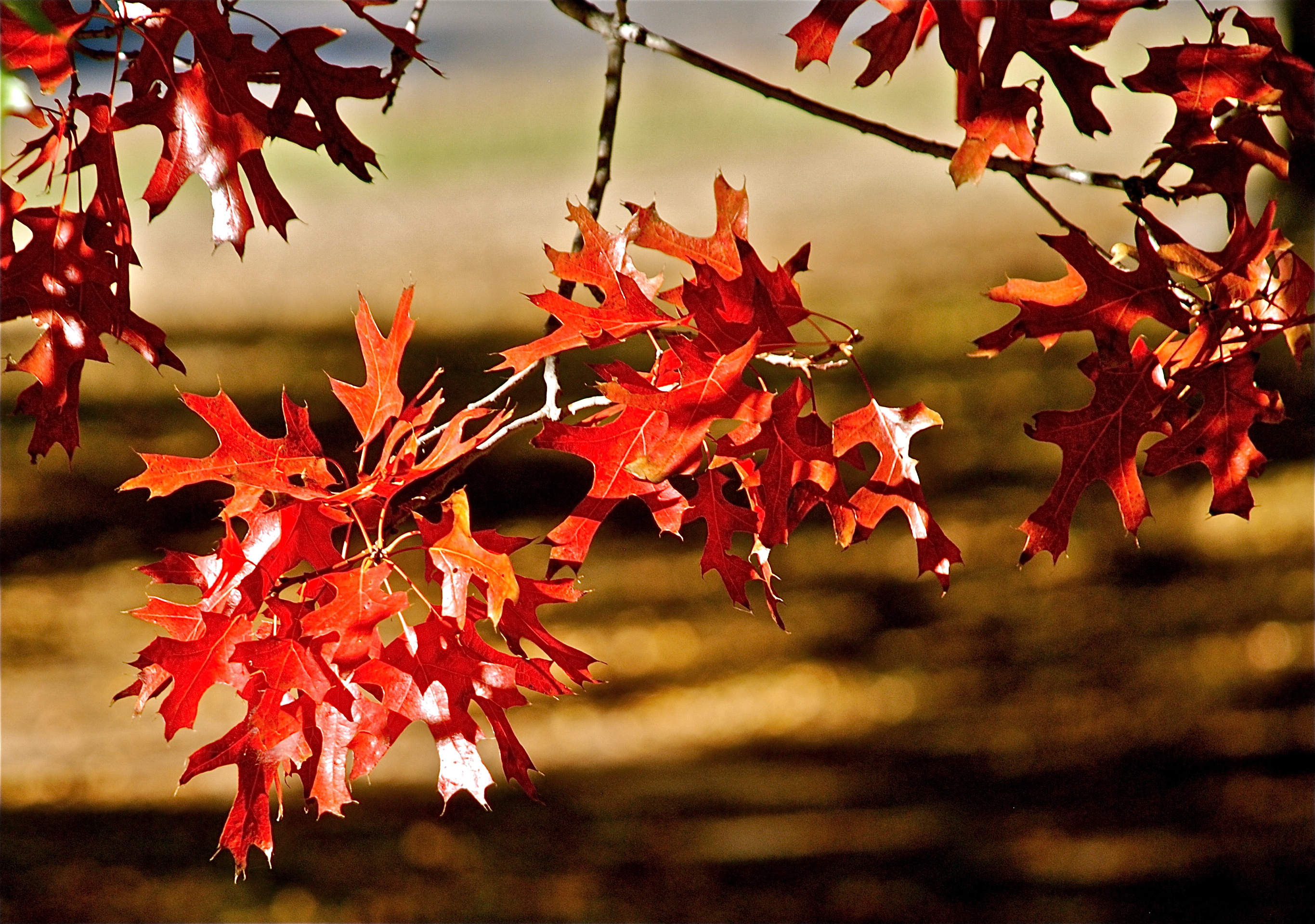
For man, autumn is a time of harvest, of gathering together.
For nature, it is a time of sowing,of scattering abroad.
~Edwin Way Teale

Image

Like Teale I knew that autumn’s winds were scatterers and sowers, but until I did some research, I didn’t realize how much the autumnal shedding of leaves accomplishes.  For the sake of the sod, the fallen leaves cover the ground like a protective blanket.  It’s also easier for leafless trees to conserve much needed moisture in their branches and trunks, and since cold, dry winter winds strip moisture from trees through their leaves, losing their leaves is self-protective mechanism.  It would also be very costly energy wise for trees to keep their little leafy food factories up and running with less light and heat.   Because the transport of water from the ground into the trunk and leaves would be a damaging drain on a trees’ limited resources, the loss of leaves puts trees into a state of dormancy thereby reducing the amount of energy they need to live.  When leaves “come to rest upon the ground,” their work is far from over.  As they lie there, they become food for soil organisms which are vital to the overall health of ecosystems.  In addition the decomposing leaves restock the soil with nutrients and make up a part of the spongy humus that absorbs and holds rainfall.  And finally with the arrival of spring and warmer temps, bacteria, fungi, and insects come into play because the fallen leaves are chewed and rotted which in turn releases nutrients for plant growth.

“For the wisdom that fashioned the universe and can be read in earth’s dark depths and in heaven’s infinity of lights thanks be to you, O God.”  ~John Philip Newell