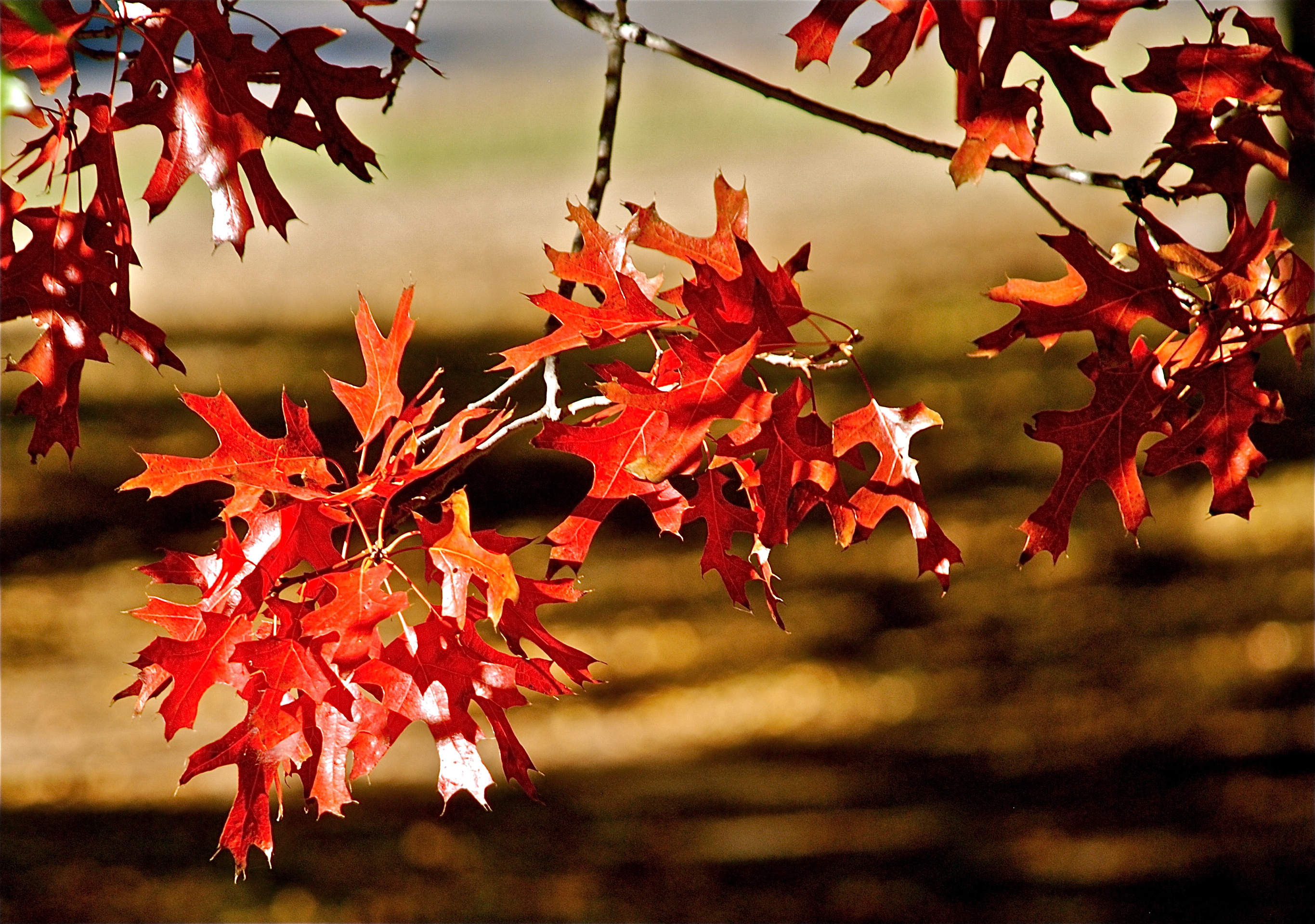
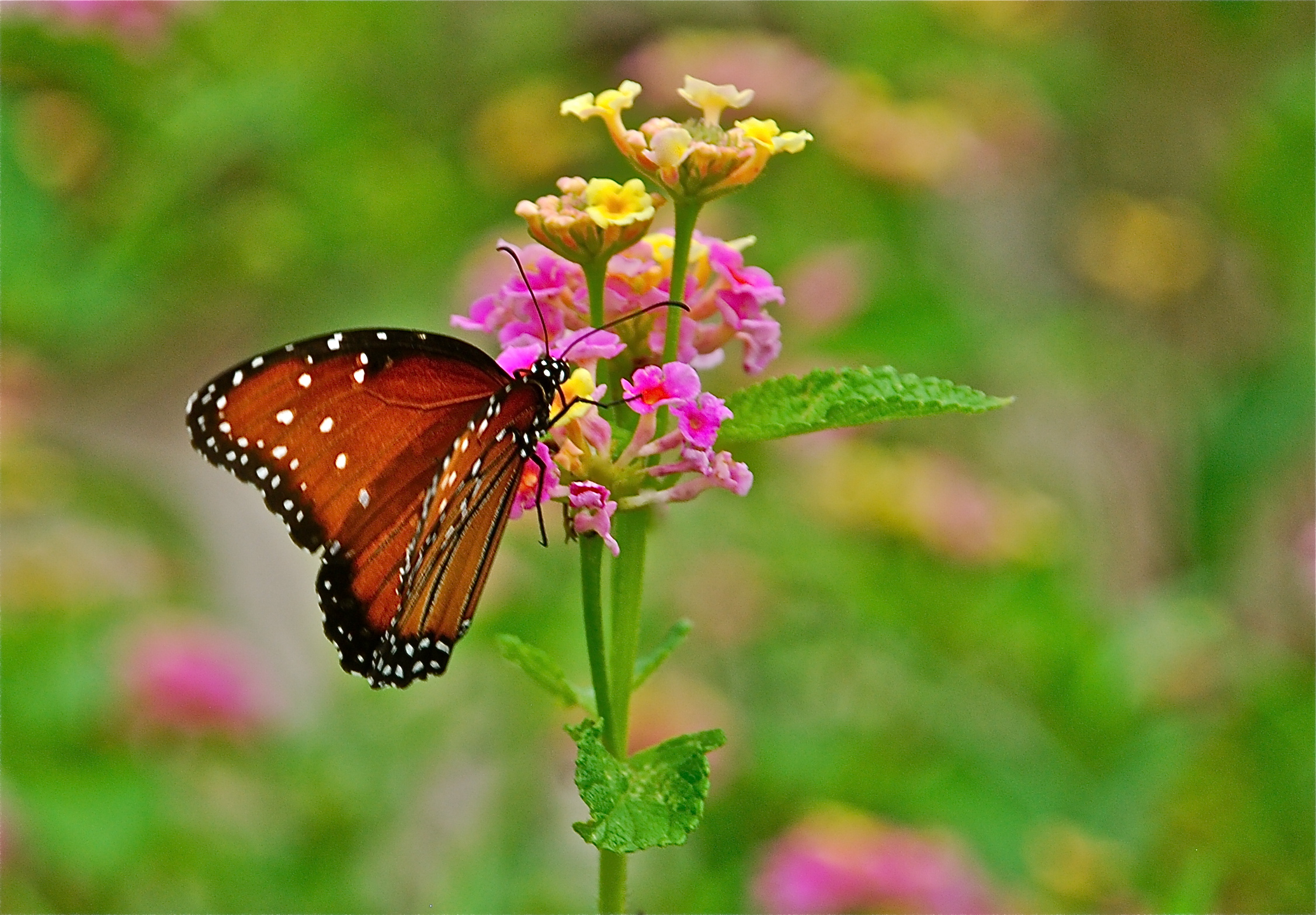
183. Why are there trees I never walk under but large and melodious thoughts descend upon me? ~Walt Whitman

And this our life,
exempt from public haunt,
finds tongues in trees,
books in running brooks,
sermons in stones,
and good in everything.
~William Shakespeare
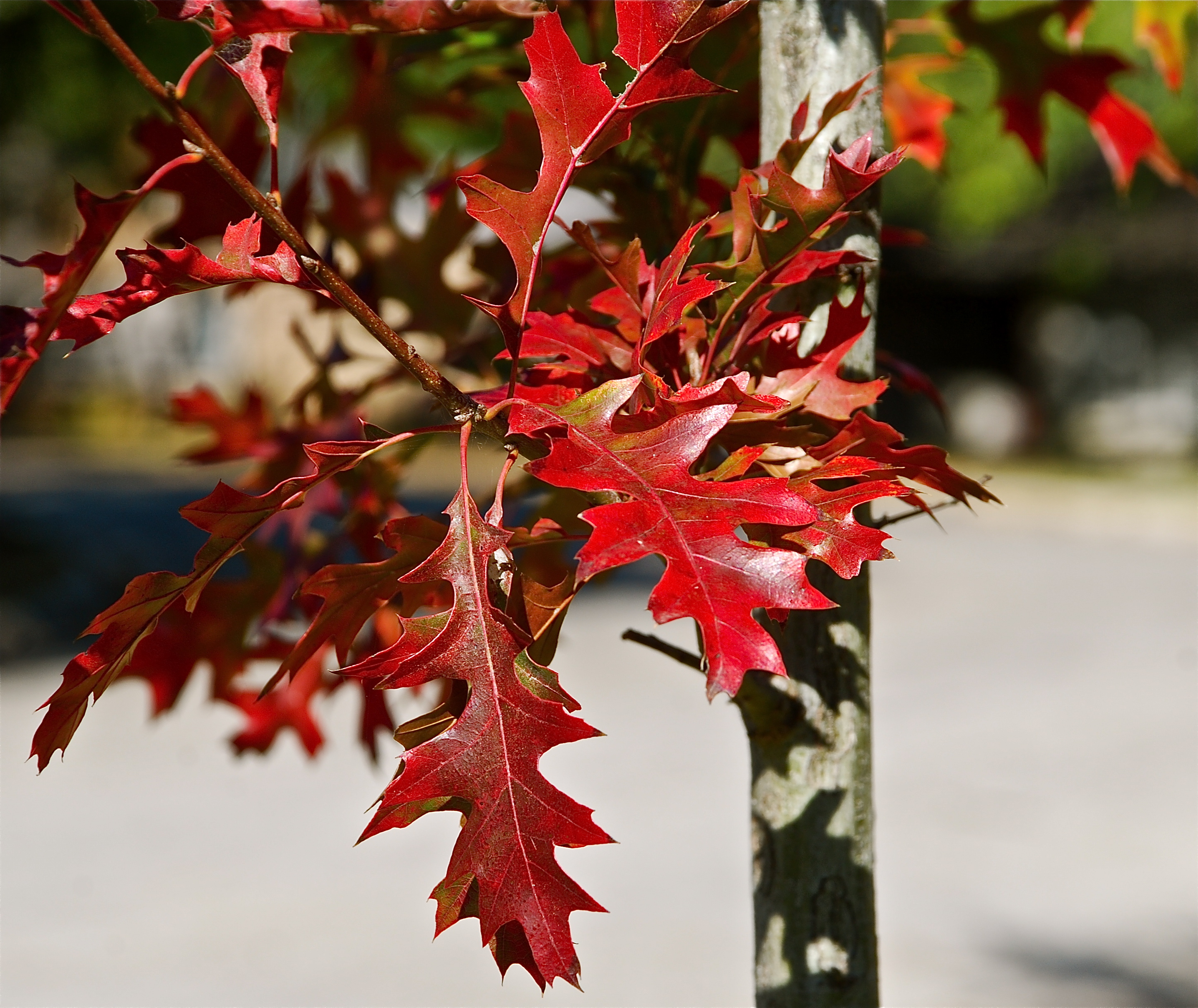
Image

Standing beneath the Shumard Red Oak made me feel like I was standing in a temple of the Most High.  The breeze was ruffling its leaves, and they in turn were prompting sacred tongues to utter incantations of their divine purpose.  For though the leaves face eminent extinction and expulsion from the branches, in their dying they’ll fall and create warm blankets to cover the ground.  In so doing they will protect the life that lies beneath the surface during winter’s cold, cold days.  Even at the close of winter their goodness will not be at an end for as they deteriorate, the remaining bits and pieces will add nutrients to enhance the soil.  Thus goes the circle of life and the interdependency of all things.

God’s voice thunders in marvelous ways; He does great things beyond our understanding.  ~Job 37:5  ✝
182. Even if something is left undone, everyone must take time to sit still and watch the leaves turn. ~Elizabeth Lawrence

In the garden, Autumn is,
indeed the crowning glory of the year,
bringing us the fruition of months
of thought and care and toil.
And at no season, safe perhaps in Daffodil time,
do we get such superb color effects
as from August to November.
~Rose G. Kingsley

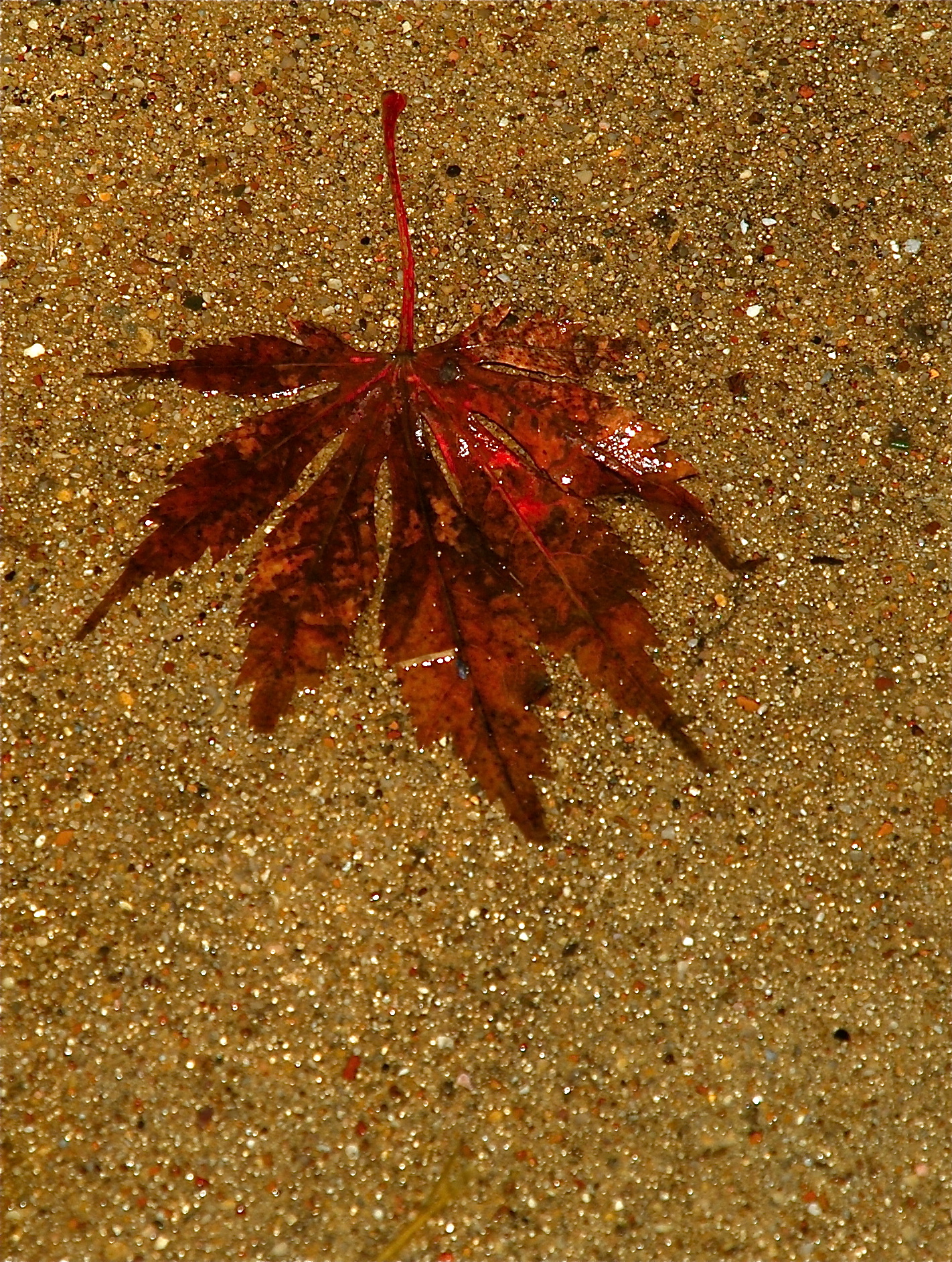
Image

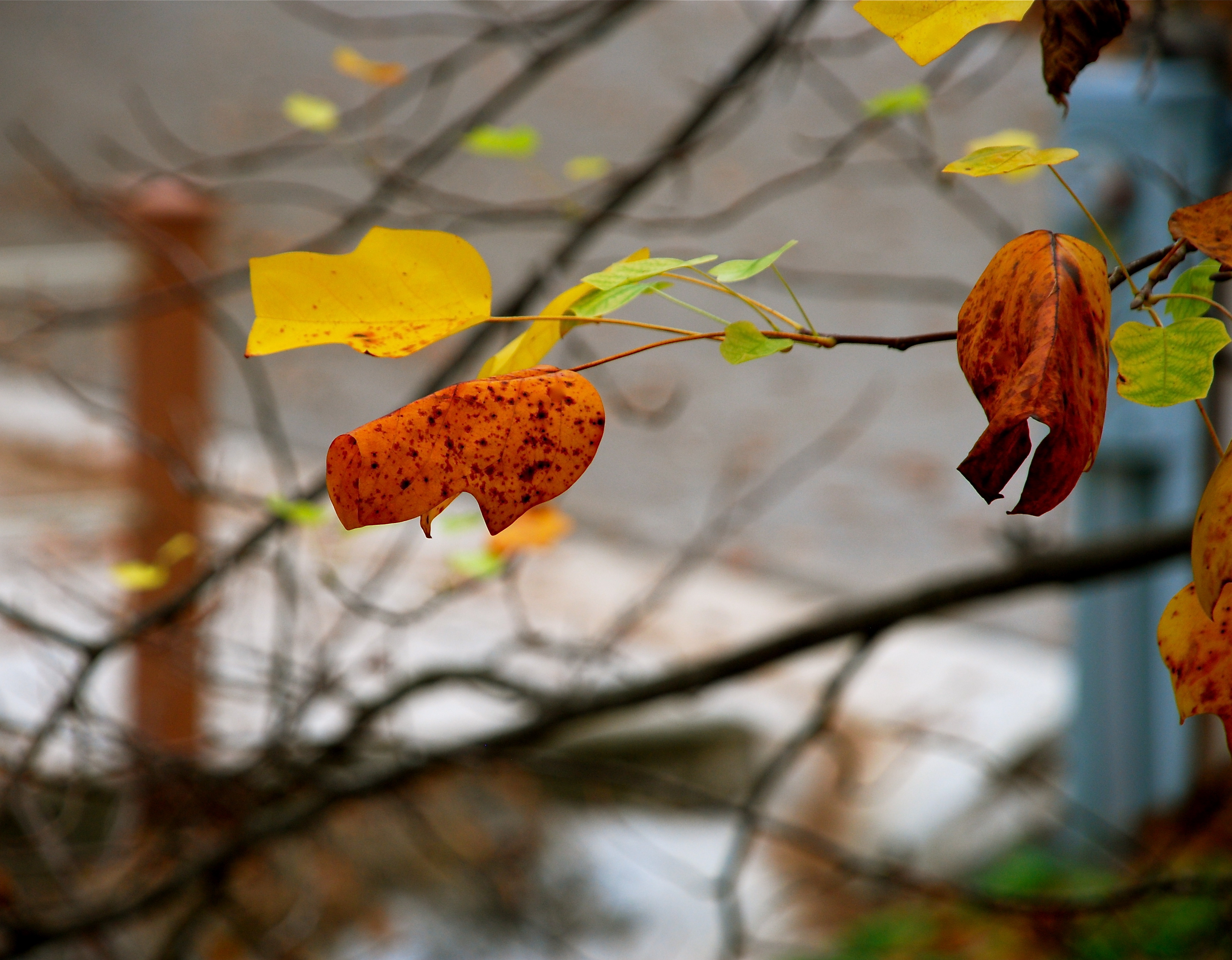
Autumn, a time when magnificent days are often set ablaze under crystalline, sapphire skies or leaves are made to glisten on gloomy, rainy days.  Then there are the chilly eves with their rising moons on star-speckled, indigo nights that add more drama to the sensational spectacle.  What’s more lingering in sylvan settings observing flights of migrating birds or monarch butterflies, or watching busying squirrels gather acorns, or gazing at confetti-colored leaves fluttering gracefully to the ground under broad expanses bathed in the bluest of blues are rich, restorative times of hushed mellowness.  And what about the frosts that adorn grasslands and hills or  the fallen leaves that are the color of reddish, ripened persimmons?  All of it, simply all that autumn has to offer, is in fact “the crowning glory of the year.”

Be exalted, O God, above the heavens; let your glory be over all the earth.  ~Psalm 57:5  ✝

181. How could such sweet and wholesome hours be reckoned but with herbs and flowers. ~Andrew Marvel

Natural object themselves
even when they make no claim to beauty,
excite the feelings, and occupy the imagination.
Nature pleases, attracts, delights,
merely because it’s nature.
~Karl Wilhelm Humboldt

Image

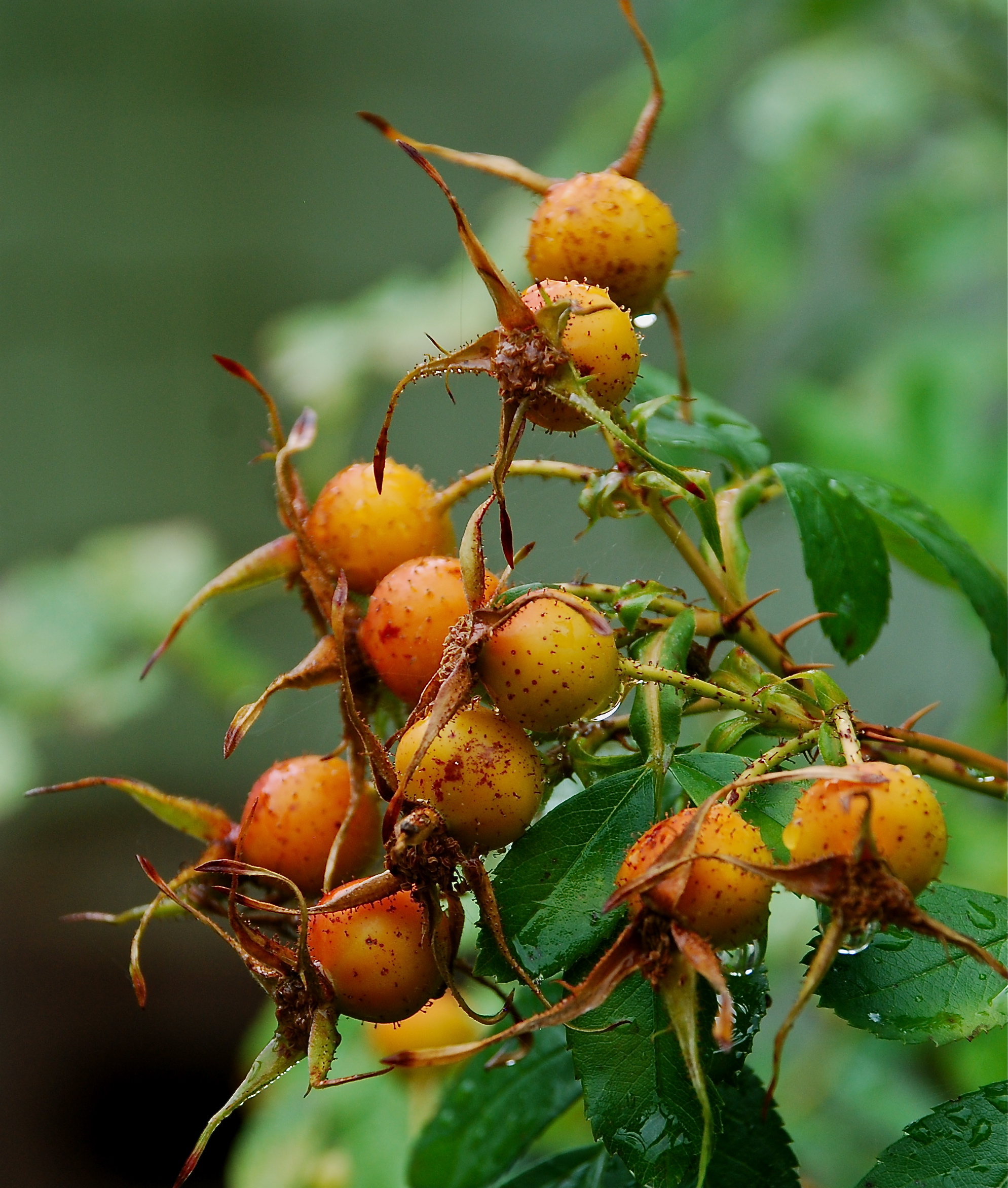
The most common attractions of the rose are the prettily colored flowers and the sweet to spicy fragrances.  On some roses there are also brightly colored hips that not only decorate bare canes in winter but also provide feasts for overwintering birds.  These hips are the pomaceous fruits of the rose, and they vary in size and shape and color.  Some of the first rosary beads were fashioned out of dried rose hips, and they have been used as well to make jellies, jam, marmalade, teas, soup, and medicinal compounds.  They also played an important role during World War II because they are very rich in Vitamin C.  It seems the people of Great Britain were encouraged to gather wild-grown rose hips to make a syrup for their children since German submarines were sinking commercial ships making it very difficult to import citrus fruits from the tropics.

Looking with expectancy for things that excite, I venture out into my gardens almost daily, weather permitting.  To that end I am seldom disappointed even on drippy days like this one.  Today’s find were some gold-orange-reddiish rose hips, and though they make no claim to great beauty, I was thrilled to see them once again.  After photographing them and beginning this post I began pondering what a difference for the better it might make if I greeted every new day’s living with the same attitude.  What an impact might it have on those around me if I met them filled with joy and expected the best from the encounter.  Once again I see how God’s Eden is not only a great sustainer but also an excellent teacher.

The seed will grow well, the vine will yield its fruit, the ground will produce crops, and the heavens will drop their dew.  ~Zechariah 8:12  ✝

179. November’s sky is chill and drear, November’s leaf is red and sear. ~Sir Walter Scott

Pleasures lie thickest where no pleasures seem:
There’s not a leaf that falls upon the ground
But holds some joy of silence of sound,
Some spirits begotten of a summer dream.
~Laman Blanchard

Image

The first Sunday of November had been running out like slow, thick molasses as deepening autumn’s shades of gray hung on it like a shroud.  Even the flocks of busying birds and the foraging squirrels succumbed, as did I, to the hypnotic laziness of the day’s dark, engulfing gloom.  However, things became a little livelier for a time late in the day when the cement on the patio became a dance floor filled with tiny rain-drop dancers jitterbugging to the short-lived “drippy” rhythms.  After the rainy spell light broke briefly through the clouds, and it was enough to highlight a few colorful leaves and a potted petunia.  Together those two sights interjected a touch of color while the wrought-iron furniture that glistened in the light added a bit of beaded elegance to the drab scene.  How sweetly even a token display of earth’s delights can thrill this observer!

Surely then you will find delight in the Almighty and will lift up your face to God.  ~Job 22:26  ✝

127. When you arise in the morning, think of what a precious privilege it is to be alive – to breathe, to think, to enjoy, to love. ~Marcus Aurelius

Move to your heart, breathe.
Close your eyes and breathe deeply –
slowly – fill your lungs with love and gratitude –
exhale each and every trouble –
again and again – gratitude in, troubles out.
~Jonathan Lockwood Huie

Image

Then the Lord God formed a man from the dust of the ground and breathed into his nostrils the breath of life, and the man became a living being.  ~Genesis 2:7  ✝

125. There brews He beautiful water! And beautiful it always is. ~John Bartholomew Gough

Water, thou has no taste, no color, no odor;
canst not be defined,
art relished while ever mysterious.
Not necessary to life,
but rather life itself,
thou fillest us with a gratification
that exceeds the delight of the senses.
~Antoine de Saint-Exupéry

Image

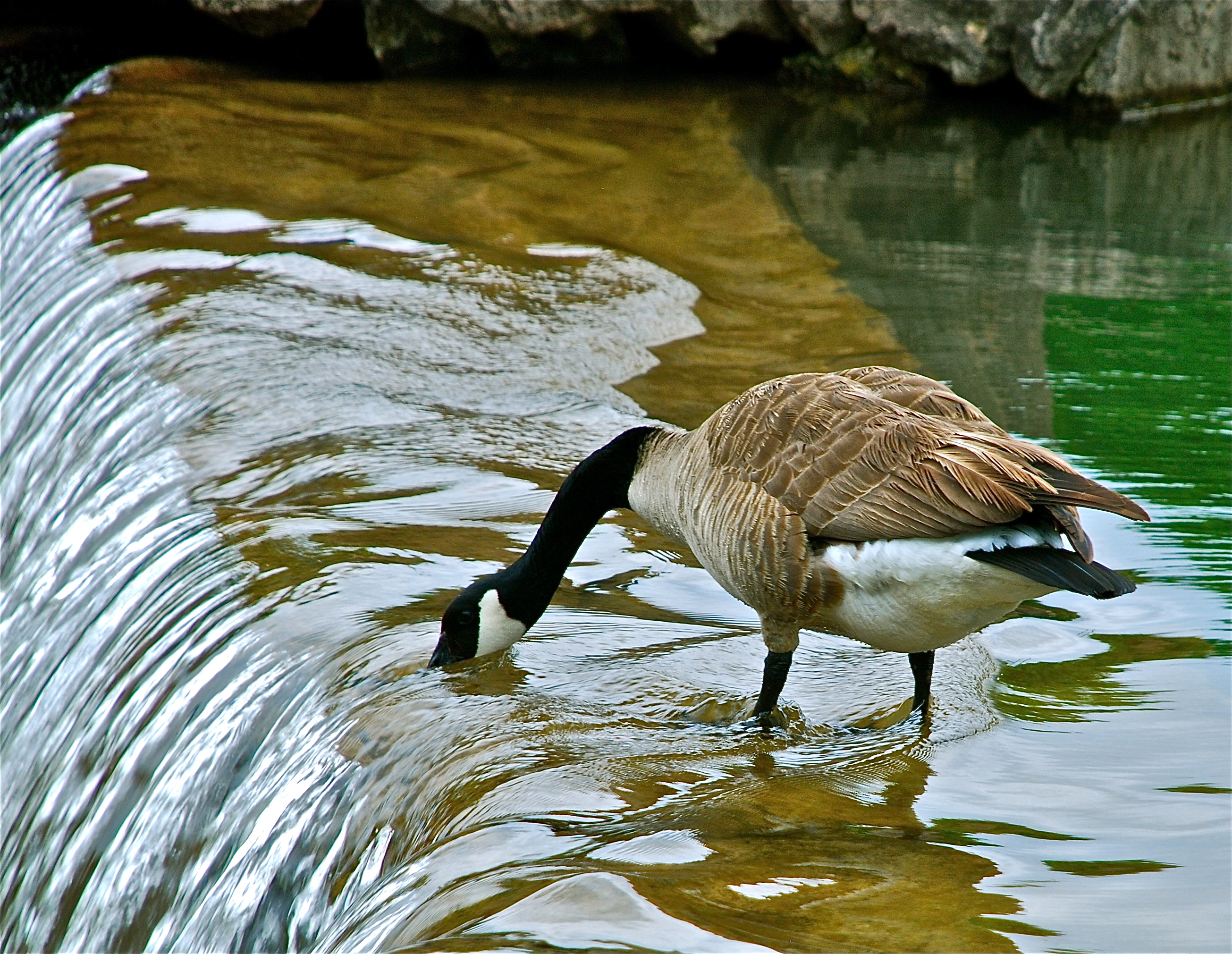
Water!  Blessed water!  Just looking at it has a cooling effect.  And when it’s a 100 degrees outside, one looks for anything that makes it feel cooler.  James and I go to Dallas every so often to eat at our favorite little burger place near SMU and to what I think are two of North Texas’ best plant nurseries.  Both the restaurant and the nurseries are fairly close to Turtle Creek, an area of Dallas that’s also one of our favorite haunts.  Not only are the creek and the grounds along the creek beautiful, but the homes and estates on either side of the it are some of the most spectacular in Dallas.

Now the earth was formless and empty, darkness was over the surface of the deep, and the Spirit of God was hovering over the waters.  ~Genesis 1:2

76. Through the dancing poppies stole a breeze most softly lulling to my soul. ~John Keats

Of all the wonderful things in the wonderful universe of God,
nothing seems to me more surprising than the planting of a seed
in the blank earth and the result thereof.
Take the Poppy seed, for instance: it lies in your palm,
the merest atom of matter, hardly visible, a speck, a pin’s point in bulk,
but within it is imprisoned a spirit of beauty ineffable,
which will break its bonds and emerge from the dark ground
and blossom in a splendor so dazzling as to baffle all powers of description.
~Celia Thaxter

Image

I love poppies, not just the flowers but also the lovely, fat pods that contain the future of the species.  The plants that put on silky, paper-thin blossoms can grow to be 3 or 4 feet tall here if the “hardly visible” seeds are sown in the fall.  So it is that in late October I toss out seeds from the ones I harvested from last’s years pods, and then all winter long I wait for the beauties which “baffle description” to make their appearance in my garden.  As winter moves along, I keep myself reassured by going out to check on them after especially frigid days or after occasional snowfalls to make sure the burgeoning “babies” have not succumbed to the elements.  And each time I go out, I almost squeal with delight when I discover that most of them, if not all, are still slowly but surely growing bigger and stronger.  Then sometime in the early spring the day comes when the waiting is over and standing before me are the first fruits of my labors and watchfulness.  Like dainty chalices, the cup-like flowers open up and drink in the day’s light while penning God’s autograph on the “scenes” of yet another springtime.  Day by day after each individual flower’s petals fall to the ground, the intriguing seed pods take their place, and as temperatures climb, they begin to ripen.  Some of these I eventually let fall to the ground to self sow; the remainder I gather and keep safe and dry until autumn comes and it is again time for me to partner with Creation and scatter abroad the “merest atoms” of such beautiful matter.

For as the soil makes the sprout come up and a garden causes seeds to grow, so the Sovereign Lord will make righteousness and praise spring up before all nations.  ~Isaiah 61:11

23. Nature, like man, sometimes weeps for gladness. ~Anonymous

Rain! whose soft architectural hands
have power to cut stones, and
chisel to shapes of grandeur the very mountains.
~Henry Ward Beecher

Image

Each drop of rain is a powerful miracle, a miracle that falls between heaven and earth as it travels vast distances around earth’s surface.  It speaks so loudly of holiness that whenever it appears here, it never fails to draw me to itself.   Perhaps because somewhere in my memory’s oldest and deepest recesses there’s a vague in-utero recollection of the soothing nature of a watery beginning, a remembrance of a sacred mothering source.  When the first drops of rain hit the ground, especially after a long absence, they fall on my ears not unlike the chords of a beloved’s voice.  And after the rain, when the smell of wet soil and damp grass greet my nose, I “weep for gladness.”  The deliciousness of its return prompts the same urges I experienced in childhood.  What fun it would have been to have played in the rain and danced with wanton delight in the sloshy puddles beneath my feet had mom not forbid it.

All the water earth will ever have was granted us at the beginning of time.  In whatever form it falls to earth, be it rain, fog, frost, snow, or sleet, water is part of a divinely designed cycle to insure Creation’s continuance.  The holy water-bearers bring the stuff without which there is no life for it is the substance in which life is formed and the substance of which life is sustained.  As a part of the grand and holy design, falling waters move in never-ending circles to kiss the earth and return to the clouds.  Given that I can’t help but wonder how far each drop of moisture has traveled throughout the eons of time.  One thing of which I’m always certain though is that rain’s “soft architectural hands” were made by the soft Hands of He who made the earth and us.

I will send you rain in its season, and the ground will yield its crops and the trees their fruit.  Leviticus 26: 4   ✝

10. For in the true nature of things, if we rightly consider, every green tree is far more glorious than if it were made of gold and silver. ~Martin Luther

For man, autumn is a time of harvest, of gathering together.
For nature, it is a time of sowing,of scattering abroad.
~Edwin Way Teale

Image

Like Teale I knew that autumn’s winds were scatterers and sowers, but until I did some research, I didn’t realize how much the autumnal shedding of leaves accomplishes.  For the sake of the sod, the fallen leaves cover the ground like a protective blanket.  It’s also easier for leafless trees to conserve much needed moisture in their branches and trunks, and since cold, dry winter winds strip moisture from trees through their leaves, losing their leaves is self-protective mechanism.  It would also be very costly energy wise for trees to keep their little leafy food factories up and running with less light and heat.   Because the transport of water from the ground into the trunk and leaves would be a damaging drain on a trees’ limited resources, the loss of leaves puts trees into a state of dormancy thereby reducing the amount of energy they need to live.  When leaves “come to rest upon the ground,” their work is far from over.  As they lie there, they become food for soil organisms which are vital to the overall health of ecosystems.  In addition the decomposing leaves restock the soil with nutrients and make up a part of the spongy humus that absorbs and holds rainfall.  And finally with the arrival of spring and warmer temps, bacteria, fungi, and insects come into play because the fallen leaves are chewed and rotted which in turn releases nutrients for plant growth.

“For the wisdom that fashioned the universe and can be read in earth’s dark depths and in heaven’s infinity of lights thanks be to you, O God.”  ~John Philip Newell

6. There is pleasure in the pathless woods. There is rapture in the lonely shore. There is society where none intrudes. ~Lord Byron

She sat down in a weed patch, her elbows on her knees,
and kept her eyes on the small mysterious world of the ground.
In the shade and sun of grass blade forests,
small living things had their metropolis.
~Nancy Price

Image

In and around blossoming things there is another mysterious metropolis.  This one is above the soil, and therein airborne things move around yearning to “possess the sweet of every flower that blooms.”  In that realm two simple equations are in place:  a) if there are no flowers there are no pollinators;  b)  if there are no pollinators there are no flowers, no fruits, no crops.  The hum or buzz of a pollinating agent and a flower’s blooming go hand in hand; together they commit reproductive acts of love as they dance the sacred dance of life orchestrated by the Lord.  In so doing they “remind us that there are other voices, other rhythms, other strivings, and other fulfillments. . .” in God’s grand plan.

Recently in a National Geographic snippet on the internet, the narrator remarked that present-day humanity is the recipient of a 400,000,000 year old legacy bequeathed by earth. Imagine that!  For all those years the sun has not failed to rise and set at its appointed time, fruits and crops have not failed to burst forth and ripen, and the earth has not failed to make its trip around the sun.  One season has followed another repeating the Genesis story over and over again as per the Lord’s plan.  Like the fruits and flowers and pollinators, our time here is very brief, and we who are fashioned by the same holy Hands as the sun and earth are no less adored and significant in our loving Father’s eyes.

There is a time for everything, and a season for every activity under the heavens. . .  ~Ecclesiastes 3:1   ✝