123. Gratitude unlocks the fullness of life. It turns what we have into enough, and more. ~Melody Beattie

Be glad of life because it gives you the chance
to love,
to work,
to play,
and
to look at the stars.
~Henry Van Dyke

Image

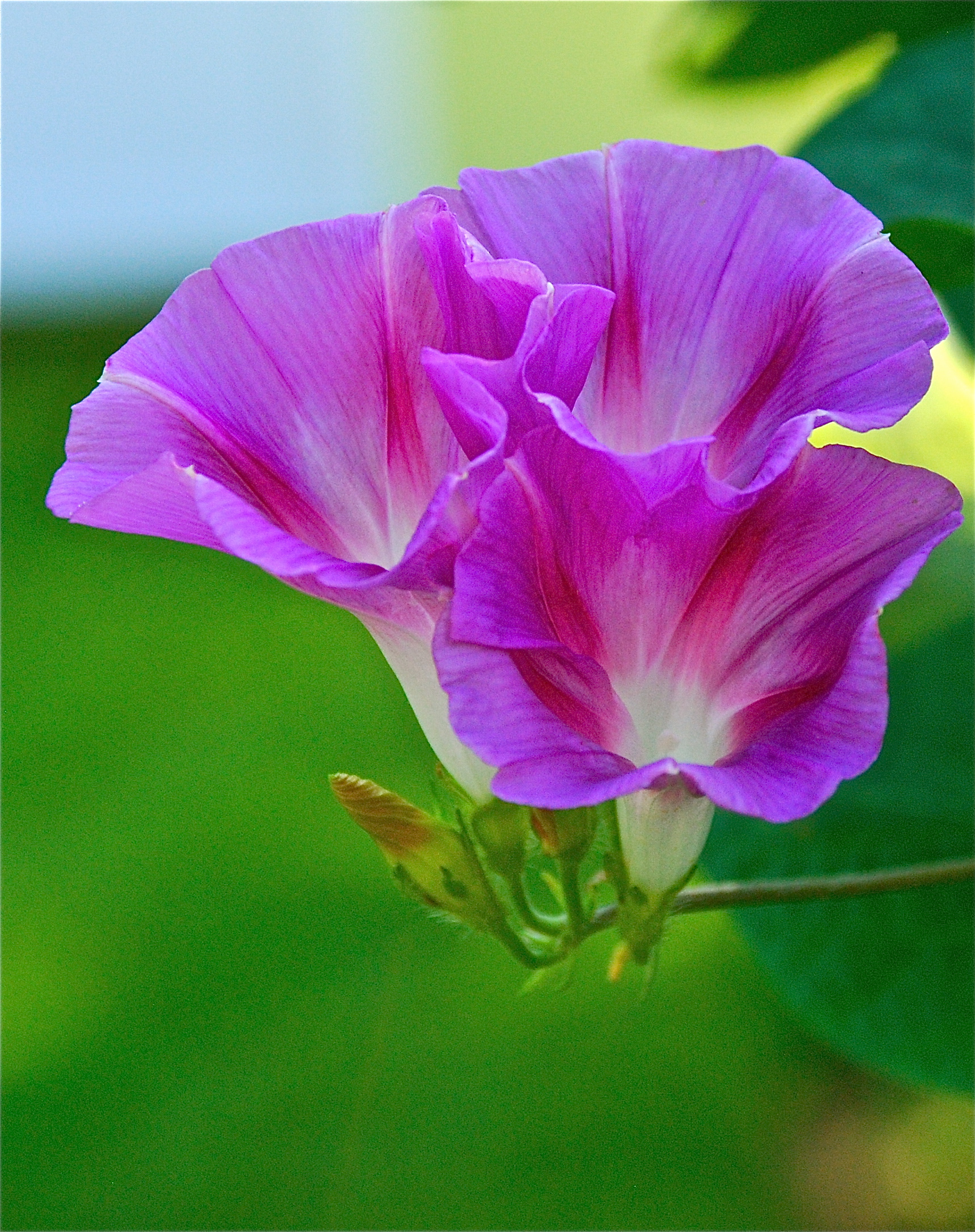
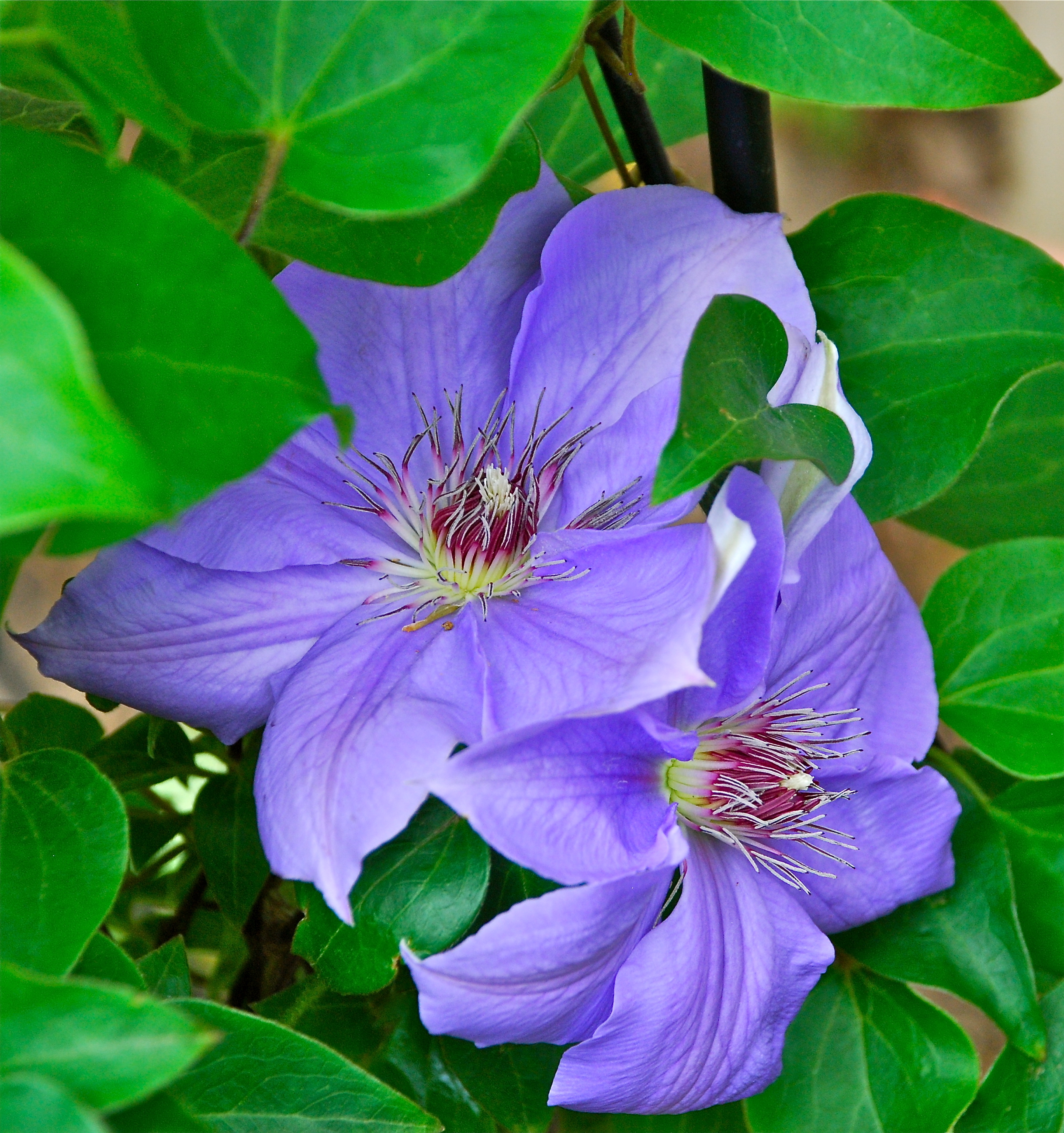
Morning glories always brighten a day and fill it with reason enough for hopefulness and gratitude.

Sing to the Lord with grateful praise; make music to our God on the harp.  ~Psalm 147:7  ✝

122. Has the luster of the infinite holiness of God ever shone upon your heart and drawn your heart to him? ~Jeremiah Burroughs

The world is holy.
We are holy.
All life is holy.
Daily prayers are delivered
on the lips of breaking waves,
the whisperings of grasses,
the shimmering of leaves.
~Terry Tempest Williams,
American author and naturalist

Image

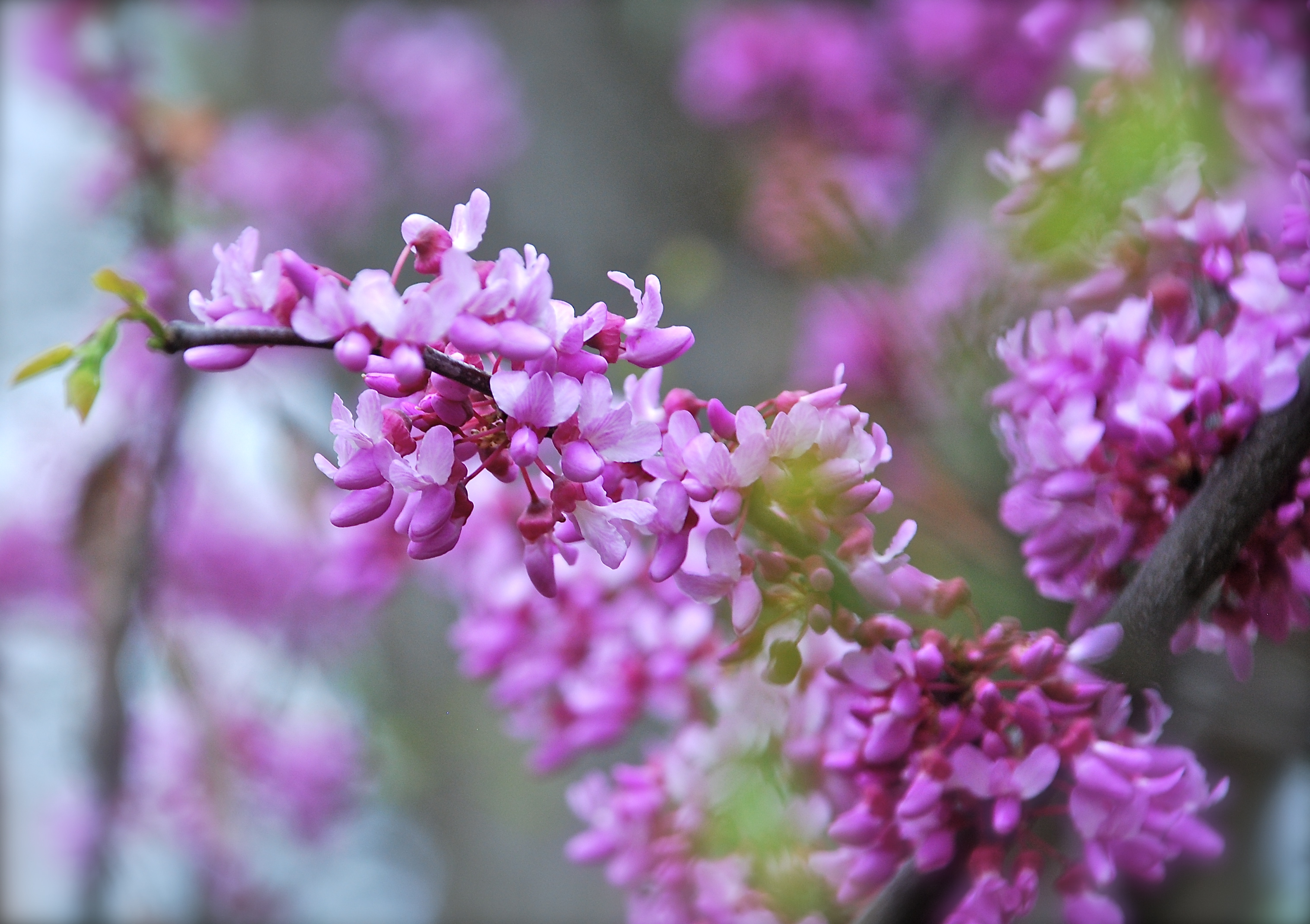
I’ve even seen what seems like daily prayers being offered up from the nodding heads of birthing flowers in the garden.  It’s as if they know to reverence life and its Giver.  For we humans reverence for life sometimes comes through the senses for with them we are able to see, hear, smell, touch, and taste Creation’s pervasive holiness.  Moreover, from a power of perception seemingly independent of the five senses we are able to discern the holiness that exists within the human heart.  And why not?  The human heart is, after all, the Divine’s sanctuary, and as such it is the mystical core from which God operates in our lives. To come into that inner place of holiness is to come “home” in a way for therein croons the voice, soft and sweet, of a loving Father.  If we strive to listen to and obey His still, small Voice, a well within is filled with the mercy, forgiveness, and love needed for us to blossom into a purposeful anointing.  Surely even the angels stand in awe of such as this.

. . . by the power of God, who has saved us and called us to a holy life—not because of anything we have done but because of His own purpose and grace.   ~2 Timothy 1:9   ✝

121. Come forth into the light of things, let nature be your teacher. ~William Wordsworth

In the midst of darkness, light;
In the midst of death, life;
In the midst of chaos, order.
Thus has it ever been,
Thus it is now, and
Thus it shall always be.
~Edited excerpt by Orlog, in the Norn’s Chant

Image

You will be secure, because there is hope; you will look about and take your rest in safety.  ~Job 11:18  ✝

120. Every happening, great and small, is a parable whereby God speaks to us, and the art of life is to get the message. ~Malcolm Muggeridge

The world has different owners at sunrise. . .
Even your own garden does not belong to you.
Rabbits and blackbirds have the lawns;
a tortoise-shell cat who never appears in daytime
patrols the brick walls,
and a golden-tailed pheasant
glints his way through the iris spears.
~Anne Morrow Lindbergh,
pioneering American aviator and author

Image

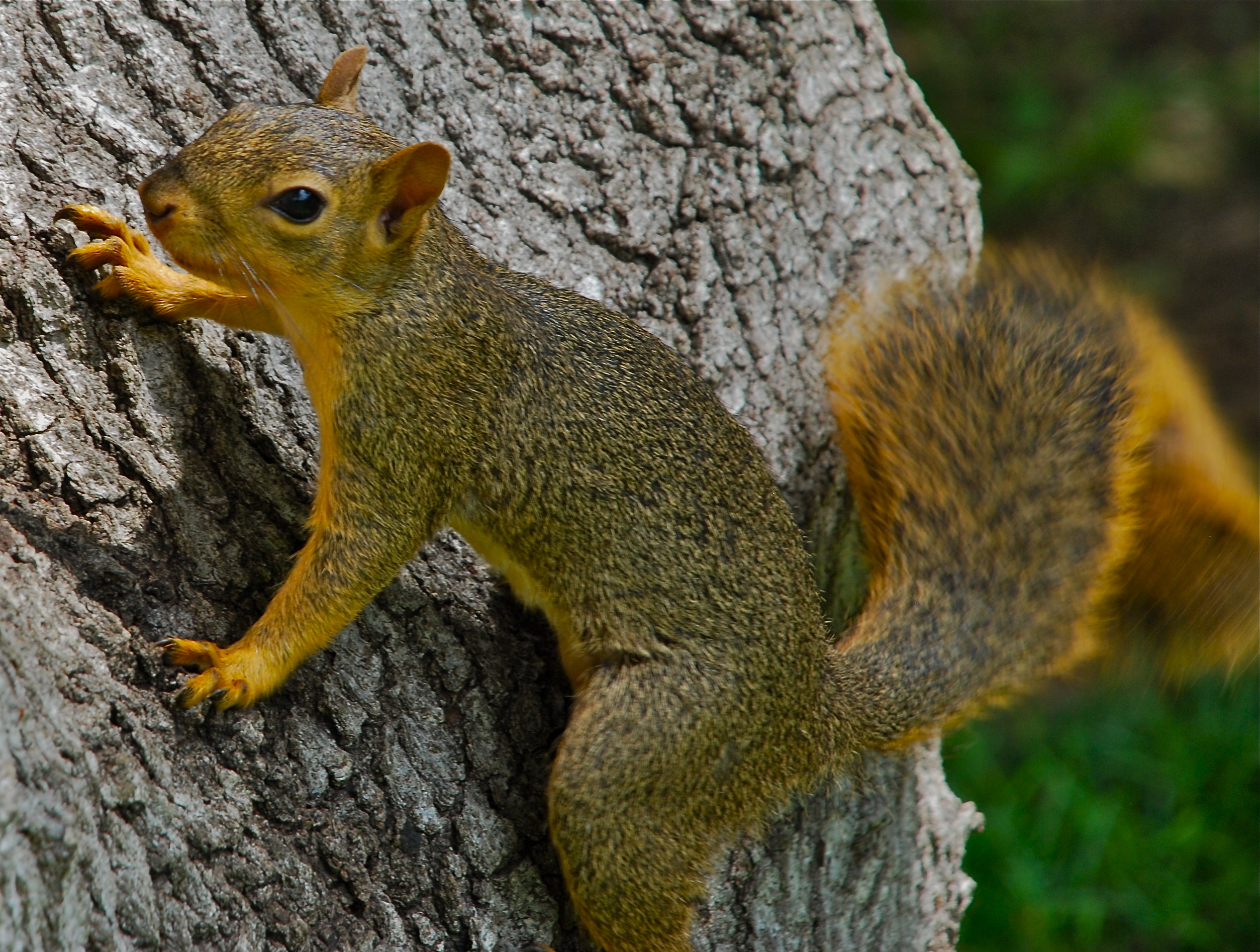
In my yard are squirrels instead of rabbits, mockingbirds instead of blackbirds, an assortment of stray cats instead of one tortoise-shell cat, and garter snakes that slither through the grass instead of a pheasant that glints his way through the iris spear.  So it is that my yard has as Lindbergh penned “different owners at sunrise.”  But since I planted everything for the wildlife as much as for me, why shouldn’t they come and sometimes in large numbers all through the day and night.

J. Philip Newell says that God’s glory glows “in the glistening of a creature’s eyes” as well as in “every emanation of creation’s life,” and that we can reverence God “in all that has life.”  My guess is that’s why some people garden in the first place.  We are fascinated by and delighted with the flowers and the wildlife, but we long for the presence of God into our green temples–that Presence that we feel and see in tiny buds breaking the soil, in pinkish purply glows in the eastern sky, in a silver slivers of the moon in the darkness of night, or in the delicious stillnesses in the garden as day passes into night.

For since the creation of the world God’s invisible qualities—his eternal power and divine nature—have been clearly seen, being understood from what has been made. . .  ~Romans 1:20   ✝

72. Come, fill the Cup, . . . the Bird of time has but a little way to fly–and Lo! the Bird is on the wing. ~Omar Khayyám

The Moving Finger writes; and having writ,
Moves on: nor all your Piety nor Wit
Shall lure it back to cancel half a Line,
Nor all your Tears wash out a Word of it.
~Rubaiyat, Omar Khayyám, 11th century Persian poet

Image

In my twenties, I came face to face with the reality of what this Persian poet articulated in the Rubaiyat, but thankfully in my thirties I also realized that every spring all that God created begins again.  So even though I have no a chance to do anything about the past, in the season of restoration and rebirth God built into the fabric of Creation, I can forge on with writing new stories and/or penning different endings to ones not yet finished.  However, lest I get too comfortable in dalliances a long the way and to show how quickly what the poem’s author revealed can come about, I must remember that a new year’s garden progeny and its days come and go quickly, and when done they are never, as Khayyám said, to be lured back nor washed away by tears.  So with every spending of my time coins, I must seize opportunities opening to blushes of newness.  Scripture may tell the world that the “birthing and restoring” of new years will go on “as long as earth endures,” but last November’s brush with death taught me to make the most of each day and not rely on what I, myself, may not be given.

The best things in life are nearest:
Breath in your nostrils, light in your eyes, flowers at your feet,
duties at your hand, the path of right just before you.
Then do not grasp at the stars, but do life’s plain, common work as it comes,
certain that daily duties and daily bread are the sweetest things in life.
~Robert Louis Stevenson, Scottish poet

“As long as the earth endures, seedtime and harvest, cold and heat, summer and winter, day and night will never cease.”  ~Genesis 8:22   ✝

69. Only from the heart can you touch the sky. ~Rumi

It is a glorious privilege
to live, to know, to act, to listen, to behold, to love.
To look up at the blue summer sky;
to see the sun sink slowly beyond the line of the horizon;
to watch the worlds come twinkling into view,
first one by one, and the myriads that no man can count,
and lo! the universe is white with them;
and you and I are here.
~Marco Morrow

Image

It is God’s privilege to conceal things and the king’s privilege to discover them.  ~Proverbs 25:2   ✝

46. A Robin Redbreast in a cage puts all Heaven in a rage. ~William Blake, English poet, painter and printmaker

When father takes his spade to dig
then Robin comes along;
And sits upon a little twig
And sings a little song.
~Laurence Alma-Tadema

Image

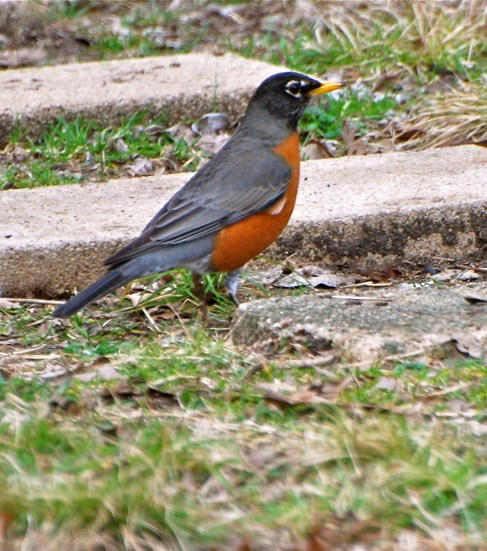
The introductory line is from Blake’s “Auguries of Innocence,” a somewhat lengthy poem consisting of a series of paradoxes in which Blake juxtaposes innocence with evil and corruption. The word augury in the title means omen or token, and the robin is the poem’s first noted “augury of innocence.”  The robin’s song, personality, and countenance are such that it’s obvious why the poet saw the act of putting one in a cage as not only an enraging violation but also as a profound perversion of holiness.  The sweet song and colorful markings of a robin make the bird a delightful harbinger of spring’s infancy and innocence.  Looking forward to its coming is one of my favorite rites in spring’s passage, and like “all heaven” I’d be incensed if the bird’s freedom were taken away and its song silenced.  Below is a legend about the robin that again ties the bird to the blameless and sacred.  Although the truthfulness of legends is questionable, I’m fascinated that somehow, somewhere, and in some way the robin was connected to the Messiah.

The Legend of the First Robin

One day, long ago, a little bird in Jerusalem saw a large crowd gathered around a man carrying a heavy wooden cross.  On the man’s head was a crown made from a thorn branch.  The thorns were long and sharp.  The little bird saw that the thorns were hurting the man.  It wanted to help Him, so it flew down and took the longest, sharpest thorn in its tiny beak.  The bird tugged and pulled until the thorn snapped from the branch.  Then a strange thing happened.  A drop of blood fell onto the bird’s breast, staining it bright red.  The stain never went away.  And so today the robin proudly wears a red-breast, because it helped a man named Jesus.  

“But ask the animals, and they will teach you, or the birds of the air, and they will tell you; or speak to the earth, and it will teach you, or let the fish of the sea inform you.  Which of all these does not know that the hand of the LORD has done this?  In His hand is the life of every creature and the breath of all mankind. . .”  ~Job 12:7-10   ✝

24. Within the seed’s case a secret is held. Its fertile whisper shapes a song. ~Joan Halifax

When I see that first, miniscule, curled, pale
green wisp of a sprout poking up between a couple of
grains of vermiculite, I hear God speaking.
~June Santon

Image

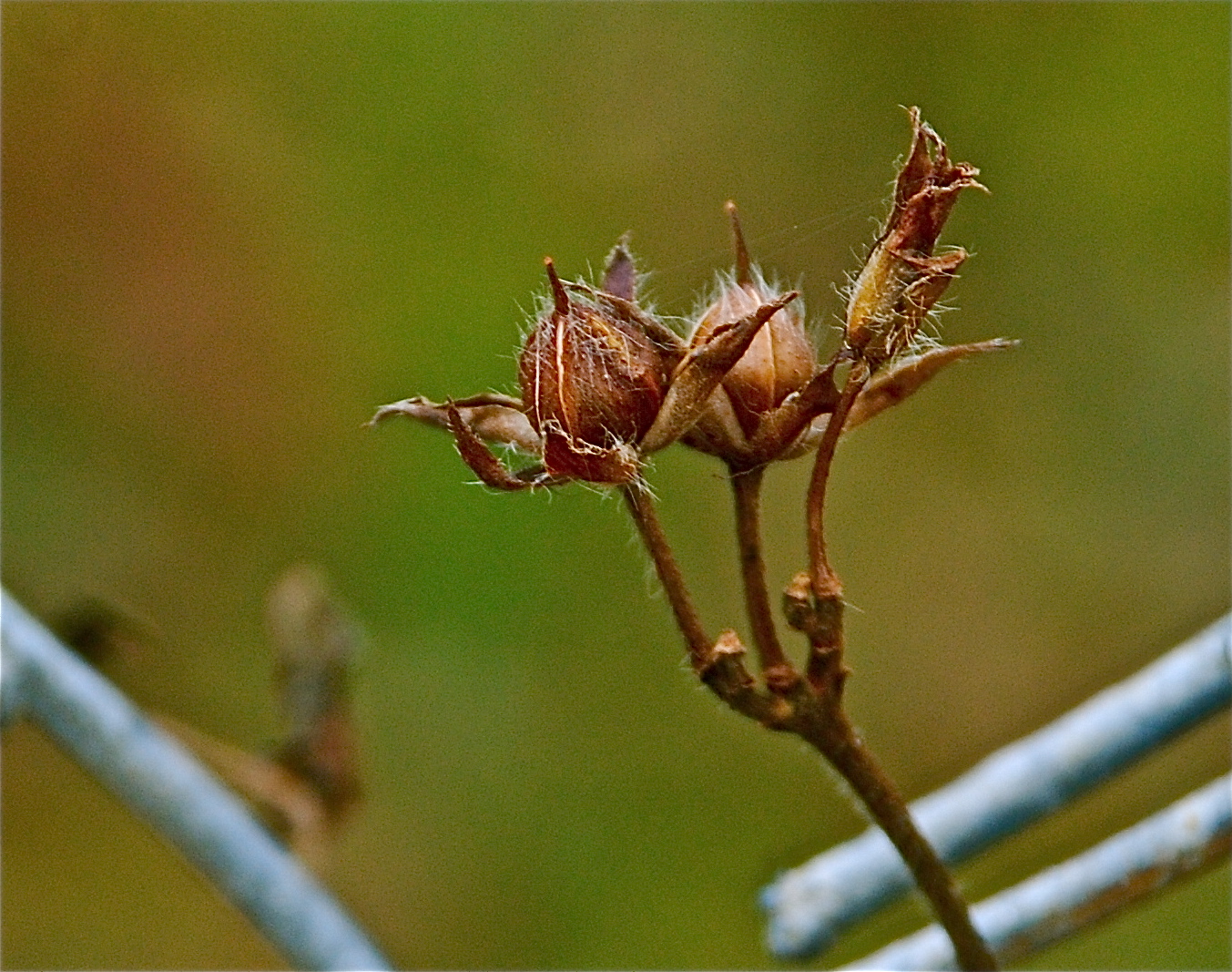
Seed plants date back about 365 million years ago to the Paleozoic era.  These wondrous pieces of antiquity vary greatly in size: the smallest being the dust-like seed of orchids and the largest, weighing as much at times as 50 pounds, being the fruit of the coco de mer, the double coconut palm.  A typical seed is composed of 3 basic parts: 1. an embryo, 2. a supply of nutrients for the embryo, and 3. a seed coat that protects the embryo from injury or from drying out.  Seeds have two points of growth, one which forms the stem of the plant and the other where the roots of the plant form.  Some seeds have wings or hairs and are dispersed by the wind.  Others are buoyant and float in rivers to the oceans and wash up on beaches; then there are those that are dispersed in various ways by animals.   Given the fascinating science of seeds, how they work and how tiny some of them are, how could one not hear fertile whispers from God in them.

Each seed, regardless of its size, is a sacred promise.  The dictionary defines a promise as: 1. a declaration that something will or will not be done or given, or as   2. an express assurance on which expectation is to be based, and seeds definitely declare what the Lord has done and given and what we as His children can expect.  Special mention of seeds and their promise is made on the 3rd day of the Genesis story where we can see that plants and trees are profuse manifestations of “this seed force.”  Plants and trees have been coming forth for millions of years and come forth yet.  During the unseen holy hours of nurturing, the “seed force” reaches down into the darkness of the earth’s “concealed depths” therein to be sustained by water.  In the Celtic tradition the moisture in earth’s soil is a “symbol of the waters of God that enfold and infuse all things.”  God’s goodness, deeper than any evil, then can be seen at the inception and very heart of life.  J. Philip Newell says that “everything that is born in the great matrix of life is sustained by roots that reach into the deep mystery of God’s life.”  The image which Newell’s words paint of all life reaching deep into God’s life is what, for many of us, shapes songs of joy and praise, for there is no more comforting, good, or safe place in the world than the heart of God!

As the rain and the snow come down from heaven, and do not return to it without  watering the earth and making it bud and flourish, so that it yields seed for the sower and bread for the eater, so is my word that goes out from my mouth: It will not return to me empty, but will accomplish what I desire and achieve the purpose for which I sent it.  ~Isaiah 55:10-11   ✝

23. Nature, like man, sometimes weeps for gladness. ~Anonymous

Rain! whose soft architectural hands
have power to cut stones, and
chisel to shapes of grandeur the very mountains.
~Henry Ward Beecher

Image

Each drop of rain is a powerful miracle, a miracle that falls between heaven and earth as it travels vast distances around earth’s surface.  It speaks so loudly of holiness that whenever it appears here, it never fails to draw me to itself.   Perhaps because somewhere in my memory’s oldest and deepest recesses there’s a vague in-utero recollection of the soothing nature of a watery beginning, a remembrance of a sacred mothering source.  When the first drops of rain hit the ground, especially after a long absence, they fall on my ears not unlike the chords of a beloved’s voice.  And after the rain, when the smell of wet soil and damp grass greet my nose, I “weep for gladness.”  The deliciousness of its return prompts the same urges I experienced in childhood.  What fun it would have been to have played in the rain and danced with wanton delight in the sloshy puddles beneath my feet had mom not forbid it.

All the water earth will ever have was granted us at the beginning of time.  In whatever form it falls to earth, be it rain, fog, frost, snow, or sleet, water is part of a divinely designed cycle to insure Creation’s continuance.  The holy water-bearers bring the stuff without which there is no life for it is the substance in which life is formed and the substance of which life is sustained.  As a part of the grand and holy design, falling waters move in never-ending circles to kiss the earth and return to the clouds.  Given that I can’t help but wonder how far each drop of moisture has traveled throughout the eons of time.  One thing of which I’m always certain though is that rain’s “soft architectural hands” were made by the soft Hands of He who made the earth and us.

I will send you rain in its season, and the ground will yield its crops and the trees their fruit.  Leviticus 26: 4   ✝

22. Until one has loved an animal, a part of one’s soul remains unawakened. ~Anatole France

Most cats do not approach humans recklessly.
The possibility of weapons, clods, or sticks
tend to make them reserved. . .
Much ceremony must be observed,
and a number of diplomatic feelers put out,
before establishing a state of truce.
~Lloyd Alexander
Image

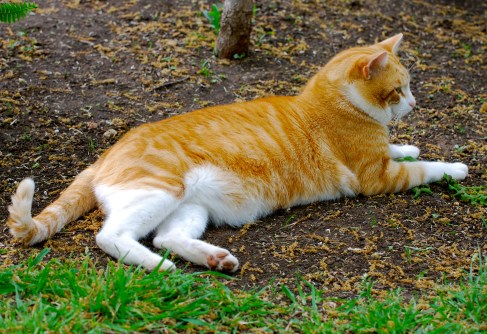
A beautiful stray cat came into our world some time back, and slowly but surely we managed to earn some of his trust.  From his size at the time he started coming into our yard we decided he was about a year old, and from his behavior it was apparent he had had some unfriendly encounters with humans.  However, as time went on he seemed to take more and more of a liking to us, and eventually he chose to stay in our yard most of the time.  As he became more accustomed to our presence, he started letting us get close enough to pet him.  Then one day he began loving us back in the way that feral cats do, but the exchanges were always done with that predictable element of guarded caution.  For example when I’d be out working in the yard, he’d follow me wherever I went and throw himself down to nap while I worked, but he never fell so fast asleep or got so close that he couldn’t make a fast get away if need be.  As the months passed he became more accepting of us, so much so that he followed me into my studio one afternoon and napped there.  Subsequently that became a daily thing, and he would even remain there on cold, cold nights.  After that winter, we were so in hopes he would one day let us pick him up and get him in a carrier to go to the vet’s for his shots and neutering.  Sadly though his trust fell just short of that.

The cat clawed its way into my heart
and wouldn’t let go. . .
When you’re used to hearing purring
and suddenly it’s gone, it’s hard to silence
the blaring sound of sadness.
~Missy Altijd

For a short period of time this yellow cat we named Beastie called our yard his home. We had managed to establish “a state of truce” with him, but as it turned out it was never going to be a complete surrender.   One day the call of the wild became much stronger than the call of the safe and secure.  The first time he left us, he was only gone for 6 days, but then he left again the next day for another 5 days.  After the third departure we never saw him again.  What became of our little feline friend we’ll never know.

Give sorrow words;
the grief that does not speak
whispers the o’er fraught heart
and bids it break.
~William Shakespeare

When Beastie disappeared for good, he took pieces of my heart with him, and if I hadn’t given my grief to words, as Shakespeare suggests, I fear my “fraught” heart would have broken and all its chambers flooded with tears.  Jean Burden was right when she said, “Prowling his own quiet backyard or asleep by the fire, a cat is still only a whisker away from the wilds.”  The Beast Man was never far from his feral beginnings, and when the wild called, he could do naught but answer.  Agnes Repplier summed it up best when she said, “it’s impossible to banish these alert, gentle, and discriminating little friends, who give us just enough of their regard and complaisance to make us hunger for more.”  Indeed, I have hungered for more ever since; in fact I’m still hungering and hurting because there’s no more of his sweet life to be shared.  My big backyard that I love so much seems like an empty and lonely place without that “silly” yellow cat to keep me company.  He was a confidant and consultant in my garden dreams and schemes, and I was his protector from pesky mockingbirds wanting to keep him from their nests and from any and all suspicious human interlopers.  I know I need to put this behind me and move on, but it has been a long time since grief has had so heavy a hold on my heart.  There was just something compelling and charming about that sweet boy, and he, a cherished presence too soon lost, will be forever missed.