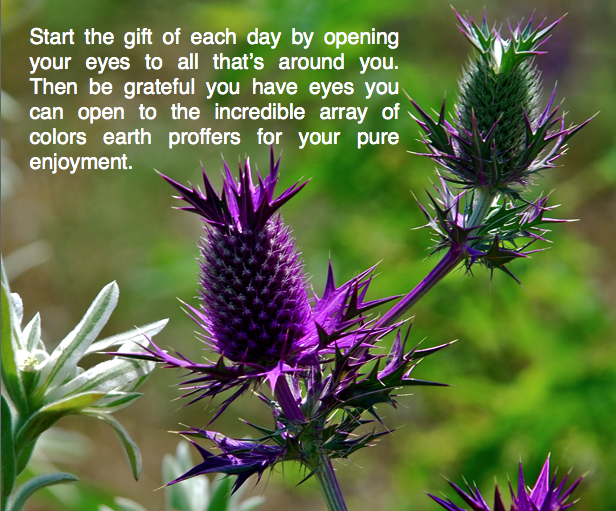
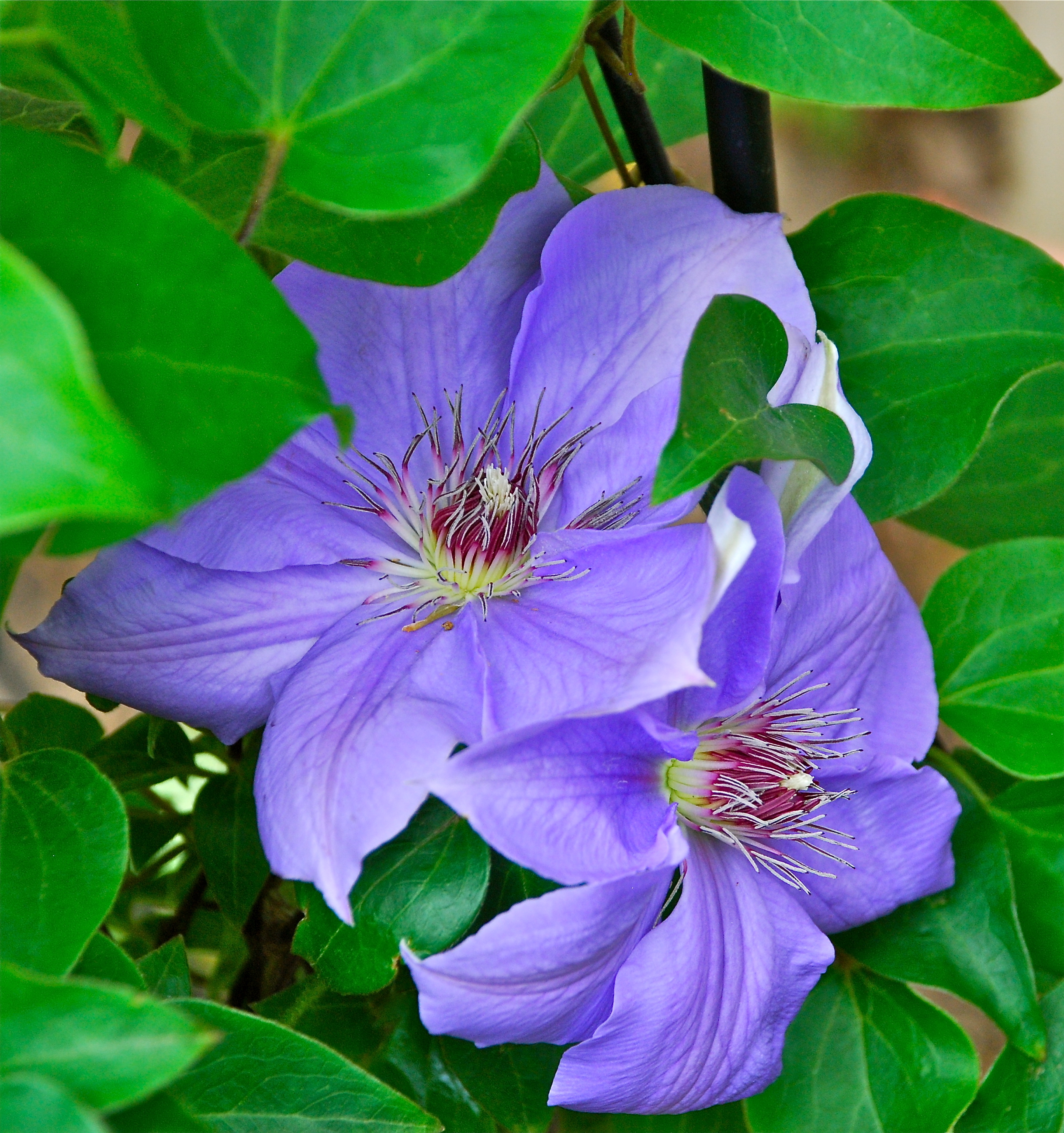
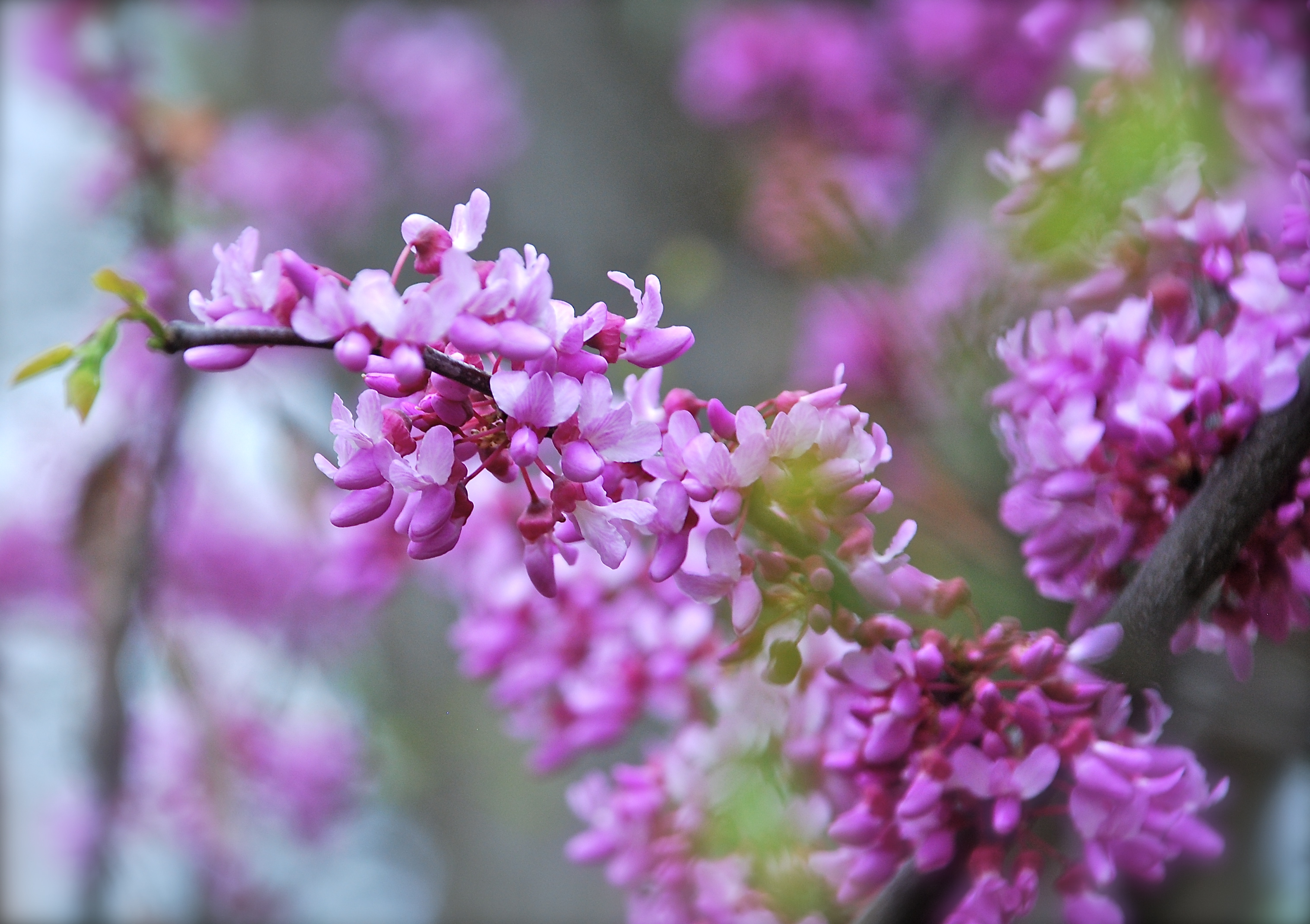
150. He made you a part of Creation, and you praise Him in glorious celebration. ~Katherine R. Lane

Bring to me then the plant
that points to those bright Lucidites
swirling up from the earth,
and life itself exhaling that central breath!
Bring me the sunflower crazed with the love of light.
~Eugenio Montale
Image

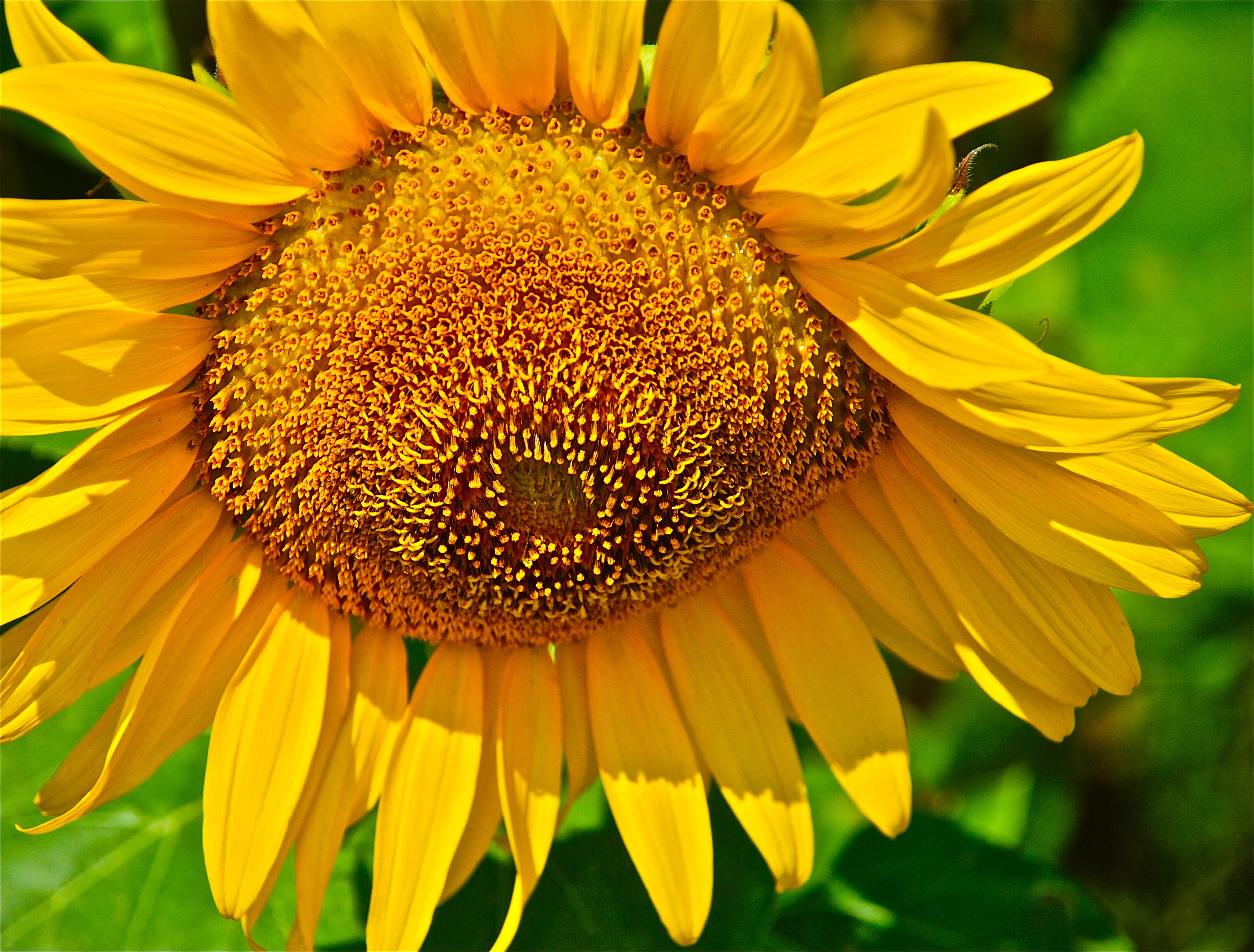
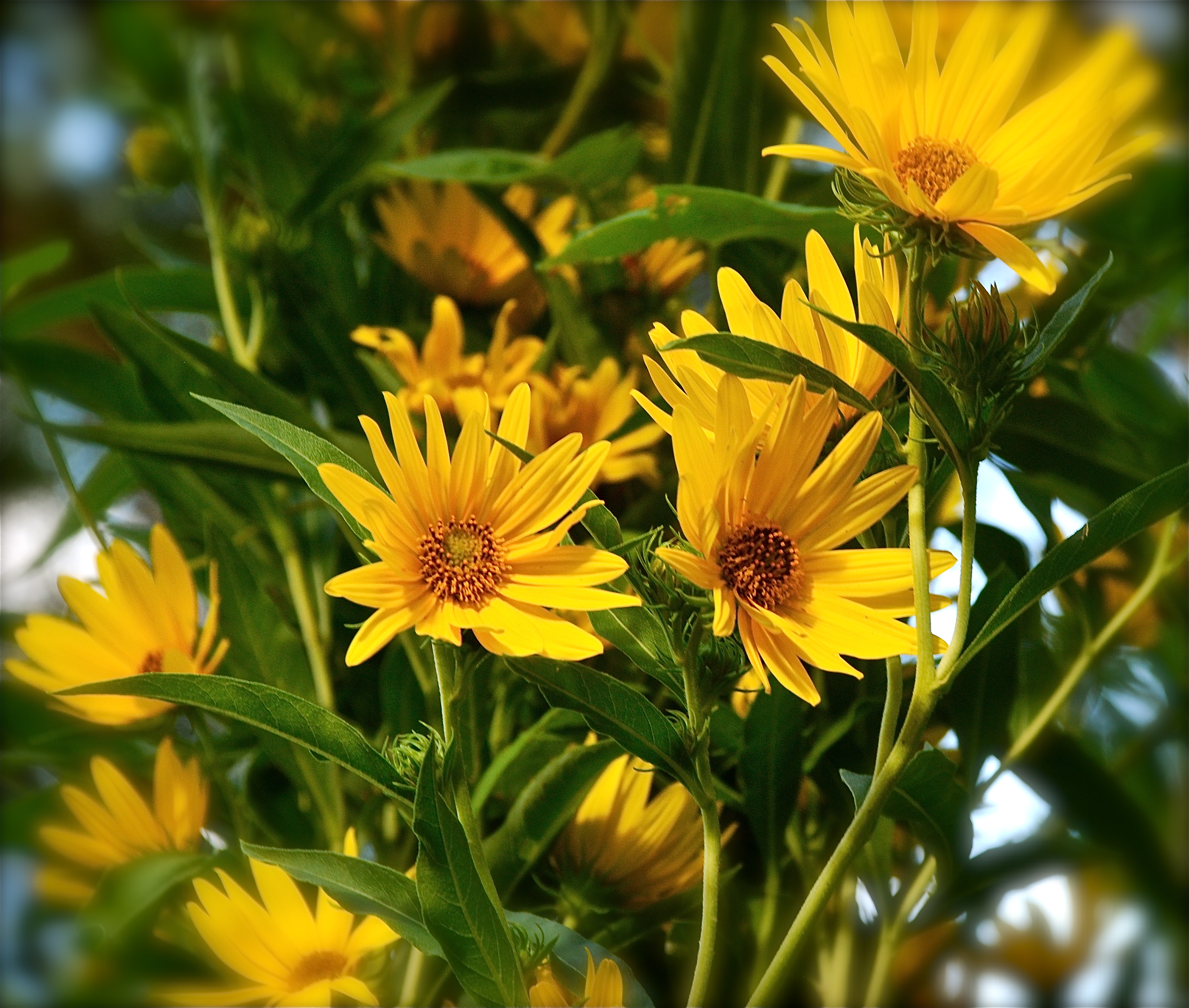
The Maximilian sunflowers in the photo are natives to Texas, but they extend north throughout the tall-grass prairies of the central plains where they were discovered in the 19th century by a German botanist named Prince Maxmilian Alexander Philip von-Wied-Neuwied, thus their rather lofty sounding name.  When I planted 2 of them several years ago, I knew that like their name, they would reach lofty heights before beginning to bloom in September, and that first summer they grew to about 7 feet.  However, by the second year these perennials herbs were reaching heights of 12-16 feet or more, and although I know people like to claim that things are always bigger in Texas, I’m not buying that.  So I did some research and come to find out the more one waters them the taller they grow.  Okay, so now what to do?  Well, before digging them up and moving them or admitting to my husband that I do, in fact, water too much, I’ve decided to give them one more year where they are and try a trick I recently read about; a plantsman in one article said if I pinch off the growing tips when the plants are 3-4 tall I will get shorter plants with more flowers.  More flowers, did he say more flowers?  Now that’s sweet music to my ears!

They are like a well-watered plant in the sunshine, spreading its shoots over the garden. . .  ~Job 8:16  ✝
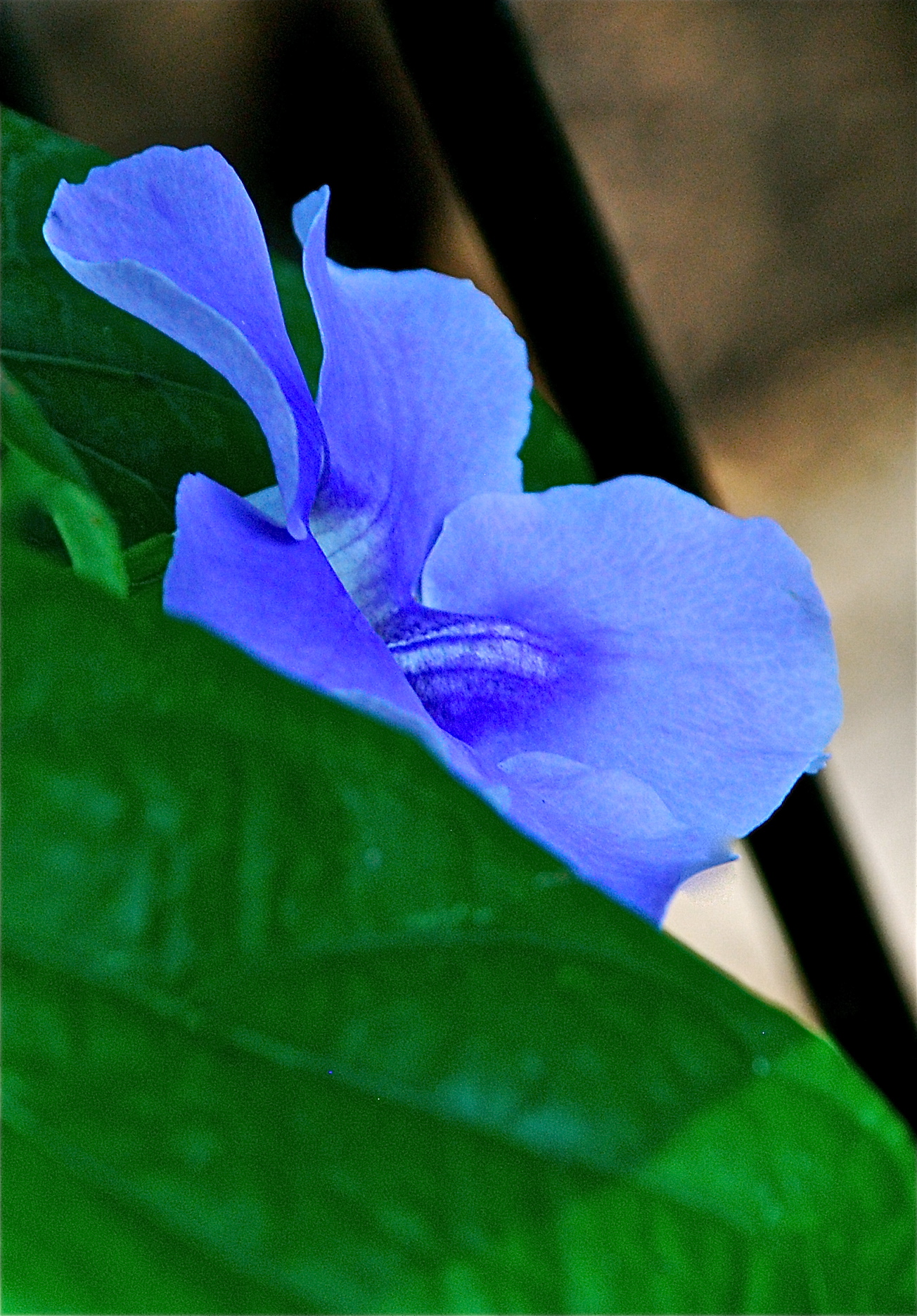
148. If the sight of blue skies fills you with joy, if a blade of grass springing up in the fields has the power to move you, if the simple things in nature have a message you understand, rejoice, for your soul is alive. ~Eleanora Duse

Every vine climbing and blossoming
tells of love and joy.
~Robert G. Ingersoll

Image

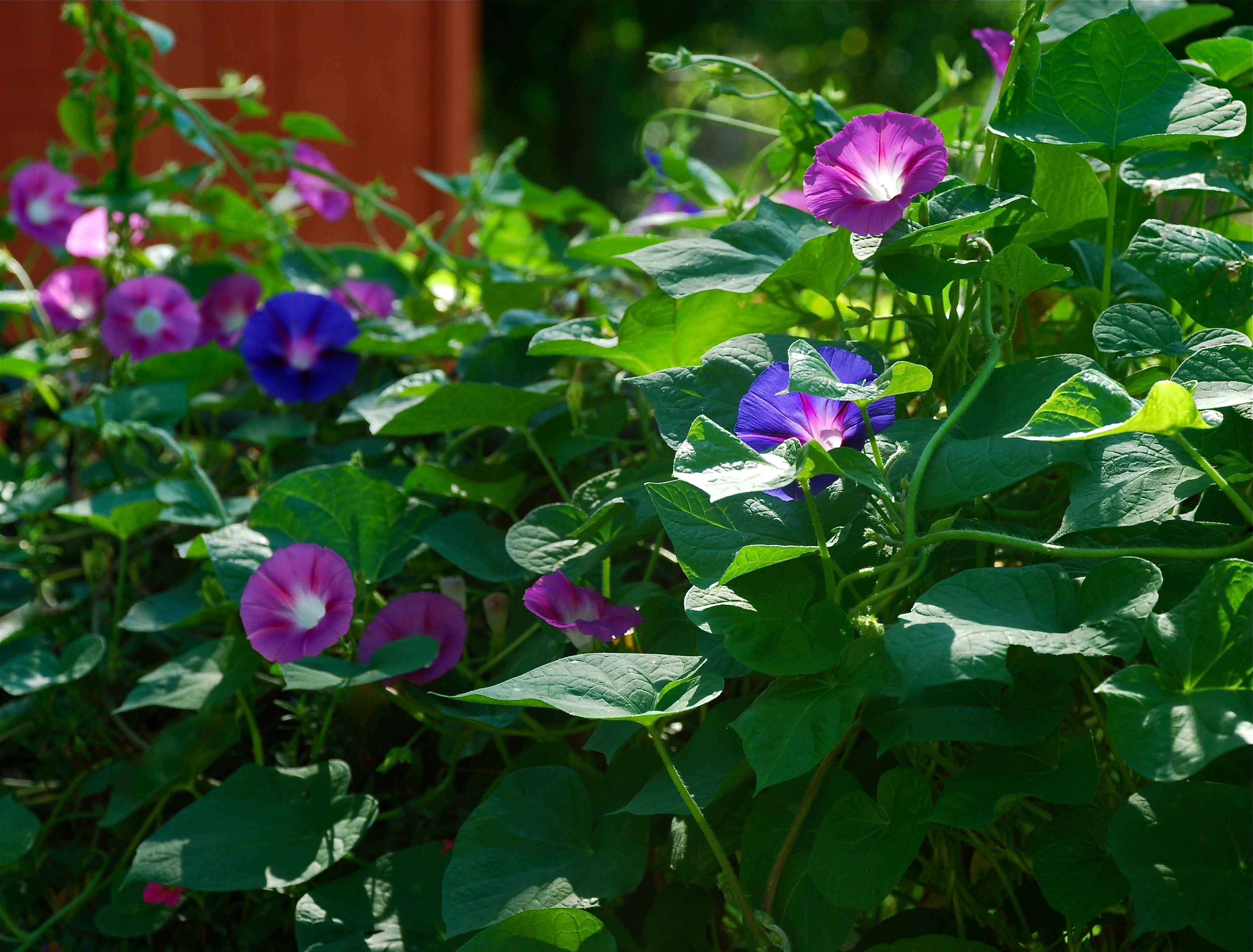
If your soul is indeed alive, you come to realize that like all else in Creation, vines tell also of the nearness of God and the way that He wraps His arms around His children in order to keep them close to Him.  Simply put, whether acknowledged by all or not, mankind is inextricably linked to the Maker of heaven and earth, and because of His supporting and sustaining provisions our souls are eventually drawn into His holy web of life and the Light.  C. S. Lewis said that “Jesus was either a liar, a lunatic, or who He said He was.”  Mr. Lewis’ soul and mine have trusted Jesus to be who He said He was.   Thus I rejoice when He, the Messiah,  tells me:

“I am the bread of life.”
“I am the light of the world.”
“I am the gate for the sheep.”
“I am the good shepherd; the good shepherd gives his life for the sheep.”
“I am the resurrection, and the life.”
“I am the way, the truth, and the life.”
“I am the true vine.”

Return to us, O God Almighty!  Look down from heaven and see!  Watch over this vine, the root your right hand has planted, the son you have raised up for yourself.  ~Psalm 80:14-15  ✝

*The flower in the photo is Thunbergia Grandiflora (commonly called Bengal Clock vine or Sky Flower vine)

144. In the right light, at the right time, everything is extraordinary. ~Aaron Rose

For me, a landscape does not exist in its own right,
since its appearance changes at every moment;
but the surrounding atmosphere brings it to life – the
light and the air which vary continually.
For me, it is only the surrounding atmosphere
which gives subjects their true value.
~Claude Monet

Image

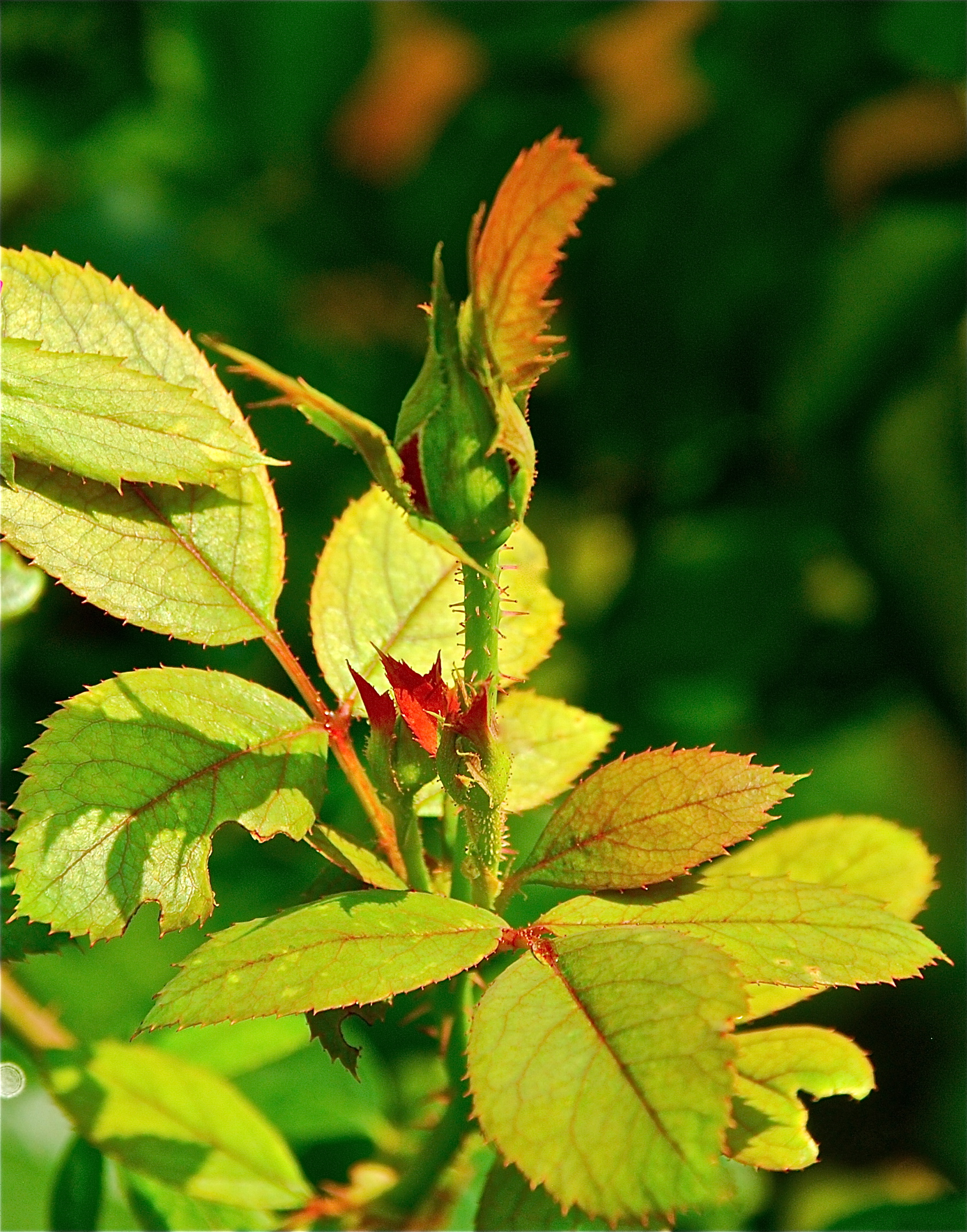
Living in a garden day after day, being a participant in all its events, witnessing the changes from season to season, and watching the way differing light falls on the landscape make gardening a thrilling experience.  The fact that colors in the garden change off and on during the course of a day fascinates me.  In morning light the hues are vivid and bright, but as daylight mellows into twilight, they melt into quieter, more subdued tones.  Light even affects the fragrance of things for it is only in the cooler moments of early morn and twilight that the strongest aromas are dispelled from herbs and flowers.  But then things are not just affected by changes in lighting.  Sometimes colors change as flowers and leaves age, when temperatures rise or fall, when changes occur in the content of the soil, or when rainfall is lacking or in abundance.  That’s why without looking at a calendar, I can tell that the rose bud in the photo is one born of recent rainfall and the passing of the autumnal equinox.  The constancy of this inconstancy defines the soul of a garden, and, like all else in nature, speaks to me of rhythmical and purposeful ordination.

Awake, north wind, and come, south wind!  Blow on my garden that its presence may spread everywhere.  Let my beloved come into his garden and taste its choice fruits.  ~Song of Songs 4:16   ✝

141. Colors are the smiles of nature. ~Leigh Hunt

Of all God’s gifts to the sighted man,
color is the holiest, the most divine, the most solemn.
~John Ruskin

Image

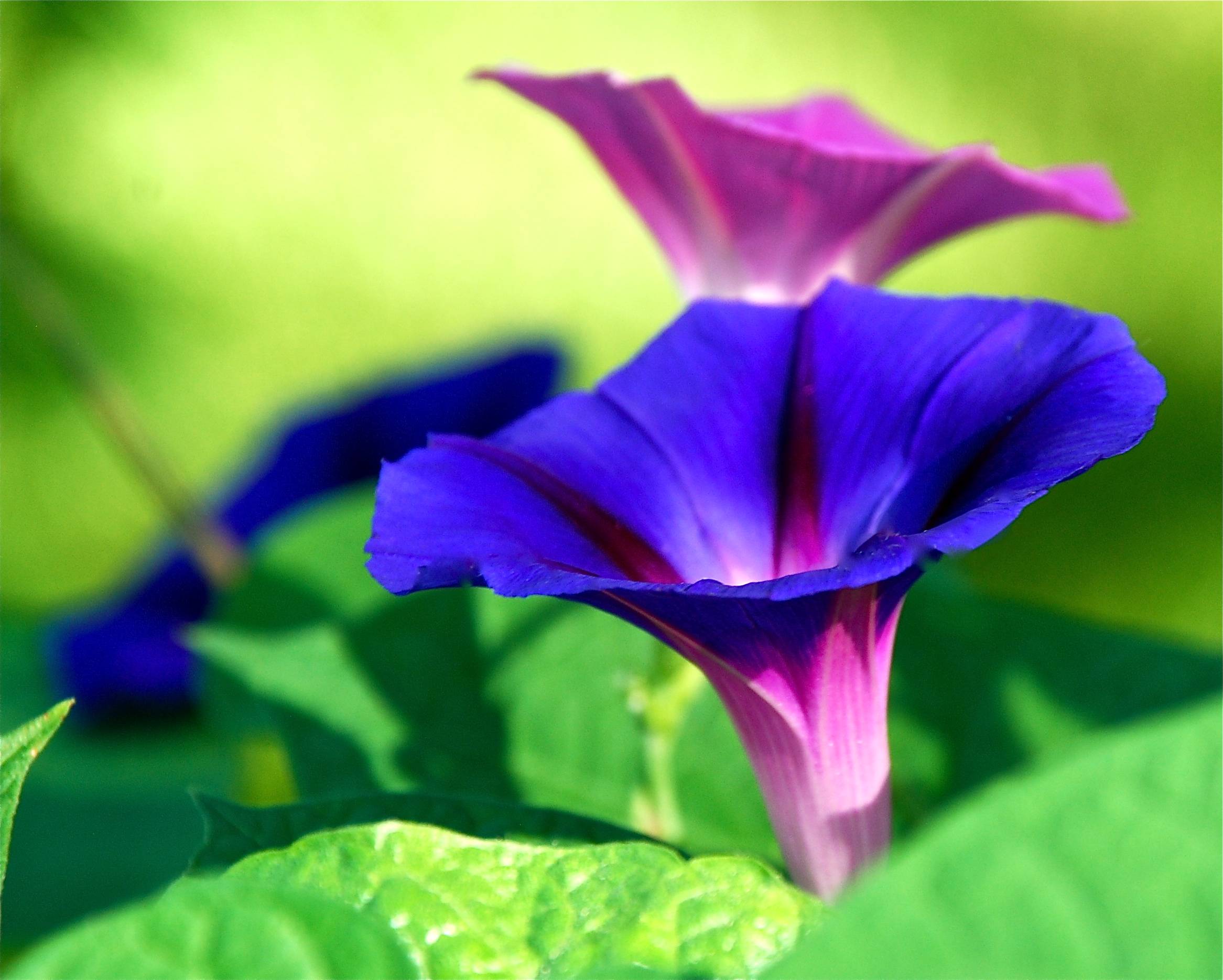
To the sighted man color is emphatically holy, but I believe the sanctity of it goes deeper than the eye.  Deep within the human soul color is recognized as tidings from the Father of our world and the message is twofold.  Color is a hallowed melody meant not just for the eyes but for the ears as well.  Pablo Picasso touched on this when he asked, “Why do two colors, one put next to the other, sing?” He couldn’t explain it nor can I, but there are color combinations that compose the sweetest of songs.  Pink and blue is one of those duos, and together they pen a heavenly harmony reminiscent of sapphire skies streaked with luscious pink ribbons of light.

The Lord reigns, let the earth be glad; let the distant shores rejoice.  ~Psalm 97:1  ✝

140. All nature sings, and round me rings the music of the spheres. ~Maltbie D. Babcock

This is my Father’s world
He shines in all that’s fair,
In the rustling grass I hear Him pass,
He speaks to me everywhere.
~Lyrics from This is My Father’s World by Maltbie D. Babcock

Image

What a glorious morning!  When I raised the shade, my eyes were met with a delicious light pouring down on a corner of the garden.  And it was light not born of the intense heat of past months but instead of the crisp coolness of a 59 degree autumnal equinox morn.  Zephyrs were ruffling leaves, and they were shouting hallelujahs in praise of the Lord’s Sabbath and yesterday’s rain.  Ancient Eden’s unmistakable holy voice reverberated in the air, and all of us, creature and man alike, recognized it and rejoiced.  The “special air of melancholy and magic” typical of September’s opus rose louder and louder as the light moved southward across the yard frosting everything in its wake.  Yahweh’s glory breathed new life into wilted leaves, faded blossoms, and weary bones as the light moved as sweetly as a bow across the strings of a Stradivarius in slanted increments across the yard.

“Arise, shine, for your light has come, and the glory of the Lord rises upon you.”  ~Isaiah 60:1  ✝

*Thanks to Annette Lepple for the great description of September that I quoted above. 

135. As for marigolds, poppies, hollyhocks, and valorous sunflowers, we shall never have a garden without them… ~Henry Ward Beecher

Eagle of flowers! I see thee stand
And on the sun’s noon-glory gaze;
With eye like his, thy lids expand,
And fringe their disk with golden rays:
Though fix’d on earth, in darkness rooted there
Light is thy element, thy dwelling air
Thy prospect heaven.
~The Sunflower by James Montgomery, British editor and poet

Image

The sunflower with its “gaudy crown of gold” courts the heavenly expanse in search of the sun.  But is that iconic golden spectacle seeking to be prospered by the sun a single flower?  No, each sunflower is actually a cluster of sometimes more than 2,000 small flowers all growing together to mimic the sun and harvest its light.  Amazingly, at maturity some flower heads of the sunflower measure 2 feet across while the plants that hold them up sometimes grow as high as 18 feet.  Henry Ward Beecher additionally said all flowers “have an expression of countenance as much as men or animals.  Some of them seem to smile; some have a sad expression; some are pensive and diffident; others again are plain, honest, and upright, like the broad-faced sunflower. . .”  I agree and adore the plain honesty and uprightness of the sunflower, but in them I also see a touch of elegance in their statuesque stance in the landscape.

This is what the Lord says to me: “I will remain quiet and will look on from my dwelling place, like shimmering heat in the sunshine, like a cloud of dew in the heat of harvest.”  ~Isaiah 18:4   ✝

121. Come forth into the light of things, let nature be your teacher. ~William Wordsworth

In the midst of darkness, light;
In the midst of death, life;
In the midst of chaos, order.
Thus has it ever been,
Thus it is now, and
Thus it shall always be.
~Edited excerpt by Orlog, in the Norn’s Chant

Image

You will be secure, because there is hope; you will look about and take your rest in safety.  ~Job 11:18  ✝

76. Through the dancing poppies stole a breeze most softly lulling to my soul. ~John Keats

Of all the wonderful things in the wonderful universe of God,
nothing seems to me more surprising than the planting of a seed
in the blank earth and the result thereof.
Take the Poppy seed, for instance: it lies in your palm,
the merest atom of matter, hardly visible, a speck, a pin’s point in bulk,
but within it is imprisoned a spirit of beauty ineffable,
which will break its bonds and emerge from the dark ground
and blossom in a splendor so dazzling as to baffle all powers of description.
~Celia Thaxter

Image

I love poppies, not just the flowers but also the lovely, fat pods that contain the future of the species.  The plants that put on silky, paper-thin blossoms can grow to be 3 or 4 feet tall here if the “hardly visible” seeds are sown in the fall.  So it is that in late October I toss out seeds from the ones I harvested from last’s years pods, and then all winter long I wait for the beauties which “baffle description” to make their appearance in my garden.  As winter moves along, I keep myself reassured by going out to check on them after especially frigid days or after occasional snowfalls to make sure the burgeoning “babies” have not succumbed to the elements.  And each time I go out, I almost squeal with delight when I discover that most of them, if not all, are still slowly but surely growing bigger and stronger.  Then sometime in the early spring the day comes when the waiting is over and standing before me are the first fruits of my labors and watchfulness.  Like dainty chalices, the cup-like flowers open up and drink in the day’s light while penning God’s autograph on the “scenes” of yet another springtime.  Day by day after each individual flower’s petals fall to the ground, the intriguing seed pods take their place, and as temperatures climb, they begin to ripen.  Some of these I eventually let fall to the ground to self sow; the remainder I gather and keep safe and dry until autumn comes and it is again time for me to partner with Creation and scatter abroad the “merest atoms” of such beautiful matter.

For as the soil makes the sprout come up and a garden causes seeds to grow, so the Sovereign Lord will make righteousness and praise spring up before all nations.  ~Isaiah 61:11

72. Come, fill the Cup, . . . the Bird of time has but a little way to fly–and Lo! the Bird is on the wing. ~Omar Khayyám

The Moving Finger writes; and having writ,
Moves on: nor all your Piety nor Wit
Shall lure it back to cancel half a Line,
Nor all your Tears wash out a Word of it.
~Rubaiyat, Omar Khayyám, 11th century Persian poet

Image

In my twenties, I came face to face with the reality of what this Persian poet articulated in the Rubaiyat, but thankfully in my thirties I also realized that every spring all that God created begins again.  So even though I have no a chance to do anything about the past, in the season of restoration and rebirth God built into the fabric of Creation, I can forge on with writing new stories and/or penning different endings to ones not yet finished.  However, lest I get too comfortable in dalliances a long the way and to show how quickly what the poem’s author revealed can come about, I must remember that a new year’s garden progeny and its days come and go quickly, and when done they are never, as Khayyám said, to be lured back nor washed away by tears.  So with every spending of my time coins, I must seize opportunities opening to blushes of newness.  Scripture may tell the world that the “birthing and restoring” of new years will go on “as long as earth endures,” but last November’s brush with death taught me to make the most of each day and not rely on what I, myself, may not be given.

The best things in life are nearest:
Breath in your nostrils, light in your eyes, flowers at your feet,
duties at your hand, the path of right just before you.
Then do not grasp at the stars, but do life’s plain, common work as it comes,
certain that daily duties and daily bread are the sweetest things in life.
~Robert Louis Stevenson, Scottish poet

“As long as the earth endures, seedtime and harvest, cold and heat, summer and winter, day and night will never cease.”  ~Genesis 8:22   ✝

69. Only from the heart can you touch the sky. ~Rumi

It is a glorious privilege
to live, to know, to act, to listen, to behold, to love.
To look up at the blue summer sky;
to see the sun sink slowly beyond the line of the horizon;
to watch the worlds come twinkling into view,
first one by one, and the myriads that no man can count,
and lo! the universe is white with them;
and you and I are here.
~Marco Morrow

Image

It is God’s privilege to conceal things and the king’s privilege to discover them.  ~Proverbs 25:2   ✝