60. That God once loved a garden we learn in Holy writ. And seeing gardens in the Spring I well can credit it. ~Winifred Mary Letts

With the birth of the creatures there is
the emergence of seeing, hearing,
smelling, tasting, and touching.
The light of the sun and the whiteness
of the moon can now be seen.
The wind blowing through the leaves
of the trees and the crashing
of ocean waves can be heard.
The early morning fragrance of
the earth can be smelled.
Its fruits can be tasted and
its textures touched.
~Excerpted lines by J. Philip Newell

Image

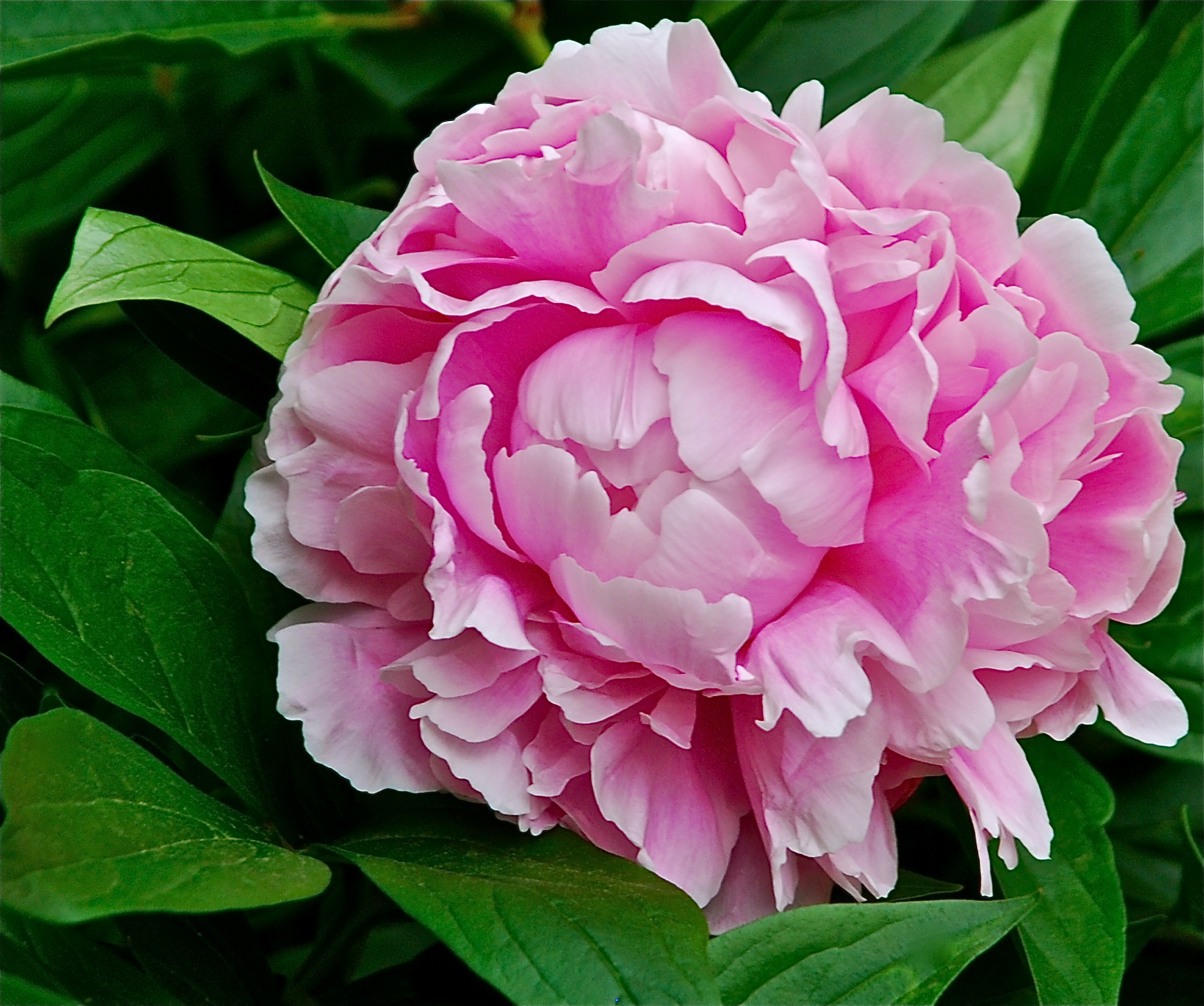
Springtime is so much “a showing forth of the mystery of God” that if one wants to know more of the Creator, all he/she needs do is pull up a chair in a garden and watch the year’s first season unfold.  Seeking the goodness of God and what He made by being still therein and listening to the Holy Spirit as well as Creation’s rhythms is a way of bringing the Heavenly Father closer.  In that nearness one is then able to look through eyes that recognize the depth of His and Creation’s  goodness.

And the LORD said, “I will cause all my goodness to pass in front of you, and I will proclaim my name, the LORD, in your presence. I will have mercy on whom I will have mercy, and I will have compassion on whom I will have compassion.  ~Exodus 33:19   ✝

12. Ring out, wild bells, to the wild sky, the flying cloud, the frosty light. . . ~Alfred Lord Tennyson

Yet a few sunny days, in which the bee
Shall murmur by the hedge that skirts the way,
The cricket chirp upon the russet lea,
And man delight to linger in thy ray.
Yet one rich smile, and we’ll try to bear
The piercing winter frost, and winds, and darkened air.
~William Cullen Bryant

Image

With every north wind that blows the landscape unravels more and more; after each assault the downed foliage leaves in its wake mounting numbers of skeletons bracing themselves for winter’s icy blasts.  In addition the ornamental grasses are drying out and taking on their a wild and tattered look, and yet a few touches of color remain in the leaves and flowers that have yet to be exiled.  Still audible in the “honey’d leavings” of warm afternoons are their faint renditions of the lusty songs of life, but regardless of how sweet the sound of that is, the sands in autumn’s hourglass are running out.  Like all things, it too will come at last to its Sabbath and therein rest until its next appointed hour upon life’s stage.

11. The moment one gives close attention to anything,
even a blade of grass, it becomes a mysterious, awesome,
indescribably magnificent world in itself. ~Henry Miller

Each blade of grass has its spot on earth whence it draws its life,
its strength; and so man is rooted to the land
from which he draws his faith together with his life.
~Joseph Conrad
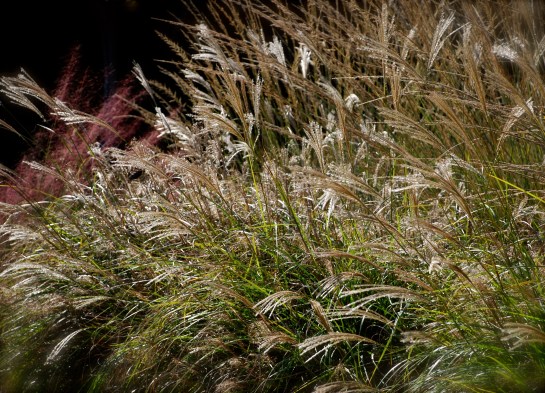
DSC_0026

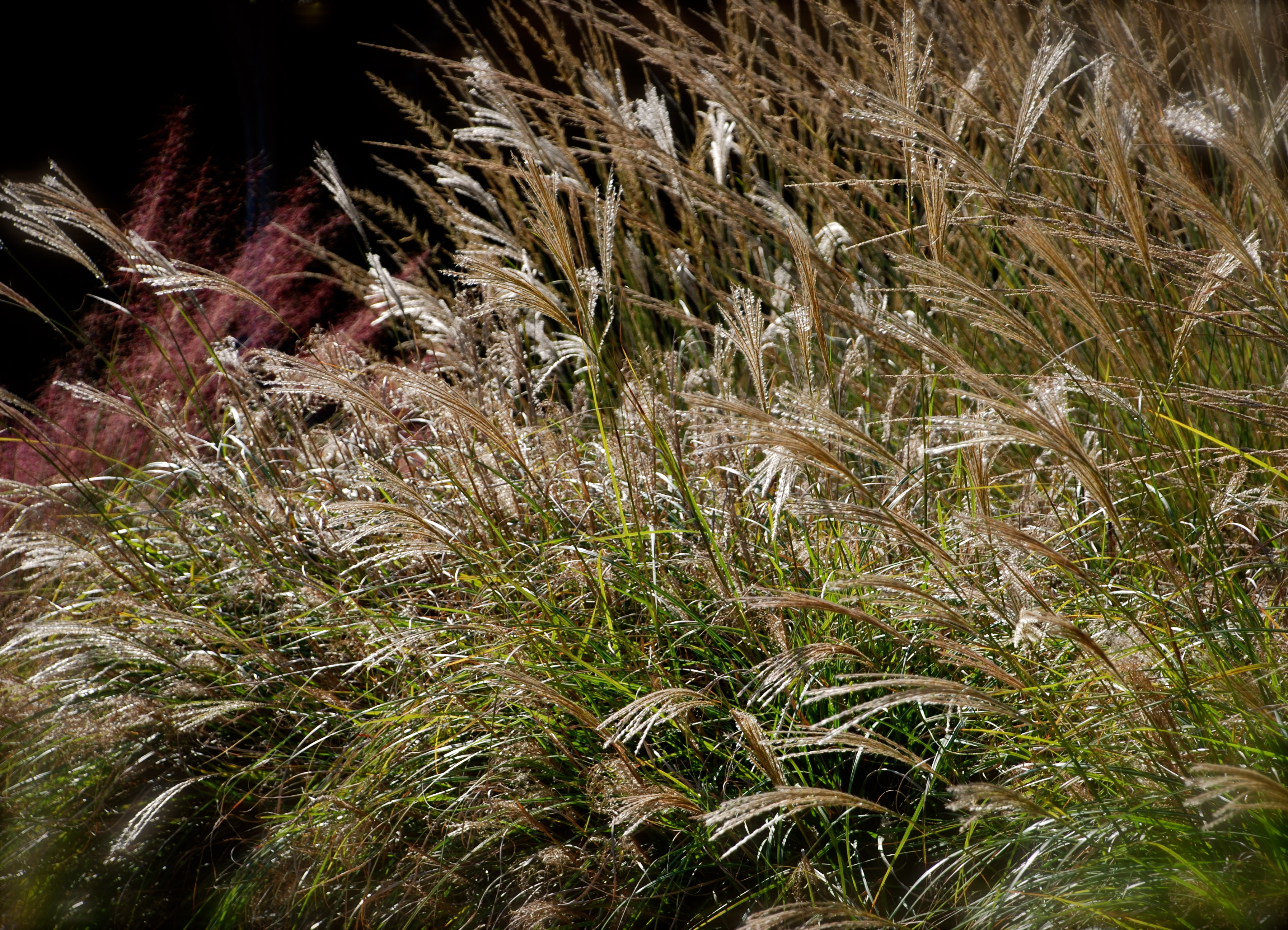
Against the backdrop of autumn’s falling leaves ornamental grasses shift and sigh adding an ethereal element to the landscape.  With airy flower panicles, fluffy seed plumes, and striking seed heads ornamental grasses provide charming “fringe accents” in yards and gardens. Even after the onslaughts of freezing temperatures, grasses continue to grace the landscape with beauty.  They add subtle colors, assorted textures, and the dimensions of motion and sound.  Throughout winter’s “vale of grief,” they capture and play with whatever light is available and in so doing speak of life and give us something “that glimmers in the sleep of things.” The “music” of their swishing and swaying reminds us that what’s happening isn’t an ending but merely a transition for the next beginning.

In a poetic conversation with the Lord, Edna St. Vincent Millay said, “God, I can push the grass apart and lay my finger on Thy heart.”  A Quaker and itinerant preacher named Elias Hicks wrote that “the fullness of the godhead dwelt in every blade of grass.”  And Thomas Carlyle, a Scottish writer, asked, “To us also, through every star, through every blade of grass, is not God made visible if we will open our minds and our eyes.”  These writers, like me, realize that man was meant to be “rooted to the land and therefore to God.”  But, the “umbilical cord” that connects all humanity to Creation and God seems, for many, to have been severed.

The Lord, however, refuses to remain separated or removed from that which He has made.  In an effort to reconnect people to the land and to provide healthier food, many neighborhoods are finding places to build community gardens.  More and more people are getting involved in caring for the land in these communal plots.  Also many schools across the nation are incorporating habitat gardens into the learning experiences of their students, and we are seeing a rise in “hobby farms” where retired professionals have started a second career as a hobby farmer or others who are still working are spending their spare time on their own small farm.

You care for the land and water it; You enrich it abundantly.  The streams of God are filled with water to provide the people with grain, for so You have ordained it.   You drench its furrows and level its ridges; You soften it with showers and bless its crops. You crown the year with Your bounty, and Your carts overflow with abundance.  The grasslands of the wilderness overflow; the hills are clothed with gladness.  The meadows are covered with flocks and the valleys are mantled with grain; they shout for joy and sing.  ~Psalm 65:9-13   ✝

10. For in the true nature of things, if we rightly consider, every green tree is far more glorious than if it were made of gold and silver. ~Martin Luther

For man, autumn is a time of harvest, of gathering together.
For nature, it is a time of sowing,of scattering abroad.
~Edwin Way Teale

Image

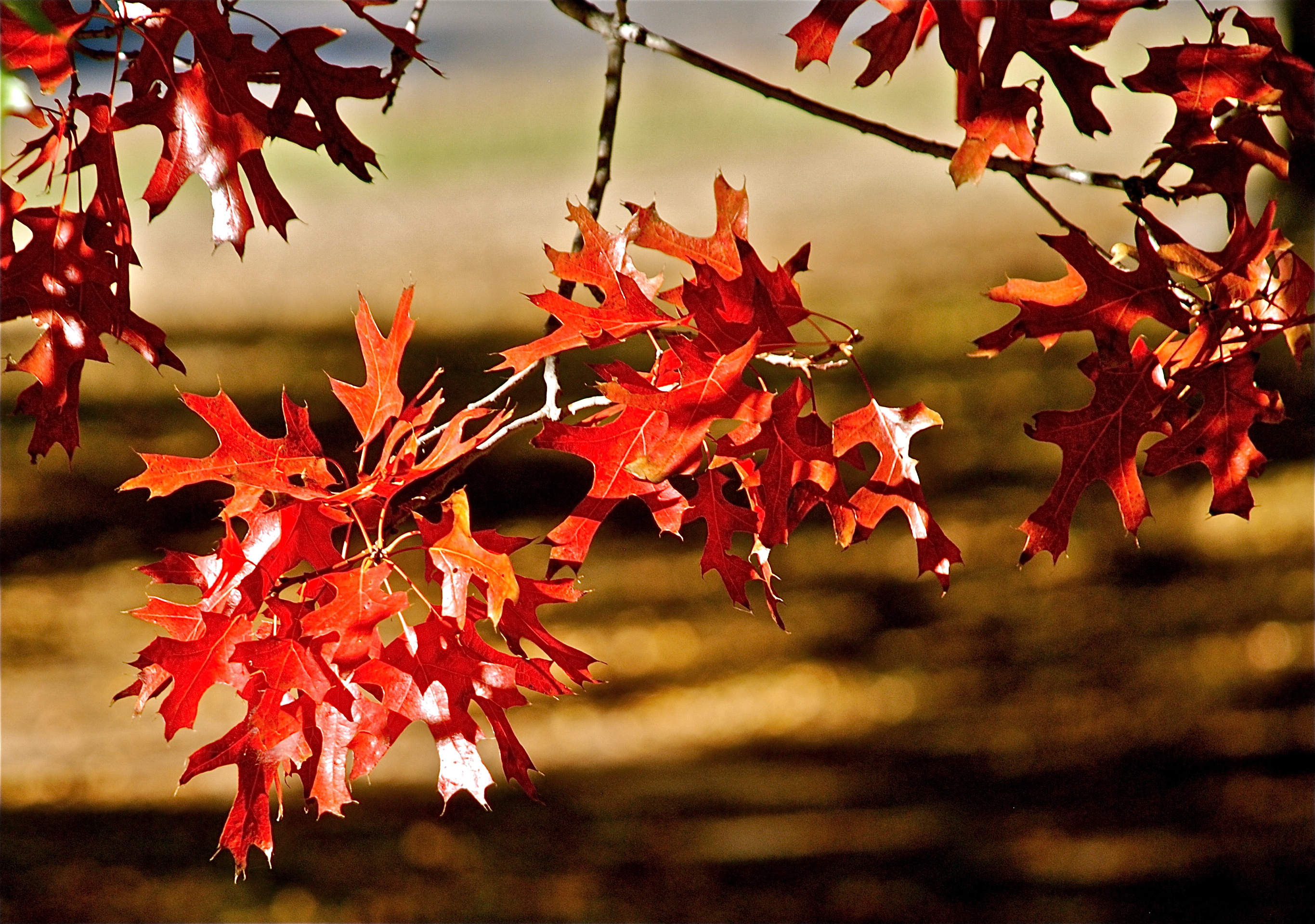
Like Teale I knew that autumn’s winds were scatterers and sowers, but until I did some research, I didn’t realize how much the autumnal shedding of leaves accomplishes.  For the sake of the sod, the fallen leaves cover the ground like a protective blanket.  It’s also easier for leafless trees to conserve much needed moisture in their branches and trunks, and since cold, dry winter winds strip moisture from trees through their leaves, losing their leaves is self-protective mechanism.  It would also be very costly energy wise for trees to keep their little leafy food factories up and running with less light and heat.   Because the transport of water from the ground into the trunk and leaves would be a damaging drain on a trees’ limited resources, the loss of leaves puts trees into a state of dormancy thereby reducing the amount of energy they need to live.  When leaves “come to rest upon the ground,” their work is far from over.  As they lie there, they become food for soil organisms which are vital to the overall health of ecosystems.  In addition the decomposing leaves restock the soil with nutrients and make up a part of the spongy humus that absorbs and holds rainfall.  And finally with the arrival of spring and warmer temps, bacteria, fungi, and insects come into play because the fallen leaves are chewed and rotted which in turn releases nutrients for plant growth.

“For the wisdom that fashioned the universe and can be read in earth’s dark depths and in heaven’s infinity of lights thanks be to you, O God.”  ~John Philip Newell

8. the sky has broken and the earth sea-washed is all diamond ~Kenneth White

Grace comes into the soul, as the morning sun into the world;
first a dawning, then a light,
and at last the sun in his full and excellent brightness.
~Thomas Adams

Image

There is a sort of pregnant pause at the exact moment light splits the darkness.  It’s a brief moment in which all creation seems to bow in a great and reverent silence.  It’s as if all those who witness the light’s return praise the Holy Feet on which it comes.  From my window I see this gladsome response as birds lift up and take to wing and as the squirrels leap high in the trees before the deliberate busyness of their respective days begin.  Could it be then that our first response should be to celebrate the gift of the new day and thank its Holy Giver before ere we begin anew.  It was certainly so with the Celts who believed creation was not simply just a gift, but also “a self-giving of God whose image was to be found deep within all living things.”  Why then isn’t that the order of the day in our world?  Perhaps it’s because modern man lives so far away from the natural world that he feels little to no reverence for Creation and therefore has become alienated from God’s living presence.  J. Philip Newell put it this way, “divorced from the brilliance of the first day man lives in a type of exile from his true self and what is deepest in creation.”  He explains further that in this exile, he chooses to ignore the yearning for the light that stirs within himself and chooses instead to follow life’s superficial distractions.

But ask the animals, and they will teach you, or the birds of the air, and they will tell you. . .  ~Job 12:7   ✝

2. Thy bounty shines in autumn unconfined and spreads a common feast for all that live. ~James Thomson

Delicious autumn!
My very soul is wedded to it, and if I were a bird,
I would fly about the earth seeking the successive autumns.
~George Eliot, English novelist

Image

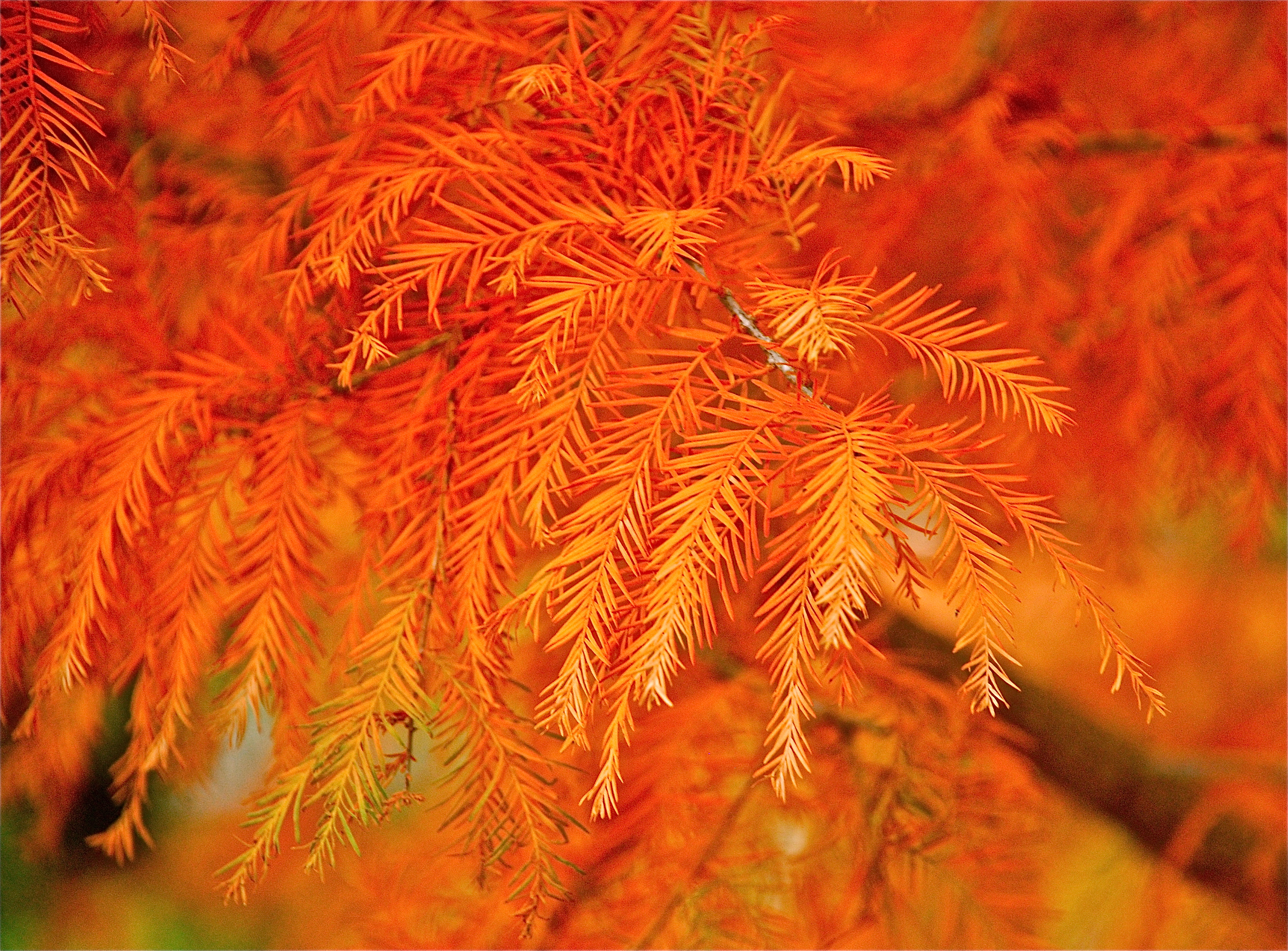
What’s not to love about a season that takes the focus off summer’s calamities by piling delectable hues back on nature’s palette?  It begins after the autumnal equinox when grasses, flowers, fruits, and berries begin weaving fabulous garlands in sacred temples bound by earth and sky.  Then as the days grow shorter, the torrid temperatures of summer lower and chilling winds descend from the north.  The nip in the air they create induces chemical changes in leaves, leaves that become more and more colorful as autumn’s days unfold.  The grand array of their colors conjures up magic shows on woody altars not only in autumnal forests but also in small towns and sprawling cities.  Later in the season blustery winds snap the parchment-like foliage off, and as the leaves fall, they swirl about in little eddies playing like jovial children.  When autumn’s skies are not shrouded by gauzy, gray clouds, they are swept clear revealing brilliance on the “brows of morn” and daytime hours drenched in deep, dreamy shades of blue.  Under such canopies pumpkins appear in fields, soon to be used in fall’s activities and feasts as well as for festive winter banquets.  Plumed grasses shift and sigh in renewed authorship of the ancient hymns of sacred earth making autumn a time to be silent as well as watchful.  As one Celtic teacher put it, Creation is “the grand volume of God’s utterance,” and what a lovely utterance it is!  Whenever and wherever one listens to the Word of God, be it in Creation or Scripture, be it in autumn or the other seasons, it gives the listener carte blanche to fall into a rhythm which calms the mind, soothes the spirit, and sheds light into the fabric of God’s heart.