46. A Robin Redbreast in a cage puts all Heaven in a rage. ~William Blake, English poet, painter and printmaker

When father takes his spade to dig
then Robin comes along;
And sits upon a little twig
And sings a little song.
~Laurence Alma-Tadema
Image

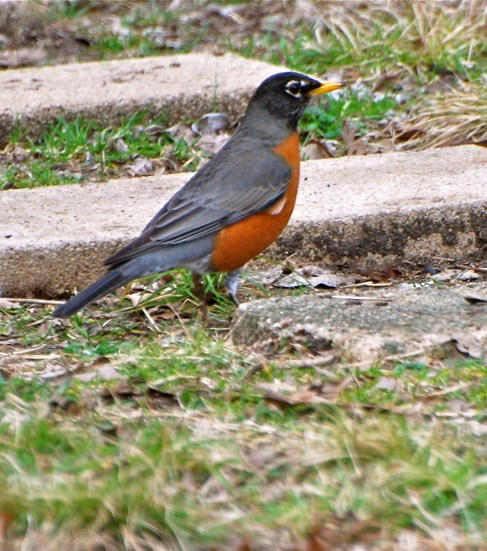
The introductory line is from Blake’s “Auguries of Innocence,” a somewhat lengthy poem consisting of a series of paradoxes in which Blake juxtaposes innocence with evil and corruption. The word augury in the title means omen or token, and the robin is the poem’s first noted “augury of innocence.”  The robin’s song, personality, and countenance are such that it’s obvious why the poet saw the act of putting one in a cage as not only an enraging violation but also as a profound perversion of holiness.  The sweet song and colorful markings of a robin make the bird a delightful harbinger of spring’s infancy and innocence.  Looking forward to its coming is one of my favorite rites in spring’s passage, and like “all heaven” I’d be incensed if the bird’s freedom were taken away and its song silenced.  Below is a legend about the robin that again ties the bird to the blameless and sacred.  Although the truthfulness of legends is questionable, I’m fascinated that somehow, somewhere, and in some way the robin was connected to the Messiah.

The Legend of the First Robin

One day, long ago, a little bird in Jerusalem saw a large crowd gathered around a man carrying a heavy wooden cross.  On the man’s head was a crown made from a thorn branch.  The thorns were long and sharp.  The little bird saw that the thorns were hurting the man.  It wanted to help Him, so it flew down and took the longest, sharpest thorn in its tiny beak.  The bird tugged and pulled until the thorn snapped from the branch.  Then a strange thing happened.  A drop of blood fell onto the bird’s breast, staining it bright red.  The stain never went away.  And so today the robin proudly wears a red-breast, because it helped a man named Jesus.  

“But ask the animals, and they will teach you, or the birds of the air, and they will tell you; or speak to the earth, and it will teach you, or let the fish of the sea inform you.  Which of all these does not know that the hand of the LORD has done this?  In His hand is the life of every creature and the breath of all mankind. . .”  ~Job 12:7-10   ✝
24. Within the seed’s case a secret is held. Its fertile whisper shapes a song. ~Joan Halifax

When I see that first, miniscule, curled, pale
green wisp of a sprout poking up between a couple of
grains of vermiculite, I hear God speaking.
~June Santon

Image

Seed plants date back about 365 million years ago to the Paleozoic era.  These wondrous pieces of antiquity vary greatly in size: the smallest being the dust-like seed of orchids and the largest, weighing as much at times as 50 pounds, being the fruit of the coco de mer, the double coconut palm.  A typical seed is composed of 3 basic parts: 1. an embryo, 2. a supply of nutrients for the embryo, and 3. a seed coat that protects the embryo from injury or from drying out.  Seeds have two points of growth, one which forms the stem of the plant and the other where the roots of the plant form.  Some seeds have wings or hairs and are dispersed by the wind.  Others are buoyant and float in rivers to the oceans and wash up on beaches; then there are those that are dispersed in various ways by animals.   Given the fascinating science of seeds, how they work and how tiny some of them are, how could one not hear fertile whispers from God in them.

Each seed, regardless of its size, is a sacred promise.  The dictionary defines a promise as: 1. a declaration that something will or will not be done or given, or as   2. an express assurance on which expectation is to be based, and seeds definitely declare what the Lord has done and given and what we as His children can expect.  Special mention of seeds and their promise is made on the 3rd day of the Genesis story where we can see that plants and trees are profuse manifestations of “this seed force.”  Plants and trees have been coming forth for millions of years and come forth yet.  During the unseen holy hours of nurturing, the “seed force” reaches down into the darkness of the earth’s “concealed depths” therein to be sustained by water.  In the Celtic tradition the moisture in earth’s soil is a “symbol of the waters of God that enfold and infuse all things.”  God’s goodness, deeper than any evil, then can be seen at the inception and very heart of life.  J. Philip Newell says that “everything that is born in the great matrix of life is sustained by roots that reach into the deep mystery of God’s life.”  The image which Newell’s words paint of all life reaching deep into God’s life is what, for many of us, shapes songs of joy and praise, for there is no more comforting, good, or safe place in the world than the heart of God!

As the rain and the snow come down from heaven, and do not return to it without  watering the earth and making it bud and flourish, so that it yields seed for the sower and bread for the eater, so is my word that goes out from my mouth: It will not return to me empty, but will accomplish what I desire and achieve the purpose for which I sent it.  ~Isaiah 55:10-11   ✝

19. Let us love winter, for it is the spring of genius. ~Pietro Aretino

We need a renaissance of wonder.
We need to renew, in our hearts and in our souls,
the deathless dream, the eternal poetry, the perennial sense
that life is miracle and magic.
~E. Merrill Root

Image

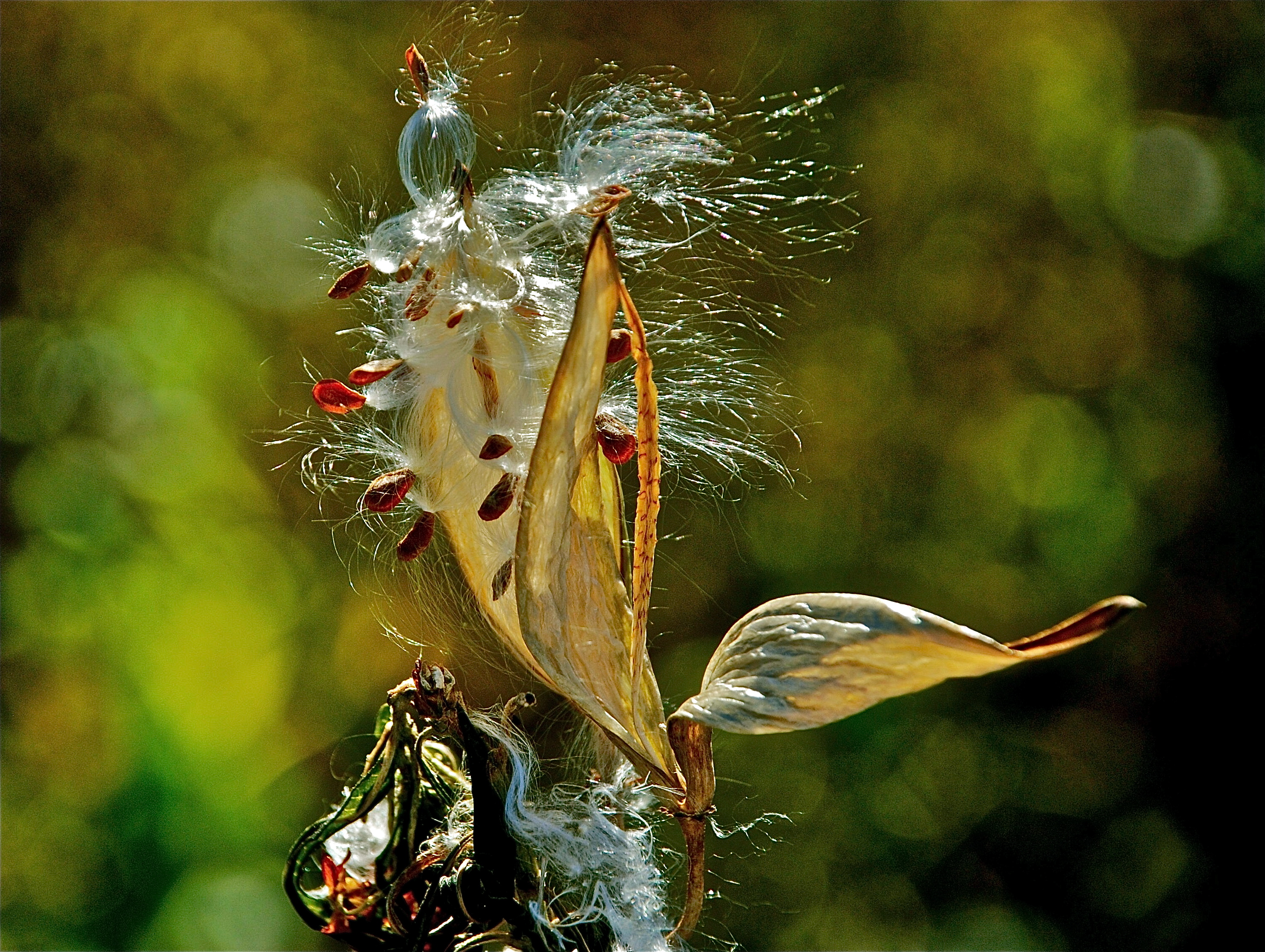
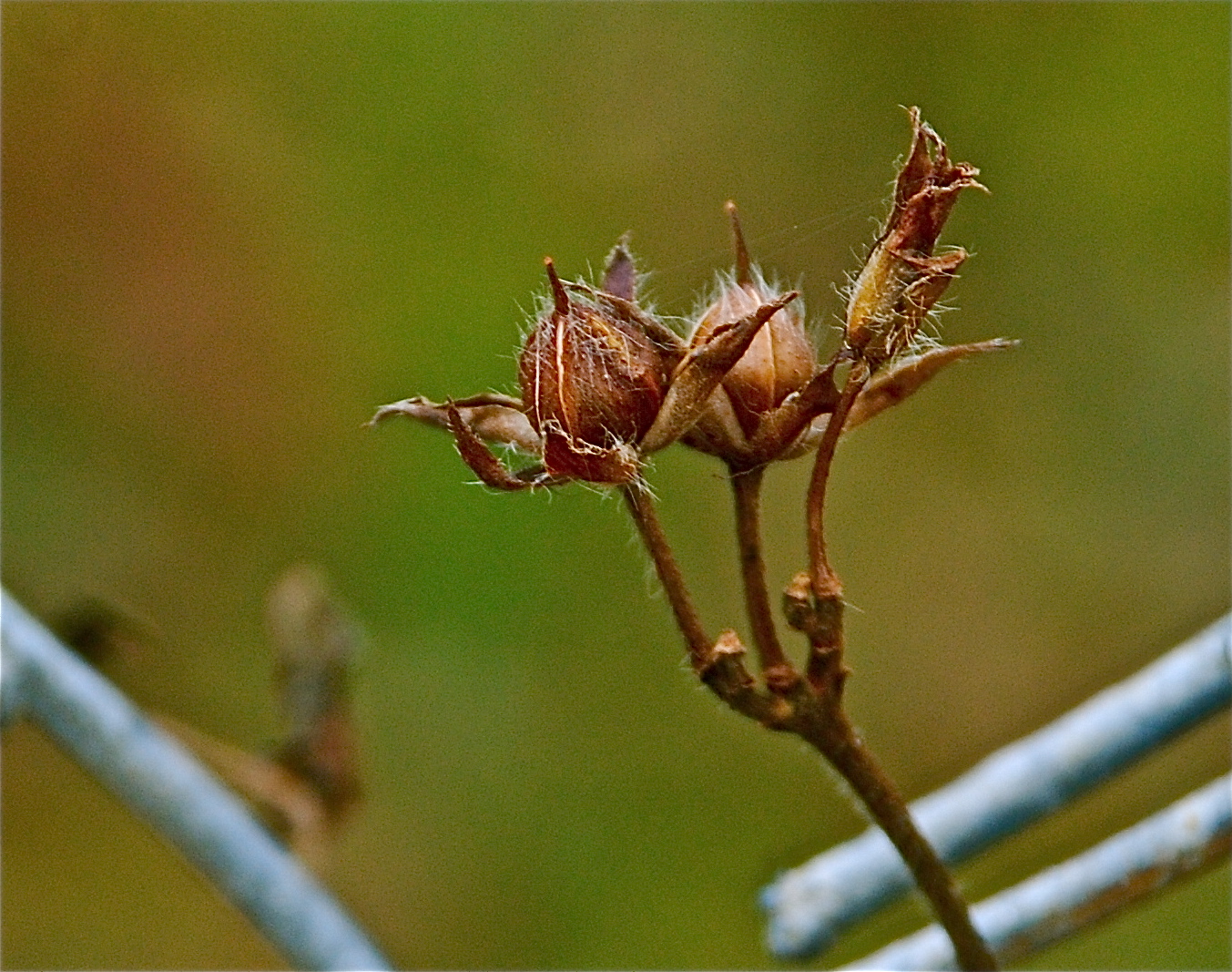
Since it is year’s end, we have entered the season of somber gardens, short days, low temperatures, and more-gray-than-blue skies.  The reckless abandon of the growing seasons has yielded to deepening winter’s, unadventurous restraint.  But, while looking out a window brings into view only the barrenness of winter, an actual venture out into its domain can expose wondrous sights like the seed pod in the photograph.  What a treat to see wondrous silken filaments that look like angel hair releasing seeds that are proof of a continuously running thread in Creation’s tapestry.  Such finds are tangible fragments of God’s imagination buried deep in the mystery of nature, and the aura of holiness that surrounds them often leaves onlookers amazed and awestruck.  These miraculous strands are the same kind of threads that govern the ceaseless ebbing and flowing of oceanic waves, the waxing and waning of the moon, the rising and setting of the sun, the birth and death of life forms, and the endless repetition of the seasons.

The most beautiful thing we can experience is the mysterious.
It is the source of all true art and all science.
He to whom this emotion is a stranger, who can no longer pause to wonder
and stand rapt in awe, is as good as dead: his eyes are closed.
~Albert Einstein

Rediscovering awe helps us appreciate the vast wonders of what the Creator’s mind imagined, what His words spoke, and what His hands created.  It bring us closer to God and restores our childlike joy and zeal for life.  The unfathomable mysteries of life are sacred benedictions; their blessings encourage us to stay in the Lord’s keeping and continue searching for His intent for our lives.

Who among the gods is like you, LORD?  Who is like you—majestic in holiness, awesome in glory, working wonders?  ~Exodus 15:11   ✝

**”if an object or expression can bring about, within us, a sense of serene melancholy and a spiritual longing, then that object could be said to be wabi-sabi.” “Wabi-sabi nurtures all that is authentic by acknowledging three simple realities: nothing lasts, nothing is finished, and nothing is perfect.”  The photo of the seed pod is a excellent example of Wabi Sabi.

16. The trees reflected in the river– they are unconscious of a spiritual world so near to them. So are we. ~Nathaniel Hawthorne

A Ming vase can be well-designed
and well-made and is beautiful for that reason alone.
I don’t think this can be true for photography.
Unless there’s is something a little
incomplete and a little strange,
it will simply look like a copy of something pretty.
~John Loengard

Image

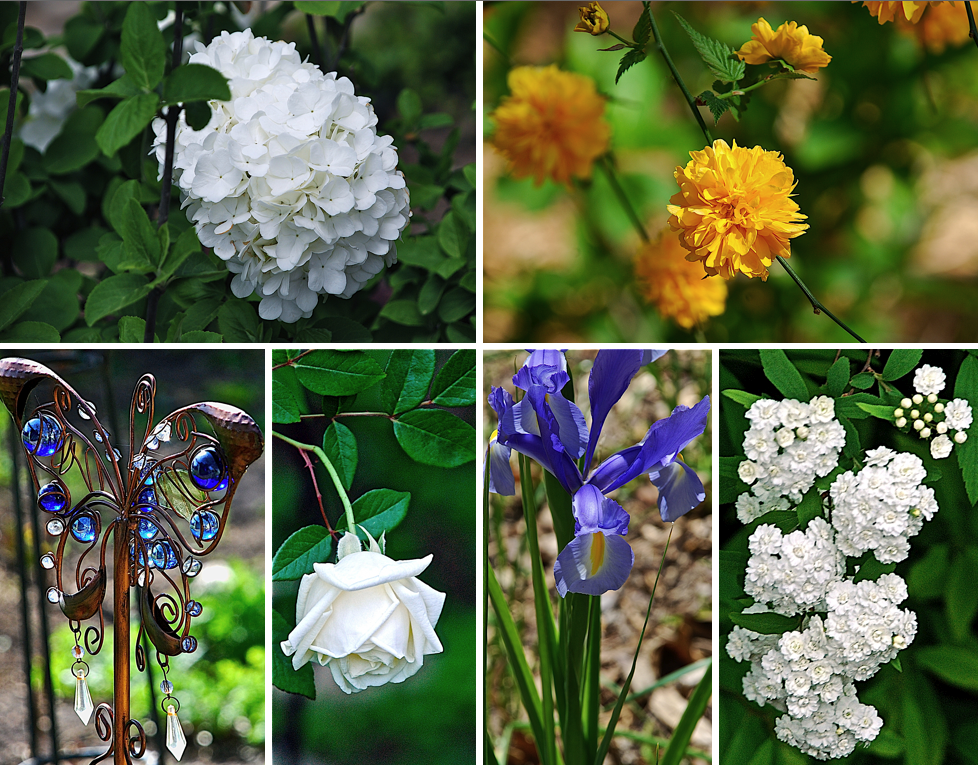
The annual beauty in a garden once spent is gone forever, except in memory, if not captured in some way.  A camera is one of the ways we who love nature’s fleeting glory take it captive.  Unlike Loengard, I believe photos can be more than just an uninteresting copy of a beautiful thing.  For example part of what you see in the photograph above started out as that of a single rose.  However, as an experiment with some computer technology, I turned the image into something “a little strange,” as Leongard suggests, and it added another level of interest.  If one looks carefully at the altered image, fragmented pieces of what used to be negative spaces in the original photograph now have merged into engaging patterns, and so what can be seen raises questions about how much one really sees.  “While there is perhaps a province in which the photograph can tell us nothing more than what we see with our own eyes, there is another in which it proves to us how little our eyes permit us to see,” claimed documentary photographer and photojournalist, Dorothea Lange. So it is that Hawthorne’s idea could be applied to my rose or his trees or to the reflection of anything, and it would speak a profound truth. We often don’t see what is right under our proverbial noses.  The eternal underlies everything mankind sees, tastes, hears, touches, and smells, so much so that all things seem to quiver from the Divine energy emitted from them.  But it’s only when the Lord’s demure presence is acknowledged that it becomes more and more keenly perceptible.

So we fix our eyes not on what is seen, but on what is unseen. For what is seen is temporary, but what is unseen is eternal.  ~2 Corinthians 4:18   ✝

15. The feeling remains that God is on the journey too. ~Teresa of Avila

God is always with you.
Simply turn your face to Him.
~Kirpal Singh

Image

When I feel out of sorts, I’ve learned to get up and go outside even if I have to bundle up under layers of clothes or suffer the misery of triple digit heat.  After wandering about my yard, its “shy presences” and silences begin to soothe me until eventually my inner compass restores the balance of my sanity.  The simple truth is that the rhythm of earth’s heartbeat has a way of drowning out the rabid mongrels in a world too often torn by senseless tragedies and horrific madness. When that happens I find that being close to the land is as comforting and reassuring as was slipping my hand into the safety of my parents strong hands when I was a child.  Now that they are gone and I am grown, I find the same kind of comfort when I draw near the Lord and His ever-present occupancy her on earth.

J. Philip Newell asks, “Where do we look, therefore, to learn of God?   It’s not away from ourselves and away from Creation, but deep within all that has life.”  What better place then to do that than a garden?  Newell goes on to say that “in looking for the life of God by listening within we will hear falseness and confusion, selfishness and violence of heart, but deeper still is the Love that utters all things into being.”  I heard such a silent utterance when I felt my child first move in my womb; the sensation felt like that of a butterfly’s wings barely grazing my flesh, but more than than it felt like the gentle touch of the Holy One Himself inviting me to walk in with Him in Eden.

“See, the Sovereign LORD comes with power, and his arm rules for him.  See, his reward is with him, and his recompense accompanies him.  He tends His flocks like a shepherd; He gathers the lambs in his arms and carries them close to his heart; he gently leads those that have young.”  ~Isaiah 40:10-11   ✝

14. In every man’s heart there is a secret nerve that answers to the vibrations of beauty. ~Christopher Morley

A man should hear a little music,
read a little poetry, and
see a fine picture every day of his life,
in order that worldly cares
may not obliterate the sense of the
beautiful implanted in the human soul.
~Johann Wolfgang Goethe

Image

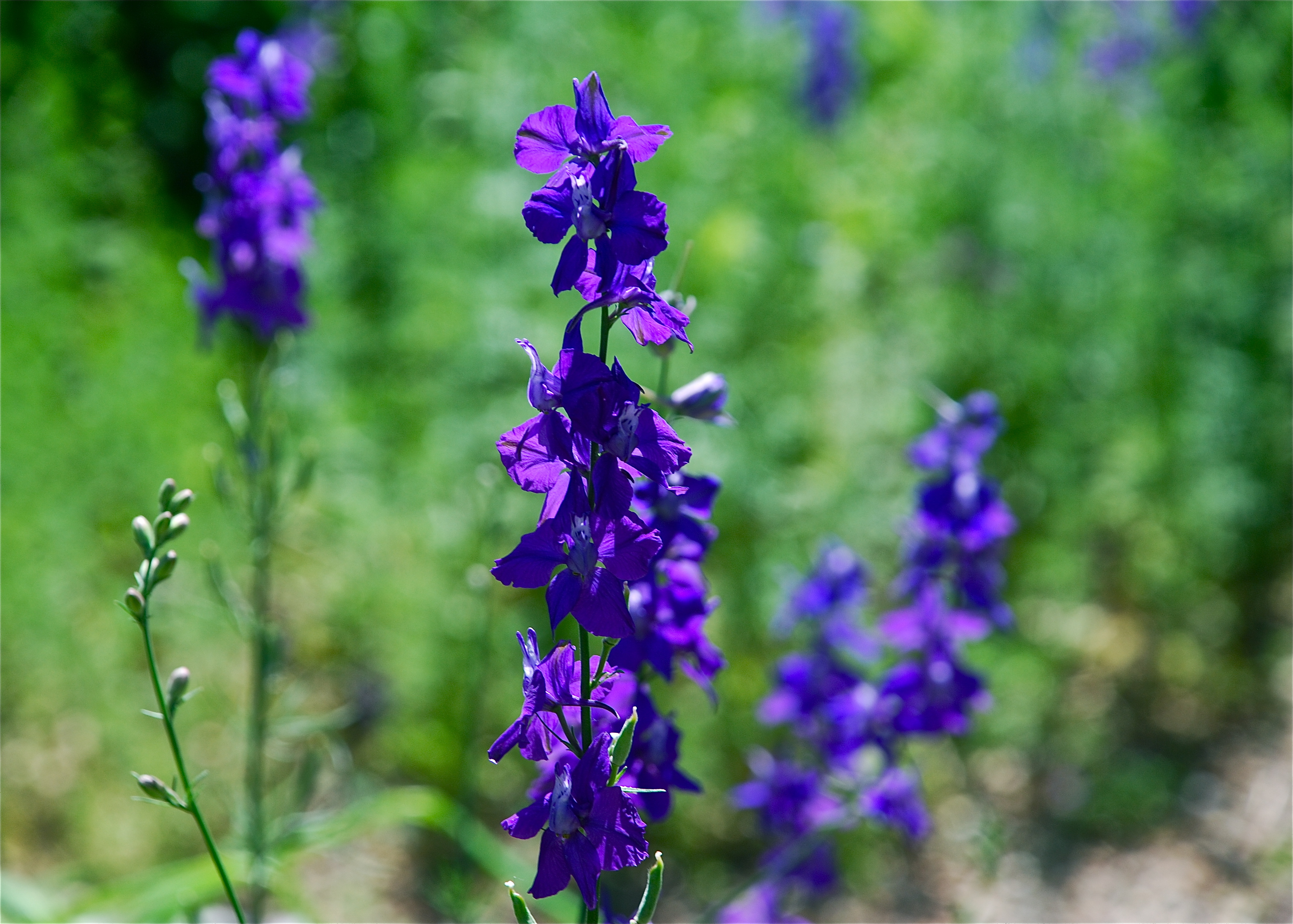
In her novel, THE COLOR PURPLE, Alice Walker says she thinks God gets angry if a person walks by the color purple and doesn’t notice it.  At one point in her story the main character, Celie is told to look at the purple flowers and to embrace their beauty in spite of all the pain and suffering in her world.  She is urged to see the good in them because it was God who placed them on earth.  As she comes to this realization for herself, she begins to understands the magnitude of God’s grace, and like the purple flowers, blossoms as she gains a respect for God and life.

It’s obvious that God puts a premium on beauty, not only for His own sake but also for ours.  Since we are made in His image, our souls cannot help but be implanted by a “sense of the beautiful” as Goethe suggests.  As a highway sign points us in the right direction, in the same way loveliness points to God’s heavenly realm and His goodness.   If we can find beauty, then we can find God. Beauty is meant to feed us spiritually, and the Lord uses what’s beautiful to speak to our hearts for His divine purposes.  For example notice all the richness and beauty involved in the scriptural telling of the birth of the Christ child.  It starts with a beautiful star that leads the way to a manger.  For Celie her beautiful flowers led her to God’s grace, and the Christ child brings all who follow the star and Him the same gift of redeeming grace.

11. The moment one gives close attention to anything,
even a blade of grass, it becomes a mysterious, awesome,
indescribably magnificent world in itself. ~Henry Miller

Each blade of grass has its spot on earth whence it draws its life,
its strength; and so man is rooted to the land
from which he draws his faith together with his life.
~Joseph Conrad

DSC_0026

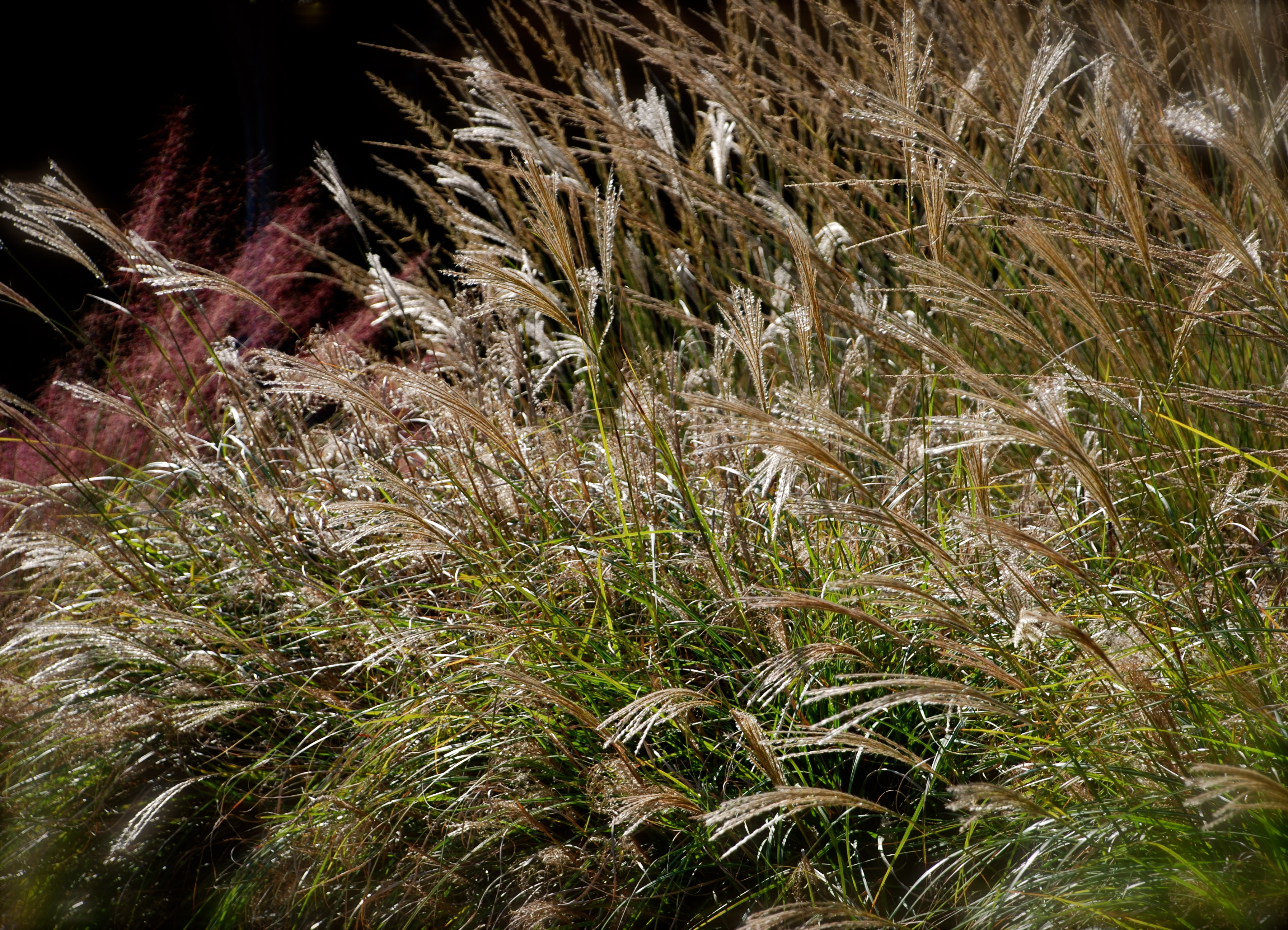
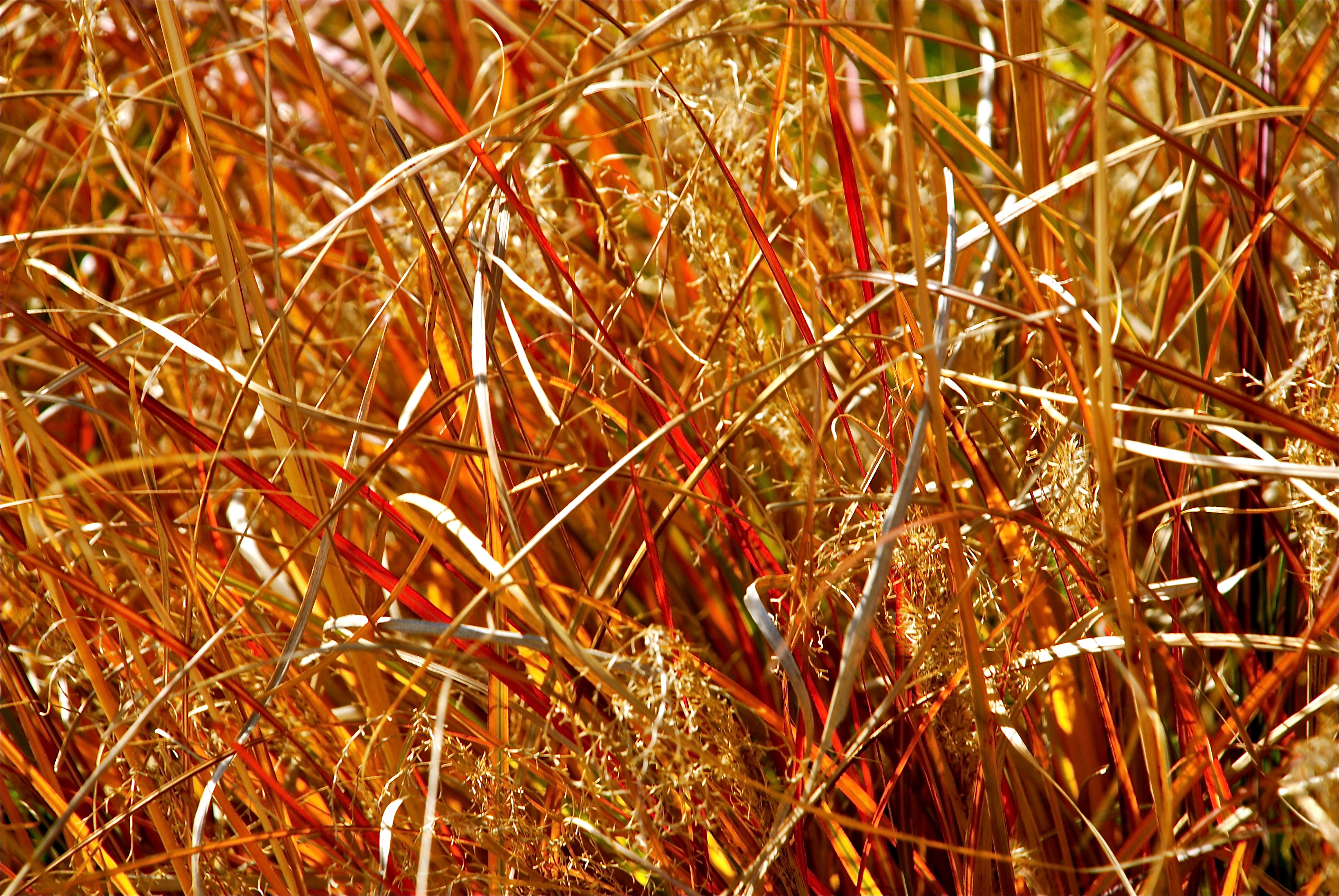
Against the backdrop of autumn’s falling leaves ornamental grasses shift and sigh adding an ethereal element to the landscape.  With airy flower panicles, fluffy seed plumes, and striking seed heads ornamental grasses provide charming “fringe accents” in yards and gardens. Even after the onslaughts of freezing temperatures, grasses continue to grace the landscape with beauty.  They add subtle colors, assorted textures, and the dimensions of motion and sound.  Throughout winter’s “vale of grief,” they capture and play with whatever light is available and in so doing speak of life and give us something “that glimmers in the sleep of things.” The “music” of their swishing and swaying reminds us that what’s happening isn’t an ending but merely a transition for the next beginning.

In a poetic conversation with the Lord, Edna St. Vincent Millay said, “God, I can push the grass apart and lay my finger on Thy heart.”  A Quaker and itinerant preacher named Elias Hicks wrote that “the fullness of the godhead dwelt in every blade of grass.”  And Thomas Carlyle, a Scottish writer, asked, “To us also, through every star, through every blade of grass, is not God made visible if we will open our minds and our eyes.”  These writers, like me, realize that man was meant to be “rooted to the land and therefore to God.”  But, the “umbilical cord” that connects all humanity to Creation and God seems, for many, to have been severed.

The Lord, however, refuses to remain separated or removed from that which He has made.  In an effort to reconnect people to the land and to provide healthier food, many neighborhoods are finding places to build community gardens.  More and more people are getting involved in caring for the land in these communal plots.  Also many schools across the nation are incorporating habitat gardens into the learning experiences of their students, and we are seeing a rise in “hobby farms” where retired professionals have started a second career as a hobby farmer or others who are still working are spending their spare time on their own small farm.

You care for the land and water it; You enrich it abundantly.  The streams of God are filled with water to provide the people with grain, for so You have ordained it.   You drench its furrows and level its ridges; You soften it with showers and bless its crops. You crown the year with Your bounty, and Your carts overflow with abundance.  The grasslands of the wilderness overflow; the hills are clothed with gladness.  The meadows are covered with flocks and the valleys are mantled with grain; they shout for joy and sing.  ~Psalm 65:9-13   ✝

7. Meditation and water are wedded forever. ~Herman Melville

Water, the Hub of Life.
Water is its mater and matrix, mother and medium.
Water is the most extraordinary substance!
Practically all its properties are anomalous,
which enabled life to use it as building material for its machinery.
Life is water dancing to the tune of solids.
~Albert Szent-Gyorgyi

Image

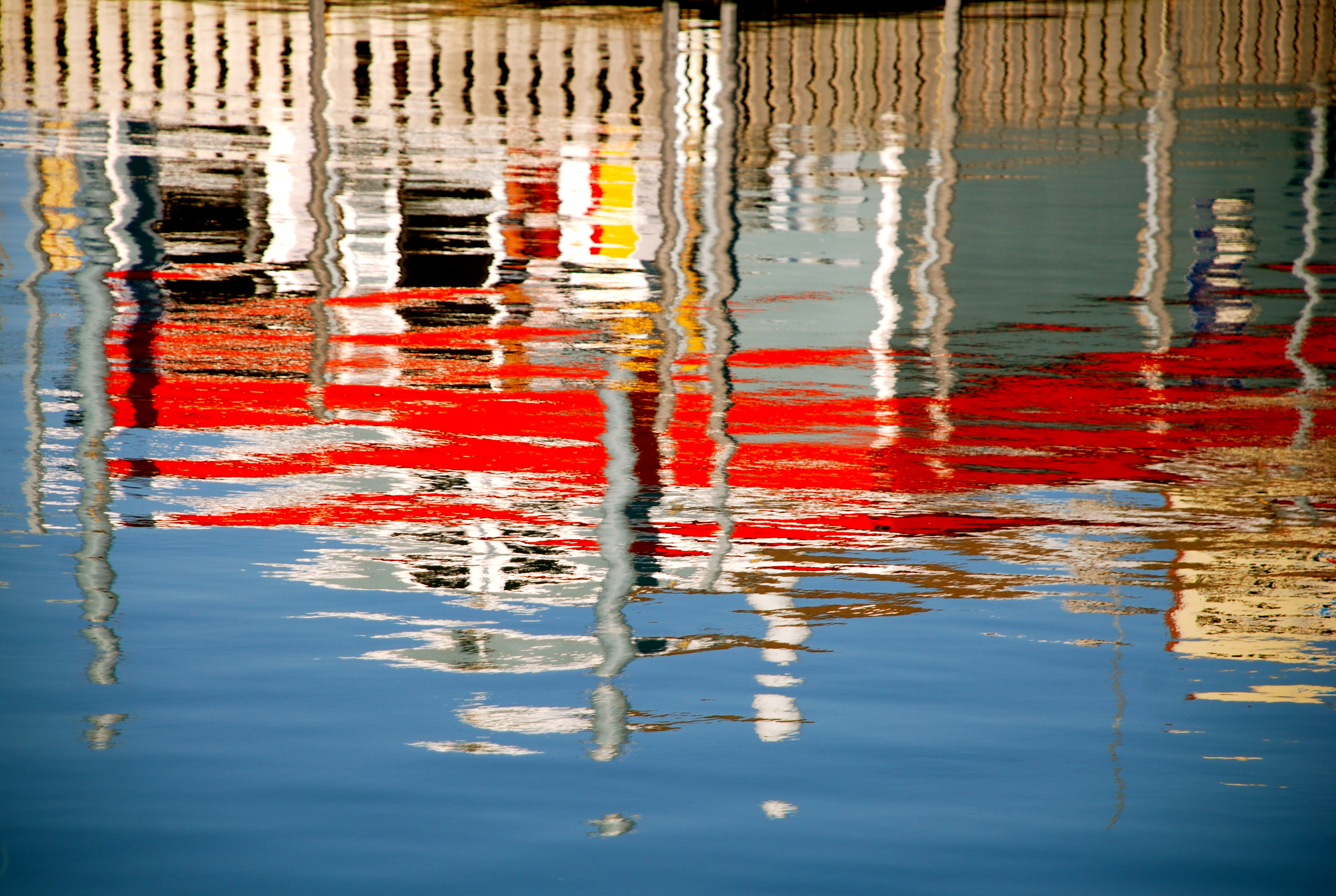
Seldom do I see a body of water that it doesn’t seduce me with its wiles into a meditative reverie.  In that quiet stillness I feel drawn to peer down into its mysterious depths until imagined or perhaps real images of earth’s origins come alive.  Water seems to possess in all its forms and properties extraordinary qualities so otherworldly that the phenomena of water reaches down and touches pools in “the temple of the inner being.”  While looking into its depths an unmistakable awareness of the Divine’s presence surfaces and holiness rises like a mist.  Gauzy reflections in water quiver and quake as if they possess a life of their own.

Although I know not where it rests in the human psyche, I believe somewhere therein mortals remember their watery beginning and recognize familiar things not of this world, things they know without tutelage or reason.  In the same way a child instinctively recognizes its biological mother after the umbilical cord is severed, I believe we, who are separated here from the Source of our being, retain a sense of His parenting presence because we are of the Lord and inextricably a part of Him.

6. There is pleasure in the pathless woods. There is rapture in the lonely shore. There is society where none intrudes. ~Lord Byron

She sat down in a weed patch, her elbows on her knees,
and kept her eyes on the small mysterious world of the ground.
In the shade and sun of grass blade forests,
small living things had their metropolis.
~Nancy Price

Image

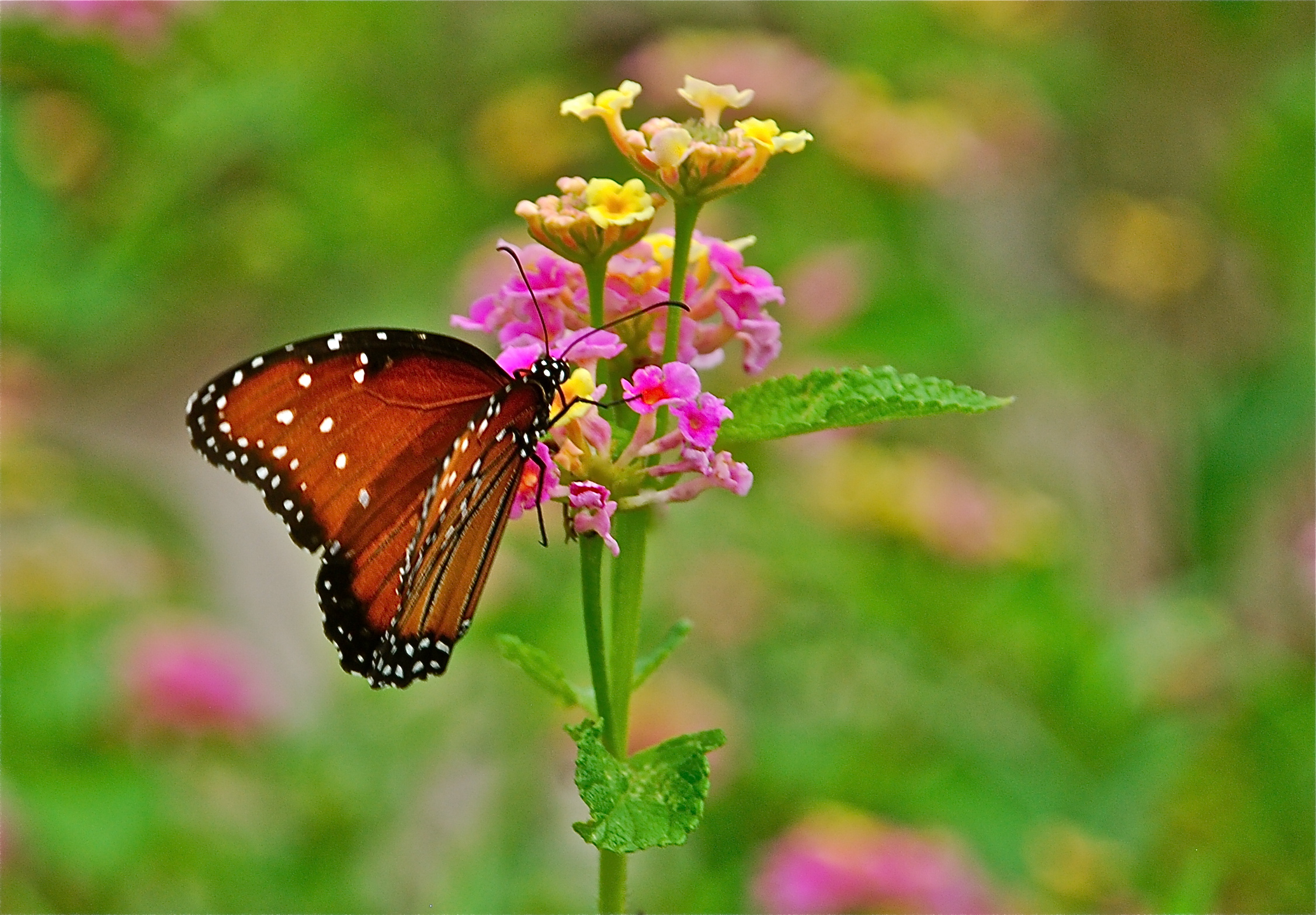
In and around blossoming things there is another mysterious metropolis.  This one is above the soil, and therein airborne things move around yearning to “possess the sweet of every flower that blooms.”  In that realm two simple equations are in place:  a) if there are no flowers there are no pollinators;  b)  if there are no pollinators there are no flowers, no fruits, no crops.  The hum or buzz of a pollinating agent and a flower’s blooming go hand in hand; together they commit reproductive acts of love as they dance the sacred dance of life orchestrated by the Lord.  In so doing they “remind us that there are other voices, other rhythms, other strivings, and other fulfillments. . .” in God’s grand plan.

Recently in a National Geographic snippet on the internet, the narrator remarked that present-day humanity is the recipient of a 400,000,000 year old legacy bequeathed by earth. Imagine that!  For all those years the sun has not failed to rise and set at its appointed time, fruits and crops have not failed to burst forth and ripen, and the earth has not failed to make its trip around the sun.  One season has followed another repeating the Genesis story over and over again as per the Lord’s plan.  Like the fruits and flowers and pollinators, our time here is very brief, and we who are fashioned by the same holy Hands as the sun and earth are no less adored and significant in our loving Father’s eyes.

There is a time for everything, and a season for every activity under the heavens. . .  ~Ecclesiastes 3:1   ✝

3. Winter is an etching, spring a watercolor, summer an oil painting and autumn a mosaic of them all. ~Stanley Horowitz

O Autumn, laden with fruit, and stain’d
With the blood of the grape, pass not, but sit
Beneath my shady roof; there thou may’st rest,
And tune thy jolly voice to my fresh pipe,
And all the daughters of the year shall dance!
Sing now the lusty song of fruits and flowers.
~William Blake, English poet

Image

Lusty indeed is the dance of the year’s 4th child; regaled in glory and reigning in majesty, she’s a darling of the gardener.  Because fruitfulness and love run through her “thrilling veins,” those who choose to work the soil know they’ve got one last chance now before year’s end to plant, “to interact with nature, to share, to find sanctuary, to heal, to honor the earth, to leave a mark.”  So it is when autumn’s chariots, with pink and purple banners flying or veiled in a gray fog or torrents of rain, enter the eastern sky at dawn, the gardener’s heart is electrified.  Then when her crisp days are done and her carriage exits on the western horizon in a blaze of red and gold or is swallowed in the wetness of massive dark clouds, the gardener is left with the satisfied feeling that he’s conjured up or added yet another stroke or two to his beloved work of art.   As for what Blake called her “jolly voice,” autumn often sings gladsome odes to joy, but there are days when it belts out threatening, thunderous refrains or croons “mournful melodies.”  Regardless of what autumn vocalizes, it’s not until it plays “the harps of leafless trees” and sings the somber song of deep December that both the garden and gardener rest knowing that it’s time to let the Lord and Creation alone perform their miracles, God from on high and the earth from beneath the soil.

A common feast has been prepared at Creation’s hearty tables.  Food for the soul, spirit, and mind has been prepared and offered up for all of us.  So, come, dine with me there in the coming weeks.