139. The roots of all goodness lie in the soil of appreciation for goodness. ~Dalai Lama

Every day that we wake up
is a good day.
Every breath that we take
is filled with hope for a better day.
Every word that we speak
is a chance to change what is bad into something good.
~Walter Mosley
Image

Scripture says that at the end of each day of Creation’s beginnings, God looked at what He made and saw that it was good.  Mankind, then, draws every breath amidst that goodness.  Yes, there are days fraught with trials and grief, but they alter not the fabric in which all life was woven.  Goodness and the miraculous are as constant as the sun, moon, and stars, and man has a chance of finding and being blessed by God’s graciousness when he lets go of his yesterdays and looks only to the day at hand.  If his cup is to be filled with the promised goodness and mercy, he must empty the chalice of his being on a daily basis.  Otherwise the bitter stings of the past will poison the mix and rob him of all that could have been.  Man’s days have a planned shape in the soil of goodness, and its bounty rises to the surface, not because of what he is or what he does, but because of who God is and what He’s already done.

God saw all that He had made, and it was very good. . .Thus the heavens and earth were completed in their vast array.  ~Genesis 1:31a, Genesis 2:1  ✝
137. Silence is the universal refuge…a balm to our every chagrin. ~Henry David Thoreau

Soon silence will have passed into legend.
Man has turned his back on silence.
Day after day he invents machines and devices
that increase noise and distract humanity
from the essence of life. . .
~Jean Arp, French sculptor, painter, and poet

Image

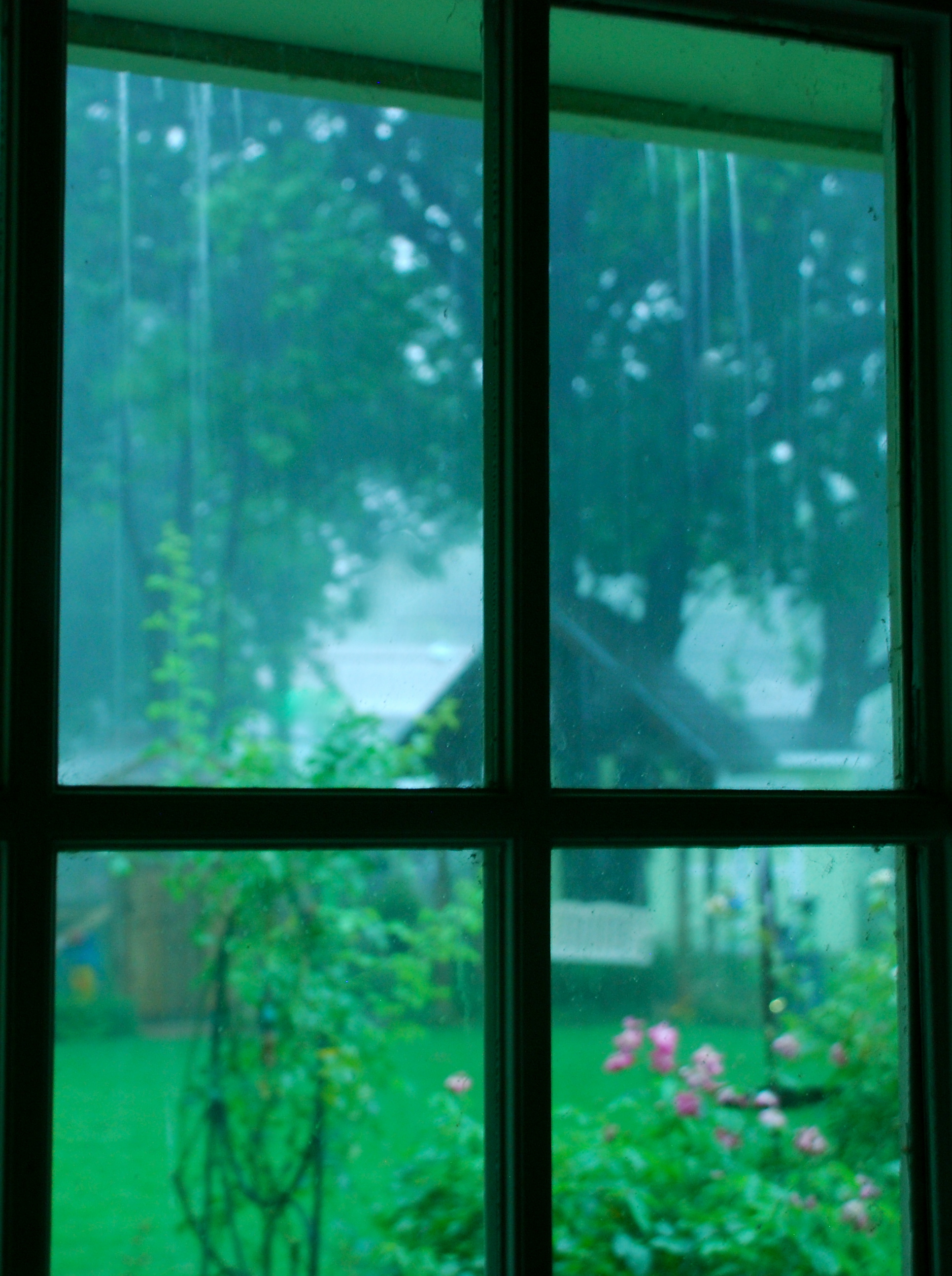
We see patterns of stillness and silence in the natural world.  Day gives way to night, fruitfulness gives way to fallowness, bodies give way to fatigue.  However, in today’s noisy culture, there exists an almost obsessive tendency toward unending busyness.  Rest and yielding to silence has for many become a forgotten art or at best difficult.  But on days like today, in the midst of the noise a profound silence can be found in rain, and in that silence some seem still to be able to hear the slowing voice of quietude.  And I find that if one takes time to sit, listen, and watch the rain, an ancient holy voice has a way of pulling him/her into a deep peacefulness.  What’s more if the listener seeks a way to come back again and again to that quiet place, an intimate relationship begins to form.  Mother Teresa once said, “We need to find God, and he cannot be found in noise and restlessness.  God is the friend of silence.  See how nature – trees, flowers, grass – grows in silence; see the stars, the moon and the sun, how they move in silence. . .We need silence to be able to touch souls.”

“Be still, and know that I am God; I will be exalted among the nations, I will be exalted in the earth.”  -Psalm 46:10    ✝

120. Every happening, great and small, is a parable whereby God speaks to us, and the art of life is to get the message. ~Malcolm Muggeridge

The world has different owners at sunrise. . .
Even your own garden does not belong to you.
Rabbits and blackbirds have the lawns;
a tortoise-shell cat who never appears in daytime
patrols the brick walls,
and a golden-tailed pheasant
glints his way through the iris spears.
~Anne Morrow Lindbergh,
pioneering American aviator and author

Image

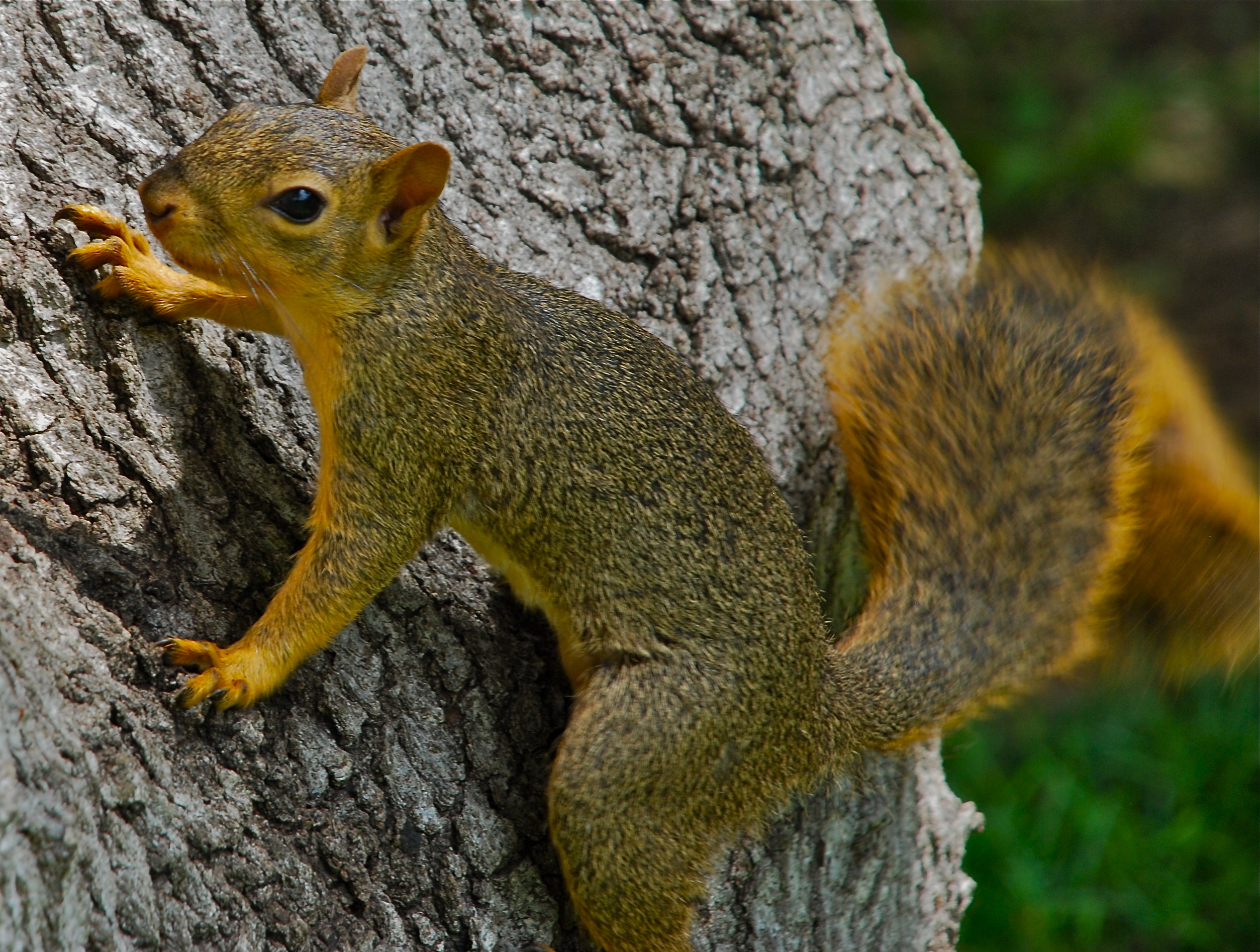
In my yard are squirrels instead of rabbits, mockingbirds instead of blackbirds, an assortment of stray cats instead of one tortoise-shell cat, and garter snakes that slither through the grass instead of a pheasant that glints his way through the iris spear.  So it is that my yard has as Lindbergh penned “different owners at sunrise.”  But since I planted everything for the wildlife as much as for me, why shouldn’t they come and sometimes in large numbers all through the day and night.

J. Philip Newell says that God’s glory glows “in the glistening of a creature’s eyes” as well as in “every emanation of creation’s life,” and that we can reverence God “in all that has life.”  My guess is that’s why some people garden in the first place.  We are fascinated by and delighted with the flowers and the wildlife, but we long for the presence of God into our green temples–that Presence that we feel and see in tiny buds breaking the soil, in pinkish purply glows in the eastern sky, in a silver slivers of the moon in the darkness of night, or in the delicious stillnesses in the garden as day passes into night.

For since the creation of the world God’s invisible qualities—his eternal power and divine nature—have been clearly seen, being understood from what has been made. . .  ~Romans 1:20   ✝

60. That God once loved a garden we learn in Holy writ. And seeing gardens in the Spring I well can credit it. ~Winifred Mary Letts

With the birth of the creatures there is
the emergence of seeing, hearing,
smelling, tasting, and touching.
The light of the sun and the whiteness
of the moon can now be seen.
The wind blowing through the leaves
of the trees and the crashing
of ocean waves can be heard.
The early morning fragrance of
the earth can be smelled.
Its fruits can be tasted and
its textures touched.
~Excerpted lines by J. Philip Newell

Image

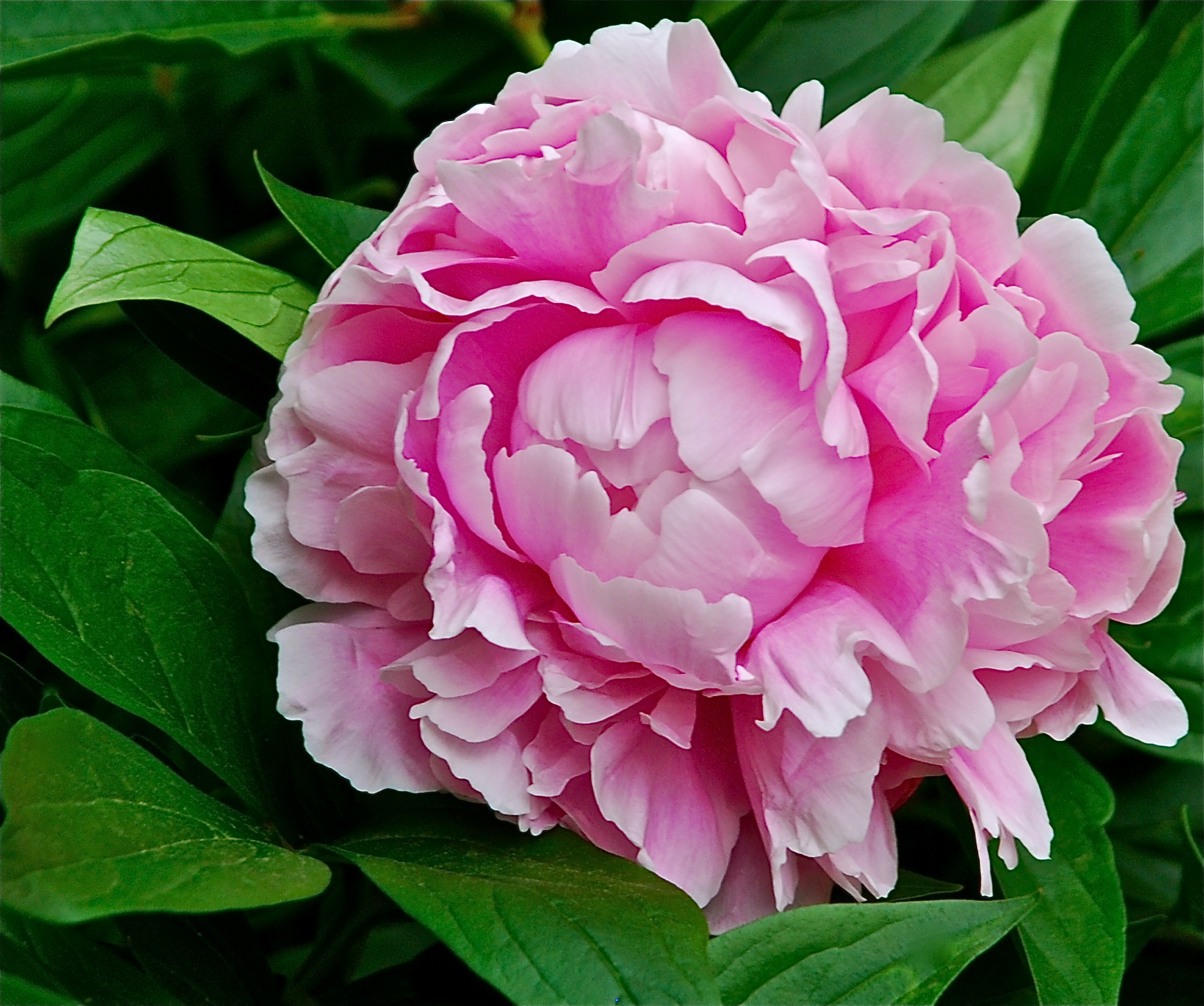
Springtime is so much “a showing forth of the mystery of God” that if one wants to know more of the Creator, all he/she needs do is pull up a chair in a garden and watch the year’s first season unfold.  Seeking the goodness of God and what He made by being still therein and listening to the Holy Spirit as well as Creation’s rhythms is a way of bringing the Heavenly Father closer.  In that nearness one is then able to look through eyes that recognize the depth of His and Creation’s  goodness.

And the LORD said, “I will cause all my goodness to pass in front of you, and I will proclaim my name, the LORD, in your presence. I will have mercy on whom I will have mercy, and I will have compassion on whom I will have compassion.  ~Exodus 33:19   ✝

19. Let us love winter, for it is the spring of genius. ~Pietro Aretino

We need a renaissance of wonder.
We need to renew, in our hearts and in our souls,
the deathless dream, the eternal poetry, the perennial sense
that life is miracle and magic.
~E. Merrill Root

Image

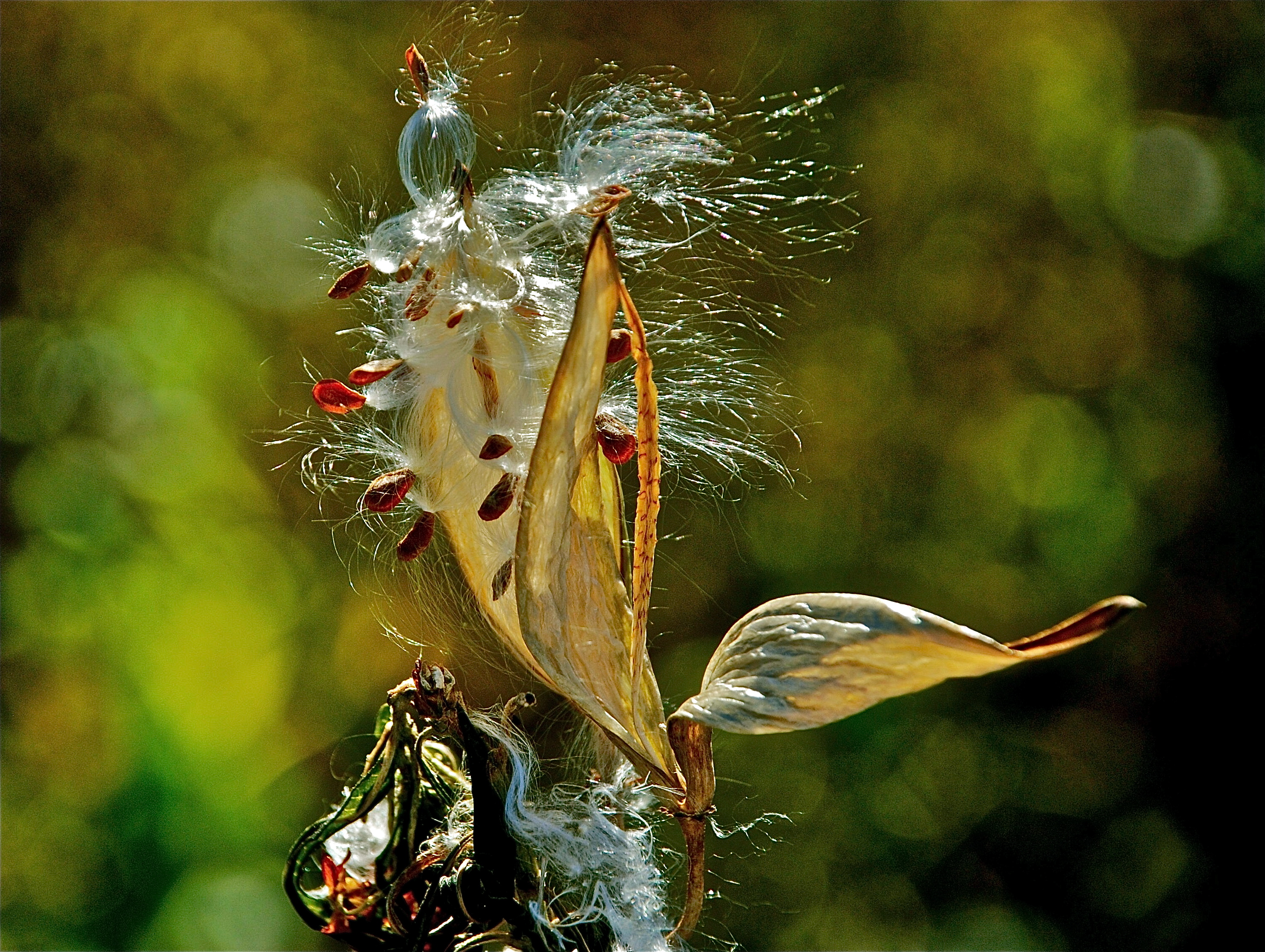
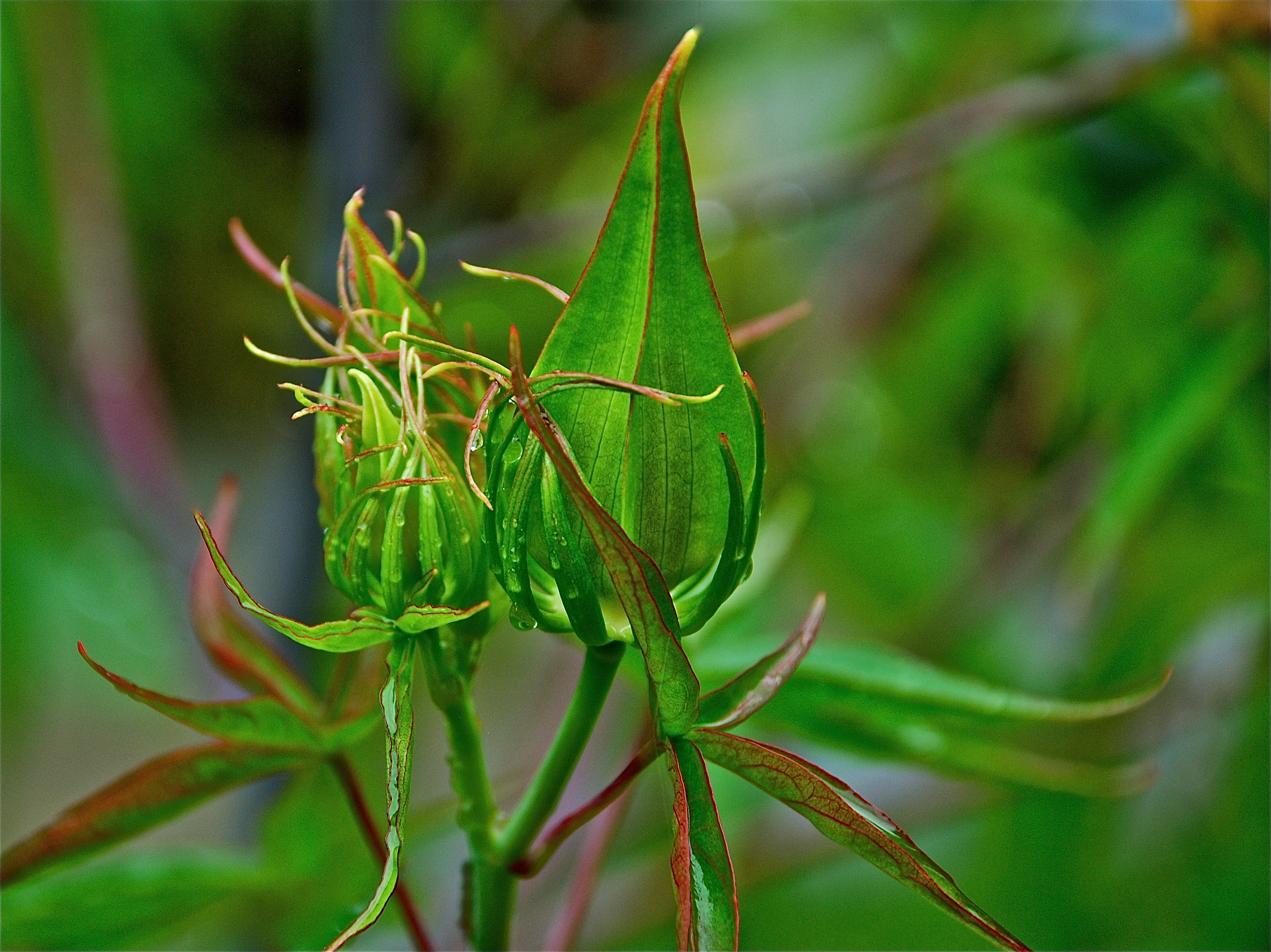
Since it is year’s end, we have entered the season of somber gardens, short days, low temperatures, and more-gray-than-blue skies.  The reckless abandon of the growing seasons has yielded to deepening winter’s, unadventurous restraint.  But, while looking out a window brings into view only the barrenness of winter, an actual venture out into its domain can expose wondrous sights like the seed pod in the photograph.  What a treat to see wondrous silken filaments that look like angel hair releasing seeds that are proof of a continuously running thread in Creation’s tapestry.  Such finds are tangible fragments of God’s imagination buried deep in the mystery of nature, and the aura of holiness that surrounds them often leaves onlookers amazed and awestruck.  These miraculous strands are the same kind of threads that govern the ceaseless ebbing and flowing of oceanic waves, the waxing and waning of the moon, the rising and setting of the sun, the birth and death of life forms, and the endless repetition of the seasons.

The most beautiful thing we can experience is the mysterious.
It is the source of all true art and all science.
He to whom this emotion is a stranger, who can no longer pause to wonder
and stand rapt in awe, is as good as dead: his eyes are closed.
~Albert Einstein

Rediscovering awe helps us appreciate the vast wonders of what the Creator’s mind imagined, what His words spoke, and what His hands created.  It bring us closer to God and restores our childlike joy and zeal for life.  The unfathomable mysteries of life are sacred benedictions; their blessings encourage us to stay in the Lord’s keeping and continue searching for His intent for our lives.

Who among the gods is like you, LORD?  Who is like you—majestic in holiness, awesome in glory, working wonders?  ~Exodus 15:11   ✝

**”if an object or expression can bring about, within us, a sense of serene melancholy and a spiritual longing, then that object could be said to be wabi-sabi.” “Wabi-sabi nurtures all that is authentic by acknowledging three simple realities: nothing lasts, nothing is finished, and nothing is perfect.”  The photo of the seed pod is a excellent example of Wabi Sabi.

18. The first fall of snow is not only an event, it is a magical event. ~J. B. Priestley

Out of the bosom of the Air,
Out of the cloud-folds of her garments shaken,
Over the woodlands brown and bare,
Over the harvest-fields forsaken,
Silent, and soft, and slow
Descends the snow.
~Henry Wadsworth Longfellow

Image

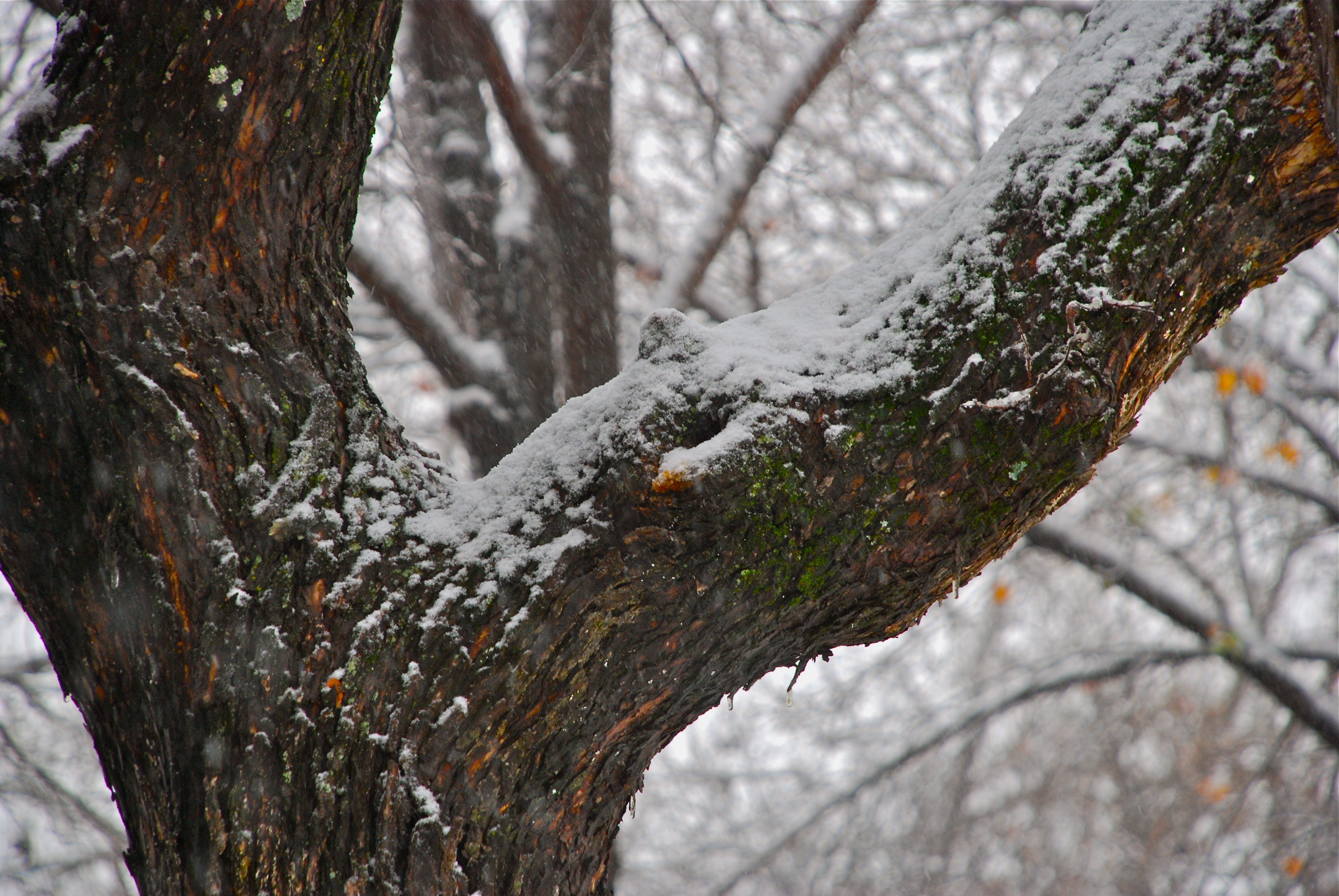
Our area, that had been desperately in need of rain, was the beneficiary of fortuitous events on Christmas Eve.  Could it be that the celebration of the Messiah’s coming the night before was what prompted the blessing of rain as well as the magical, miracle of snow.  So many voices were lifted up in praise and worship of Him that our petitions for rain might have been heard as well. Occasionally on cold, crisp wintry days or nights layers of snow blanket God’s creation even here in north central Texas, but this time we received a strange mixture of “wet” goodness.  At eventide sparkling stars punctuated the ancient moon in heaven’s blackened dome, but during the course of the Messiah’s birthday, clouds laden with moistures moved in, flashes of lightning lit up the sky, a good amount of rain was garnered, hail fell, and finally snow covered the landscape.  If this is not an assortment of  Divine providence mixed with earthly “enchantment,” then as Priestley says, “where is such to be found?”

Praise His Holy Name!