185. For the wisdom that fashioned the universe and can be read in earth’s dark depths and in heaven’s infinity of lights, thanks be to you, O God. ~John Philip Newell

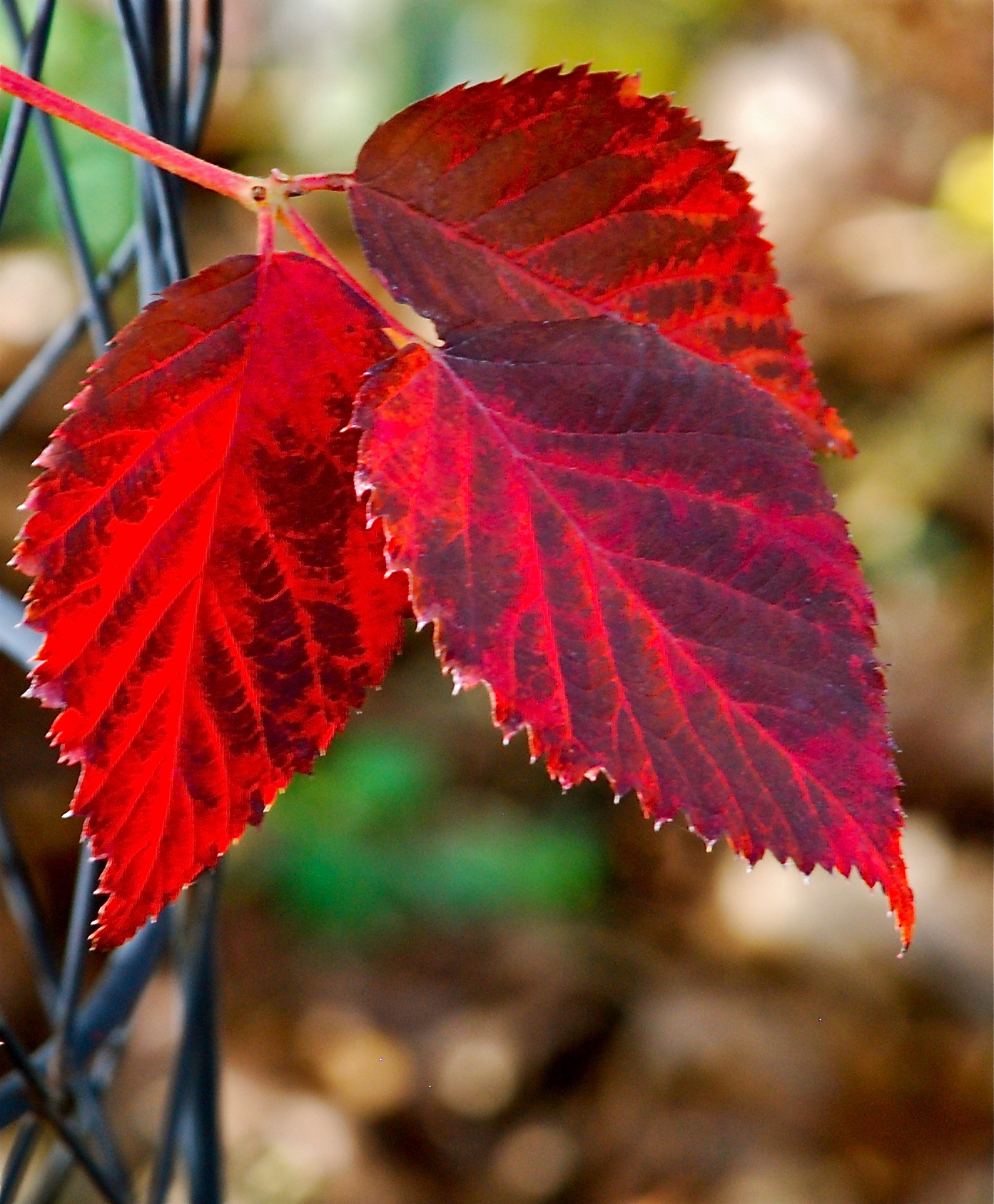
How silently they tumble down
And come to rest upon the ground
To lay a carpet, rich and rare,
Beneath the trees without a care,
Content to sleep, their work well done,
Colors gleaming in the sun.
-Elsie N. Brady, poet
Image

As Brady points out, when leaves “come to rest upon the ground,” it is a completion, but the work of fallen autumn leaves is far from done at that point.  As they “rest upon the ground,” besides being a warm blanket for what lies beneath them and a life-saving provision for the trees, they become food for a host of soil organisms that are vital to the overall health of ecosystems.  As time moves on and the leaves decompose, they restock the soil with nutrients and they make up a part of the spongy humus that absorbs and holds rainfall.  At last “with the arrival of warmth and spring, insects, bacteria, and fungi gear up!  Leaves are chewed and rotted, releasing nutrients for plant growth.”  So it is that with another round of plant growth, Creation and its inhabitants are guaranteed what they need to survive until the recycling process begins again the next fall.  How comforting it is to know that the Hand of the Almighty is always near!  For, you see, it was after a stroke threatened my life and wholeness a year ago yesterday that the Lord’s mighty hands performed the necessary miracles to grant me another year of health and life.

 He put a new song in my mouth, a hymn of praise to our God.  ~Psalm 40:3a  ✝
174. The greatness of a nation and its moral progress can be judged by the way its animals are treated. ~Mahatma Ghandi

If all the beasts were gone,
men would die from a great loneliness of spirit,
for whatever happens to the beasts
also happens to the man.
All things are connected.
Whatever befalls the Earth befalls the sons of Earth.
~Chief Seattle of the Suquamish Tribe

Image

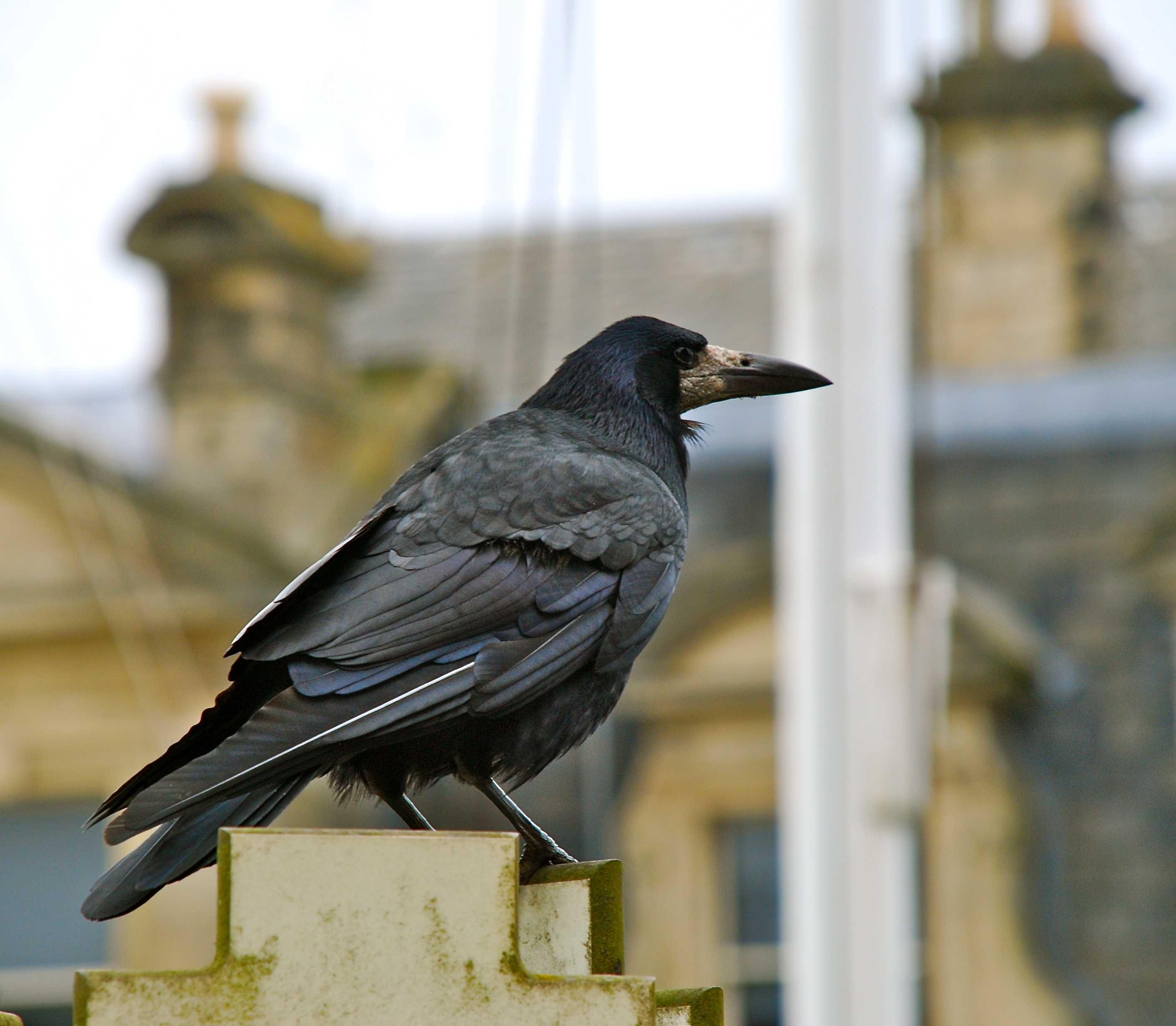
The creatures of earth, sea and sky came forth “out of the waters of God’s life.”   And their arrival was yet another manifestation of the visible from the invisible–another disclosure of the mystery of God.  In addition, “with the birth of the creatures there is the emergence of seeing, hearing, smelling, tasting, and touching.  The light of the sun and the whiteness of the moon can now be seen.  The wind blowing through the leaves of trees and the crashing of ocean waves can be heard.  The early morning fragrance of the earth can be smelled.  Its fruit can be tasted, and its textures touched,” writes J. Philip Newell.  It has even been said that if one wants to know the Creator, one of the ways to gain insight is to know His creatures, and I think that’s especially true when it comes to examining the sensory aspect of their coming.  For does not the ability to see, that the creatures brought, teach mankind to see with the eyes of the heart?  In the silences of humanity’s reality does not the ability to hear teach men to listen for the “echo of the spheres” and the still, small voice of God?  Do not the abilities to smell, taste, and touch help mortals meet their Savior, Jesus, through the holy sacrament of the Eucharist (Communion)?

And to all the beasts of the earth and all the birds in the sky and all the creatures that move along the ground–everything that has the breath of life in it–I give every green plant for food.”  And it was so.  ~Genesis 1:30

131. All gardens are a form of autobiography. ~Robert Dash

In his garden every man may be his own artist without apology or explanation. Each within his green enclosure is a creator, and no two shall reach the same conclusion; nor shall we, any more than other creative workers, be ever wholly satisfied with our accomplishment. Ever a season ahead of us floats the vision of perfection and herein lies its perennial charm.  ~Louise Beebe Wilder

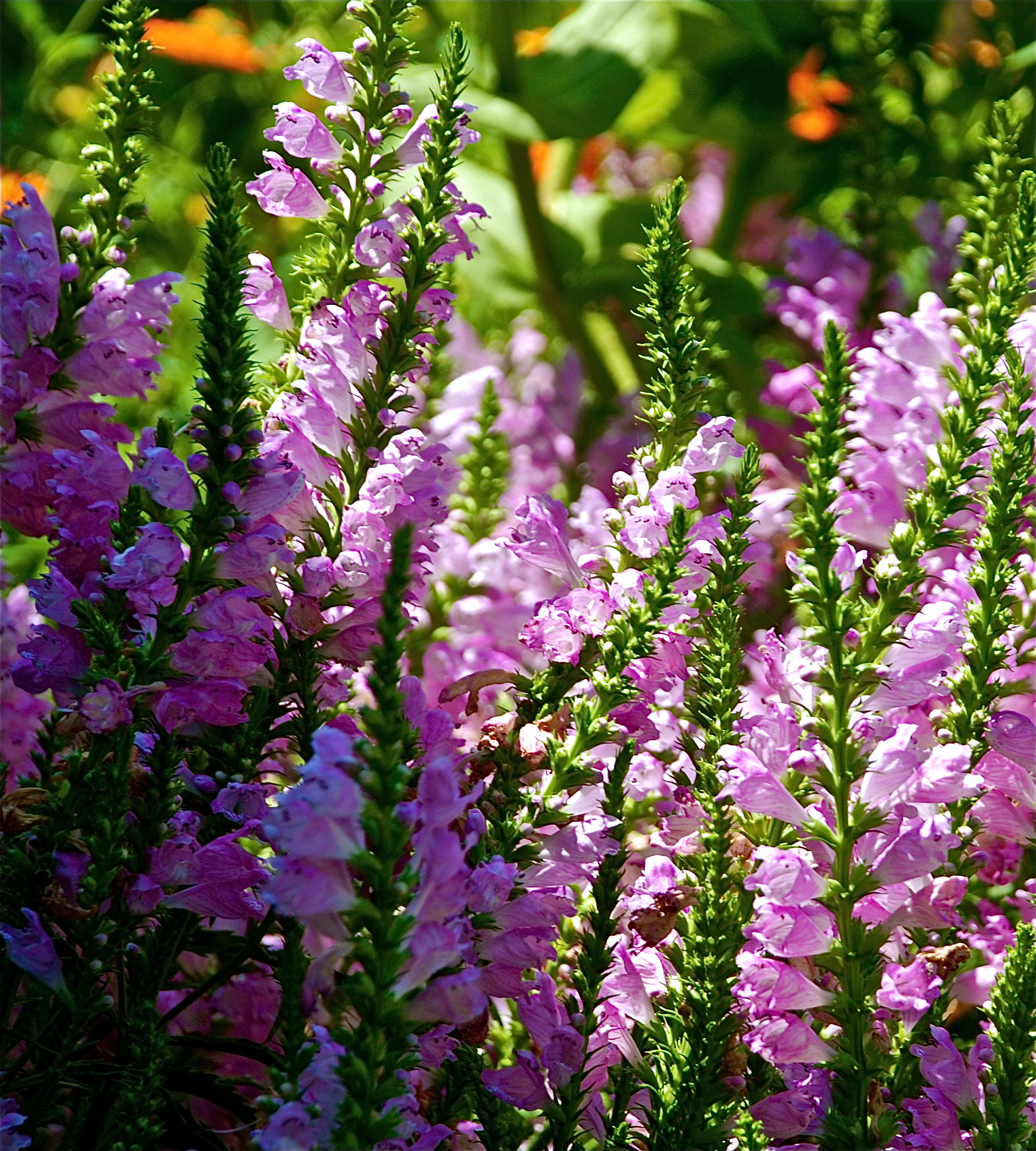
**(blooming currently in several places in my yard is Physostegia virginiana)

Image

Where does imagination come from?  It was spawned in the mind of God, and it is the conduit that connects us to our Maker.  I can think of no better place than a garden to let one’s imagination run wild.  It can be loosed over and over again in the ever-changing shapes of the beds and paths, in the kinds of plants that are introduced, and in the garden’s supports and structures.  My imagination has also led me over the years to include pieces of yard art into my garden.  For me it adds whimsical levels of interest that feed my inner child and would-love-to-have-been- an-artist self.

The LORD God placed man in the Garden of Eden to tend and watch over it.  ~Genesis 2:15

129. To be surprised, to wonder, is to begin to understand. ~José Ortega y Gasset

But the sower going forth
to sow seeds sets foot in time to come,
the seeds, falling on his own place.
He has prepared a way for his life
to come to him, if it will.
~Wendell Berry

Image

Like master gardener and writer, June Santon, “When I see that first, minuscule, curled, pale green wisp of a sprout poking up between a couple of grains of vermiculite, I hear God speaking.”  But then again, it’s really more than just hearing Him speak.  It is connecting with Him in a way unlike anything else because when sowing a seed, like Him, it is creating life.  After all we are made in the image of our Creator God, and so we too have the ability to create.  My particular palette is made up of photographs and words and seeds and plants whereas someone else’s may be notes of music, globs of paint, utensils in a kitchen, pieces of metal, blocks of wood.  The possibilities go on and on because we are not only capable of creating with objects but also with the very essence of who and what we are, as with teachers and ministers and parents.

I praise you because I am fearfully and wonderfully made; your works are wonderful, I know that full well.  ~Psalm 139:13-15  ✝

128. The very act of planting a seed in the earth has in it something beautiful. I always do it with a joy that is largely mixed with awe. ~Celia Thaxter

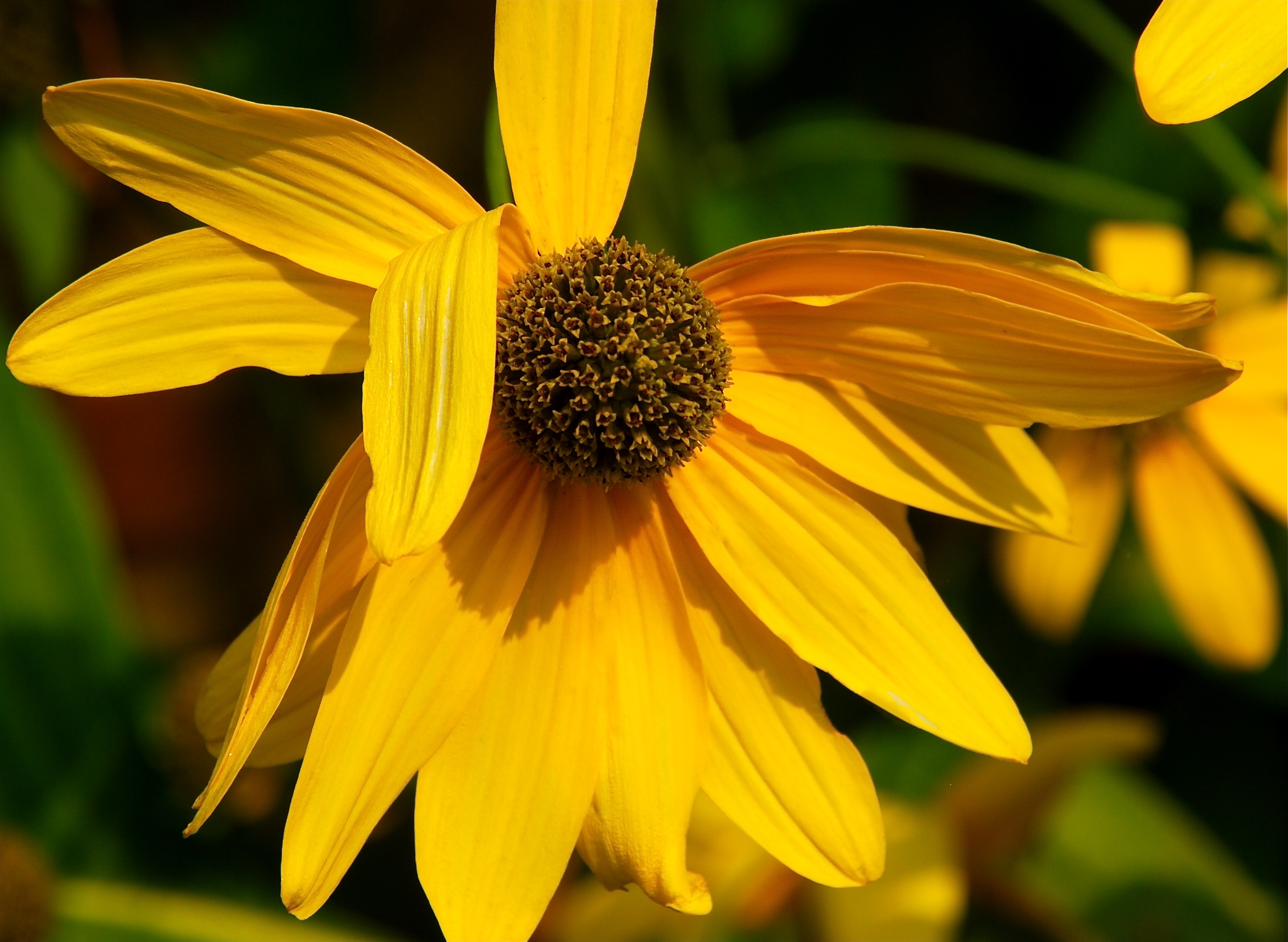
Every friend is to the other a sun,
and a sunflower also.
He attracts and follows.
~Jean Paul Richter

Image

Over the years, I tried starting a few things from seed but never on a large scale.  Then a year or so back after I pulled up and out two poorly producing raised beds, I claimed the space beneath them that fall as seed beds.  In one I sowed poppies and in the other I sowed larkspur and was thrilled at the success of both the following spring.  After the poppies and larkspur were spent that spring, I sowed several types sunflowers in their stead so that I’d have homegrown food for my birds during the winter months.  Again I had great success, and so now, though not on as large a scale, I have several places around the yard where I reserve space for sowing morning glories, poppies, larkspur, and sunflowers.  And I have to say that the process still affects me in the same way as Celia Thaxter.  There is just something so terribly awesome about putting a tiny, almost nondescript seed in the ground and then after a period of watering and waiting discovering the tiniest of green shoots emerging from the blank soil.

The land produced vegetation: plants bearing seed according to their kinds and trees bearing fruit with seed in it according to their kinds. And God saw that it was good.  ~Genesis 1:12  ✝

24. Within the seed’s case a secret is held. Its fertile whisper shapes a song. ~Joan Halifax

When I see that first, miniscule, curled, pale
green wisp of a sprout poking up between a couple of
grains of vermiculite, I hear God speaking.
~June Santon

Image

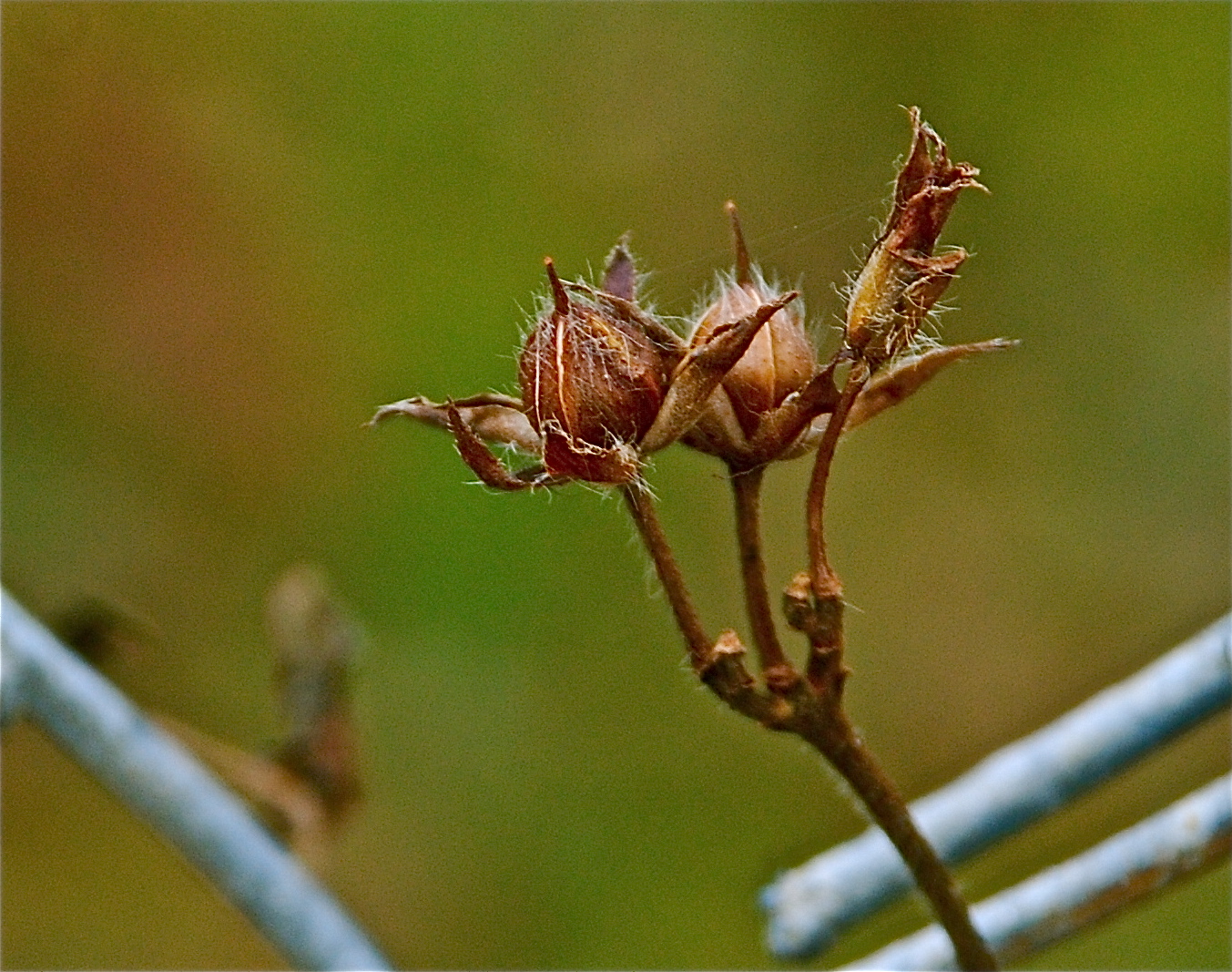
Seed plants date back about 365 million years ago to the Paleozoic era.  These wondrous pieces of antiquity vary greatly in size: the smallest being the dust-like seed of orchids and the largest, weighing as much at times as 50 pounds, being the fruit of the coco de mer, the double coconut palm.  A typical seed is composed of 3 basic parts: 1. an embryo, 2. a supply of nutrients for the embryo, and 3. a seed coat that protects the embryo from injury or from drying out.  Seeds have two points of growth, one which forms the stem of the plant and the other where the roots of the plant form.  Some seeds have wings or hairs and are dispersed by the wind.  Others are buoyant and float in rivers to the oceans and wash up on beaches; then there are those that are dispersed in various ways by animals.   Given the fascinating science of seeds, how they work and how tiny some of them are, how could one not hear fertile whispers from God in them.

Each seed, regardless of its size, is a sacred promise.  The dictionary defines a promise as: 1. a declaration that something will or will not be done or given, or as   2. an express assurance on which expectation is to be based, and seeds definitely declare what the Lord has done and given and what we as His children can expect.  Special mention of seeds and their promise is made on the 3rd day of the Genesis story where we can see that plants and trees are profuse manifestations of “this seed force.”  Plants and trees have been coming forth for millions of years and come forth yet.  During the unseen holy hours of nurturing, the “seed force” reaches down into the darkness of the earth’s “concealed depths” therein to be sustained by water.  In the Celtic tradition the moisture in earth’s soil is a “symbol of the waters of God that enfold and infuse all things.”  God’s goodness, deeper than any evil, then can be seen at the inception and very heart of life.  J. Philip Newell says that “everything that is born in the great matrix of life is sustained by roots that reach into the deep mystery of God’s life.”  The image which Newell’s words paint of all life reaching deep into God’s life is what, for many of us, shapes songs of joy and praise, for there is no more comforting, good, or safe place in the world than the heart of God!

As the rain and the snow come down from heaven, and do not return to it without  watering the earth and making it bud and flourish, so that it yields seed for the sower and bread for the eater, so is my word that goes out from my mouth: It will not return to me empty, but will accomplish what I desire and achieve the purpose for which I sent it.  ~Isaiah 55:10-11   ✝