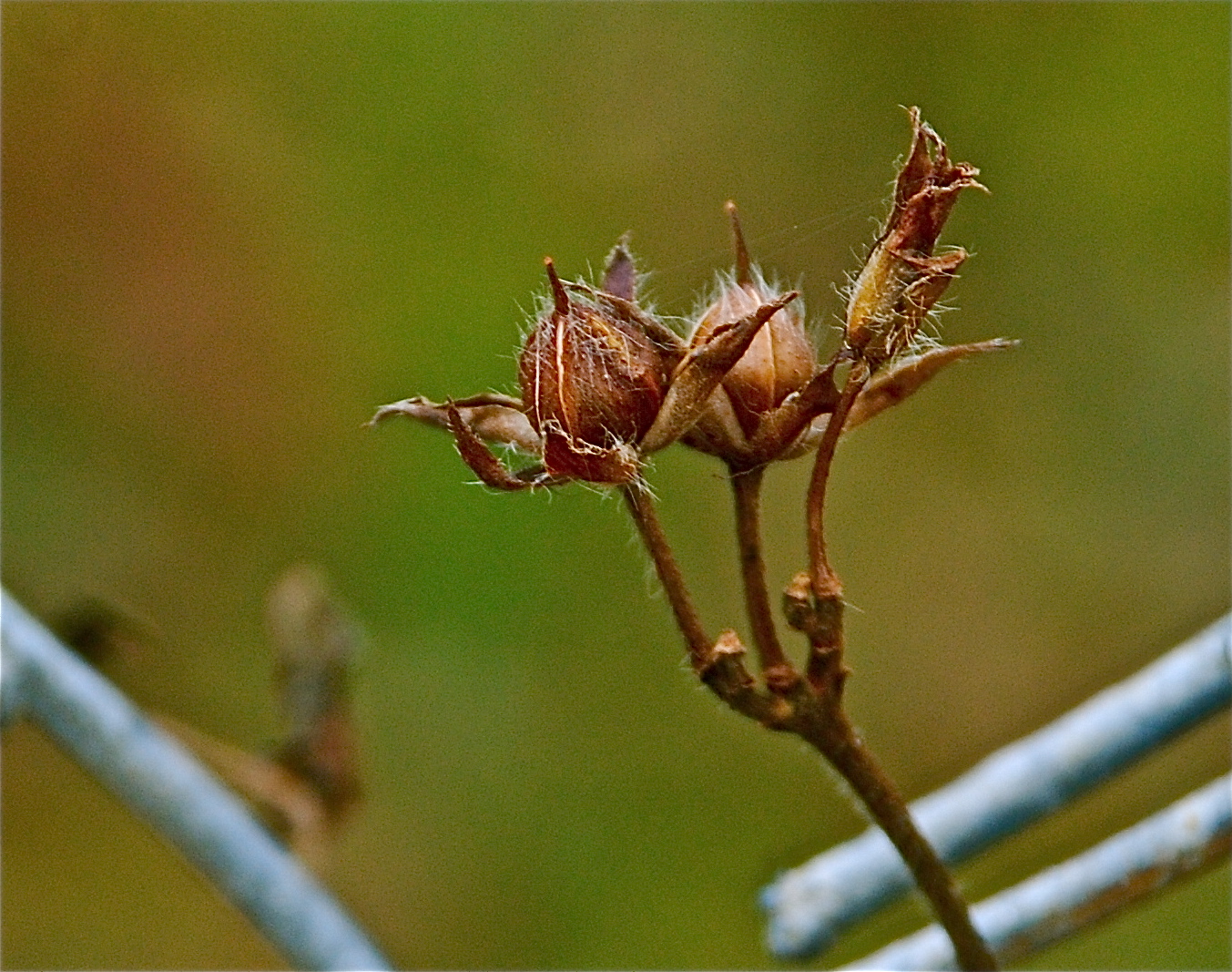
246. The flower is the poetry of reproduction. It is an example of the eternal seductiveness of life. ~Jean Giraudoux

I am a symbol of love and immortality.
I have been around since the time of Confucius.
My name came from a Persian word.
At one time I was more expensive than precious metals.
I can be used in the place of an onion in cooking.
I am in the same family as a lily.
Image

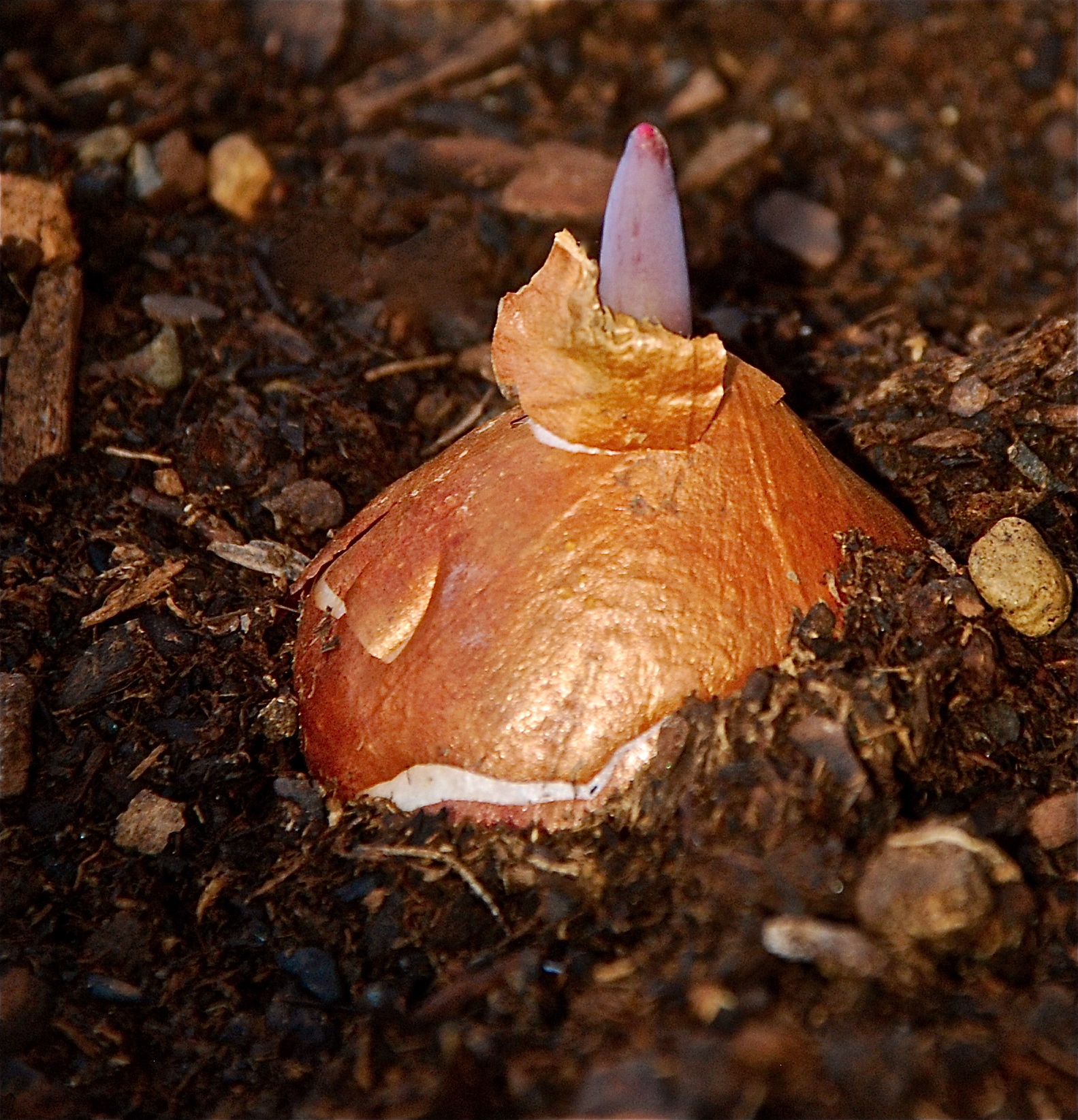
Do you know who I am?  I am a native of Central Asia, and I am the world’s most planted flower.  When I arrived from Turkey in the mid-16th century, I was a gift from the Ottoman Empire that took Western Europe by storm.  But I did not come to the United States until the 1800’s.  There are about 3,000 varieties of me grown around the world, some that originated in the seventeenth century.  My petals come in every shade of the rainbow as well as black, but my most popular color is red.  And I can be forced into blooming after I have been stored in a refrigerator for 12-16 weeks.

A tulip doesn’t strive to impress anyone.
It doesn’t struggle to be different than a rose.
It doesn’t have to.
It is different.
And there’s room in the garden for every flower.
~Marianne Williamson
Image

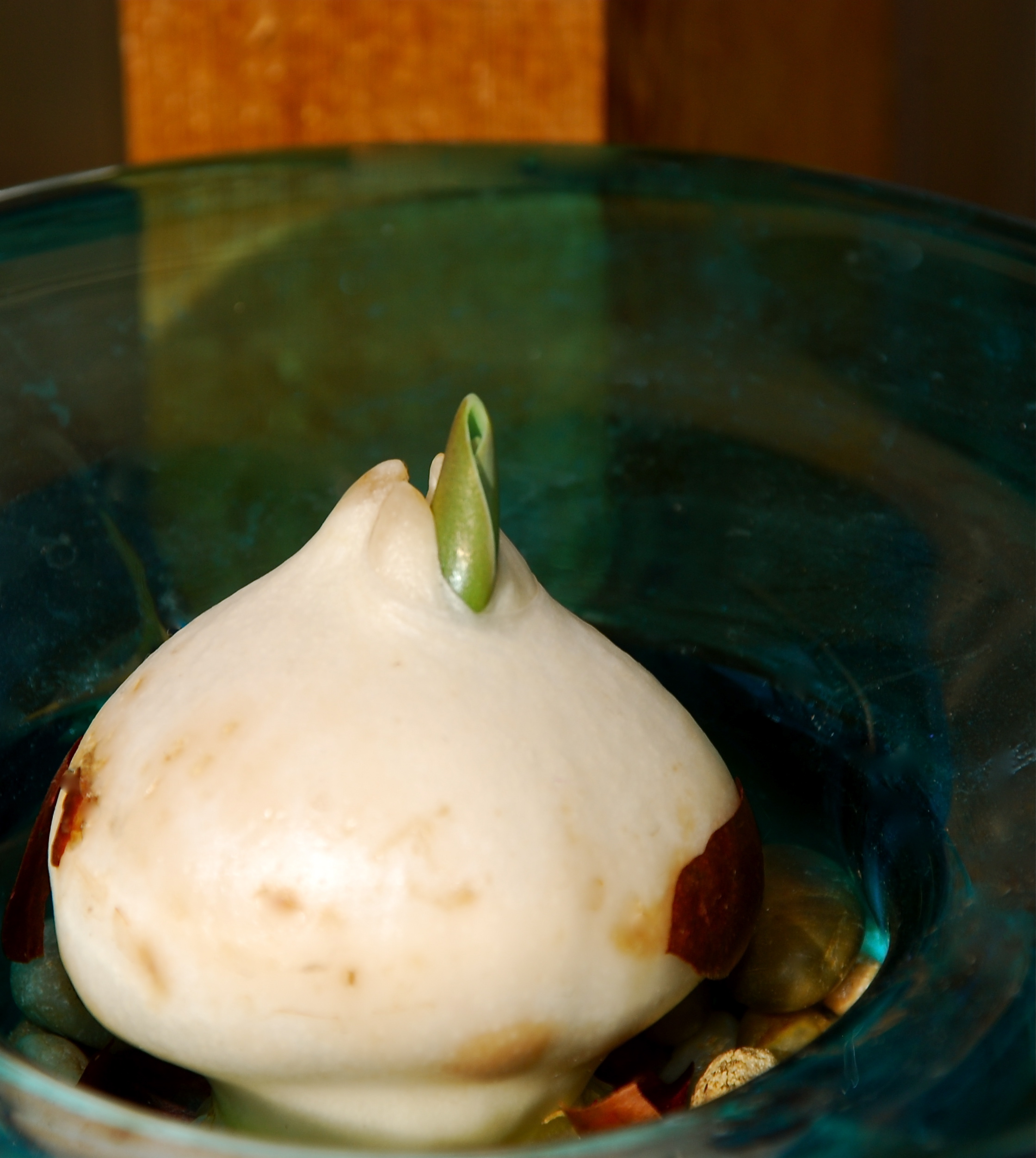
I’ve never had much luck with growing tulips in the ground.  So this year I decided to try forcing them in containers.  Two weeks ago after the bulbs had spent the required amount of time in my refrigerator, I planted some in soil and some in glass containers partially filled with pebbles and water.  As of today I’m proud to report that I have tulips sprouting in both types of containers.  Though it be only the 12th of January, springtime has sprung at least in my greenhouse.  One of the most seductive things in life I know is the thrill of the first spark of life in a garden.  Every time I experience it I feel as if a time machine has transported me back to Eden on the third day when creation was “born of the Spirit in the womb of the universe.”  On that day the first seeds were planted in the earth and their roots reached down for the waters that would sustain them.  Then and now such as this is clearly a manifestation of the goodness of God.

I believe that I shall see the goodness of the Lord in the land of the living.  ~Psalm 27:13  ✝
240. …everyone wants to be excited by something magical and wondrous – to be reminded of how they once saw the world… ~John Geddes

“I watched bulls bred to cows, watched mares foal, I saw life come from the egg and the multiplicative wonders of mudholes and ponds, the jell and slime of life shimmering in gravid expectation. Everywhere I looked, life sprang from something not life, insects unfolded from sacs on the surface of still waters and were instantly on prowl for their dinner, everything that came into being knew at once what to do and did it, unastonished that it was what it was, unimpressed by where it was, the great earth heaving up bloodied newborns from every pore, every cell, bearing the variousness of itself from every conceivable substance which it contained in itself, sprouting life that flew or waved in the wind or blew from the mountains or stuck to the damp black underside of rocks, or swam or suckled or bellowed or silently separated in two.”  ~E. L. Doctorow

Image

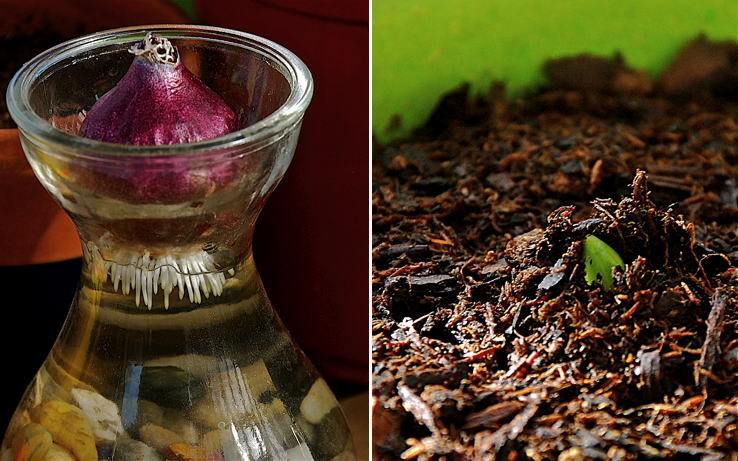
Life!  Life I say!  Life-sacred and mysterious–I’ve had a hand in creating life again!  And as usual, it is ever so magical and wondrous!  Since early last week I’ve been setting bulbs in containers in the greenhouse, and even as cold as it has been today, I made my daily visit out there to see if anything had started happening.   And as tiny a start as it was, life had indeed begun!  Actor Mike Dolan once said, you should “anticipate the day as if it were your birthday and you were turning six.”  I did and it was and I responded like any normal 6 year old, with a dropping of my jaw and squeals of joy.  The photos aren’t great but you can see where roots have started forming on the bottom of a hyacinth bulb and the tiny green emergence of a ranunculus bulb.

You garden because you need
to make a profound connection with the Earth.
It’s your birthright.
A primordial longing to experience
and participate in the magic of nature.
The deep knowing that ultimately nature is your teacher.
Your guide.
You’re a participant. A cog in the wheel. Not in charge.
~Fran Sorin, Gardening Gone Wild,  http://www.gardeninggonewild.com/

My garden and my greenhouse are my classrooms, and the Lord is my teacher and facilitator.  “See, God exalted in His power; who is a teacher like Him?”  ~Job 36:22

215. A few minutes ago every tree was excited, bowing to the roaring storm, waving, swirling, tossing their branches in glorious enthusiasm like worship… ~John Muir

…But though to the outer ear these trees are now silent,
their songs never cease.
Every hidden cell is throbbing with music and life,
every fiber thrilling like harp strings…
~John Muir, American naturalist and author

Image

In this particular writing Muir eventually goes on to say that it’s “no wonder the hills and groves were God’s first temples.”  When one thinks about earth’s courts in such a way, he/she realizes that trees, whose roots are three times the size of the tree itself, monopolize large chunks of the planet’s hallowed ground, and so it’s not surprising that throughout the ages trees have been endowed with profound and sacred meanings.  For example, by observing the growth and death of trees, the flexible nature of their branches, the annual reoccurrence of their foliage, many have regarded trees as powerful symbols of growth, decay, and resurrection.  In addition to their aesthetic appeal, trees prevent soil erosion; they provide weather-sheltered ecosystems in and under their leaves; they play a vital role in the production of oxygen and the reduction of carbon dioxide; they moderate ground temperatures; and some even produce sumptuous orchard fruits.  Trees also speak to mortal men of the largeness and power of their Creator, and their lofty heights as well as the views afforded from them are envied by those who dare not climb their towering trunks.

The Lord God made all kinds of trees grow out of the ground–trees that were pleasing to the eye and good for food.  ~Genesis 2:9a  ✝

192. Magnificent Autumn! He comes like a warrior, with the stain of blood upon his brazen mail. ~Henry Wadsworth Longfellow

Fall: bright flame before winter’s deadness;
harvest; orange, gold, amber;
cool nights and the smell of fire…
…everything we see is celebrating
one last violently hued hurrah before
the black and white and silence of winter.
~Shauna Niequist

Image

Image

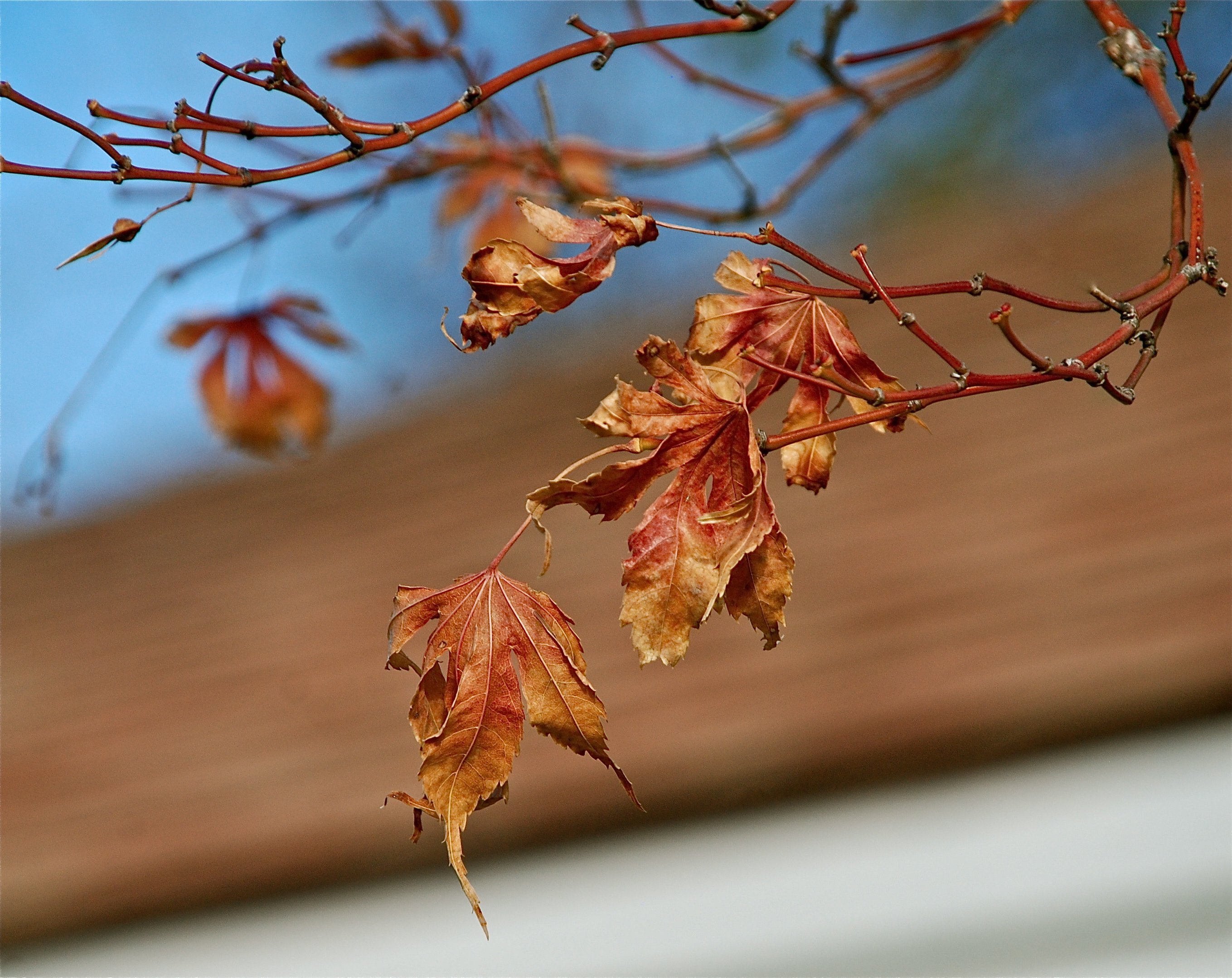
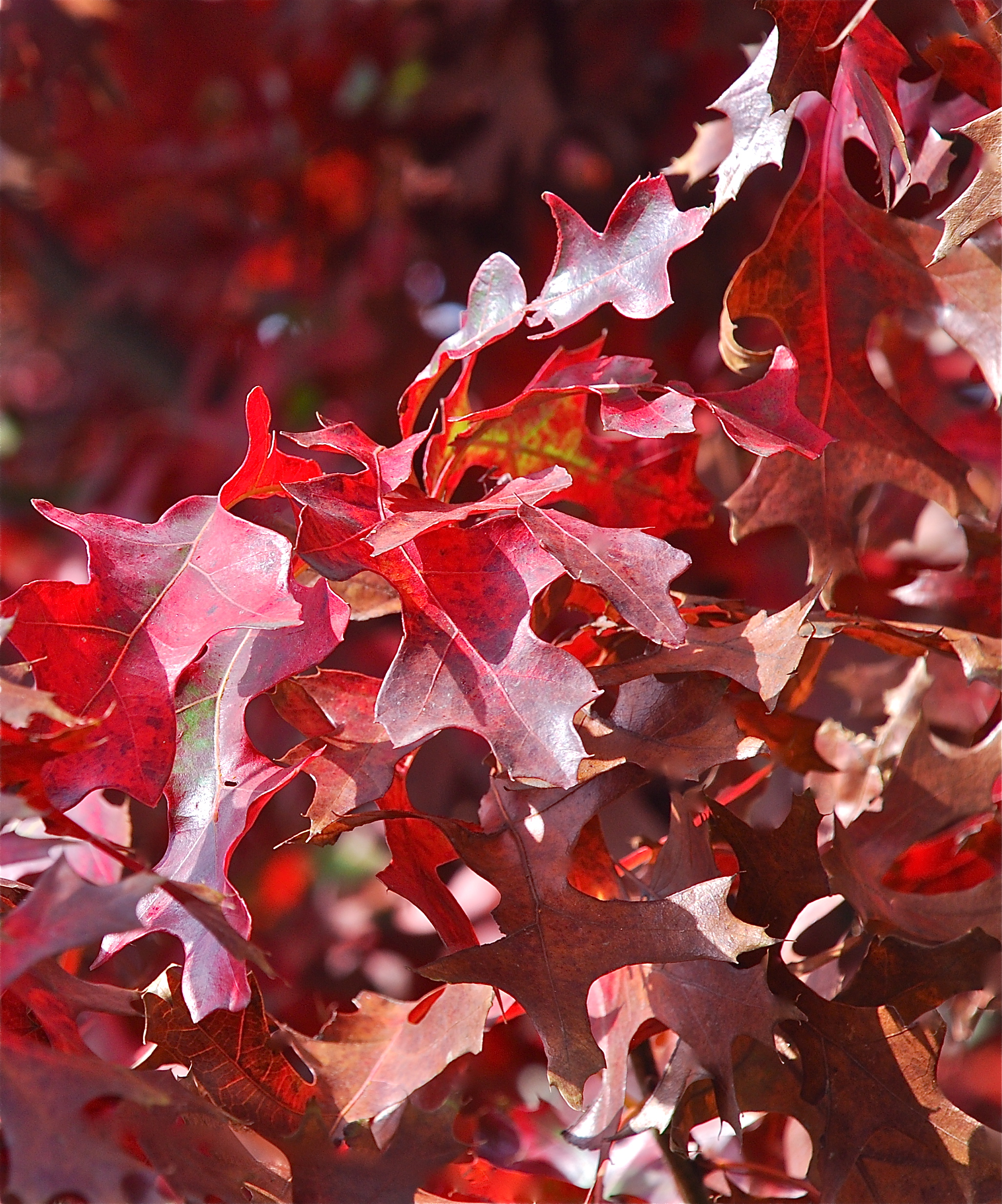
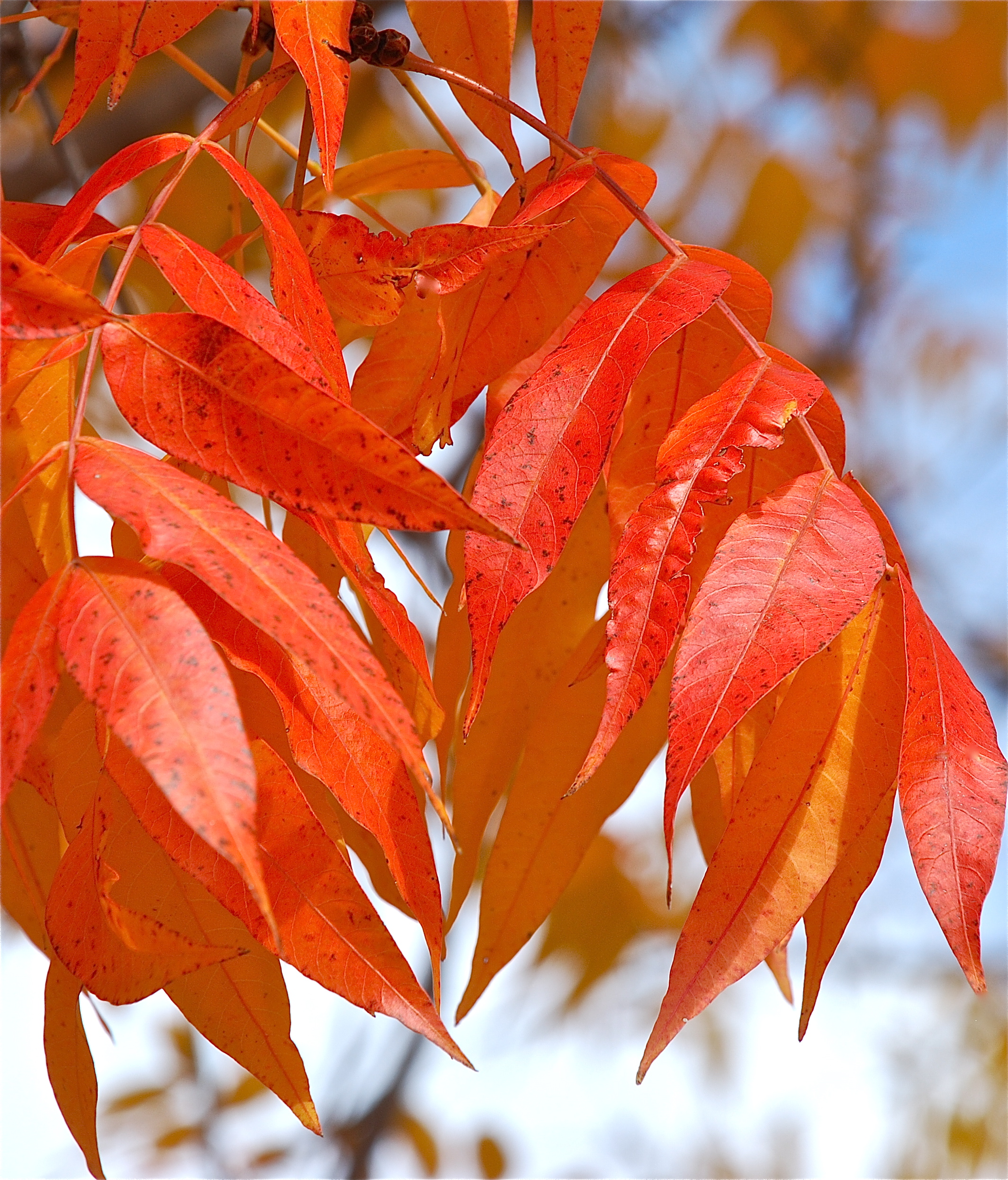
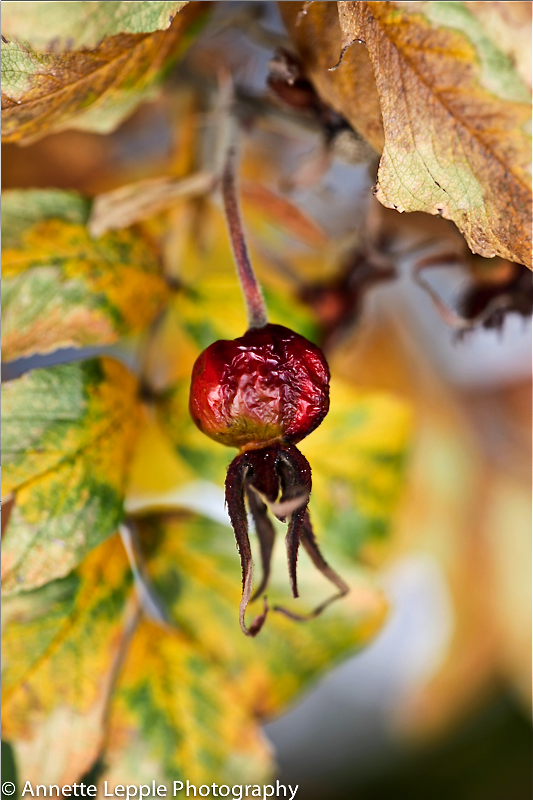
After last week’s hard freeze the march of fall’s foot soldiers revved up, and now more and more leafy encampments are being set ablaze.  What leafage is still dressed in green regimentals is fading fast to shades of yellow, orange, or hot reds cooled only by the occasional purple hue.  Though rare so far have been the firings of booming “thunder cannons” and the barrages of pelting rain, there have been, indicative fiery, explosions erupting on the eastern horizon at sunrise or westward over the rooftops at sunset forewarning the coming of fall’s final, crushing blitz.  The fallen victims of the earliest skirmishes are already gathering along curbs, littering the ground, and floating where waters collect, and the yet vanquished remaining leafy squadrons have not long before they too shall face their “last, violently hued hurrah.”  All is not as lost as it would seem however; for, despite the ever-increasing volume of casualties and the fact that the winter solstice is closing in, a measure of springtime miracles are already pushing up low and in warm safety under the autumnal warrior’s leafy carnage that’s been ransacked from on high by gusting winds.  Though but skimpily clad seedlings they be now, the deepening roots of larkspur, columbine, and poppies will hold their new growth steadfastly in place enabling them to hang tenaciously to life all winter long under fall’s stricken glory.  How could there be a more supremely, well-designed plan than that or any better a Creator than the Lord who devised such a grand and faithful plan!

Yet I call this to mind and therefore I have hope: Because of the Lord’s great love we are not consumed, for His compassions never fail.  They are new every morning, great is Your faithfulness.”  ~Lamentations 3:21-23  ✝

Rambling Thoughts

This is a reblog from Annette’s Garden at: http://wp.me/p32RMi-cI

Image

In autumn, when the trees cry colourful leaves and the vibrant spirit of summer is only a memory, thoughts go on a ramble. Time for reflection and contemplation. A damp, heavy quietness settles on the garden. The work is done, we can sit back and watch. When I plant bulbs in the autumn, and there seem to be more and more each year, I always wonder how many more springtimes I will live to see. I don’t ask as a result of depression (I’m not a child of sadness!), but because I think of these bulbs that fill me with such happiness. First when I’m planting then later, when in the comfort of my armchair in front of the fire -longing in my eyes- they fill my head with fields of colour and scent and carry me through the season which I never came to love, although it has its beauty too. It must be the bulbs that fill me with wantonness and unreasonable hope. The expression “to be happy like a child” comes to my mind but kids are not happy and innocent like they used to be. If you’re faced with the first murder during breakfast and with Jingle Bells and plastic Santas climbing ridiculously into chimneys from September onwards how could you possibly hold on to that pure and carefree joy? As for myself, I find lots of happiness in the little treasures and secrets nature and garden hold for me. All the same, there’s something morbid about this question, and I admit that I never ask myself at other times of the year. How many summers or autumns will I live to see? No way. But maybe the reason for planting these crazy amounts of promising bulbs and corms lies in my hidden wish that the older I get the more spectacular spring ought to be. Recently I read a quote by Henry David Thoreau which follows me ever since: The mass of men lead lives of quiet desperation. Thoreau said this in the 19th century but it is still true. The reason for this lies in the continuous remoteness and alienation from nature which in its most dramatic case leads to people perceiving nature as an enemy or danger. Pristine nature has become rare and if it’s really wild, we meet it with fear and suspicion. Seeing and hearing have also become rare skills. We’re constantly exposed to noise, being lulled and deadened. Even the news are hammered into us to the sound of percussions so that there’s no risk of us coming to our senses or to be bored. Tranquility is out. A friend of mine told me about a visitor from Canada who switched on a tape each night at bedtime: She couldn’t bear the quiet, only with the constant noise was she able to sleep. Cathy at http://wordsandherbs.wordpress.com/ did a great post dealing with the subject of hearing a while ago, and I hope she will share the link once she reads this. To hear and I mean TO HEAR is by no means taken for granted anymore. There’s so much to hear when you listen to supposed quiet. Have you ever tried? The silence that makes you feel like you’re deaf has become rare. Where I live, in the middle of the woods, it can still happen. It descends like a comfortable blanket. No fear, no panic just peace. Some shake their heads asking how can you possibly live here? We shake our heads knowing that every explanation would fall into nothingness. The general rush and fear of missing out on something are so widespread that many cannot understand how satisfying it is to fill the basket with firewood to heat the house, to collect eggs from your hens and to tend the garden. To hear nothing and to work in the garden are today’s last luxuries. During our hikes we sometimes meet extreme mountainbikers rushing down steep slopes with fierce expression, or cool guys on rattling motorbikes, modern Marlborough-Cowboys. None of them knows the intriguing scents and sounds of the forest, sees the pink mushroom in the undergrowth, the tree creeper searching the bark for insects or hears the melancholic song of the robin. Kids don’t know anymore that milk comes from cows. A vegetarian friend of mine suggested recently that one could keep milking cows without letting them have calves. Once I watched children beating newly planted fruit trees with sticks until the bark had come off while their mother watched them proudly. Great to see kids fulfilling themselves. Nature is retreating more and more and can only be found where access is hard or impossible or where there’s nothing to exploit. Would we ask men their definition of nature – what would the answer be? I fear the answer a lot more than visitors the solitude of my wood. Why should men protect something they’re not aware of and don’t see, never mind appreciate? When man moves away from nature, he loses his roots, becomes depressed and unhappy. I could never be without my garden and nature, my sanity depends on them. I draw energy, courage and meaning out of them. Okay, some things don’t work out in the garden but I’m never disappointed and depressed. Still nothing fills me with more hope and optimism. A life of quiet desperation? That’ll never be an issue for someone who hasn’t lost touch with his/her roots.

178. All the flowers of all the tomorrows are in the seeds of today and yesterday. ~Chinese Proverb

In the garden the door is always open into the holy –
growth, birth, death.
Every flower holds the whole mystery in its short cycle,
and in the garden we are never far away from death,
fertilizing, good, creative death.
~May Sarton

Image

Every year the unseen becomes visible as new life explodes from quiet, dark, sustaining wombs.  Beneath the soil roots grow and above the surface tiny leaves yield proof of life.  Enlivening rains come, and the leaves grow.  Daylight hours lengthen, and they grow more.  Amid the leaves emerge buds, and they grow.  Buds burst into flowers, the flowers fade, and their petals fall.  Fruits, seed heads, or pods appear, and they ripen.  Fruits are harvested, seeds are spilled onto the soil, and buds are set inside woody canes or branches.  Then comes the time of rest, the discontinuance of the same, the different new genesis.  The beginnings, the middles, the ends–never an ending without a beginning–never a beginning without an ending, so goes the cyclic constancy of a garden.

The land produced vegetation; plants bearing seed according to its kinds and trees bearing fruit with seed in it according to their kinds.  And God saw that it was good.  ~Genesis 1:12  ✝

24. Within the seed’s case a secret is held. Its fertile whisper shapes a song. ~Joan Halifax

When I see that first, miniscule, curled, pale
green wisp of a sprout poking up between a couple of
grains of vermiculite, I hear God speaking.
~June Santon

Image

Seed plants date back about 365 million years ago to the Paleozoic era.  These wondrous pieces of antiquity vary greatly in size: the smallest being the dust-like seed of orchids and the largest, weighing as much at times as 50 pounds, being the fruit of the coco de mer, the double coconut palm.  A typical seed is composed of 3 basic parts: 1. an embryo, 2. a supply of nutrients for the embryo, and 3. a seed coat that protects the embryo from injury or from drying out.  Seeds have two points of growth, one which forms the stem of the plant and the other where the roots of the plant form.  Some seeds have wings or hairs and are dispersed by the wind.  Others are buoyant and float in rivers to the oceans and wash up on beaches; then there are those that are dispersed in various ways by animals.   Given the fascinating science of seeds, how they work and how tiny some of them are, how could one not hear fertile whispers from God in them.

Each seed, regardless of its size, is a sacred promise.  The dictionary defines a promise as: 1. a declaration that something will or will not be done or given, or as   2. an express assurance on which expectation is to be based, and seeds definitely declare what the Lord has done and given and what we as His children can expect.  Special mention of seeds and their promise is made on the 3rd day of the Genesis story where we can see that plants and trees are profuse manifestations of “this seed force.”  Plants and trees have been coming forth for millions of years and come forth yet.  During the unseen holy hours of nurturing, the “seed force” reaches down into the darkness of the earth’s “concealed depths” therein to be sustained by water.  In the Celtic tradition the moisture in earth’s soil is a “symbol of the waters of God that enfold and infuse all things.”  God’s goodness, deeper than any evil, then can be seen at the inception and very heart of life.  J. Philip Newell says that “everything that is born in the great matrix of life is sustained by roots that reach into the deep mystery of God’s life.”  The image which Newell’s words paint of all life reaching deep into God’s life is what, for many of us, shapes songs of joy and praise, for there is no more comforting, good, or safe place in the world than the heart of God!

As the rain and the snow come down from heaven, and do not return to it without  watering the earth and making it bud and flourish, so that it yields seed for the sower and bread for the eater, so is my word that goes out from my mouth: It will not return to me empty, but will accomplish what I desire and achieve the purpose for which I sent it.  ~Isaiah 55:10-11   ✝