72. Come, fill the Cup, . . . the Bird of time has but a little way to fly–and Lo! the Bird is on the wing. ~Omar Khayyám

The Moving Finger writes; and having writ,
Moves on: nor all your Piety nor Wit
Shall lure it back to cancel half a Line,
Nor all your Tears wash out a Word of it.
~Rubaiyat, Omar Khayyám, 11th century Persian poet
Image

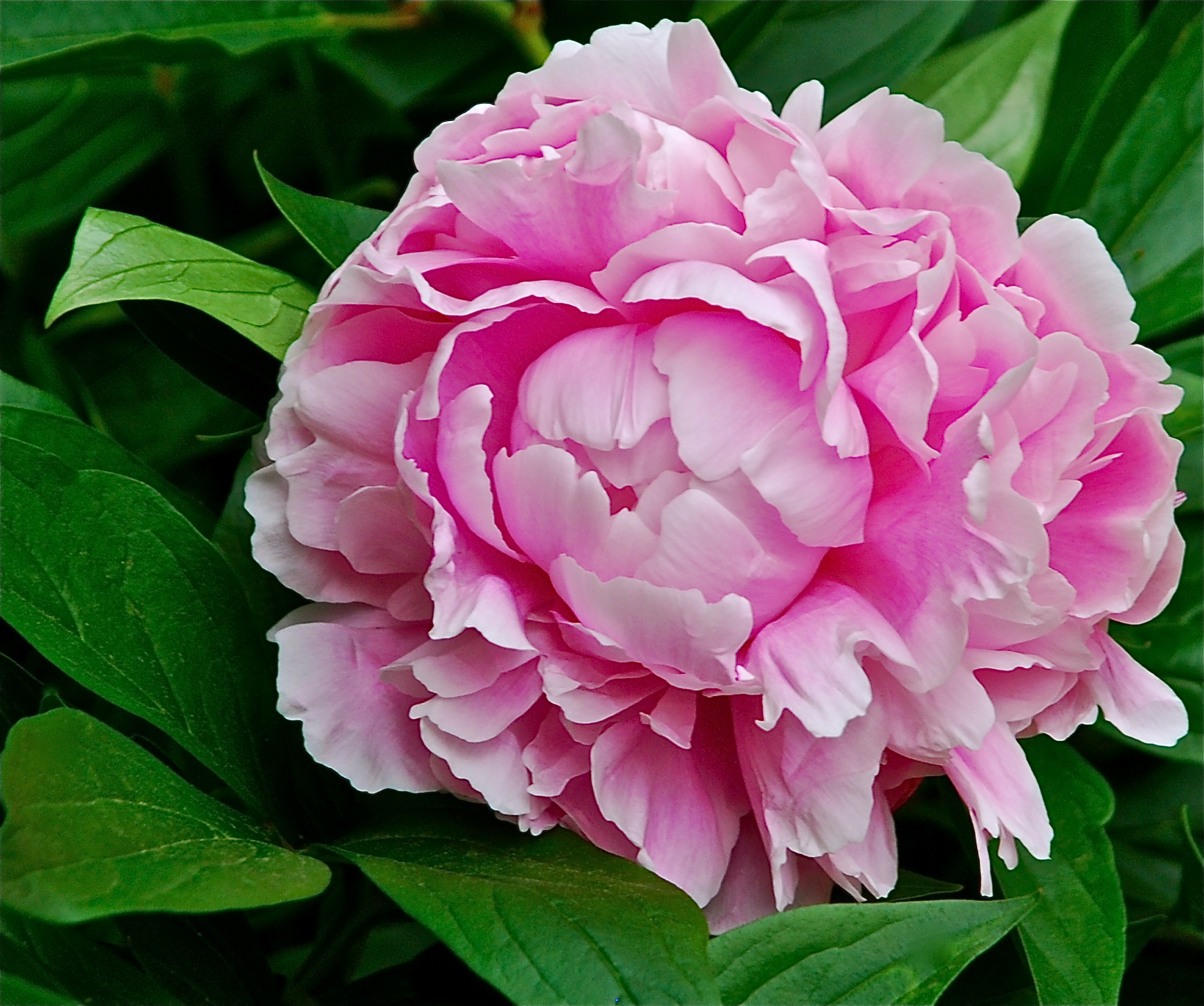
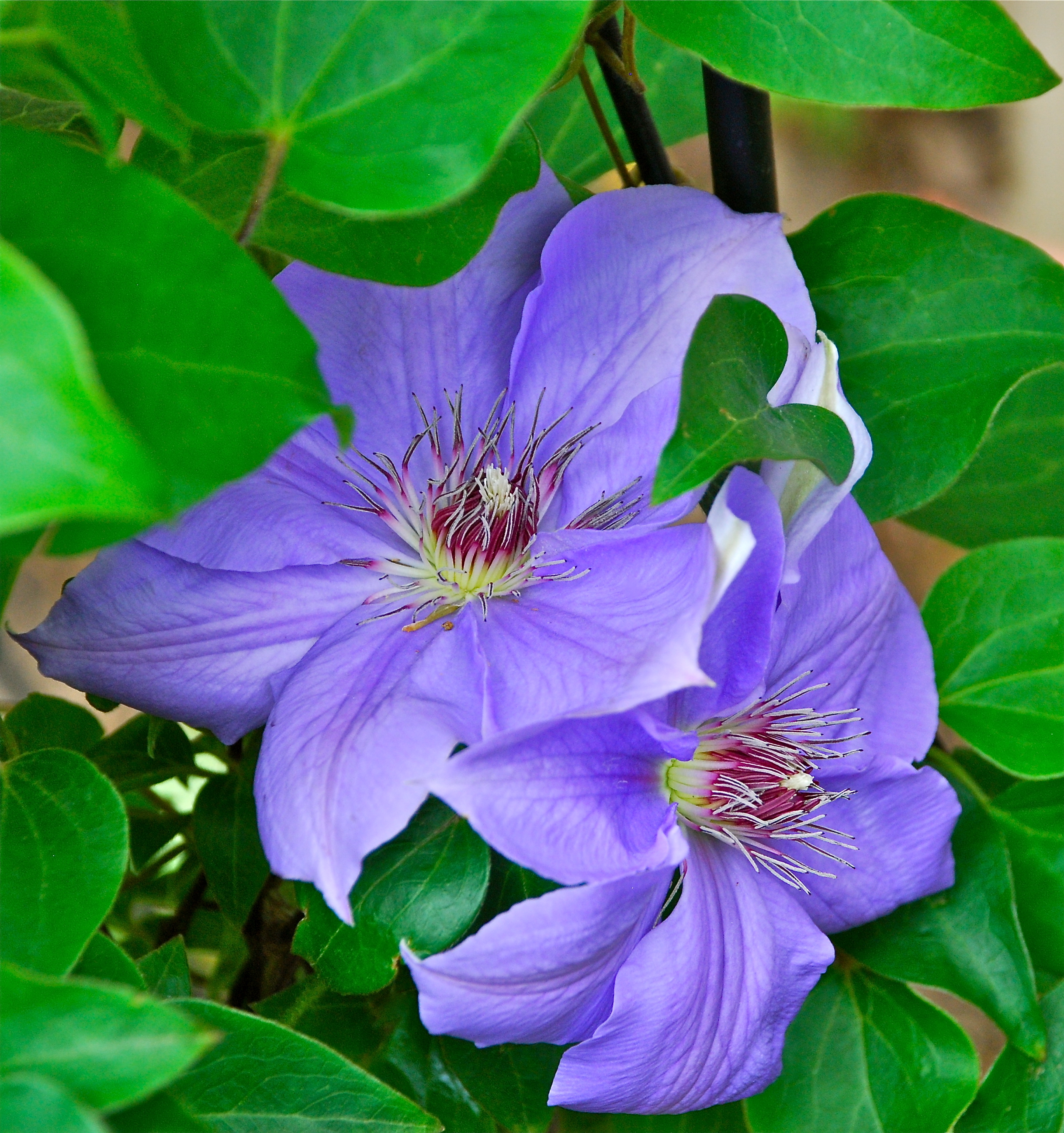
In my twenties, I came face to face with the reality of what this Persian poet articulated in the Rubaiyat, but thankfully in my thirties I also realized that every spring all that God created begins again.  So even though I have no a chance to do anything about the past, in the season of restoration and rebirth God built into the fabric of Creation, I can forge on with writing new stories and/or penning different endings to ones not yet finished.  However, lest I get too comfortable in dalliances a long the way and to show how quickly what the poem’s author revealed can come about, I must remember that a new year’s garden progeny and its days come and go quickly, and when done they are never, as Khayyám said, to be lured back nor washed away by tears.  So with every spending of my time coins, I must seize opportunities opening to blushes of newness.  Scripture may tell the world that the “birthing and restoring” of new years will go on “as long as earth endures,” but last November’s brush with death taught me to make the most of each day and not rely on what I, myself, may not be given.

The best things in life are nearest:
Breath in your nostrils, light in your eyes, flowers at your feet,
duties at your hand, the path of right just before you.
Then do not grasp at the stars, but do life’s plain, common work as it comes,
certain that daily duties and daily bread are the sweetest things in life.
~Robert Louis Stevenson, Scottish poet

“As long as the earth endures, seedtime and harvest, cold and heat, summer and winter, day and night will never cease.”  ~Genesis 8:22   ✝
69. Only from the heart can you touch the sky. ~Rumi

It is a glorious privilege
to live, to know, to act, to listen, to behold, to love.
To look up at the blue summer sky;
to see the sun sink slowly beyond the line of the horizon;
to watch the worlds come twinkling into view,
first one by one, and the myriads that no man can count,
and lo! the universe is white with them;
and you and I are here.
~Marco Morrow

Image

It is God’s privilege to conceal things and the king’s privilege to discover them.  ~Proverbs 25:2   ✝

60. That God once loved a garden we learn in Holy writ. And seeing gardens in the Spring I well can credit it. ~Winifred Mary Letts

With the birth of the creatures there is
the emergence of seeing, hearing,
smelling, tasting, and touching.
The light of the sun and the whiteness
of the moon can now be seen.
The wind blowing through the leaves
of the trees and the crashing
of ocean waves can be heard.
The early morning fragrance of
the earth can be smelled.
Its fruits can be tasted and
its textures touched.
~Excerpted lines by J. Philip Newell

Image

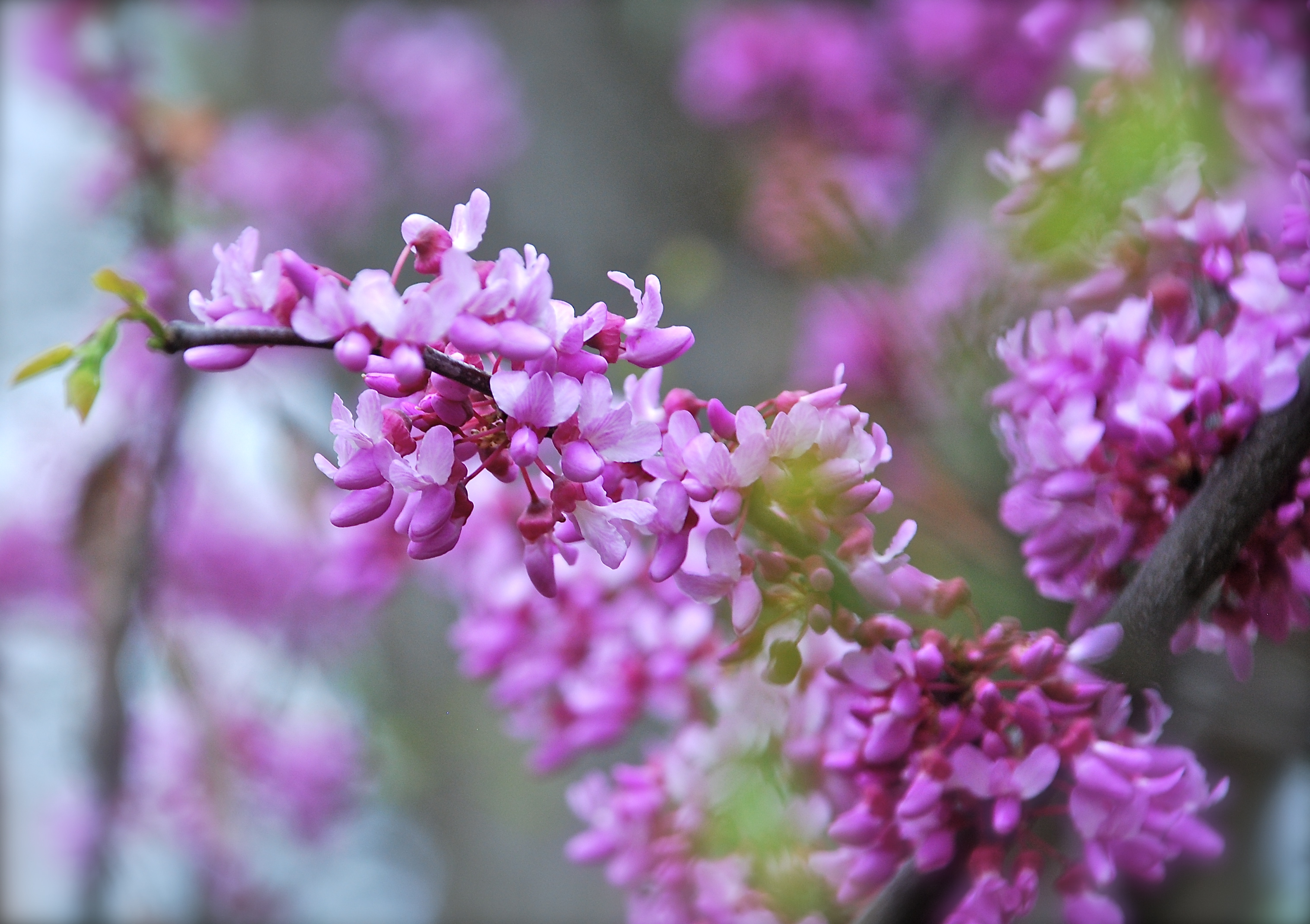
Springtime is so much “a showing forth of the mystery of God” that if one wants to know more of the Creator, all he/she needs do is pull up a chair in a garden and watch the year’s first season unfold.  Seeking the goodness of God and what He made by being still therein and listening to the Holy Spirit as well as Creation’s rhythms is a way of bringing the Heavenly Father closer.  In that nearness one is then able to look through eyes that recognize the depth of His and Creation’s  goodness.

And the LORD said, “I will cause all my goodness to pass in front of you, and I will proclaim my name, the LORD, in your presence. I will have mercy on whom I will have mercy, and I will have compassion on whom I will have compassion.  ~Exodus 33:19   ✝

23. Nature, like man, sometimes weeps for gladness. ~Anonymous

Rain! whose soft architectural hands
have power to cut stones, and
chisel to shapes of grandeur the very mountains.
~Henry Ward Beecher

Image

Each drop of rain is a powerful miracle, a miracle that falls between heaven and earth as it travels vast distances around earth’s surface.  It speaks so loudly of holiness that whenever it appears here, it never fails to draw me to itself.   Perhaps because somewhere in my memory’s oldest and deepest recesses there’s a vague in-utero recollection of the soothing nature of a watery beginning, a remembrance of a sacred mothering source.  When the first drops of rain hit the ground, especially after a long absence, they fall on my ears not unlike the chords of a beloved’s voice.  And after the rain, when the smell of wet soil and damp grass greet my nose, I “weep for gladness.”  The deliciousness of its return prompts the same urges I experienced in childhood.  What fun it would have been to have played in the rain and danced with wanton delight in the sloshy puddles beneath my feet had mom not forbid it.

All the water earth will ever have was granted us at the beginning of time.  In whatever form it falls to earth, be it rain, fog, frost, snow, or sleet, water is part of a divinely designed cycle to insure Creation’s continuance.  The holy water-bearers bring the stuff without which there is no life for it is the substance in which life is formed and the substance of which life is sustained.  As a part of the grand and holy design, falling waters move in never-ending circles to kiss the earth and return to the clouds.  Given that I can’t help but wonder how far each drop of moisture has traveled throughout the eons of time.  One thing of which I’m always certain though is that rain’s “soft architectural hands” were made by the soft Hands of He who made the earth and us.

I will send you rain in its season, and the ground will yield its crops and the trees their fruit.  Leviticus 26: 4   ✝

19. Let us love winter, for it is the spring of genius. ~Pietro Aretino

We need a renaissance of wonder.
We need to renew, in our hearts and in our souls,
the deathless dream, the eternal poetry, the perennial sense
that life is miracle and magic.
~E. Merrill Root

Image

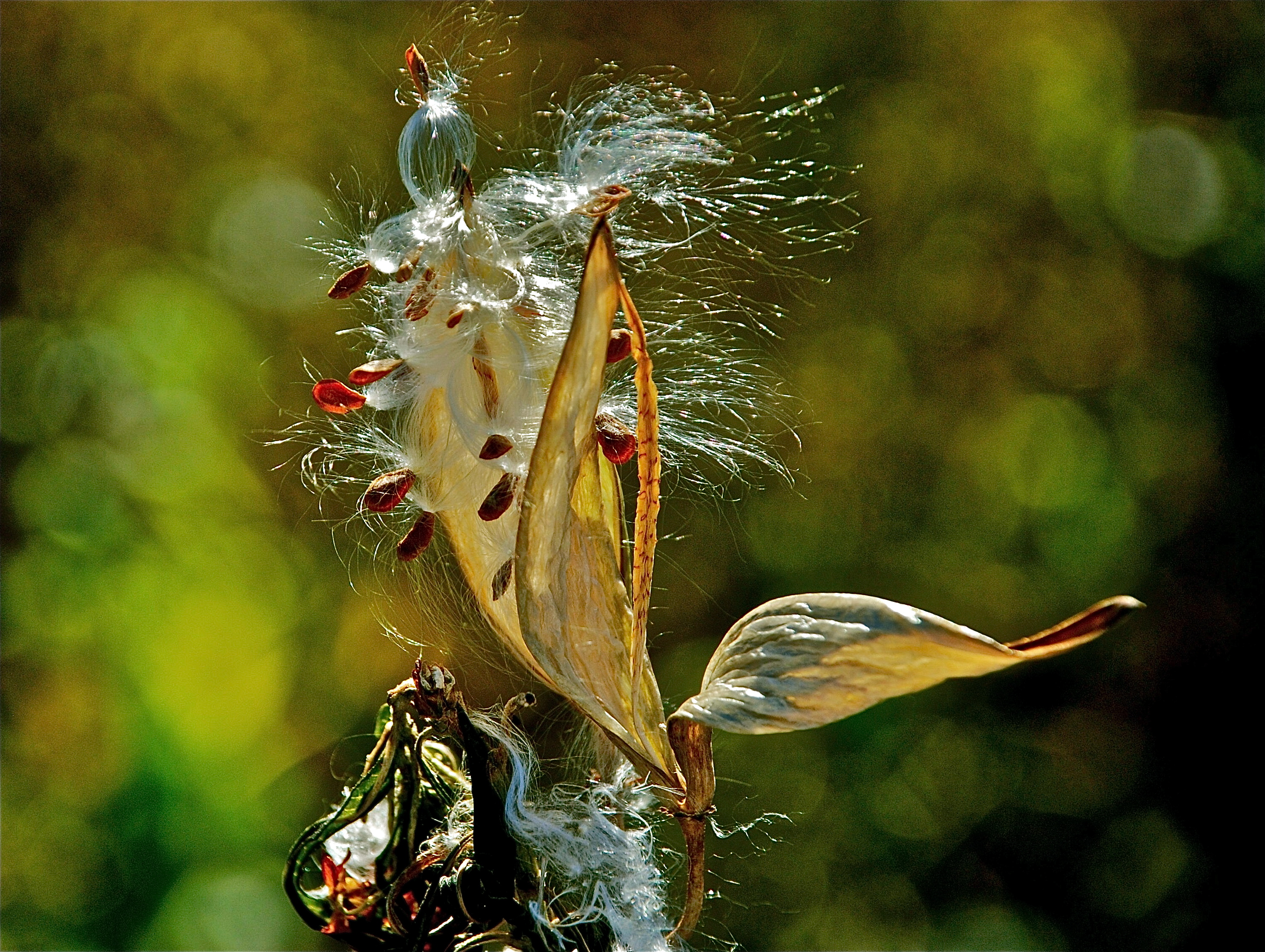
Since it is year’s end, we have entered the season of somber gardens, short days, low temperatures, and more-gray-than-blue skies.  The reckless abandon of the growing seasons has yielded to deepening winter’s, unadventurous restraint.  But, while looking out a window brings into view only the barrenness of winter, an actual venture out into its domain can expose wondrous sights like the seed pod in the photograph.  What a treat to see wondrous silken filaments that look like angel hair releasing seeds that are proof of a continuously running thread in Creation’s tapestry.  Such finds are tangible fragments of God’s imagination buried deep in the mystery of nature, and the aura of holiness that surrounds them often leaves onlookers amazed and awestruck.  These miraculous strands are the same kind of threads that govern the ceaseless ebbing and flowing of oceanic waves, the waxing and waning of the moon, the rising and setting of the sun, the birth and death of life forms, and the endless repetition of the seasons.

The most beautiful thing we can experience is the mysterious.
It is the source of all true art and all science.
He to whom this emotion is a stranger, who can no longer pause to wonder
and stand rapt in awe, is as good as dead: his eyes are closed.
~Albert Einstein

Rediscovering awe helps us appreciate the vast wonders of what the Creator’s mind imagined, what His words spoke, and what His hands created.  It bring us closer to God and restores our childlike joy and zeal for life.  The unfathomable mysteries of life are sacred benedictions; their blessings encourage us to stay in the Lord’s keeping and continue searching for His intent for our lives.

Who among the gods is like you, LORD?  Who is like you—majestic in holiness, awesome in glory, working wonders?  ~Exodus 15:11   ✝

**”if an object or expression can bring about, within us, a sense of serene melancholy and a spiritual longing, then that object could be said to be wabi-sabi.” “Wabi-sabi nurtures all that is authentic by acknowledging three simple realities: nothing lasts, nothing is finished, and nothing is perfect.”  The photo of the seed pod is a excellent example of Wabi Sabi.

6. There is pleasure in the pathless woods. There is rapture in the lonely shore. There is society where none intrudes. ~Lord Byron

She sat down in a weed patch, her elbows on her knees,
and kept her eyes on the small mysterious world of the ground.
In the shade and sun of grass blade forests,
small living things had their metropolis.
~Nancy Price

Image

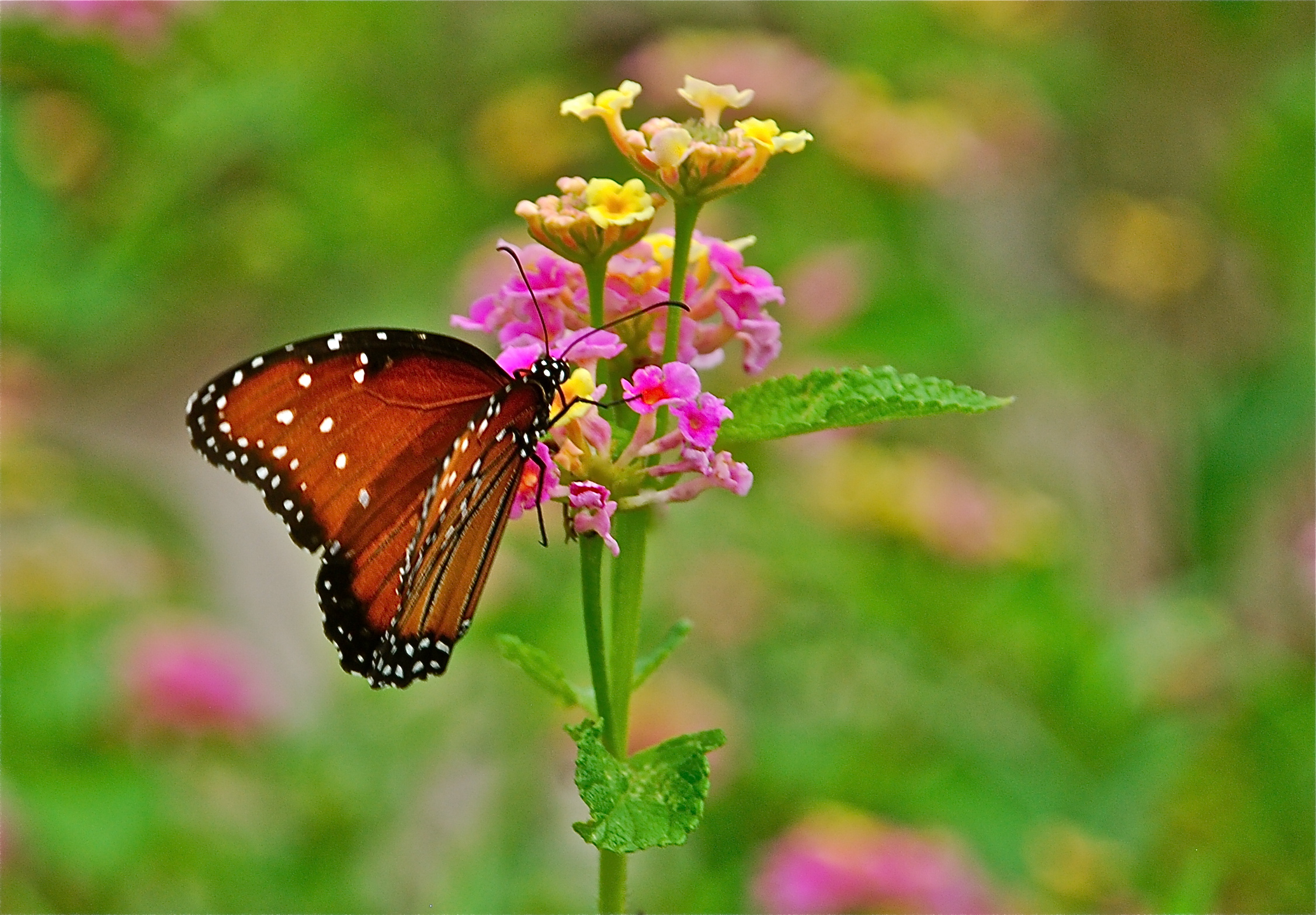
In and around blossoming things there is another mysterious metropolis.  This one is above the soil, and therein airborne things move around yearning to “possess the sweet of every flower that blooms.”  In that realm two simple equations are in place:  a) if there are no flowers there are no pollinators;  b)  if there are no pollinators there are no flowers, no fruits, no crops.  The hum or buzz of a pollinating agent and a flower’s blooming go hand in hand; together they commit reproductive acts of love as they dance the sacred dance of life orchestrated by the Lord.  In so doing they “remind us that there are other voices, other rhythms, other strivings, and other fulfillments. . .” in God’s grand plan.

Recently in a National Geographic snippet on the internet, the narrator remarked that present-day humanity is the recipient of a 400,000,000 year old legacy bequeathed by earth. Imagine that!  For all those years the sun has not failed to rise and set at its appointed time, fruits and crops have not failed to burst forth and ripen, and the earth has not failed to make its trip around the sun.  One season has followed another repeating the Genesis story over and over again as per the Lord’s plan.  Like the fruits and flowers and pollinators, our time here is very brief, and we who are fashioned by the same holy Hands as the sun and earth are no less adored and significant in our loving Father’s eyes.

There is a time for everything, and a season for every activity under the heavens. . .  ~Ecclesiastes 3:1   ✝

2. Thy bounty shines in autumn unconfined and spreads a common feast for all that live. ~James Thomson

Delicious autumn!
My very soul is wedded to it, and if I were a bird,
I would fly about the earth seeking the successive autumns.
~George Eliot, English novelist

Image

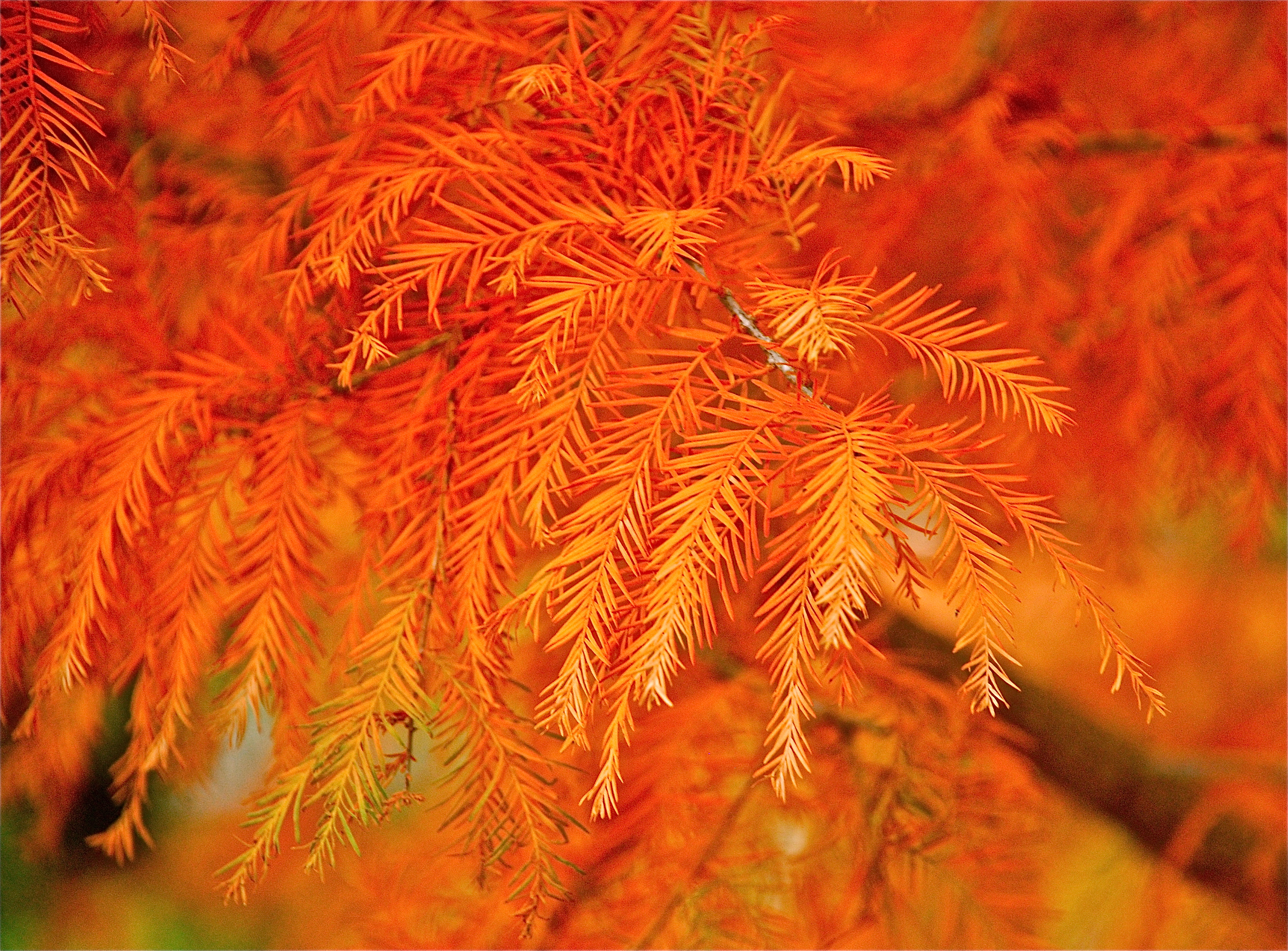
What’s not to love about a season that takes the focus off summer’s calamities by piling delectable hues back on nature’s palette?  It begins after the autumnal equinox when grasses, flowers, fruits, and berries begin weaving fabulous garlands in sacred temples bound by earth and sky.  Then as the days grow shorter, the torrid temperatures of summer lower and chilling winds descend from the north.  The nip in the air they create induces chemical changes in leaves, leaves that become more and more colorful as autumn’s days unfold.  The grand array of their colors conjures up magic shows on woody altars not only in autumnal forests but also in small towns and sprawling cities.  Later in the season blustery winds snap the parchment-like foliage off, and as the leaves fall, they swirl about in little eddies playing like jovial children.  When autumn’s skies are not shrouded by gauzy, gray clouds, they are swept clear revealing brilliance on the “brows of morn” and daytime hours drenched in deep, dreamy shades of blue.  Under such canopies pumpkins appear in fields, soon to be used in fall’s activities and feasts as well as for festive winter banquets.  Plumed grasses shift and sigh in renewed authorship of the ancient hymns of sacred earth making autumn a time to be silent as well as watchful.  As one Celtic teacher put it, Creation is “the grand volume of God’s utterance,” and what a lovely utterance it is!  Whenever and wherever one listens to the Word of God, be it in Creation or Scripture, be it in autumn or the other seasons, it gives the listener carte blanche to fall into a rhythm which calms the mind, soothes the spirit, and sheds light into the fabric of God’s heart.