24. Within the seed’s case a secret is held. Its fertile whisper shapes a song. ~Joan Halifax

When I see that first, miniscule, curled, pale
green wisp of a sprout poking up between a couple of
grains of vermiculite, I hear God speaking.
~June Santon
Image

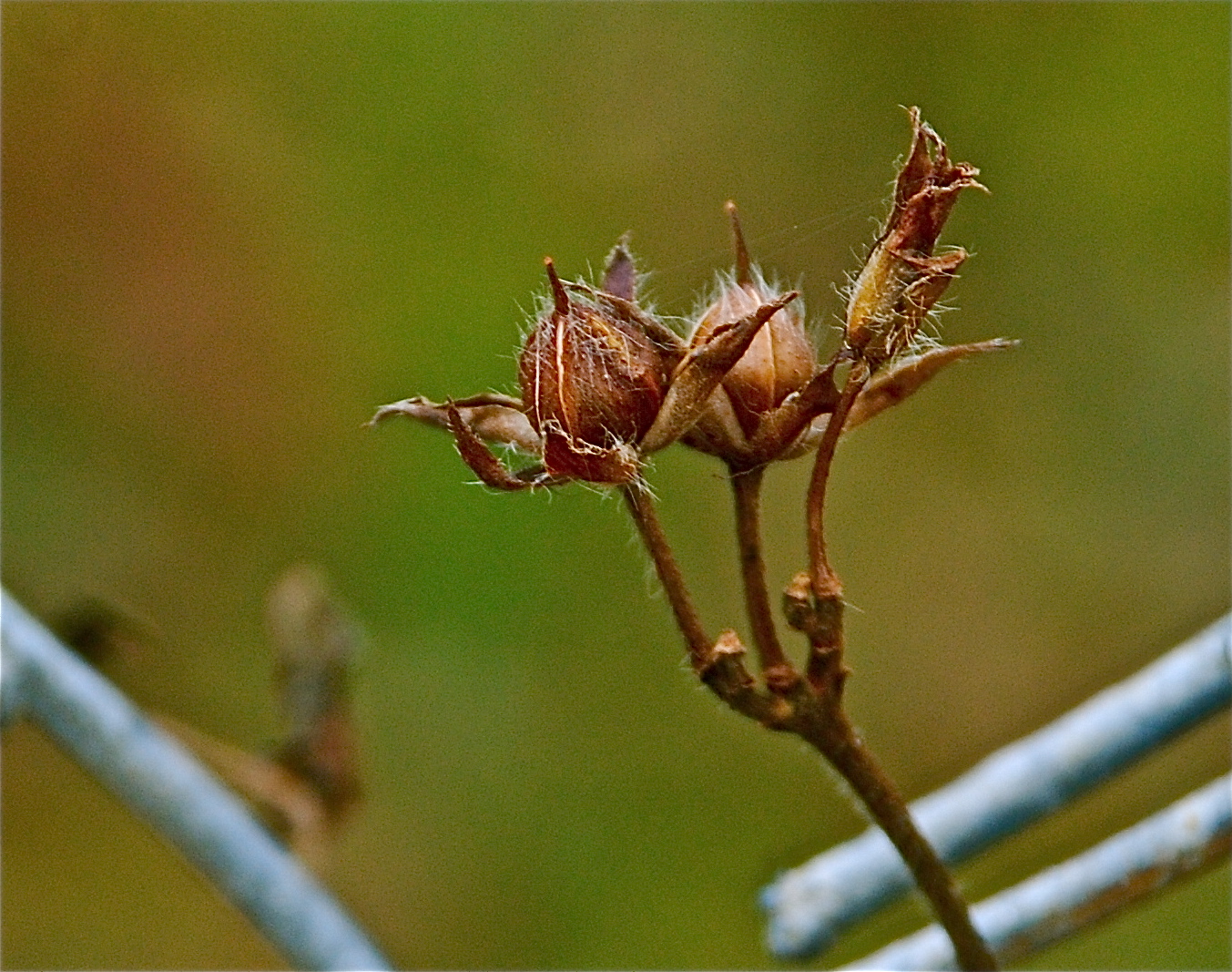
Seed plants date back about 365 million years ago to the Paleozoic era.  These wondrous pieces of antiquity vary greatly in size: the smallest being the dust-like seed of orchids and the largest, weighing as much at times as 50 pounds, being the fruit of the coco de mer, the double coconut palm.  A typical seed is composed of 3 basic parts: 1. an embryo, 2. a supply of nutrients for the embryo, and 3. a seed coat that protects the embryo from injury or from drying out.  Seeds have two points of growth, one which forms the stem of the plant and the other where the roots of the plant form.  Some seeds have wings or hairs and are dispersed by the wind.  Others are buoyant and float in rivers to the oceans and wash up on beaches; then there are those that are dispersed in various ways by animals.   Given the fascinating science of seeds, how they work and how tiny some of them are, how could one not hear fertile whispers from God in them.

Each seed, regardless of its size, is a sacred promise.  The dictionary defines a promise as: 1. a declaration that something will or will not be done or given, or as   2. an express assurance on which expectation is to be based, and seeds definitely declare what the Lord has done and given and what we as His children can expect.  Special mention of seeds and their promise is made on the 3rd day of the Genesis story where we can see that plants and trees are profuse manifestations of “this seed force.”  Plants and trees have been coming forth for millions of years and come forth yet.  During the unseen holy hours of nurturing, the “seed force” reaches down into the darkness of the earth’s “concealed depths” therein to be sustained by water.  In the Celtic tradition the moisture in earth’s soil is a “symbol of the waters of God that enfold and infuse all things.”  God’s goodness, deeper than any evil, then can be seen at the inception and very heart of life.  J. Philip Newell says that “everything that is born in the great matrix of life is sustained by roots that reach into the deep mystery of God’s life.”  The image which Newell’s words paint of all life reaching deep into God’s life is what, for many of us, shapes songs of joy and praise, for there is no more comforting, good, or safe place in the world than the heart of God!

As the rain and the snow come down from heaven, and do not return to it without  watering the earth and making it bud and flourish, so that it yields seed for the sower and bread for the eater, so is my word that goes out from my mouth: It will not return to me empty, but will accomplish what I desire and achieve the purpose for which I sent it.  ~Isaiah 55:10-11   ✝
19. Let us love winter, for it is the spring of genius. ~Pietro Aretino

We need a renaissance of wonder.
We need to renew, in our hearts and in our souls,
the deathless dream, the eternal poetry, the perennial sense
that life is miracle and magic.
~E. Merrill Root

Image

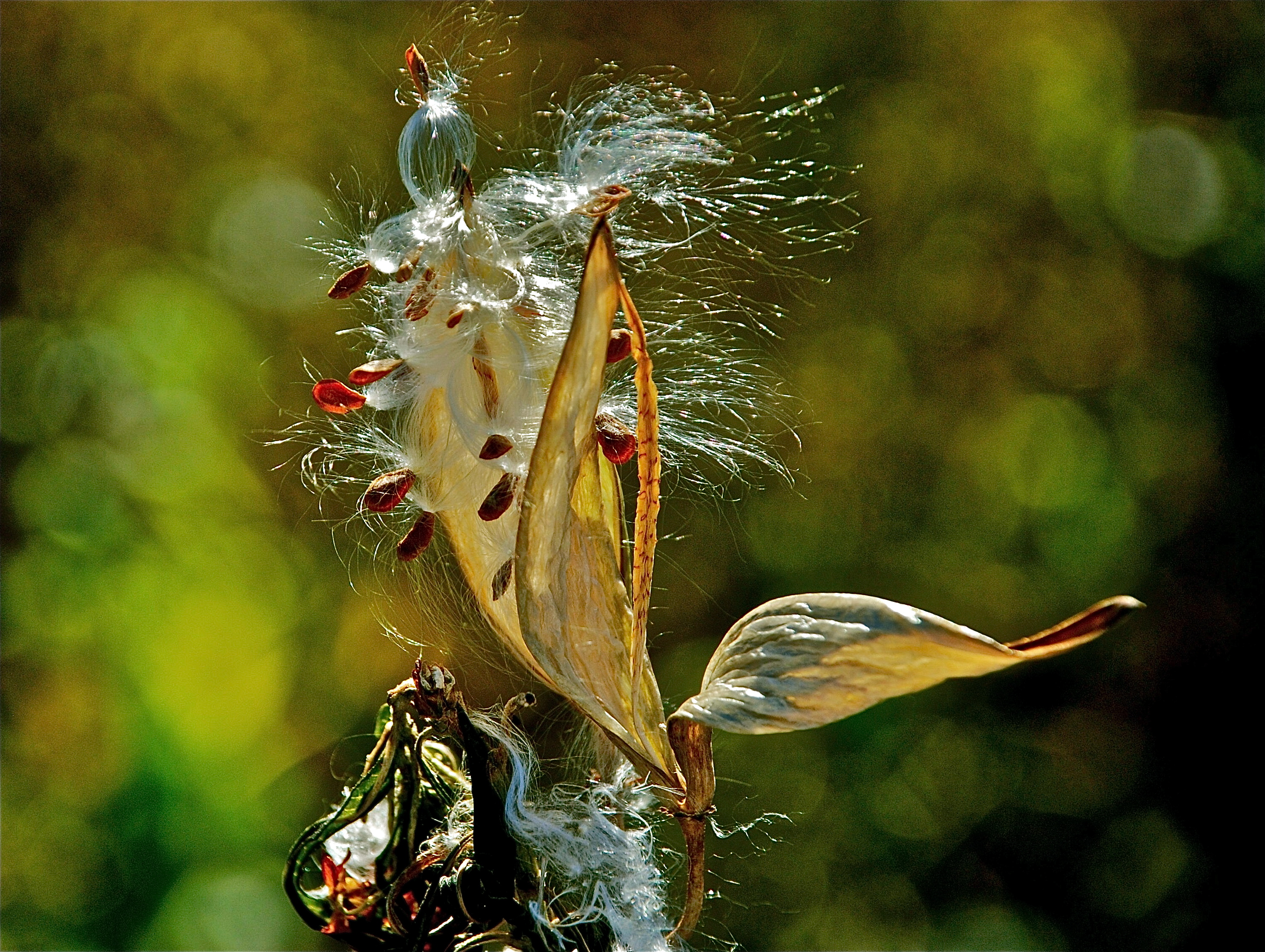
Since it is year’s end, we have entered the season of somber gardens, short days, low temperatures, and more-gray-than-blue skies.  The reckless abandon of the growing seasons has yielded to deepening winter’s, unadventurous restraint.  But, while looking out a window brings into view only the barrenness of winter, an actual venture out into its domain can expose wondrous sights like the seed pod in the photograph.  What a treat to see wondrous silken filaments that look like angel hair releasing seeds that are proof of a continuously running thread in Creation’s tapestry.  Such finds are tangible fragments of God’s imagination buried deep in the mystery of nature, and the aura of holiness that surrounds them often leaves onlookers amazed and awestruck.  These miraculous strands are the same kind of threads that govern the ceaseless ebbing and flowing of oceanic waves, the waxing and waning of the moon, the rising and setting of the sun, the birth and death of life forms, and the endless repetition of the seasons.

The most beautiful thing we can experience is the mysterious.
It is the source of all true art and all science.
He to whom this emotion is a stranger, who can no longer pause to wonder
and stand rapt in awe, is as good as dead: his eyes are closed.
~Albert Einstein

Rediscovering awe helps us appreciate the vast wonders of what the Creator’s mind imagined, what His words spoke, and what His hands created.  It bring us closer to God and restores our childlike joy and zeal for life.  The unfathomable mysteries of life are sacred benedictions; their blessings encourage us to stay in the Lord’s keeping and continue searching for His intent for our lives.

Who among the gods is like you, LORD?  Who is like you—majestic in holiness, awesome in glory, working wonders?  ~Exodus 15:11   ✝

**”if an object or expression can bring about, within us, a sense of serene melancholy and a spiritual longing, then that object could be said to be wabi-sabi.” “Wabi-sabi nurtures all that is authentic by acknowledging three simple realities: nothing lasts, nothing is finished, and nothing is perfect.”  The photo of the seed pod is a excellent example of Wabi Sabi.

11. The moment one gives close attention to anything,
even a blade of grass, it becomes a mysterious, awesome,
indescribably magnificent world in itself. ~Henry Miller

Each blade of grass has its spot on earth whence it draws its life,
its strength; and so man is rooted to the land
from which he draws his faith together with his life.
~Joseph Conrad

DSC_0026

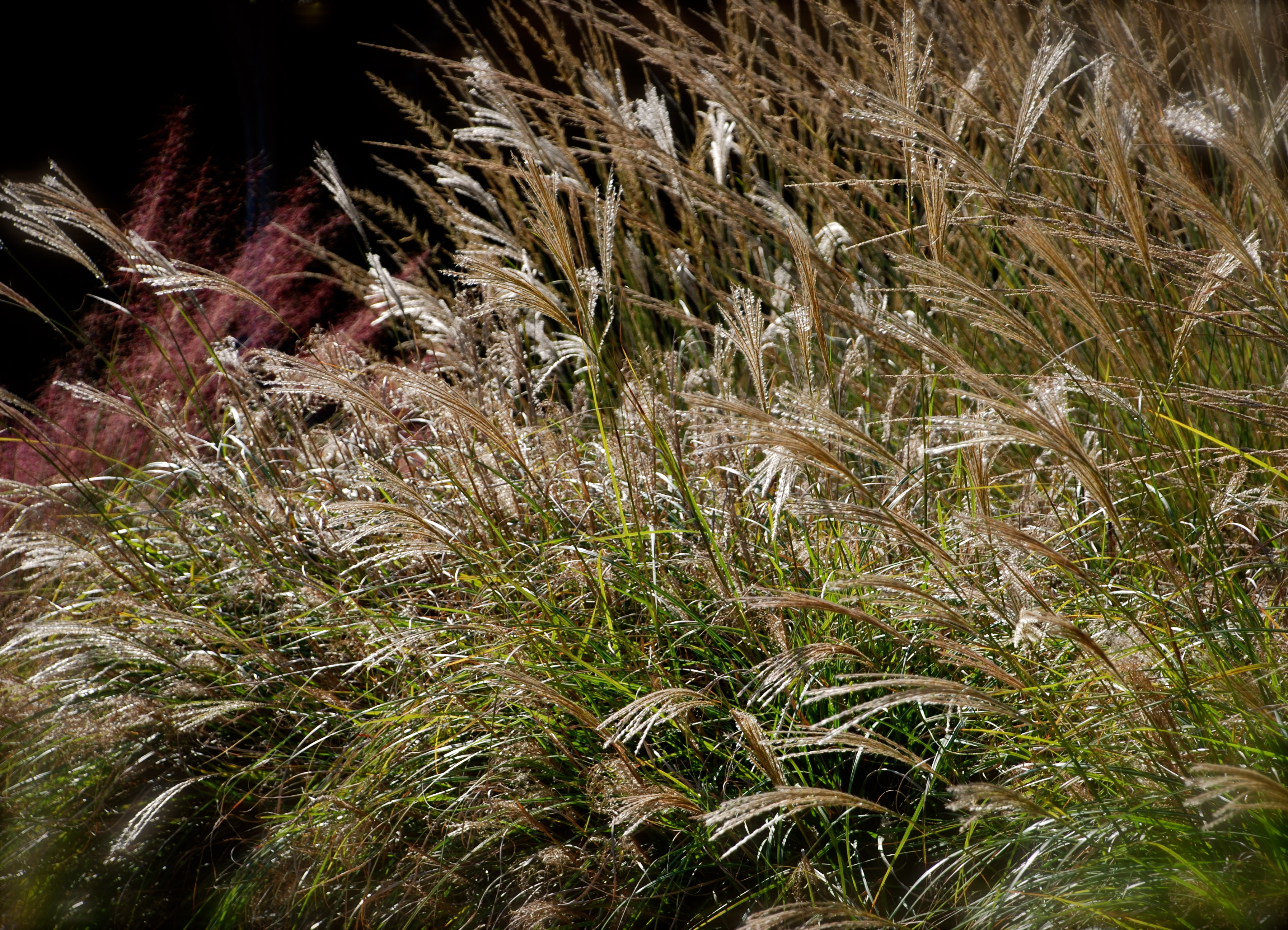
Against the backdrop of autumn’s falling leaves ornamental grasses shift and sigh adding an ethereal element to the landscape.  With airy flower panicles, fluffy seed plumes, and striking seed heads ornamental grasses provide charming “fringe accents” in yards and gardens. Even after the onslaughts of freezing temperatures, grasses continue to grace the landscape with beauty.  They add subtle colors, assorted textures, and the dimensions of motion and sound.  Throughout winter’s “vale of grief,” they capture and play with whatever light is available and in so doing speak of life and give us something “that glimmers in the sleep of things.” The “music” of their swishing and swaying reminds us that what’s happening isn’t an ending but merely a transition for the next beginning.

In a poetic conversation with the Lord, Edna St. Vincent Millay said, “God, I can push the grass apart and lay my finger on Thy heart.”  A Quaker and itinerant preacher named Elias Hicks wrote that “the fullness of the godhead dwelt in every blade of grass.”  And Thomas Carlyle, a Scottish writer, asked, “To us also, through every star, through every blade of grass, is not God made visible if we will open our minds and our eyes.”  These writers, like me, realize that man was meant to be “rooted to the land and therefore to God.”  But, the “umbilical cord” that connects all humanity to Creation and God seems, for many, to have been severed.

The Lord, however, refuses to remain separated or removed from that which He has made.  In an effort to reconnect people to the land and to provide healthier food, many neighborhoods are finding places to build community gardens.  More and more people are getting involved in caring for the land in these communal plots.  Also many schools across the nation are incorporating habitat gardens into the learning experiences of their students, and we are seeing a rise in “hobby farms” where retired professionals have started a second career as a hobby farmer or others who are still working are spending their spare time on their own small farm.

You care for the land and water it; You enrich it abundantly.  The streams of God are filled with water to provide the people with grain, for so You have ordained it.   You drench its furrows and level its ridges; You soften it with showers and bless its crops. You crown the year with Your bounty, and Your carts overflow with abundance.  The grasslands of the wilderness overflow; the hills are clothed with gladness.  The meadows are covered with flocks and the valleys are mantled with grain; they shout for joy and sing.  ~Psalm 65:9-13   ✝