179. November’s sky is chill and drear, November’s leaf is red and sear. ~Sir Walter Scott

Pleasures lie thickest where no pleasures seem:
There’s not a leaf that falls upon the ground
But holds some joy of silence of sound,
Some spirits begotten of a summer dream.
~Laman Blanchard

Image

The first Sunday of November had been running out like slow, thick molasses as deepening autumn’s shades of gray hung on it like a shroud.  Even the flocks of busying birds and the foraging squirrels succumbed, as did I, to the hypnotic laziness of the day’s dark, engulfing gloom.  However, things became a little livelier for a time late in the day when the cement on the patio became a dance floor filled with tiny rain-drop dancers jitterbugging to the short-lived “drippy” rhythms.  After the rainy spell light broke briefly through the clouds, and it was enough to highlight a few colorful leaves and a potted petunia.  Together those two sights interjected a touch of color while the wrought-iron furniture that glistened in the light added a bit of beaded elegance to the drab scene.  How sweetly even a token display of earth’s delights can thrill this observer!

Surely then you will find delight in the Almighty and will lift up your face to God.  ~Job 22:26  ✝

153. The soul would have no rainbow had the eyes no tears. ~John Vance Cheney

The flower offered of itself
And eloquently spoke of God
In languages of rainbows
Perfumes,
And secret silence. . .
~Phillip Pulfrey, photographer, painter, and poet

Image

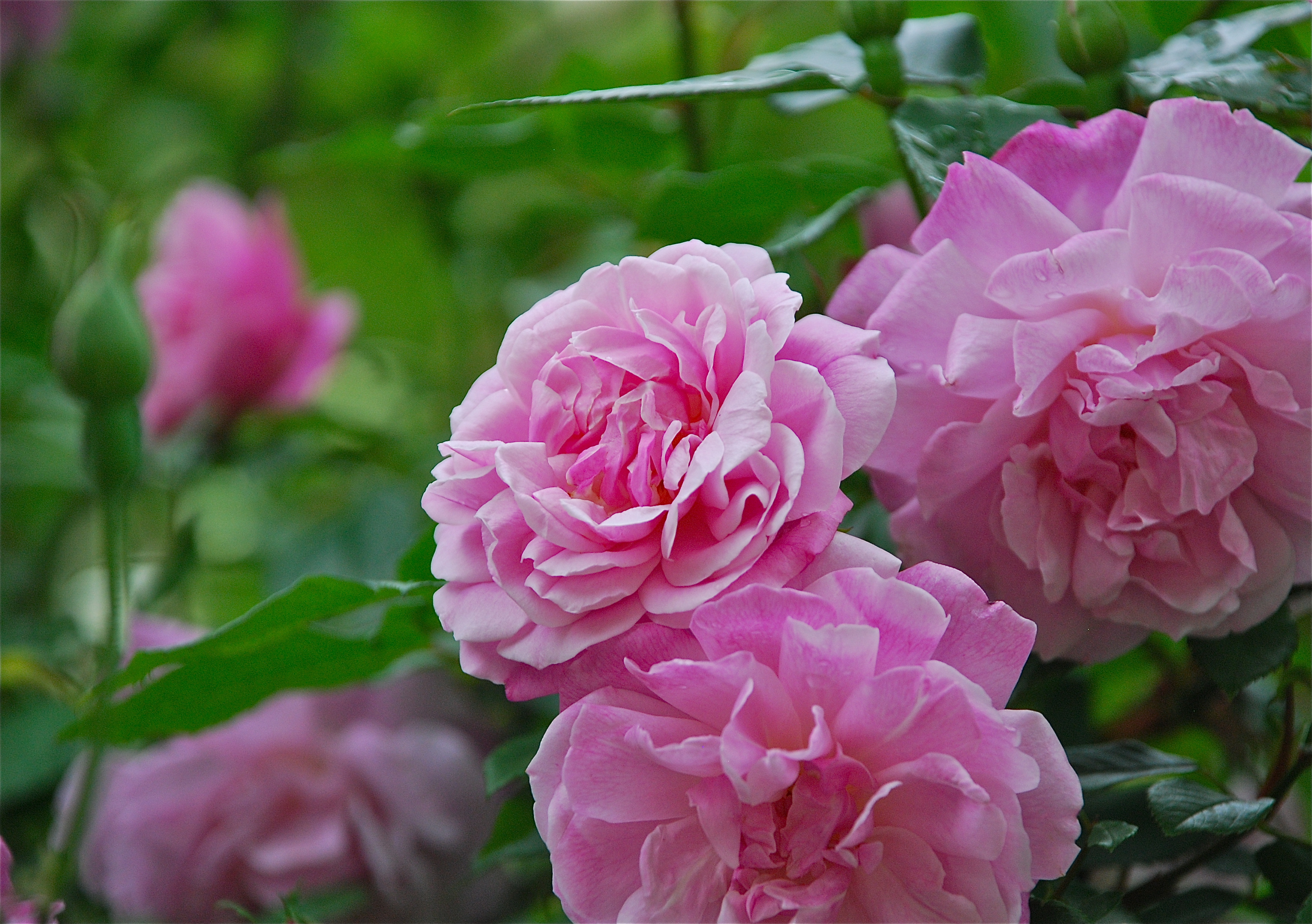
Almost comically what brought roses to Texas began with a “slow boat to China,” as it were.  The Chinese had been cultivating roses for over 5,000 years. Then during the early 19th century, ships of the East India Company brought the repeat-blooming China roses from the Orient to Europe.  Once there the Europeans bred the China roses with their once-blooming roses.  Eventually progeny of the old China roses, the once-blooming European roses, and their hybrids were brought to the Americas by the early settlers.  However as time passed, the public grew to have a greater desire for the more modern roses, and nurseries stopped offering old roses.  Thankfully in the last couple of decades there has been resurgence of interest in the old garden roses, and they are readily available to the public again.  In my garden most of the 70+ roses I’ve planted are roses of antiquity.  I’ve found that they are much hardier, and I love wondering what roads they must have traveled to get here, but the best part is that in every season my old garden roses speak to me more and more distinctly of God, His love, and His faithfulness that can be seen in His rainbows.

I have set my rainbow in the clouds, and it will be the sign of the covenant between me and the earth.  -Genesis 9:13    ✝

*In the photo is the China Rose named, among other things, “Old Blush.”  She is one of the most famous of the China roses and an important parent of literally thousands of other roses.  She is generally accepted as the first East Asian rose cultivar to reach Europe.

137. Silence is the universal refuge…a balm to our every chagrin. ~Henry David Thoreau

Soon silence will have passed into legend.
Man has turned his back on silence.
Day after day he invents machines and devices
that increase noise and distract humanity
from the essence of life. . .
~Jean Arp, French sculptor, painter, and poet

Image

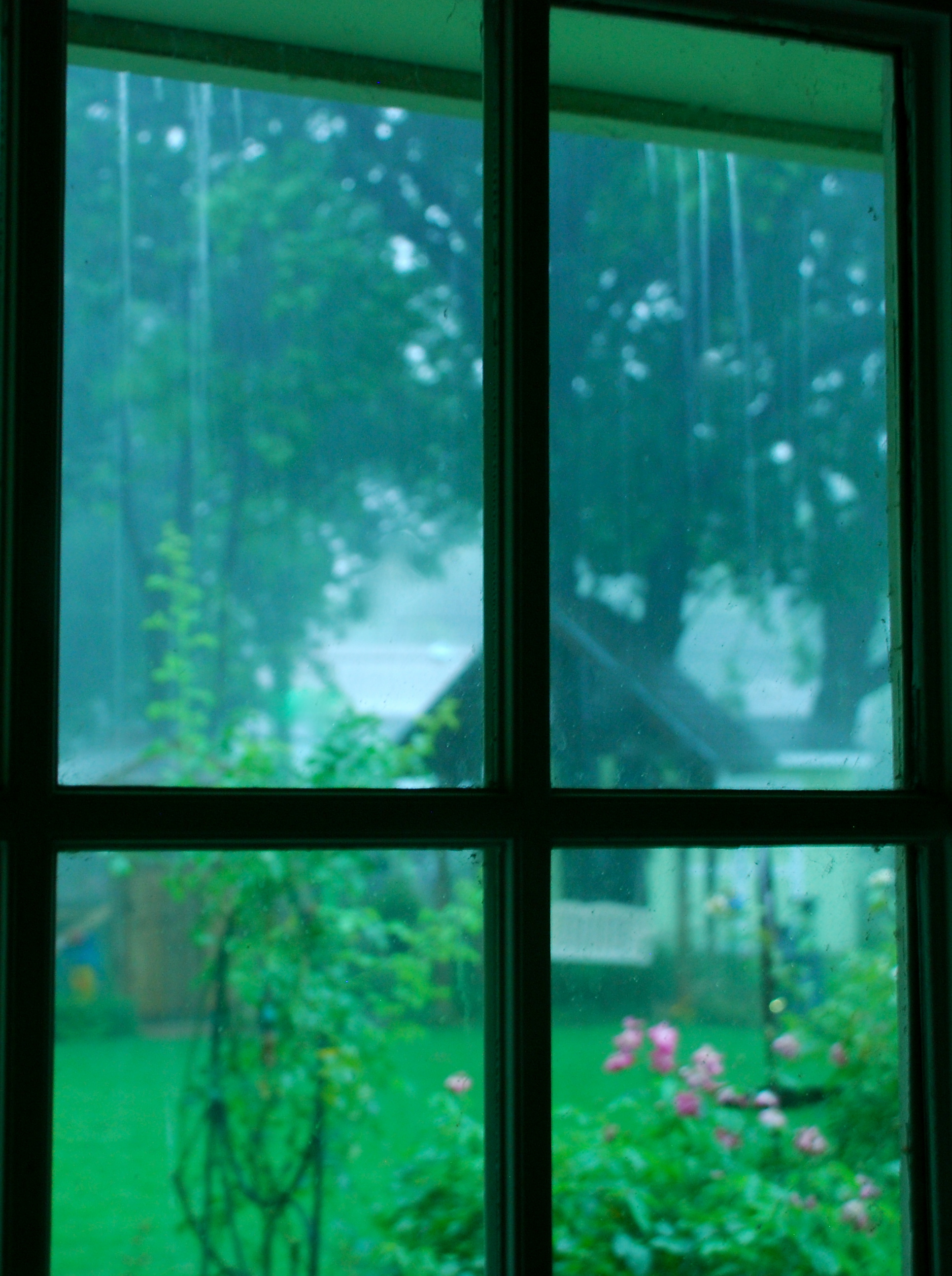
We see patterns of stillness and silence in the natural world.  Day gives way to night, fruitfulness gives way to fallowness, bodies give way to fatigue.  However, in today’s noisy culture, there exists an almost obsessive tendency toward unending busyness.  Rest and yielding to silence has for many become a forgotten art or at best difficult.  But on days like today, in the midst of the noise a profound silence can be found in rain, and in that silence some seem still to be able to hear the slowing voice of quietude.  And I find that if one takes time to sit, listen, and watch the rain, an ancient holy voice has a way of pulling him/her into a deep peacefulness.  What’s more if the listener seeks a way to come back again and again to that quiet place, an intimate relationship begins to form.  Mother Teresa once said, “We need to find God, and he cannot be found in noise and restlessness.  God is the friend of silence.  See how nature – trees, flowers, grass – grows in silence; see the stars, the moon and the sun, how they move in silence. . .We need silence to be able to touch souls.”

“Be still, and know that I am God; I will be exalted among the nations, I will be exalted in the earth.”  -Psalm 46:10    ✝

22. Until one has loved an animal, a part of one’s soul remains unawakened. ~Anatole France

Most cats do not approach humans recklessly.
The possibility of weapons, clods, or sticks
tend to make them reserved. . .
Much ceremony must be observed,
and a number of diplomatic feelers put out,
before establishing a state of truce.
~Lloyd Alexander

Image

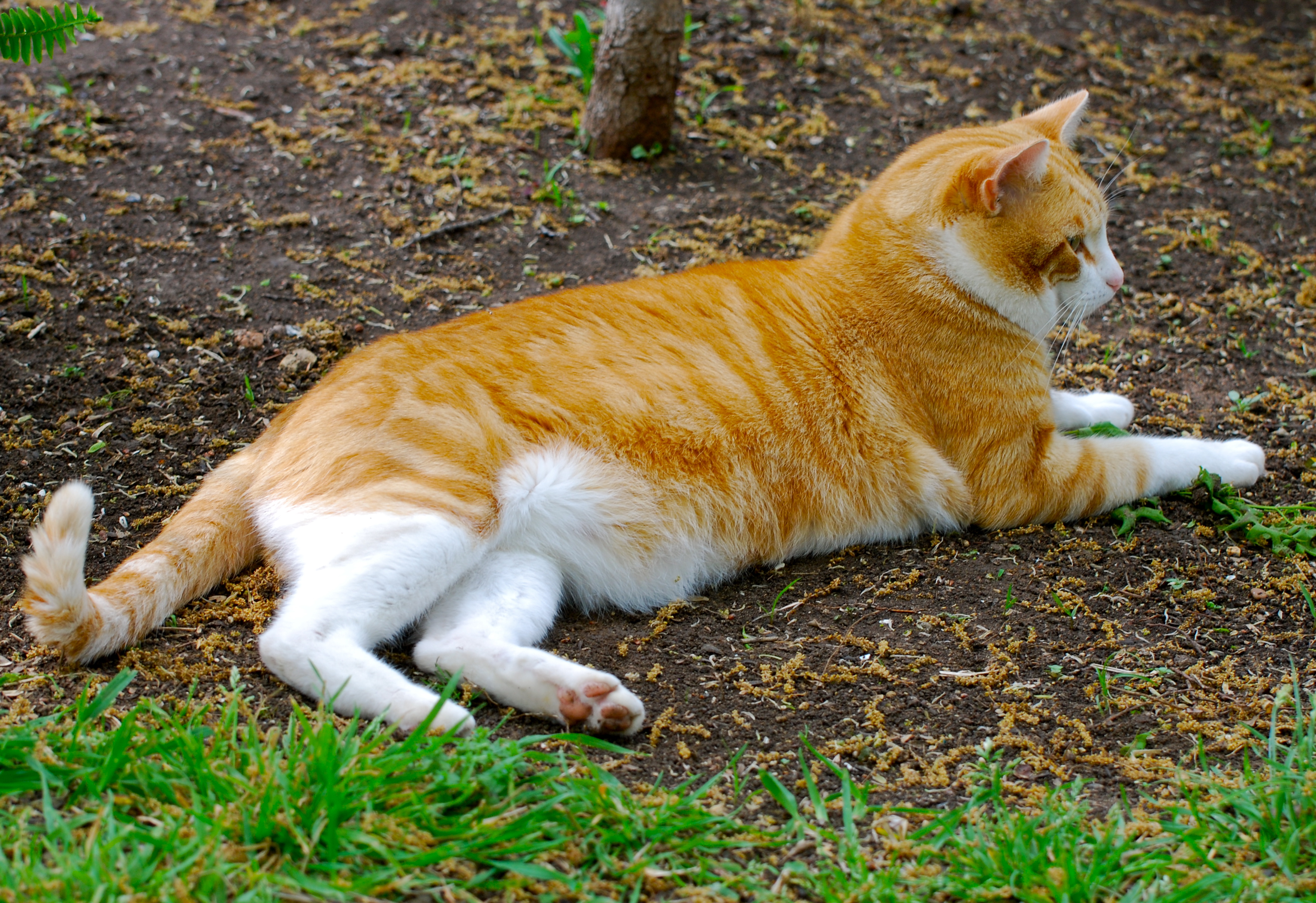
A beautiful stray cat came into our world some time back, and slowly but surely we managed to earn some of his trust.  From his size at the time he started coming into our yard we decided he was about a year old, and from his behavior it was apparent he had had some unfriendly encounters with humans.  However, as time went on he seemed to take more and more of a liking to us, and eventually he chose to stay in our yard most of the time.  As he became more accustomed to our presence, he started letting us get close enough to pet him.  Then one day he began loving us back in the way that feral cats do, but the exchanges were always done with that predictable element of guarded caution.  For example when I’d be out working in the yard, he’d follow me wherever I went and throw himself down to nap while I worked, but he never fell so fast asleep or got so close that he couldn’t make a fast get away if need be.  As the months passed he became more accepting of us, so much so that he followed me into my studio one afternoon and napped there.  Subsequently that became a daily thing, and he would even remain there on cold, cold nights.  After that winter, we were so in hopes he would one day let us pick him up and get him in a carrier to go to the vet’s for his shots and neutering.  Sadly though his trust fell just short of that.

The cat clawed its way into my heart
and wouldn’t let go. . .
When you’re used to hearing purring
and suddenly it’s gone, it’s hard to silence
the blaring sound of sadness.
~Missy Altijd

For a short period of time this yellow cat we named Beastie called our yard his home. We had managed to establish “a state of truce” with him, but as it turned out it was never going to be a complete surrender.   One day the call of the wild became much stronger than the call of the safe and secure.  The first time he left us, he was only gone for 6 days, but then he left again the next day for another 5 days.  After the third departure we never saw him again.  What became of our little feline friend we’ll never know.

Give sorrow words;
the grief that does not speak
whispers the o’er fraught heart
and bids it break.
~William Shakespeare

When Beastie disappeared for good, he took pieces of my heart with him, and if I hadn’t given my grief to words, as Shakespeare suggests, I fear my “fraught” heart would have broken and all its chambers flooded with tears.  Jean Burden was right when she said, “Prowling his own quiet backyard or asleep by the fire, a cat is still only a whisker away from the wilds.”  The Beast Man was never far from his feral beginnings, and when the wild called, he could do naught but answer.  Agnes Repplier summed it up best when she said, “it’s impossible to banish these alert, gentle, and discriminating little friends, who give us just enough of their regard and complaisance to make us hunger for more.”  Indeed, I have hungered for more ever since; in fact I’m still hungering and hurting because there’s no more of his sweet life to be shared.  My big backyard that I love so much seems like an empty and lonely place without that “silly” yellow cat to keep me company.  He was a confidant and consultant in my garden dreams and schemes, and I was his protector from pesky mockingbirds wanting to keep him from their nests and from any and all suspicious human interlopers.  I know I need to put this behind me and move on, but it has been a long time since grief has had so heavy a hold on my heart.  There was just something compelling and charming about that sweet boy, and he, a cherished presence too soon lost, will be forever missed.

8. the sky has broken and the earth sea-washed is all diamond ~Kenneth White

Grace comes into the soul, as the morning sun into the world;
first a dawning, then a light,
and at last the sun in his full and excellent brightness.
~Thomas Adams

Image

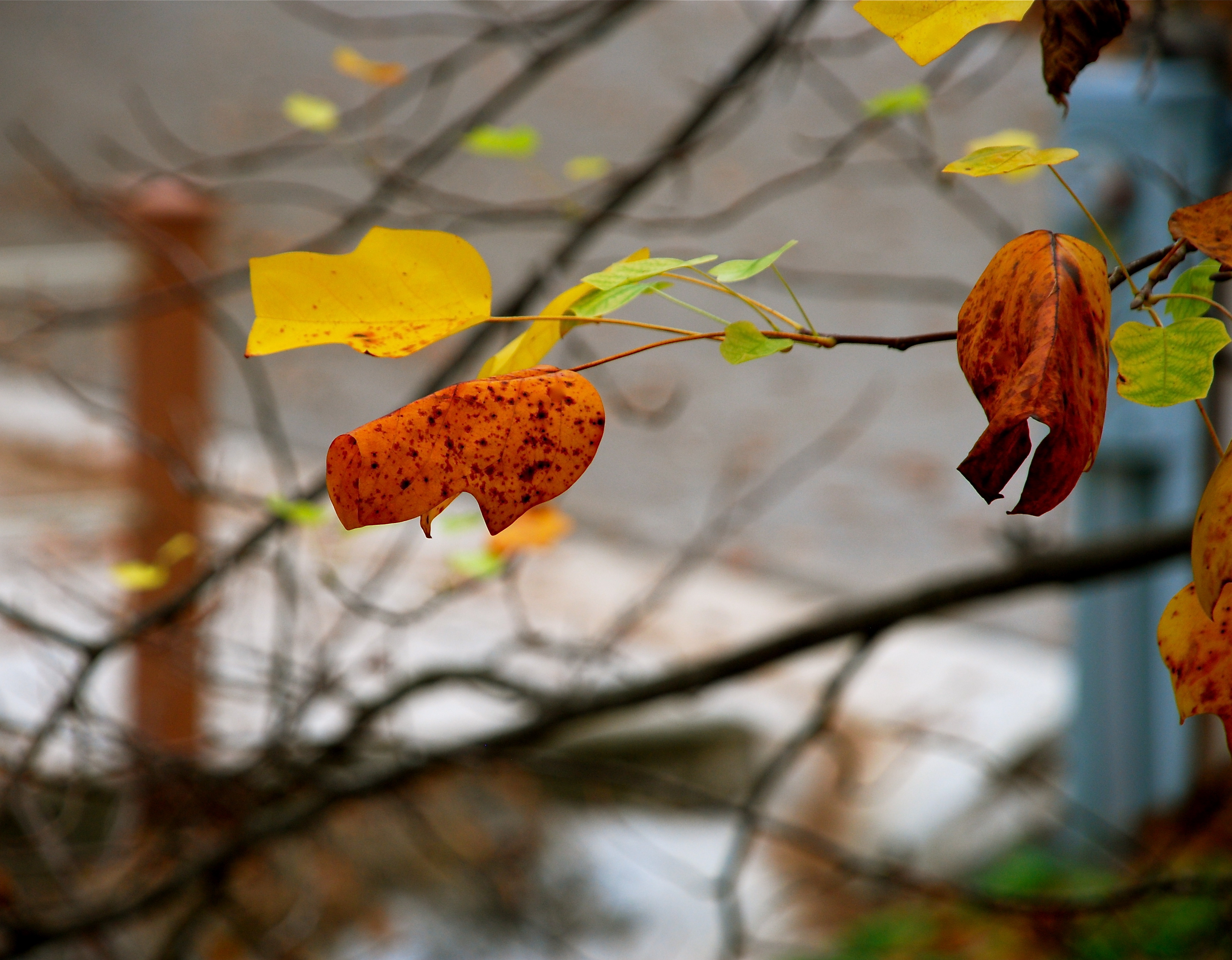
There is a sort of pregnant pause at the exact moment light splits the darkness.  It’s a brief moment in which all creation seems to bow in a great and reverent silence.  It’s as if all those who witness the light’s return praise the Holy Feet on which it comes.  From my window I see this gladsome response as birds lift up and take to wing and as the squirrels leap high in the trees before the deliberate busyness of their respective days begin.  Could it be then that our first response should be to celebrate the gift of the new day and thank its Holy Giver before ere we begin anew.  It was certainly so with the Celts who believed creation was not simply just a gift, but also “a self-giving of God whose image was to be found deep within all living things.”  Why then isn’t that the order of the day in our world?  Perhaps it’s because modern man lives so far away from the natural world that he feels little to no reverence for Creation and therefore has become alienated from God’s living presence.  J. Philip Newell put it this way, “divorced from the brilliance of the first day man lives in a type of exile from his true self and what is deepest in creation.”  He explains further that in this exile, he chooses to ignore the yearning for the light that stirs within himself and chooses instead to follow life’s superficial distractions.

But ask the animals, and they will teach you, or the birds of the air, and they will tell you. . .  ~Job 12:7   ✝