154. “Just living is not enough,” said the butterfly, “one must have sunshine, freedom, and a little flower.” ~Hans Christian Andersen

Bees sip honey from flowers
and hum their thanks when they leave.
The gaudy butterfly is sure that
the flowers owe thanks to him.
~Rabindranath Tagore
Image

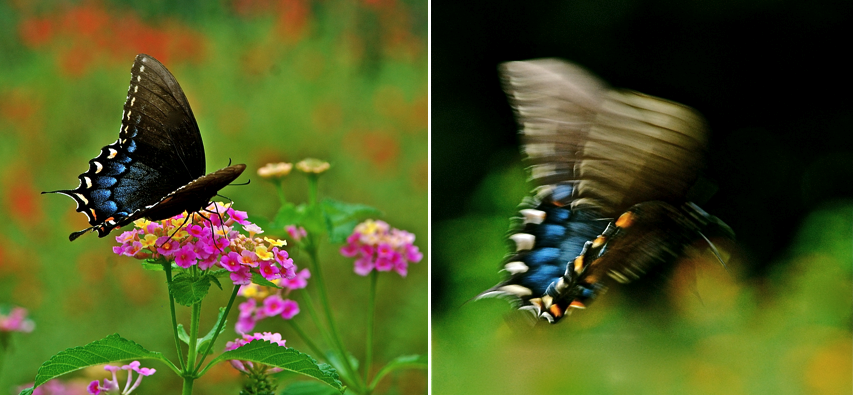
Could there be a more mesmerizing or glamorous creature than the butterfly?  No matter where I am or what I’m doing, the winged beauties stop me in my tracks.  Envious of their dance and fascinated by the way they feed, I watch in awe as they gracefully float from one flower to another.  On this particular trip to our local Botanic gardens, I was thrilled to get a pretty good shot of a swallowtail in flight.  As you can see, butterflies are beautiful even when their likenesses are blurred.  Butterflies, often described as self-propelled or flying flowers, have long been venerated all over the world.  We see a variety of artistic depictions of them in many cultures, including the 3500-year-old ones on Egyptian hieroglyphs.  They are also the darlings that inspired the images of “butterfly fairies” both in art and as fictional characters in stories.  They have been used as well as symbols of God’s favor, good luck, the human soul, love, and rebirth.  Simply put, they are to the world of insects what the rose is in the world of flowers–incomparably beautiful.
How sweet are Your words (Lord) to my taste, sweeter than honey in my mouth.  ~Psalm 119:103  ✝

153. The soul would have no rainbow had the eyes no tears. ~John Vance Cheney

The flower offered of itself
And eloquently spoke of God
In languages of rainbows
Perfumes,
And secret silence. . .
~Phillip Pulfrey, photographer, painter, and poet

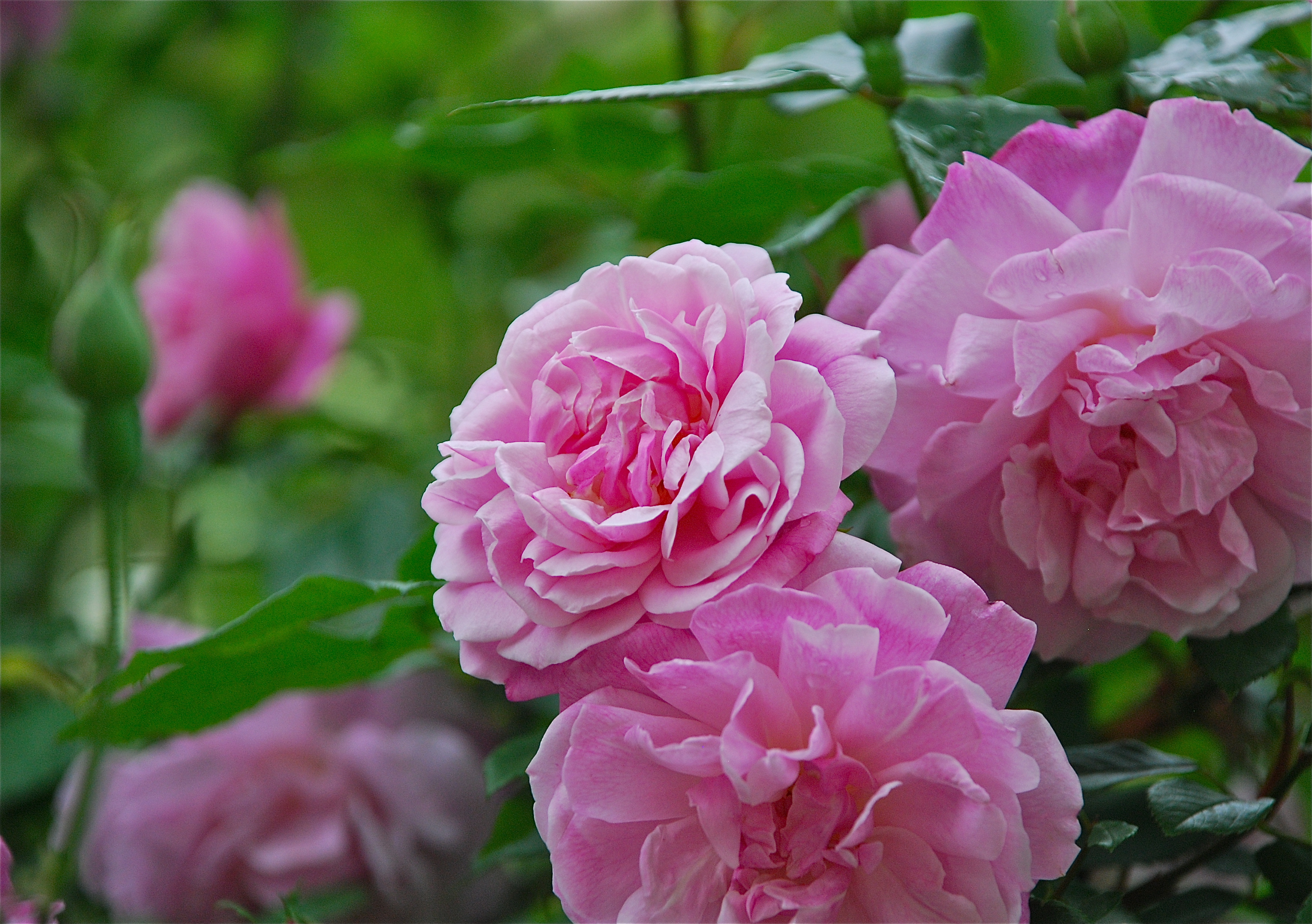
Image

Almost comically what brought roses to Texas began with a “slow boat to China,” as it were.  The Chinese had been cultivating roses for over 5,000 years. Then during the early 19th century, ships of the East India Company brought the repeat-blooming China roses from the Orient to Europe.  Once there the Europeans bred the China roses with their once-blooming roses.  Eventually progeny of the old China roses, the once-blooming European roses, and their hybrids were brought to the Americas by the early settlers.  However as time passed, the public grew to have a greater desire for the more modern roses, and nurseries stopped offering old roses.  Thankfully in the last couple of decades there has been resurgence of interest in the old garden roses, and they are readily available to the public again.  In my garden most of the 70+ roses I’ve planted are roses of antiquity.  I’ve found that they are much hardier, and I love wondering what roads they must have traveled to get here, but the best part is that in every season my old garden roses speak to me more and more distinctly of God, His love, and His faithfulness that can be seen in His rainbows.

I have set my rainbow in the clouds, and it will be the sign of the covenant between me and the earth.  -Genesis 9:13    ✝

*In the photo is the China Rose named, among other things, “Old Blush.”  She is one of the most famous of the China roses and an important parent of literally thousands of other roses.  She is generally accepted as the first East Asian rose cultivar to reach Europe.

148. If the sight of blue skies fills you with joy, if a blade of grass springing up in the fields has the power to move you, if the simple things in nature have a message you understand, rejoice, for your soul is alive. ~Eleanora Duse

Every vine climbing and blossoming
tells of love and joy.
~Robert G. Ingersoll

Image

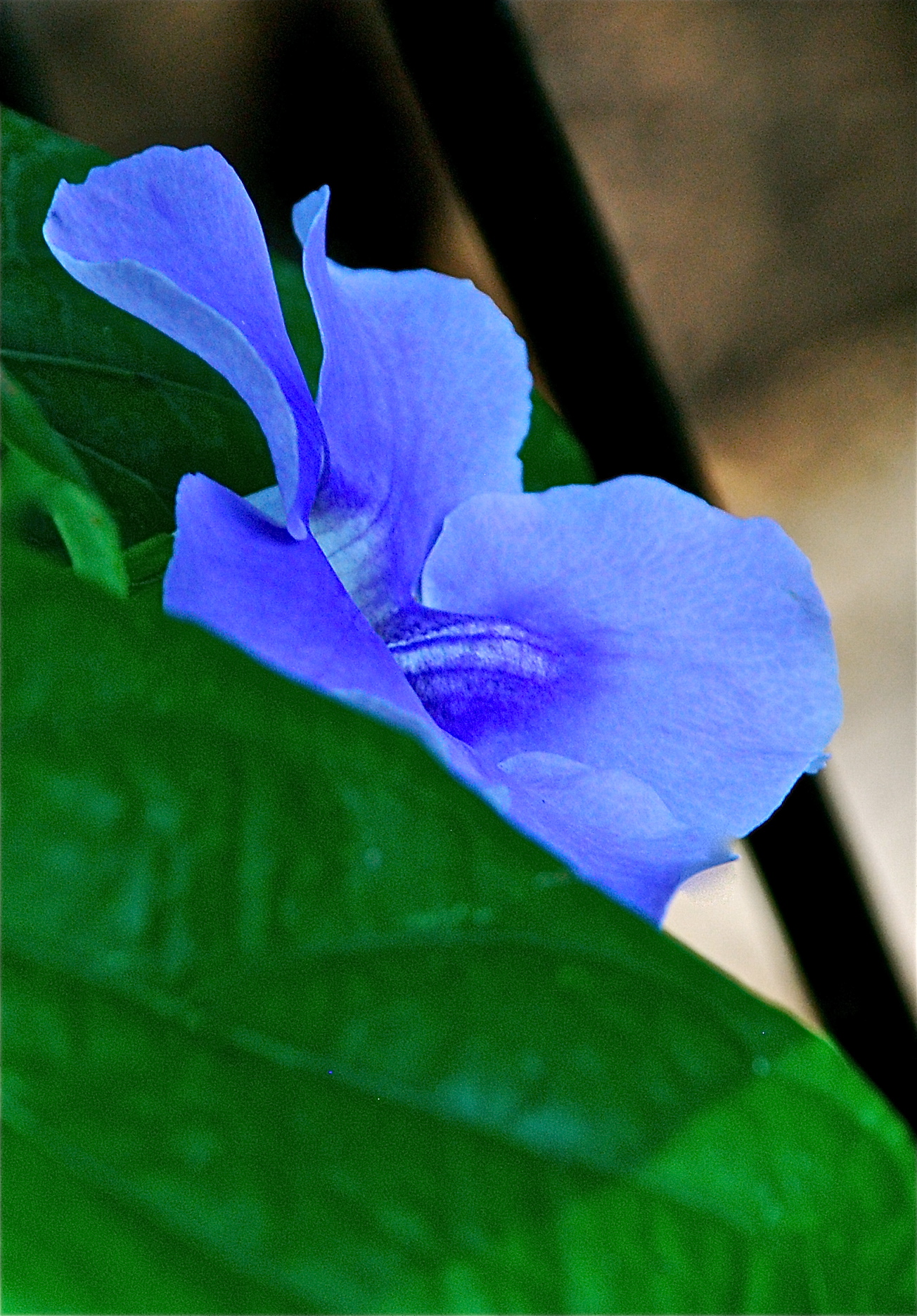
If your soul is indeed alive, you come to realize that like all else in Creation, vines tell also of the nearness of God and the way that He wraps His arms around His children in order to keep them close to Him.  Simply put, whether acknowledged by all or not, mankind is inextricably linked to the Maker of heaven and earth, and because of His supporting and sustaining provisions our souls are eventually drawn into His holy web of life and the Light.  C. S. Lewis said that “Jesus was either a liar, a lunatic, or who He said He was.”  Mr. Lewis’ soul and mine have trusted Jesus to be who He said He was.   Thus I rejoice when He, the Messiah,  tells me:

“I am the bread of life.”
“I am the light of the world.”
“I am the gate for the sheep.”
“I am the good shepherd; the good shepherd gives his life for the sheep.”
“I am the resurrection, and the life.”
“I am the way, the truth, and the life.”
“I am the true vine.”

Return to us, O God Almighty!  Look down from heaven and see!  Watch over this vine, the root your right hand has planted, the son you have raised up for yourself.  ~Psalm 80:14-15  ✝

*The flower in the photo is Thunbergia Grandiflora (commonly called Bengal Clock vine or Sky Flower vine)

144. In the right light, at the right time, everything is extraordinary. ~Aaron Rose

For me, a landscape does not exist in its own right,
since its appearance changes at every moment;
but the surrounding atmosphere brings it to life – the
light and the air which vary continually.
For me, it is only the surrounding atmosphere
which gives subjects their true value.
~Claude Monet

Image

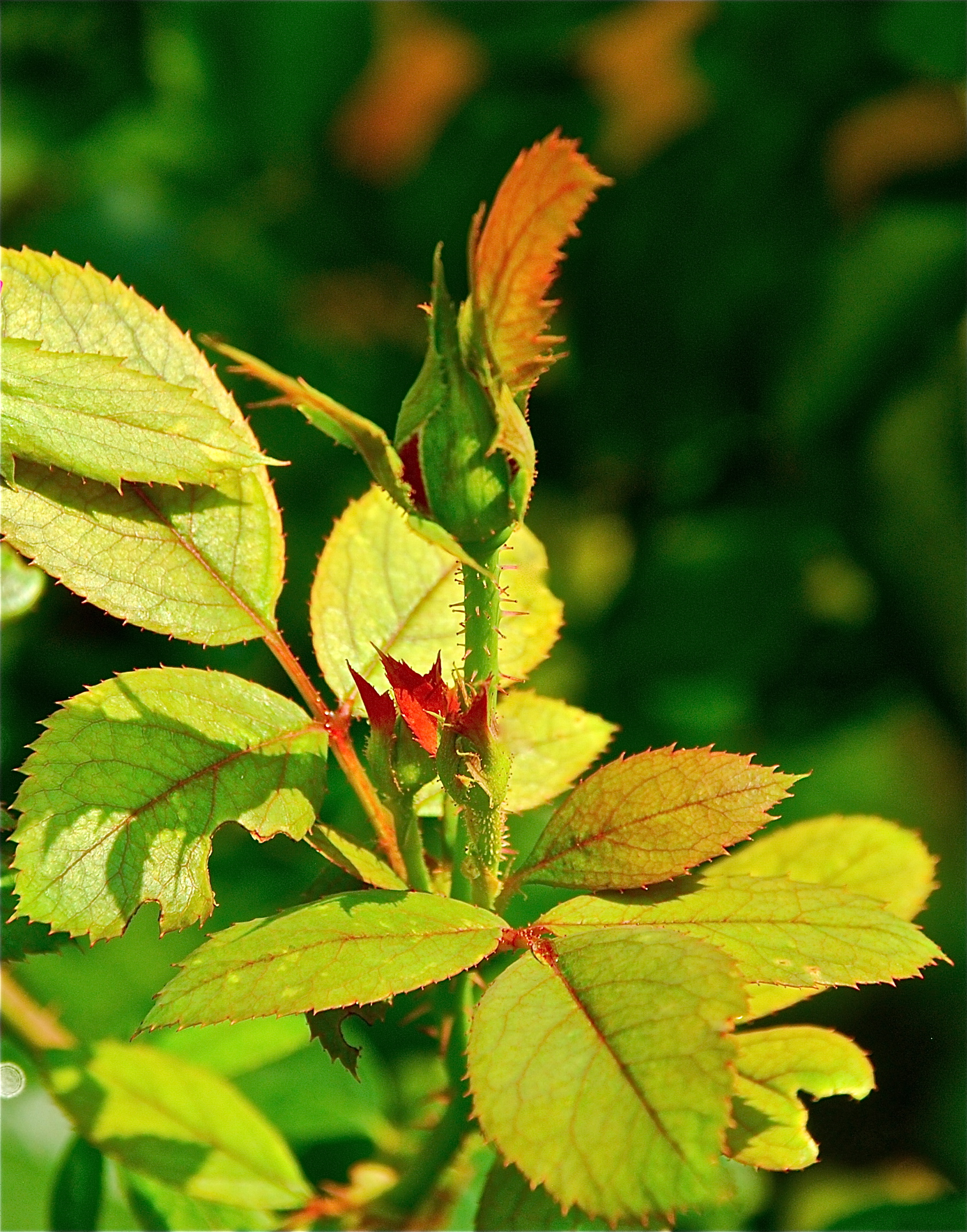
Living in a garden day after day, being a participant in all its events, witnessing the changes from season to season, and watching the way differing light falls on the landscape make gardening a thrilling experience.  The fact that colors in the garden change off and on during the course of a day fascinates me.  In morning light the hues are vivid and bright, but as daylight mellows into twilight, they melt into quieter, more subdued tones.  Light even affects the fragrance of things for it is only in the cooler moments of early morn and twilight that the strongest aromas are dispelled from herbs and flowers.  But then things are not just affected by changes in lighting.  Sometimes colors change as flowers and leaves age, when temperatures rise or fall, when changes occur in the content of the soil, or when rainfall is lacking or in abundance.  That’s why without looking at a calendar, I can tell that the rose bud in the photo is one born of recent rainfall and the passing of the autumnal equinox.  The constancy of this inconstancy defines the soul of a garden, and, like all else in nature, speaks to me of rhythmical and purposeful ordination.

Awake, north wind, and come, south wind!  Blow on my garden that its presence may spread everywhere.  Let my beloved come into his garden and taste its choice fruits.  ~Song of Songs 4:16   ✝

142. Red is the ultimate cure for sadness. ~Bill Blass

May you be blessed with
warmth in your home,
peace in your soul
and joy in your life.
~Irish blessing

Image

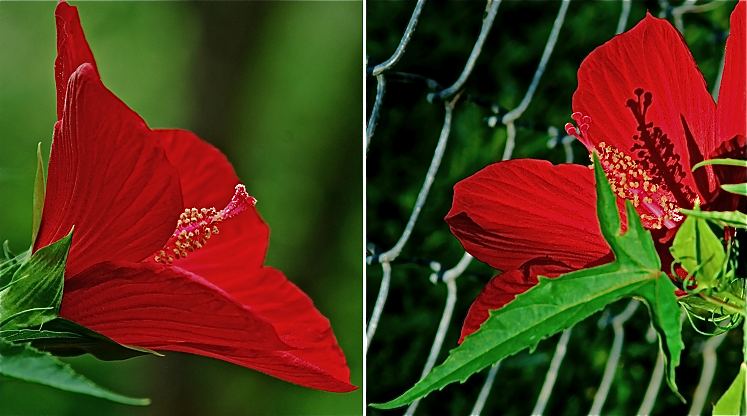
A swamp mallow is she in the photograph, and like her name she is one of the stars of our hot Texas summers.  Her scientific name is Hibiscus coccineus, but here in the Lone Star state she is commonly called the Texas Star Swamp Hibiscus. The Star can grow as tall as 7 feet and puts on stunning four inch crimson blossoms.  Another perk is that she attracts hummingbirds, butterflies, and other avian visitors.  However, according to some she can be as big a challenge as the state she’s named after.  In my garden, however, I’ve found her surprisingly easy to manage, and I love that her season runs from June to October and provides lush summer and fall color.

Your ways, God, are Holy.  ~Psalm  77:13  ✝

141. Colors are the smiles of nature. ~Leigh Hunt

Of all God’s gifts to the sighted man,
color is the holiest, the most divine, the most solemn.
~John Ruskin

Image

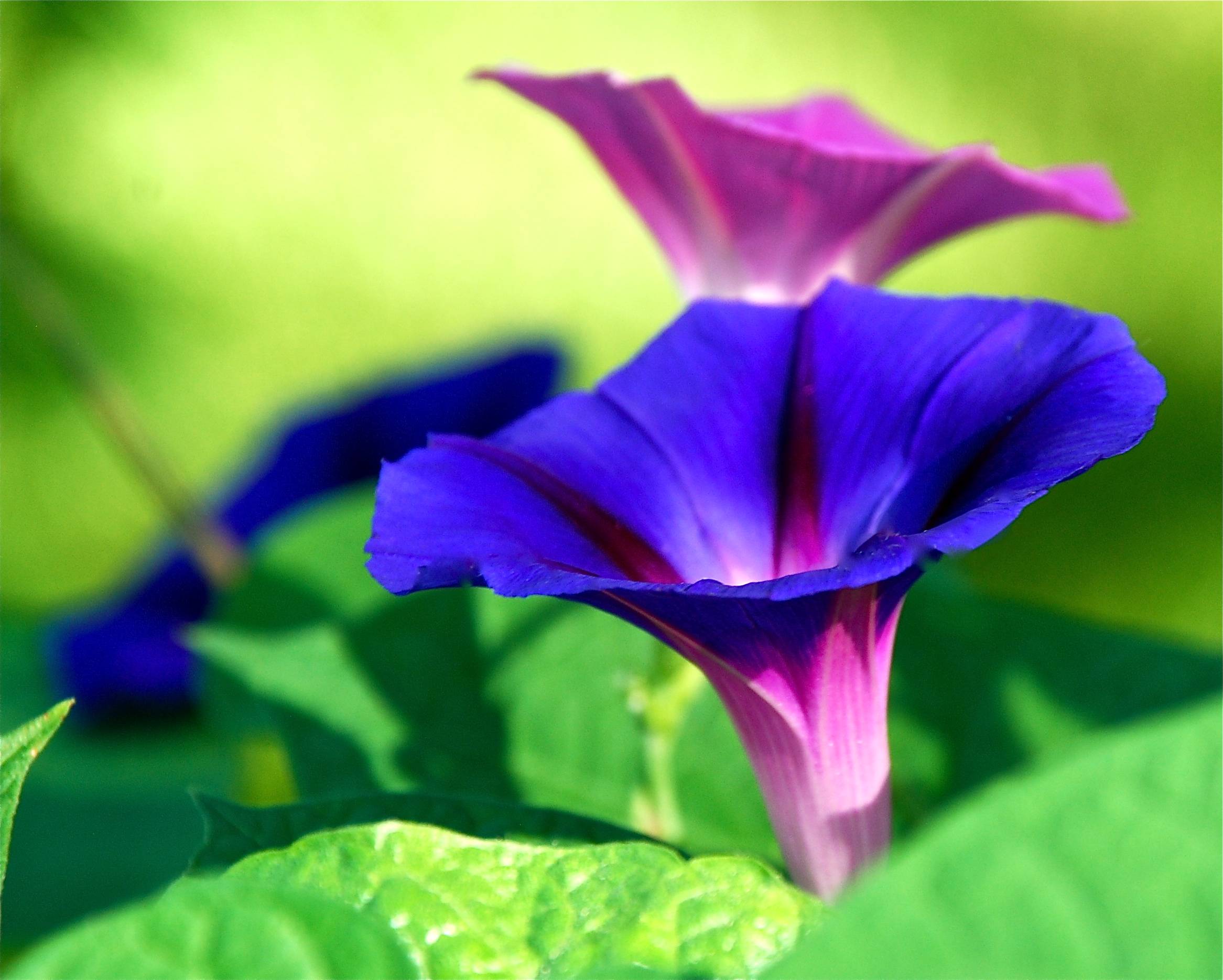
To the sighted man color is emphatically holy, but I believe the sanctity of it goes deeper than the eye.  Deep within the human soul color is recognized as tidings from the Father of our world and the message is twofold.  Color is a hallowed melody meant not just for the eyes but for the ears as well.  Pablo Picasso touched on this when he asked, “Why do two colors, one put next to the other, sing?” He couldn’t explain it nor can I, but there are color combinations that compose the sweetest of songs.  Pink and blue is one of those duos, and together they pen a heavenly harmony reminiscent of sapphire skies streaked with luscious pink ribbons of light.

The Lord reigns, let the earth be glad; let the distant shores rejoice.  ~Psalm 97:1  ✝

138. My riches consist not in the extent of my possessions, but in the fewness of my wants. ~J. Brotherton, a reforming British politician and non-conformist minister

Image

May the God of your days and the dawn awaken you.
May the God of the rising sun stir you up.
May the God of the morning bless the work of your hands.
May the God of noontime renew your strength and energy.
May the God of the sunset bring you safely back home.
May the God of the dusk soothe your flesh and soul.
May the God of the night bring you peaceful rest.

~Edited adaptation of a blessing for the day by Andrew Greeley

Blessed are those You choose and bring near to live in Your courts!  We are filled with the good things of Your house, of Your holy temple.  ~Psalm 65:4 ✝

137. Silence is the universal refuge…a balm to our every chagrin. ~Henry David Thoreau

Soon silence will have passed into legend.
Man has turned his back on silence.
Day after day he invents machines and devices
that increase noise and distract humanity
from the essence of life. . .
~Jean Arp, French sculptor, painter, and poet

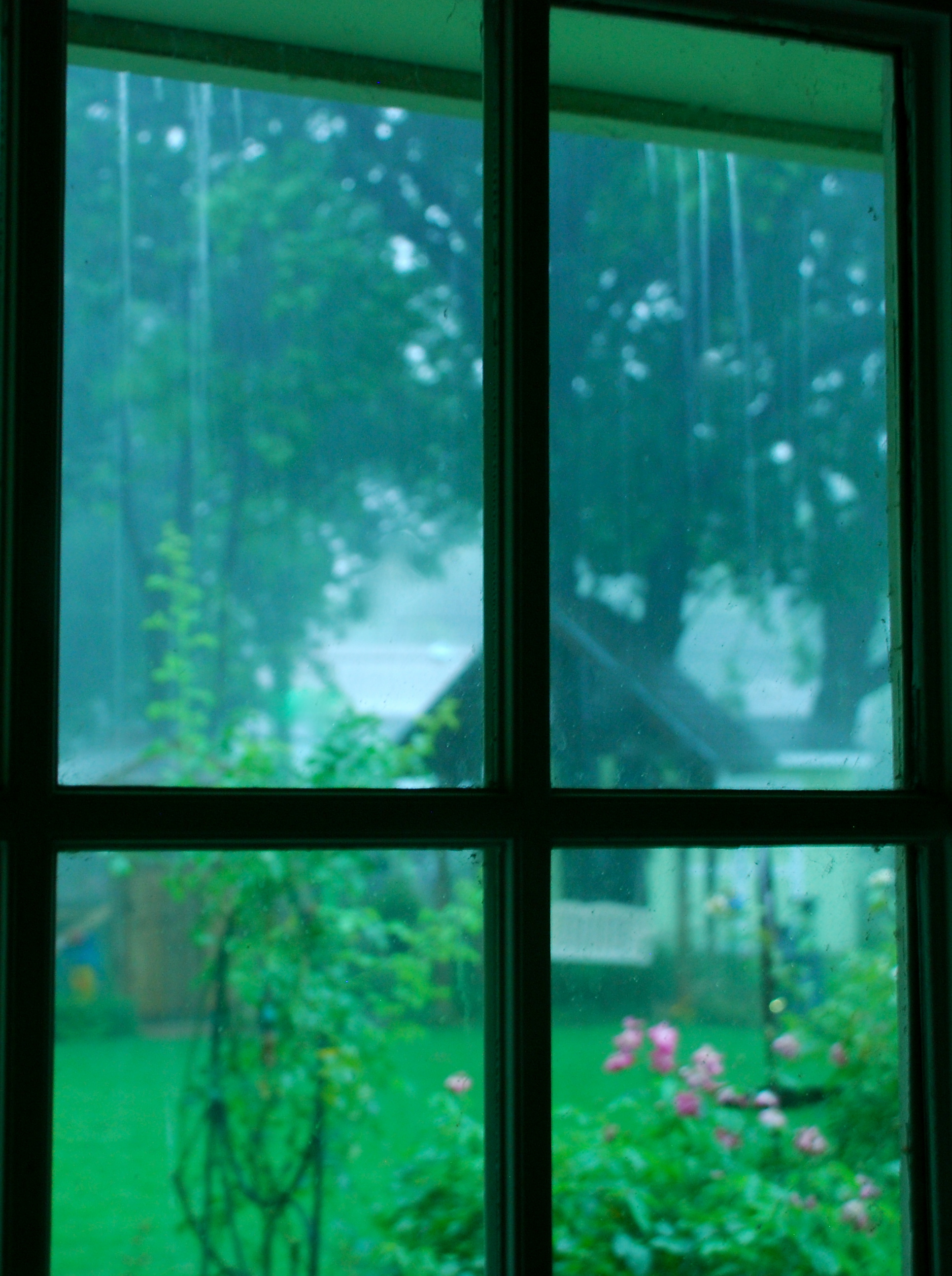
Image

We see patterns of stillness and silence in the natural world.  Day gives way to night, fruitfulness gives way to fallowness, bodies give way to fatigue.  However, in today’s noisy culture, there exists an almost obsessive tendency toward unending busyness.  Rest and yielding to silence has for many become a forgotten art or at best difficult.  But on days like today, in the midst of the noise a profound silence can be found in rain, and in that silence some seem still to be able to hear the slowing voice of quietude.  And I find that if one takes time to sit, listen, and watch the rain, an ancient holy voice has a way of pulling him/her into a deep peacefulness.  What’s more if the listener seeks a way to come back again and again to that quiet place, an intimate relationship begins to form.  Mother Teresa once said, “We need to find God, and he cannot be found in noise and restlessness.  God is the friend of silence.  See how nature – trees, flowers, grass – grows in silence; see the stars, the moon and the sun, how they move in silence. . .We need silence to be able to touch souls.”

“Be still, and know that I am God; I will be exalted among the nations, I will be exalted in the earth.”  -Psalm 46:10    ✝

124. Every flower about a house certifies to the refinement of somebody. Every vine climbing and blossoming tells of love and joy. ~Robert G. Ingersoll

What a desolate place would be
a world without a flower!
It would be a face without a smile,
a feast without a welcome.
~A .J. Balfour

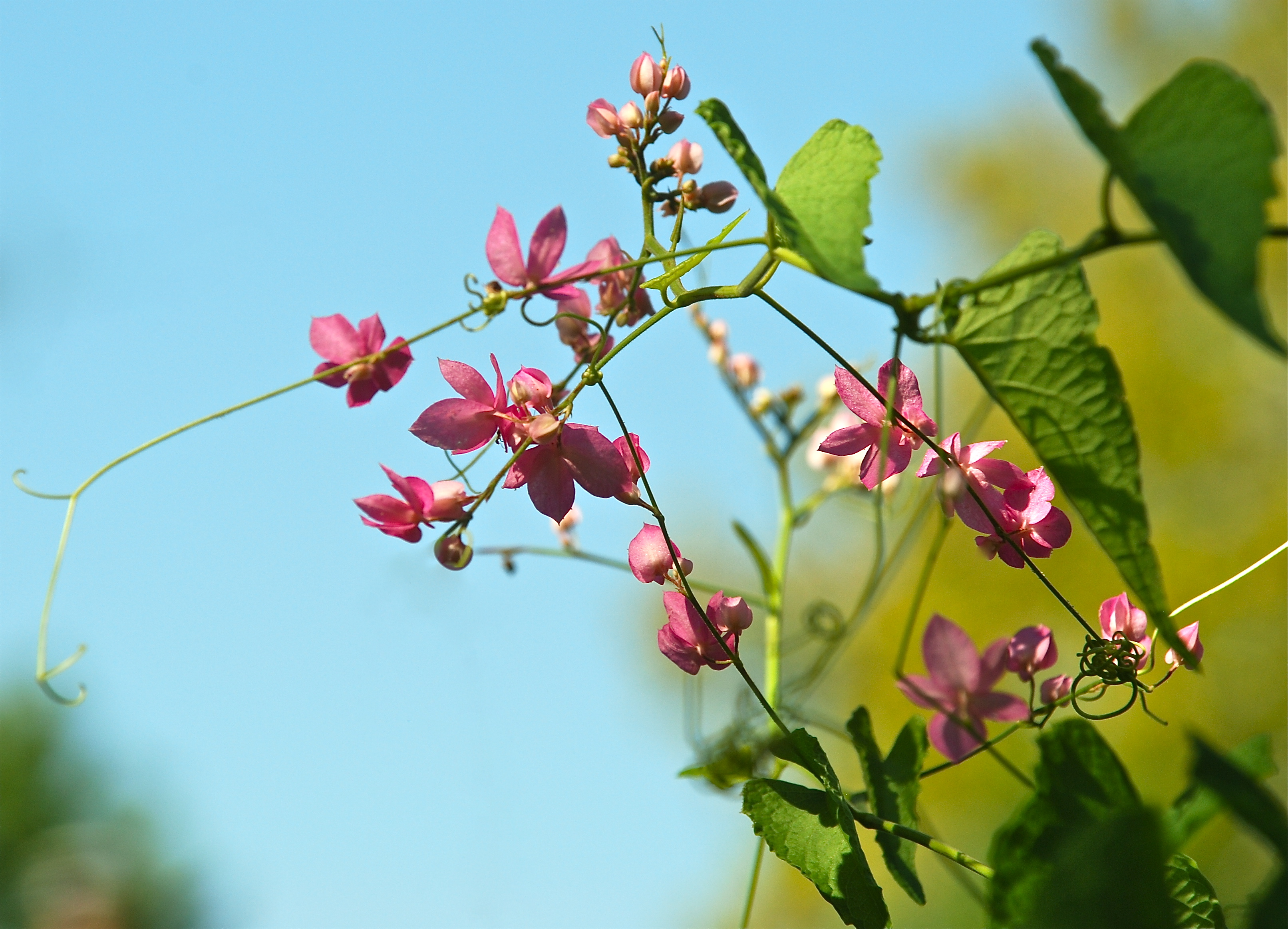
Image

With its delicate tendrils the striking, lacy pink coral vine rapidly climbs up, over, and on anything it can find.  Because it is a vigorous vine upon which masses of flowers are situated, it needs support to produce the masses of green heart-shaped leaves and large branching flower stalks.  Once it reaches high enough and the dainty pink blooms appear, the sweet of it delights the bees.  And of course like all flowering vines it feeds my soul.

Return to us, God Almighty!  Look down and see!  Watch over this vine. . .  ~Psalm 80:14  ✝

76. Through the dancing poppies stole a breeze most softly lulling to my soul. ~John Keats

Of all the wonderful things in the wonderful universe of God,
nothing seems to me more surprising than the planting of a seed
in the blank earth and the result thereof.
Take the Poppy seed, for instance: it lies in your palm,
the merest atom of matter, hardly visible, a speck, a pin’s point in bulk,
but within it is imprisoned a spirit of beauty ineffable,
which will break its bonds and emerge from the dark ground
and blossom in a splendor so dazzling as to baffle all powers of description.
~Celia Thaxter

Image

I love poppies, not just the flowers but also the lovely, fat pods that contain the future of the species.  The plants that put on silky, paper-thin blossoms can grow to be 3 or 4 feet tall here if the “hardly visible” seeds are sown in the fall.  So it is that in late October I toss out seeds from the ones I harvested from last’s years pods, and then all winter long I wait for the beauties which “baffle description” to make their appearance in my garden.  As winter moves along, I keep myself reassured by going out to check on them after especially frigid days or after occasional snowfalls to make sure the burgeoning “babies” have not succumbed to the elements.  And each time I go out, I almost squeal with delight when I discover that most of them, if not all, are still slowly but surely growing bigger and stronger.  Then sometime in the early spring the day comes when the waiting is over and standing before me are the first fruits of my labors and watchfulness.  Like dainty chalices, the cup-like flowers open up and drink in the day’s light while penning God’s autograph on the “scenes” of yet another springtime.  Day by day after each individual flower’s petals fall to the ground, the intriguing seed pods take their place, and as temperatures climb, they begin to ripen.  Some of these I eventually let fall to the ground to self sow; the remainder I gather and keep safe and dry until autumn comes and it is again time for me to partner with Creation and scatter abroad the “merest atoms” of such beautiful matter.

For as the soil makes the sprout come up and a garden causes seeds to grow, so the Sovereign Lord will make righteousness and praise spring up before all nations.  ~Isaiah 61:11