143. The sky is the daily bread of the eyes.  ~Ralph Waldo Emerson

The earth has received the embrace of the sun
and we shall see the result of that love.
~Hunkesni (Sitting Bull, Lakota Sioux holy man)
Image

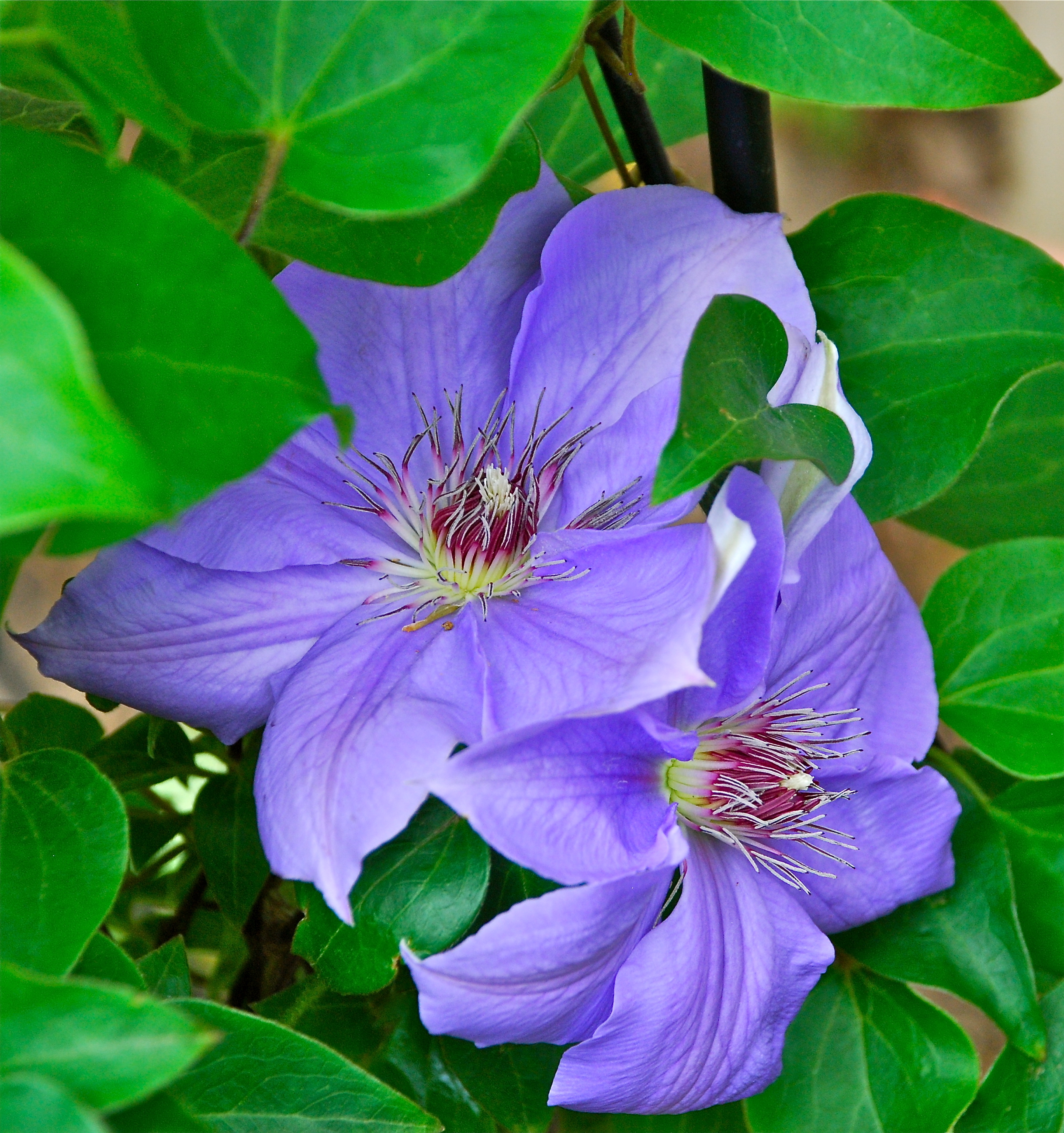
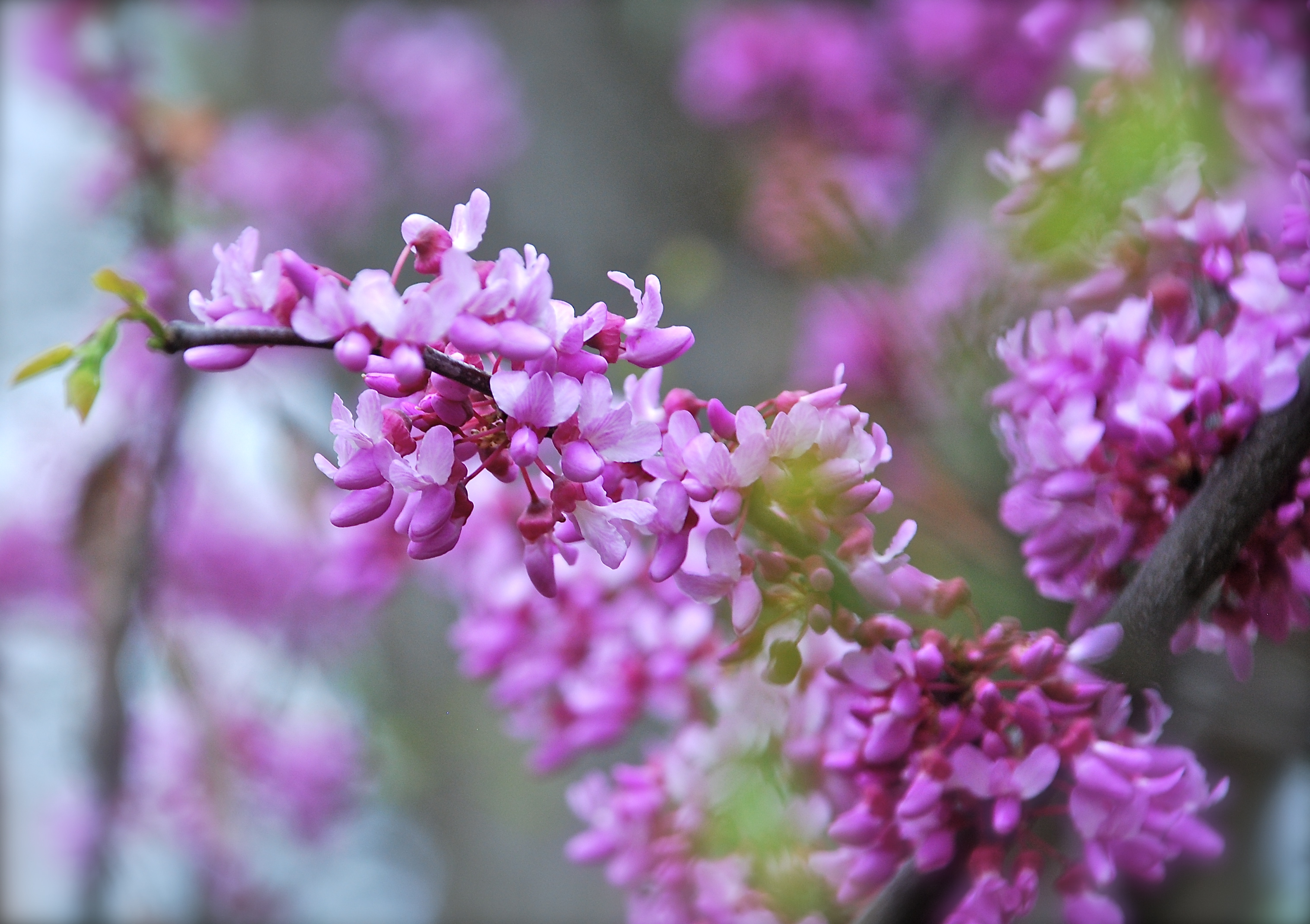
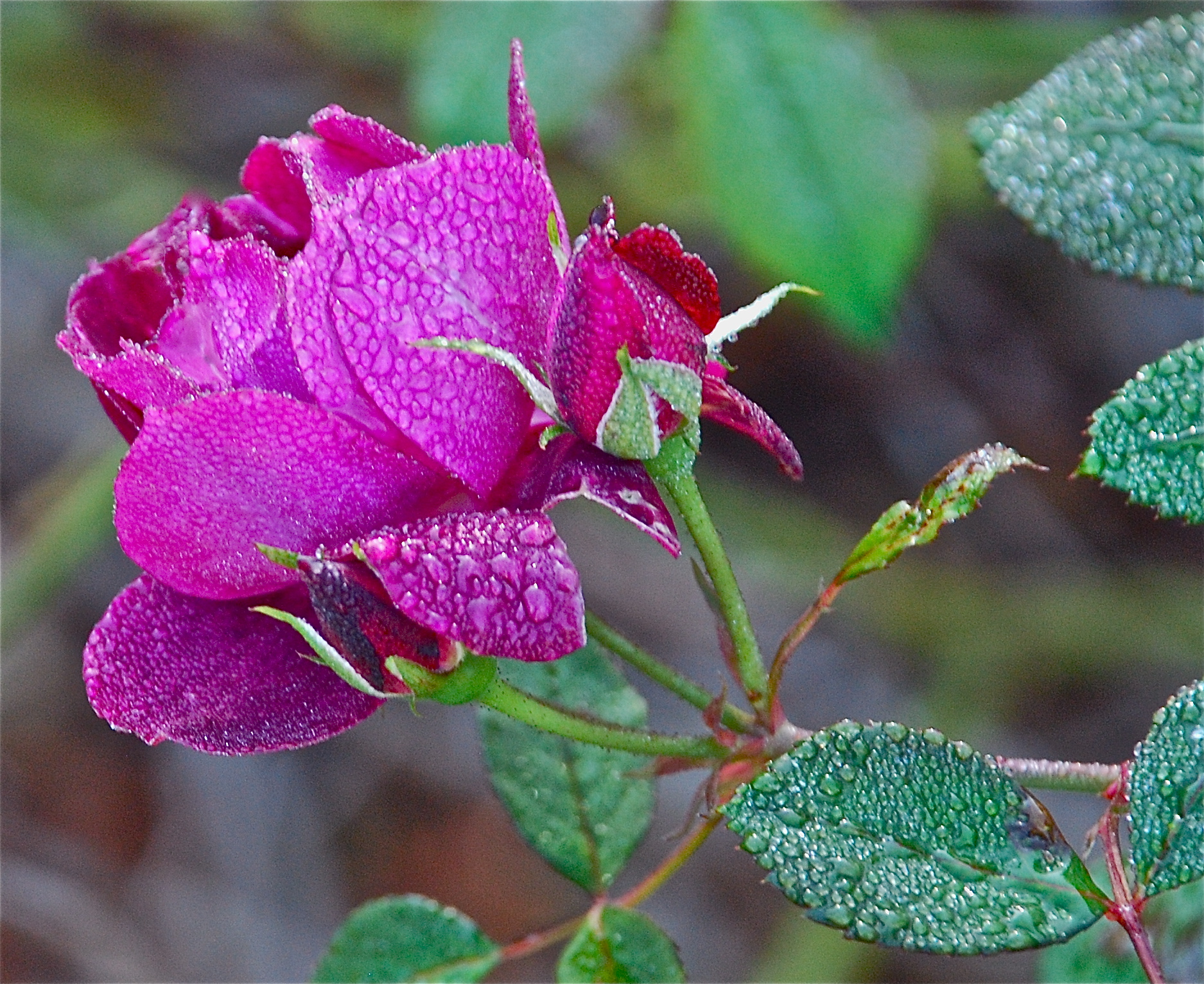
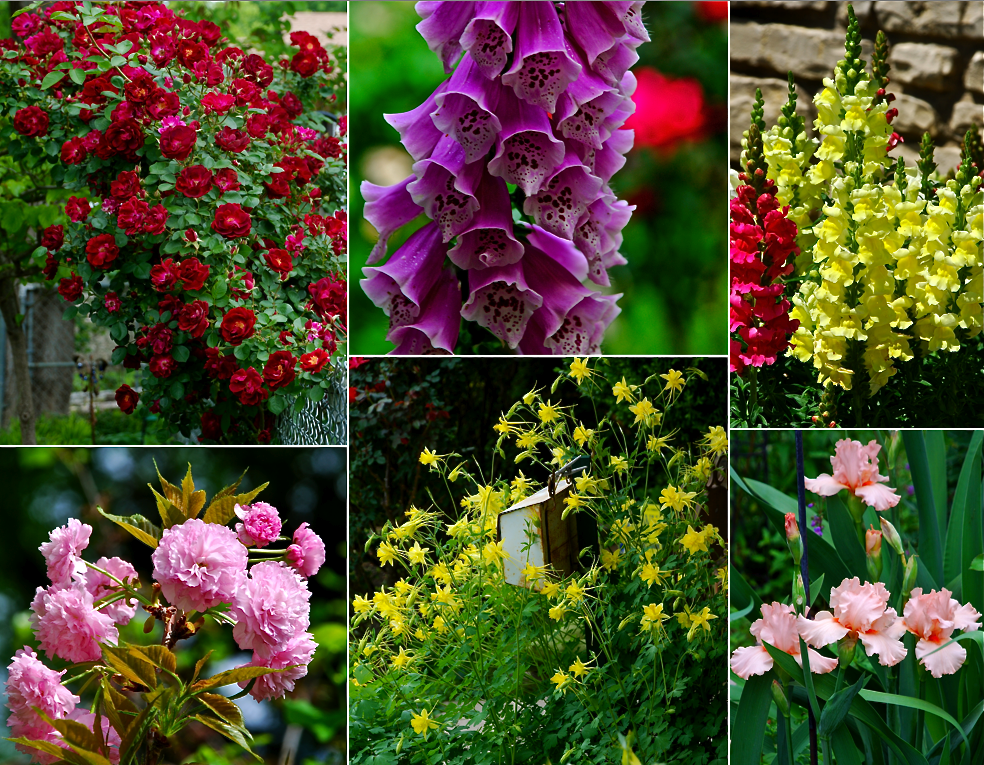
The flowers in these photos are the result of another year’s embrace of the sun.  It will be the remembrance of them and the haunting song of their colors, separately and collectively, that will lift my spirits when in the months to come I traverse winter’s “vale of grief.”  If my memory of the colors should grow dim, I’ll have but to look heavenward and watch for them in the rising and the setting of the sun on days when a window in the gloom has been opened.  In those moments when they streak the eastern or western horizon in a blaze of glory I’ll remember that as the earth tilts back toward the sun, the sun’s embrace will bring the flowers, their lovely colors, and their songs back.  When they return and the air is filled with the music of many melodies, my prayer for all of us will be. . .

 That the morning sun stirs us with gladness from our beds,
That the winds of March move us happily along the new year’s road,
That the rains of April renew our strength,
That the flowers and colors of May captivate our sight,
That the summer inflame our zeal,
That autumn’s colors stimulate our dreams,
That the silver moon make us wiser yet,
That the Lord keep us young at heart so that
we are full of life, laughter, song, and gratitude
for the holiness and goodness in all that the sun and His love embraces.
~Edited and adapted from a blessing by Fr. Andrew Greeley

The heavens declare the glory of God; the skies proclaim the work of his hands.  Day after day they pour forth speech; night after night they display knowledge.  There is no speech or language where their voice is not heard. Their voice goes out into all the earth, their words to the ends of the world.  In the heavens He has pitched a tent for the sun, which is like a bridegroom coming forth from his pavilion, like a champion rejoicing to run his course.  ~Psalm 19:1-5   ✝
142. Red is the ultimate cure for sadness. ~Bill Blass

May you be blessed with
warmth in your home,
peace in your soul
and joy in your life.
~Irish blessing

Image

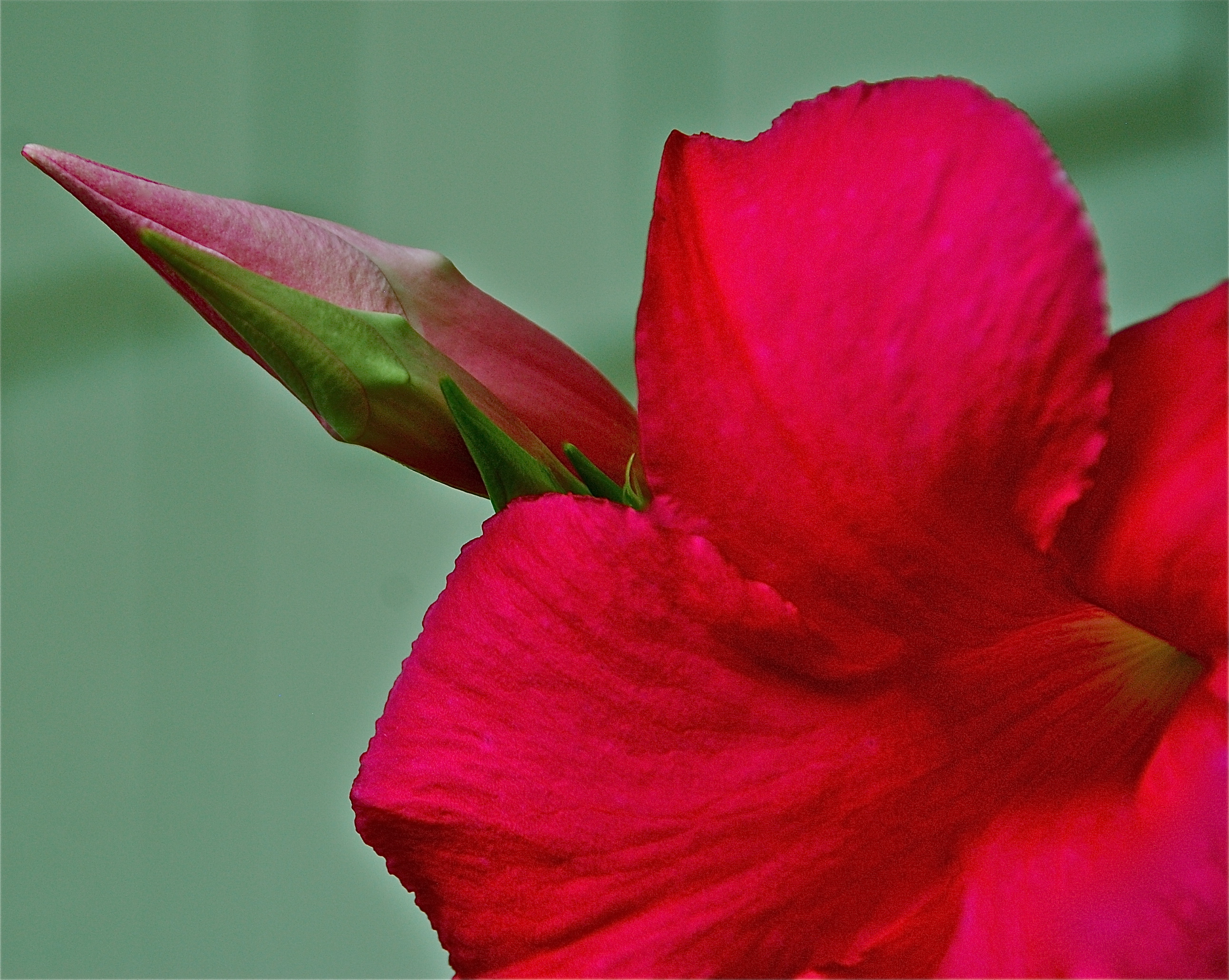
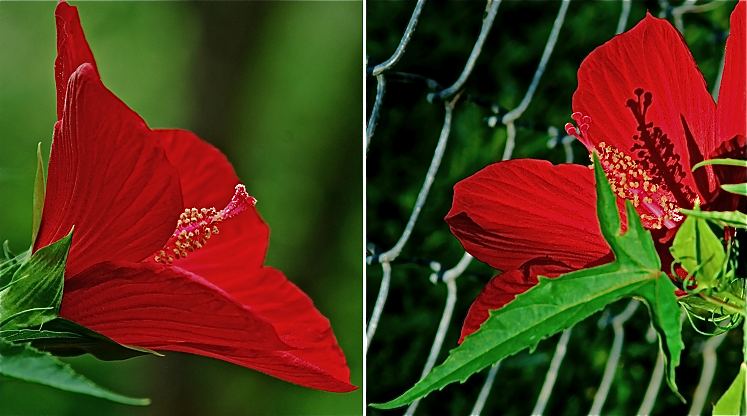
A swamp mallow is she in the photograph, and like her name she is one of the stars of our hot Texas summers.  Her scientific name is Hibiscus coccineus, but here in the Lone Star state she is commonly called the Texas Star Swamp Hibiscus. The Star can grow as tall as 7 feet and puts on stunning four inch crimson blossoms.  Another perk is that she attracts hummingbirds, butterflies, and other avian visitors.  However, according to some she can be as big a challenge as the state she’s named after.  In my garden, however, I’ve found her surprisingly easy to manage, and I love that her season runs from June to October and provides lush summer and fall color.

Your ways, God, are Holy.  ~Psalm  77:13  ✝

133. My little hut is newly thatched, I see, with blue morning glories. ~Kobayashi Issa

A morning glory at my window
satisfies me more
than the metaphysics of books.
~Walt Whitman

Image

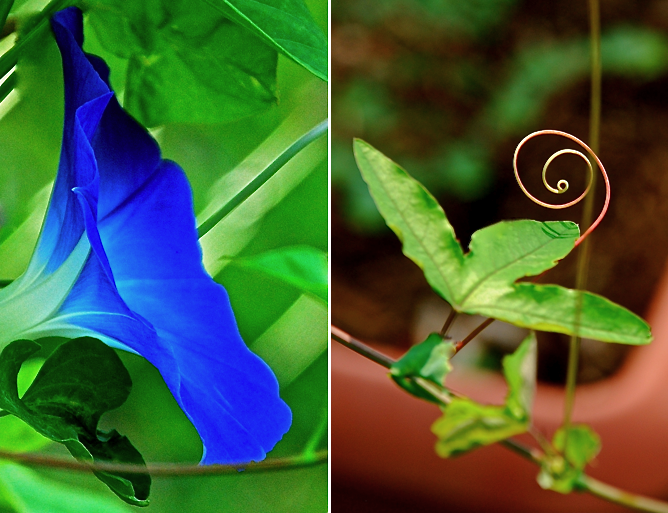
I love the tendrils vines use to climb as well as the vertical interest the vines themselves add in a garden.  Scrambling upwards enables the twining plants to reach sunlight with a minimum investment of energy rather than investing their energy in a lot of supportive tissue, and many of them can be easily started from seed or even better some easily reseed themselves from year to year.  Vines are not fussy plants that require special care, and as long as they are watered regularly, some of them even thrive through the hottest parts of summer growing strong in the garden’s web of life until the first freeze finishes them off.  For me one of the best reasons for adding vines in a garden is that some of them are hummingbird magnets.

The whole earth is filled with awe at your wonders; where morning dawns, where evening fades, you call forth songs of joy.  ~Psalm 65:8  ✝

132. For summer here, bear in mind, is a loitering gossip, that only begins to talk of leaving when September rises to go. ~George W. Cable

Take thy spade,
It is thy pencil;
Take thy seeds, thy plants,
They are your colours.
~William Mason, English poet, editor, and cleric

Image

The level of sand in summer’s hour glass may be low, but, and in spite of August’s  lingering heat, there is yet to come a fair measure of glory in the garden.  The cycle of earth’s fruiting isn’t completely over here in north central Texas until Jack Frost’s frigid touch rings the death knell in mid-November or early December.  So the remaining modicum of flowers will be joined in the coming days and weeks with substantially more blossoms.  Moreover, squirrels aren’t finished gathering nuts, birds have songs yet unsung, pollinators have more rounds to make, and roses have a second flush of blooms to proffer.  But most of all autumn is the time for we who “dwell in gardens” to plant, sow seeds, and raise our voices in gratitude for what the Lord has already graciously given us.

You who dwell in the gardens with friends in attendance, let me hear your voice.  ~Song of Songs 8:13  ✝

121. Come forth into the light of things, let nature be your teacher. ~William Wordsworth

In the midst of darkness, light;
In the midst of death, life;
In the midst of chaos, order.
Thus has it ever been,
Thus it is now, and
Thus it shall always be.
~Edited excerpt by Orlog, in the Norn’s Chant

Image

You will be secure, because there is hope; you will look about and take your rest in safety.  ~Job 11:18  ✝

72. Come, fill the Cup, . . . the Bird of time has but a little way to fly–and Lo! the Bird is on the wing. ~Omar Khayyám

The Moving Finger writes; and having writ,
Moves on: nor all your Piety nor Wit
Shall lure it back to cancel half a Line,
Nor all your Tears wash out a Word of it.
~Rubaiyat, Omar Khayyám, 11th century Persian poet

Image

In my twenties, I came face to face with the reality of what this Persian poet articulated in the Rubaiyat, but thankfully in my thirties I also realized that every spring all that God created begins again.  So even though I have no a chance to do anything about the past, in the season of restoration and rebirth God built into the fabric of Creation, I can forge on with writing new stories and/or penning different endings to ones not yet finished.  However, lest I get too comfortable in dalliances a long the way and to show how quickly what the poem’s author revealed can come about, I must remember that a new year’s garden progeny and its days come and go quickly, and when done they are never, as Khayyám said, to be lured back nor washed away by tears.  So with every spending of my time coins, I must seize opportunities opening to blushes of newness.  Scripture may tell the world that the “birthing and restoring” of new years will go on “as long as earth endures,” but last November’s brush with death taught me to make the most of each day and not rely on what I, myself, may not be given.

The best things in life are nearest:
Breath in your nostrils, light in your eyes, flowers at your feet,
duties at your hand, the path of right just before you.
Then do not grasp at the stars, but do life’s plain, common work as it comes,
certain that daily duties and daily bread are the sweetest things in life.
~Robert Louis Stevenson, Scottish poet

“As long as the earth endures, seedtime and harvest, cold and heat, summer and winter, day and night will never cease.”  ~Genesis 8:22   ✝

69. Only from the heart can you touch the sky. ~Rumi

It is a glorious privilege
to live, to know, to act, to listen, to behold, to love.
To look up at the blue summer sky;
to see the sun sink slowly beyond the line of the horizon;
to watch the worlds come twinkling into view,
first one by one, and the myriads that no man can count,
and lo! the universe is white with them;
and you and I are here.
~Marco Morrow

Image

It is God’s privilege to conceal things and the king’s privilege to discover them.  ~Proverbs 25:2   ✝

13. As this year draws to its end we give thanks for the gifts it brought and how they came inlaid within where neither time nor tide can touch them. ~John O’Donohoe

Image

So I like best of all autumn, because its tone is mellower,
its colors are richer, and it is tinged with a little sorrow.
Its golden richness speaks not of the innocence of spring,
nor the power of summer, but of the mellowness
and kindly wisdom of approaching  age.
It knows the limitations of life and its content.
~Lin Yutang

9. O Autumn…pass not, but sit…and tune thy jolly voice…and all the daughters of the year shall dance! ~William Blake

In the garden, Autumn is, indeed the crowning glory of the year,
bringing us the fruition of months of thought, and care, and toil.
~Rose G. Kingsley, British Gardener and Writer

Image

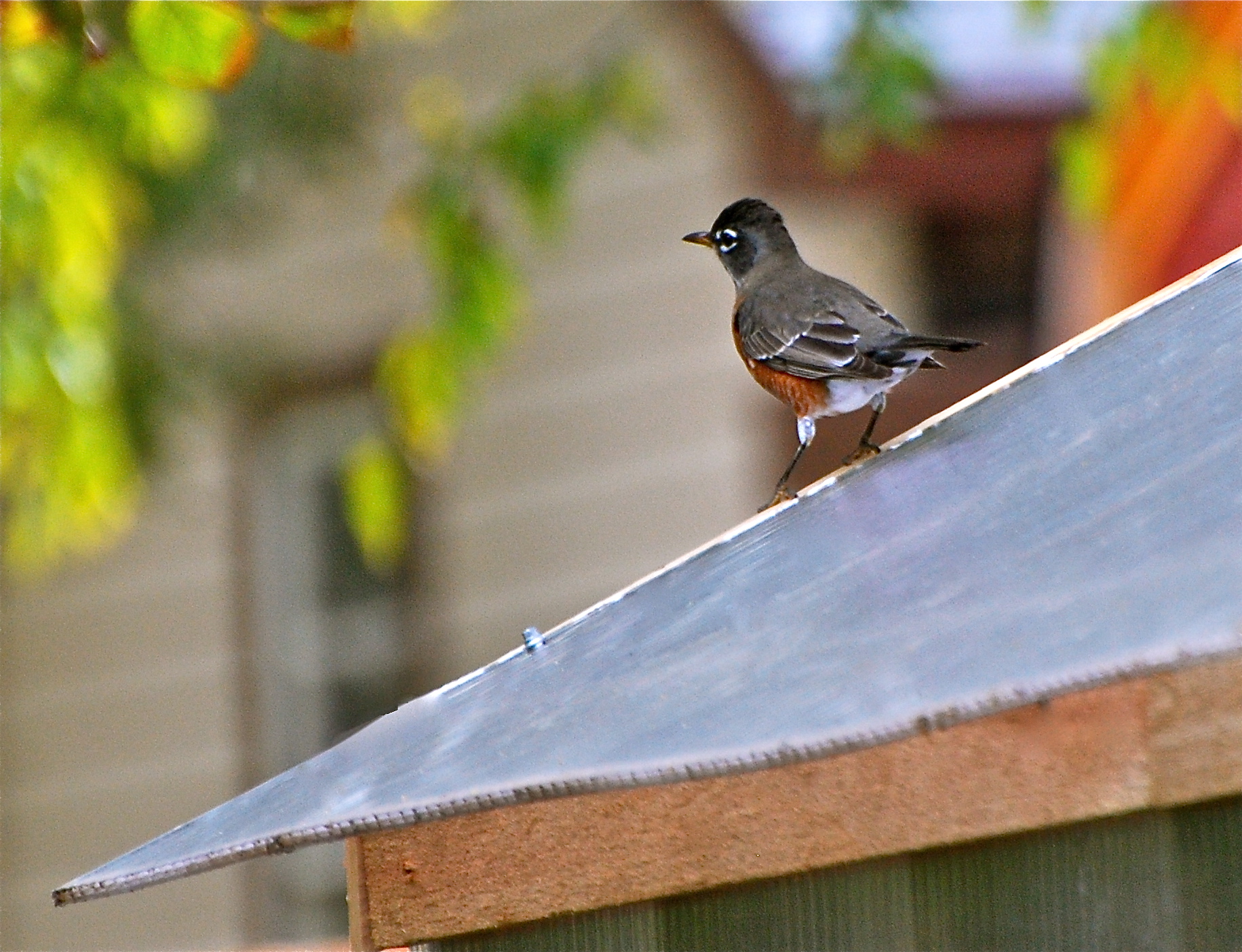
Now that the year has grown long in the tooth, the migratory birds have moved on to warmer lands.  But the birds who overwinter here are still very visible and busy.  However, on the chillier days they, like me, “remain perched” early in the morning and later when the sun is well over the rooftops.  Nevertheless, in spite of our periodic and combined lethargy, we still manage to be out and working during the warmer parts of the day.  The “common feast for all” the garden spreads may be nearly gone and the bird’s tired wings along with my tired feet may drag somewhat, but autumn’s remaining golden glory continues to quicken our spirits.  In fact even after winter ravages the land, we, man and beast alike, who live close to the soil will venture out on the occasional warm day to search with hungry eyes for any signs of what we know lies waiting to emerge from beneath the surface of things.

Autumn’s song is indeed “a rich and lusty melody.”  It induces a healthy renewal in bodies wilted by summer’s long siege of torrid heat, and it creates a restful peacefulness that washes away the “fret and fever of life.”  “It’s jolly voice” sings a comforting song of promise that speaks of God’s circadian rhythms of life–the rhythm of changing seasons, busyness followed by stillness, “youth’s energy followed by age’s measured pace.”

There is a time for everything, and a season for every activity under the heavens. . .  ~Ecclesiastes 3:1   ✝

3. Winter is an etching, spring a watercolor, summer an oil painting and autumn a mosaic of them all. ~Stanley Horowitz

O Autumn, laden with fruit, and stain’d
With the blood of the grape, pass not, but sit
Beneath my shady roof; there thou may’st rest,
And tune thy jolly voice to my fresh pipe,
And all the daughters of the year shall dance!
Sing now the lusty song of fruits and flowers.
~William Blake, English poet

Image

Lusty indeed is the dance of the year’s 4th child; regaled in glory and reigning in majesty, she’s a darling of the gardener.  Because fruitfulness and love run through her “thrilling veins,” those who choose to work the soil know they’ve got one last chance now before year’s end to plant, “to interact with nature, to share, to find sanctuary, to heal, to honor the earth, to leave a mark.”  So it is when autumn’s chariots, with pink and purple banners flying or veiled in a gray fog or torrents of rain, enter the eastern sky at dawn, the gardener’s heart is electrified.  Then when her crisp days are done and her carriage exits on the western horizon in a blaze of red and gold or is swallowed in the wetness of massive dark clouds, the gardener is left with the satisfied feeling that he’s conjured up or added yet another stroke or two to his beloved work of art.   As for what Blake called her “jolly voice,” autumn often sings gladsome odes to joy, but there are days when it belts out threatening, thunderous refrains or croons “mournful melodies.”  Regardless of what autumn vocalizes, it’s not until it plays “the harps of leafless trees” and sings the somber song of deep December that both the garden and gardener rest knowing that it’s time to let the Lord and Creation alone perform their miracles, God from on high and the earth from beneath the soil.

A common feast has been prepared at Creation’s hearty tables.  Food for the soul, spirit, and mind has been prepared and offered up for all of us.  So, come, dine with me there in the coming weeks.