150. He made you a part of Creation, and you praise Him in glorious celebration. ~Katherine R. Lane

Bring to me then the plant
that points to those bright Lucidites
swirling up from the earth,
and life itself exhaling that central breath!
Bring me the sunflower crazed with the love of light.
~Eugenio Montale
Image

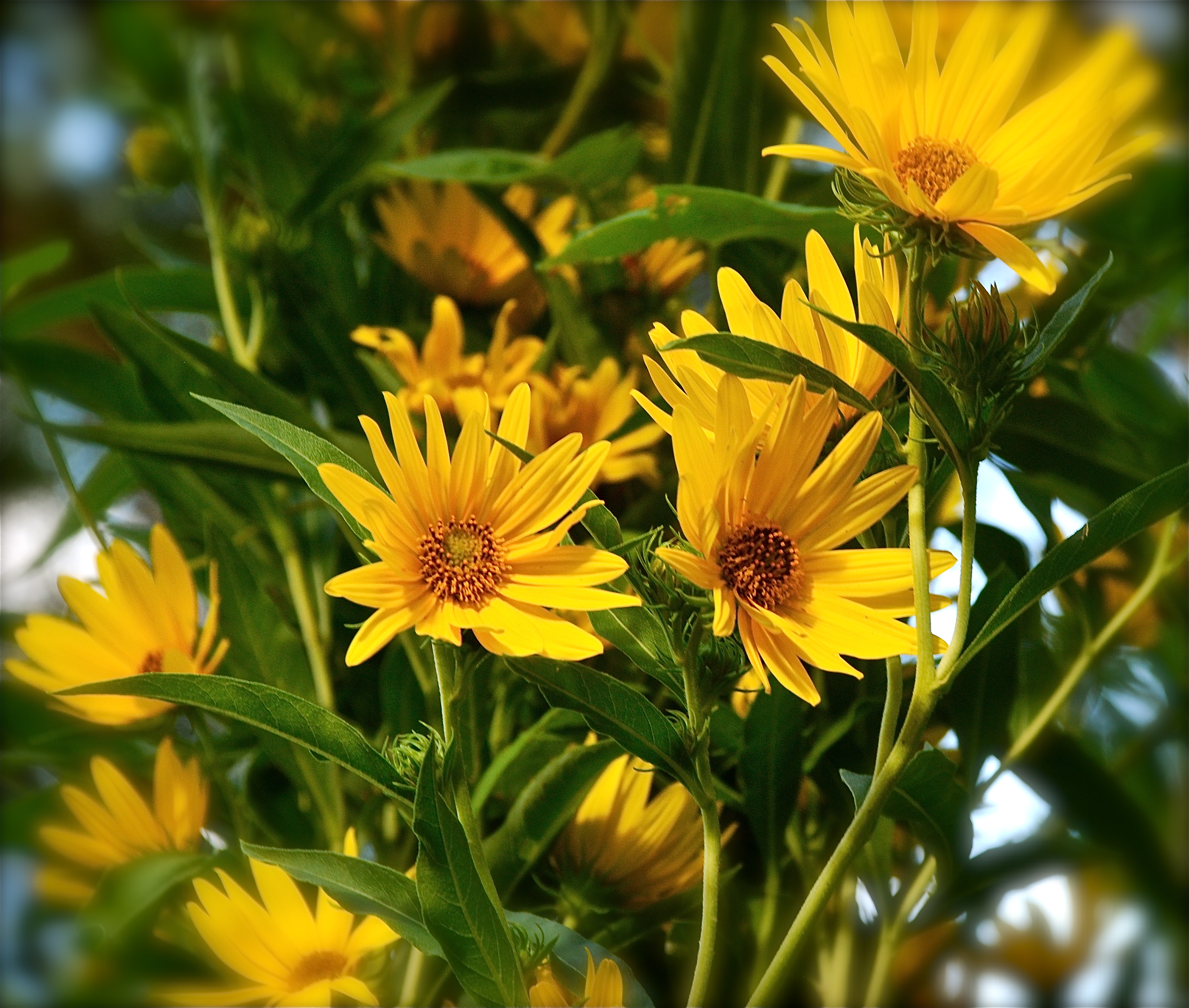
The Maximilian sunflowers in the photo are natives to Texas, but they extend north throughout the tall-grass prairies of the central plains where they were discovered in the 19th century by a German botanist named Prince Maxmilian Alexander Philip von-Wied-Neuwied, thus their rather lofty sounding name.  When I planted 2 of them several years ago, I knew that like their name, they would reach lofty heights before beginning to bloom in September, and that first summer they grew to about 7 feet.  However, by the second year these perennials herbs were reaching heights of 12-16 feet or more, and although I know people like to claim that things are always bigger in Texas, I’m not buying that.  So I did some research and come to find out the more one waters them the taller they grow.  Okay, so now what to do?  Well, before digging them up and moving them or admitting to my husband that I do, in fact, water too much, I’ve decided to give them one more year where they are and try a trick I recently read about; a plantsman in one article said if I pinch off the growing tips when the plants are 3-4 tall I will get shorter plants with more flowers.  More flowers, did he say more flowers?  Now that’s sweet music to my ears!

They are like a well-watered plant in the sunshine, spreading its shoots over the garden. . .  ~Job 8:16  ✝
149. It would be worthwhile having a cultivated garden if only to see what autumn does to it. ~Alfred Austin, British poet laureate

Lord, it is time.
The summer was very big.
Lay thy shadow on the sundials,
and on the meadows let the winds go loose.
~Ranier Maria Rilke

Image

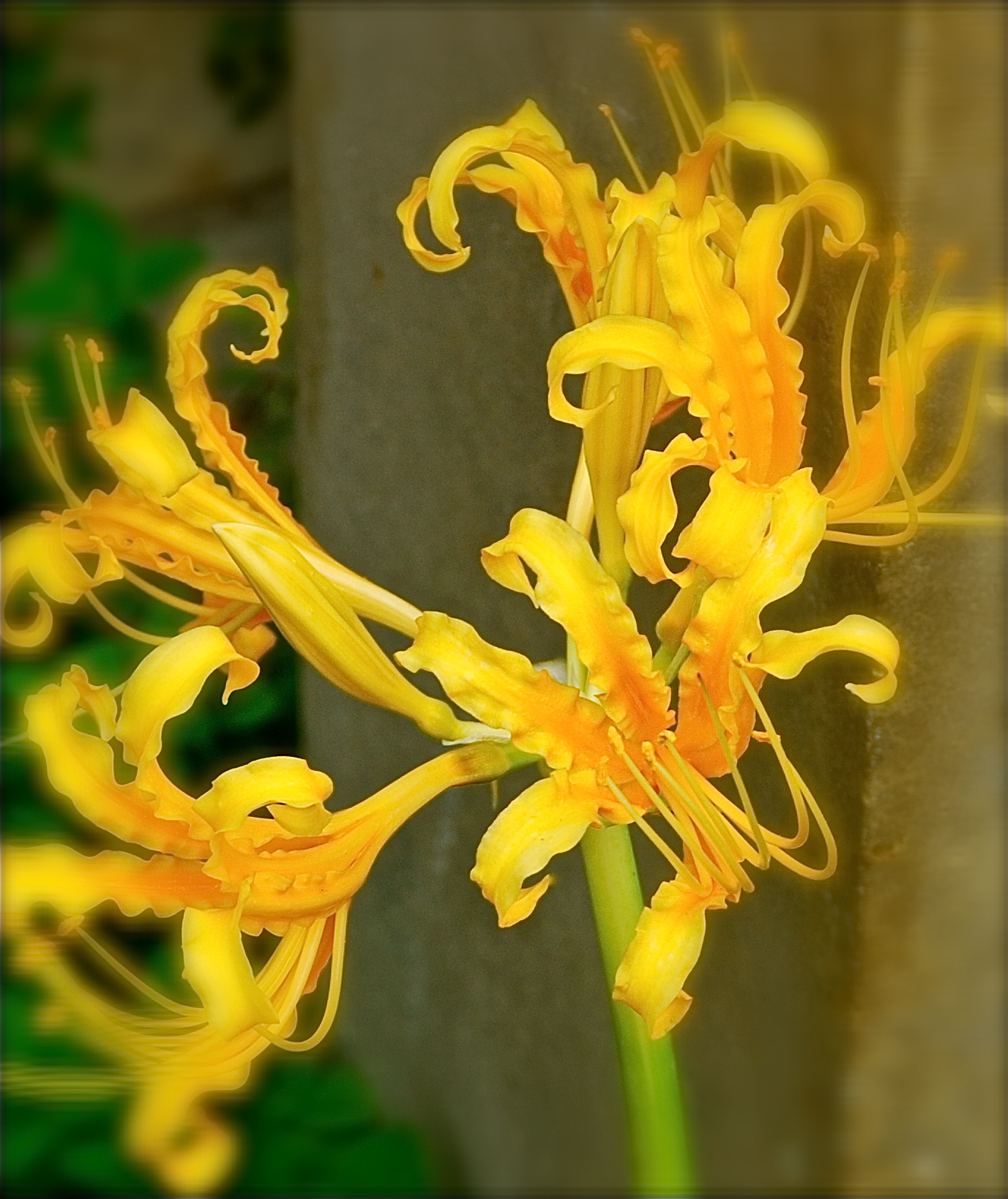
The beauty in the photo above, like the summer sun, is the color of gold.  And her petals have slightly wavy edges that seem to mimic the summer’s waves of heat that lead up to her appearance in the garden where she winks at people passing by with her long, wispy eyelash-like stamen.  In Latin the word “stamen” means “thread of the warp,” and it was Emerson who birthed the idea that “days are made on a loom whereof the warp and woof are past and future time.”  Apparently what he said ‘tis true since these threads of the warp are definitely forerunners of the future.  When they appear in the garden, hurricane season has begun and autumn is drawing near.  But who is she, this fair maiden dressed so elegantly in gold?  She and others like her are called Golden Spider Lilies, Naked Lilies, Surprise Lilies, Golden Hurricane Lilies, and/or Lycoris.  But whatever one calls them, they’re always dressed in their rich, apricot-yellow-orange finery, and their blooms which appear late in the summer after their leaves have disappeared create a lovely sweeping quality in the garden.  The official name of the species is Lycoris aurea, and it originated in China where it is known as “Hudixiao” (Suddenly The Soil Shines).  But she is not an only child; for she has an amazing sibling, Lycoris radiata, the Red Spider Lily.

Image

Now look again at the yellow one.  I deliberately blurred the outer edges of the photograph so the heart she was forming in the middle was more noticeable.

Acknowledge and take to heart this day that the Lord is God in Heaven above and on earth below.  There is no other.  ~Deuteronomy 4:39  ✝

147. If you wish to know the Creator, come to know His creatures. ~Columbanus, 6th century Irish monk

A flash of harmless lightning,
A mist of rainbow dyes,
The burnished sunbeams brightening
From flower to flower he flies.
~John Banister Tabb, Roman Catholic priest,
poet and professor of English

Image

Tabb’s description is of a hummingbird, but it could be said as well of bees, butterflies, and dragonflies, hordes of which I’ve seen of late.   Gulf fritillaries and an assortment of swallowtails have been flitting around the garden for weeks.  Then today I spotted the first monarchs which means their migration from Canada to overwintering grounds in Mexico has begun.  I’m guessing the reappearance of the dragonflies is because recent rains have filled their breeding grounds again with enough water for their nymphs.  The bees are back in greater numbers because the cooler temperatures are encouraging more and more blooms, and as for the hummers, two or three at a time have been coming to our feeder since early August.

John Philip Newell says, “the inclusion of creatures in the garden of God in Genesis is pointing not simply to the outward dimension of the creaturely realm.  It is also showing something of the way of God’s seeing or sensing. . .”  That’s why I I love my garden.  It’s not just about the flowers.  Spending time therein lets me be near all God created and keeps me wanting to know more of the Lord and that which is important to Him.

“But ask the animals, and they will teach you, or the birds of the sky, and they will tell you; or speak to the earth, and it will teach you, or let the fish of the sea inform you. . .”  ~Job 12:7-8  ✝

145. Autumn, the year’s last, loveliest smile. ~William Cullen Bryant

Why is it so many of us
persist in thinking autumn is a sad season?
Nature has merely fallen asleep,
and her dreams must be beautiful
if we are to judge by her countenance.
~Samuel Taylor Coleridge

Image

Earth is the only planet in the universe that’s just the right distance from the sun to support life as we know it, and it is by its 23 and a half degree tilt that the seasons are created, seasons that each have their own distinct majesty, flavor, and personality.  That’s why I thought it was so fitting that at the end of a great, BBC-made Disney movie called EARTH, the narrator, speaking with an appropriate sense of wonder and awe, made the following statement, “Earth is full of harsh realities, but sometimes it’s just paradise.”  And so it is, especially in its last hurrah!  It is with a glad heart that I’m seeing the corners of fall’s mouth starting to turn up and that soon the season will spread into its grand and broad smiling face.  I personally think the reason autumn smiles is because she knows that her predecessors will come again and again to her door allowing her to have the year’s final say.

There is a time for everything, and a season for every activity under heaven:

a time to be born and a time to die,
a time to plant and a time to uproot,

a time to kill and a time to heal,
a time to tear down and a time to build,

a time to weep and a time to laugh,
a time to mourn and a time to dance,

a time to scatter stones and a time to gather them,
a time to embrace and a time to refrain,

a time to search and a time to give up,
a time to keep and a time to throw away,

 a time to tear and a time to mend,
a time to be silent and a time to speak,

 a time to love and a time to hate,
a time for war and a time for peace.

 ~Ecclesiastes 3:1-8   ✝

143. The sky is the daily bread of the eyes.  ~Ralph Waldo Emerson

The earth has received the embrace of the sun
and we shall see the result of that love.
~Hunkesni (Sitting Bull, Lakota Sioux holy man)

Image

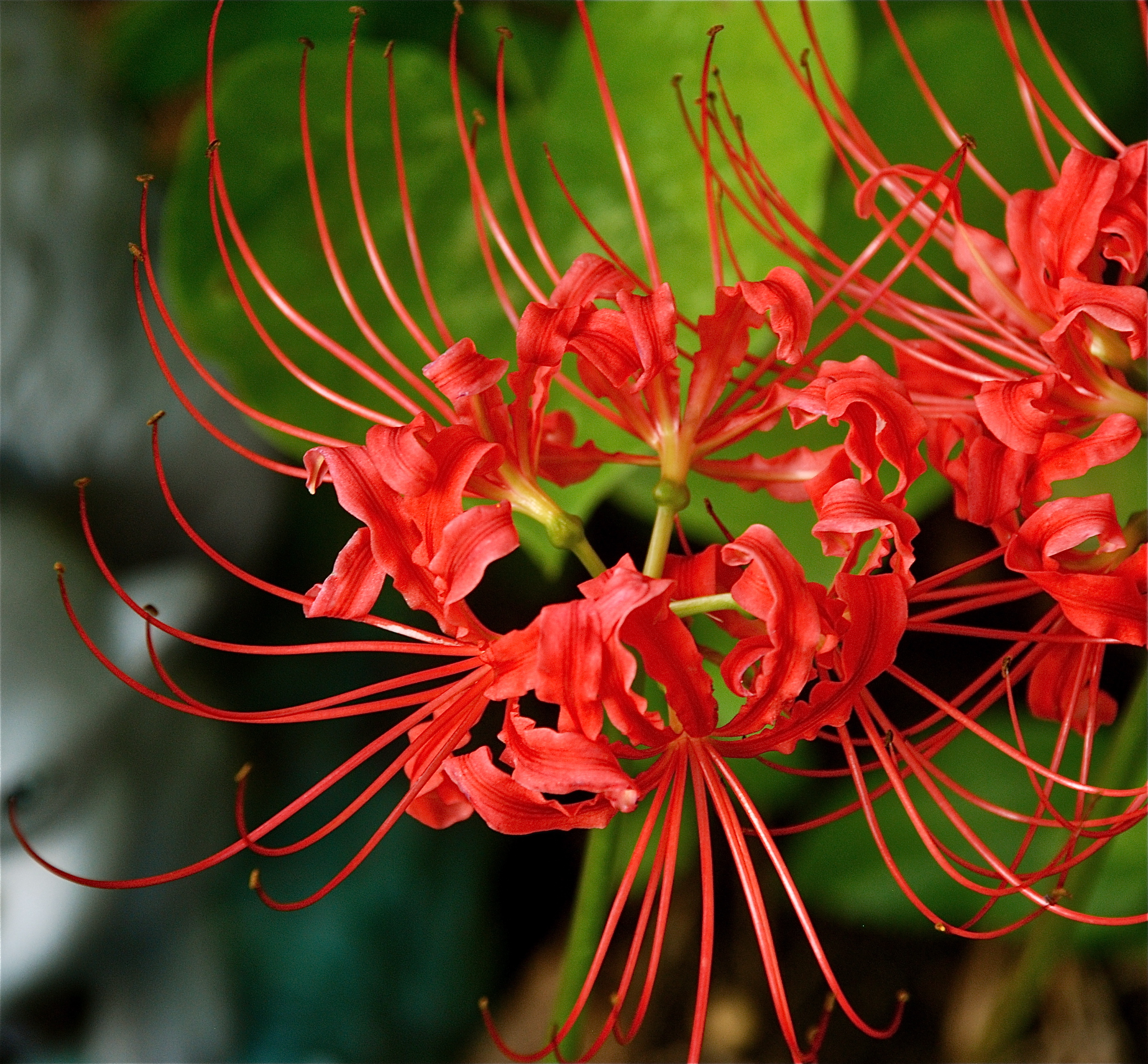
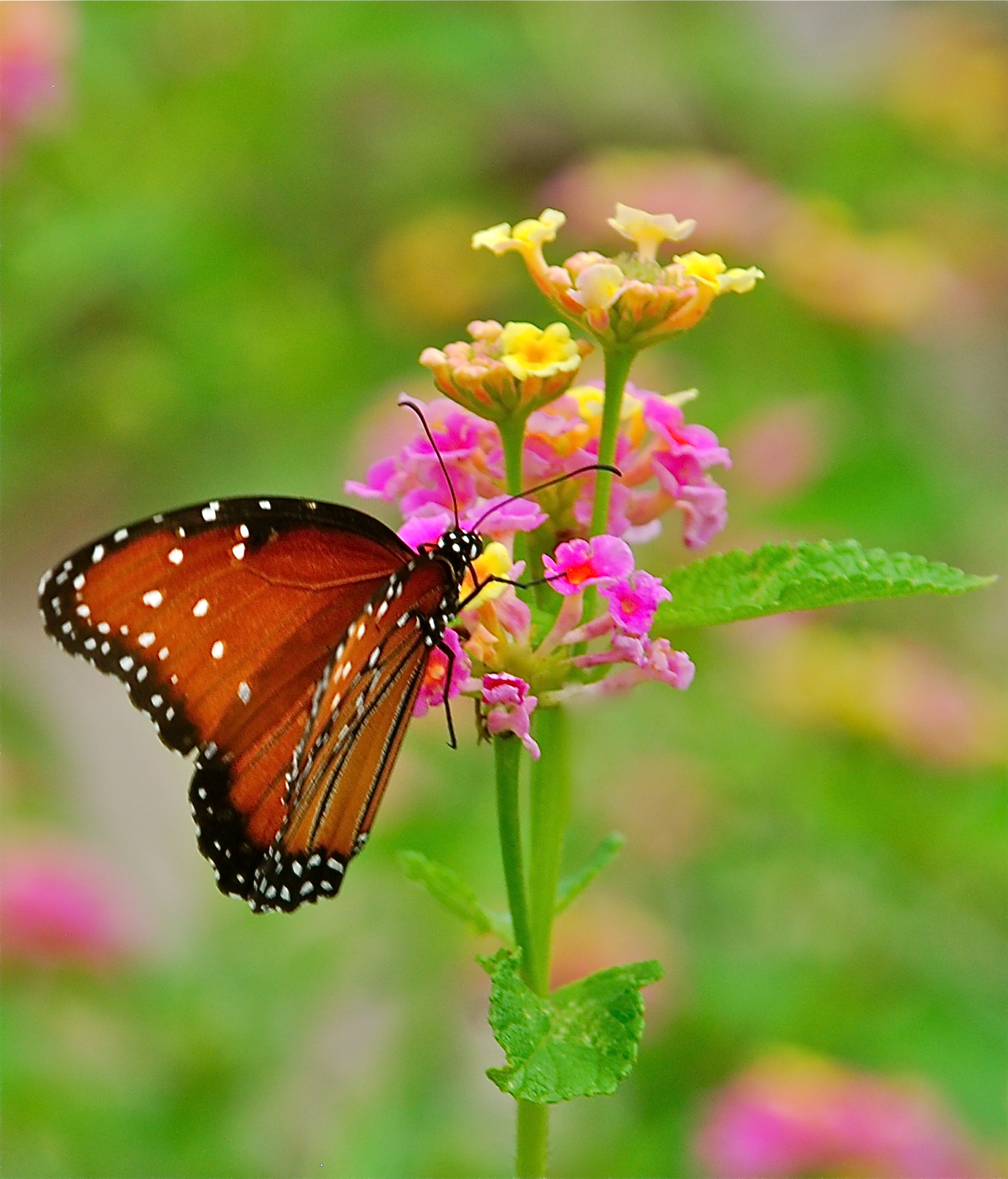
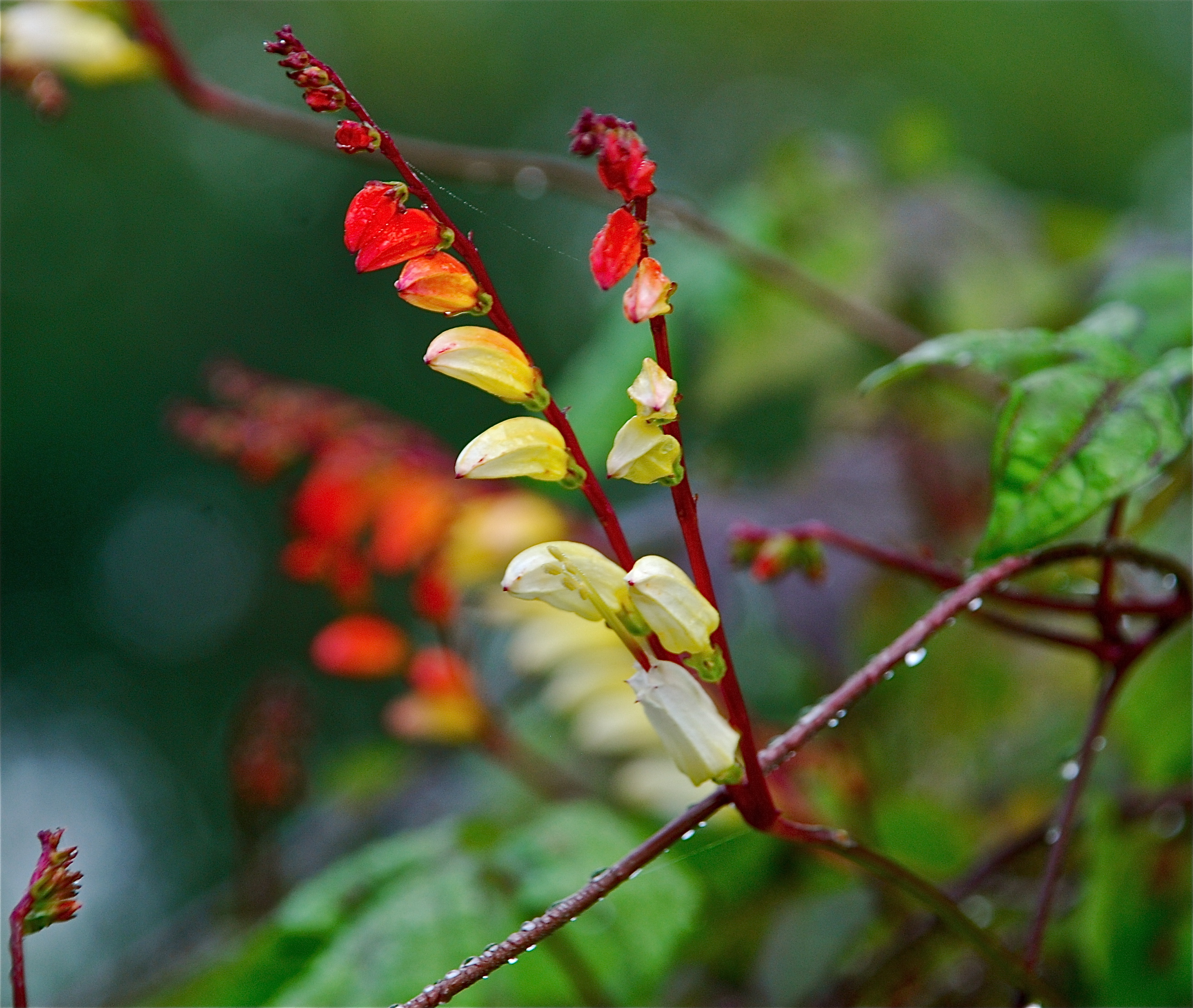
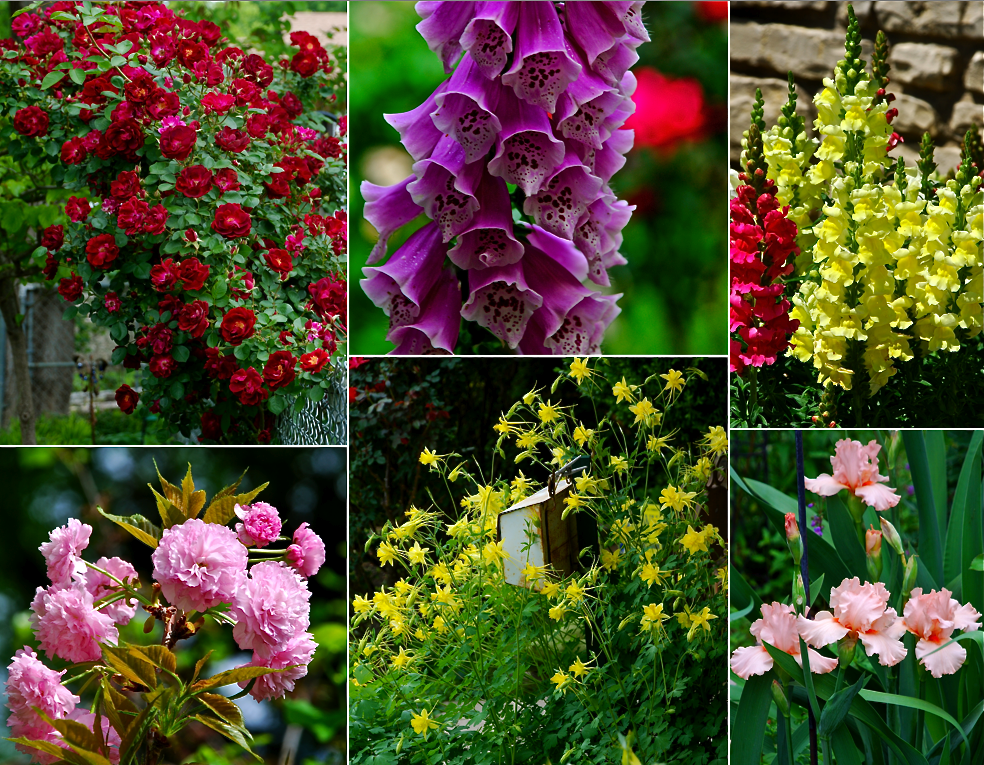
The flowers in these photos are the result of another year’s embrace of the sun.  It will be the remembrance of them and the haunting song of their colors, separately and collectively, that will lift my spirits when in the months to come I traverse winter’s “vale of grief.”  If my memory of the colors should grow dim, I’ll have but to look heavenward and watch for them in the rising and the setting of the sun on days when a window in the gloom has been opened.  In those moments when they streak the eastern or western horizon in a blaze of glory I’ll remember that as the earth tilts back toward the sun, the sun’s embrace will bring the flowers, their lovely colors, and their songs back.  When they return and the air is filled with the music of many melodies, my prayer for all of us will be. . .

 That the morning sun stirs us with gladness from our beds,
That the winds of March move us happily along the new year’s road,
That the rains of April renew our strength,
That the flowers and colors of May captivate our sight,
That the summer inflame our zeal,
That autumn’s colors stimulate our dreams,
That the silver moon make us wiser yet,
That the Lord keep us young at heart so that
we are full of life, laughter, song, and gratitude
for the holiness and goodness in all that the sun and His love embraces.
~Edited and adapted from a blessing by Fr. Andrew Greeley

The heavens declare the glory of God; the skies proclaim the work of his hands.  Day after day they pour forth speech; night after night they display knowledge.  There is no speech or language where their voice is not heard. Their voice goes out into all the earth, their words to the ends of the world.  In the heavens He has pitched a tent for the sun, which is like a bridegroom coming forth from his pavilion, like a champion rejoicing to run his course.  ~Psalm 19:1-5   ✝

139. The roots of all goodness lie in the soil of appreciation for goodness. ~Dalai Lama

Every day that we wake up
is a good day.
Every breath that we take
is filled with hope for a better day.
Every word that we speak
is a chance to change what is bad into something good.
~Walter Mosley

Image

Scripture says that at the end of each day of Creation’s beginnings, God looked at what He made and saw that it was good.  Mankind, then, draws every breath amidst that goodness.  Yes, there are days fraught with trials and grief, but they alter not the fabric in which all life was woven.  Goodness and the miraculous are as constant as the sun, moon, and stars, and man has a chance of finding and being blessed by God’s graciousness when he lets go of his yesterdays and looks only to the day at hand.  If his cup is to be filled with the promised goodness and mercy, he must empty the chalice of his being on a daily basis.  Otherwise the bitter stings of the past will poison the mix and rob him of all that could have been.  Man’s days have a planned shape in the soil of goodness, and its bounty rises to the surface, not because of what he is or what he does, but because of who God is and what He’s already done.

God saw all that He had made, and it was very good. . .Thus the heavens and earth were completed in their vast array.  ~Genesis 1:31a, Genesis 2:1  ✝

138. My riches consist not in the extent of my possessions, but in the fewness of my wants. ~J. Brotherton, a reforming British politician and non-conformist minister

Image

May the God of your days and the dawn awaken you.
May the God of the rising sun stir you up.
May the God of the morning bless the work of your hands.
May the God of noontime renew your strength and energy.
May the God of the sunset bring you safely back home.
May the God of the dusk soothe your flesh and soul.
May the God of the night bring you peaceful rest.

~Edited adaptation of a blessing for the day by Andrew Greeley

Blessed are those You choose and bring near to live in Your courts!  We are filled with the good things of Your house, of Your holy temple.  ~Psalm 65:4 ✝

137. Silence is the universal refuge…a balm to our every chagrin. ~Henry David Thoreau

Soon silence will have passed into legend.
Man has turned his back on silence.
Day after day he invents machines and devices
that increase noise and distract humanity
from the essence of life. . .
~Jean Arp, French sculptor, painter, and poet

Image

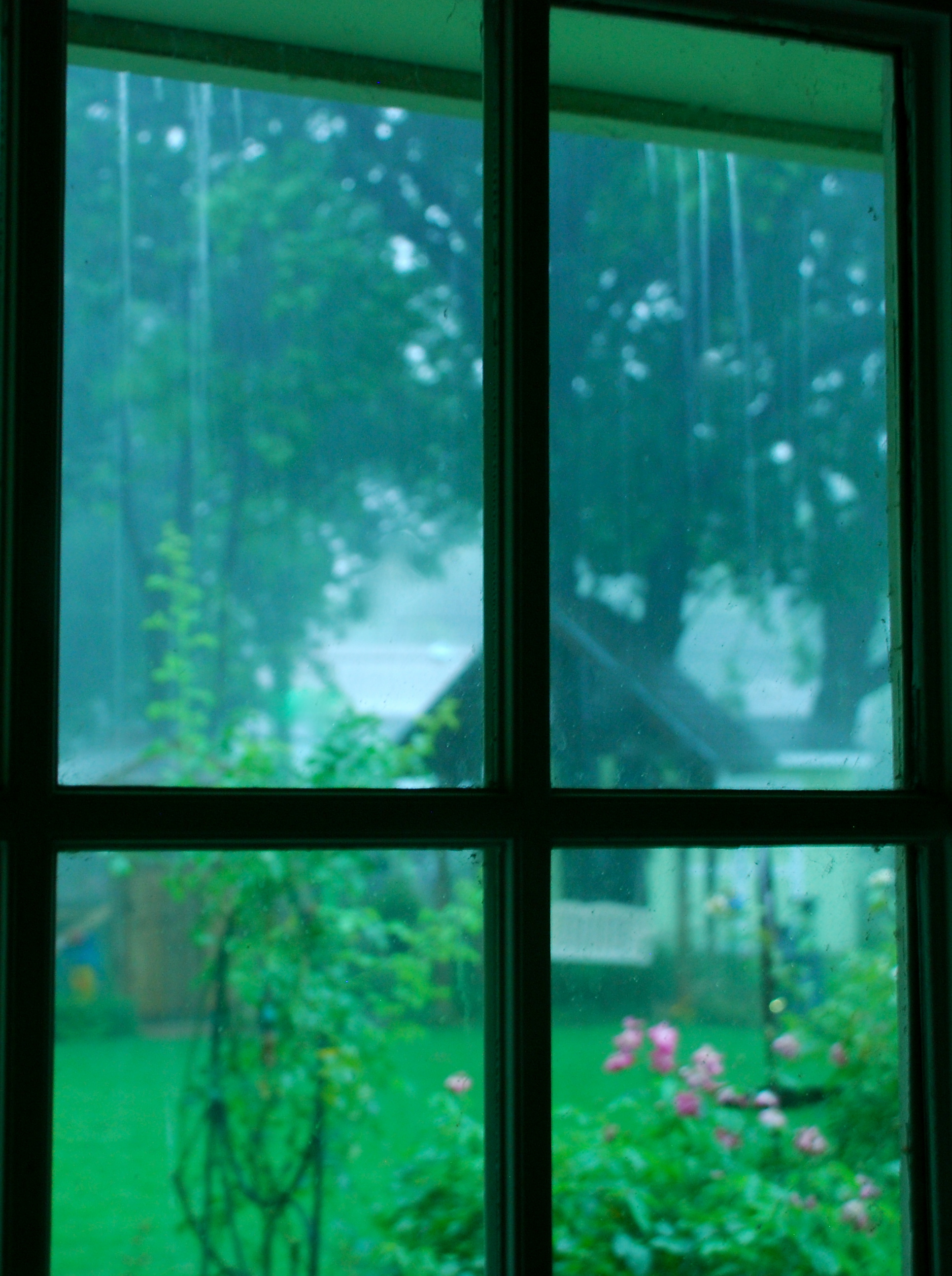
We see patterns of stillness and silence in the natural world.  Day gives way to night, fruitfulness gives way to fallowness, bodies give way to fatigue.  However, in today’s noisy culture, there exists an almost obsessive tendency toward unending busyness.  Rest and yielding to silence has for many become a forgotten art or at best difficult.  But on days like today, in the midst of the noise a profound silence can be found in rain, and in that silence some seem still to be able to hear the slowing voice of quietude.  And I find that if one takes time to sit, listen, and watch the rain, an ancient holy voice has a way of pulling him/her into a deep peacefulness.  What’s more if the listener seeks a way to come back again and again to that quiet place, an intimate relationship begins to form.  Mother Teresa once said, “We need to find God, and he cannot be found in noise and restlessness.  God is the friend of silence.  See how nature – trees, flowers, grass – grows in silence; see the stars, the moon and the sun, how they move in silence. . .We need silence to be able to touch souls.”

“Be still, and know that I am God; I will be exalted among the nations, I will be exalted in the earth.”  -Psalm 46:10    ✝

135. As for marigolds, poppies, hollyhocks, and valorous sunflowers, we shall never have a garden without them… ~Henry Ward Beecher

Eagle of flowers! I see thee stand
And on the sun’s noon-glory gaze;
With eye like his, thy lids expand,
And fringe their disk with golden rays:
Though fix’d on earth, in darkness rooted there
Light is thy element, thy dwelling air
Thy prospect heaven.
~The Sunflower by James Montgomery, British editor and poet

Image

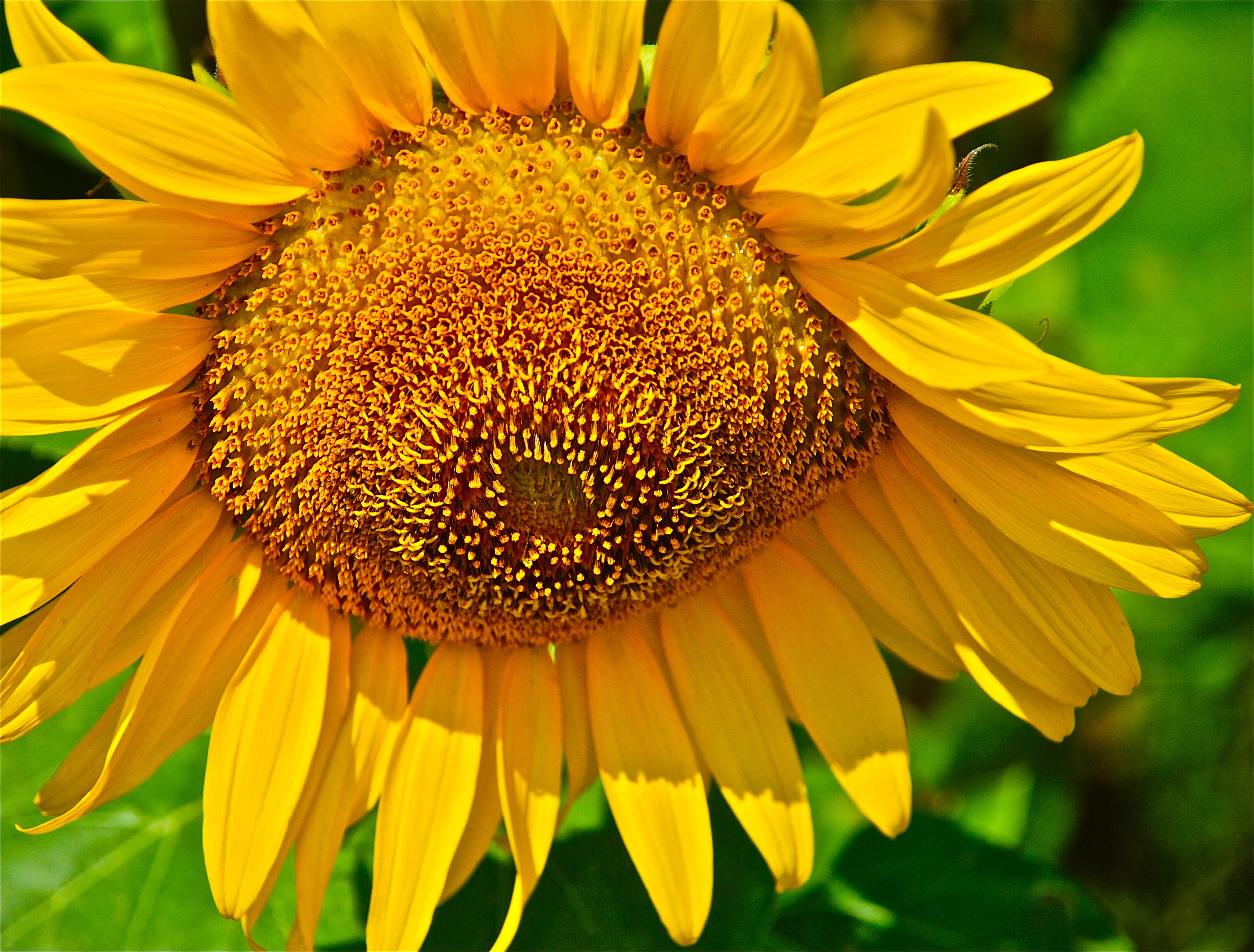
The sunflower with its “gaudy crown of gold” courts the heavenly expanse in search of the sun.  But is that iconic golden spectacle seeking to be prospered by the sun a single flower?  No, each sunflower is actually a cluster of sometimes more than 2,000 small flowers all growing together to mimic the sun and harvest its light.  Amazingly, at maturity some flower heads of the sunflower measure 2 feet across while the plants that hold them up sometimes grow as high as 18 feet.  Henry Ward Beecher additionally said all flowers “have an expression of countenance as much as men or animals.  Some of them seem to smile; some have a sad expression; some are pensive and diffident; others again are plain, honest, and upright, like the broad-faced sunflower. . .”  I agree and adore the plain honesty and uprightness of the sunflower, but in them I also see a touch of elegance in their statuesque stance in the landscape.

This is what the Lord says to me: “I will remain quiet and will look on from my dwelling place, like shimmering heat in the sunshine, like a cloud of dew in the heat of harvest.”  ~Isaiah 18:4   ✝

128. The very act of planting a seed in the earth has in it something beautiful. I always do it with a joy that is largely mixed with awe. ~Celia Thaxter

Every friend is to the other a sun,
and a sunflower also.
He attracts and follows.
~Jean Paul Richter

Image

Over the years, I tried starting a few things from seed but never on a large scale.  Then a year or so back after I pulled up and out two poorly producing raised beds, I claimed the space beneath them that fall as seed beds.  In one I sowed poppies and in the other I sowed larkspur and was thrilled at the success of both the following spring.  After the poppies and larkspur were spent that spring, I sowed several types sunflowers in their stead so that I’d have homegrown food for my birds during the winter months.  Again I had great success, and so now, though not on as large a scale, I have several places around the yard where I reserve space for sowing morning glories, poppies, larkspur, and sunflowers.  And I have to say that the process still affects me in the same way as Celia Thaxter.  There is just something so terribly awesome about putting a tiny, almost nondescript seed in the ground and then after a period of watering and waiting discovering the tiniest of green shoots emerging from the blank soil.

The land produced vegetation: plants bearing seed according to their kinds and trees bearing fruit with seed in it according to their kinds. And God saw that it was good.  ~Genesis 1:12  ✝