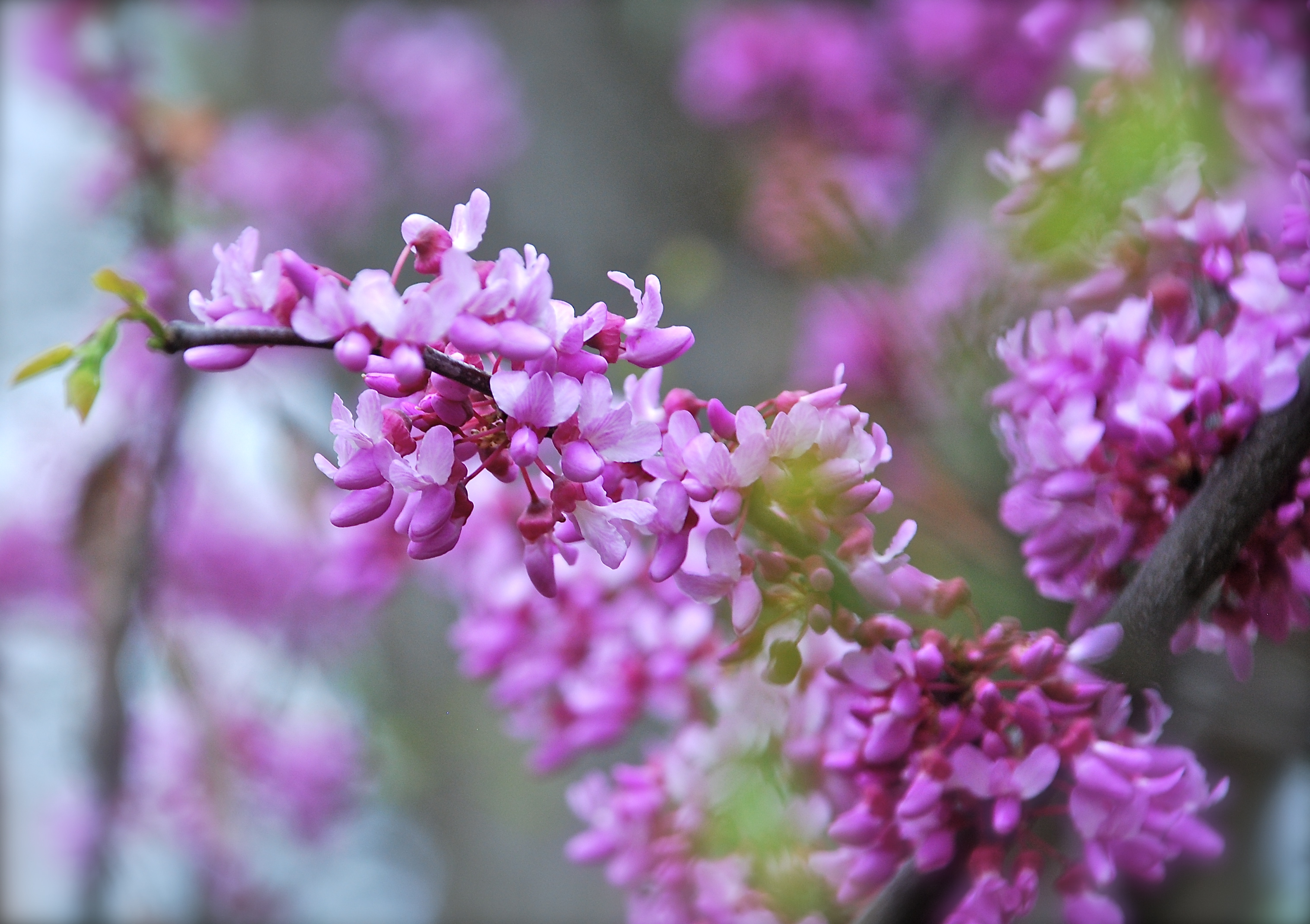
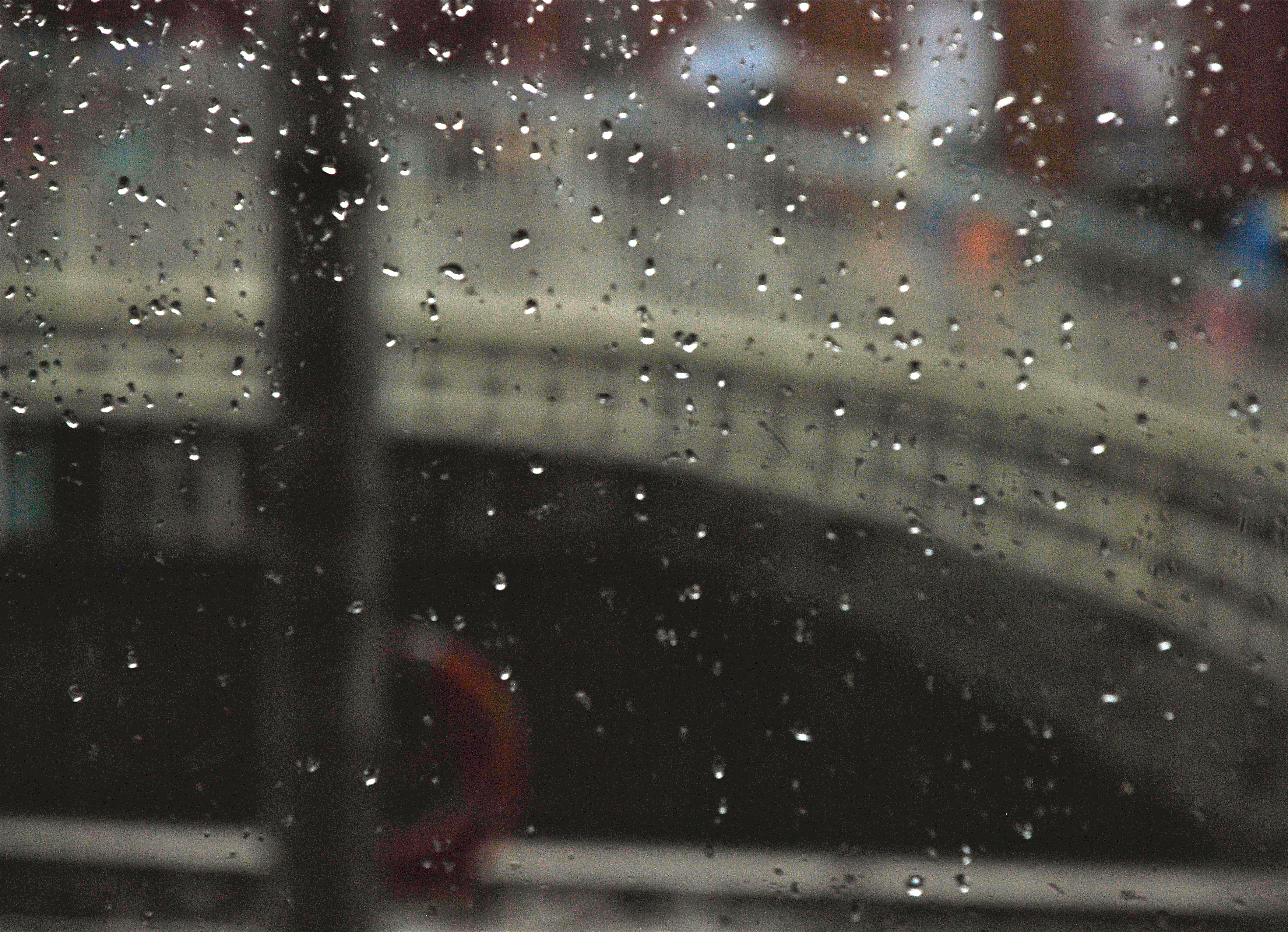
162. All was silent as before — All was silent save the dripping rain. ~Henry Wadsworth Longfellow

But the true lover of rain…has a deep inner enjoyment of the rain, as rain, and his sense of its beauty drinks it in as thirstily as does the drinking earth.  It refreshes and cools his heart and brain; he longs to go forth into the fields, to feel its steady stream, to scent its fragrance; to stand under some heavy-foilaged chestnut-tree, and hear the rushing music on the crowded leaves.  ~John Richard Vernon

**One of my readers just sent me to a website which has a slowed down audio clip of crickets chirping.   It’s amazing to hear that they sound like an angelic choir reminiscent of gregrorian chanters.  If you’d like to listen, you’ll find it at:  www.soundcloud.com/acornavi/robert-wilson-crickets-audio
Image

I like to think of the universe as a cosmic temple and of planet earth as a sanctuary in that temple.  Though not given the power of speech as such, rain and other weather-related phenomena exhibit distinctive voices under heaven’s dome, and as they fall from earth’s chaotic atmosphere, they often blend their unique voices with other holy sounds in the natural world.  I believe that in that sacred chorus is a call to humanity to seek the Maker of the temple because God not only hardwired man with a desire to connect with other human beings but also with a  longing to seek and connect with Him whose breath gave him life. To that end man was given eyes to witness the sacraments of heaven and earth, ears to hear the chants of their hallowed voices, intellect to question and understand much of what is seen and heard, and a heart that in due time turns from irreverence to longing.  Tecumseh, a leader of the Shawnee, said, “Nature is so powerful, so strong.  Capturing the essence is not easy – your work becomes a dance with light and the weather.  It takes you to a place within yourself.”

Let my teaching fall like rain and my words descend like dew, like showers on new grass, like abundant rain on tender plants.  ~Deuteronomy 32:2  ✝
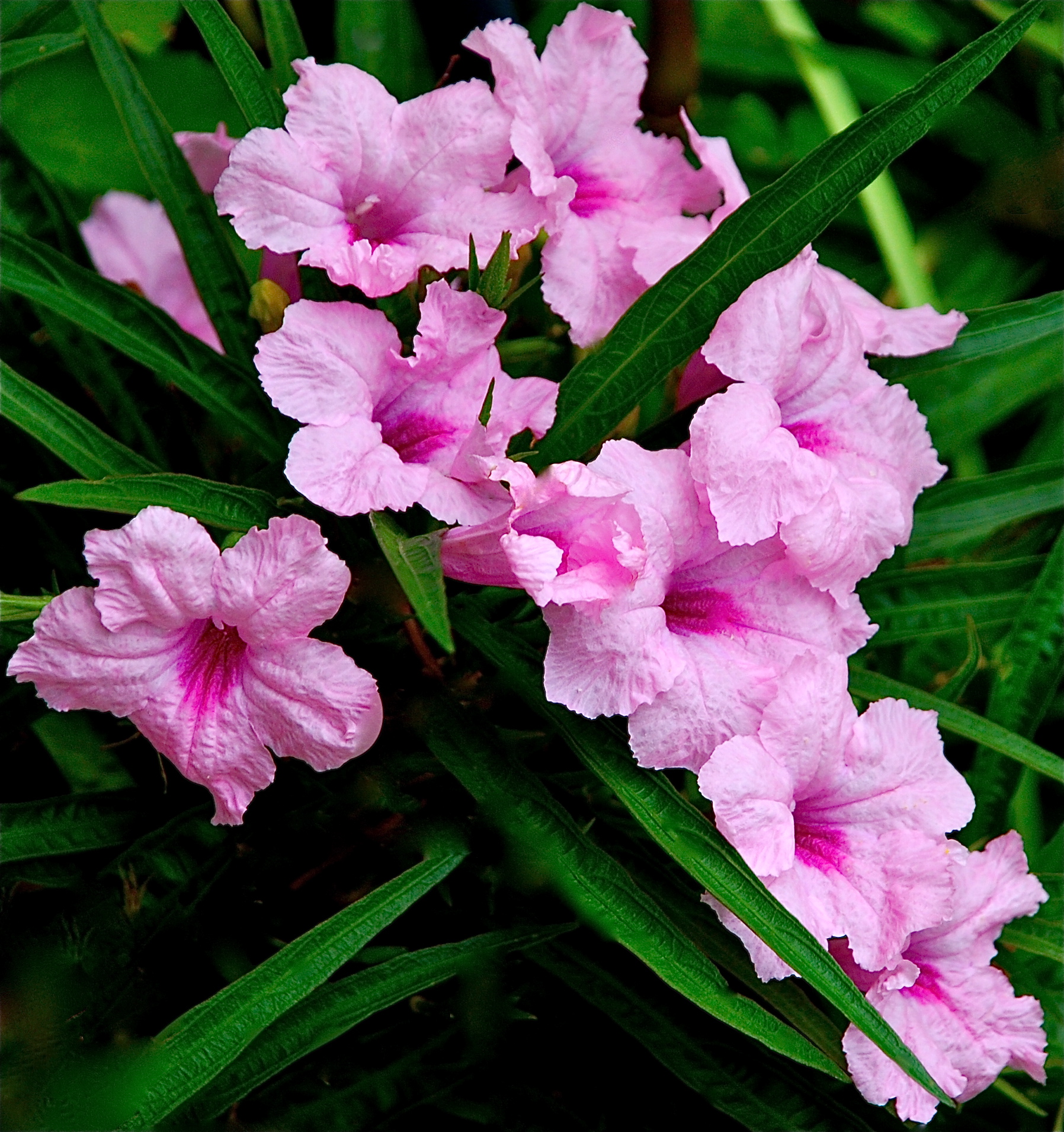
146. Beauty. . .is the shadow of God on the universe. ~Gabriela Mistral

The human body needs food to be nourished, but the spirit needs to be fed in other ways. One thing it needs is beauty, and nature has a vast array of beautiful places in which the spirit can be nurtured and healed if need be. I’ve found that time spent in any of earth’s sanctuaries provides me with a better perspective about a whole host of things.  When the senses are heightened and ordered, what’s really important in life becomes ever so much clearer.

Image

Rachel Carson alleged that “those who dwell among the beauties and mysteries of the earth are never alone or weary of life.” She’s right because when one is alone in any of nature’s courts, if He is called upon and welcomed, it’s easy to become aware of the Lord’s presence. More importantly if one listens carefully in the midst of the natural world’s profound silences, he/she can hear the Lord speak.

Very early in the morning, while it was still dark, Jesus got up, left the house and went off to a solitary place, where he prayed.  ~Mark 1:35  ✝

76. Through the dancing poppies stole a breeze most softly lulling to my soul. ~John Keats

Of all the wonderful things in the wonderful universe of God,
nothing seems to me more surprising than the planting of a seed
in the blank earth and the result thereof.
Take the Poppy seed, for instance: it lies in your palm,
the merest atom of matter, hardly visible, a speck, a pin’s point in bulk,
but within it is imprisoned a spirit of beauty ineffable,
which will break its bonds and emerge from the dark ground
and blossom in a splendor so dazzling as to baffle all powers of description.
~Celia Thaxter

Image

I love poppies, not just the flowers but also the lovely, fat pods that contain the future of the species.  The plants that put on silky, paper-thin blossoms can grow to be 3 or 4 feet tall here if the “hardly visible” seeds are sown in the fall.  So it is that in late October I toss out seeds from the ones I harvested from last’s years pods, and then all winter long I wait for the beauties which “baffle description” to make their appearance in my garden.  As winter moves along, I keep myself reassured by going out to check on them after especially frigid days or after occasional snowfalls to make sure the burgeoning “babies” have not succumbed to the elements.  And each time I go out, I almost squeal with delight when I discover that most of them, if not all, are still slowly but surely growing bigger and stronger.  Then sometime in the early spring the day comes when the waiting is over and standing before me are the first fruits of my labors and watchfulness.  Like dainty chalices, the cup-like flowers open up and drink in the day’s light while penning God’s autograph on the “scenes” of yet another springtime.  Day by day after each individual flower’s petals fall to the ground, the intriguing seed pods take their place, and as temperatures climb, they begin to ripen.  Some of these I eventually let fall to the ground to self sow; the remainder I gather and keep safe and dry until autumn comes and it is again time for me to partner with Creation and scatter abroad the “merest atoms” of such beautiful matter.

For as the soil makes the sprout come up and a garden causes seeds to grow, so the Sovereign Lord will make righteousness and praise spring up before all nations.  ~Isaiah 61:11

69. Only from the heart can you touch the sky. ~Rumi

It is a glorious privilege
to live, to know, to act, to listen, to behold, to love.
To look up at the blue summer sky;
to see the sun sink slowly beyond the line of the horizon;
to watch the worlds come twinkling into view,
first one by one, and the myriads that no man can count,
and lo! the universe is white with them;
and you and I are here.
~Marco Morrow

Image

It is God’s privilege to conceal things and the king’s privilege to discover them.  ~Proverbs 25:2   ✝

12. Ring out, wild bells, to the wild sky, the flying cloud, the frosty light. . . ~Alfred Lord Tennyson

Yet a few sunny days, in which the bee
Shall murmur by the hedge that skirts the way,
The cricket chirp upon the russet lea,
And man delight to linger in thy ray.
Yet one rich smile, and we’ll try to bear
The piercing winter frost, and winds, and darkened air.
~William Cullen Bryant

Image

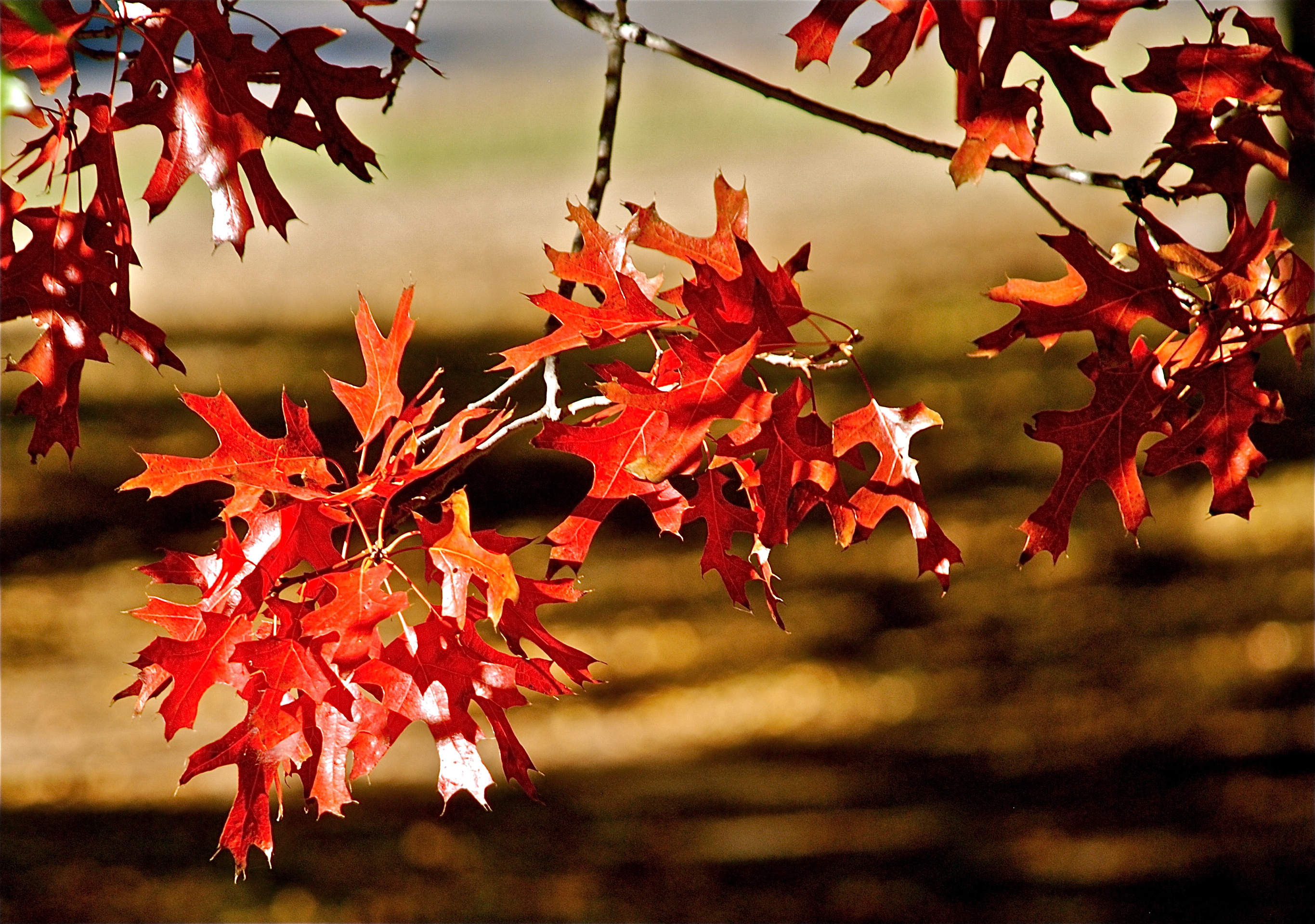
With every north wind that blows the landscape unravels more and more; after each assault the downed foliage leaves in its wake mounting numbers of skeletons bracing themselves for winter’s icy blasts.  In addition the ornamental grasses are drying out and taking on their a wild and tattered look, and yet a few touches of color remain in the leaves and flowers that have yet to be exiled.  Still audible in the “honey’d leavings” of warm afternoons are their faint renditions of the lusty songs of life, but regardless of how sweet the sound of that is, the sands in autumn’s hourglass are running out.  Like all things, it too will come at last to its Sabbath and therein rest until its next appointed hour upon life’s stage.

10. For in the true nature of things, if we rightly consider, every green tree is far more glorious than if it were made of gold and silver. ~Martin Luther

For man, autumn is a time of harvest, of gathering together.
For nature, it is a time of sowing,of scattering abroad.
~Edwin Way Teale

Image

Like Teale I knew that autumn’s winds were scatterers and sowers, but until I did some research, I didn’t realize how much the autumnal shedding of leaves accomplishes.  For the sake of the sod, the fallen leaves cover the ground like a protective blanket.  It’s also easier for leafless trees to conserve much needed moisture in their branches and trunks, and since cold, dry winter winds strip moisture from trees through their leaves, losing their leaves is self-protective mechanism.  It would also be very costly energy wise for trees to keep their little leafy food factories up and running with less light and heat.   Because the transport of water from the ground into the trunk and leaves would be a damaging drain on a trees’ limited resources, the loss of leaves puts trees into a state of dormancy thereby reducing the amount of energy they need to live.  When leaves “come to rest upon the ground,” their work is far from over.  As they lie there, they become food for soil organisms which are vital to the overall health of ecosystems.  In addition the decomposing leaves restock the soil with nutrients and make up a part of the spongy humus that absorbs and holds rainfall.  And finally with the arrival of spring and warmer temps, bacteria, fungi, and insects come into play because the fallen leaves are chewed and rotted which in turn releases nutrients for plant growth.

“For the wisdom that fashioned the universe and can be read in earth’s dark depths and in heaven’s infinity of lights thanks be to you, O God.”  ~John Philip Newell