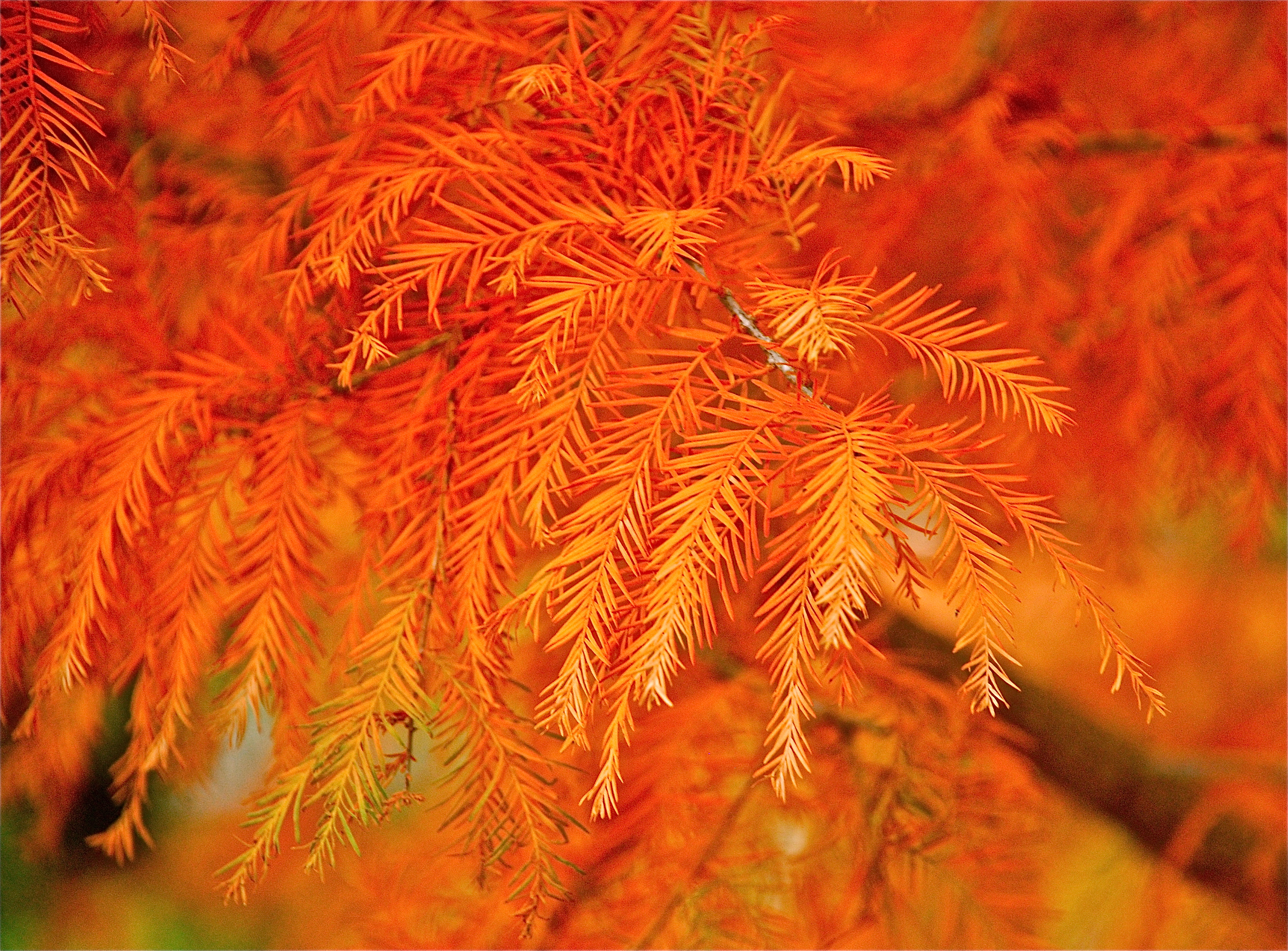
9. O Autumn…pass not, but sit…and tune thy jolly voice…and all the daughters of the year shall dance! ~William Blake

In the garden, Autumn is, indeed the crowning glory of the year,
bringing us the fruition of months of thought, and care, and toil.
~Rose G. Kingsley, British Gardener and Writer
Image

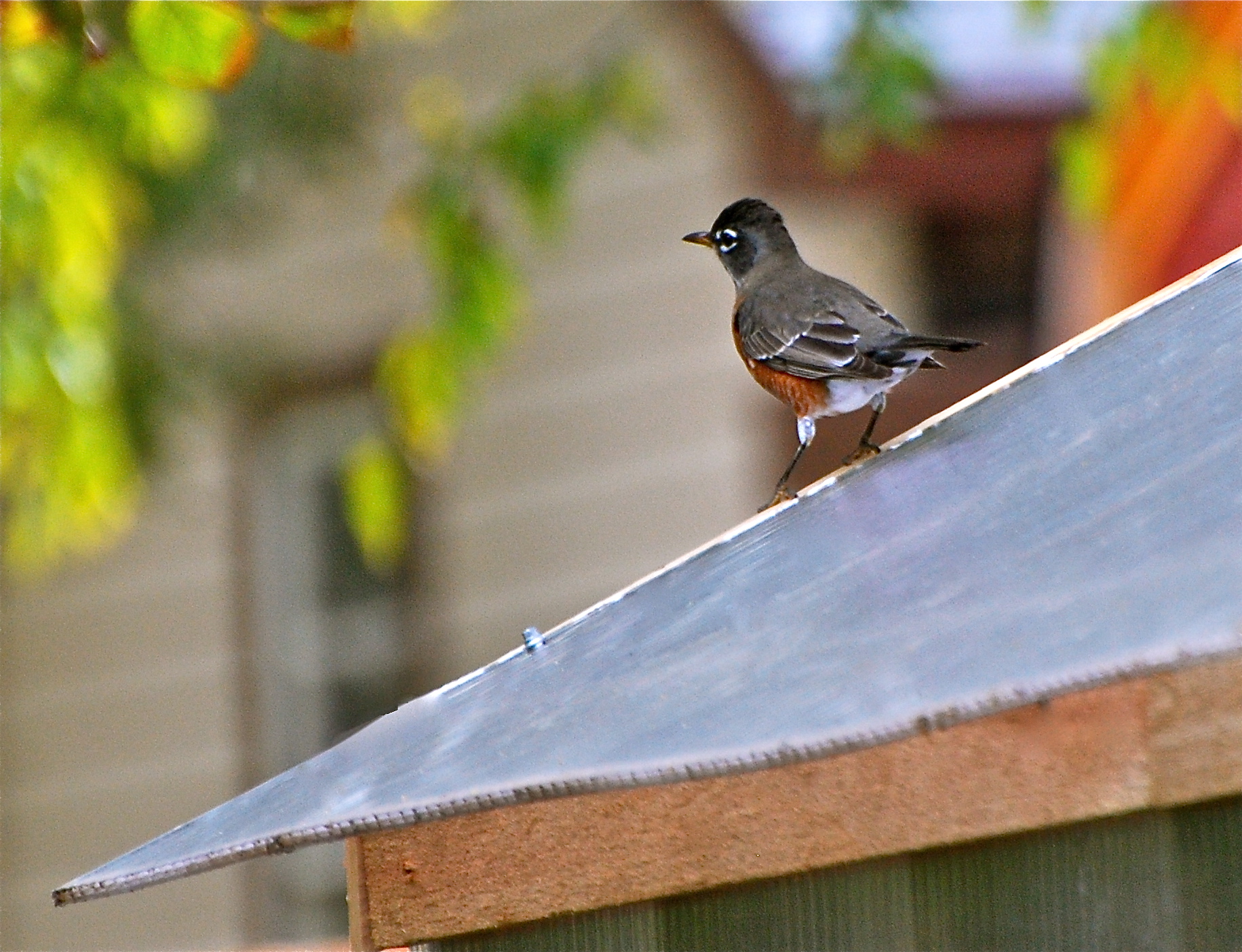
Now that the year has grown long in the tooth, the migratory birds have moved on to warmer lands.  But the birds who overwinter here are still very visible and busy.  However, on the chillier days they, like me, “remain perched” early in the morning and later when the sun is well over the rooftops.  Nevertheless, in spite of our periodic and combined lethargy, we still manage to be out and working during the warmer parts of the day.  The “common feast for all” the garden spreads may be nearly gone and the bird’s tired wings along with my tired feet may drag somewhat, but autumn’s remaining golden glory continues to quicken our spirits.  In fact even after winter ravages the land, we, man and beast alike, who live close to the soil will venture out on the occasional warm day to search with hungry eyes for any signs of what we know lies waiting to emerge from beneath the surface of things.

Autumn’s song is indeed “a rich and lusty melody.”  It induces a healthy renewal in bodies wilted by summer’s long siege of torrid heat, and it creates a restful peacefulness that washes away the “fret and fever of life.”  “It’s jolly voice” sings a comforting song of promise that speaks of God’s circadian rhythms of life–the rhythm of changing seasons, busyness followed by stillness, “youth’s energy followed by age’s measured pace.”

There is a time for everything, and a season for every activity under the heavens. . .  ~Ecclesiastes 3:1   ✝
3. Winter is an etching, spring a watercolor, summer an oil painting and autumn a mosaic of them all. ~Stanley Horowitz

O Autumn, laden with fruit, and stain’d
With the blood of the grape, pass not, but sit
Beneath my shady roof; there thou may’st rest,
And tune thy jolly voice to my fresh pipe,
And all the daughters of the year shall dance!
Sing now the lusty song of fruits and flowers.
~William Blake, English poet

Image

Lusty indeed is the dance of the year’s 4th child; regaled in glory and reigning in majesty, she’s a darling of the gardener.  Because fruitfulness and love run through her “thrilling veins,” those who choose to work the soil know they’ve got one last chance now before year’s end to plant, “to interact with nature, to share, to find sanctuary, to heal, to honor the earth, to leave a mark.”  So it is when autumn’s chariots, with pink and purple banners flying or veiled in a gray fog or torrents of rain, enter the eastern sky at dawn, the gardener’s heart is electrified.  Then when her crisp days are done and her carriage exits on the western horizon in a blaze of red and gold or is swallowed in the wetness of massive dark clouds, the gardener is left with the satisfied feeling that he’s conjured up or added yet another stroke or two to his beloved work of art.   As for what Blake called her “jolly voice,” autumn often sings gladsome odes to joy, but there are days when it belts out threatening, thunderous refrains or croons “mournful melodies.”  Regardless of what autumn vocalizes, it’s not until it plays “the harps of leafless trees” and sings the somber song of deep December that both the garden and gardener rest knowing that it’s time to let the Lord and Creation alone perform their miracles, God from on high and the earth from beneath the soil.

A common feast has been prepared at Creation’s hearty tables.  Food for the soul, spirit, and mind has been prepared and offered up for all of us.  So, come, dine with me there in the coming weeks.

2. Thy bounty shines in autumn unconfined and spreads a common feast for all that live. ~James Thomson

Delicious autumn!
My very soul is wedded to it, and if I were a bird,
I would fly about the earth seeking the successive autumns.
~George Eliot, English novelist

Image

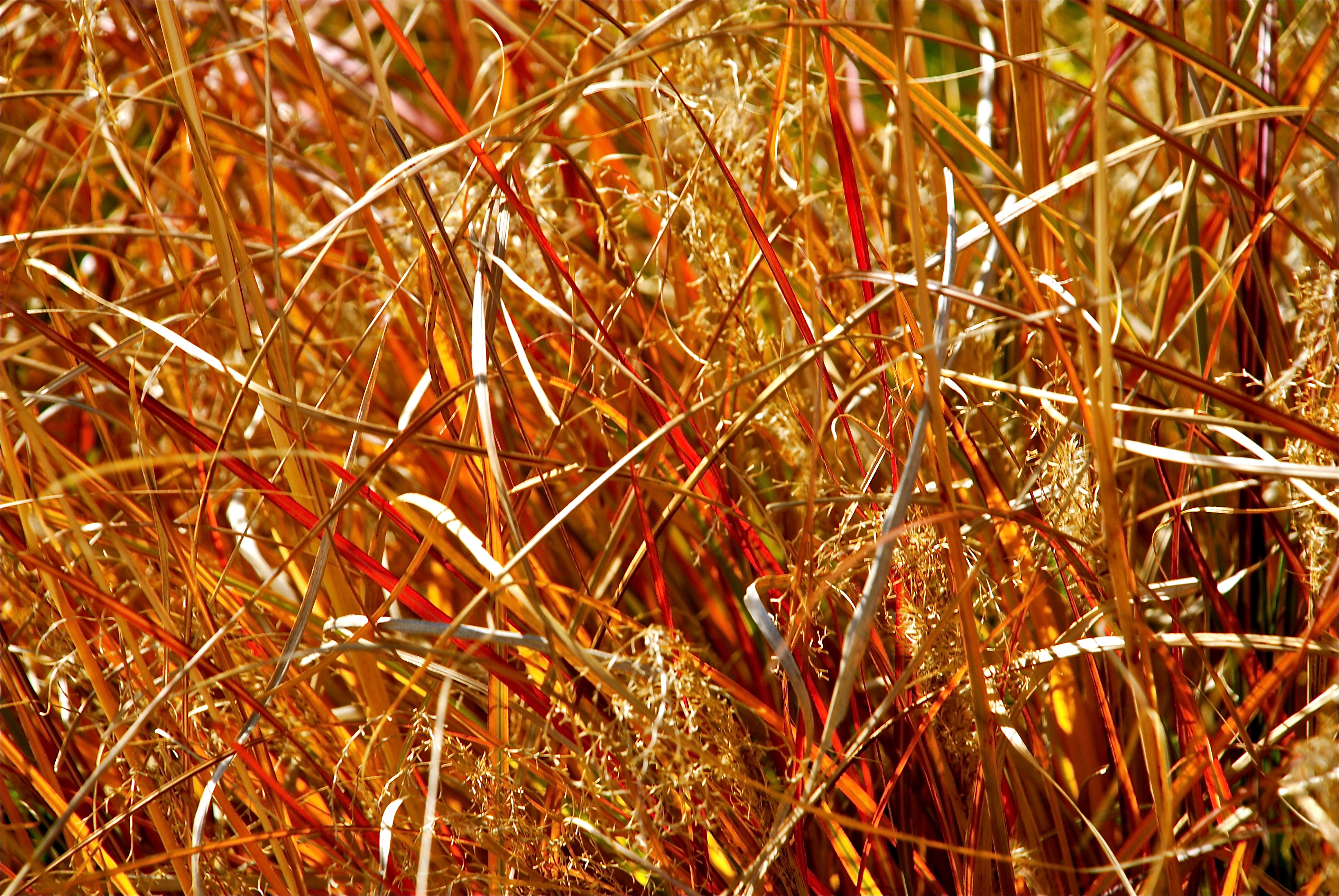
What’s not to love about a season that takes the focus off summer’s calamities by piling delectable hues back on nature’s palette?  It begins after the autumnal equinox when grasses, flowers, fruits, and berries begin weaving fabulous garlands in sacred temples bound by earth and sky.  Then as the days grow shorter, the torrid temperatures of summer lower and chilling winds descend from the north.  The nip in the air they create induces chemical changes in leaves, leaves that become more and more colorful as autumn’s days unfold.  The grand array of their colors conjures up magic shows on woody altars not only in autumnal forests but also in small towns and sprawling cities.  Later in the season blustery winds snap the parchment-like foliage off, and as the leaves fall, they swirl about in little eddies playing like jovial children.  When autumn’s skies are not shrouded by gauzy, gray clouds, they are swept clear revealing brilliance on the “brows of morn” and daytime hours drenched in deep, dreamy shades of blue.  Under such canopies pumpkins appear in fields, soon to be used in fall’s activities and feasts as well as for festive winter banquets.  Plumed grasses shift and sigh in renewed authorship of the ancient hymns of sacred earth making autumn a time to be silent as well as watchful.  As one Celtic teacher put it, Creation is “the grand volume of God’s utterance,” and what a lovely utterance it is!  Whenever and wherever one listens to the Word of God, be it in Creation or Scripture, be it in autumn or the other seasons, it gives the listener carte blanche to fall into a rhythm which calms the mind, soothes the spirit, and sheds light into the fabric of God’s heart.