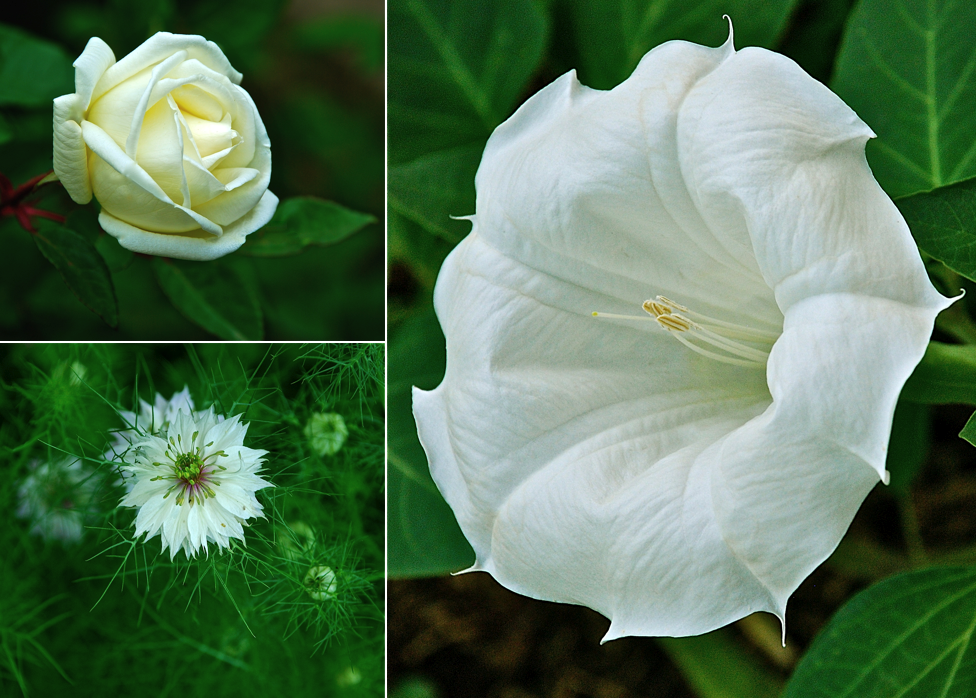
85. White-Colors sacrifice their egos to the eternal white, the matriarch of all colors. . . ~John Matthew

White. . .is not a mere absence of colour;

it is a shining and affirmative thing,

as fierce as red, as definite as black. . .

God paints in many colours; but He never paints so gorgeously,

I had almost said so gaudily, as when He paints in white.

~G.  K. Chesterton
Image

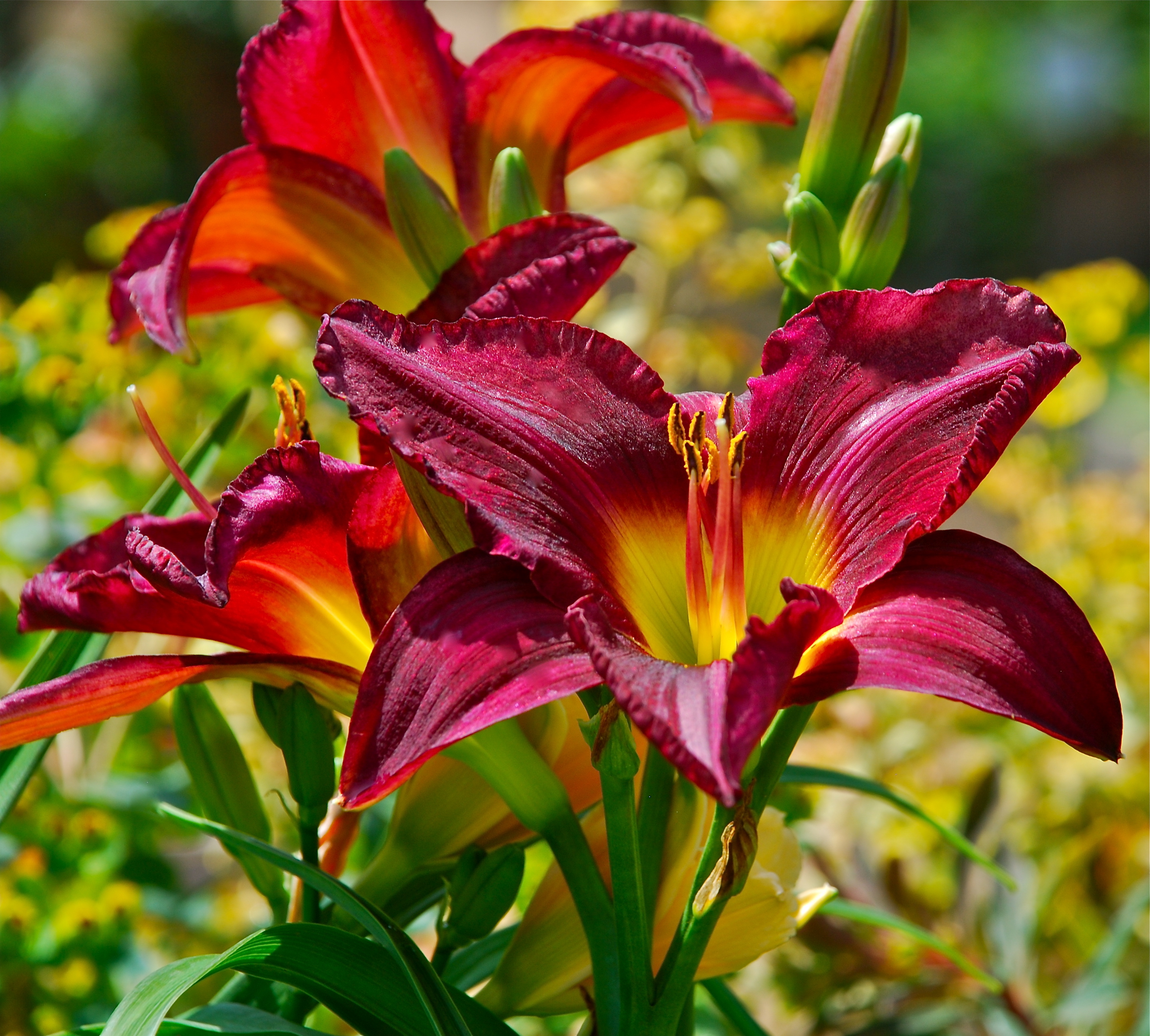
Mother nature’s portrait of life on planet earth begins each spring with brushstrokes of vibrant color that little by little cover over winter’s drab canvas.  Appearing in gardens along with the vibrancy of bright colors is the “shining and affirmative” whiteness of which Chesterton spoke.  White, often chosen as the color of wedding gowns and christening gowns, has perennially spoken of fresh beginnings, and so I think it is fitting that many of the Lord’s flowers appear in shades of white.  In some riots of white the posies are marked with smidgens of contrasting colors which seem in early spring to foreshadow the glorious pigments yet to be dragged off the Master’s palette.  So notable and stunning are the images depicted on earth’s canvases that down through the ages many references to gardens and white have been made in prose as well as music, art, and poetry.  One line in particular was penned by Walter Bellingrath who rightfully noted that a garden “is like a beautiful woman with a different gown for each week of the year.”  And I think that when dressed in gowns of glistening white, these ladies of the garden are especially powerful and inspiring muses.

Go, eat your food with gladness, and drink your wine with a joyful heart, for it is now that God favors what you do.  Always be clothed in white, and always anoint your head with oil.  ~Ecclesiastes 9:7-8
84. Wildness can be a way of reassuring ourselves of our sanity as creatures, a part of the geography of hope. ~Wallace Stenger

It was not that the jagged precipices were lofty,

that the encircling woods were the dimmest shade,

or that the waters were profoundly deep;

but that over all, rocks, wood, and water brooded the spirit of repose,

and the silent energy of nature stirred the soul to its inmost depths.

~Thomas Cole

Image

Image

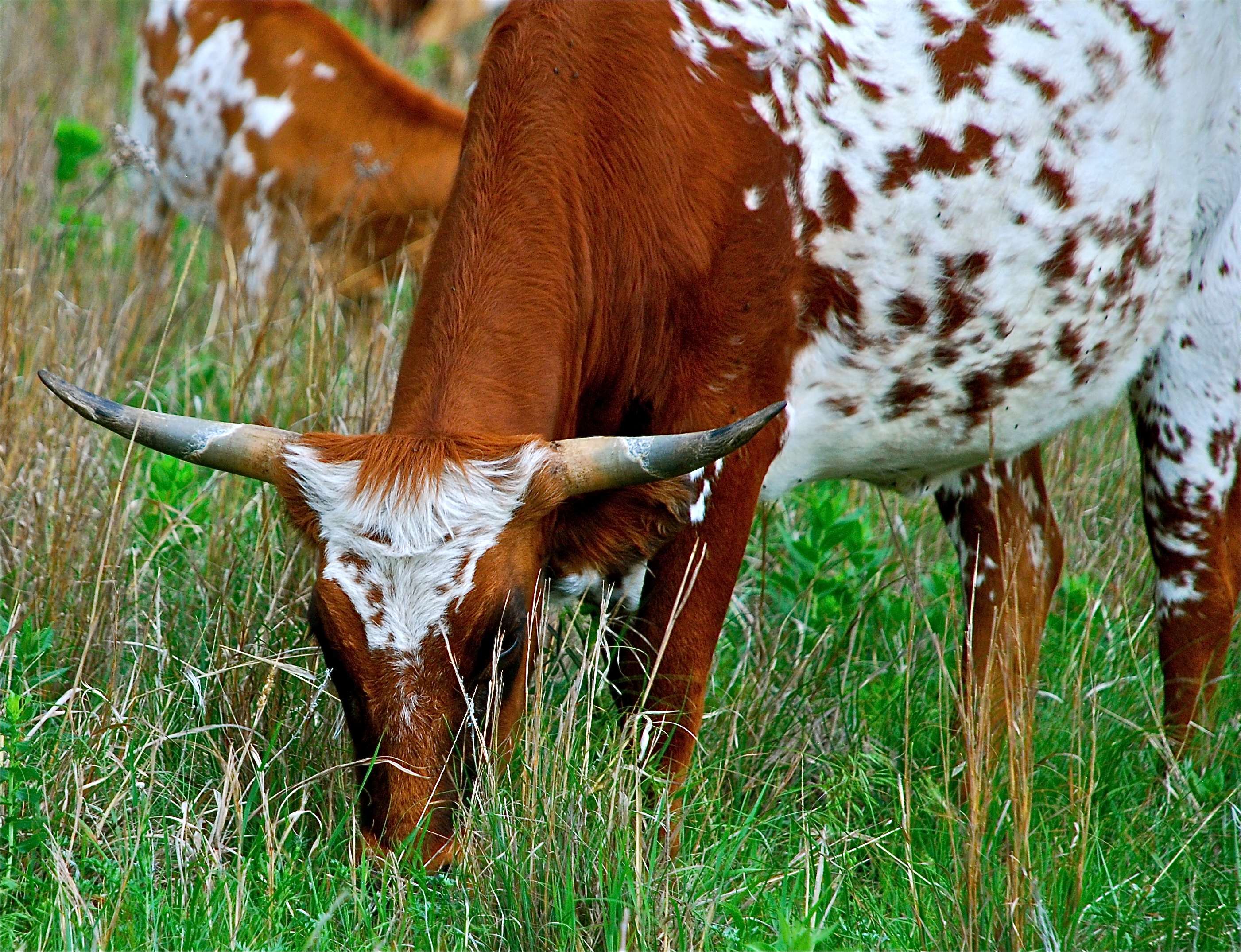
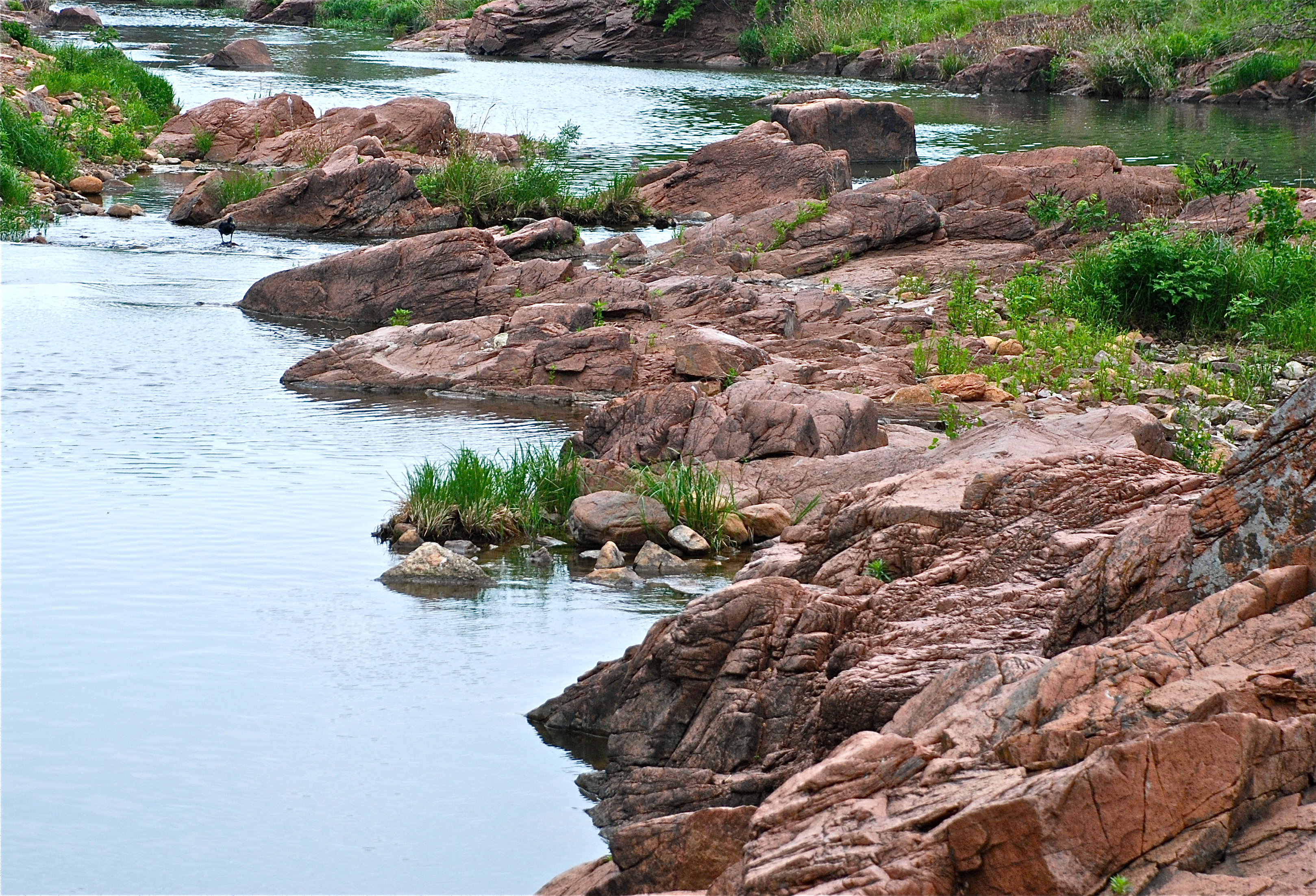
Sometimes one just has to go “where the wild things are” in order to have the senses put in order and life put in perspective.  Such a place exists for me in southwestern Oklahoma’s Wichita Mountains.  These mountains began forming approximately 500 million years ago and are ranked among the oldest ranges on earth.  However, down through the ages climactic forces have chiseled and sculpted them until “all that remain now of once lofty escarpments are weather-reduced knobs and domes.”  Even so one can’t help but stand in awe of what remains as well as the forces it took to thrust, in some cases, amazingly huge pieces of granite upward from the bowels of earth.  In addition, amid the beauty of those remaining “knobs and domes” are 13 artificial lakes and a 59,020 acre refuge which “hosts a rare piece of the past–a remnant mixed-grass prairie that escaped destruction because the rocks underfoot defeated the plow.”  The “refuge provides habitat for large native grazing animals such as American bison, Rocky Mountain elk, and white-tailed deer who were all once in danger of extinction.  Texas longhorn cattle also share the Refuge rangelands as a cultural and historical legacy species.  In addition more than 50 mammal, 240 bird, 64 reptile and amphibian, 36 fish, and 806 plant species thrive on the refuge.”  So it is that in this piece of Creation, relatively untamed since the beginning of time, I find more than enough wildness to hear the voice of God murmuring among the profusion of rocks, speaking softly over the flowing waters, and whispering across the waving prairie grasses.

Ascribe to the LORD the glory due His name; worship the LORD in the splendor of His holiness.  -Psalm 29:2

83. The Creator of the universe is with you and for you. ~Sarah Young

The Lord gives strength to His people;

The Lord blesses His people with peace.

~Psalm 29:11

Image

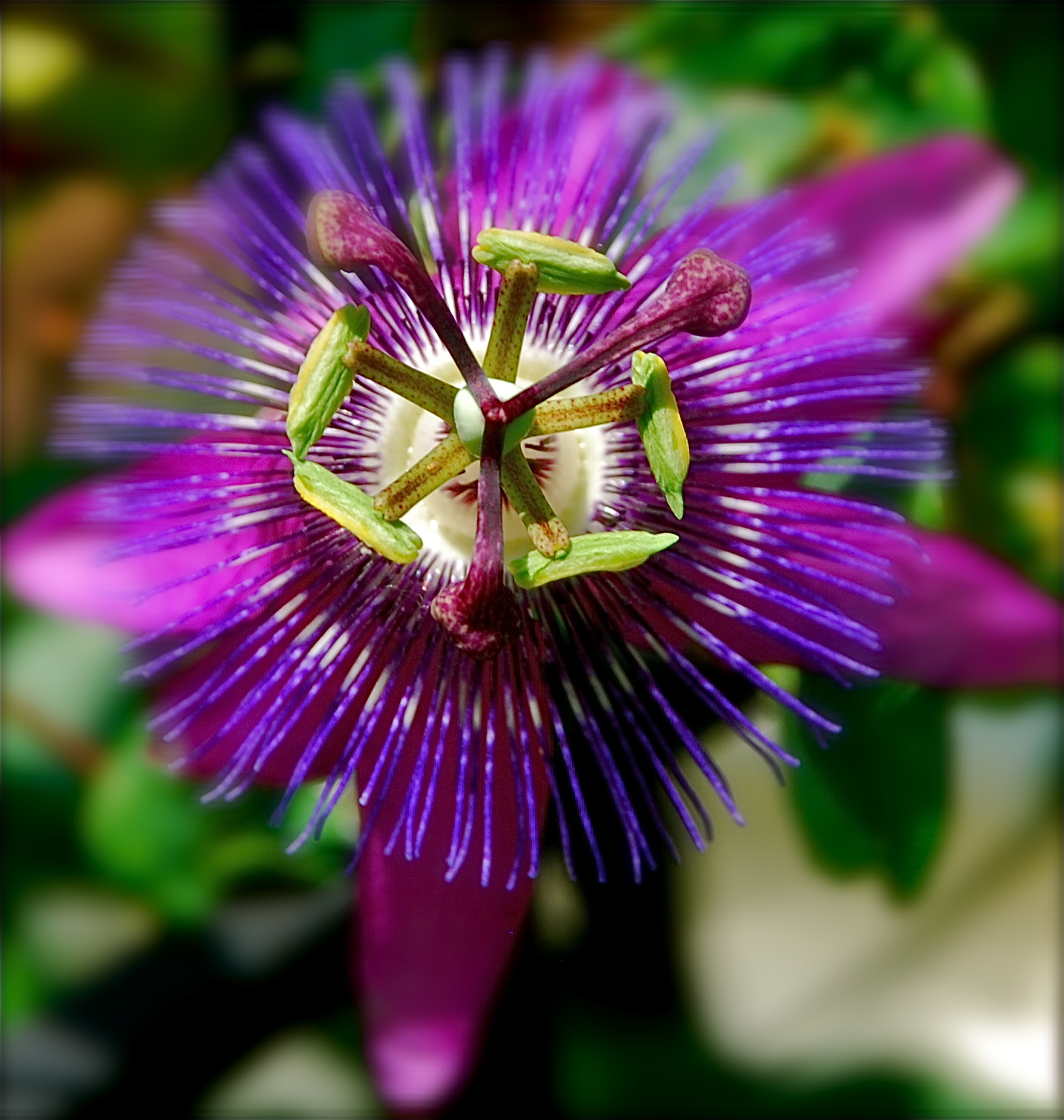
The “Passion” in “passion flower” refers to the passion of Jesus in Christian theology. In the 15th and 16th centuries, Spanish Christian missionaries adopted the unique physical structures of this plant, particularly the numbers of its various flower parts, as symbols of the last days of Jesus and especially his crucifixion. So it is that I offer up this passionflower from my yard to the risen Christ and ask that He draw near all those suffering losses as a result of the recent devastating tornados. I lift up also all the responders who give of themselves and their skills to help these victims. May all of these people and their families draw strength from You, Jesus, and may they find comfort and rest in the shelter of Your loving holiness.


82. Nature, like man, sometimes weeps for gladness. ~Anonymous

Rain!  whose soft architectural hands have power to cut stones,
and chisel to shapes of grandeur the very mountains.
~Henry Ward Beecher

Image

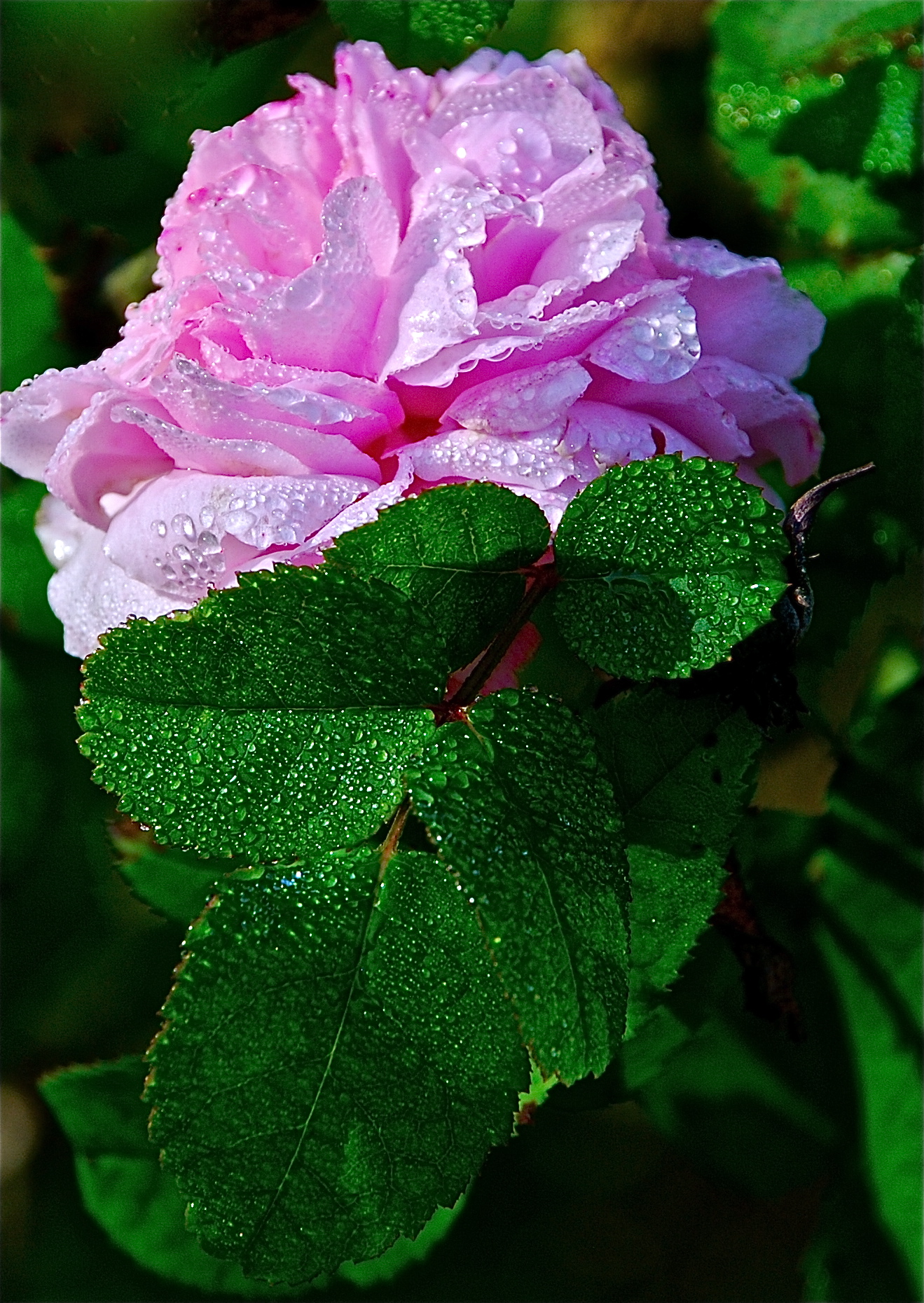
Rain’s “soft architectural hands” were made by Him who made the earth and blessed its inhabitants with life-giving waters. All forms of moisture bring the stuff without which there is no life, the stuff in which life is formed, the stuff of which life is sustained. Wetness was felt on the face of Adam and Eve in the beginning, and now eons later rain continues to move in its seasonal cycles to insure the survival of the planet and humanity. It kisses the earth and then returns to the clouds  to be carried on to other destinations.  Through the millennia it must have been carried on journeys that have taken it all over the world again and again.  Oh how I would love to hear the tales the rain could tell if it had the gift of speech.

The heavens declare the glory of God; the skies proclaim the work of his hands.  ~Psalm 19:1  ✝

81. All plants were individuals, not the mass of crops; and the ragged willow tree was itself, standing free of all other willow trees. The earth contributed a light to the evening. ~John Steinbeck

Everything is blooming most recklessly;
if it were voices instead of colors, there would
be an unbelievable shrieking into the heart of the night.
~Rainer Maria Rilke

Image

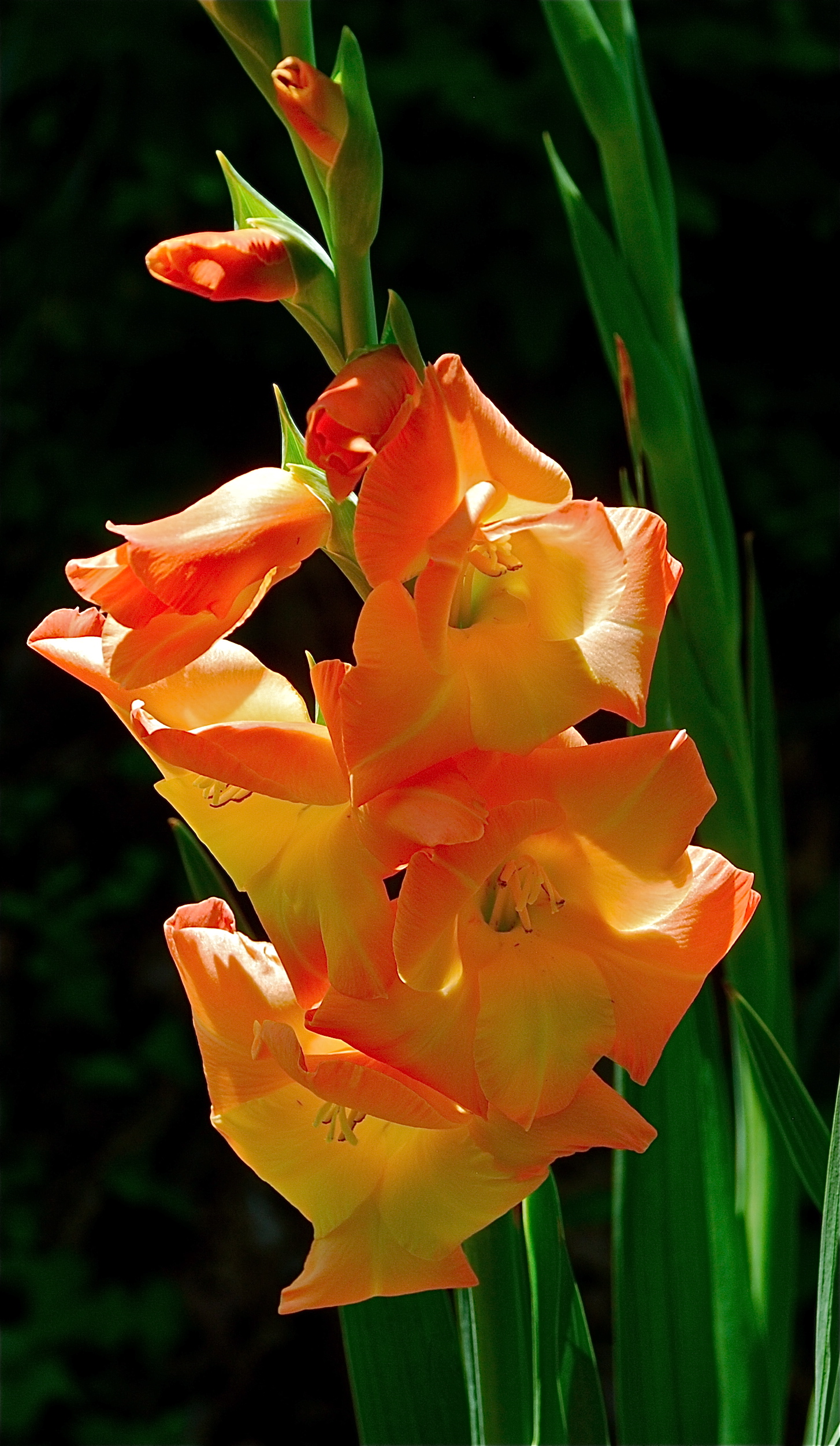
If our hearing were finely tuned enough, I wonder if we could really hear colorful flowery “voices” shrieking in the night as Rilke suggests.  This photo taken on a spring  day as it wound down is just one of many that testify to that possibility.  Although the light was quickly slipping away, the colors were not going into the night in quiet abdication of their thrones.  If anything, as the warmth and light diminished, some of the glorious hues actually deepened in the cool darkness.  Decades ago after consistently wandering the garden at night, I began noticing that vivid flower colors are still visibly vibrant even though they lack luminosity.  In fact in the deepest hours of night they seem to hold a bit of light within themselves, a phenomena not unlike the perpetual light that shines in the countenance of a human who has allowed Christ to come and dwell in his/her heart.

I love the house where you live, O LORD, the place where your glory dwells.  ~Psalm 26:8

80. The best way to know God is to love many things. ~Vincent Van Gogh

God waits to win back His own flowers as gifts from man’s hands.  ~Rabindranath Tagore

Image

I do love many things, but it’s flowers and colors that speak to me most and in ways like none other.  Since childhood both of them have fueled my spirit, and now that I’m coming to know the Lord more and more, they encourage me to empty my mind of all that limits God and His divinely inspired possiblilities.  The Irish poet and teacher, John O’Donohue, asks us to “take time to celebrate the quiet miracles that seek no attention, ” and to that end I began planting and celebrating a host of colorful flowers long ago.  Now when I pull back the blinds to let in morning’s light, what I see in the garden almost takes my breath away.  I struggle even to whisper words of gratitude and praise, and for some time afterwards I want nothing more than to stay in Eden and linger in the Lord’s holiness.

Keep the eye of your spirit ever upon the Lord, the window of your soul open towards Him.  You have ever to know that all things are yours–that what is lovely He delights to give you.  ~Anonymous

The LORD is my strength and my song; he has become my salvation. He is my God, and I will praise him, my father’s God, and I will exalt him.  ~Exodus 15:2

79. The air was fragrant with a thousand trodden aromatic herbs. . . ~William Cullen Bryant

How could such sweet and wholesome hours
Be reckoned but with herbs and flowers?
~Andrew Marvel

Image

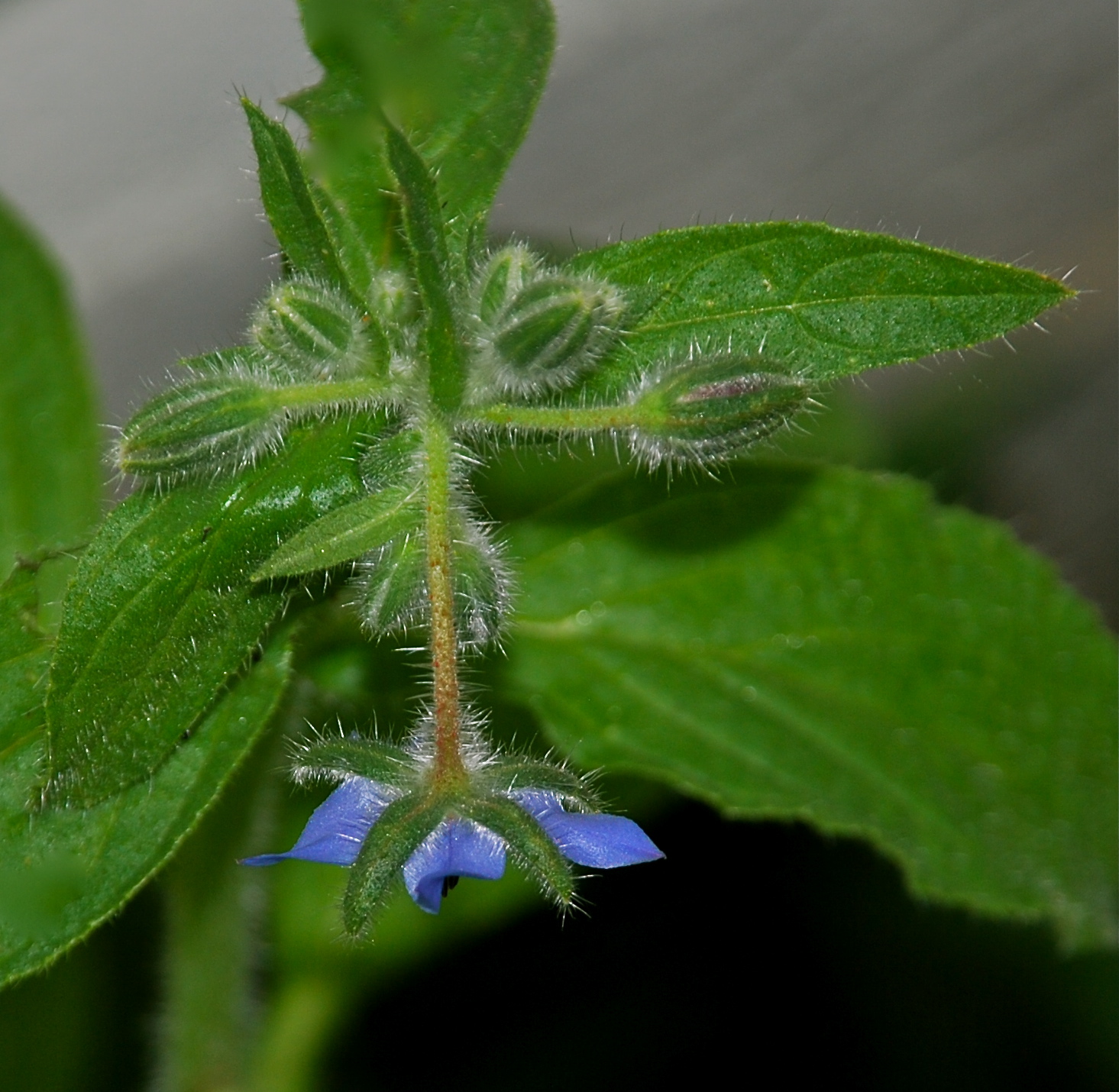
Because they touch us not only with visual beauty but also often with a fragrant vitality, over the centuries many if not most gardens have had an herb or two or more in them.  Herbs have long been valued for flavor, scent, and other properties and so continue to be used in cooking, as medicines, and for spiritual purposes.  The herb mustard was praised by Hippocrates, the ancient Greek physician, and it is one that Shakespeare referred to as a desirable condiment in several of his plays.  Chamomile has long been used in teas, and nasturtium flowers have frequently been added to salads.  Fennel is yet another long-in-use desirable culinary herb as is borage herb (photo above) which has been used for both culinary and medicinal purposes.  Mints had their beginnings early on in history.  For example, the leaves were bruised by ancient Greek athletes and used as an after-bath lotion.  Then in the Middle Ages mint was important as a cleansing agent as well as being used to purify drinking water that turned stale on long ocean voyages.  For a time mint was also given mystical powers used to neutralize the “evil-eye” and to produce aggressive behavior.  Lavender, a member of the mint family, is one of the holy herbs used in the biblical Temple to prepare the holy essence.  Nard which is what the ancient Greeks called lavender is also mentioned in the Song of Solomon.  In the Bible herbs were actually prized by many as can be seen in Matthew and Luke where one finds references to tithes being paid with herbs like cumin, mint, and other valuable herbs.  Herbs like all else in the circle of life are a gift from God, and as Timaeus of Locris said, “God is a circle whose centre is everywhere and circumference nowhere.”

He (Jesus) told them another parable: “The kingdom of heaven is like a mustard seed, which a man took and planted in his field.  Though it is the smallest of all your seeds, yet when it grows, it is the largest of garden plants and becomes a tree, so that the birds of the air come and perch in its branches.”  -Matthew 13:31-32

78. “. . . see without looking. . . . hear without listening. . . . breathe without asking.” ~W. H. Auden

Everybody needs beauty as well as bread,
places to play in and pray in,
where nature may heal
and give strength to body and soul.
~John Muir

Image

Throughout the garden flow waters that teem with and nurture life, and above it, orbs golden and white speak of holy corridors in heavenly palaces.  The breath which moves within the listening, watching mortal here below speaks of holy beginnings.  In the quiet of her beating human heart she hears tales of holy presence and purpose.  Her soul, hungry for God-Ruach Elohim, turns to the similitude of her garden to Eden’s glory.  (Ruach is an ancient Hebrew word for God which literally means “wind.”  As such it was not observed as a being but rather as a “vitalizing force.”  Bishop J. S. Spong explains that “among the Hebrews the ruach or wind of God was said to bring forth life.  It emerged in the very mysterious wind, which the Jews felt on their faces.”)   So it is that here and now, day by day, hour after hour as spring winds blow through her garden, she longs to be touched by the mystery of the life-giving ruach on her face as zephyrs ruffle again and again through branch and leaf, touching thorn and flower, and creatures great and small.

“The Spirit of God hath made me, and the breath of the Almighty hath given me life.” (Job 33:4)

77. What’s in a name? that which we call a rose by any other name would smell as sweet. . . ~William Shakespeare

When at last I took the time to look into the heart of a flower,
it opened up a whole new world–
a world where every country walk would be an adventure,
where every garden would be an enchanted one.
~Princess Grace of Monaco

Image

Then the man and his wife heard the sound of the LORD God as he was walking in the garden in the cool of the day. . .  ~Genesis 3:8   ✝

76. Through the dancing poppies stole a breeze most softly lulling to my soul. ~John Keats

Of all the wonderful things in the wonderful universe of God,
nothing seems to me more surprising than the planting of a seed
in the blank earth and the result thereof.
Take the Poppy seed, for instance: it lies in your palm,
the merest atom of matter, hardly visible, a speck, a pin’s point in bulk,
but within it is imprisoned a spirit of beauty ineffable,
which will break its bonds and emerge from the dark ground
and blossom in a splendor so dazzling as to baffle all powers of description.
~Celia Thaxter

Image

I love poppies, not just the flowers but also the lovely, fat pods that contain the future of the species.  The plants that put on silky, paper-thin blossoms can grow to be 3 or 4 feet tall here if the “hardly visible” seeds are sown in the fall.  So it is that in late October I toss out seeds from the ones I harvested from last’s years pods, and then all winter long I wait for the beauties which “baffle description” to make their appearance in my garden.  As winter moves along, I keep myself reassured by going out to check on them after especially frigid days or after occasional snowfalls to make sure the burgeoning “babies” have not succumbed to the elements.  And each time I go out, I almost squeal with delight when I discover that most of them, if not all, are still slowly but surely growing bigger and stronger.  Then sometime in the early spring the day comes when the waiting is over and standing before me are the first fruits of my labors and watchfulness.  Like dainty chalices, the cup-like flowers open up and drink in the day’s light while penning God’s autograph on the “scenes” of yet another springtime.  Day by day after each individual flower’s petals fall to the ground, the intriguing seed pods take their place, and as temperatures climb, they begin to ripen.  Some of these I eventually let fall to the ground to self sow; the remainder I gather and keep safe and dry until autumn comes and it is again time for me to partner with Creation and scatter abroad the “merest atoms” of such beautiful matter.

For as the soil makes the sprout come up and a garden causes seeds to grow, so the Sovereign Lord will make righteousness and praise spring up before all nations.  ~Isaiah 61:11