212. It is part of the cure to want to be cured. ~Seneca

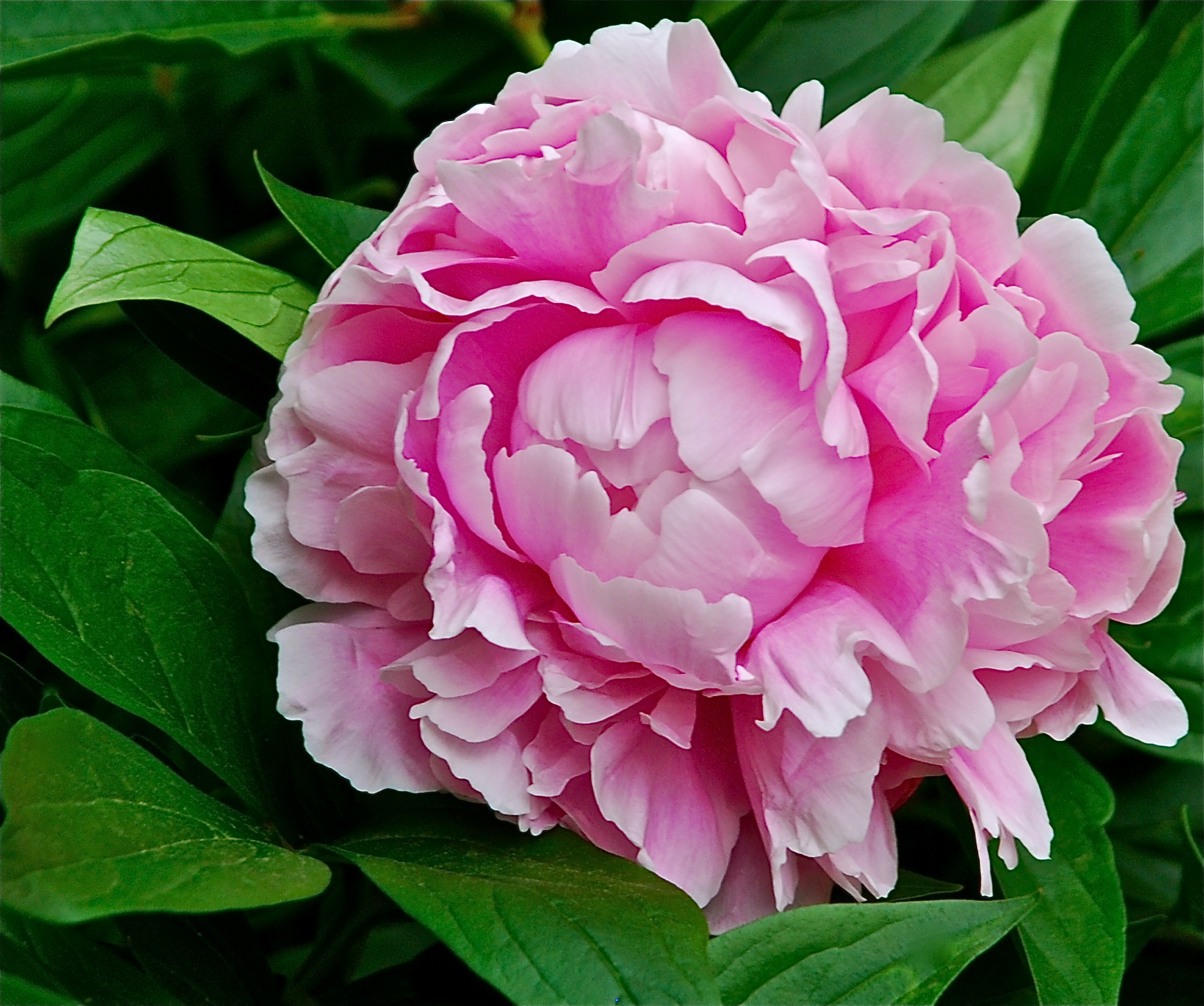
To feel keenly the poetry of a morning’s roses,
one has to just have escaped from the claws
of this vulture which we call sickness of body or heart.
~Adapted excerpt from Henri Frederic Amiel

Image

In order to mend and bridge chasms of painful, isolating realities, I often douse the fires of what breaks my heart in cups of tea or tears that flow during quiet dawns or at night when the wee hours find me awake and alone.  After the sipping or crying comes to an end, a numbed stillness often develops.  When it does, I become aware in its clarity of the amazing nearness of God.  Jesus, whom I’ve been calling, is offering to guide me through portals to places where pools of mercy await.  Sometimes the healing waters lie deep within my own being where the Holy Spirit resides in His cloistered sanctuary.  At other times they are found in the beautiful colors of autumn, or in the glistening dew on greening grass and flowers in springtime, or in the gentle gestures of another’s compassion, or in softly spoken prayers proffered by kind and endearing voices.  Wherever the pool and whoever the beneficial bearer of blessing, one or both sustain me, if I yield, in the returning rhythm of fitness as the Lord’s grace works to render me wholly well.

I’ve discovered that tears have amazing restorative powers for frequently it is when my eyes are blurred with wetness from them that a sense of God’s presence is strongest.  For surely in the loss of His own son by the hands of creatures He breathed life into, He shed more tears than we’ll ever know.  We all endure difficult and sorrowful moments in our lives.  So excruciating is the pain on occasion that it nearly stifles our very breath, but one breath and one step at a time begins the journey out of the depths of despair.

“But I will restore your health and heal your wounds,” declares the Lord…  ~Jeremiah 30:17a  ✝

**Whittard’s is a tea, coffee, and cocoa shop that we found in London last summer.
197. If insects were to vanish, the environment would collapse into chaos. ~Edward O. Wilson, American Biologist

A single swallow, it is said,
devours ten millions of insects every year.
The supplying of these insects
I take to be a signal instance of the Creator’s bounty
in providing for the lives of His creatures.
~Ambrose Bierce

Image

Image

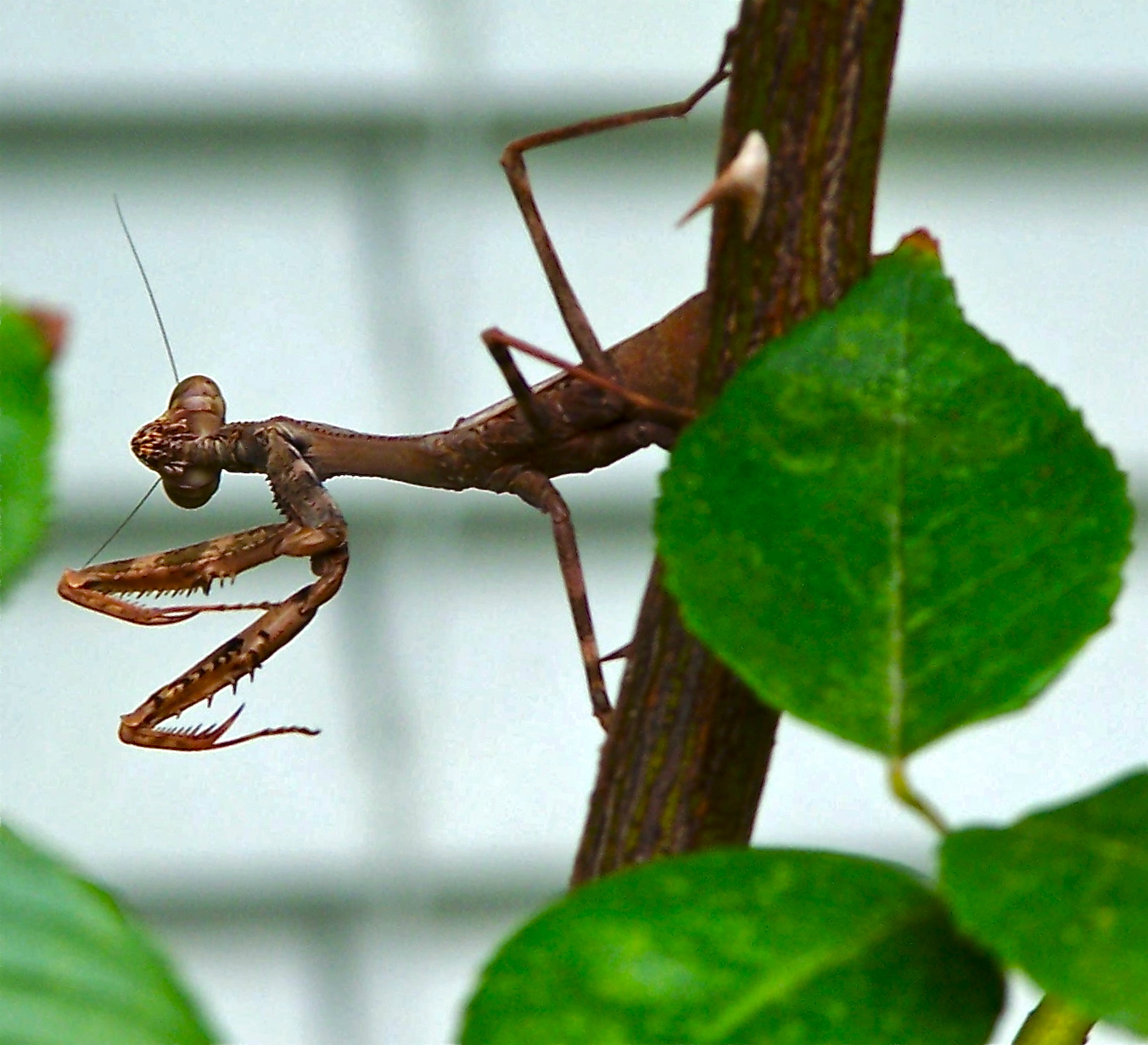
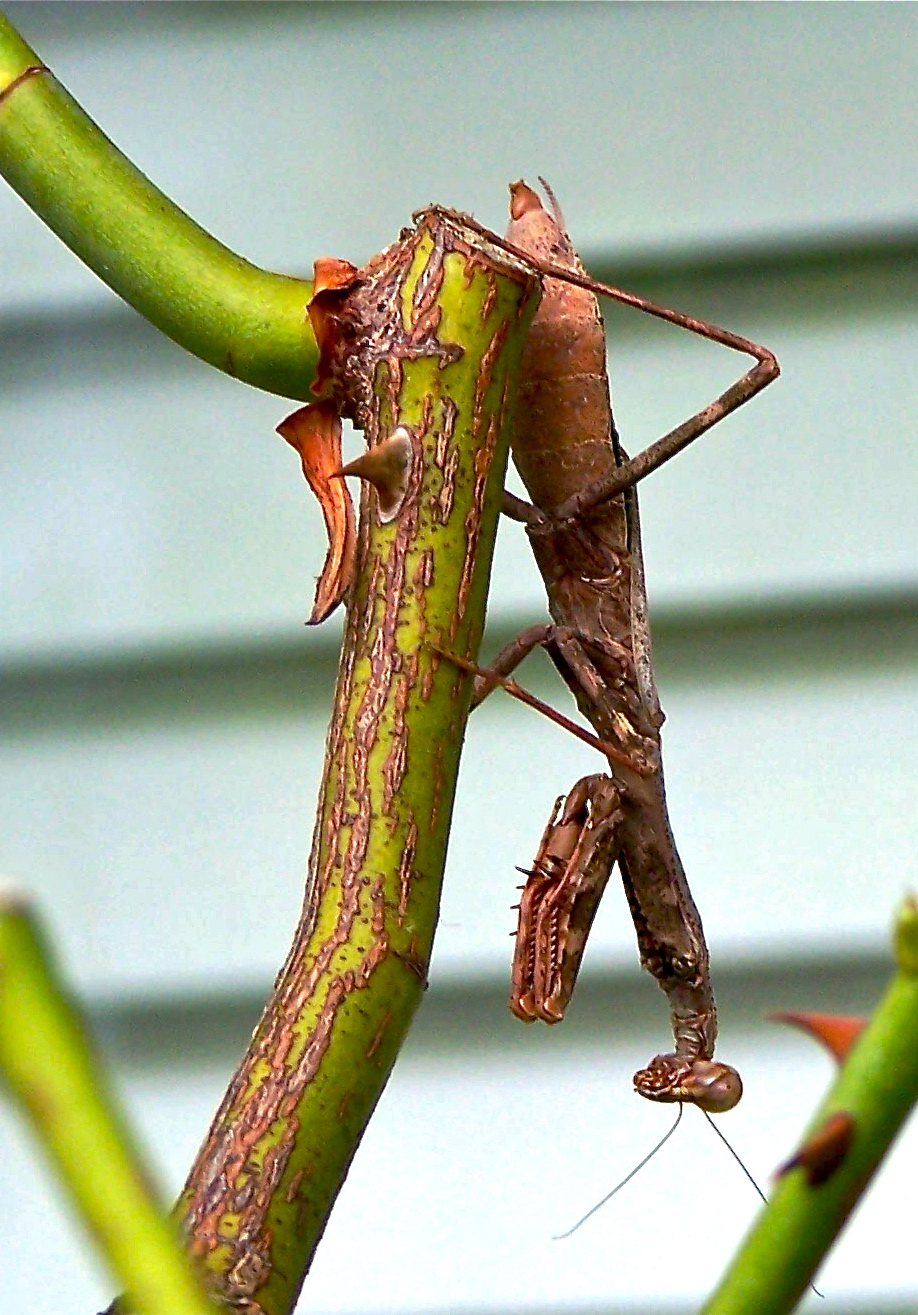
Seldom silent is a garden, not in deep darkness nor when the savage sun sits high atop the world.  In it are creatures that buzz, some that croak, others that chirp, those that squawk, and many a bird that has a pretty melody to sing.  These creatures fly, they hop, they walk, they slither, they crawl, they jump; one of them even prays as does the kind of “beastie” I found hiding in one of my roses last week.   Late in the day I’d gone out to cut away rose growth withered by summer’s siege.  As I reached in the second one to cut what I thought was a dead, brown piece of stem lying flat against a thick cane, it moved and raised its upper body.  Quite alive instead was a mantis hanging comically upside down and peering out at me.  When I realized what it was, I dashed back in the house to grab my camera.  Once back at the scene I took a few shots where it was; then I tried to get it to turn into an upright position.  Despite my repeated attempts, it only conceded a sideways turn which allowed me at least to see that one of its eyes was missing and covered with scar tissue.  Stubbornly determined however to get more compliance, I persisted in my nudging effort one more time. But boy oh boy, this guy had had enough, and it instantly raised its front legs as if preparing to attack the overzealous, annoying, and maddening pest.  So I wisely relented in my efforts, took what shots I could get, and departed.  The mantis was still holding steadfastly to that same cane when I went in at dusk, but by the next morning he had moved on to either a safer haven or one where the prey he was trying to lure with his “dead leaf” appearance was a great deal smaller and less bothersome than I.

Yet I am not silenced by the darkness, by the thick darkness that covers my face.  ~Job 23:17  ✝

174. The greatness of a nation and its moral progress can be judged by the way its animals are treated. ~Mahatma Ghandi

If all the beasts were gone,
men would die from a great loneliness of spirit,
for whatever happens to the beasts
also happens to the man.
All things are connected.
Whatever befalls the Earth befalls the sons of Earth.
~Chief Seattle of the Suquamish Tribe

Image

The creatures of earth, sea and sky came forth “out of the waters of God’s life.”   And their arrival was yet another manifestation of the visible from the invisible–another disclosure of the mystery of God.  In addition, “with the birth of the creatures there is the emergence of seeing, hearing, smelling, tasting, and touching.  The light of the sun and the whiteness of the moon can now be seen.  The wind blowing through the leaves of trees and the crashing of ocean waves can be heard.  The early morning fragrance of the earth can be smelled.  Its fruit can be tasted, and its textures touched,” writes J. Philip Newell.  It has even been said that if one wants to know the Creator, one of the ways to gain insight is to know His creatures, and I think that’s especially true when it comes to examining the sensory aspect of their coming.  For does not the ability to see, that the creatures brought, teach mankind to see with the eyes of the heart?  In the silences of humanity’s reality does not the ability to hear teach men to listen for the “echo of the spheres” and the still, small voice of God?  Do not the abilities to smell, taste, and touch help mortals meet their Savior, Jesus, through the holy sacrament of the Eucharist (Communion)?

And to all the beasts of the earth and all the birds in the sky and all the creatures that move along the ground–everything that has the breath of life in it–I give every green plant for food.”  And it was so.  ~Genesis 1:30

171. Nature is to be found in her entirety nowhere more than in her smallest creatures. ~Pliny the Elder (Roman Scholar)

She sat down in a weed patch, her elbows on her knees ,
and kept her eyes on the small mysterious world of the ground.
In the shade and sun of grass blade forests,
small living things had their metropolis.
~Nancy Price, Website writer and poet

Image

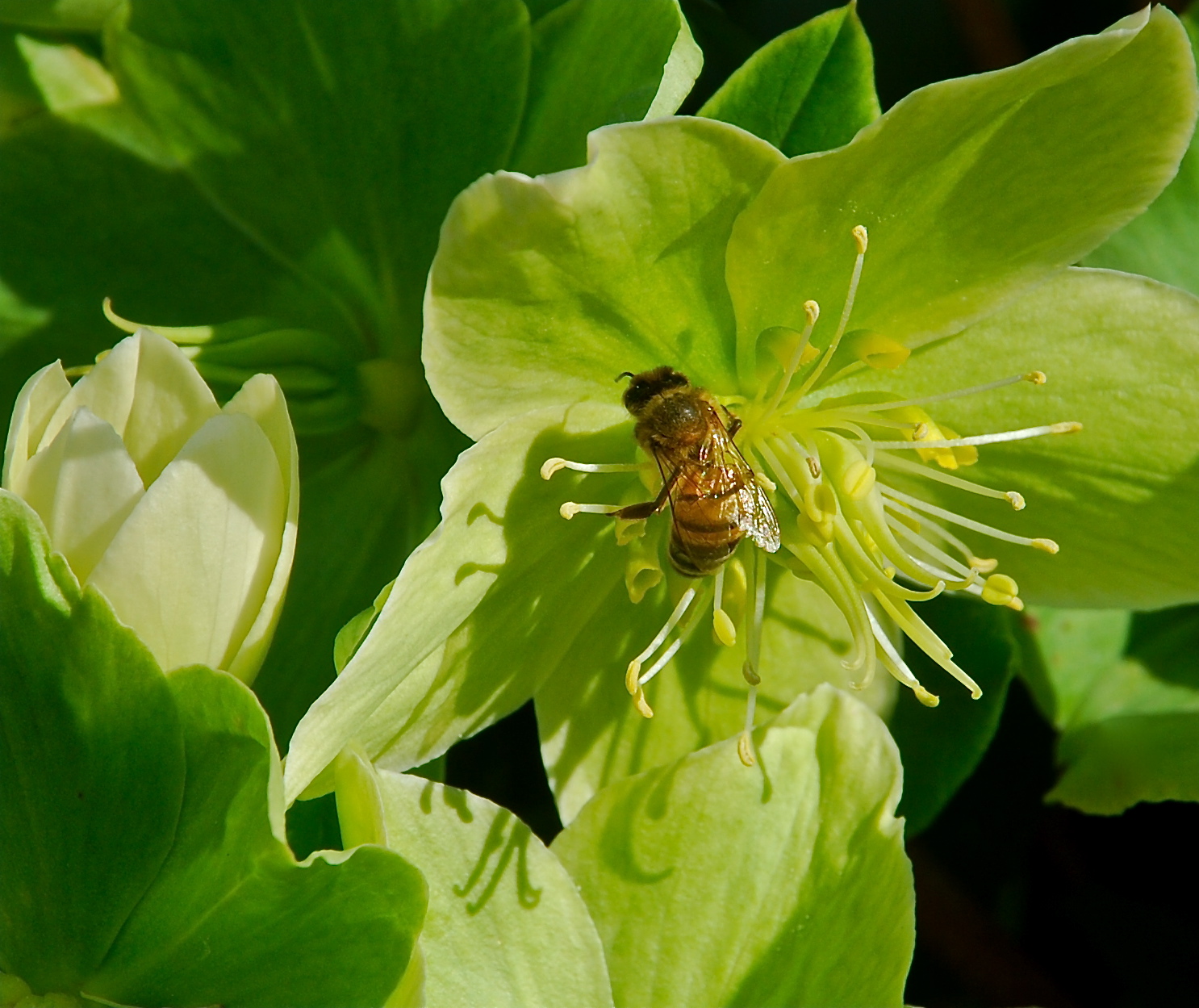
This writer is describing a kingdom that exists in probably every square foot of ground in any garden, and it is not a singular kingdom.  In and around blossoming things there’s yet another mysterious metropolis.  In it airborne living things yearn to “possess the sweet of every flower that blooms,” and so in that above-ground realm there really is a very simple equation: if there are no flowers there are no pollinators; if there are no pollinators there are no flowers.  One simply doesn’t exist without the other, at least for very long.  The hum or buzz of the pollinating agent and the flower’s blooming go hand in hand.   Together they dance the dance of life and commit their acts of love.  And so it is that different life forms as well as scripture “remind us that there are other voices, other rhythms, other strivings, and other fulfillments…”  How I’d love to hover over the petals of a rose, peer deep into its center, and then dive in to taste its “sweets” like the wasp on this bi-colored Scentimental rose.

God’s voice thunders in marvelous ways; he does great things beyond our understanding.  ~Job 37:5   ✝

156. I have always been delighted at the prospect of a new day, a fresh try, one more start, with perhaps a bit of magic waiting somewhere behind the morning. ~J. B. Priestley

I do believe in an everyday sort of magic–
the inexplicable connectedness we sometimes experience
with places, people, works of art and the like;
the eerie appropriateness of moments of synchronicity;
the whispered voice, the hidden presence,
when we think we’re alone.
~Charles de Lint

Image

Rose Fyleman (1877-1957) was an English writer and poet of exceptional talent who was best known for her works on the “fairy folk” for children.  She also translated many rare children’s books from French and German into their first English translations.  She eventually became the editor of one of the first children’s magazines called The Merry Go Round.  Rose was born in Nottingham, England, and there is speculation that it could have been the magical setting of Nottingham which led her to believe in fairies.  Whatever the reason, she blessed generations of readers with her lovely fairy poems.

It was one of Rose’s poem, Fairies at the Bottom of the Garden, which prompted my post last night about toadstools.  I loved her poetry as a child and I love it still.  I am passionate about gardening and its lore, and when I see creatures like the one in my photo I see how easy it would be to invent stories about “fairies.”  Besides what he said above, Charles de Lint, explained childhood this way:  “It is easy to believe in magic when you’re young.  Anything you couldn’t explain was magic then.  It didn’t matter if it was science or a fairy tale.  Electricity and elves were both infinitely mysterious and equally possible — elves probably more so.”  I believe Creation is both miracle and magic, and the more we try to explain it the more we see how miraculous and magical it is.  R. A. Salvatore said “a world without mystery is a world without faith,” and so it is because it is our faith that tells us what magic is “waiting somewhere behind the morning” and whose is the “whispered voice, the hidden presence, when we think we’re alone.”

There are fairies at the bottom of the garden!
It’s not so very, very far away;
You pass the gardener’s shed and you just keep straight ahead.
I do so hope they’ve really come to stay. . .
~for more of Fyleman’s work go to:  http://www.fairyamber.com/rfyleman.html

By faith he left Egypt, not fearing the king’s anger: he persevered because he saw Him who is invisible.  ~Hebrews 11:27

147. If you wish to know the Creator, come to know His creatures. ~Columbanus, 6th century Irish monk

A flash of harmless lightning,
A mist of rainbow dyes,
The burnished sunbeams brightening
From flower to flower he flies.
~John Banister Tabb, Roman Catholic priest,
poet and professor of English

Image

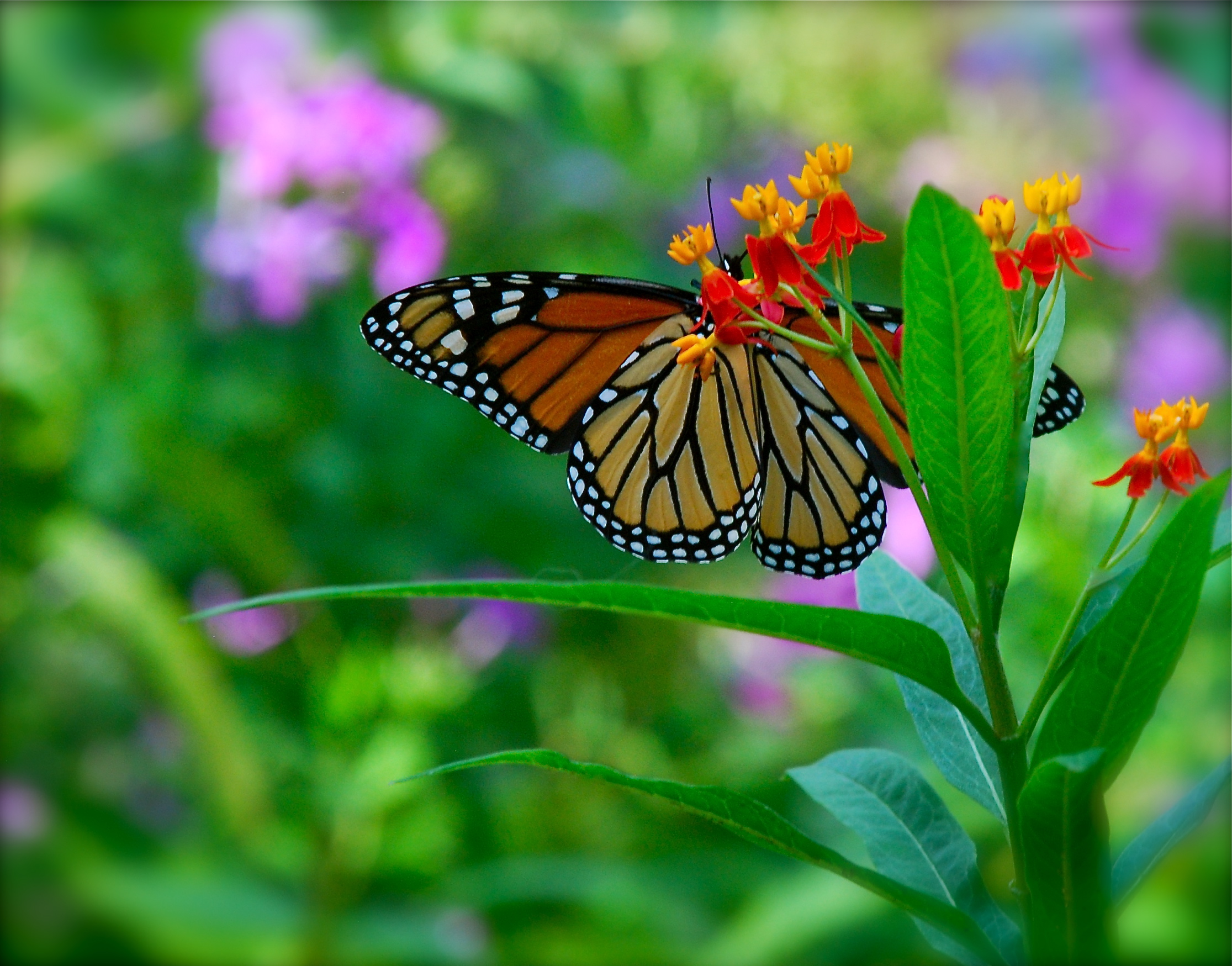
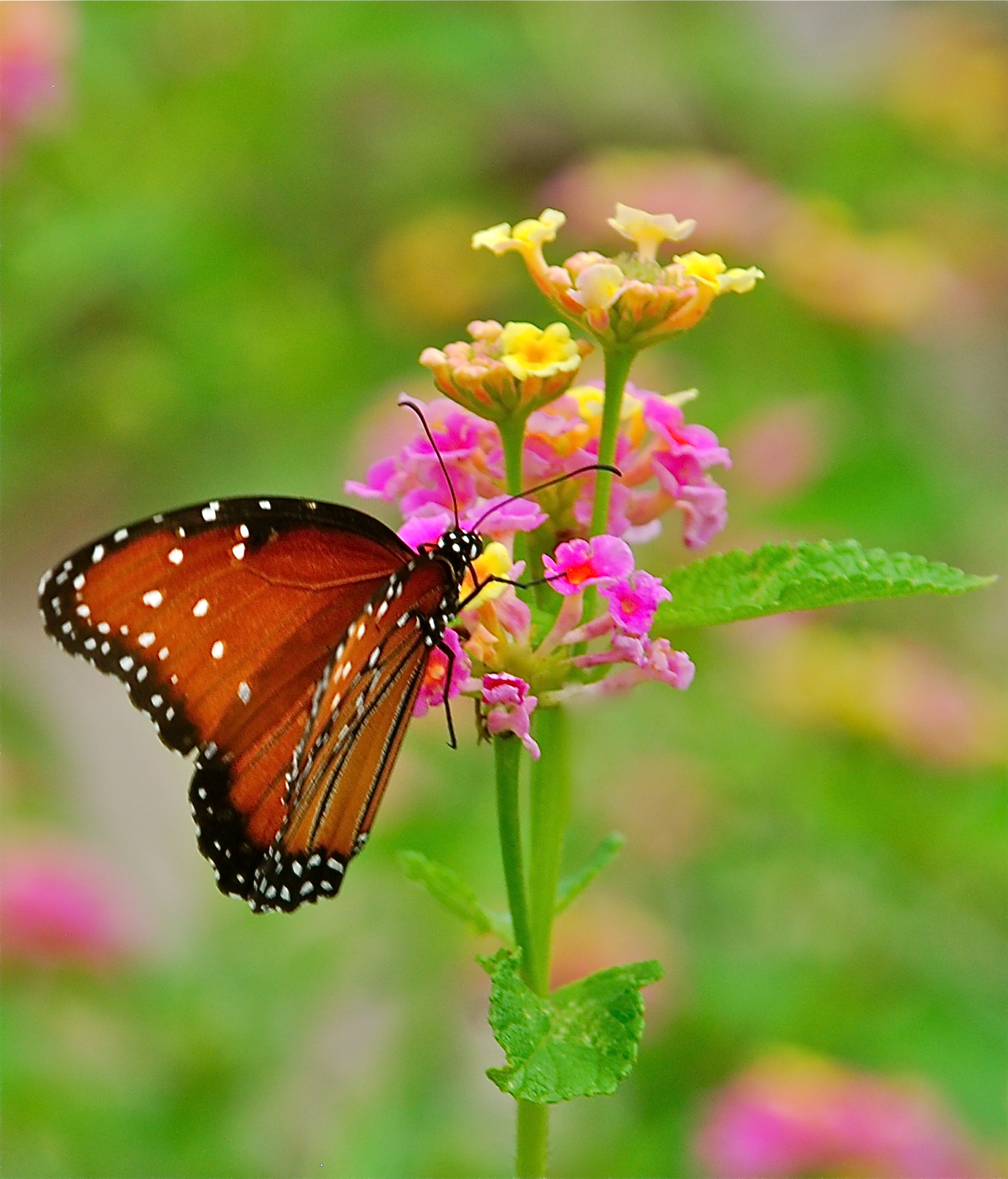
Tabb’s description is of a hummingbird, but it could be said as well of bees, butterflies, and dragonflies, hordes of which I’ve seen of late.   Gulf fritillaries and an assortment of swallowtails have been flitting around the garden for weeks.  Then today I spotted the first monarchs which means their migration from Canada to overwintering grounds in Mexico has begun.  I’m guessing the reappearance of the dragonflies is because recent rains have filled their breeding grounds again with enough water for their nymphs.  The bees are back in greater numbers because the cooler temperatures are encouraging more and more blooms, and as for the hummers, two or three at a time have been coming to our feeder since early August.

John Philip Newell says, “the inclusion of creatures in the garden of God in Genesis is pointing not simply to the outward dimension of the creaturely realm.  It is also showing something of the way of God’s seeing or sensing. . .”  That’s why I I love my garden.  It’s not just about the flowers.  Spending time therein lets me be near all God created and keeps me wanting to know more of the Lord and that which is important to Him.

“But ask the animals, and they will teach you, or the birds of the sky, and they will tell you; or speak to the earth, and it will teach you, or let the fish of the sea inform you. . .”  ~Job 12:7-8  ✝

140. All nature sings, and round me rings the music of the spheres. ~Maltbie D. Babcock

This is my Father’s world
He shines in all that’s fair,
In the rustling grass I hear Him pass,
He speaks to me everywhere.
~Lyrics from This is My Father’s World by Maltbie D. Babcock

Image

What a glorious morning!  When I raised the shade, my eyes were met with a delicious light pouring down on a corner of the garden.  And it was light not born of the intense heat of past months but instead of the crisp coolness of a 59 degree autumnal equinox morn.  Zephyrs were ruffling leaves, and they were shouting hallelujahs in praise of the Lord’s Sabbath and yesterday’s rain.  Ancient Eden’s unmistakable holy voice reverberated in the air, and all of us, creature and man alike, recognized it and rejoiced.  The “special air of melancholy and magic” typical of September’s opus rose louder and louder as the light moved southward across the yard frosting everything in its wake.  Yahweh’s glory breathed new life into wilted leaves, faded blossoms, and weary bones as the light moved as sweetly as a bow across the strings of a Stradivarius in slanted increments across the yard.

“Arise, shine, for your light has come, and the glory of the Lord rises upon you.”  ~Isaiah 60:1  ✝

*Thanks to Annette Lepple for the great description of September that I quoted above. 

136. The bee is more honored than other animals, not because she labors, but because she labors for others. ~Saint John Chrysostom

His Labor is a Chant–
his idleness–a Tune–
oh, for a Bee’s experience
of Clovers, and of Noon!
~Emily Dickinson

Image

Honey bees and bumblebees, it seems, find a flower’s countenance as irresistible as I, and that “irresistibility” is of holy intent.  In the passage of Scripture that follows, we see that the Lord’s plan involved an interconnectedness of all life as well as a dependency, one on the other.  The poet, Kahlil Gibran, explains that connectedness in this way: “a flower is a fountain of life” for the bee, and to the bee and flower “the giving and receiving is a need and an ecstasy.”  But wait, how is any of this relevant in the 21st century?  In the age of incredible and still advancing technology should anyone care about flowers and bees?  Indeed all of us should care because bees are absolutely essential pollinators, and sadly there are now alarming reports which indicate that one fourth of the northern hemisphere’s honeybee population mysteriously vanished by the spring of 2007.  Then by the end of 2008, one in three hives was left lifeless.  Simply put, the honeybee is disappearing at an alarming rate across the entire globe.  The worst part is that those in the know are not sure why this is happening, but they do know that should the increasing catastrophe not be addressed and solutions to the problem not found, the complete loss of honeybees as pollinators would mean the end of agriculture as we know it.  Since much of what we wear and one third of what we eat depends on the pollinating activity of honeybees, our way of life and civilization would be threatened.  In fact one report said the situation is so dire that mankind would survive only 4 years after the complete collapse of the honeybee population.

Then God said, “I give you every seed-bearing plant on the face of the whole earth and every tree that has fruit with seed in it. They will be yours for food.  And to all the beasts of the earth and all the birds of the air and all the creatures that move on the ground—everything that has the breath of life in it—I give every green plant for food.”  And it was so.  ~Genesis 1:29-30   ✝

120. Every happening, great and small, is a parable whereby God speaks to us, and the art of life is to get the message. ~Malcolm Muggeridge

The world has different owners at sunrise. . .
Even your own garden does not belong to you.
Rabbits and blackbirds have the lawns;
a tortoise-shell cat who never appears in daytime
patrols the brick walls,
and a golden-tailed pheasant
glints his way through the iris spears.
~Anne Morrow Lindbergh,
pioneering American aviator and author

Image

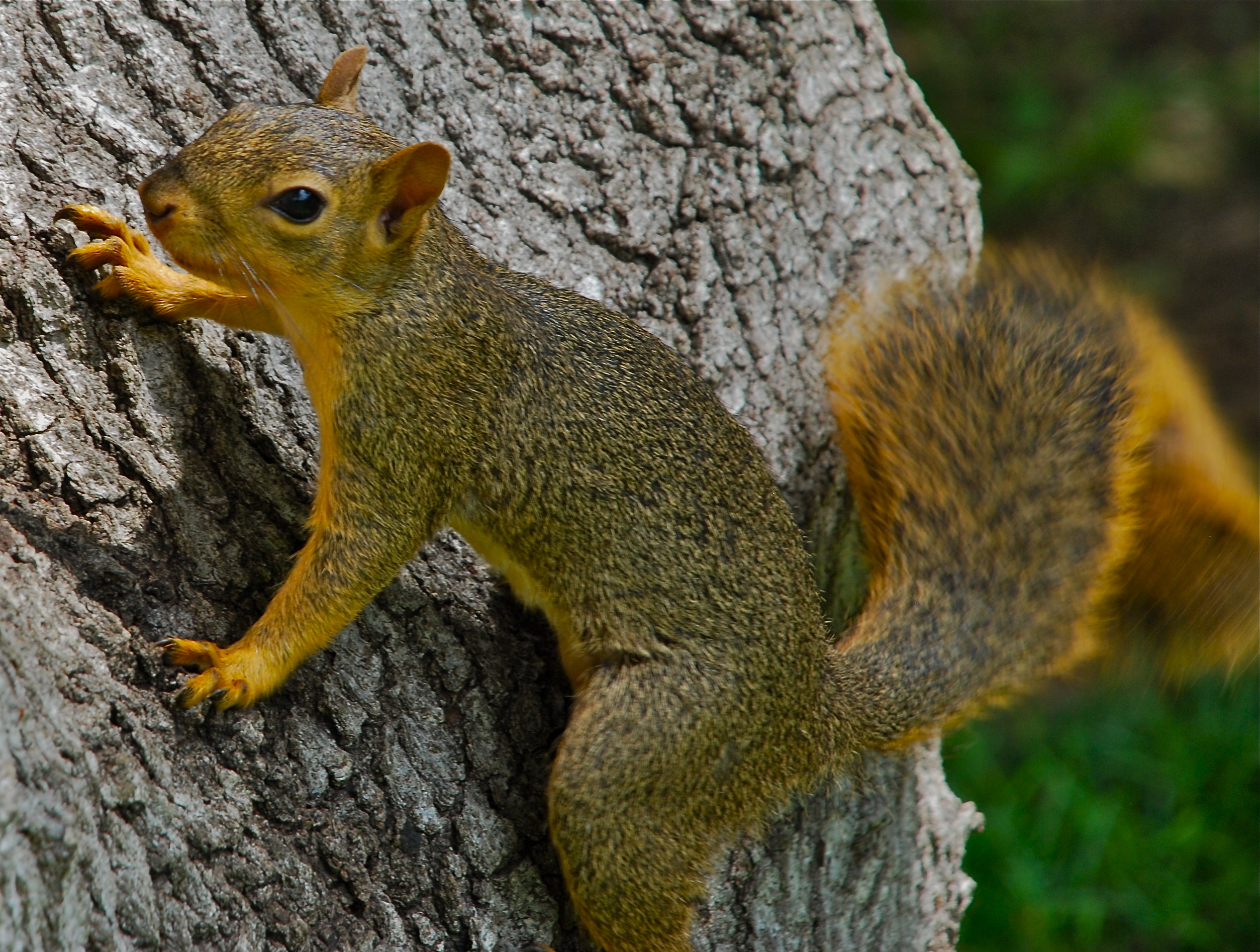
In my yard are squirrels instead of rabbits, mockingbirds instead of blackbirds, an assortment of stray cats instead of one tortoise-shell cat, and garter snakes that slither through the grass instead of a pheasant that glints his way through the iris spear.  So it is that my yard has as Lindbergh penned “different owners at sunrise.”  But since I planted everything for the wildlife as much as for me, why shouldn’t they come and sometimes in large numbers all through the day and night.

J. Philip Newell says that God’s glory glows “in the glistening of a creature’s eyes” as well as in “every emanation of creation’s life,” and that we can reverence God “in all that has life.”  My guess is that’s why some people garden in the first place.  We are fascinated by and delighted with the flowers and the wildlife, but we long for the presence of God into our green temples–that Presence that we feel and see in tiny buds breaking the soil, in pinkish purply glows in the eastern sky, in a silver slivers of the moon in the darkness of night, or in the delicious stillnesses in the garden as day passes into night.

For since the creation of the world God’s invisible qualities—his eternal power and divine nature—have been clearly seen, being understood from what has been made. . .  ~Romans 1:20   ✝

60. That God once loved a garden we learn in Holy writ. And seeing gardens in the Spring I well can credit it. ~Winifred Mary Letts

With the birth of the creatures there is
the emergence of seeing, hearing,
smelling, tasting, and touching.
The light of the sun and the whiteness
of the moon can now be seen.
The wind blowing through the leaves
of the trees and the crashing
of ocean waves can be heard.
The early morning fragrance of
the earth can be smelled.
Its fruits can be tasted and
its textures touched.
~Excerpted lines by J. Philip Newell

Image

Springtime is so much “a showing forth of the mystery of God” that if one wants to know more of the Creator, all he/she needs do is pull up a chair in a garden and watch the year’s first season unfold.  Seeking the goodness of God and what He made by being still therein and listening to the Holy Spirit as well as Creation’s rhythms is a way of bringing the Heavenly Father closer.  In that nearness one is then able to look through eyes that recognize the depth of His and Creation’s  goodness.

And the LORD said, “I will cause all my goodness to pass in front of you, and I will proclaim my name, the LORD, in your presence. I will have mercy on whom I will have mercy, and I will have compassion on whom I will have compassion.  ~Exodus 33:19   ✝