432. Colors are the smiles of nature. ~Leigh Hunt, British author

Summer is the time when one sheds
one’s tensions with one’s clothes,
and the right kind of day is a jeweled balm
for the battered spirit.
A few of those days and you can become drunk
with the belief that all’s right with the world.
~Ada Louise Huxtable

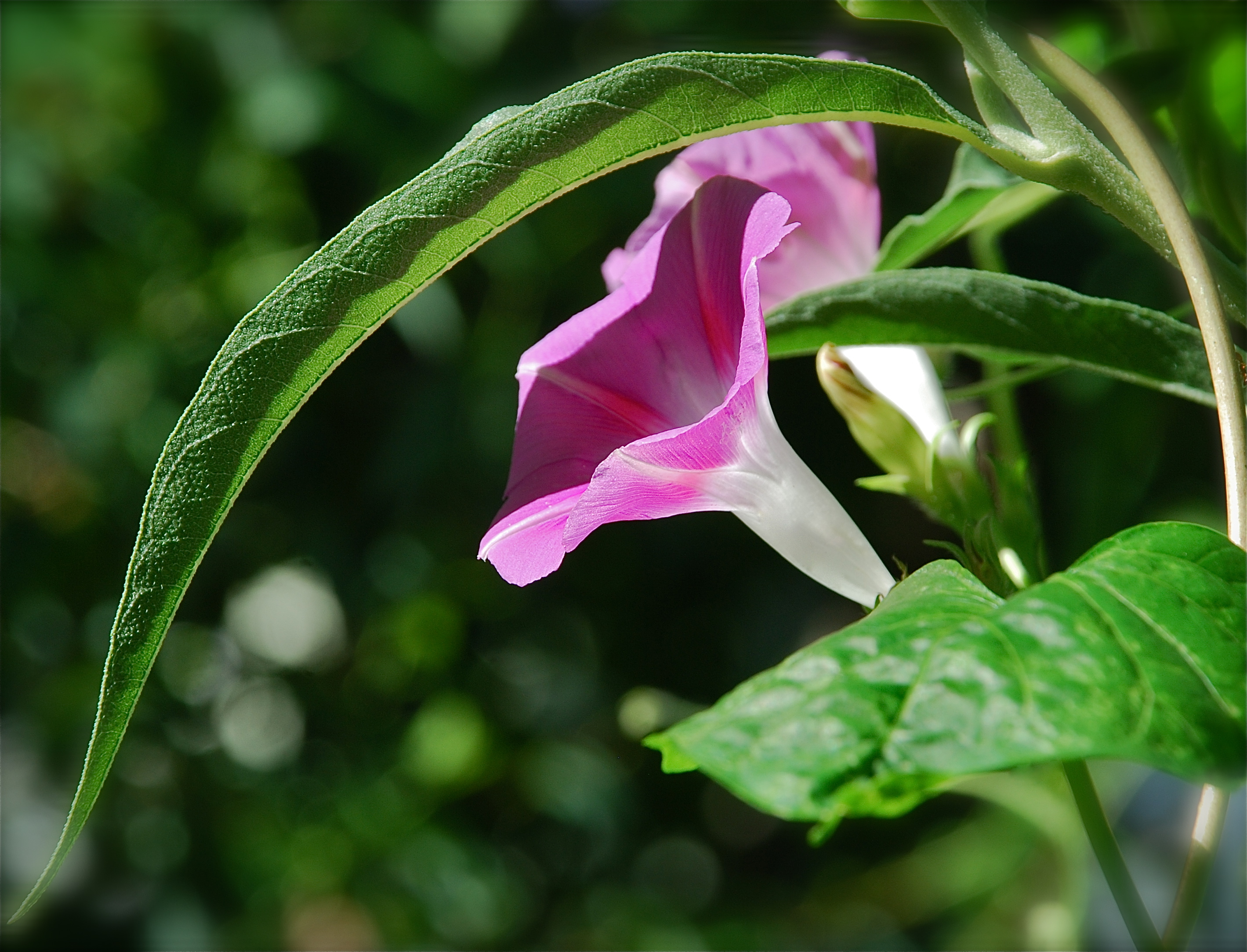
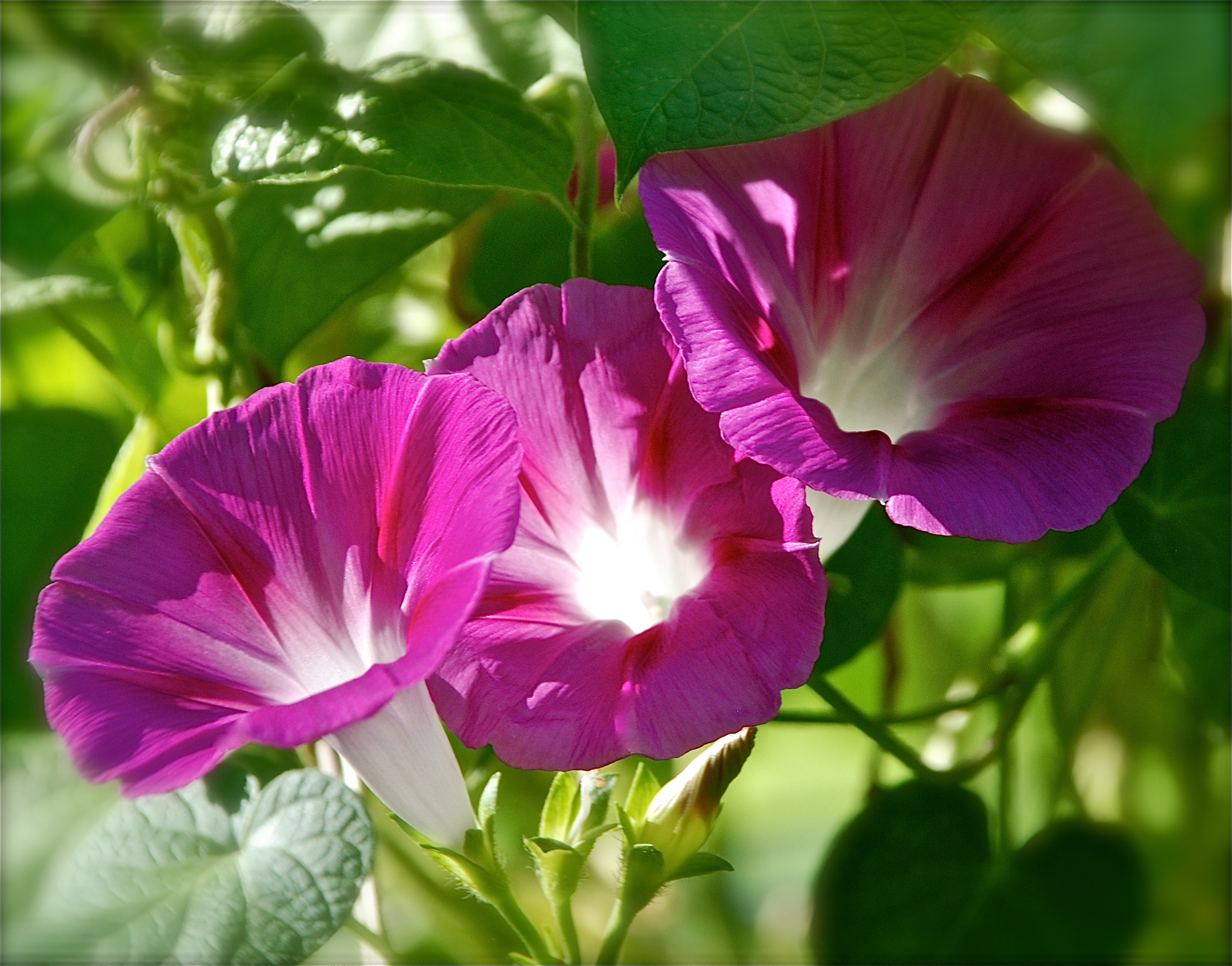
What color do words like blush, coral, fuchsia, magenta, raspberry, rose, and salmon conjure up? Isn’t it pink, pink that tones down the physical passion of red, replacing it with a gentle, loving energy?
DSC_0028

Pink that’s the sweet side of red, pink that’s playfulness and tenderness, pink that’s the color of bubble gum and cotton candy and babies, especially little girls.
DSC_0104

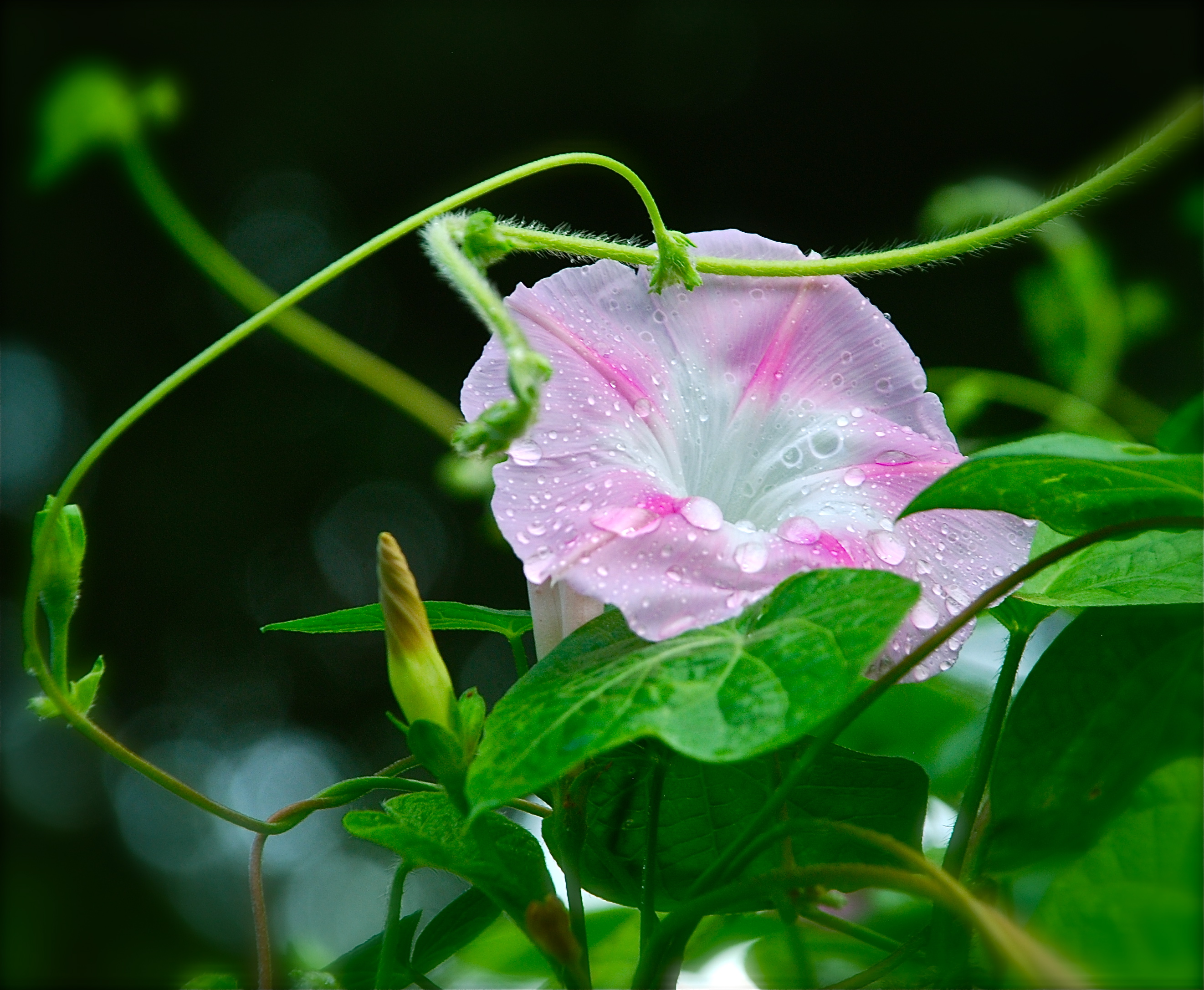
Pink that’s charming, pink that soothes the heart and fills it with love, pink that’s feminine and romantic, affectionate and intimate, thoughtful and caring.
DSC_0116

Pink that’s compassion and nurturing and unconditional love, pink that’s a sign of hope, pink that represents the sweetness and innocence of the child in all of us.

DSC_0075

But pink is not just a color; it embodies a variety of attitudes, all of which are uplifting. There’s the cool and collected pinks, the bold and sassy hotter pinks, the soft and drowsy pinks, and the daring and dramatic deep pinks.

DSC_0013

In the spring I think of pink as a somewhat shy presence but as summer’s fiery temperatures rise, pink is anything but timid. In Texas the scorching days of July and August punish the flesh and the spirit relentlessly, but even the smallest touch of pink pours over them like a soothing salve of goodness. The pinks of summer may not entirely keep one from walking “without flinching through the burning cathedral of the summer,” but they do keep the flames from licking up so high that they completely snuff out the breath. While locusts screech, pink flowers murmur softer melodies taking some of the edge off their discordant harmonies and human discomfort. I’ve even seen ribbons of pink in a majestic sunset at the end of a day when they seemed to cool down the heat from the intense, fiery glow of the summer sun.

Praise the Lord, my soul. Lord my God, you are very great; you are clothed with splendor and majesty. The Lord wraps Himself in light as with a garment; he stretches out the heavens like a tent and lays the beams of his upper chamber on their waters. ~Psalm 104:1-2   ✝

Thank you, Lord Jesus, that you save, you heal, you restore, and you reveal Your Father’s heart to us! You have captured me with grace and I’m caught in Your infinite embrace! Like Saint Hildegard Lord, may I too be a feather on your holy breath and spread, like seeds, the gospel abroad.

398. I make the most of all that comes and the least of all that goes. ~Sara Teasdale

My riches consist not
in the extent of my possessions,
but in the fewness
of my wants.
~Joseph Brotherton

Image

May the God of your days and the dawn awaken you.
May the God of the rising sun stir you up.
May the God of the morning bless the work of your hands.
May the God of noontime renew your strength and energy.
May the God of the sunset bring you safely back home.
May the God of the dusk soothe your flesh and soul.
May the God of the night bring you peaceful rest.
~Edited adaptation of a blessing for the day
by Andrew Greeley

Blessed are those You choose and bring near to live in Your courts! We are filled with the good things of Your house, of Your holy temple. ~Psalm 65:4  ✝

Thank you, Lord Jesus, that you save, you heal, you restore, and you reveal Your Father’s heart to us! You have captured me with grace and I’m caught in Your infinite embrace! Like Saint Hildegard Lord, may I too be a feather on your holy breath and spread, like seeds, the gospel abroad.
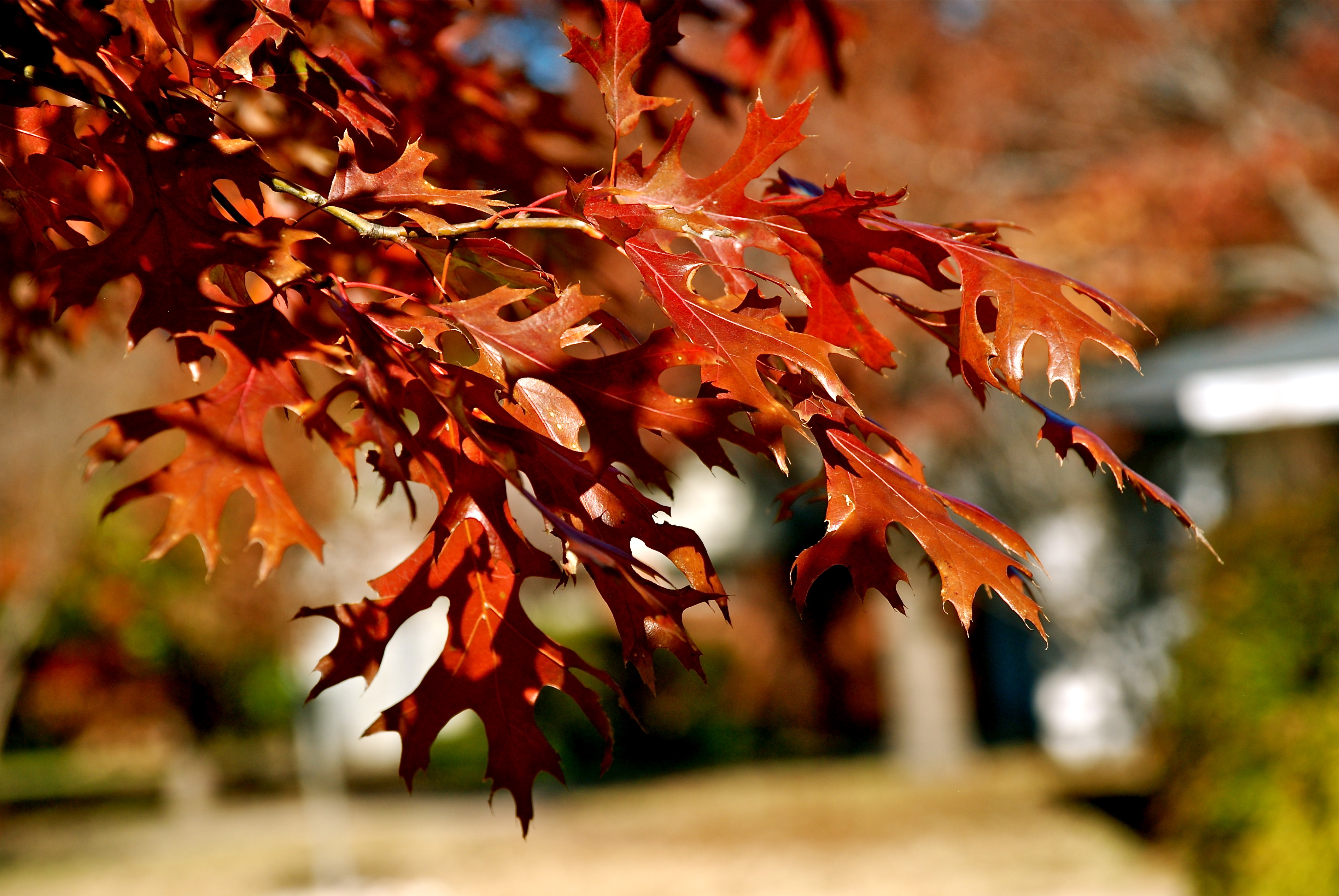
**Image via Pinterest

316. On the first warm day of spring I dig my fingers deep into the soft earth. I can feel its energy and my spirits soar. ~Helen Hayes

…the garden is not only a place
to make things grow and
to display the beautiful flowers of the earth,
but a place that should accord
with various moods of its admirers.
It should be a place
in which to hold light banter,
a place to laugh, and, besides
should have a hidden corner in which to weep.
~Alice Lounsberry

Image

Nor is the fragrant garden ever wholly our own…
Over hedge and wall,
and often far down the highway,
it sends a greeting
not alone to us who have toiled for it,
but to the passing stranger,
the blind beggar,
the child skipping to school,
the tired woman on her way to work,
the rich man,
the careless youth.
~Louise Beebe Wilder

Thank you, Jesus, that you save, you heal, you restore, and you reveal Your Father’s heart to us!

The Lord announces the word, and the women who proclaim it are a mighty throng: Psalm 68:11 ✝

**Photo via Pinterest

220. In the temple of my inner being, in the temple of my body, in the temple of earth, sea, and sky, in the great temple of the universe I look for the light that was in the beginning… ~J. Philip Newell

For me, a landscape does not exist in its own right,
since its appearance changes at every moment;
but the surrounding atmosphere brings it to life – the
light and the air which vary continually.
~Claude Monet

Image

All things in the natural world drink in sunlight, and they are affected by it a number of ways.  When the sun’s warmth touches skin, it creates a pleasant sensation on cold days.  That pleasurable feeling seems to sink down into the depths of human flesh; deeper and deeper it settles until it reaches places normally untouched by sunlight.  Flesh and spirit drink in other light too.  They take in “the light of God and energy itself” so that in an often cold and lonely, dark world the inner flame of our sacred origin keeps the hope filled glow of the eternal alive.

And light begets light, radiating outwards,
unable to be harnessed by any or all,
only a vessel that pours forth affirmation to its origins.
~Scottishmomus, (http://scottishmomus.wordpress.com)

God saw that the light was good, and He separated the light from the darkness.  ~Genesis 1:4   ✝

Rambling Thoughts

This is a reblog from Annette’s Garden at: http://wp.me/p32RMi-cI

Image

In autumn, when the trees cry colourful leaves and the vibrant spirit of summer is only a memory, thoughts go on a ramble. Time for reflection and contemplation. A damp, heavy quietness settles on the garden. The work is done, we can sit back and watch. When I plant bulbs in the autumn, and there seem to be more and more each year, I always wonder how many more springtimes I will live to see. I don’t ask as a result of depression (I’m not a child of sadness!), but because I think of these bulbs that fill me with such happiness. First when I’m planting then later, when in the comfort of my armchair in front of the fire -longing in my eyes- they fill my head with fields of colour and scent and carry me through the season which I never came to love, although it has its beauty too. It must be the bulbs that fill me with wantonness and unreasonable hope. The expression “to be happy like a child” comes to my mind but kids are not happy and innocent like they used to be. If you’re faced with the first murder during breakfast and with Jingle Bells and plastic Santas climbing ridiculously into chimneys from September onwards how could you possibly hold on to that pure and carefree joy? As for myself, I find lots of happiness in the little treasures and secrets nature and garden hold for me. All the same, there’s something morbid about this question, and I admit that I never ask myself at other times of the year. How many summers or autumns will I live to see? No way. But maybe the reason for planting these crazy amounts of promising bulbs and corms lies in my hidden wish that the older I get the more spectacular spring ought to be. Recently I read a quote by Henry David Thoreau which follows me ever since: The mass of men lead lives of quiet desperation. Thoreau said this in the 19th century but it is still true. The reason for this lies in the continuous remoteness and alienation from nature which in its most dramatic case leads to people perceiving nature as an enemy or danger. Pristine nature has become rare and if it’s really wild, we meet it with fear and suspicion. Seeing and hearing have also become rare skills. We’re constantly exposed to noise, being lulled and deadened. Even the news are hammered into us to the sound of percussions so that there’s no risk of us coming to our senses or to be bored. Tranquility is out. A friend of mine told me about a visitor from Canada who switched on a tape each night at bedtime: She couldn’t bear the quiet, only with the constant noise was she able to sleep. Cathy at http://wordsandherbs.wordpress.com/ did a great post dealing with the subject of hearing a while ago, and I hope she will share the link once she reads this. To hear and I mean TO HEAR is by no means taken for granted anymore. There’s so much to hear when you listen to supposed quiet. Have you ever tried? The silence that makes you feel like you’re deaf has become rare. Where I live, in the middle of the woods, it can still happen. It descends like a comfortable blanket. No fear, no panic just peace. Some shake their heads asking how can you possibly live here? We shake our heads knowing that every explanation would fall into nothingness. The general rush and fear of missing out on something are so widespread that many cannot understand how satisfying it is to fill the basket with firewood to heat the house, to collect eggs from your hens and to tend the garden. To hear nothing and to work in the garden are today’s last luxuries. During our hikes we sometimes meet extreme mountainbikers rushing down steep slopes with fierce expression, or cool guys on rattling motorbikes, modern Marlborough-Cowboys. None of them knows the intriguing scents and sounds of the forest, sees the pink mushroom in the undergrowth, the tree creeper searching the bark for insects or hears the melancholic song of the robin. Kids don’t know anymore that milk comes from cows. A vegetarian friend of mine suggested recently that one could keep milking cows without letting them have calves. Once I watched children beating newly planted fruit trees with sticks until the bark had come off while their mother watched them proudly. Great to see kids fulfilling themselves. Nature is retreating more and more and can only be found where access is hard or impossible or where there’s nothing to exploit. Would we ask men their definition of nature – what would the answer be? I fear the answer a lot more than visitors the solitude of my wood. Why should men protect something they’re not aware of and don’t see, never mind appreciate? When man moves away from nature, he loses his roots, becomes depressed and unhappy. I could never be without my garden and nature, my sanity depends on them. I draw energy, courage and meaning out of them. Okay, some things don’t work out in the garden but I’m never disappointed and depressed. Still nothing fills me with more hope and optimism. A life of quiet desperation? That’ll never be an issue for someone who hasn’t lost touch with his/her roots.

188. We have not wings; we cannot soar; but, we have feet to scale and climb, by slow degrees, by more and more, the cloudy summits of our time. ~Henry Wadsworth Longfellow

You raise me up, so I can stand on mountains;
You raise me up, to walk on stormy seas;
I am strong, when I am on your shoulders;
You raise me up…to more than I can be.
~Josh Groban, American singer and songwriter

Image

There is a peacefulness in a gray, cloudy day.  The air, normally charged with energy from the sun, loses its intensity and floats lightly on the gentle wings of tranquil contentment.  Noises are quieter and more mellow under lowering, billowy clouds not angry with the fury of storms.  My steps are slower, less urgent, as I move on the footpaths of the routine daily tasks before me.  Pushing up from deep within a still, small voice, often neglected, is more audible in the day’s silences.  It speaks of matters of the heart and the spirit, never of worldly affairs, nor greed, nor lust, nor gain in this world of men and madness.  Instead the voice nudges me to be in active pursuit of His plans for my life, not in the grand designs of my own folly.  It tries to keep me from complacency hiding under the guise of ignorance and brings light into dark places where I’m to face bigger issues that I often would rather ignore because it’s so much easier to do so.  The voice is not, however, a judgmental one; it is instead an encouraging, affirming agent that lifts me up on high, sacred ground.

“And after the earthquake, a fire, but the Lord was not in the fire: and after the fire a still small voice.”  1 Kings 19:12  ✝

16. The trees reflected in the river– they are unconscious of a spiritual world so near to them. So are we. ~Nathaniel Hawthorne

A Ming vase can be well-designed
and well-made and is beautiful for that reason alone.
I don’t think this can be true for photography.
Unless there’s is something a little
incomplete and a little strange,
it will simply look like a copy of something pretty.
~John Loengard

Image

The annual beauty in a garden once spent is gone forever, except in memory, if not captured in some way.  A camera is one of the ways we who love nature’s fleeting glory take it captive.  Unlike Loengard, I believe photos can be more than just an uninteresting copy of a beautiful thing.  For example part of what you see in the photograph above started out as that of a single rose.  However, as an experiment with some computer technology, I turned the image into something “a little strange,” as Leongard suggests, and it added another level of interest.  If one looks carefully at the altered image, fragmented pieces of what used to be negative spaces in the original photograph now have merged into engaging patterns, and so what can be seen raises questions about how much one really sees.  “While there is perhaps a province in which the photograph can tell us nothing more than what we see with our own eyes, there is another in which it proves to us how little our eyes permit us to see,” claimed documentary photographer and photojournalist, Dorothea Lange. So it is that Hawthorne’s idea could be applied to my rose or his trees or to the reflection of anything, and it would speak a profound truth. We often don’t see what is right under our proverbial noses.  The eternal underlies everything mankind sees, tastes, hears, touches, and smells, so much so that all things seem to quiver from the Divine energy emitted from them.  But it’s only when the Lord’s demure presence is acknowledged that it becomes more and more keenly perceptible.

So we fix our eyes not on what is seen, but on what is unseen. For what is seen is temporary, but what is unseen is eternal.  ~2 Corinthians 4:18   ✝

10. For in the true nature of things, if we rightly consider, every green tree is far more glorious than if it were made of gold and silver. ~Martin Luther

For man, autumn is a time of harvest, of gathering together.
For nature, it is a time of sowing,of scattering abroad.
~Edwin Way Teale

Image

Like Teale I knew that autumn’s winds were scatterers and sowers, but until I did some research, I didn’t realize how much the autumnal shedding of leaves accomplishes.  For the sake of the sod, the fallen leaves cover the ground like a protective blanket.  It’s also easier for leafless trees to conserve much needed moisture in their branches and trunks, and since cold, dry winter winds strip moisture from trees through their leaves, losing their leaves is self-protective mechanism.  It would also be very costly energy wise for trees to keep their little leafy food factories up and running with less light and heat.   Because the transport of water from the ground into the trunk and leaves would be a damaging drain on a trees’ limited resources, the loss of leaves puts trees into a state of dormancy thereby reducing the amount of energy they need to live.  When leaves “come to rest upon the ground,” their work is far from over.  As they lie there, they become food for soil organisms which are vital to the overall health of ecosystems.  In addition the decomposing leaves restock the soil with nutrients and make up a part of the spongy humus that absorbs and holds rainfall.  And finally with the arrival of spring and warmer temps, bacteria, fungi, and insects come into play because the fallen leaves are chewed and rotted which in turn releases nutrients for plant growth.

“For the wisdom that fashioned the universe and can be read in earth’s dark depths and in heaven’s infinity of lights thanks be to you, O God.”  ~John Philip Newell