120. Every happening, great and small, is a parable whereby God speaks to us, and the art of life is to get the message. ~Malcolm Muggeridge

The world has different owners at sunrise. . .
Even your own garden does not belong to you.
Rabbits and blackbirds have the lawns;
a tortoise-shell cat who never appears in daytime
patrols the brick walls,
and a golden-tailed pheasant
glints his way through the iris spears.
~Anne Morrow Lindbergh,
pioneering American aviator and author
Image

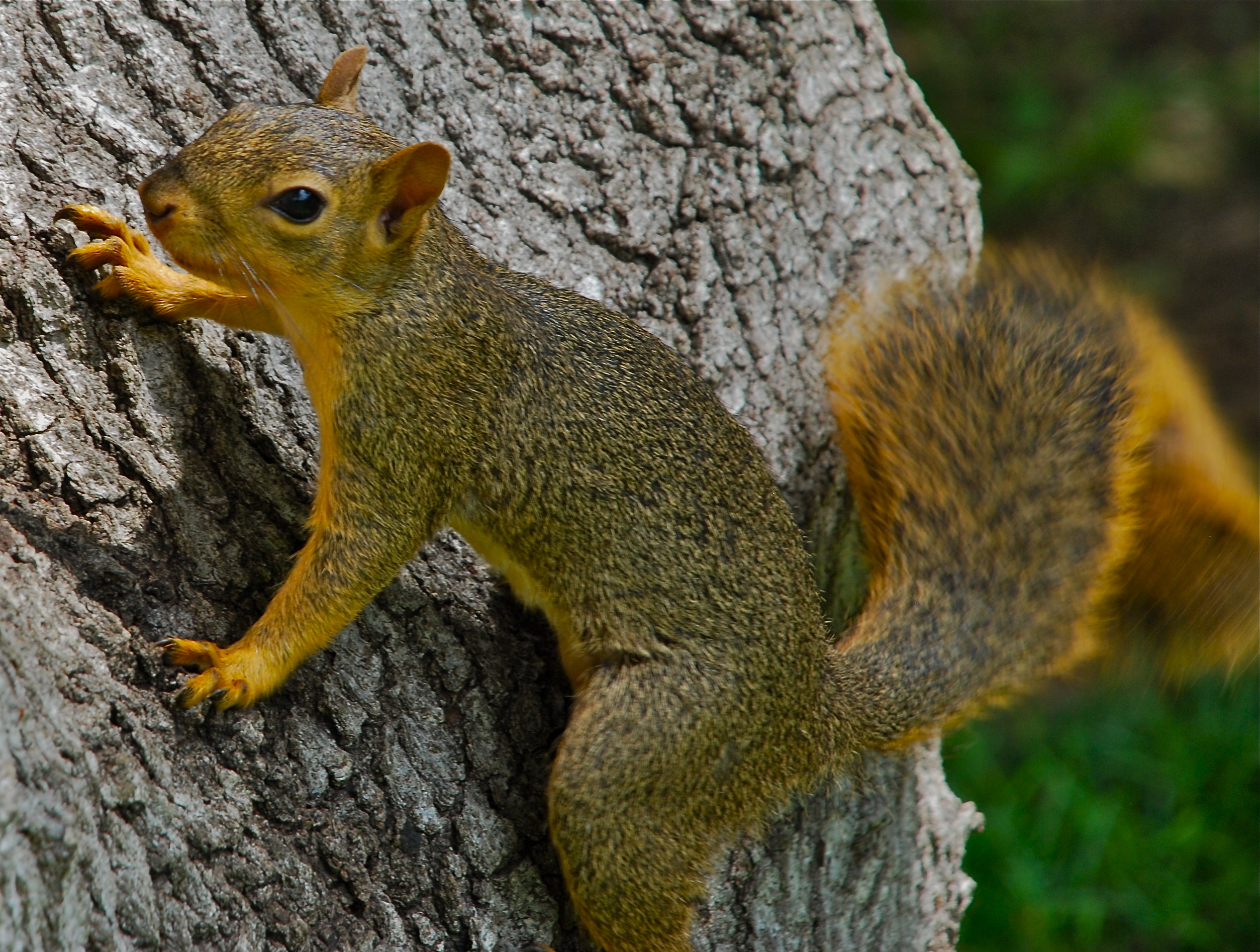
In my yard are squirrels instead of rabbits, mockingbirds instead of blackbirds, an assortment of stray cats instead of one tortoise-shell cat, and garter snakes that slither through the grass instead of a pheasant that glints his way through the iris spear.  So it is that my yard has as Lindbergh penned “different owners at sunrise.”  But since I planted everything for the wildlife as much as for me, why shouldn’t they come and sometimes in large numbers all through the day and night.

J. Philip Newell says that God’s glory glows “in the glistening of a creature’s eyes” as well as in “every emanation of creation’s life,” and that we can reverence God “in all that has life.”  My guess is that’s why some people garden in the first place.  We are fascinated by and delighted with the flowers and the wildlife, but we long for the presence of God into our green temples–that Presence that we feel and see in tiny buds breaking the soil, in pinkish purply glows in the eastern sky, in a silver slivers of the moon in the darkness of night, or in the delicious stillnesses in the garden as day passes into night.

For since the creation of the world God’s invisible qualities—his eternal power and divine nature—have been clearly seen, being understood from what has been made. . .  ~Romans 1:20   ✝

76. Through the dancing poppies stole a breeze most softly lulling to my soul. ~John Keats

Of all the wonderful things in the wonderful universe of God,
nothing seems to me more surprising than the planting of a seed
in the blank earth and the result thereof.
Take the Poppy seed, for instance: it lies in your palm,
the merest atom of matter, hardly visible, a speck, a pin’s point in bulk,
but within it is imprisoned a spirit of beauty ineffable,
which will break its bonds and emerge from the dark ground
and blossom in a splendor so dazzling as to baffle all powers of description.
~Celia Thaxter

Image

I love poppies, not just the flowers but also the lovely, fat pods that contain the future of the species.  The plants that put on silky, paper-thin blossoms can grow to be 3 or 4 feet tall here if the “hardly visible” seeds are sown in the fall.  So it is that in late October I toss out seeds from the ones I harvested from last’s years pods, and then all winter long I wait for the beauties which “baffle description” to make their appearance in my garden.  As winter moves along, I keep myself reassured by going out to check on them after especially frigid days or after occasional snowfalls to make sure the burgeoning “babies” have not succumbed to the elements.  And each time I go out, I almost squeal with delight when I discover that most of them, if not all, are still slowly but surely growing bigger and stronger.  Then sometime in the early spring the day comes when the waiting is over and standing before me are the first fruits of my labors and watchfulness.  Like dainty chalices, the cup-like flowers open up and drink in the day’s light while penning God’s autograph on the “scenes” of yet another springtime.  Day by day after each individual flower’s petals fall to the ground, the intriguing seed pods take their place, and as temperatures climb, they begin to ripen.  Some of these I eventually let fall to the ground to self sow; the remainder I gather and keep safe and dry until autumn comes and it is again time for me to partner with Creation and scatter abroad the “merest atoms” of such beautiful matter.

For as the soil makes the sprout come up and a garden causes seeds to grow, so the Sovereign Lord will make righteousness and praise spring up before all nations.  ~Isaiah 61:11

72. Come, fill the Cup, . . . the Bird of time has but a little way to fly–and Lo! the Bird is on the wing. ~Omar Khayyám

The Moving Finger writes; and having writ,
Moves on: nor all your Piety nor Wit
Shall lure it back to cancel half a Line,
Nor all your Tears wash out a Word of it.
~Rubaiyat, Omar Khayyám, 11th century Persian poet

Image

In my twenties, I came face to face with the reality of what this Persian poet articulated in the Rubaiyat, but thankfully in my thirties I also realized that every spring all that God created begins again.  So even though I have no a chance to do anything about the past, in the season of restoration and rebirth God built into the fabric of Creation, I can forge on with writing new stories and/or penning different endings to ones not yet finished.  However, lest I get too comfortable in dalliances a long the way and to show how quickly what the poem’s author revealed can come about, I must remember that a new year’s garden progeny and its days come and go quickly, and when done they are never, as Khayyám said, to be lured back nor washed away by tears.  So with every spending of my time coins, I must seize opportunities opening to blushes of newness.  Scripture may tell the world that the “birthing and restoring” of new years will go on “as long as earth endures,” but last November’s brush with death taught me to make the most of each day and not rely on what I, myself, may not be given.

The best things in life are nearest:
Breath in your nostrils, light in your eyes, flowers at your feet,
duties at your hand, the path of right just before you.
Then do not grasp at the stars, but do life’s plain, common work as it comes,
certain that daily duties and daily bread are the sweetest things in life.
~Robert Louis Stevenson, Scottish poet

“As long as the earth endures, seedtime and harvest, cold and heat, summer and winter, day and night will never cease.”  ~Genesis 8:22   ✝

69. Only from the heart can you touch the sky. ~Rumi

It is a glorious privilege
to live, to know, to act, to listen, to behold, to love.
To look up at the blue summer sky;
to see the sun sink slowly beyond the line of the horizon;
to watch the worlds come twinkling into view,
first one by one, and the myriads that no man can count,
and lo! the universe is white with them;
and you and I are here.
~Marco Morrow

Image

It is God’s privilege to conceal things and the king’s privilege to discover them.  ~Proverbs 25:2   ✝

60. That God once loved a garden we learn in Holy writ. And seeing gardens in the Spring I well can credit it. ~Winifred Mary Letts

With the birth of the creatures there is
the emergence of seeing, hearing,
smelling, tasting, and touching.
The light of the sun and the whiteness
of the moon can now be seen.
The wind blowing through the leaves
of the trees and the crashing
of ocean waves can be heard.
The early morning fragrance of
the earth can be smelled.
Its fruits can be tasted and
its textures touched.
~Excerpted lines by J. Philip Newell

Image

Springtime is so much “a showing forth of the mystery of God” that if one wants to know more of the Creator, all he/she needs do is pull up a chair in a garden and watch the year’s first season unfold.  Seeking the goodness of God and what He made by being still therein and listening to the Holy Spirit as well as Creation’s rhythms is a way of bringing the Heavenly Father closer.  In that nearness one is then able to look through eyes that recognize the depth of His and Creation’s  goodness.

And the LORD said, “I will cause all my goodness to pass in front of you, and I will proclaim my name, the LORD, in your presence. I will have mercy on whom I will have mercy, and I will have compassion on whom I will have compassion.  ~Exodus 33:19   ✝

57. Joy–A child’s world is fresh and new and beautiful, full of wonder and excitement.  It is our misfortune that for most of us that clear-eyed vision, that true instinct for what is beautiful and awe-inspiring, is dimmed and even lost before we reach adulthood. ~Rachel Carson

Image

He will yet fill your mouth with laughter and your lips with shouts of joy.  ~Job 8:21

40. Spring shows what God can do with a drab and dirty world. ~Virgil Kraft

Awake, thou wintry earth –
fling off thy sadness!
Fair vernal flowers, laugh forth –
your ancient gladness!
~Thomas Blackburn

Image

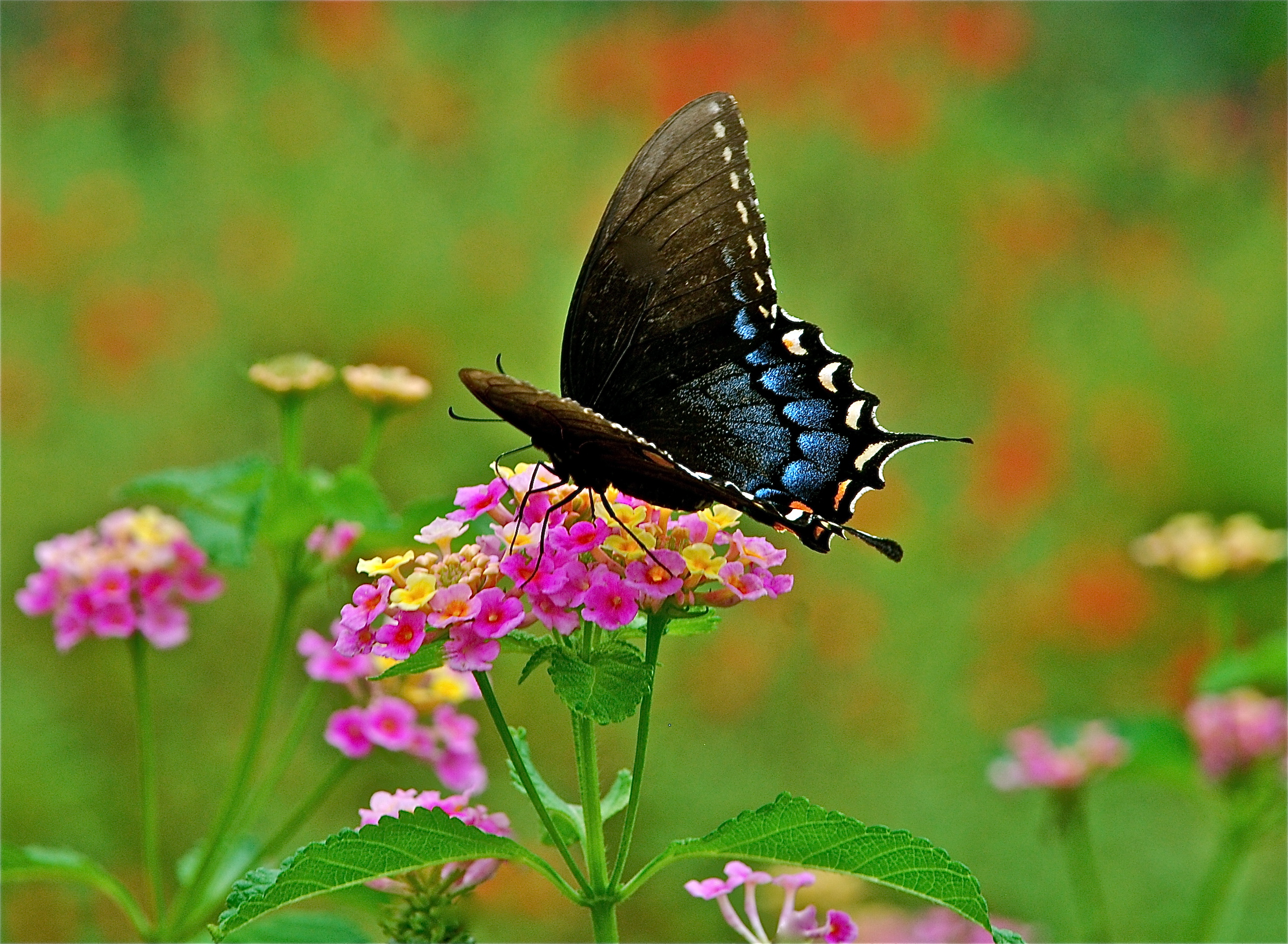
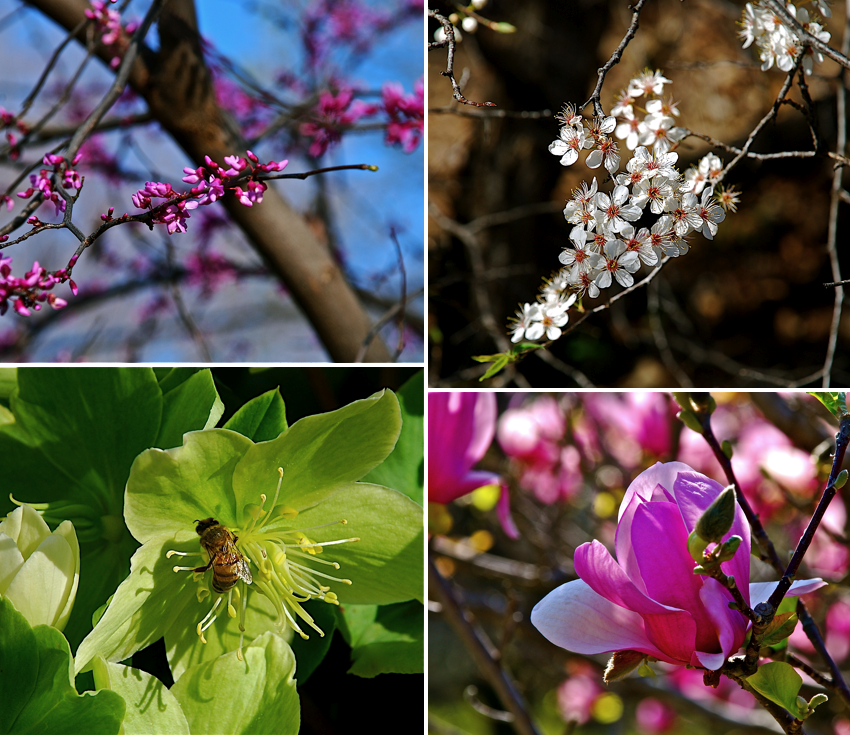
Leaf by leaf, bud by bud, and blossom by blossom the spring of the year advances.   On warmish days, earth casts off its wintry gloom, and breezes broadcast sweetly-scented aromas.  The first butterflies then dare to soar and the hungry bees hum amid the glad laughter issuing forth from flowering bulbs and trees.  As a result the year’s initial poetry of rebirth is penned by the pollinating, aerial whirring of dainty wings.  In the meantime as I hurry about trying to taking photos of the blossoming narratives and their paramours, I often find myself asking the same question Walt Whitman once did.  “Why are there trees I never walk under but large and melodious thoughts descend upon me?”  The answer I’ve decided is that the arms of trees reach towards the heavens to gather sacred messages meant to draw mankind near to “the living Word of God in nature” as well as what is read in Scripture.

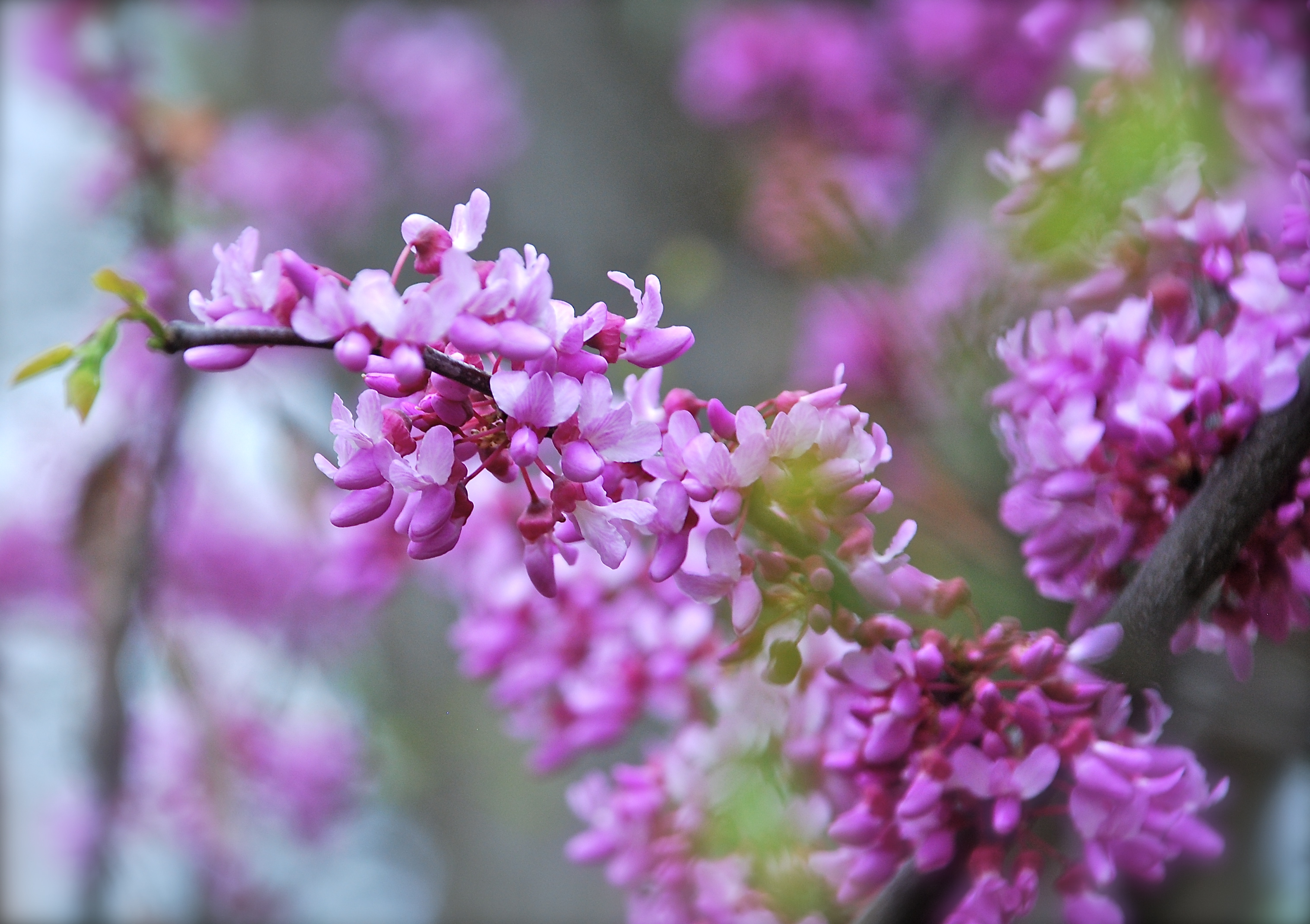
In our area the first verses of  “tree” poetry come from Saucer Magnolias.  Their big, goblet-shaped flowers pen exquisite couplets in pink and white.  Soon to follow are the brilliant white blossoms of Star Magnolias.  Though not quite enough lines to form a fourteen-lined sonnet, their twelve exquisite, “petal-poesy” lines form rhyming schemes as lovely as any Shakespearean sonnet.  Next and in perfect rhyming sequences come the double samaras.  Samaras, the scarlet, dual winged fruits of the Red Maple, look like long, slender fairy wings as they dance choric rhymes writ by the winds.  Then come the Eastern Redbuds and Bradford Pears that compose stunning free-verse stanzas in purple and white, each resplendent branch, a psalm written in praise of its Maker.  For a pollinator now there’s no quandary about where sweet nectaries are to be found for stanza after stanza they and I are lead in springtime to earth’s most festive and delicious banquets.

He has taken me to the banquet hall, and His banner over me is love.  ~Song of Songs 2:4

24. Within the seed’s case a secret is held. Its fertile whisper shapes a song. ~Joan Halifax

When I see that first, miniscule, curled, pale
green wisp of a sprout poking up between a couple of
grains of vermiculite, I hear God speaking.
~June Santon

Image

Seed plants date back about 365 million years ago to the Paleozoic era.  These wondrous pieces of antiquity vary greatly in size: the smallest being the dust-like seed of orchids and the largest, weighing as much at times as 50 pounds, being the fruit of the coco de mer, the double coconut palm.  A typical seed is composed of 3 basic parts: 1. an embryo, 2. a supply of nutrients for the embryo, and 3. a seed coat that protects the embryo from injury or from drying out.  Seeds have two points of growth, one which forms the stem of the plant and the other where the roots of the plant form.  Some seeds have wings or hairs and are dispersed by the wind.  Others are buoyant and float in rivers to the oceans and wash up on beaches; then there are those that are dispersed in various ways by animals.   Given the fascinating science of seeds, how they work and how tiny some of them are, how could one not hear fertile whispers from God in them.

Each seed, regardless of its size, is a sacred promise.  The dictionary defines a promise as: 1. a declaration that something will or will not be done or given, or as   2. an express assurance on which expectation is to be based, and seeds definitely declare what the Lord has done and given and what we as His children can expect.  Special mention of seeds and their promise is made on the 3rd day of the Genesis story where we can see that plants and trees are profuse manifestations of “this seed force.”  Plants and trees have been coming forth for millions of years and come forth yet.  During the unseen holy hours of nurturing, the “seed force” reaches down into the darkness of the earth’s “concealed depths” therein to be sustained by water.  In the Celtic tradition the moisture in earth’s soil is a “symbol of the waters of God that enfold and infuse all things.”  God’s goodness, deeper than any evil, then can be seen at the inception and very heart of life.  J. Philip Newell says that “everything that is born in the great matrix of life is sustained by roots that reach into the deep mystery of God’s life.”  The image which Newell’s words paint of all life reaching deep into God’s life is what, for many of us, shapes songs of joy and praise, for there is no more comforting, good, or safe place in the world than the heart of God!

As the rain and the snow come down from heaven, and do not return to it without  watering the earth and making it bud and flourish, so that it yields seed for the sower and bread for the eater, so is my word that goes out from my mouth: It will not return to me empty, but will accomplish what I desire and achieve the purpose for which I sent it.  ~Isaiah 55:10-11   ✝

19. Let us love winter, for it is the spring of genius. ~Pietro Aretino

We need a renaissance of wonder.
We need to renew, in our hearts and in our souls,
the deathless dream, the eternal poetry, the perennial sense
that life is miracle and magic.
~E. Merrill Root

Image

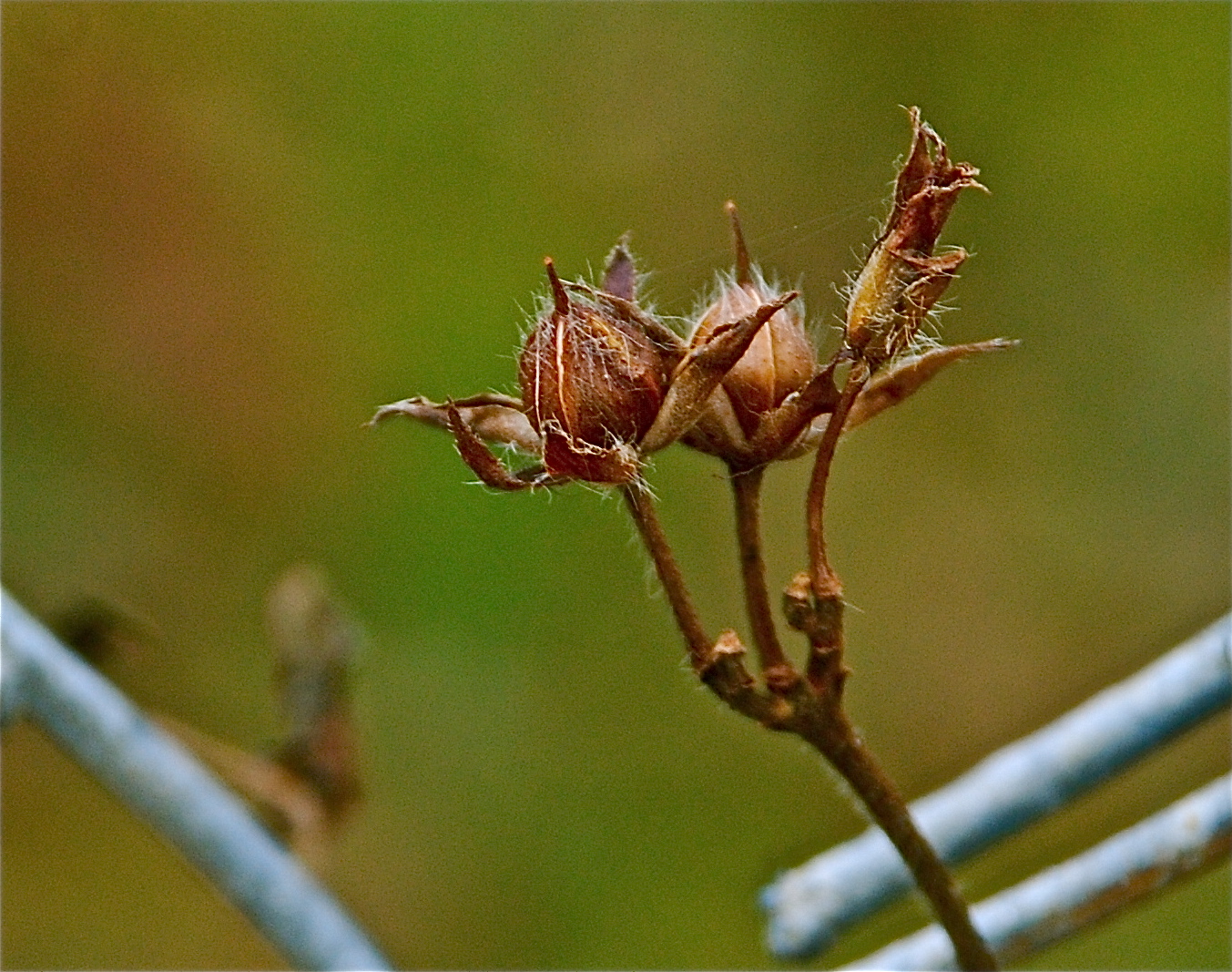
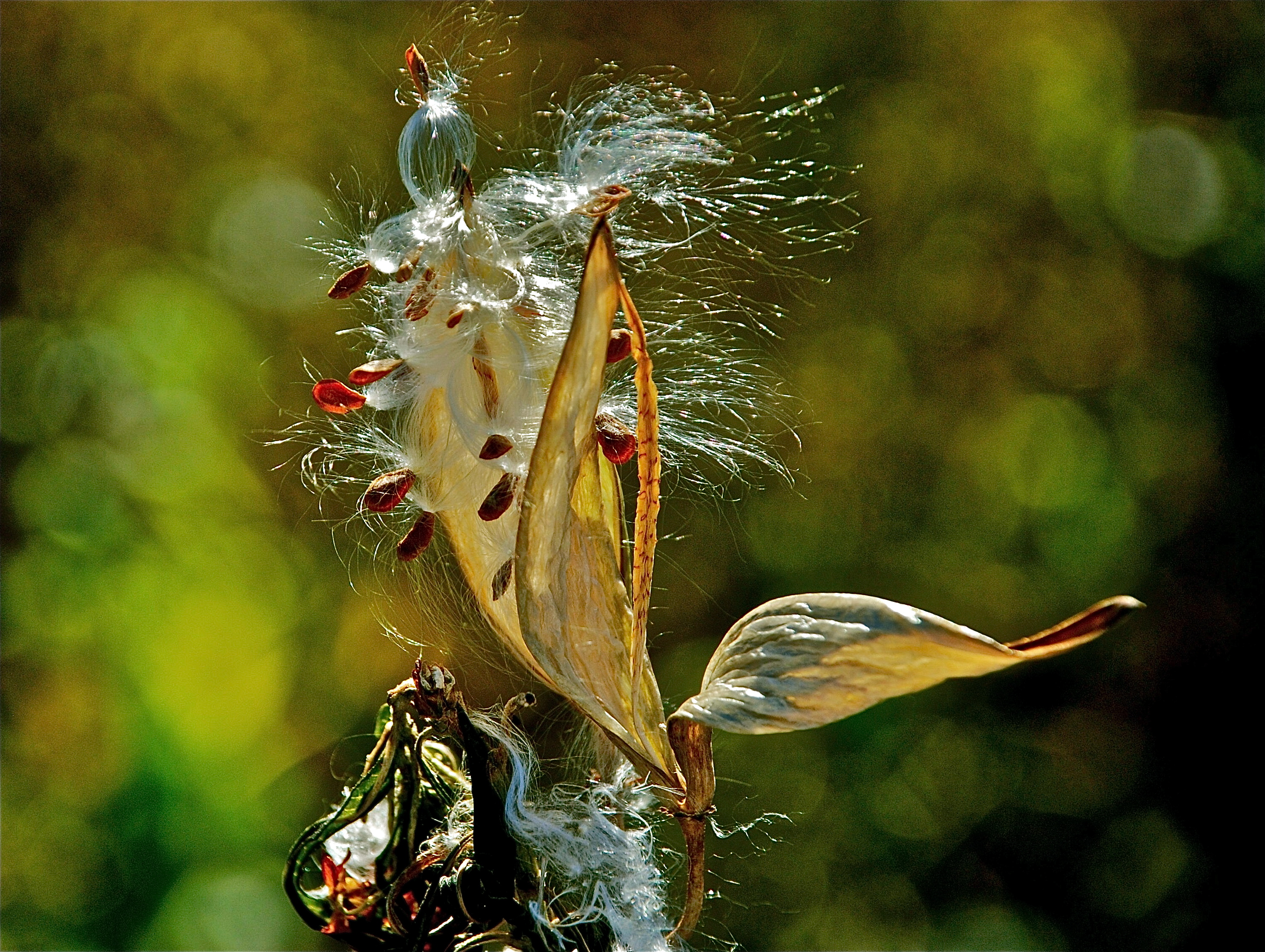
Since it is year’s end, we have entered the season of somber gardens, short days, low temperatures, and more-gray-than-blue skies.  The reckless abandon of the growing seasons has yielded to deepening winter’s, unadventurous restraint.  But, while looking out a window brings into view only the barrenness of winter, an actual venture out into its domain can expose wondrous sights like the seed pod in the photograph.  What a treat to see wondrous silken filaments that look like angel hair releasing seeds that are proof of a continuously running thread in Creation’s tapestry.  Such finds are tangible fragments of God’s imagination buried deep in the mystery of nature, and the aura of holiness that surrounds them often leaves onlookers amazed and awestruck.  These miraculous strands are the same kind of threads that govern the ceaseless ebbing and flowing of oceanic waves, the waxing and waning of the moon, the rising and setting of the sun, the birth and death of life forms, and the endless repetition of the seasons.

The most beautiful thing we can experience is the mysterious.
It is the source of all true art and all science.
He to whom this emotion is a stranger, who can no longer pause to wonder
and stand rapt in awe, is as good as dead: his eyes are closed.
~Albert Einstein

Rediscovering awe helps us appreciate the vast wonders of what the Creator’s mind imagined, what His words spoke, and what His hands created.  It bring us closer to God and restores our childlike joy and zeal for life.  The unfathomable mysteries of life are sacred benedictions; their blessings encourage us to stay in the Lord’s keeping and continue searching for His intent for our lives.

Who among the gods is like you, LORD?  Who is like you—majestic in holiness, awesome in glory, working wonders?  ~Exodus 15:11   ✝

**”if an object or expression can bring about, within us, a sense of serene melancholy and a spiritual longing, then that object could be said to be wabi-sabi.” “Wabi-sabi nurtures all that is authentic by acknowledging three simple realities: nothing lasts, nothing is finished, and nothing is perfect.”  The photo of the seed pod is a excellent example of Wabi Sabi.

18. The first fall of snow is not only an event, it is a magical event. ~J. B. Priestley

Out of the bosom of the Air,
Out of the cloud-folds of her garments shaken,
Over the woodlands brown and bare,
Over the harvest-fields forsaken,
Silent, and soft, and slow
Descends the snow.
~Henry Wadsworth Longfellow

Image

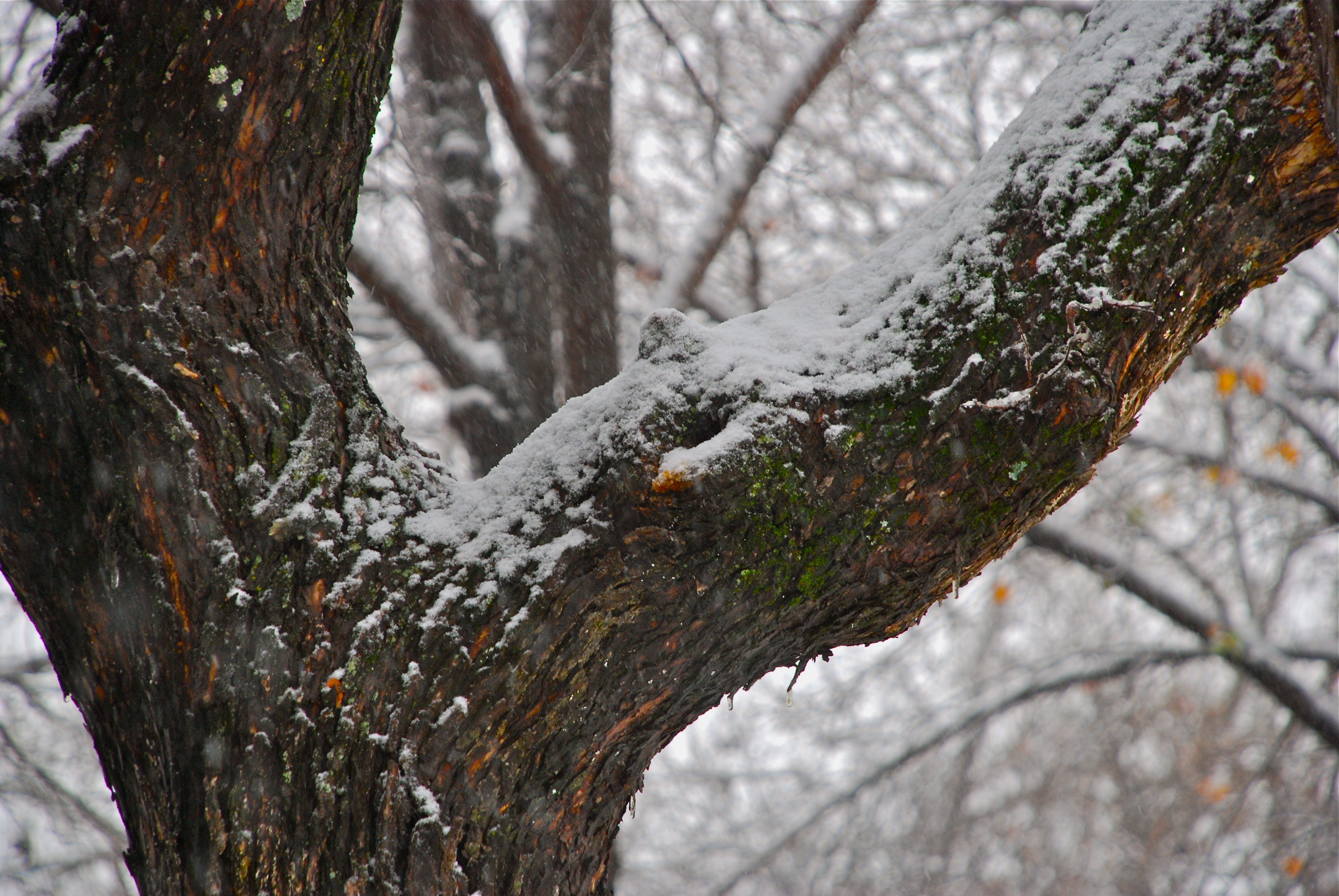
Our area, that had been desperately in need of rain, was the beneficiary of fortuitous events on Christmas Eve.  Could it be that the celebration of the Messiah’s coming the night before was what prompted the blessing of rain as well as the magical, miracle of snow.  So many voices were lifted up in praise and worship of Him that our petitions for rain might have been heard as well. Occasionally on cold, crisp wintry days or nights layers of snow blanket God’s creation even here in north central Texas, but this time we received a strange mixture of “wet” goodness.  At eventide sparkling stars punctuated the ancient moon in heaven’s blackened dome, but during the course of the Messiah’s birthday, clouds laden with moistures moved in, flashes of lightning lit up the sky, a good amount of rain was garnered, hail fell, and finally snow covered the landscape.  If this is not an assortment of  Divine providence mixed with earthly “enchantment,” then as Priestley says, “where is such to be found?”

Praise His Holy Name!