143. The sky is the daily bread of the eyes.  ~Ralph Waldo Emerson

The earth has received the embrace of the sun
and we shall see the result of that love.
~Hunkesni (Sitting Bull, Lakota Sioux holy man)
Image

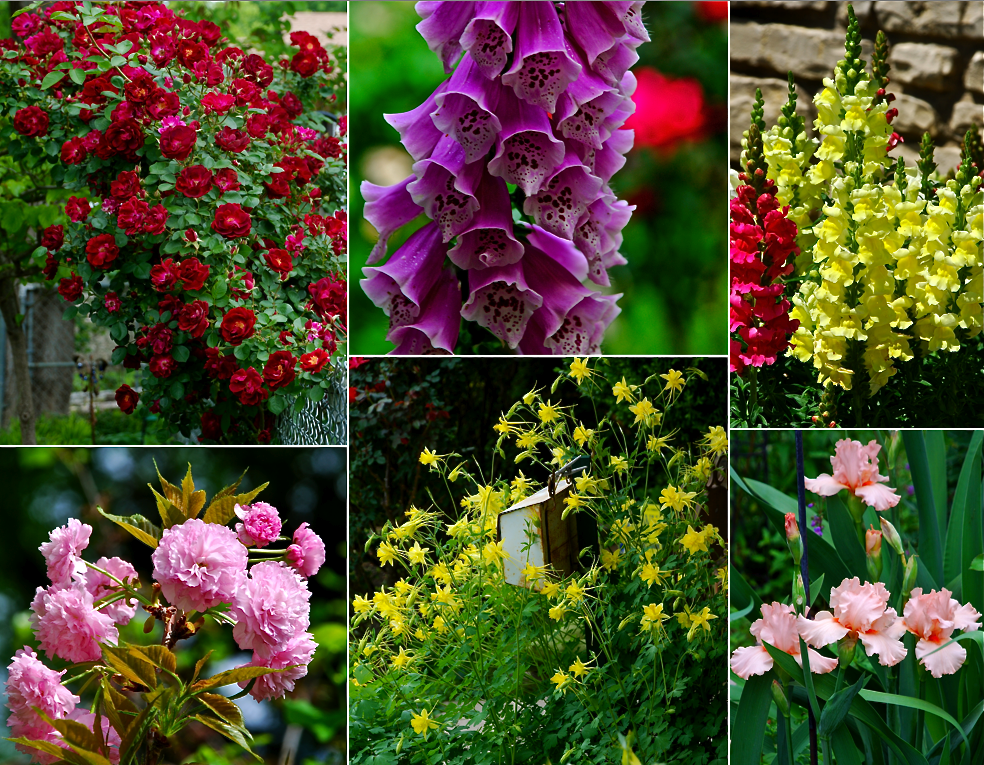
The flowers in these photos are the result of another year’s embrace of the sun.  It will be the remembrance of them and the haunting song of their colors, separately and collectively, that will lift my spirits when in the months to come I traverse winter’s “vale of grief.”  If my memory of the colors should grow dim, I’ll have but to look heavenward and watch for them in the rising and the setting of the sun on days when a window in the gloom has been opened.  In those moments when they streak the eastern or western horizon in a blaze of glory I’ll remember that as the earth tilts back toward the sun, the sun’s embrace will bring the flowers, their lovely colors, and their songs back.  When they return and the air is filled with the music of many melodies, my prayer for all of us will be. . .

 That the morning sun stirs us with gladness from our beds,
That the winds of March move us happily along the new year’s road,
That the rains of April renew our strength,
That the flowers and colors of May captivate our sight,
That the summer inflame our zeal,
That autumn’s colors stimulate our dreams,
That the silver moon make us wiser yet,
That the Lord keep us young at heart so that
we are full of life, laughter, song, and gratitude
for the holiness and goodness in all that the sun and His love embraces.
~Edited and adapted from a blessing by Fr. Andrew Greeley

The heavens declare the glory of God; the skies proclaim the work of his hands.  Day after day they pour forth speech; night after night they display knowledge.  There is no speech or language where their voice is not heard. Their voice goes out into all the earth, their words to the ends of the world.  In the heavens He has pitched a tent for the sun, which is like a bridegroom coming forth from his pavilion, like a champion rejoicing to run his course.  ~Psalm 19:1-5   ✝
57. Joy–A child’s world is fresh and new and beautiful, full of wonder and excitement.  It is our misfortune that for most of us that clear-eyed vision, that true instinct for what is beautiful and awe-inspiring, is dimmed and even lost before we reach adulthood. ~Rachel Carson

Image

He will yet fill your mouth with laughter and your lips with shouts of joy.  ~Job 8:21

40. Spring shows what God can do with a drab and dirty world. ~Virgil Kraft

Awake, thou wintry earth –
fling off thy sadness!
Fair vernal flowers, laugh forth –
your ancient gladness!
~Thomas Blackburn

Image

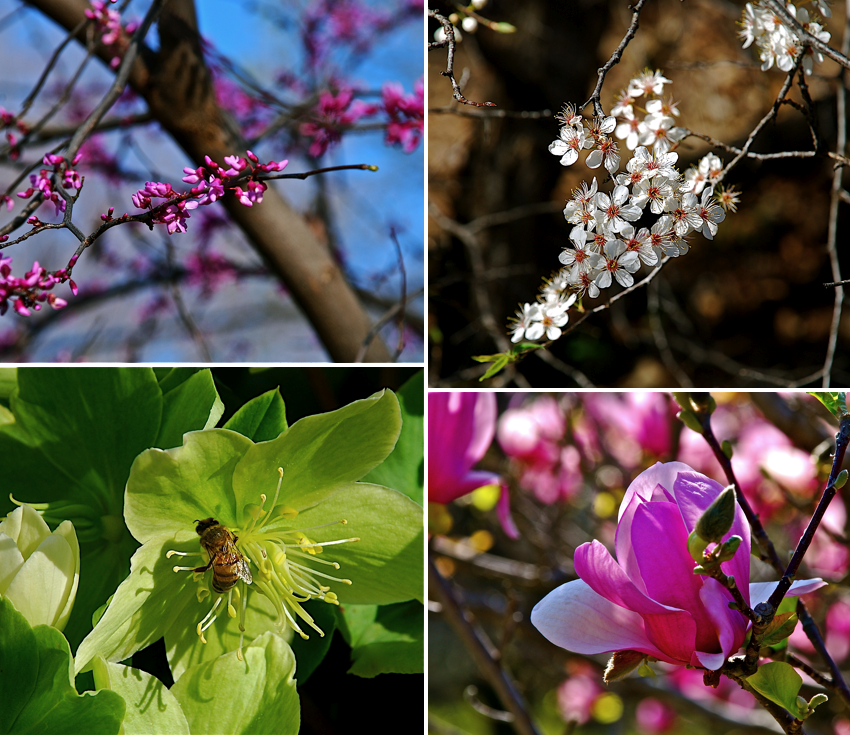
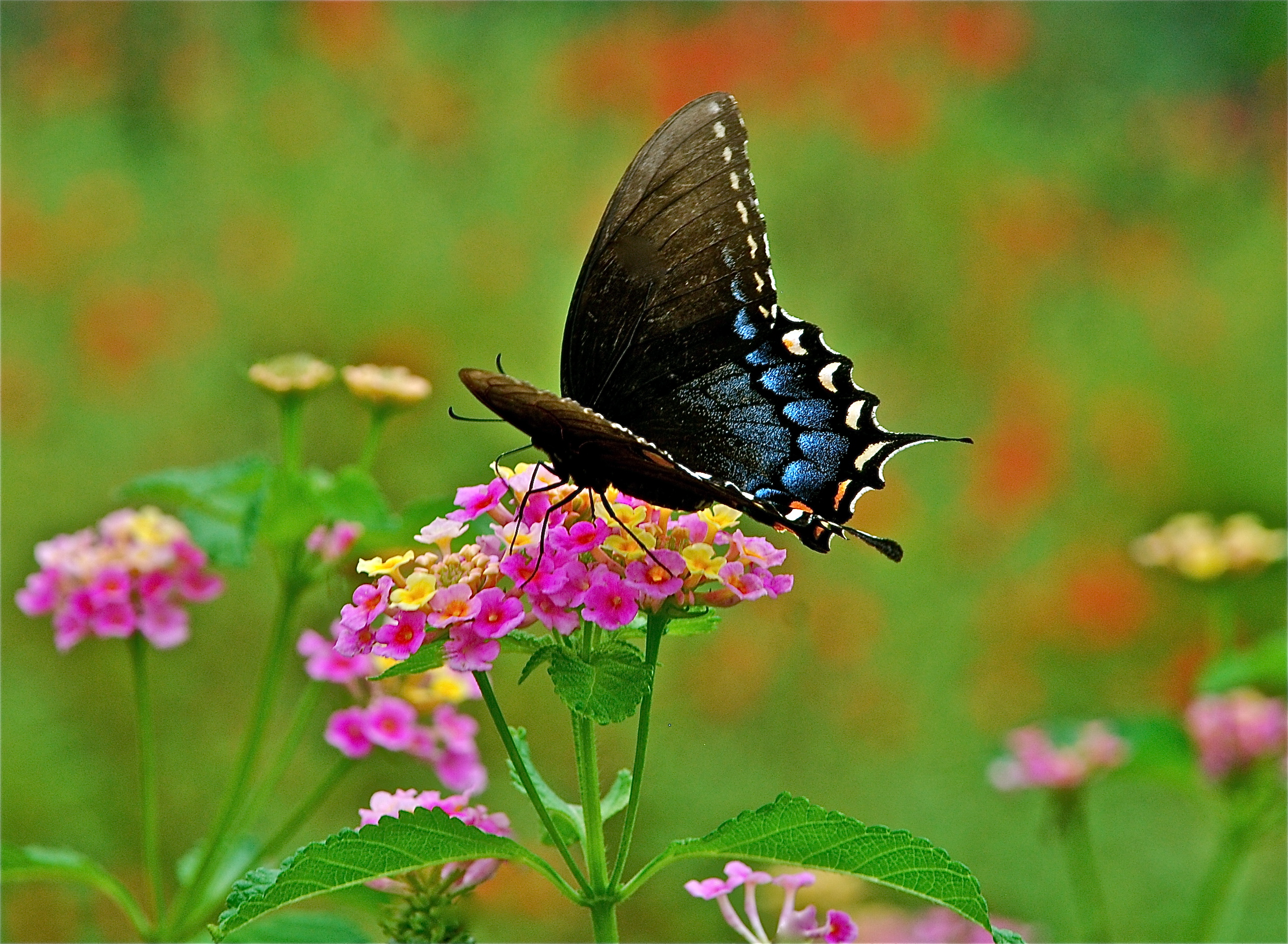
Leaf by leaf, bud by bud, and blossom by blossom the spring of the year advances.   On warmish days, earth casts off its wintry gloom, and breezes broadcast sweetly-scented aromas.  The first butterflies then dare to soar and the hungry bees hum amid the glad laughter issuing forth from flowering bulbs and trees.  As a result the year’s initial poetry of rebirth is penned by the pollinating, aerial whirring of dainty wings.  In the meantime as I hurry about trying to taking photos of the blossoming narratives and their paramours, I often find myself asking the same question Walt Whitman once did.  “Why are there trees I never walk under but large and melodious thoughts descend upon me?”  The answer I’ve decided is that the arms of trees reach towards the heavens to gather sacred messages meant to draw mankind near to “the living Word of God in nature” as well as what is read in Scripture.

In our area the first verses of  “tree” poetry come from Saucer Magnolias.  Their big, goblet-shaped flowers pen exquisite couplets in pink and white.  Soon to follow are the brilliant white blossoms of Star Magnolias.  Though not quite enough lines to form a fourteen-lined sonnet, their twelve exquisite, “petal-poesy” lines form rhyming schemes as lovely as any Shakespearean sonnet.  Next and in perfect rhyming sequences come the double samaras.  Samaras, the scarlet, dual winged fruits of the Red Maple, look like long, slender fairy wings as they dance choric rhymes writ by the winds.  Then come the Eastern Redbuds and Bradford Pears that compose stunning free-verse stanzas in purple and white, each resplendent branch, a psalm written in praise of its Maker.  For a pollinator now there’s no quandary about where sweet nectaries are to be found for stanza after stanza they and I are lead in springtime to earth’s most festive and delicious banquets.

He has taken me to the banquet hall, and His banner over me is love.  ~Song of Songs 2:4