309. Oh, the music in the air! An’ the joy that’s ivrywhere… ~Thomas Augustin Daly

St. Patrick’s Day is an enchanted time-
a day to begin transforming
winter’s dreams into summer’s magic.
~Adrienne Cook
Image

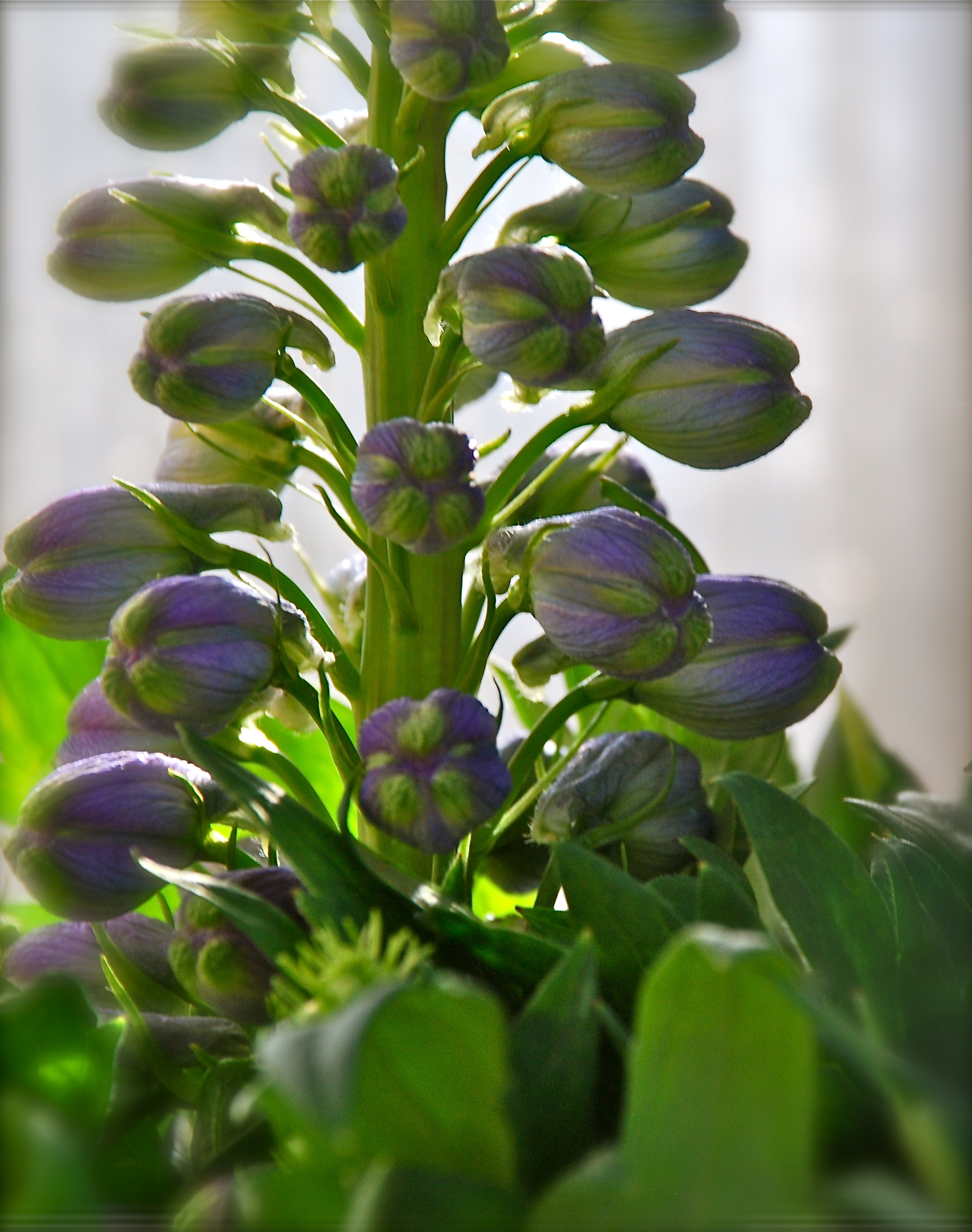
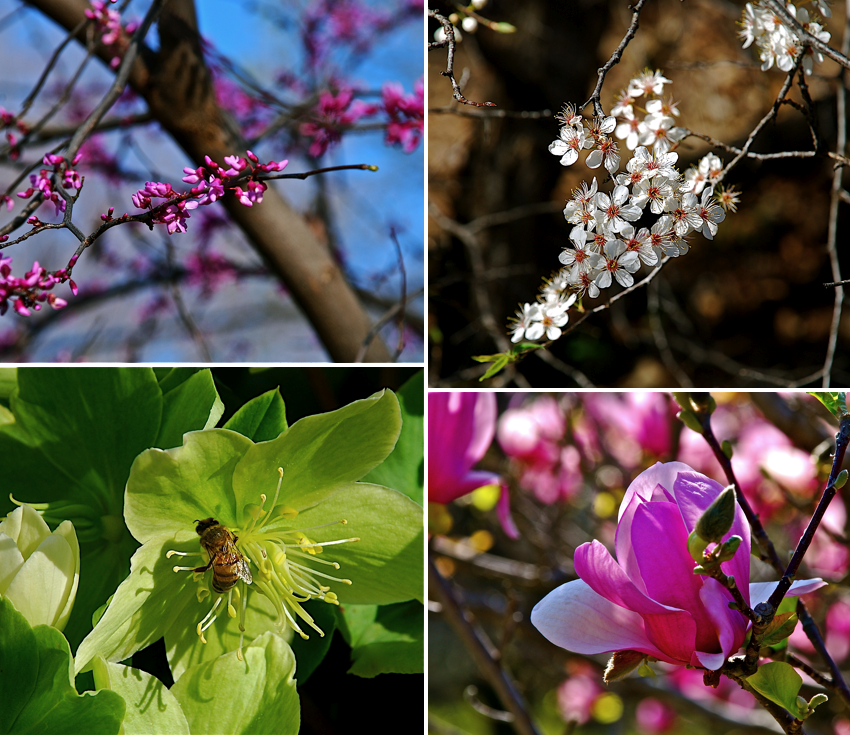
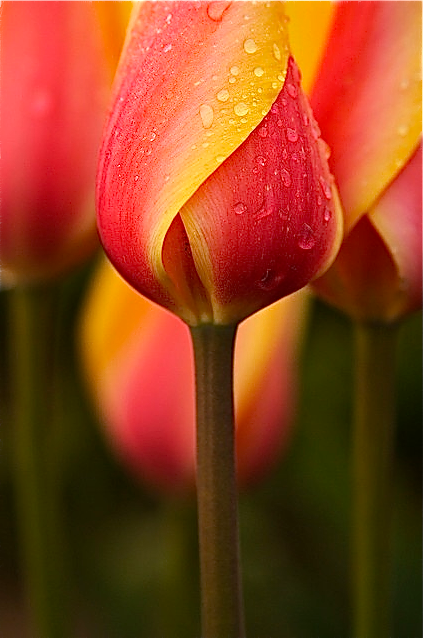
Color has returned to the earth in a few places here in our area; so St. Patrick’s Day has indeed brought a beginning measure of earth’s enchantments.  And where there are but few flowers yet, there is the promise of many more.

I arise today through God’s strength to pilot me,
God’s might to uphold me,
God’s wisdom to guide me.
God’s eye to look before me,
God’s ear to hear me,
God’s word to speak for me.
God’s hand to guard me.
Image

Christ with me, Christ before me, Christ behind me,
Christ in me, Christ beneath me, Christ above me,
Christ on my right, Christ on my left,
Christ when I lie down, Christ when I sit, Christ when I arise,
Christ in every heart of everyone who thinks of me,
Christ in the mouth of everyone who speaks of me,
Christ in every eye that sees me,
Christ in every ear that hears me.
~St. Patrick, Patron of Ireland.

Your kingdom is an everlasting kingdom, and your dominion endures through all generations.  The Lord is trustworthy in all He promises and faithful in all He does.  Psalm 145:13   ✝

**Photos via Pinterest
263. Don’t grieve for me now. I am free. ~Author Unknown

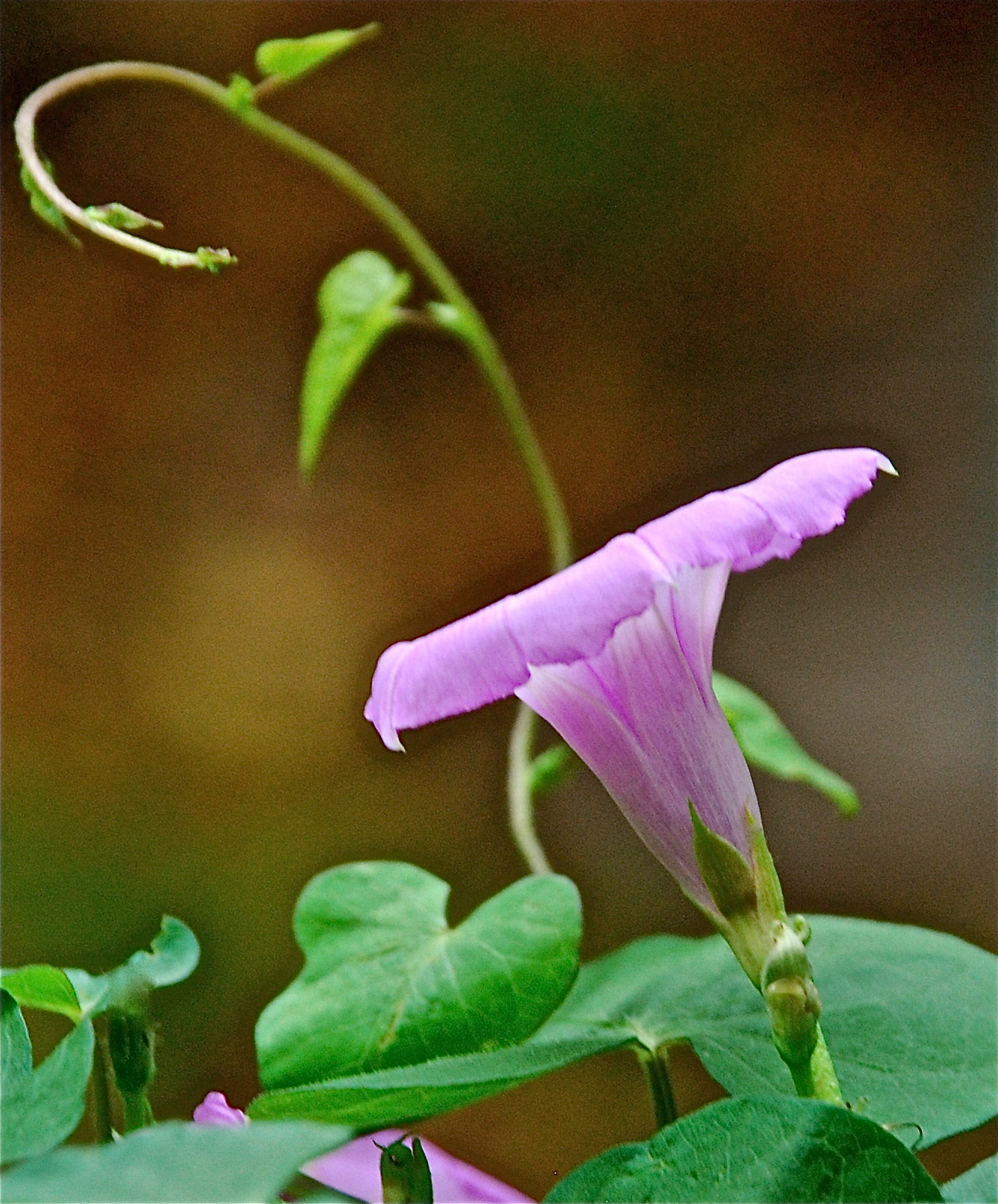
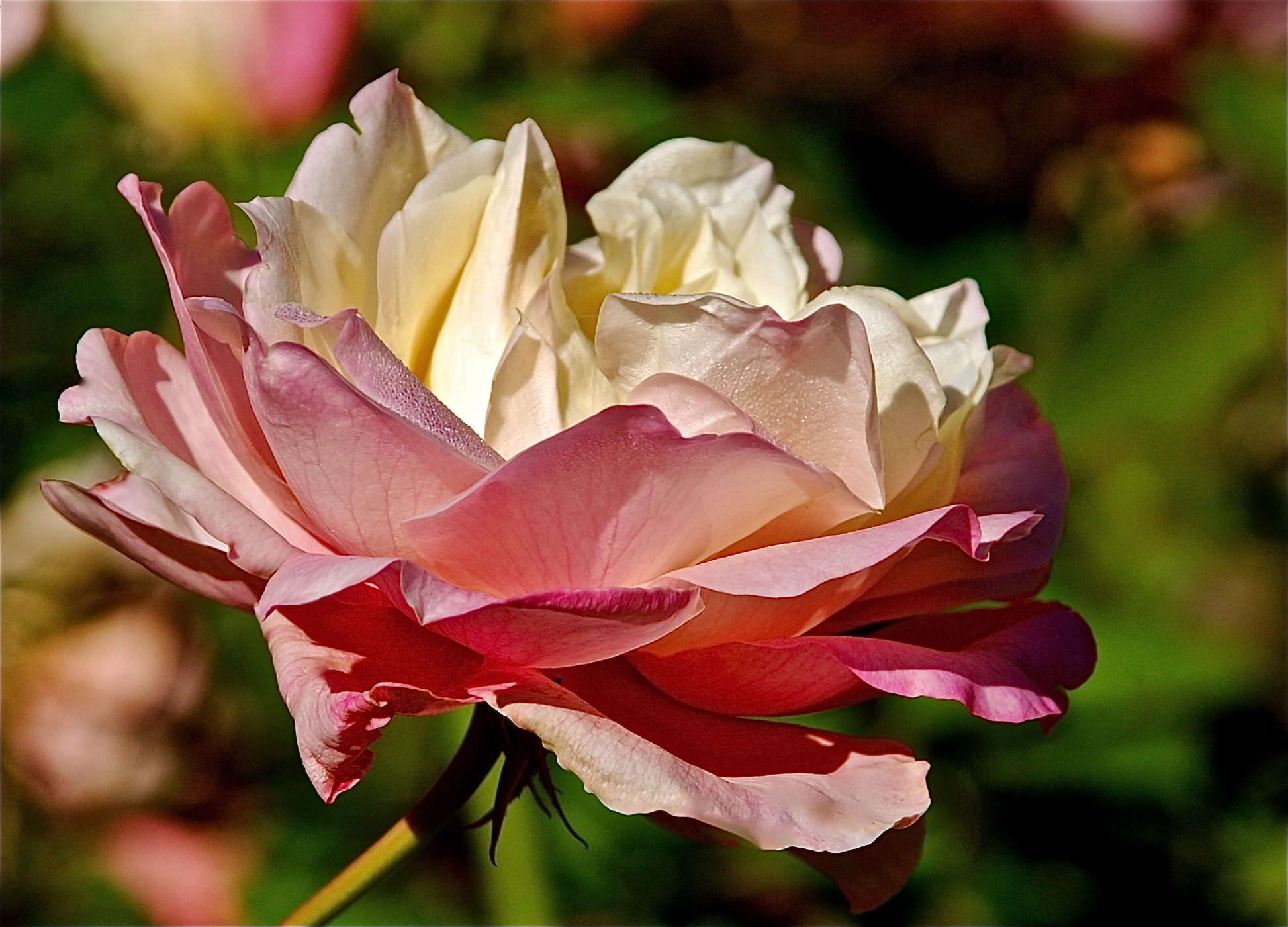
This post is in loving memory of Debbie Jeanne Avila , a friend and fellow blogger.  Tonight I’ve chosen bits and pieces of some of Debbie’s poetry to honor her, and because she loved my photos of flowers, I’m including one with each excerpt.  Sweet Debbie you will not be forgotten, and I am comforted that for you to be absent here, means that you are now and forever in the presence of Jesus.  Till we meet again.  Love, Natalie

Image

I had forgotten what LIFE was all about,
Those dark chocolate nights dipped in indubitable doubts,
Wonderful wonderings if this was all there is,
And if it was, then, we had bitten envied bliss.

Image

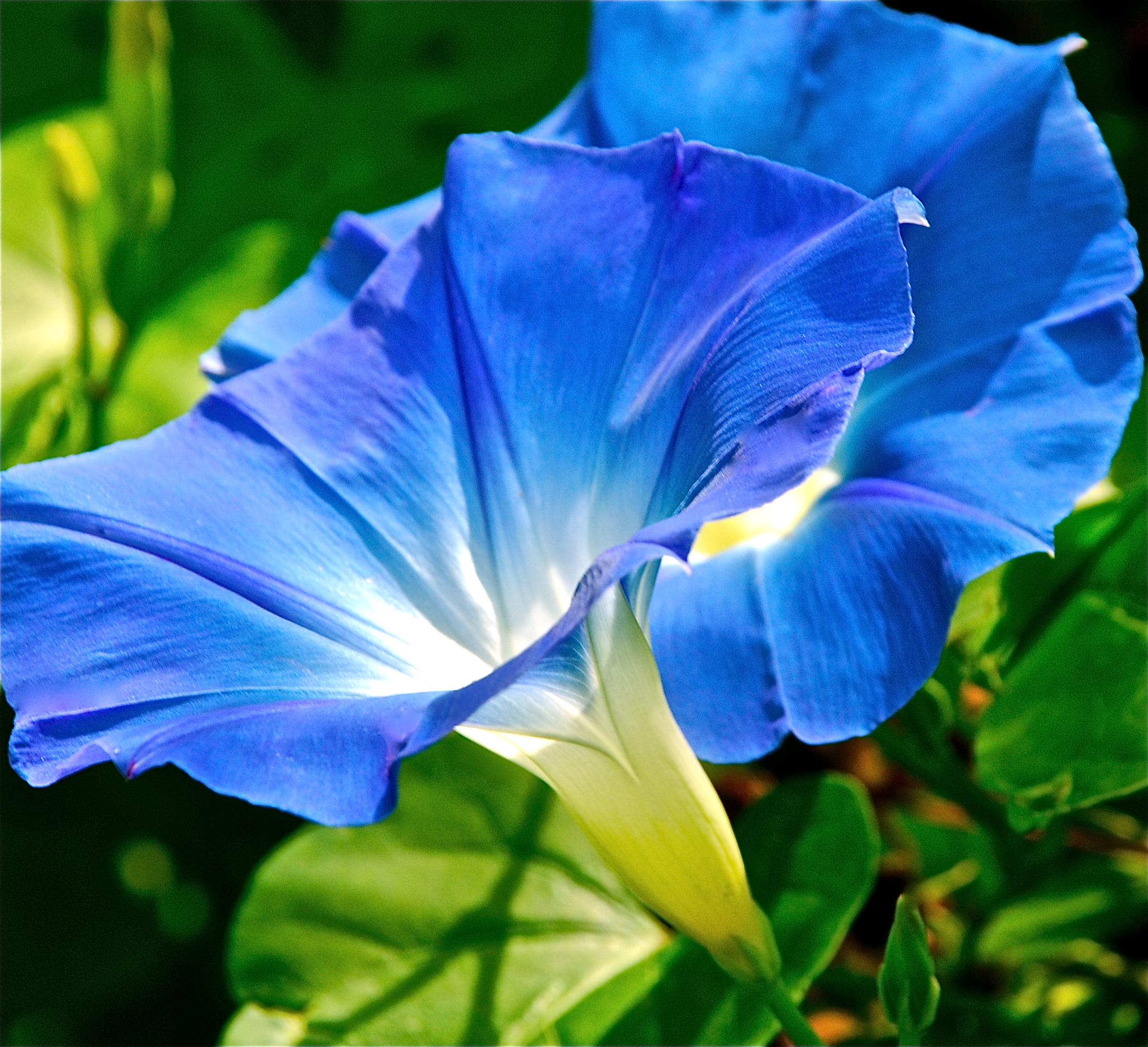
as sad as a morning glory that has never met
her glory I am damp with seeds that have never met
the portent wise sunlight–
damp with grinding dreams at my hoof and
damper after they sodden cold with dawn’s
twilight–
nothing reverts or inverts, if all formulates into
winter’s beginning and continuance

Image

Help me with my un-perceived progress
I stand still, everything around me sweeping
Like a Kansas tornado.
So many
voices within, held down and pressed,
It scares me to hear such a composing
Of songs I alone know

Image

September vivifies the introspections of soul like
The glaciating mountains in silence-
Ruminating, finding their niches so to sleep and then
Shake at springs kissing–
It embers gently, suspiciously as if someone would
Snuff it out too soon–

Image

Miscreant as it may some times be with the unexpected
Heat and elongated sun-kissed troubling–
Days are slightly shorter for most living breathing ways,
As I turn down the lights,
Pick up Keats and Dickinson, Rumi and rosehips
For morning simmering decadence. (http://girlwiththepen1118.wordpress.com)

Image

“Where, O death, is your victory?  Where, O death, is your sting?”  ~1 Corinthians 15:55  ✝

260. The shortest day has passed, and whatever nastiness of weather we may look forward to in January and February, at least we notice that the days are getting longer. ~Vita Sackville-West

January is the quietest month in the garden.
. . .But just because is looks quiet
doesn’t mean that nothing is happening.
The soil, open to the sky, absorbs the pure rainfall
while microorganisms convert tilled-under fodder
into usable nutrients for the next crop of plants.
The feasting earthworms tunnel along,
aerating the soil and preparing it to welcome
the seeds and bare roots to come.
~Rosalie Muller Wright

Image

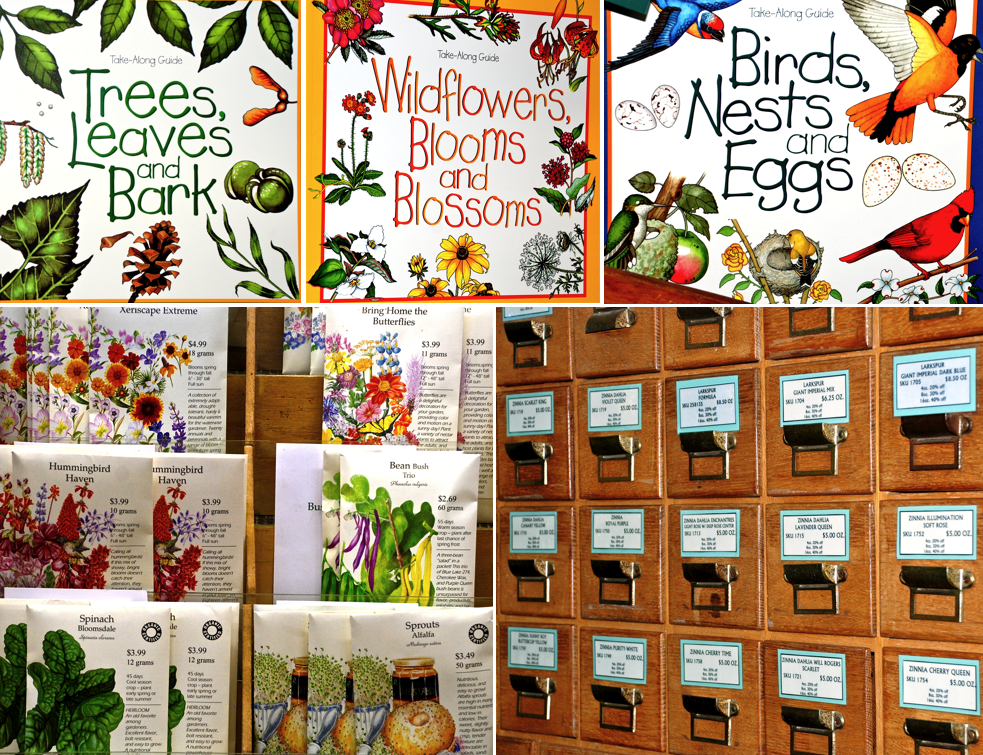
I’ve heard it said that “the color of springtime is in the flowers” whereas “the color of winter is in the imagination.”  Thankfully I’ve got a good imagination, and when that fails, I have a large collection of photos to look back on because by the end of January my spirit is in dire need of a boost.  A place I like to frequent also helps to keep my imagination alive and well.  It’s a nursery, and this particular Dallas nursery not only has a great selection of flowers during the growing seasons, but year round it has all sorts of indoor plants too.  In addition  to the plants it has an oak cabinet with drawers full of fascinating seeds, racks of seed packets, shelves filled with gardening books, and an array of tools.  So between the plant and seed catalogs that start arriving in the mail after Christmas and my visits to Nicholson-Hardie’s nursery, the “dream” is kept alive even when the under-the-surface busy but ravaged-atop January garden appears to be completely shut down.  And it is this “stuff” of which gardener’s dreams are made that keeps my imagination churning and my head full of schemes, schemes that are the spice of a gardener’s life.  What a blessing is our memory, our imagination, and our ability to dream; God is so good.

I will praise the name of God with a song; I will magnify Him with thanksgiving.  ~Psalm 69:30  ✝

251. More than anything, I must have flowers, always, and always. ~Claude Monet

When we look deeply into the heart of a flower,
we see clouds, sunshine, minerals, time, the earth,
and everything else in the cosmos in it.
~Thich Nhat Hanh

Image

 Color is my daylong obsession, joy, and torment.  ~Claude Monet

Image

 The richness I achieve comes from nature, the source of my inspiration.  ~Claude Monet

Image

I perhaps owe having become a painter to flowers.  ~Claude Monet

Image

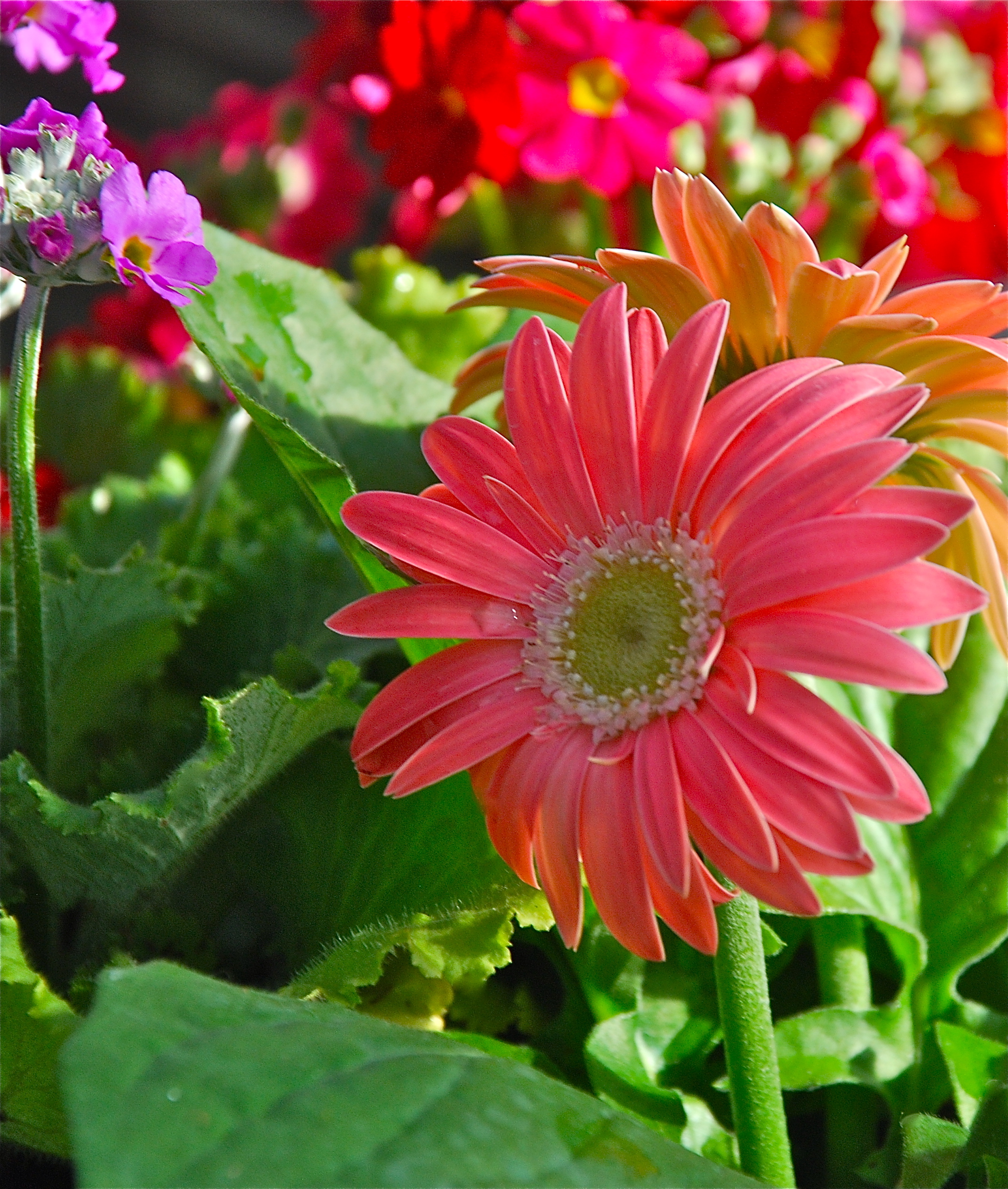
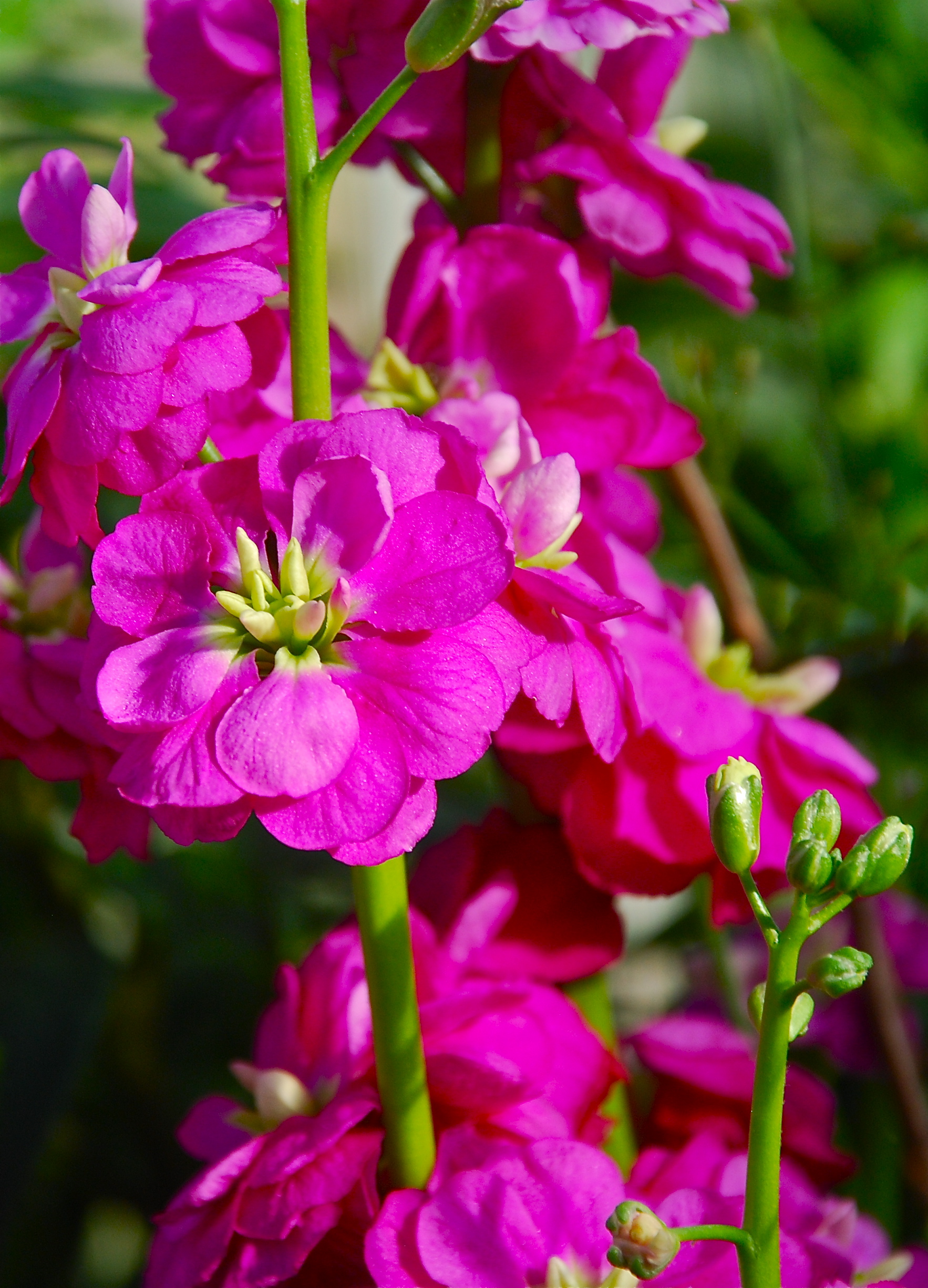
Like Monet, I must always, always have flowers, and I’ve discovered that cut flowers do little to satisfy that hunger.  I need to have flowers that, as in nature, are alive and growing, and to that end my greenhouse is a godsend.  From my chair in our family room I have a clear shot at the back shelf through the window in its door, and so that space is reserved during the winter months for potted flowers that aren’t suited to our Texas climate except as cool weather annuals.  Also like Monet, I must have color, lots and lots of color, and so the more bright and colorful the flowers are the better.  And again, like Monet I wanted to become a painter, but that’s where the likeness between us ends.  I may have found a way to have flowers and color but not the talent to translate that beauty onto a canvas.  However, the Lord in His gracious goodness did not let it end there.  During my years as a teacher I was asked at one time to sponsor the high school’s yearbook.  During that 5 year period I learned from the book’s professional publisher how to take photos,  how to edit and crop them, and how to lay them out on a page in an eye-appealing manner.  Then after I retired, with that training still in place, I discovered the amazing technology of digital photography, and voila, who’s to say an artist of sorts wasn’t born.

For you, O Lord, have made me glad by your work; at the works of your hands I sing for joy.  Psalm 92:4   ✝


40. Spring shows what God can do with a drab and dirty world. ~Virgil Kraft

Awake, thou wintry earth –
fling off thy sadness!
Fair vernal flowers, laugh forth –
your ancient gladness!
~Thomas Blackburn

Image

Leaf by leaf, bud by bud, and blossom by blossom the spring of the year advances.   On warmish days, earth casts off its wintry gloom, and breezes broadcast sweetly-scented aromas.  The first butterflies then dare to soar and the hungry bees hum amid the glad laughter issuing forth from flowering bulbs and trees.  As a result the year’s initial poetry of rebirth is penned by the pollinating, aerial whirring of dainty wings.  In the meantime as I hurry about trying to taking photos of the blossoming narratives and their paramours, I often find myself asking the same question Walt Whitman once did.  “Why are there trees I never walk under but large and melodious thoughts descend upon me?”  The answer I’ve decided is that the arms of trees reach towards the heavens to gather sacred messages meant to draw mankind near to “the living Word of God in nature” as well as what is read in Scripture.

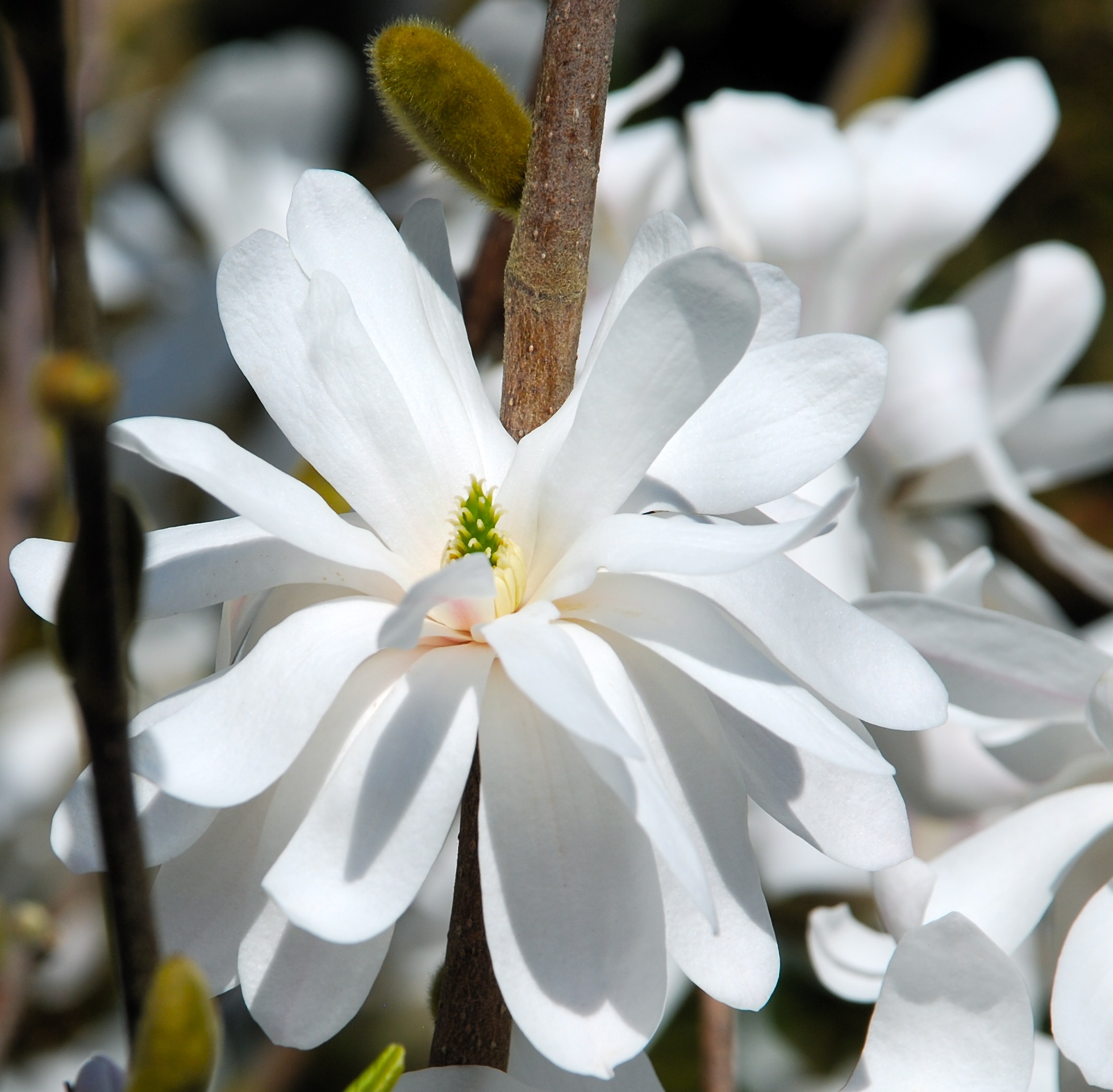
In our area the first verses of  “tree” poetry come from Saucer Magnolias.  Their big, goblet-shaped flowers pen exquisite couplets in pink and white.  Soon to follow are the brilliant white blossoms of Star Magnolias.  Though not quite enough lines to form a fourteen-lined sonnet, their twelve exquisite, “petal-poesy” lines form rhyming schemes as lovely as any Shakespearean sonnet.  Next and in perfect rhyming sequences come the double samaras.  Samaras, the scarlet, dual winged fruits of the Red Maple, look like long, slender fairy wings as they dance choric rhymes writ by the winds.  Then come the Eastern Redbuds and Bradford Pears that compose stunning free-verse stanzas in purple and white, each resplendent branch, a psalm written in praise of its Maker.  For a pollinator now there’s no quandary about where sweet nectaries are to be found for stanza after stanza they and I are lead in springtime to earth’s most festive and delicious banquets.

He has taken me to the banquet hall, and His banner over me is love.  ~Song of Songs 2:4

16. The trees reflected in the river– they are unconscious of a spiritual world so near to them. So are we. ~Nathaniel Hawthorne

A Ming vase can be well-designed
and well-made and is beautiful for that reason alone.
I don’t think this can be true for photography.
Unless there’s is something a little
incomplete and a little strange,
it will simply look like a copy of something pretty.
~John Loengard

Image

The annual beauty in a garden once spent is gone forever, except in memory, if not captured in some way.  A camera is one of the ways we who love nature’s fleeting glory take it captive.  Unlike Loengard, I believe photos can be more than just an uninteresting copy of a beautiful thing.  For example part of what you see in the photograph above started out as that of a single rose.  However, as an experiment with some computer technology, I turned the image into something “a little strange,” as Leongard suggests, and it added another level of interest.  If one looks carefully at the altered image, fragmented pieces of what used to be negative spaces in the original photograph now have merged into engaging patterns, and so what can be seen raises questions about how much one really sees.  “While there is perhaps a province in which the photograph can tell us nothing more than what we see with our own eyes, there is another in which it proves to us how little our eyes permit us to see,” claimed documentary photographer and photojournalist, Dorothea Lange. So it is that Hawthorne’s idea could be applied to my rose or his trees or to the reflection of anything, and it would speak a profound truth. We often don’t see what is right under our proverbial noses.  The eternal underlies everything mankind sees, tastes, hears, touches, and smells, so much so that all things seem to quiver from the Divine energy emitted from them.  But it’s only when the Lord’s demure presence is acknowledged that it becomes more and more keenly perceptible.

So we fix our eyes not on what is seen, but on what is unseen. For what is seen is temporary, but what is unseen is eternal.  ~2 Corinthians 4:18   ✝