146. Beauty. . .is the shadow of God on the universe. ~Gabriela Mistral

The human body needs food to be nourished, but the spirit needs to be fed in other ways. One thing it needs is beauty, and nature has a vast array of beautiful places in which the spirit can be nurtured and healed if need be. I’ve found that time spent in any of earth’s sanctuaries provides me with a better perspective about a whole host of things.  When the senses are heightened and ordered, what’s really important in life becomes ever so much clearer.
Image

Rachel Carson alleged that “those who dwell among the beauties and mysteries of the earth are never alone or weary of life.” She’s right because when one is alone in any of nature’s courts, if He is called upon and welcomed, it’s easy to become aware of the Lord’s presence. More importantly if one listens carefully in the midst of the natural world’s profound silences, he/she can hear the Lord speak.

Very early in the morning, while it was still dark, Jesus got up, left the house and went off to a solitary place, where he prayed.  ~Mark 1:35  ✝
141. Colors are the smiles of nature. ~Leigh Hunt

Of all God’s gifts to the sighted man,
color is the holiest, the most divine, the most solemn.
~John Ruskin

Image

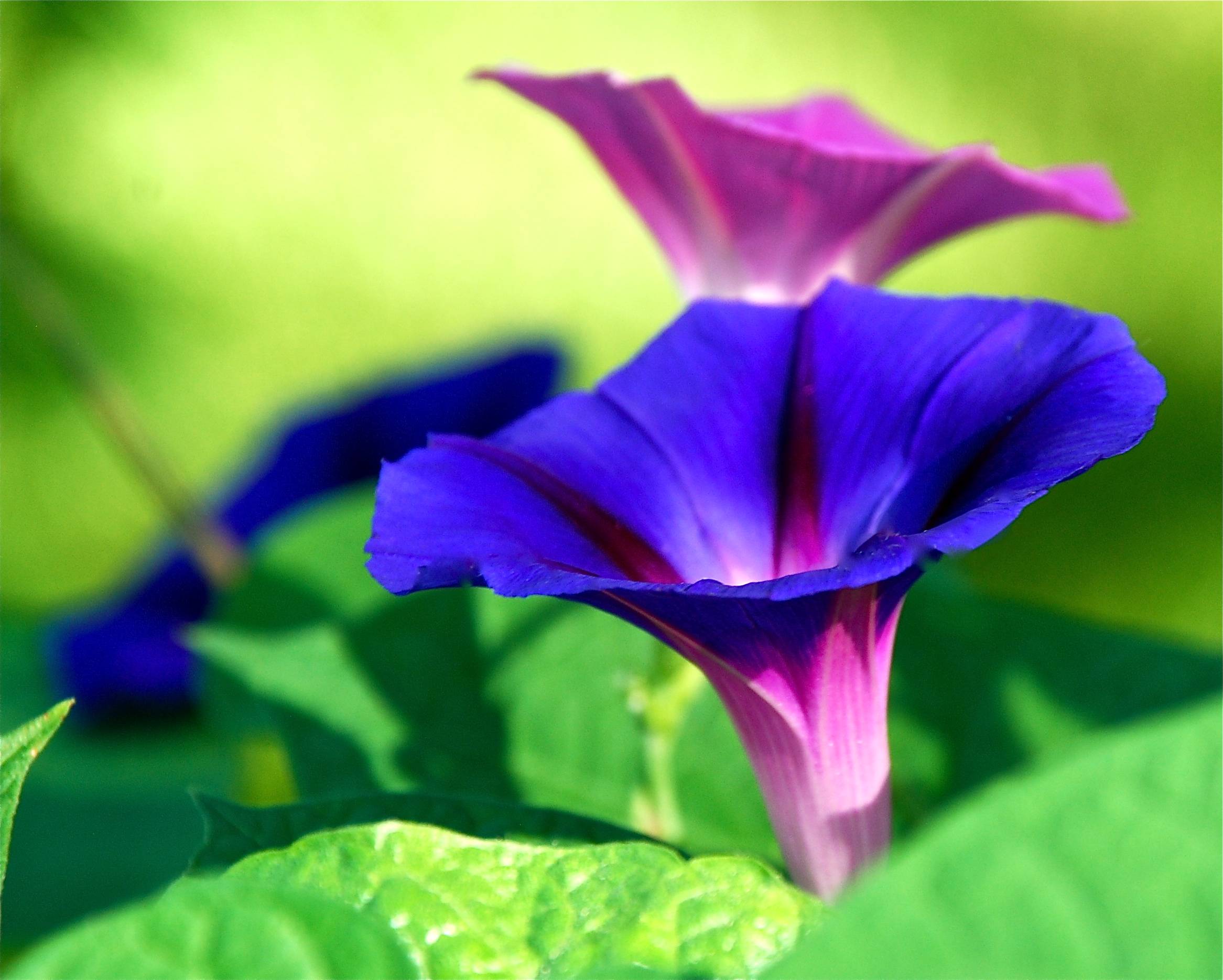
To the sighted man color is emphatically holy, but I believe the sanctity of it goes deeper than the eye.  Deep within the human soul color is recognized as tidings from the Father of our world and the message is twofold.  Color is a hallowed melody meant not just for the eyes but for the ears as well.  Pablo Picasso touched on this when he asked, “Why do two colors, one put next to the other, sing?” He couldn’t explain it nor can I, but there are color combinations that compose the sweetest of songs.  Pink and blue is one of those duos, and together they pen a heavenly harmony reminiscent of sapphire skies streaked with luscious pink ribbons of light.

The Lord reigns, let the earth be glad; let the distant shores rejoice.  ~Psalm 97:1  ✝

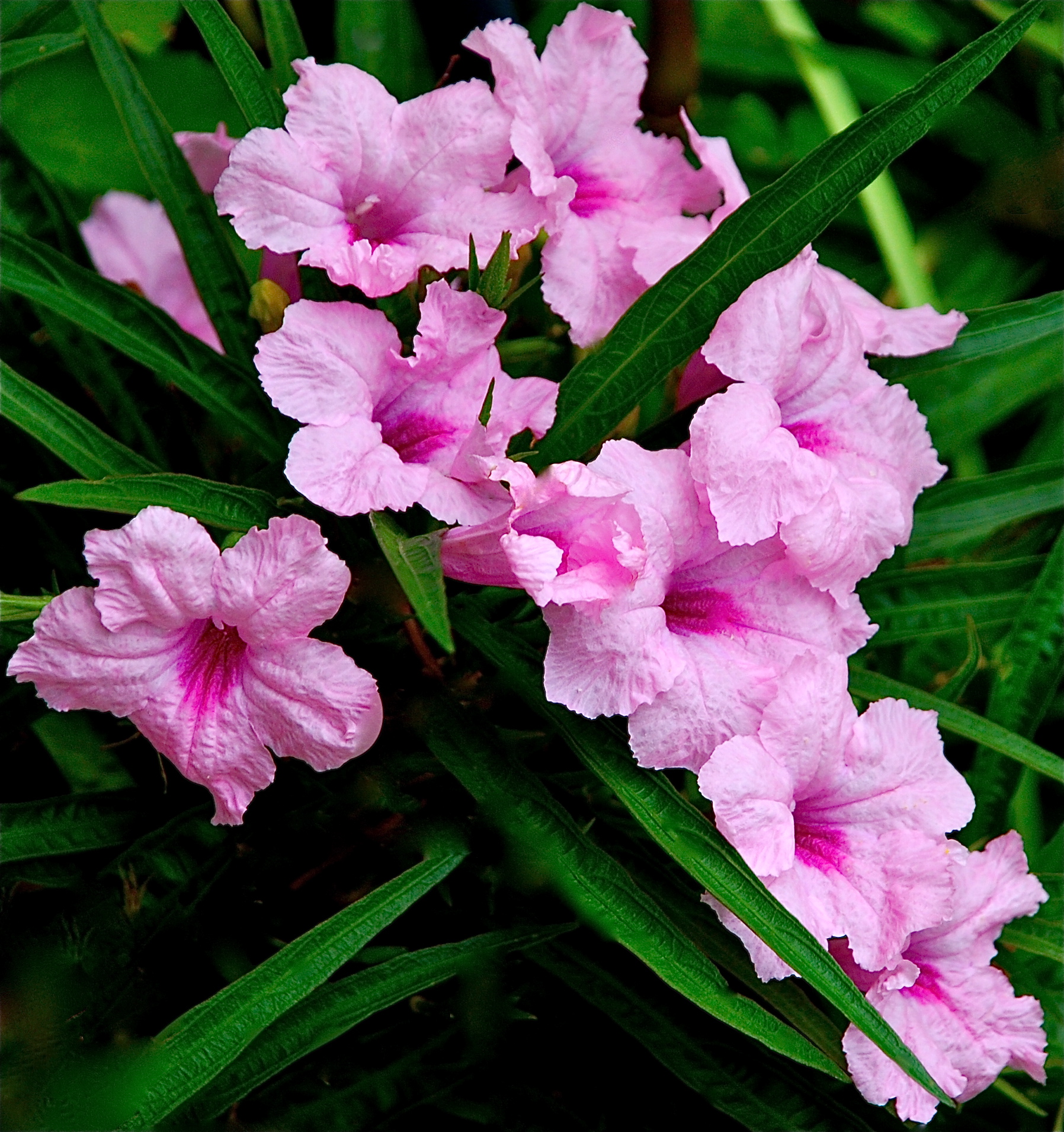
124. Every flower about a house certifies to the refinement of somebody. Every vine climbing and blossoming tells of love and joy. ~Robert G. Ingersoll

What a desolate place would be
a world without a flower!
It would be a face without a smile,
a feast without a welcome.
~A .J. Balfour

Image

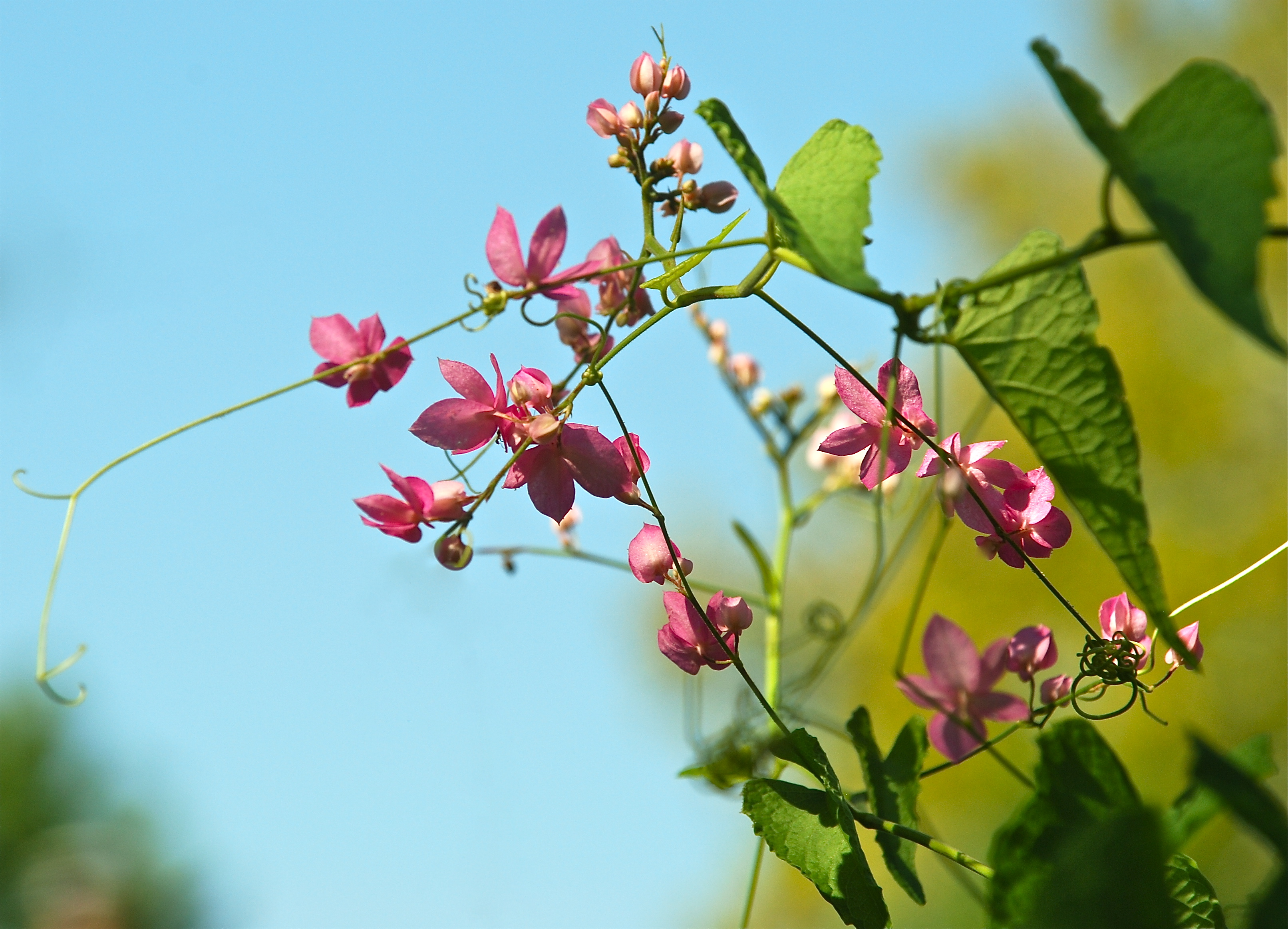
With its delicate tendrils the striking, lacy pink coral vine rapidly climbs up, over, and on anything it can find.  Because it is a vigorous vine upon which masses of flowers are situated, it needs support to produce the masses of green heart-shaped leaves and large branching flower stalks.  Once it reaches high enough and the dainty pink blooms appear, the sweet of it delights the bees.  And of course like all flowering vines it feeds my soul.

Return to us, God Almighty!  Look down and see!  Watch over this vine. . .  ~Psalm 80:14  ✝

120. Every happening, great and small, is a parable whereby God speaks to us, and the art of life is to get the message. ~Malcolm Muggeridge

The world has different owners at sunrise. . .
Even your own garden does not belong to you.
Rabbits and blackbirds have the lawns;
a tortoise-shell cat who never appears in daytime
patrols the brick walls,
and a golden-tailed pheasant
glints his way through the iris spears.
~Anne Morrow Lindbergh,
pioneering American aviator and author

Image

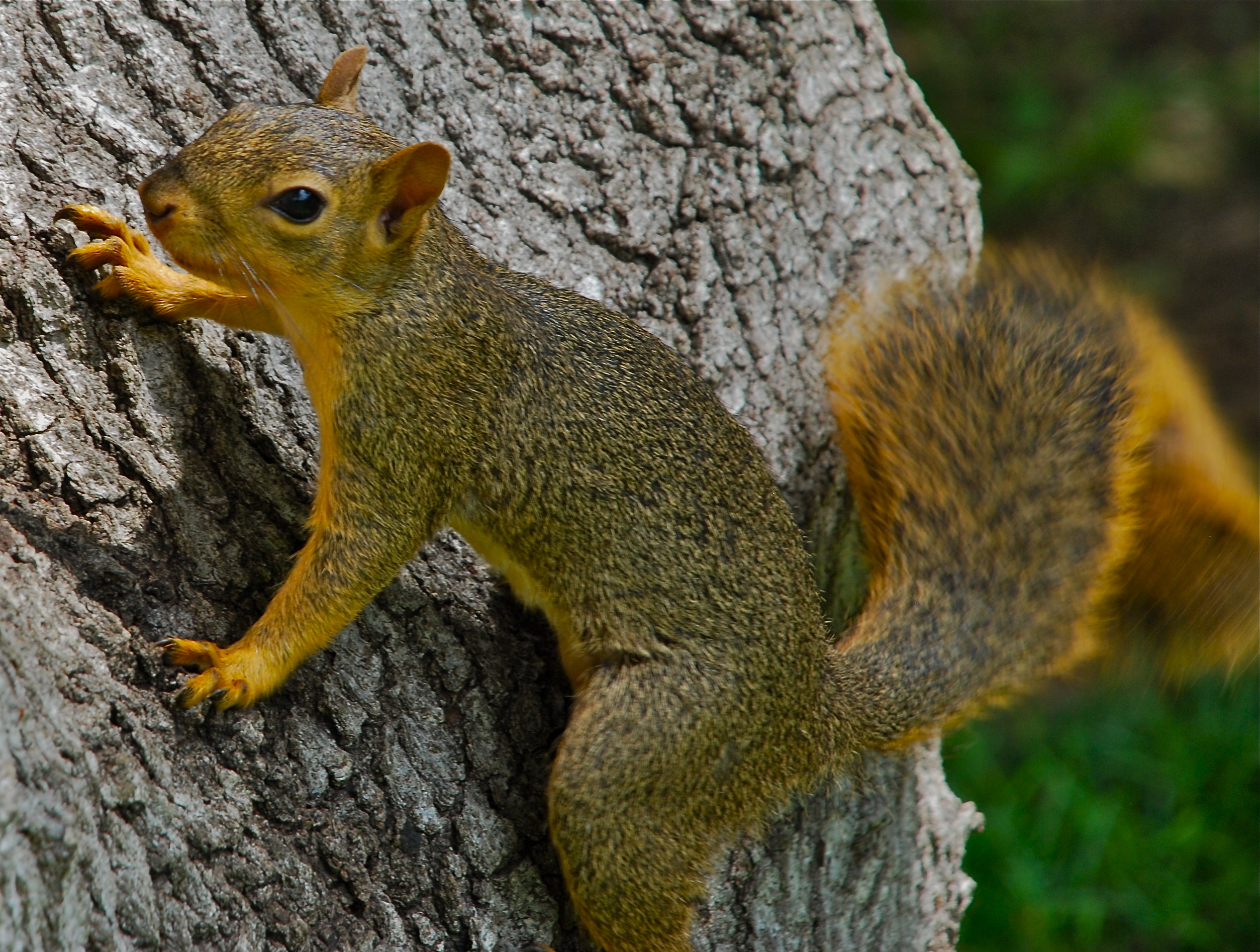
In my yard are squirrels instead of rabbits, mockingbirds instead of blackbirds, an assortment of stray cats instead of one tortoise-shell cat, and garter snakes that slither through the grass instead of a pheasant that glints his way through the iris spear.  So it is that my yard has as Lindbergh penned “different owners at sunrise.”  But since I planted everything for the wildlife as much as for me, why shouldn’t they come and sometimes in large numbers all through the day and night.

J. Philip Newell says that God’s glory glows “in the glistening of a creature’s eyes” as well as in “every emanation of creation’s life,” and that we can reverence God “in all that has life.”  My guess is that’s why some people garden in the first place.  We are fascinated by and delighted with the flowers and the wildlife, but we long for the presence of God into our green temples–that Presence that we feel and see in tiny buds breaking the soil, in pinkish purply glows in the eastern sky, in a silver slivers of the moon in the darkness of night, or in the delicious stillnesses in the garden as day passes into night.

For since the creation of the world God’s invisible qualities—his eternal power and divine nature—have been clearly seen, being understood from what has been made. . .  ~Romans 1:20   ✝

40. Spring shows what God can do with a drab and dirty world. ~Virgil Kraft

Awake, thou wintry earth –
fling off thy sadness!
Fair vernal flowers, laugh forth –
your ancient gladness!
~Thomas Blackburn

Image

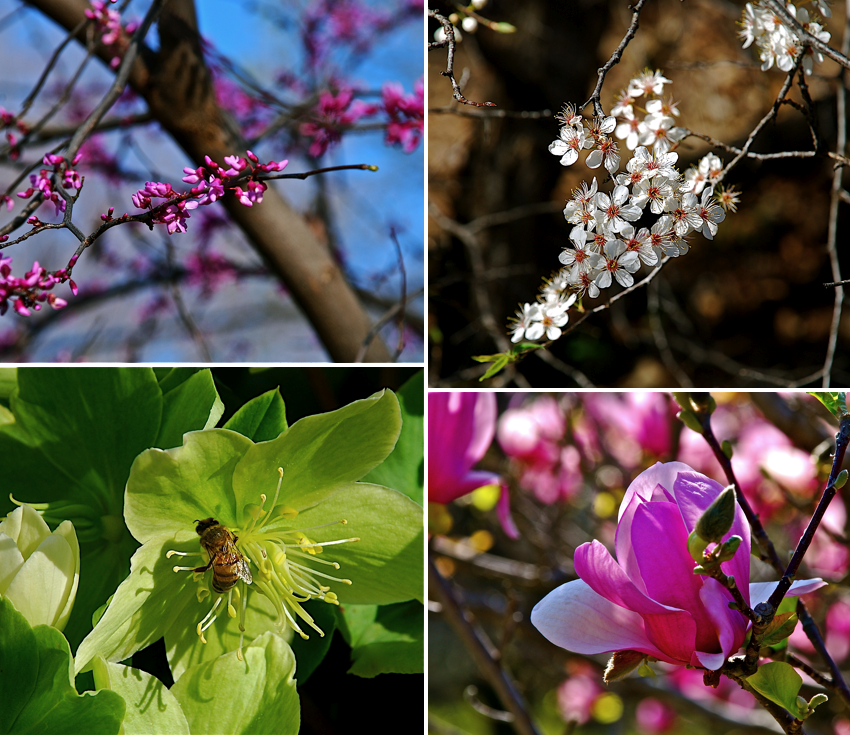
Leaf by leaf, bud by bud, and blossom by blossom the spring of the year advances.   On warmish days, earth casts off its wintry gloom, and breezes broadcast sweetly-scented aromas.  The first butterflies then dare to soar and the hungry bees hum amid the glad laughter issuing forth from flowering bulbs and trees.  As a result the year’s initial poetry of rebirth is penned by the pollinating, aerial whirring of dainty wings.  In the meantime as I hurry about trying to taking photos of the blossoming narratives and their paramours, I often find myself asking the same question Walt Whitman once did.  “Why are there trees I never walk under but large and melodious thoughts descend upon me?”  The answer I’ve decided is that the arms of trees reach towards the heavens to gather sacred messages meant to draw mankind near to “the living Word of God in nature” as well as what is read in Scripture.

In our area the first verses of  “tree” poetry come from Saucer Magnolias.  Their big, goblet-shaped flowers pen exquisite couplets in pink and white.  Soon to follow are the brilliant white blossoms of Star Magnolias.  Though not quite enough lines to form a fourteen-lined sonnet, their twelve exquisite, “petal-poesy” lines form rhyming schemes as lovely as any Shakespearean sonnet.  Next and in perfect rhyming sequences come the double samaras.  Samaras, the scarlet, dual winged fruits of the Red Maple, look like long, slender fairy wings as they dance choric rhymes writ by the winds.  Then come the Eastern Redbuds and Bradford Pears that compose stunning free-verse stanzas in purple and white, each resplendent branch, a psalm written in praise of its Maker.  For a pollinator now there’s no quandary about where sweet nectaries are to be found for stanza after stanza they and I are lead in springtime to earth’s most festive and delicious banquets.

He has taken me to the banquet hall, and His banner over me is love.  ~Song of Songs 2:4

3. Winter is an etching, spring a watercolor, summer an oil painting and autumn a mosaic of them all. ~Stanley Horowitz

O Autumn, laden with fruit, and stain’d
With the blood of the grape, pass not, but sit
Beneath my shady roof; there thou may’st rest,
And tune thy jolly voice to my fresh pipe,
And all the daughters of the year shall dance!
Sing now the lusty song of fruits and flowers.
~William Blake, English poet

Image

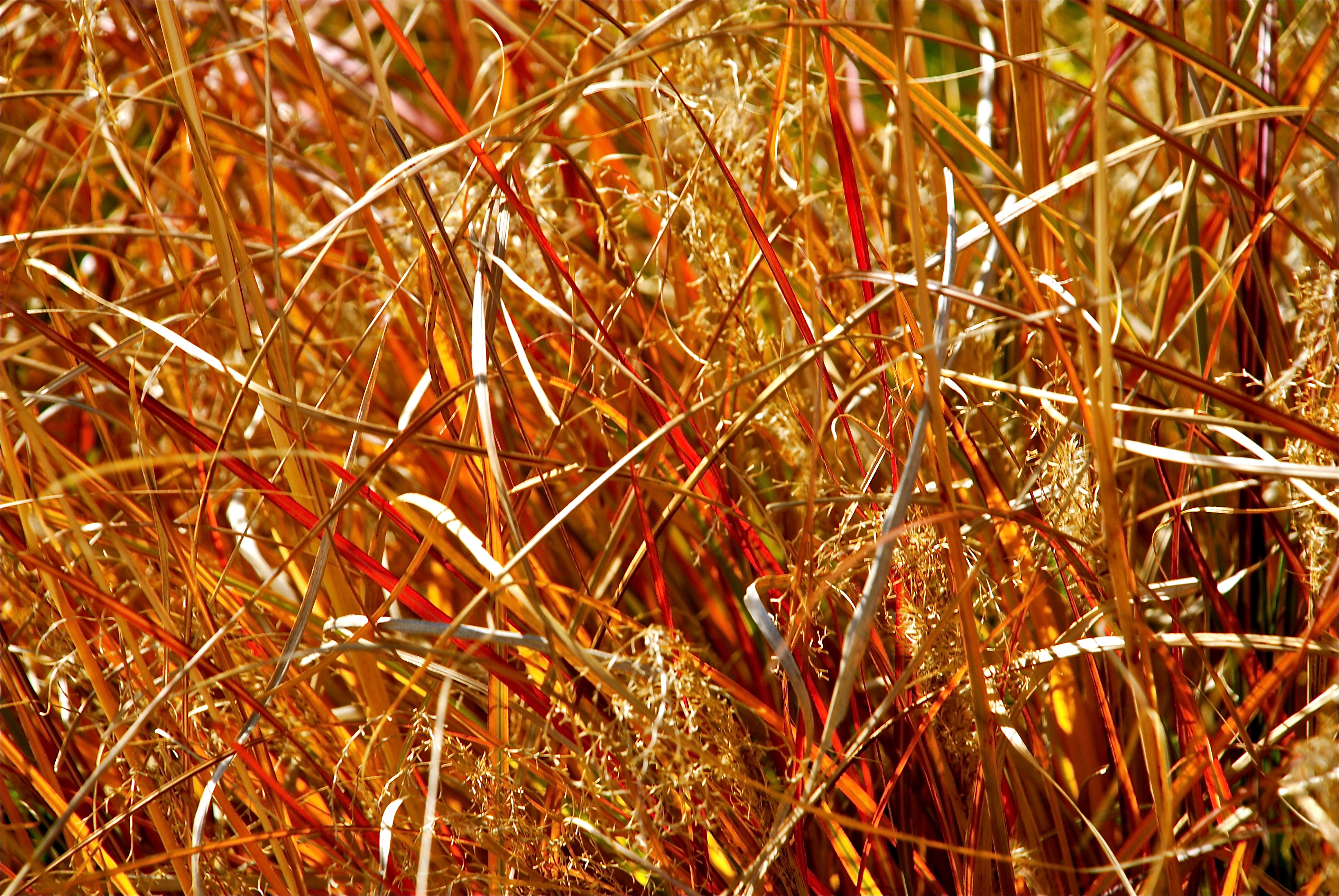
Lusty indeed is the dance of the year’s 4th child; regaled in glory and reigning in majesty, she’s a darling of the gardener.  Because fruitfulness and love run through her “thrilling veins,” those who choose to work the soil know they’ve got one last chance now before year’s end to plant, “to interact with nature, to share, to find sanctuary, to heal, to honor the earth, to leave a mark.”  So it is when autumn’s chariots, with pink and purple banners flying or veiled in a gray fog or torrents of rain, enter the eastern sky at dawn, the gardener’s heart is electrified.  Then when her crisp days are done and her carriage exits on the western horizon in a blaze of red and gold or is swallowed in the wetness of massive dark clouds, the gardener is left with the satisfied feeling that he’s conjured up or added yet another stroke or two to his beloved work of art.   As for what Blake called her “jolly voice,” autumn often sings gladsome odes to joy, but there are days when it belts out threatening, thunderous refrains or croons “mournful melodies.”  Regardless of what autumn vocalizes, it’s not until it plays “the harps of leafless trees” and sings the somber song of deep December that both the garden and gardener rest knowing that it’s time to let the Lord and Creation alone perform their miracles, God from on high and the earth from beneath the soil.

A common feast has been prepared at Creation’s hearty tables.  Food for the soul, spirit, and mind has been prepared and offered up for all of us.  So, come, dine with me there in the coming weeks.