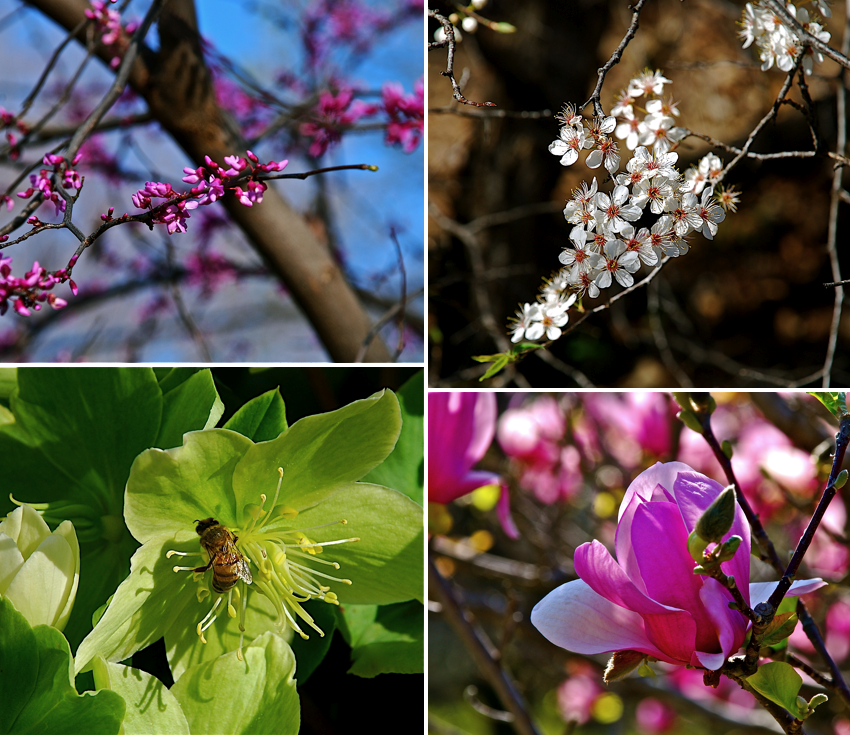
136. The bee is more honored than other animals, not because she labors, but because she labors for others. ~Saint John Chrysostom

His Labor is a Chant–
his idleness–a Tune–
oh, for a Bee’s experience
of Clovers, and of Noon!
~Emily Dickinson
Image

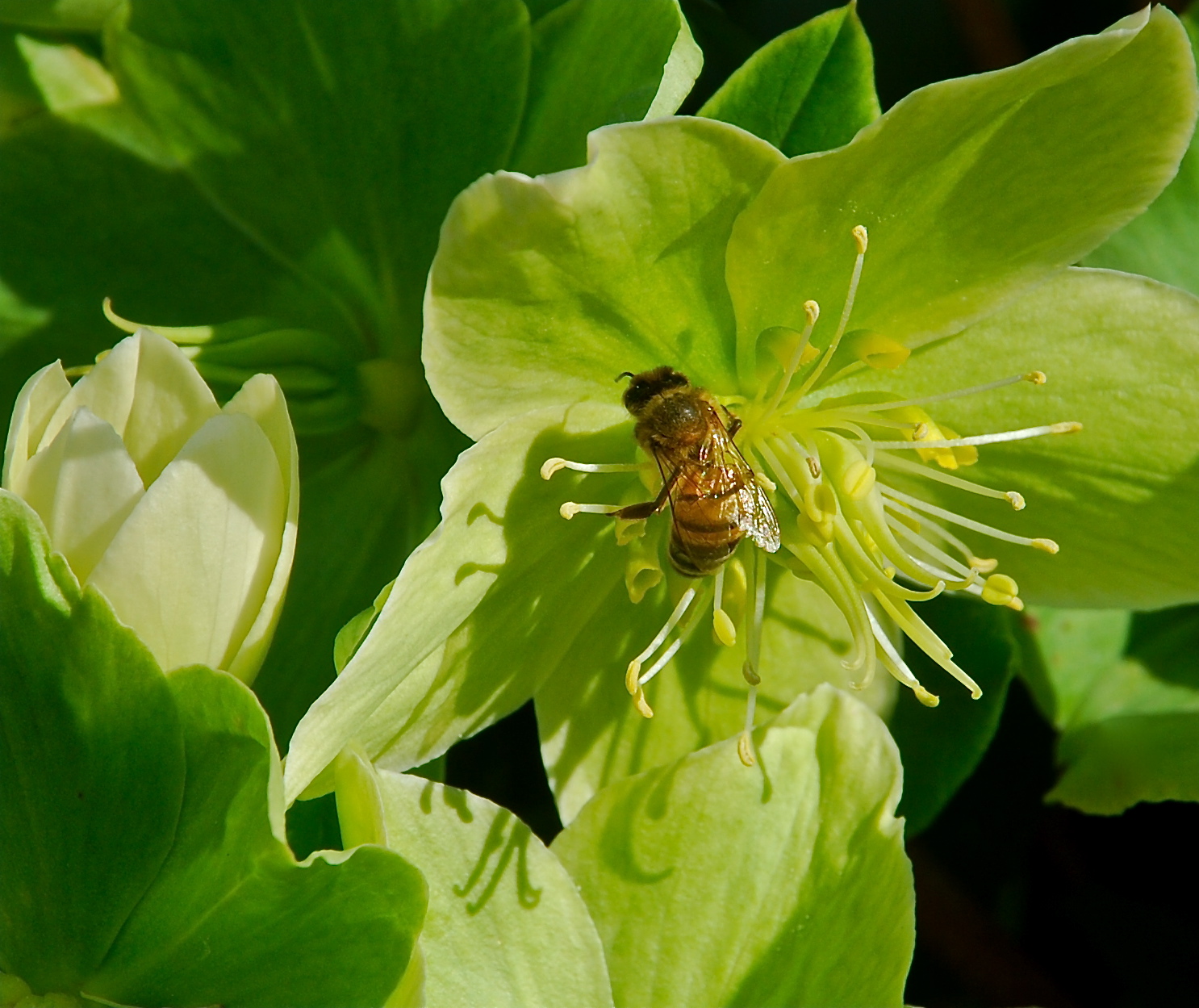
Honey bees and bumblebees, it seems, find a flower’s countenance as irresistible as I, and that “irresistibility” is of holy intent.  In the passage of Scripture that follows, we see that the Lord’s plan involved an interconnectedness of all life as well as a dependency, one on the other.  The poet, Kahlil Gibran, explains that connectedness in this way: “a flower is a fountain of life” for the bee, and to the bee and flower “the giving and receiving is a need and an ecstasy.”  But wait, how is any of this relevant in the 21st century?  In the age of incredible and still advancing technology should anyone care about flowers and bees?  Indeed all of us should care because bees are absolutely essential pollinators, and sadly there are now alarming reports which indicate that one fourth of the northern hemisphere’s honeybee population mysteriously vanished by the spring of 2007.  Then by the end of 2008, one in three hives was left lifeless.  Simply put, the honeybee is disappearing at an alarming rate across the entire globe.  The worst part is that those in the know are not sure why this is happening, but they do know that should the increasing catastrophe not be addressed and solutions to the problem not found, the complete loss of honeybees as pollinators would mean the end of agriculture as we know it.  Since much of what we wear and one third of what we eat depends on the pollinating activity of honeybees, our way of life and civilization would be threatened.  In fact one report said the situation is so dire that mankind would survive only 4 years after the complete collapse of the honeybee population.

Then God said, “I give you every seed-bearing plant on the face of the whole earth and every tree that has fruit with seed in it. They will be yours for food.  And to all the beasts of the earth and all the birds of the air and all the creatures that move on the ground—everything that has the breath of life in it—I give every green plant for food.”  And it was so.  ~Genesis 1:29-30   ✝
72. Come, fill the Cup, . . . the Bird of time has but a little way to fly–and Lo! the Bird is on the wing. ~Omar Khayyám

The Moving Finger writes; and having writ,
Moves on: nor all your Piety nor Wit
Shall lure it back to cancel half a Line,
Nor all your Tears wash out a Word of it.
~Rubaiyat, Omar Khayyám, 11th century Persian poet

Image

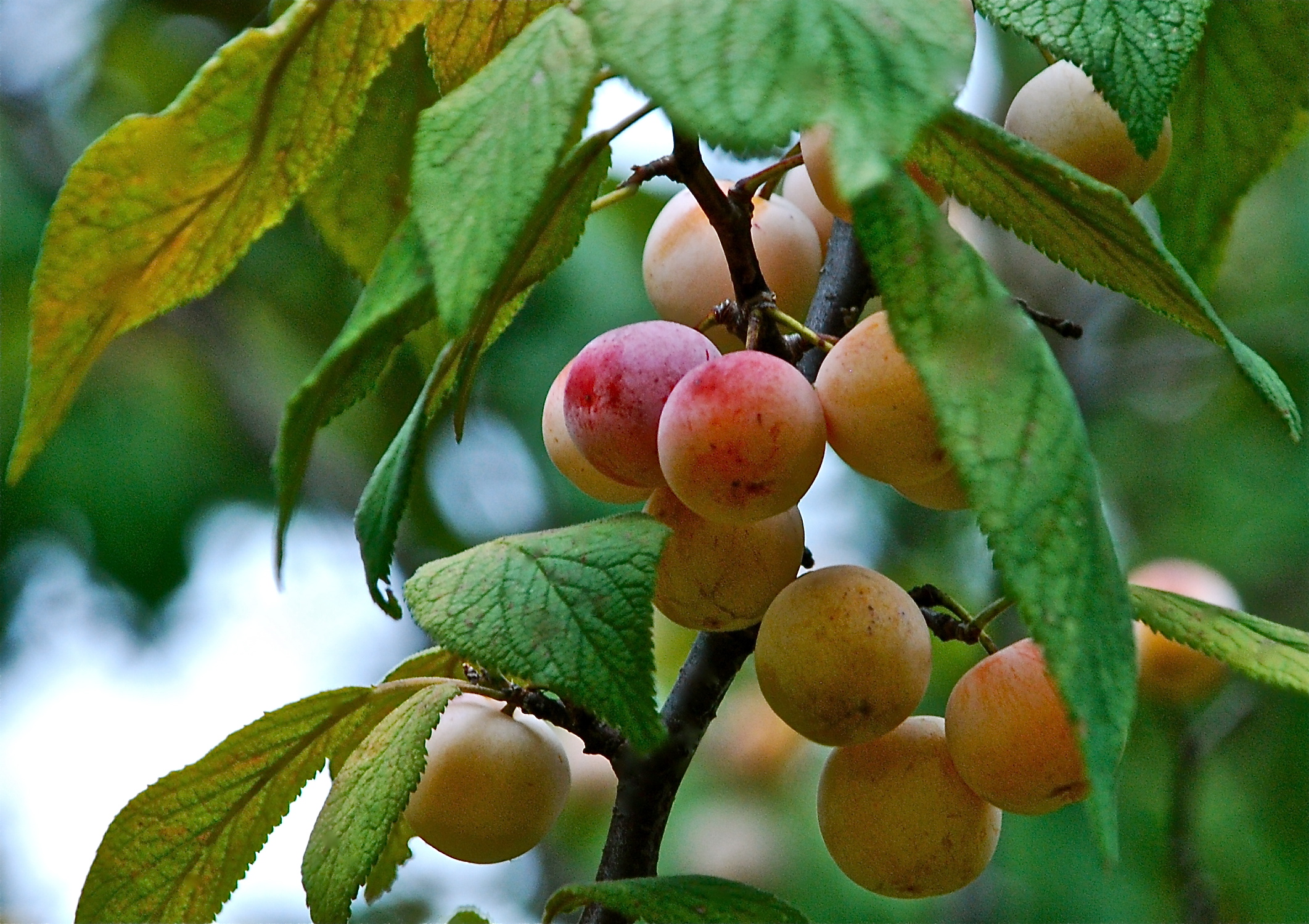
In my twenties, I came face to face with the reality of what this Persian poet articulated in the Rubaiyat, but thankfully in my thirties I also realized that every spring all that God created begins again.  So even though I have no a chance to do anything about the past, in the season of restoration and rebirth God built into the fabric of Creation, I can forge on with writing new stories and/or penning different endings to ones not yet finished.  However, lest I get too comfortable in dalliances a long the way and to show how quickly what the poem’s author revealed can come about, I must remember that a new year’s garden progeny and its days come and go quickly, and when done they are never, as Khayyám said, to be lured back nor washed away by tears.  So with every spending of my time coins, I must seize opportunities opening to blushes of newness.  Scripture may tell the world that the “birthing and restoring” of new years will go on “as long as earth endures,” but last November’s brush with death taught me to make the most of each day and not rely on what I, myself, may not be given.

The best things in life are nearest:
Breath in your nostrils, light in your eyes, flowers at your feet,
duties at your hand, the path of right just before you.
Then do not grasp at the stars, but do life’s plain, common work as it comes,
certain that daily duties and daily bread are the sweetest things in life.
~Robert Louis Stevenson, Scottish poet

“As long as the earth endures, seedtime and harvest, cold and heat, summer and winter, day and night will never cease.”  ~Genesis 8:22   ✝

40. Spring shows what God can do with a drab and dirty world. ~Virgil Kraft

Awake, thou wintry earth –
fling off thy sadness!
Fair vernal flowers, laugh forth –
your ancient gladness!
~Thomas Blackburn

Image

Leaf by leaf, bud by bud, and blossom by blossom the spring of the year advances.   On warmish days, earth casts off its wintry gloom, and breezes broadcast sweetly-scented aromas.  The first butterflies then dare to soar and the hungry bees hum amid the glad laughter issuing forth from flowering bulbs and trees.  As a result the year’s initial poetry of rebirth is penned by the pollinating, aerial whirring of dainty wings.  In the meantime as I hurry about trying to taking photos of the blossoming narratives and their paramours, I often find myself asking the same question Walt Whitman once did.  “Why are there trees I never walk under but large and melodious thoughts descend upon me?”  The answer I’ve decided is that the arms of trees reach towards the heavens to gather sacred messages meant to draw mankind near to “the living Word of God in nature” as well as what is read in Scripture.

In our area the first verses of  “tree” poetry come from Saucer Magnolias.  Their big, goblet-shaped flowers pen exquisite couplets in pink and white.  Soon to follow are the brilliant white blossoms of Star Magnolias.  Though not quite enough lines to form a fourteen-lined sonnet, their twelve exquisite, “petal-poesy” lines form rhyming schemes as lovely as any Shakespearean sonnet.  Next and in perfect rhyming sequences come the double samaras.  Samaras, the scarlet, dual winged fruits of the Red Maple, look like long, slender fairy wings as they dance choric rhymes writ by the winds.  Then come the Eastern Redbuds and Bradford Pears that compose stunning free-verse stanzas in purple and white, each resplendent branch, a psalm written in praise of its Maker.  For a pollinator now there’s no quandary about where sweet nectaries are to be found for stanza after stanza they and I are lead in springtime to earth’s most festive and delicious banquets.

He has taken me to the banquet hall, and His banner over me is love.  ~Song of Songs 2:4

14. In every man’s heart there is a secret nerve that answers to the vibrations of beauty. ~Christopher Morley

A man should hear a little music,
read a little poetry, and
see a fine picture every day of his life,
in order that worldly cares
may not obliterate the sense of the
beautiful implanted in the human soul.
~Johann Wolfgang Goethe

Image

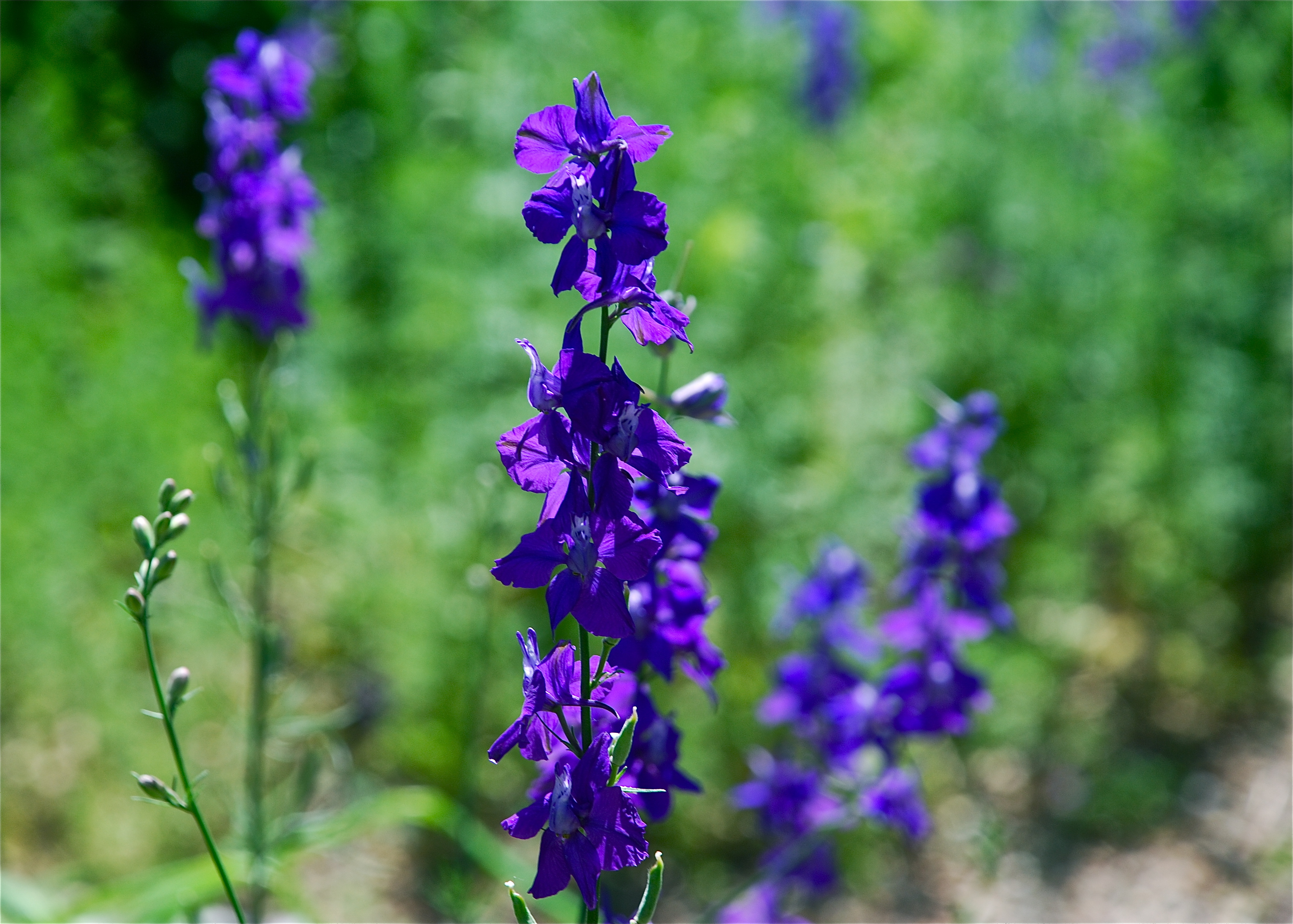
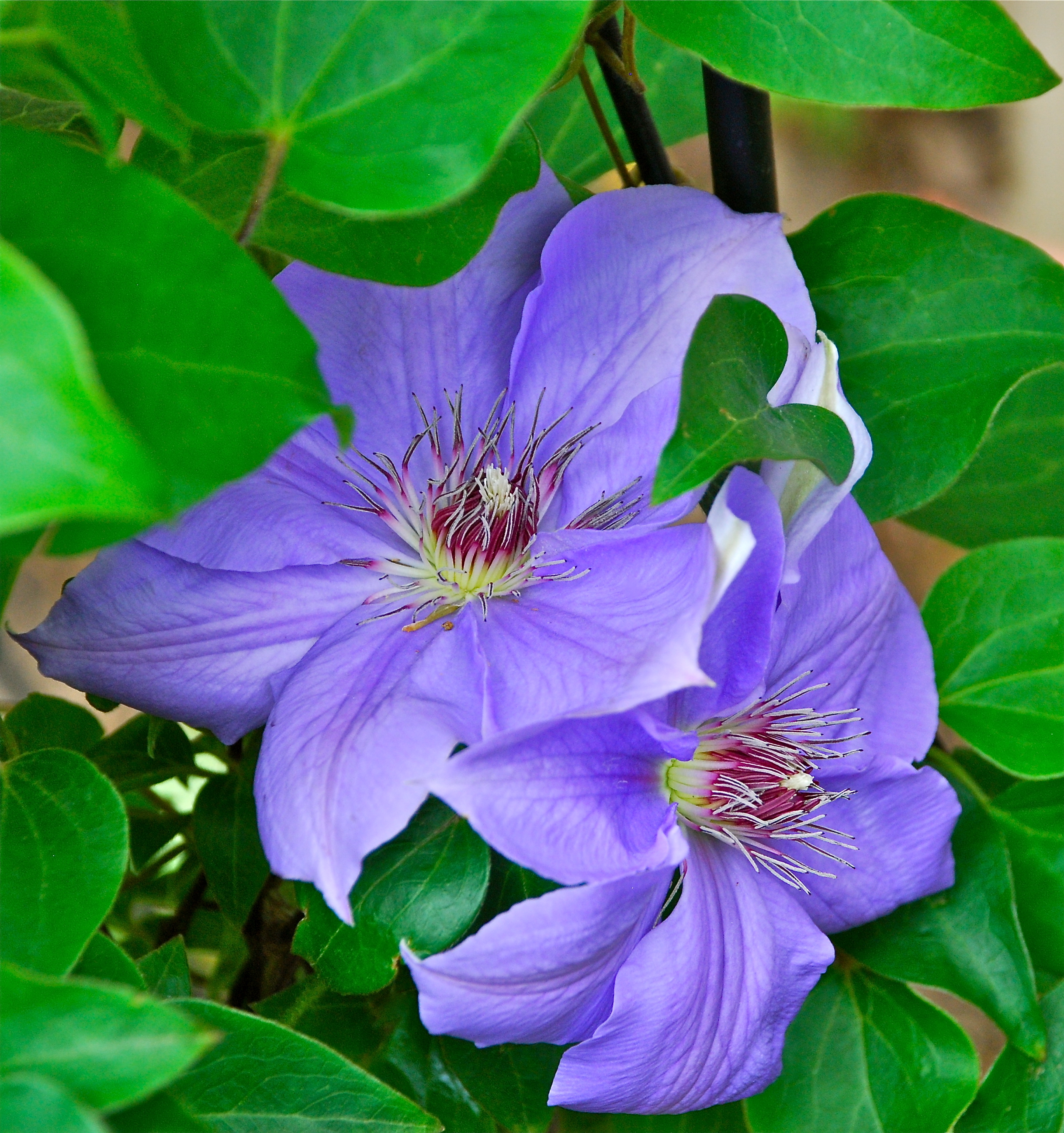
In her novel, THE COLOR PURPLE, Alice Walker says she thinks God gets angry if a person walks by the color purple and doesn’t notice it.  At one point in her story the main character, Celie is told to look at the purple flowers and to embrace their beauty in spite of all the pain and suffering in her world.  She is urged to see the good in them because it was God who placed them on earth.  As she comes to this realization for herself, she begins to understands the magnitude of God’s grace, and like the purple flowers, blossoms as she gains a respect for God and life.

It’s obvious that God puts a premium on beauty, not only for His own sake but also for ours.  Since we are made in His image, our souls cannot help but be implanted by a “sense of the beautiful” as Goethe suggests.  As a highway sign points us in the right direction, in the same way loveliness points to God’s heavenly realm and His goodness.   If we can find beauty, then we can find God. Beauty is meant to feed us spiritually, and the Lord uses what’s beautiful to speak to our hearts for His divine purposes.  For example notice all the richness and beauty involved in the scriptural telling of the birth of the Christ child.  It starts with a beautiful star that leads the way to a manger.  For Celie her beautiful flowers led her to God’s grace, and the Christ child brings all who follow the star and Him the same gift of redeeming grace.

2. Thy bounty shines in autumn unconfined and spreads a common feast for all that live. ~James Thomson

Delicious autumn!
My very soul is wedded to it, and if I were a bird,
I would fly about the earth seeking the successive autumns.
~George Eliot, English novelist

Image

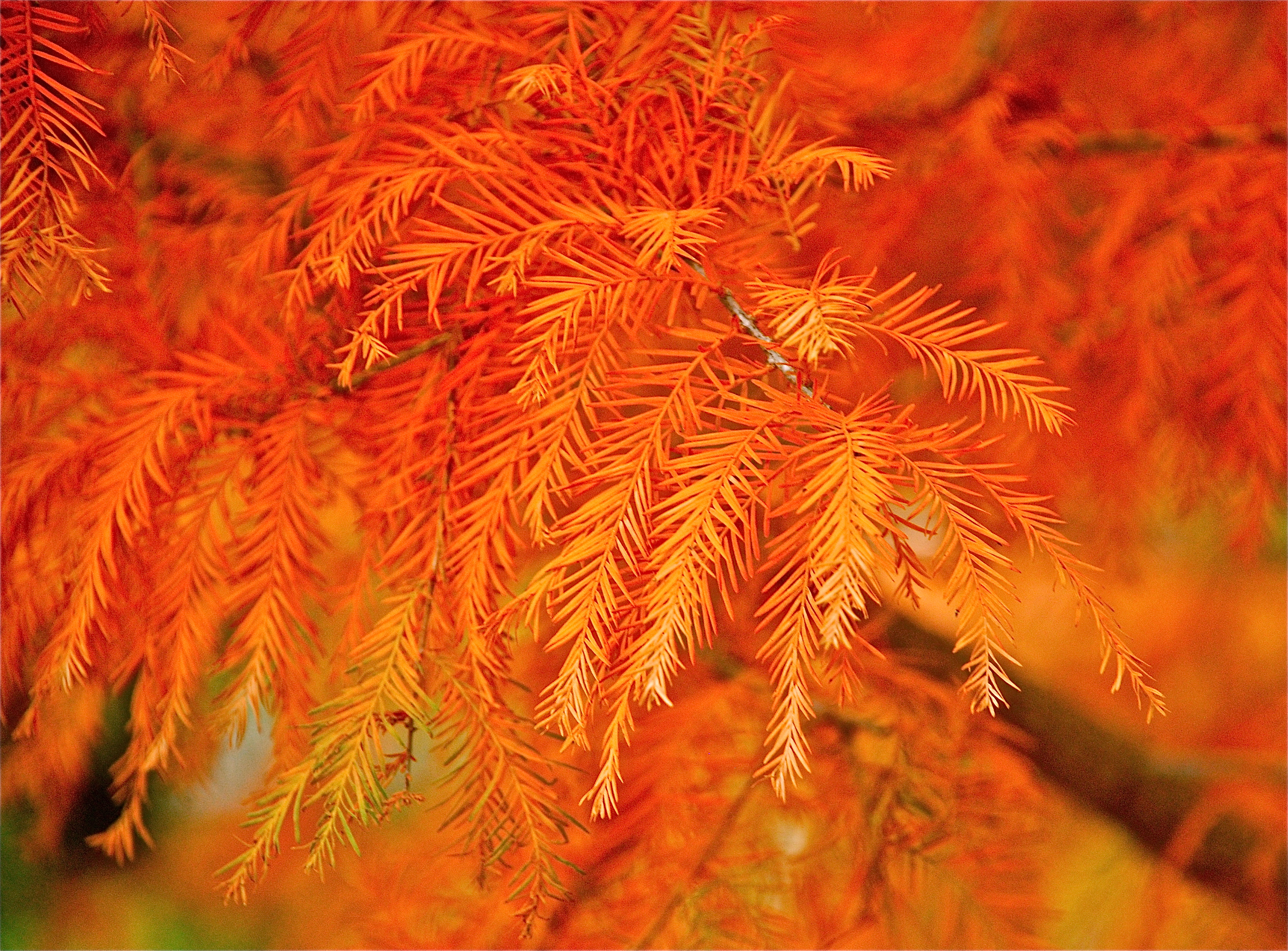
What’s not to love about a season that takes the focus off summer’s calamities by piling delectable hues back on nature’s palette?  It begins after the autumnal equinox when grasses, flowers, fruits, and berries begin weaving fabulous garlands in sacred temples bound by earth and sky.  Then as the days grow shorter, the torrid temperatures of summer lower and chilling winds descend from the north.  The nip in the air they create induces chemical changes in leaves, leaves that become more and more colorful as autumn’s days unfold.  The grand array of their colors conjures up magic shows on woody altars not only in autumnal forests but also in small towns and sprawling cities.  Later in the season blustery winds snap the parchment-like foliage off, and as the leaves fall, they swirl about in little eddies playing like jovial children.  When autumn’s skies are not shrouded by gauzy, gray clouds, they are swept clear revealing brilliance on the “brows of morn” and daytime hours drenched in deep, dreamy shades of blue.  Under such canopies pumpkins appear in fields, soon to be used in fall’s activities and feasts as well as for festive winter banquets.  Plumed grasses shift and sigh in renewed authorship of the ancient hymns of sacred earth making autumn a time to be silent as well as watchful.  As one Celtic teacher put it, Creation is “the grand volume of God’s utterance,” and what a lovely utterance it is!  Whenever and wherever one listens to the Word of God, be it in Creation or Scripture, be it in autumn or the other seasons, it gives the listener carte blanche to fall into a rhythm which calms the mind, soothes the spirit, and sheds light into the fabric of God’s heart.