This is a reblog from Annette’s Garden at: http://wp.me/p32RMi-cI
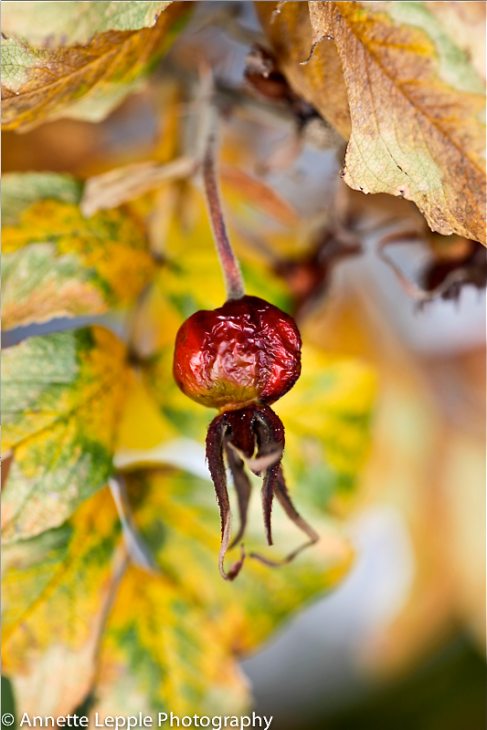
In autumn, when the trees cry colourful leaves and the vibrant spirit of summer is only a memory, thoughts go on a ramble. Time for reflection and contemplation. A damp, heavy quietness settles on the garden. The work is done, we can sit back and watch. When I plant bulbs in the autumn, and there seem to be more and more each year, I always wonder how many more springtimes I will live to see. I don’t ask as a result of depression (I’m not a child of sadness!), but because I think of these bulbs that fill me with such happiness. First when I’m planting then later, when in the comfort of my armchair in front of the fire -longing in my eyes- they fill my head with fields of colour and scent and carry me through the season which I never came to love, although it has its beauty too. It must be the bulbs that fill me with wantonness and unreasonable hope. The expression “to be happy like a child” comes to my mind but kids are not happy and innocent like they used to be. If you’re faced with the first murder during breakfast and with Jingle Bells and plastic Santas climbing ridiculously into chimneys from September onwards how could you possibly hold on to that pure and carefree joy? As for myself, I find lots of happiness in the little treasures and secrets nature and garden hold for me. All the same, there’s something morbid about this question, and I admit that I never ask myself at other times of the year. How many summers or autumns will I live to see? No way. But maybe the reason for planting these crazy amounts of promising bulbs and corms lies in my hidden wish that the older I get the more spectacular spring ought to be. Recently I read a quote by Henry David Thoreau which follows me ever since: The mass of men lead lives of quiet desperation. Thoreau said this in the 19th century but it is still true. The reason for this lies in the continuous remoteness and alienation from nature which in its most dramatic case leads to people perceiving nature as an enemy or danger. Pristine nature has become rare and if it’s really wild, we meet it with fear and suspicion. Seeing and hearing have also become rare skills. We’re constantly exposed to noise, being lulled and deadened. Even the news are hammered into us to the sound of percussions so that there’s no risk of us coming to our senses or to be bored. Tranquility is out. A friend of mine told me about a visitor from Canada who switched on a tape each night at bedtime: She couldn’t bear the quiet, only with the constant noise was she able to sleep. Cathy at http://wordsandherbs.wordpress.com/ did a great post dealing with the subject of hearing a while ago, and I hope she will share the link once she reads this. To hear and I mean TO HEAR is by no means taken for granted anymore. There’s so much to hear when you listen to supposed quiet. Have you ever tried? The silence that makes you feel like you’re deaf has become rare. Where I live, in the middle of the woods, it can still happen. It descends like a comfortable blanket. No fear, no panic just peace. Some shake their heads asking how can you possibly live here? We shake our heads knowing that every explanation would fall into nothingness. The general rush and fear of missing out on something are so widespread that many cannot understand how satisfying it is to fill the basket with firewood to heat the house, to collect eggs from your hens and to tend the garden. To hear nothing and to work in the garden are today’s last luxuries. During our hikes we sometimes meet extreme mountainbikers rushing down steep slopes with fierce expression, or cool guys on rattling motorbikes, modern Marlborough-Cowboys. None of them knows the intriguing scents and sounds of the forest, sees the pink mushroom in the undergrowth, the tree creeper searching the bark for insects or hears the melancholic song of the robin. Kids don’t know anymore that milk comes from cows. A vegetarian friend of mine suggested recently that one could keep milking cows without letting them have calves. Once I watched children beating newly planted fruit trees with sticks until the bark had come off while their mother watched them proudly. Great to see kids fulfilling themselves. Nature is retreating more and more and can only be found where access is hard or impossible or where there’s nothing to exploit. Would we ask men their definition of nature – what would the answer be? I fear the answer a lot more than visitors the solitude of my wood. Why should men protect something they’re not aware of and don’t see, never mind appreciate? When man moves away from nature, he loses his roots, becomes depressed and unhappy. I could never be without my garden and nature, my sanity depends on them. I draw energy, courage and meaning out of them. Okay, some things don’t work out in the garden but I’m never disappointed and depressed. Still nothing fills me with more hope and optimism. A life of quiet desperation? That’ll never be an issue for someone who hasn’t lost touch with his/her roots.


 Sacred Touches