174. The greatness of a nation and its moral progress can be judged by the way its animals are treated. ~Mahatma Ghandi

If all the beasts were gone,
men would die from a great loneliness of spirit,
for whatever happens to the beasts
also happens to the man.
All things are connected.
Whatever befalls the Earth befalls the sons of Earth.
~Chief Seattle of the Suquamish Tribe
Image

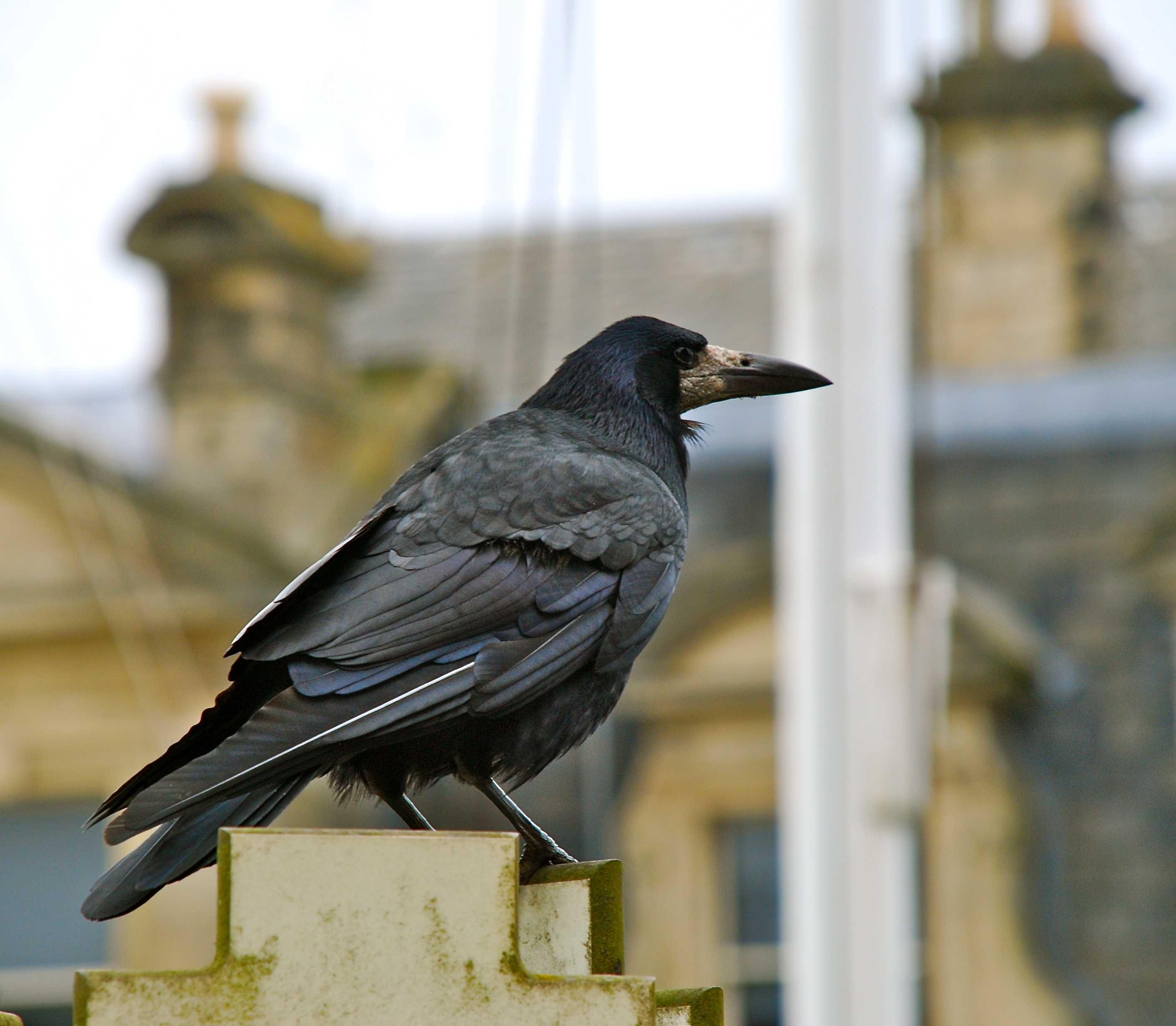
The creatures of earth, sea and sky came forth “out of the waters of God’s life.”   And their arrival was yet another manifestation of the visible from the invisible–another disclosure of the mystery of God.  In addition, “with the birth of the creatures there is the emergence of seeing, hearing, smelling, tasting, and touching.  The light of the sun and the whiteness of the moon can now be seen.  The wind blowing through the leaves of trees and the crashing of ocean waves can be heard.  The early morning fragrance of the earth can be smelled.  Its fruit can be tasted, and its textures touched,” writes J. Philip Newell.  It has even been said that if one wants to know the Creator, one of the ways to gain insight is to know His creatures, and I think that’s especially true when it comes to examining the sensory aspect of their coming.  For does not the ability to see, that the creatures brought, teach mankind to see with the eyes of the heart?  In the silences of humanity’s reality does not the ability to hear teach men to listen for the “echo of the spheres” and the still, small voice of God?  Do not the abilities to smell, taste, and touch help mortals meet their Savior, Jesus, through the holy sacrament of the Eucharist (Communion)?

And to all the beasts of the earth and all the birds in the sky and all the creatures that move along the ground–everything that has the breath of life in it–I give every green plant for food.”  And it was so.  ~Genesis 1:30
172. Over everything connected with autumn there lingers some golden spell–some unseen influence that penetrates the soul with its mysterious power. ~Northern Advocate

O Autumn, laden with fruit, and stain’d
With the blood of the grape, pass not, but sit
Beneath my shady roof; there thou may’st rest,
And tune they jolly voice to my fresh pipe,
And all the daughters of the year shall dance!
Sing now the lusty song of fruits and flowers.
~William Blake, English poet

Image

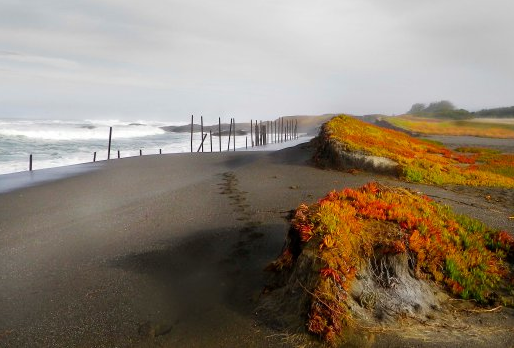
*Photo courtesy Mike Bizeau

Lusty indeed is the dance of the year’s 4th child!  Escalating as she goes, she regales herself in glorious colors, and whilst strutting her hour upon earth’s stage, she reigns in majesty.  As she prepares the land for its Sabbath, her chariot enters the eastern sky at dawn with pink and purple banners flying high or she comes veiled in gray from a fog or torrents of rain.  Then after day is done she exits on the western horizon in mellow twilight, or in a blaze of red and gold, or swallowed up in the wetness of massive clouds.  When not thundering “mournful melodies” for all to hear, she’s belting out songs of joyfulness until she perishes in deep December softly playing “the harps of leafless trees.”

There is pleasure in the pathless woods,
There is rapture in the lonely shore,
There is society where none intrudes,
By the deep sea, and music in its roar;
I love not man less, but Nature more,
~Lord Byron, English poet

It wasn’t until Mike Bizeau posted this photo of fall-colored succulents along a beach north of Mendocino, California, that I realized lusty autumn not only sings in forests and gardens but also in places on the “lonely shore.”  What a splendid artist is the holy Yahweh!

Sing to Him, sing praise to Him; tell all of His wonderful acts.  ~1 Chronicles 16:9  ✝

166. Another fall, another turned page: there was something of jubilee in that annual autumnal beginning…. ~Wallace Stegner

The foliage had been losing its freshness through the month of August,
and here and there a yellow leaf showed itself like a first gray hair…
September dressed herself in showy dahlias and
splendid marigolds and starry zinnias.
October, the extravagant sister, ordered an immense amount of
the most gorgeous forest tapestry to make glorious her grand spectacle.
~Edited and adapted excerpt from Oliver Wendell Holmes

Image

The first leafy sign of autumn appeared on the Dogwood today, and it triggered a flood of “color” musings in my mind.  Chestnut and chocolate!  What’s not to love about a season that clears off summer’s calamities, piles delectable hues back on nature’s palette, and calls for a pot of hot chocolate?  Lemon and lime!  Grasses, flowers, fruits, berries, and even a beastie or two weave fabulous garlands in the sacred temple bound by earth and sky.  Maroon and mahogany!  Chilling winds induce chemical changes in leaves that conjure up magic shows on woody altars in earth’s forests.  Mauve and mulberry!  The leaves on maples, oaks, dogwoods, pears, persimmons, and other trees give birth to colorful, parchment-like jewels that will one day snap off, swirl in little eddies, and play like children upon the ground.  Orange and ochre!  Pumpkins made to squat on porches or bales of hay tickle the fancy of mortal tongues anxiously awaiting fall feasts and winter banquets.  Red and russet!  Roses, asters, and Maximilian sunflowers invoke a breath of spring not stifled by summer’s heat to keep the year’s last child in colorful array.  Sable and sapphire!  Skies often shrouded by gauzy, gray clouds are swept clear by northerly winds as cold fronts advance.  On such days a spectacular brilliance can be seen on the brows of morn followed by daylight hours drenched in deep, dreamy shades of blue.  Sterling and pewter!  Plumed grasses shift and sigh in authorship of haunting, autumnal hymns.  Ah, how lovely are the many colors of autumn and the Holy One who made them!

As long as earth endures, seedtime and harvest (spring and autumn), cold and heat, summer and winter, day and night will never cease.  ~Genesis 8:22  ✝

137. Silence is the universal refuge…a balm to our every chagrin. ~Henry David Thoreau

Soon silence will have passed into legend.
Man has turned his back on silence.
Day after day he invents machines and devices
that increase noise and distract humanity
from the essence of life. . .
~Jean Arp, French sculptor, painter, and poet

Image

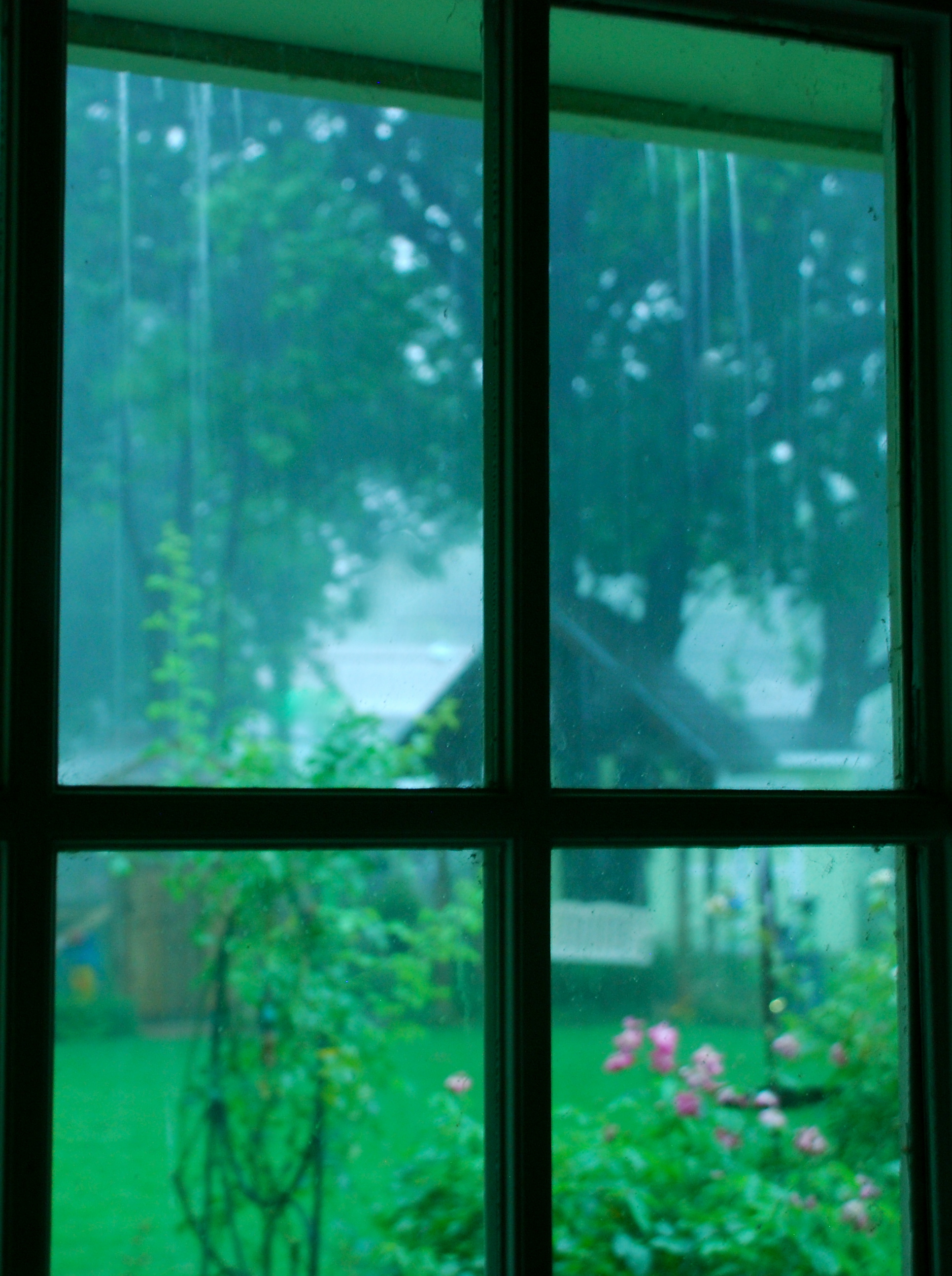
We see patterns of stillness and silence in the natural world.  Day gives way to night, fruitfulness gives way to fallowness, bodies give way to fatigue.  However, in today’s noisy culture, there exists an almost obsessive tendency toward unending busyness.  Rest and yielding to silence has for many become a forgotten art or at best difficult.  But on days like today, in the midst of the noise a profound silence can be found in rain, and in that silence some seem still to be able to hear the slowing voice of quietude.  And I find that if one takes time to sit, listen, and watch the rain, an ancient holy voice has a way of pulling him/her into a deep peacefulness.  What’s more if the listener seeks a way to come back again and again to that quiet place, an intimate relationship begins to form.  Mother Teresa once said, “We need to find God, and he cannot be found in noise and restlessness.  God is the friend of silence.  See how nature – trees, flowers, grass – grows in silence; see the stars, the moon and the sun, how they move in silence. . .We need silence to be able to touch souls.”

“Be still, and know that I am God; I will be exalted among the nations, I will be exalted in the earth.”  -Psalm 46:10    ✝

136. The bee is more honored than other animals, not because she labors, but because she labors for others. ~Saint John Chrysostom

His Labor is a Chant–
his idleness–a Tune–
oh, for a Bee’s experience
of Clovers, and of Noon!
~Emily Dickinson

Image

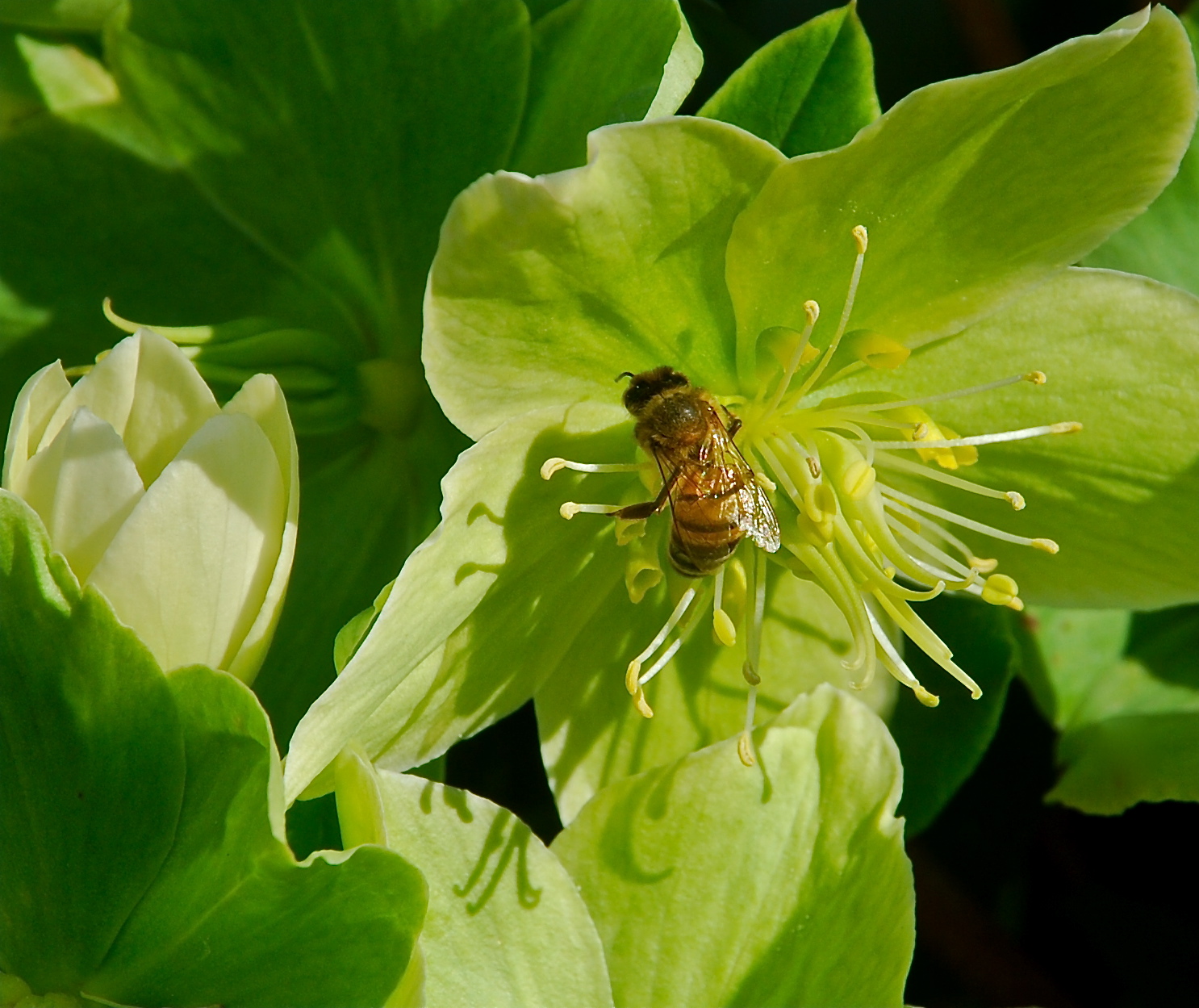
Honey bees and bumblebees, it seems, find a flower’s countenance as irresistible as I, and that “irresistibility” is of holy intent.  In the passage of Scripture that follows, we see that the Lord’s plan involved an interconnectedness of all life as well as a dependency, one on the other.  The poet, Kahlil Gibran, explains that connectedness in this way: “a flower is a fountain of life” for the bee, and to the bee and flower “the giving and receiving is a need and an ecstasy.”  But wait, how is any of this relevant in the 21st century?  In the age of incredible and still advancing technology should anyone care about flowers and bees?  Indeed all of us should care because bees are absolutely essential pollinators, and sadly there are now alarming reports which indicate that one fourth of the northern hemisphere’s honeybee population mysteriously vanished by the spring of 2007.  Then by the end of 2008, one in three hives was left lifeless.  Simply put, the honeybee is disappearing at an alarming rate across the entire globe.  The worst part is that those in the know are not sure why this is happening, but they do know that should the increasing catastrophe not be addressed and solutions to the problem not found, the complete loss of honeybees as pollinators would mean the end of agriculture as we know it.  Since much of what we wear and one third of what we eat depends on the pollinating activity of honeybees, our way of life and civilization would be threatened.  In fact one report said the situation is so dire that mankind would survive only 4 years after the complete collapse of the honeybee population.

Then God said, “I give you every seed-bearing plant on the face of the whole earth and every tree that has fruit with seed in it. They will be yours for food.  And to all the beasts of the earth and all the birds of the air and all the creatures that move on the ground—everything that has the breath of life in it—I give every green plant for food.”  And it was so.  ~Genesis 1:29-30   ✝

69. Only from the heart can you touch the sky. ~Rumi

It is a glorious privilege
to live, to know, to act, to listen, to behold, to love.
To look up at the blue summer sky;
to see the sun sink slowly beyond the line of the horizon;
to watch the worlds come twinkling into view,
first one by one, and the myriads that no man can count,
and lo! the universe is white with them;
and you and I are here.
~Marco Morrow

Image

It is God’s privilege to conceal things and the king’s privilege to discover them.  ~Proverbs 25:2   ✝

60. That God once loved a garden we learn in Holy writ. And seeing gardens in the Spring I well can credit it. ~Winifred Mary Letts

With the birth of the creatures there is
the emergence of seeing, hearing,
smelling, tasting, and touching.
The light of the sun and the whiteness
of the moon can now be seen.
The wind blowing through the leaves
of the trees and the crashing
of ocean waves can be heard.
The early morning fragrance of
the earth can be smelled.
Its fruits can be tasted and
its textures touched.
~Excerpted lines by J. Philip Newell

Image

Springtime is so much “a showing forth of the mystery of God” that if one wants to know more of the Creator, all he/she needs do is pull up a chair in a garden and watch the year’s first season unfold.  Seeking the goodness of God and what He made by being still therein and listening to the Holy Spirit as well as Creation’s rhythms is a way of bringing the Heavenly Father closer.  In that nearness one is then able to look through eyes that recognize the depth of His and Creation’s  goodness.

And the LORD said, “I will cause all my goodness to pass in front of you, and I will proclaim my name, the LORD, in your presence. I will have mercy on whom I will have mercy, and I will have compassion on whom I will have compassion.  ~Exodus 33:19   ✝

40. Spring shows what God can do with a drab and dirty world. ~Virgil Kraft

Awake, thou wintry earth –
fling off thy sadness!
Fair vernal flowers, laugh forth –
your ancient gladness!
~Thomas Blackburn

Image

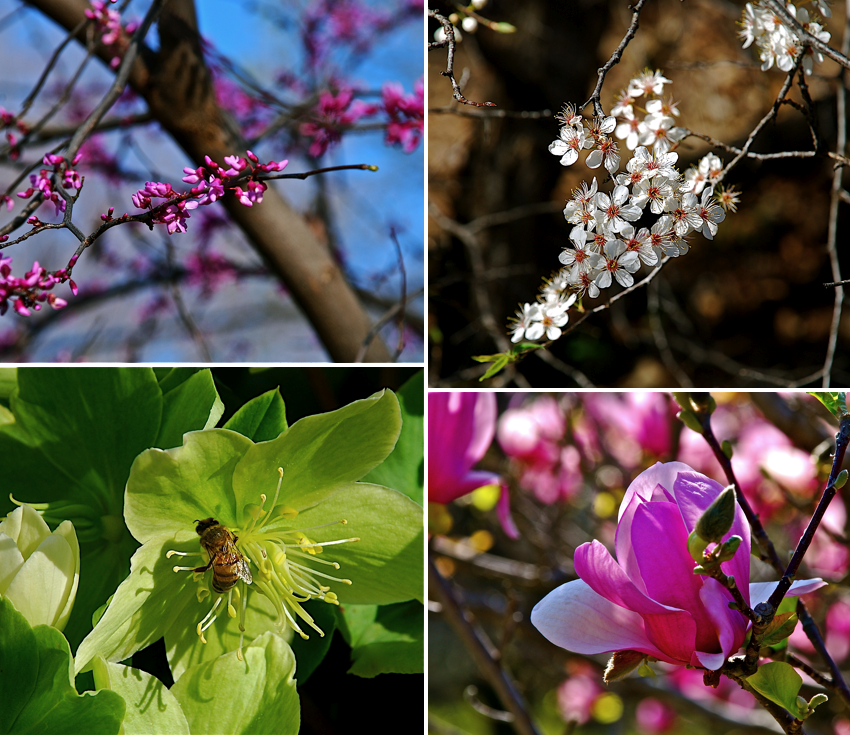
Leaf by leaf, bud by bud, and blossom by blossom the spring of the year advances.   On warmish days, earth casts off its wintry gloom, and breezes broadcast sweetly-scented aromas.  The first butterflies then dare to soar and the hungry bees hum amid the glad laughter issuing forth from flowering bulbs and trees.  As a result the year’s initial poetry of rebirth is penned by the pollinating, aerial whirring of dainty wings.  In the meantime as I hurry about trying to taking photos of the blossoming narratives and their paramours, I often find myself asking the same question Walt Whitman once did.  “Why are there trees I never walk under but large and melodious thoughts descend upon me?”  The answer I’ve decided is that the arms of trees reach towards the heavens to gather sacred messages meant to draw mankind near to “the living Word of God in nature” as well as what is read in Scripture.

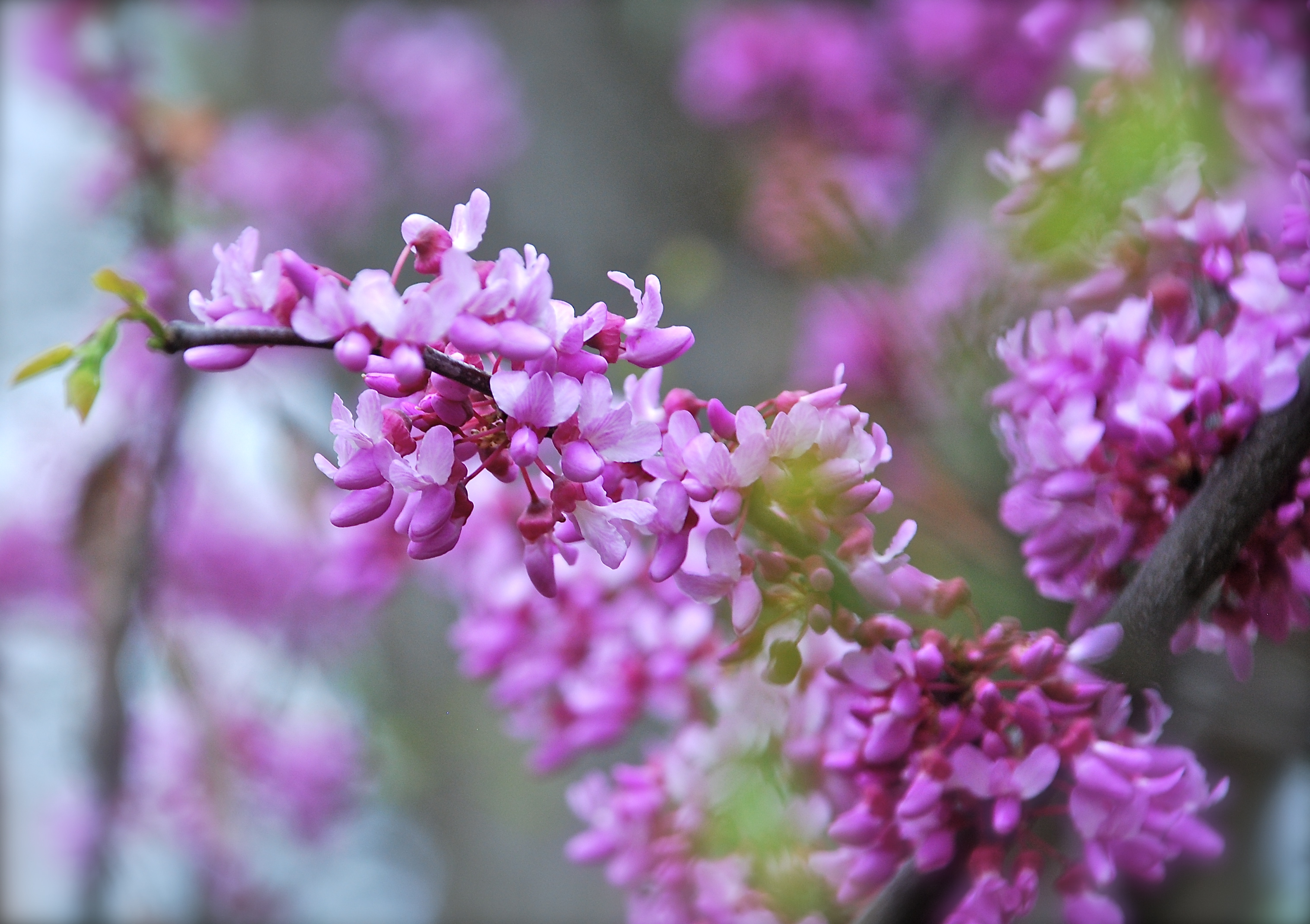
In our area the first verses of  “tree” poetry come from Saucer Magnolias.  Their big, goblet-shaped flowers pen exquisite couplets in pink and white.  Soon to follow are the brilliant white blossoms of Star Magnolias.  Though not quite enough lines to form a fourteen-lined sonnet, their twelve exquisite, “petal-poesy” lines form rhyming schemes as lovely as any Shakespearean sonnet.  Next and in perfect rhyming sequences come the double samaras.  Samaras, the scarlet, dual winged fruits of the Red Maple, look like long, slender fairy wings as they dance choric rhymes writ by the winds.  Then come the Eastern Redbuds and Bradford Pears that compose stunning free-verse stanzas in purple and white, each resplendent branch, a psalm written in praise of its Maker.  For a pollinator now there’s no quandary about where sweet nectaries are to be found for stanza after stanza they and I are lead in springtime to earth’s most festive and delicious banquets.

He has taken me to the banquet hall, and His banner over me is love.  ~Song of Songs 2:4

24. Within the seed’s case a secret is held. Its fertile whisper shapes a song. ~Joan Halifax

When I see that first, miniscule, curled, pale
green wisp of a sprout poking up between a couple of
grains of vermiculite, I hear God speaking.
~June Santon

Image

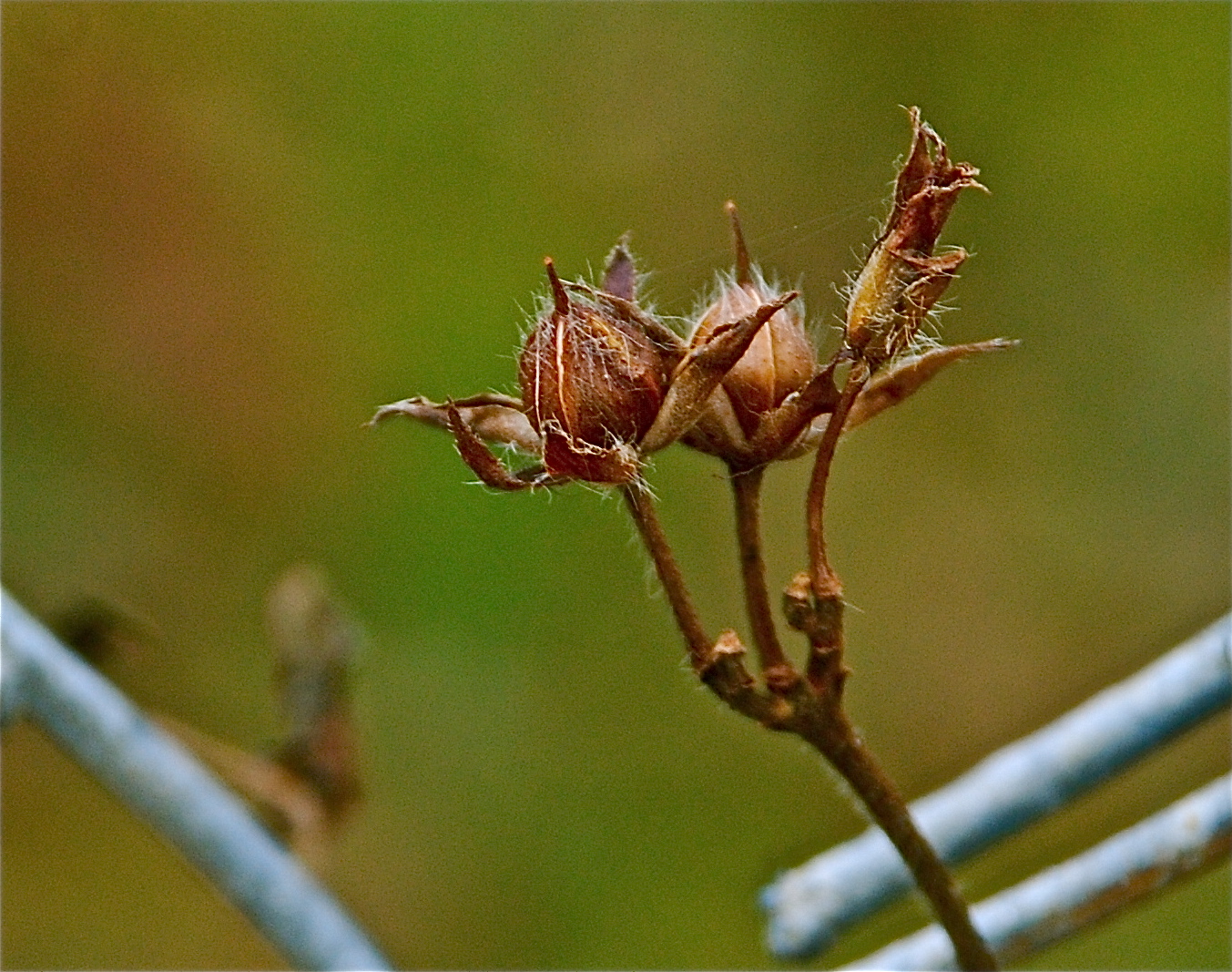
Seed plants date back about 365 million years ago to the Paleozoic era.  These wondrous pieces of antiquity vary greatly in size: the smallest being the dust-like seed of orchids and the largest, weighing as much at times as 50 pounds, being the fruit of the coco de mer, the double coconut palm.  A typical seed is composed of 3 basic parts: 1. an embryo, 2. a supply of nutrients for the embryo, and 3. a seed coat that protects the embryo from injury or from drying out.  Seeds have two points of growth, one which forms the stem of the plant and the other where the roots of the plant form.  Some seeds have wings or hairs and are dispersed by the wind.  Others are buoyant and float in rivers to the oceans and wash up on beaches; then there are those that are dispersed in various ways by animals.   Given the fascinating science of seeds, how they work and how tiny some of them are, how could one not hear fertile whispers from God in them.

Each seed, regardless of its size, is a sacred promise.  The dictionary defines a promise as: 1. a declaration that something will or will not be done or given, or as   2. an express assurance on which expectation is to be based, and seeds definitely declare what the Lord has done and given and what we as His children can expect.  Special mention of seeds and their promise is made on the 3rd day of the Genesis story where we can see that plants and trees are profuse manifestations of “this seed force.”  Plants and trees have been coming forth for millions of years and come forth yet.  During the unseen holy hours of nurturing, the “seed force” reaches down into the darkness of the earth’s “concealed depths” therein to be sustained by water.  In the Celtic tradition the moisture in earth’s soil is a “symbol of the waters of God that enfold and infuse all things.”  God’s goodness, deeper than any evil, then can be seen at the inception and very heart of life.  J. Philip Newell says that “everything that is born in the great matrix of life is sustained by roots that reach into the deep mystery of God’s life.”  The image which Newell’s words paint of all life reaching deep into God’s life is what, for many of us, shapes songs of joy and praise, for there is no more comforting, good, or safe place in the world than the heart of God!

As the rain and the snow come down from heaven, and do not return to it without  watering the earth and making it bud and flourish, so that it yields seed for the sower and bread for the eater, so is my word that goes out from my mouth: It will not return to me empty, but will accomplish what I desire and achieve the purpose for which I sent it.  ~Isaiah 55:10-11   ✝

23. Nature, like man, sometimes weeps for gladness. ~Anonymous

Rain! whose soft architectural hands
have power to cut stones, and
chisel to shapes of grandeur the very mountains.
~Henry Ward Beecher

Image

Each drop of rain is a powerful miracle, a miracle that falls between heaven and earth as it travels vast distances around earth’s surface.  It speaks so loudly of holiness that whenever it appears here, it never fails to draw me to itself.   Perhaps because somewhere in my memory’s oldest and deepest recesses there’s a vague in-utero recollection of the soothing nature of a watery beginning, a remembrance of a sacred mothering source.  When the first drops of rain hit the ground, especially after a long absence, they fall on my ears not unlike the chords of a beloved’s voice.  And after the rain, when the smell of wet soil and damp grass greet my nose, I “weep for gladness.”  The deliciousness of its return prompts the same urges I experienced in childhood.  What fun it would have been to have played in the rain and danced with wanton delight in the sloshy puddles beneath my feet had mom not forbid it.

All the water earth will ever have was granted us at the beginning of time.  In whatever form it falls to earth, be it rain, fog, frost, snow, or sleet, water is part of a divinely designed cycle to insure Creation’s continuance.  The holy water-bearers bring the stuff without which there is no life for it is the substance in which life is formed and the substance of which life is sustained.  As a part of the grand and holy design, falling waters move in never-ending circles to kiss the earth and return to the clouds.  Given that I can’t help but wonder how far each drop of moisture has traveled throughout the eons of time.  One thing of which I’m always certain though is that rain’s “soft architectural hands” were made by the soft Hands of He who made the earth and us.

I will send you rain in its season, and the ground will yield its crops and the trees their fruit.  Leviticus 26: 4   ✝