184. The day I see a leaf is a marvel of a day. ~Kenneth Patton

For man, autumn is a time of harvest,
of gathering together.
For nature, it is a time of sowing,
of scattering abroad.
~Edwin Way Teale
Image

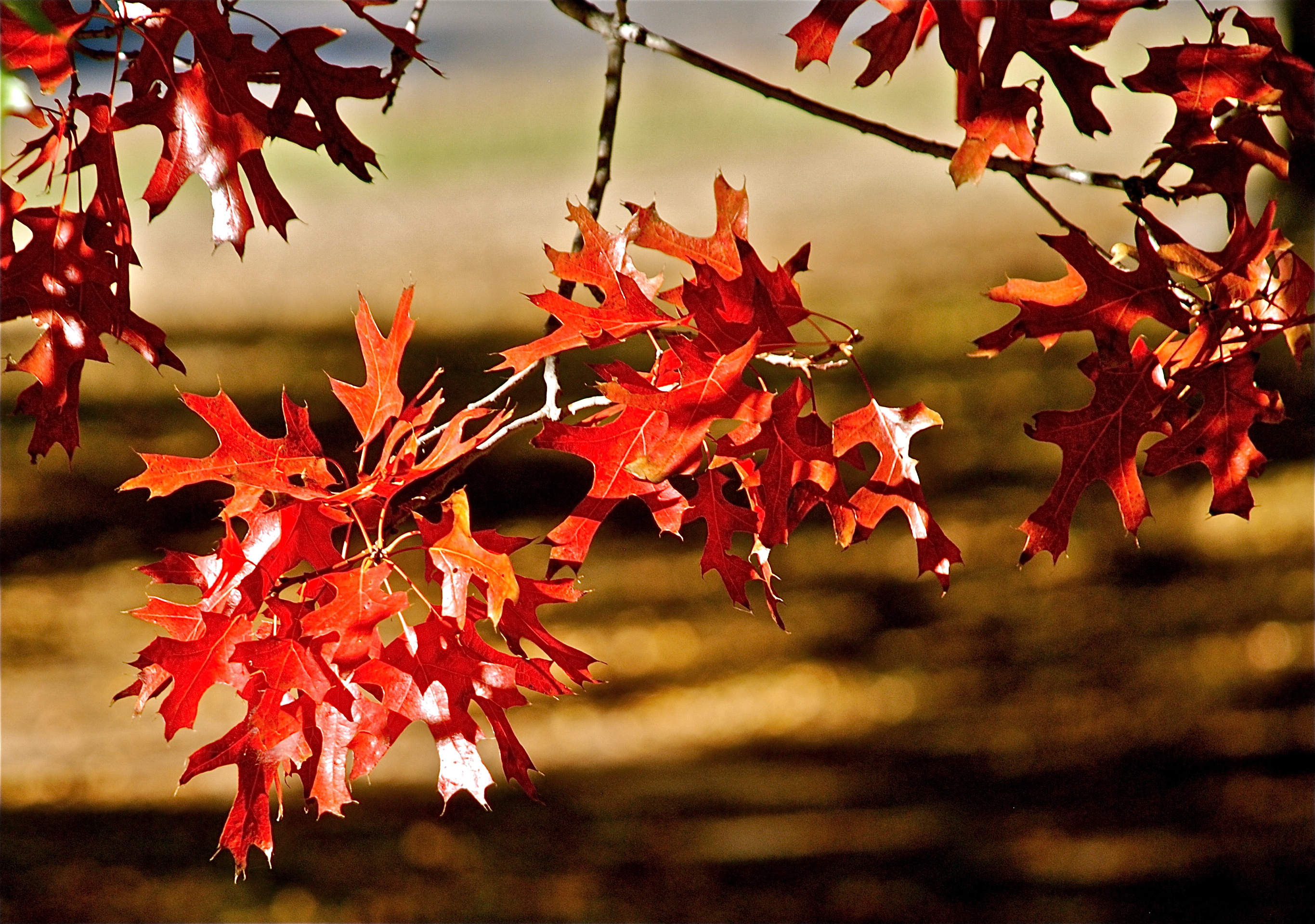
Most of us know that autumn’s winds are scatterers and sowers designed to achieve part of nature’s plans, but until I read Teale’s lines and did some research I wasn’t aware of the full and vital extent of what the winds scatter far and wide.  It’s fairly obvious that the presence of autumn leaves on the ground protects things from damage that comes as a result of fewer hours of light and bitterly cold temperatures.  What I didn’t know until now is that because cold, dry winter winds strip moisture from trees through their leaves, trees lose their leaves as a means of protecting themselves.  In that way leafless trees can conserve the much needed moisture in their branches and trunks so they don’t dry out and die.  Another consideration is that energetically it would be very costly for trees to keep their little leafy food factories up and running in winter because the fewer hours of sunlight and freezing temperatures are less efficient and make the transport of water from the ground into the trunk and leaves a damaging drain on the trees’ resources.  The loss of leaves then is designed to put trees into a state of dormancy thereby reducing the amount of energy they need to stay alive; essentially the process sends leafless trees into a life-preserving hibernation during the winter months.  What a grand plan!  How can a day not be a marvel when confronted with such grand plans?  The older I get the more constant a state of marvel I live in, and the more I adore Creation’s Maker.

I will proclaim the name of the Lord.  Oh, praise the greatness of our God.  ~Deuteronomy 32:3  ✝
173. I’m so glad I live in a world where there are Octobers. ~Lucy Maud Montgomery

Autumn, that season of peculiar and inexhaustible influence
on the mind of taste and tenderness,
that season which has drawn from every poet,
worthy of being read,
some attempt at description, or some lines of feeling.
~Jane Austen

Image

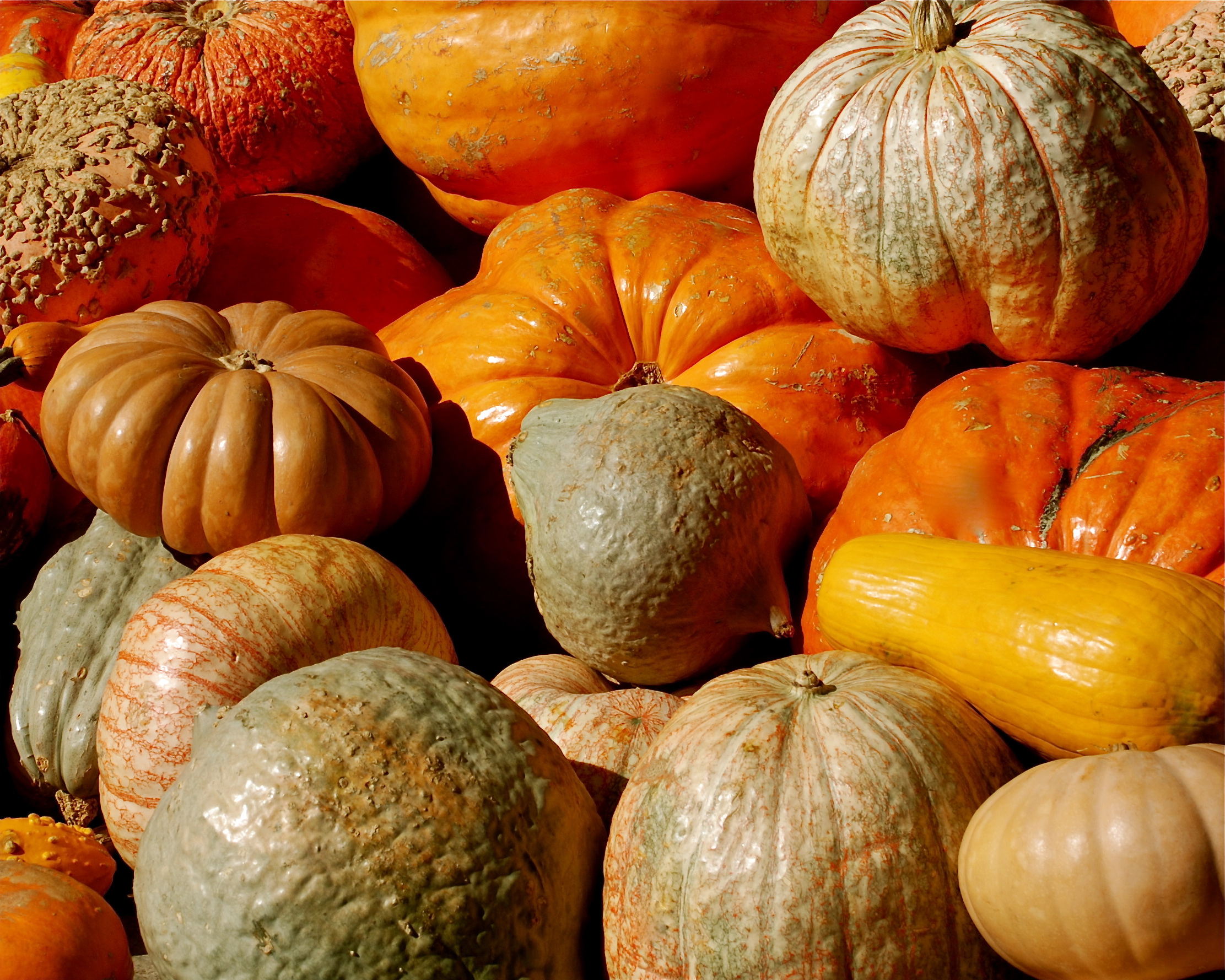
While the summer sun reigned high in the heavens, the trailing vines of Cucurbita inched along the ground.  Its flowers were pollinated, and then its fruits began to grow.  Tendrils on the vines helped anchor the rambler and protect them from the wind.  The leaves of the vines absorbed energy from the sun to spur the growth of the fruits, and the stems worked like umbilical cords to bring nutrients to the fruits while the thin and shiny outer layer of the fruits protected them from insects and disease.  As summer wound down, the ripening gourds began turning a spectacular color of orange, at least the traditional ones.  Then after the autumnal equinox, north winds venturing out of their haunts moved southward.  Along the way they gathered a fair measure of clouds; rain from the clouds greened the landscape; days became noticeably shorter; temperatures dropped below previous three digit highs; skies regained deeper hues; dawns became chillier; and the inimitable pumpkin, having been nipped off its vine, appeared on roadside stands and in grocery stores.  How I love Octobers and the whole autumn experience; hardly a day goes by that I don’t turn my eyes upward in praise, drop to my knees in thanksgiving, and wish I could throw my arms in adoration around  the Lord of all Creation!

May the peoples praise you, O God; may all the peoples praise you.  Then the land will yield its harvest, and God, our God, will bless us.  ~Psalm 67:5-6  ✝

40. Spring shows what God can do with a drab and dirty world. ~Virgil Kraft

Awake, thou wintry earth –
fling off thy sadness!
Fair vernal flowers, laugh forth –
your ancient gladness!
~Thomas Blackburn

Image

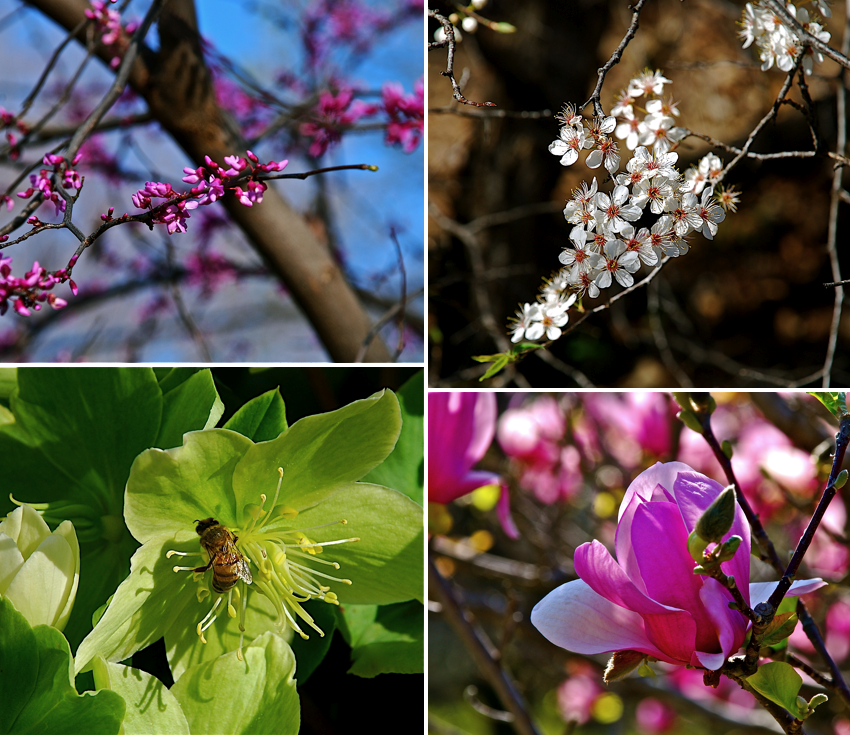
Leaf by leaf, bud by bud, and blossom by blossom the spring of the year advances.   On warmish days, earth casts off its wintry gloom, and breezes broadcast sweetly-scented aromas.  The first butterflies then dare to soar and the hungry bees hum amid the glad laughter issuing forth from flowering bulbs and trees.  As a result the year’s initial poetry of rebirth is penned by the pollinating, aerial whirring of dainty wings.  In the meantime as I hurry about trying to taking photos of the blossoming narratives and their paramours, I often find myself asking the same question Walt Whitman once did.  “Why are there trees I never walk under but large and melodious thoughts descend upon me?”  The answer I’ve decided is that the arms of trees reach towards the heavens to gather sacred messages meant to draw mankind near to “the living Word of God in nature” as well as what is read in Scripture.

In our area the first verses of  “tree” poetry come from Saucer Magnolias.  Their big, goblet-shaped flowers pen exquisite couplets in pink and white.  Soon to follow are the brilliant white blossoms of Star Magnolias.  Though not quite enough lines to form a fourteen-lined sonnet, their twelve exquisite, “petal-poesy” lines form rhyming schemes as lovely as any Shakespearean sonnet.  Next and in perfect rhyming sequences come the double samaras.  Samaras, the scarlet, dual winged fruits of the Red Maple, look like long, slender fairy wings as they dance choric rhymes writ by the winds.  Then come the Eastern Redbuds and Bradford Pears that compose stunning free-verse stanzas in purple and white, each resplendent branch, a psalm written in praise of its Maker.  For a pollinator now there’s no quandary about where sweet nectaries are to be found for stanza after stanza they and I are lead in springtime to earth’s most festive and delicious banquets.

He has taken me to the banquet hall, and His banner over me is love.  ~Song of Songs 2:4

10. For in the true nature of things, if we rightly consider, every green tree is far more glorious than if it were made of gold and silver. ~Martin Luther

For man, autumn is a time of harvest, of gathering together.
For nature, it is a time of sowing,of scattering abroad.
~Edwin Way Teale

Image

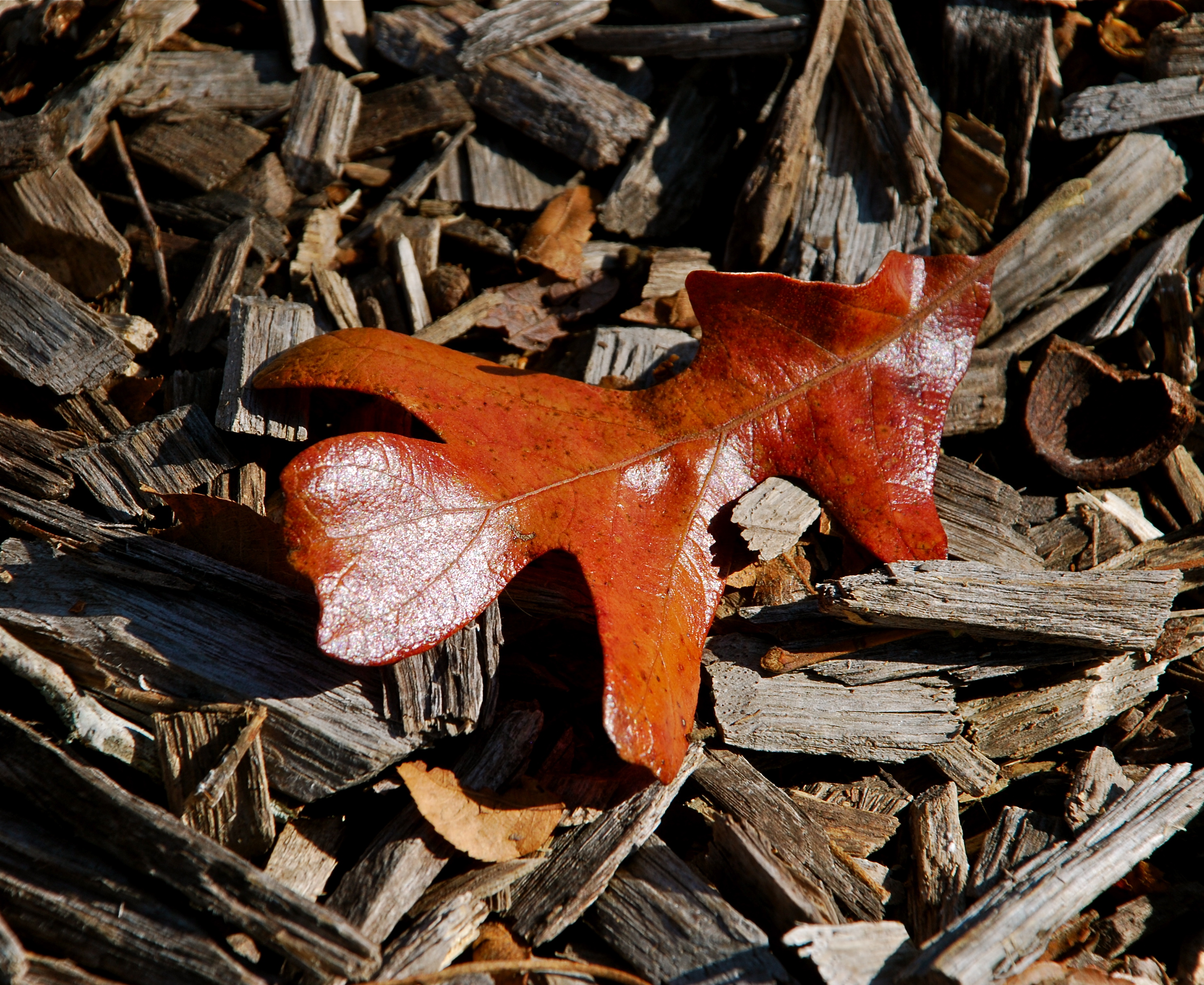
Like Teale I knew that autumn’s winds were scatterers and sowers, but until I did some research, I didn’t realize how much the autumnal shedding of leaves accomplishes.  For the sake of the sod, the fallen leaves cover the ground like a protective blanket.  It’s also easier for leafless trees to conserve much needed moisture in their branches and trunks, and since cold, dry winter winds strip moisture from trees through their leaves, losing their leaves is self-protective mechanism.  It would also be very costly energy wise for trees to keep their little leafy food factories up and running with less light and heat.   Because the transport of water from the ground into the trunk and leaves would be a damaging drain on a trees’ limited resources, the loss of leaves puts trees into a state of dormancy thereby reducing the amount of energy they need to live.  When leaves “come to rest upon the ground,” their work is far from over.  As they lie there, they become food for soil organisms which are vital to the overall health of ecosystems.  In addition the decomposing leaves restock the soil with nutrients and make up a part of the spongy humus that absorbs and holds rainfall.  And finally with the arrival of spring and warmer temps, bacteria, fungi, and insects come into play because the fallen leaves are chewed and rotted which in turn releases nutrients for plant growth.

“For the wisdom that fashioned the universe and can be read in earth’s dark depths and in heaven’s infinity of lights thanks be to you, O God.”  ~John Philip Newell

2. Thy bounty shines in autumn unconfined and spreads a common feast for all that live. ~James Thomson

Delicious autumn!
My very soul is wedded to it, and if I were a bird,
I would fly about the earth seeking the successive autumns.
~George Eliot, English novelist

Image

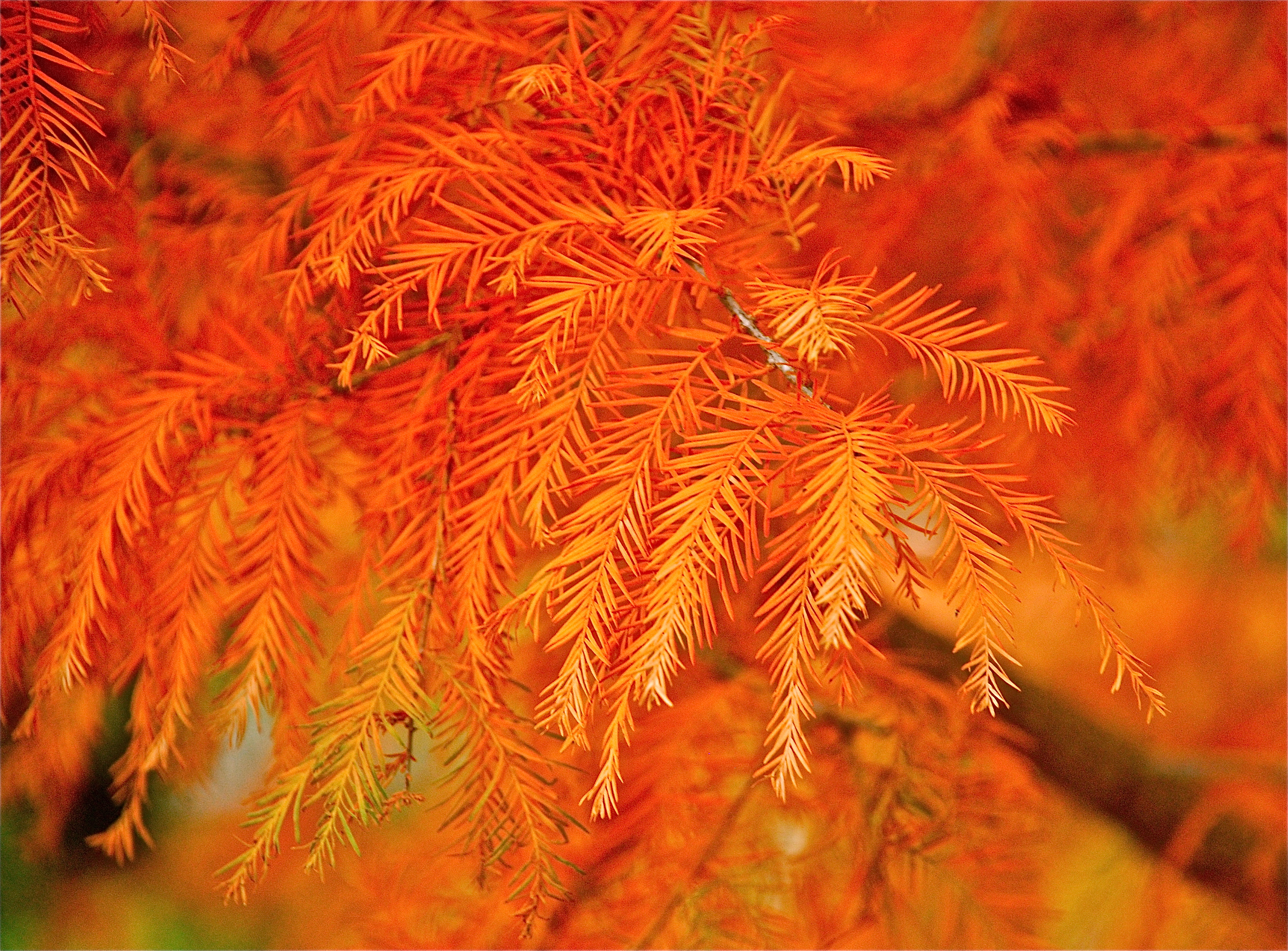
What’s not to love about a season that takes the focus off summer’s calamities by piling delectable hues back on nature’s palette?  It begins after the autumnal equinox when grasses, flowers, fruits, and berries begin weaving fabulous garlands in sacred temples bound by earth and sky.  Then as the days grow shorter, the torrid temperatures of summer lower and chilling winds descend from the north.  The nip in the air they create induces chemical changes in leaves, leaves that become more and more colorful as autumn’s days unfold.  The grand array of their colors conjures up magic shows on woody altars not only in autumnal forests but also in small towns and sprawling cities.  Later in the season blustery winds snap the parchment-like foliage off, and as the leaves fall, they swirl about in little eddies playing like jovial children.  When autumn’s skies are not shrouded by gauzy, gray clouds, they are swept clear revealing brilliance on the “brows of morn” and daytime hours drenched in deep, dreamy shades of blue.  Under such canopies pumpkins appear in fields, soon to be used in fall’s activities and feasts as well as for festive winter banquets.  Plumed grasses shift and sigh in renewed authorship of the ancient hymns of sacred earth making autumn a time to be silent as well as watchful.  As one Celtic teacher put it, Creation is “the grand volume of God’s utterance,” and what a lovely utterance it is!  Whenever and wherever one listens to the Word of God, be it in Creation or Scripture, be it in autumn or the other seasons, it gives the listener carte blanche to fall into a rhythm which calms the mind, soothes the spirit, and sheds light into the fabric of God’s heart.