140. All nature sings, and round me rings the music of the spheres. ~Maltbie D. Babcock

This is my Father’s world
He shines in all that’s fair,
In the rustling grass I hear Him pass,
He speaks to me everywhere.
~Lyrics from This is My Father’s World by Maltbie D. Babcock

Image

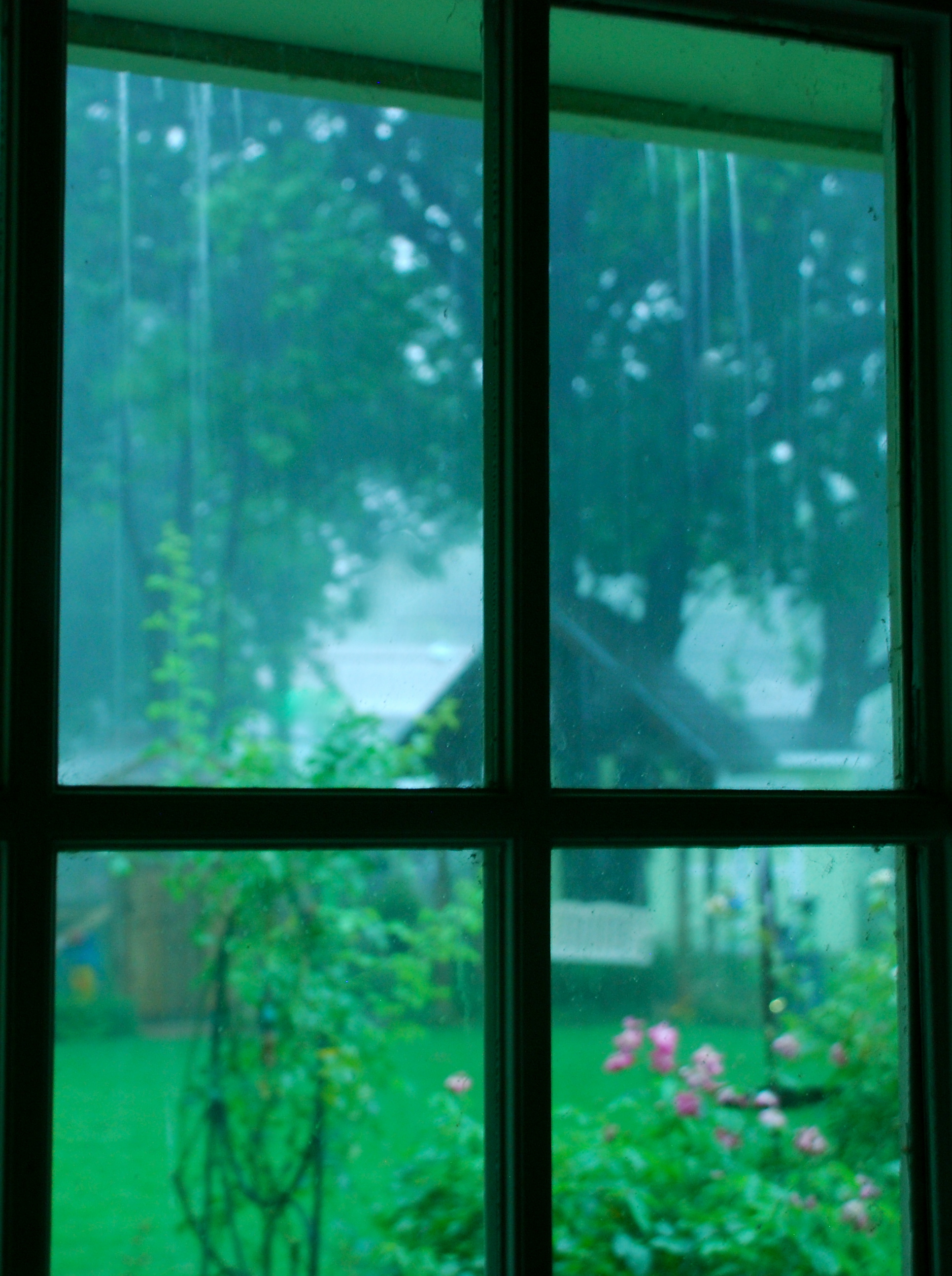
What a glorious morning!  When I raised the shade, my eyes were met with a delicious light pouring down on a corner of the garden.  And it was light not born of the intense heat of past months but instead of the crisp coolness of a 59 degree autumnal equinox morn.  Zephyrs were ruffling leaves, and they were shouting hallelujahs in praise of the Lord’s Sabbath and yesterday’s rain.  Ancient Eden’s unmistakable holy voice reverberated in the air, and all of us, creature and man alike, recognized it and rejoiced.  The “special air of melancholy and magic” typical of September’s opus rose louder and louder as the light moved southward across the yard frosting everything in its wake.  Yahweh’s glory breathed new life into wilted leaves, faded blossoms, and weary bones as the light moved as sweetly as a bow across the strings of a Stradivarius in slanted increments across the yard.

“Arise, shine, for your light has come, and the glory of the Lord rises upon you.”  ~Isaiah 60:1  ✝

*Thanks to Annette Lepple for the great description of September that I quoted above. 

137. Silence is the universal refuge…a balm to our every chagrin. ~Henry David Thoreau

Soon silence will have passed into legend.
Man has turned his back on silence.
Day after day he invents machines and devices
that increase noise and distract humanity
from the essence of life. . .
~Jean Arp, French sculptor, painter, and poet

Image

We see patterns of stillness and silence in the natural world.  Day gives way to night, fruitfulness gives way to fallowness, bodies give way to fatigue.  However, in today’s noisy culture, there exists an almost obsessive tendency toward unending busyness.  Rest and yielding to silence has for many become a forgotten art or at best difficult.  But on days like today, in the midst of the noise a profound silence can be found in rain, and in that silence some seem still to be able to hear the slowing voice of quietude.  And I find that if one takes time to sit, listen, and watch the rain, an ancient holy voice has a way of pulling him/her into a deep peacefulness.  What’s more if the listener seeks a way to come back again and again to that quiet place, an intimate relationship begins to form.  Mother Teresa once said, “We need to find God, and he cannot be found in noise and restlessness.  God is the friend of silence.  See how nature – trees, flowers, grass – grows in silence; see the stars, the moon and the sun, how they move in silence. . .We need silence to be able to touch souls.”

“Be still, and know that I am God; I will be exalted among the nations, I will be exalted in the earth.”  -Psalm 46:10    ✝

124. Every flower about a house certifies to the refinement of somebody. Every vine climbing and blossoming tells of love and joy. ~Robert G. Ingersoll

What a desolate place would be
a world without a flower!
It would be a face without a smile,
a feast without a welcome.
~A .J. Balfour

Image

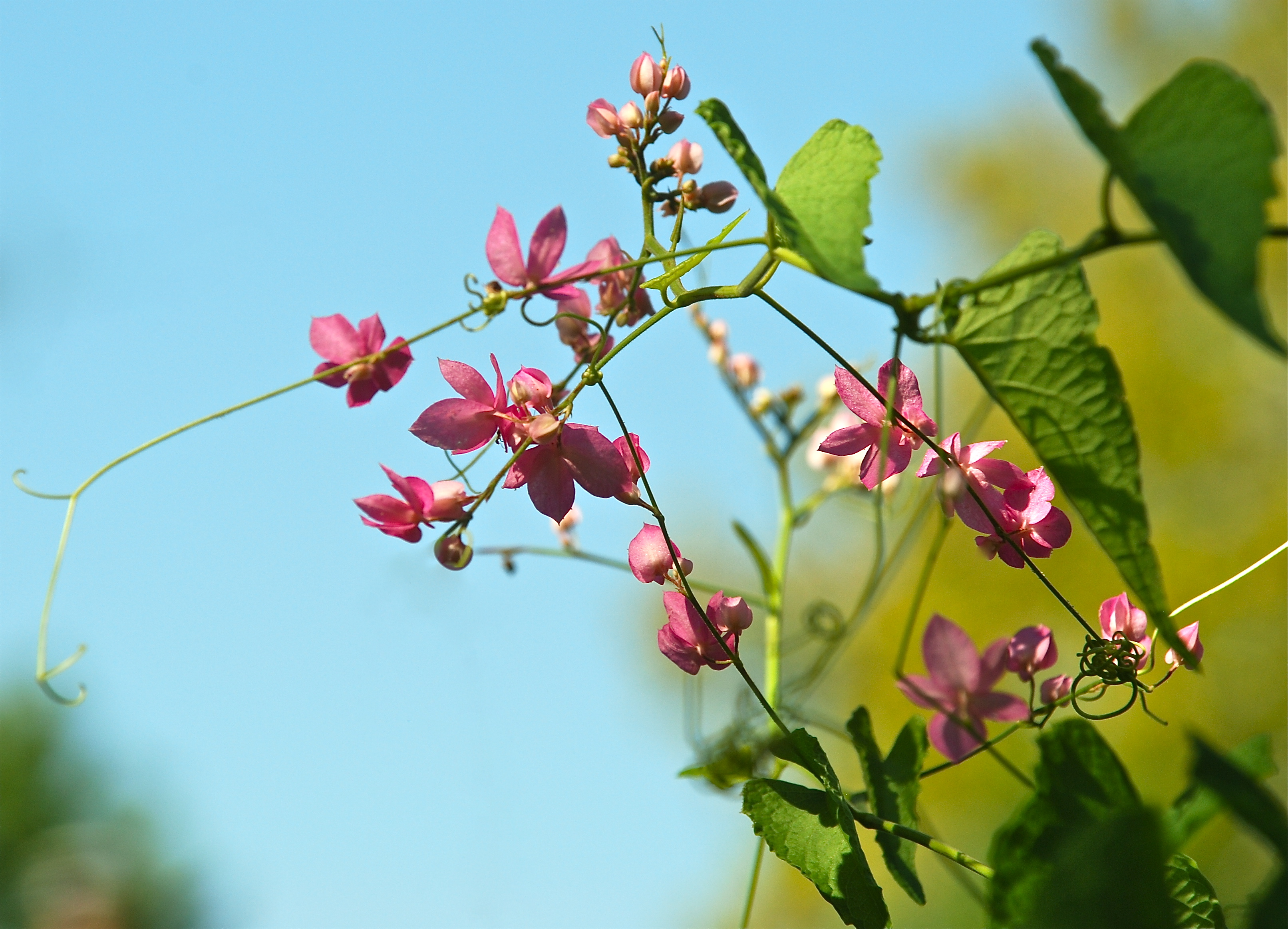
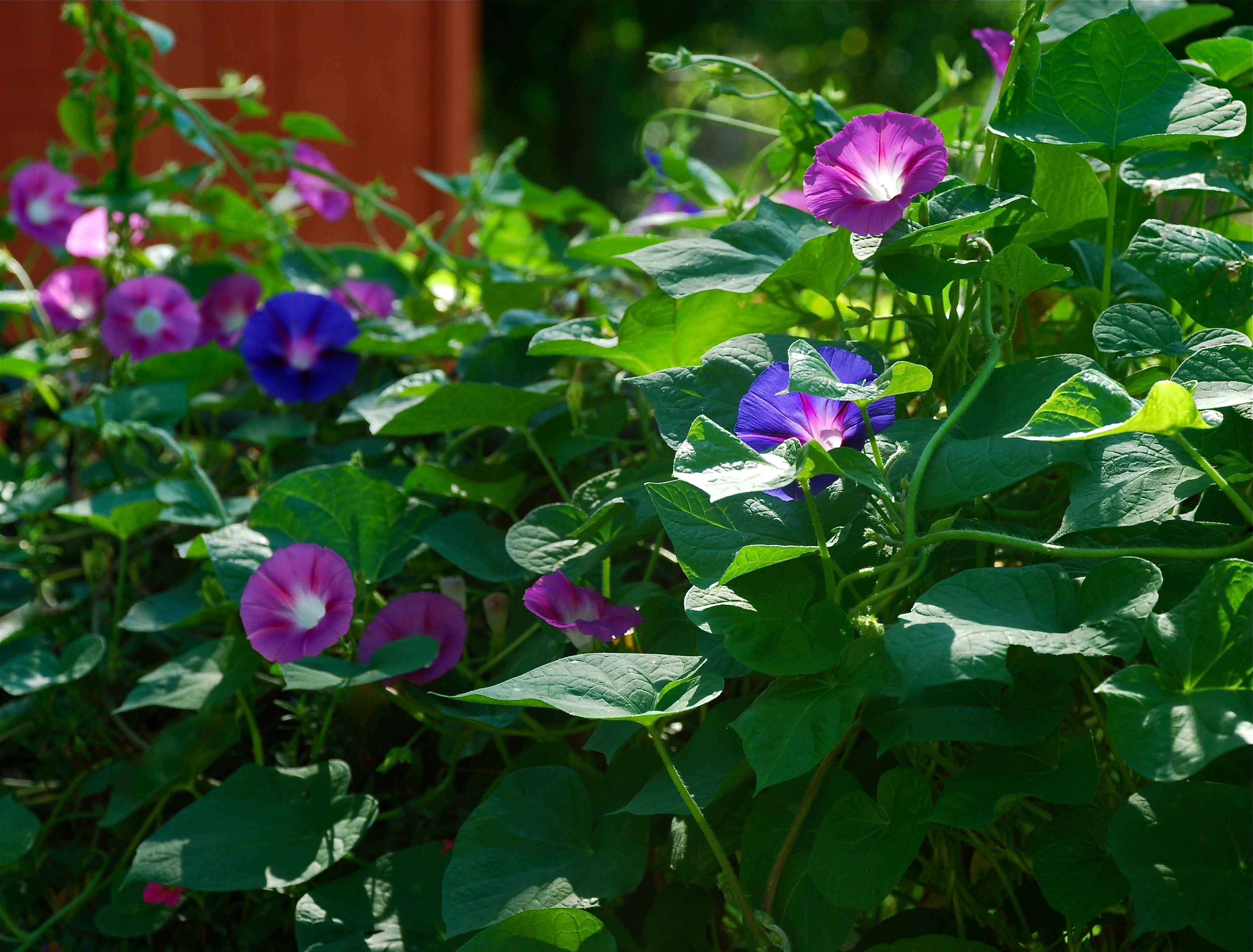
With its delicate tendrils the striking, lacy pink coral vine rapidly climbs up, over, and on anything it can find.  Because it is a vigorous vine upon which masses of flowers are situated, it needs support to produce the masses of green heart-shaped leaves and large branching flower stalks.  Once it reaches high enough and the dainty pink blooms appear, the sweet of it delights the bees.  And of course like all flowering vines it feeds my soul.

Return to us, God Almighty!  Look down and see!  Watch over this vine. . .  ~Psalm 80:14  ✝

122. Has the luster of the infinite holiness of God ever shone upon your heart and drawn your heart to him? ~Jeremiah Burroughs

The world is holy.
We are holy.
All life is holy.
Daily prayers are delivered
on the lips of breaking waves,
the whisperings of grasses,
the shimmering of leaves.
~Terry Tempest Williams,
American author and naturalist

Image

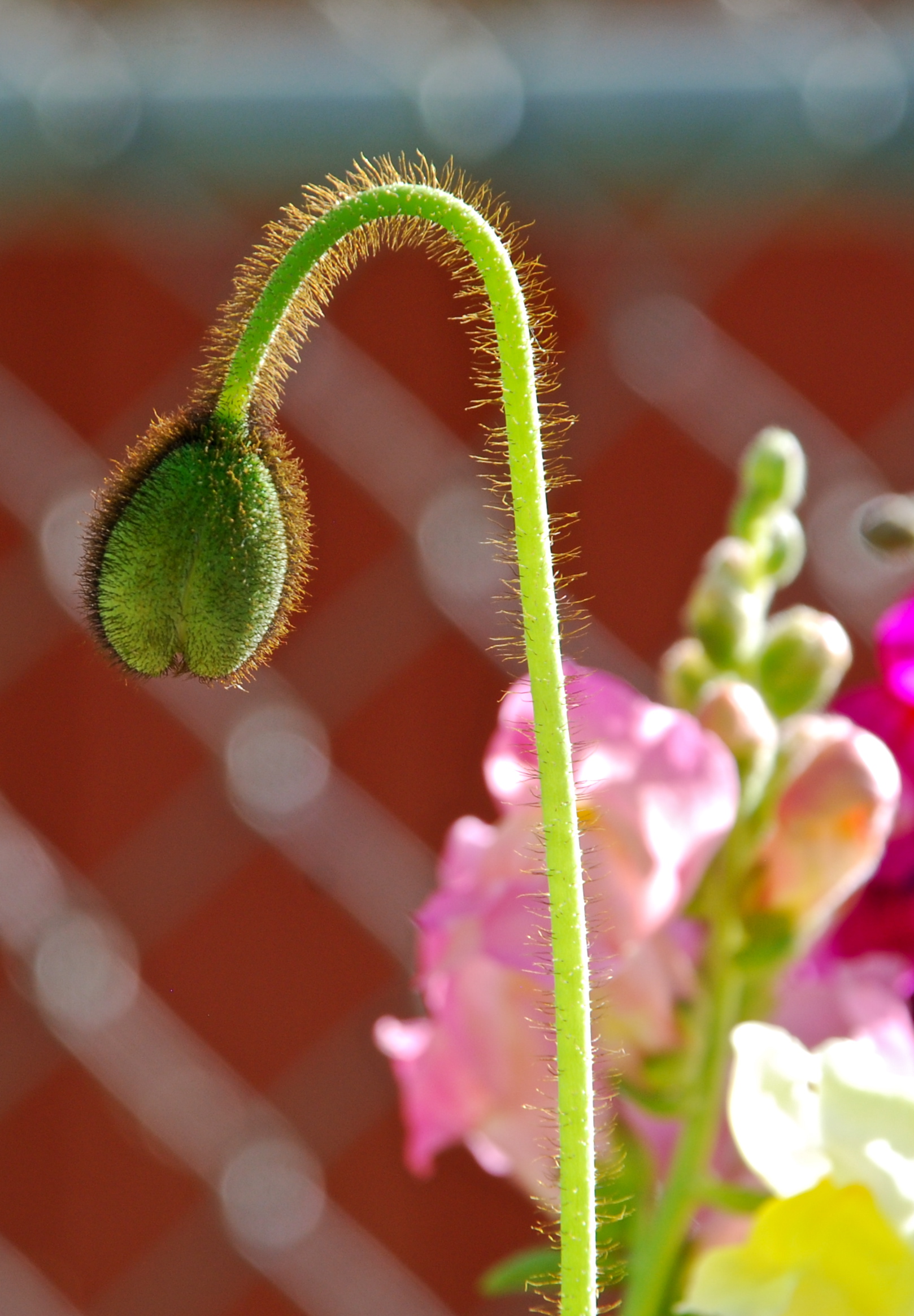
I’ve even seen what seems like daily prayers being offered up from the nodding heads of birthing flowers in the garden.  It’s as if they know to reverence life and its Giver.  For we humans reverence for life sometimes comes through the senses for with them we are able to see, hear, smell, touch, and taste Creation’s pervasive holiness.  Moreover, from a power of perception seemingly independent of the five senses we are able to discern the holiness that exists within the human heart.  And why not?  The human heart is, after all, the Divine’s sanctuary, and as such it is the mystical core from which God operates in our lives. To come into that inner place of holiness is to come “home” in a way for therein croons the voice, soft and sweet, of a loving Father.  If we strive to listen to and obey His still, small Voice, a well within is filled with the mercy, forgiveness, and love needed for us to blossom into a purposeful anointing.  Surely even the angels stand in awe of such as this.

. . . by the power of God, who has saved us and called us to a holy life—not because of anything we have done but because of His own purpose and grace.   ~2 Timothy 1:9   ✝

120. Every happening, great and small, is a parable whereby God speaks to us, and the art of life is to get the message. ~Malcolm Muggeridge

The world has different owners at sunrise. . .
Even your own garden does not belong to you.
Rabbits and blackbirds have the lawns;
a tortoise-shell cat who never appears in daytime
patrols the brick walls,
and a golden-tailed pheasant
glints his way through the iris spears.
~Anne Morrow Lindbergh,
pioneering American aviator and author

Image

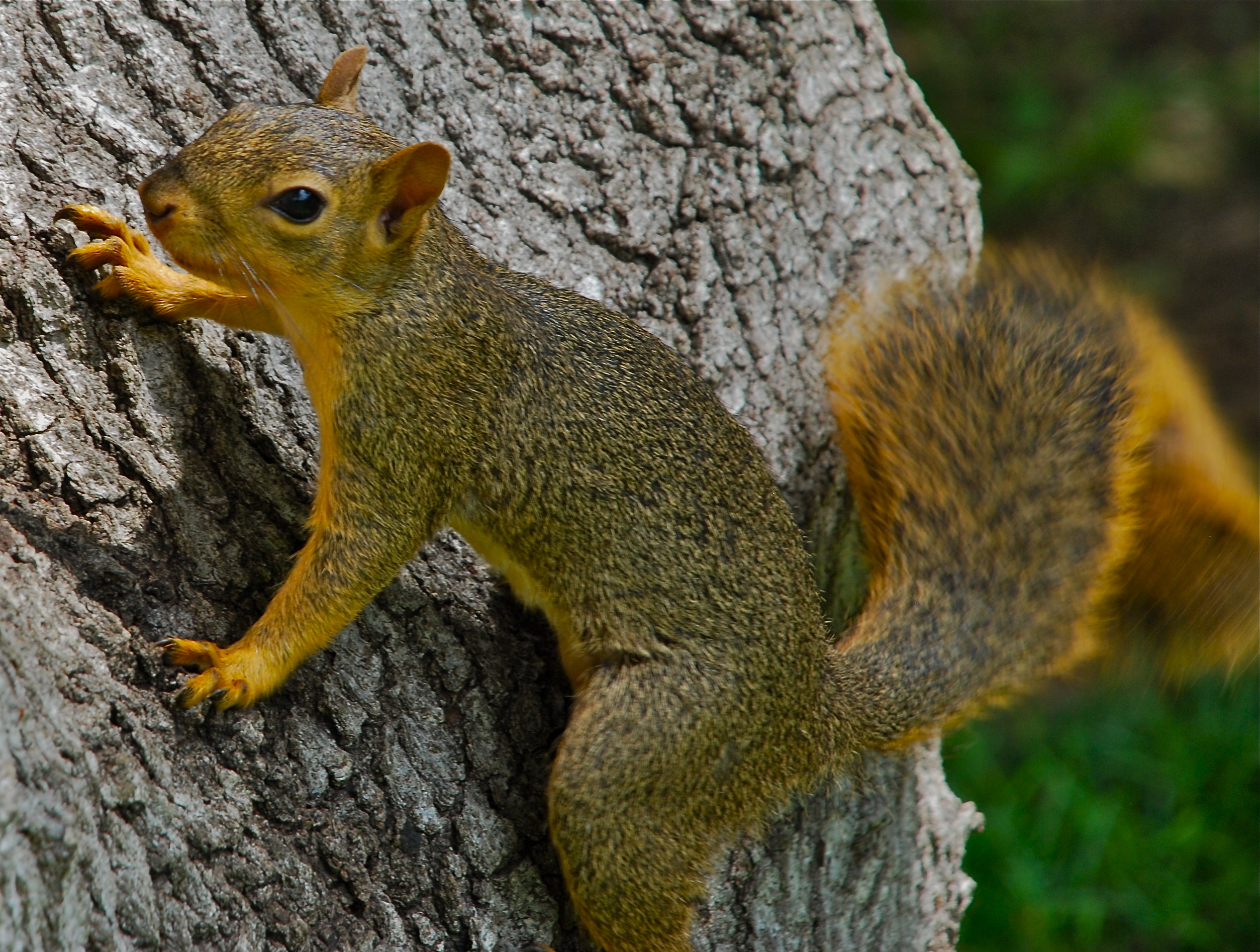
In my yard are squirrels instead of rabbits, mockingbirds instead of blackbirds, an assortment of stray cats instead of one tortoise-shell cat, and garter snakes that slither through the grass instead of a pheasant that glints his way through the iris spear.  So it is that my yard has as Lindbergh penned “different owners at sunrise.”  But since I planted everything for the wildlife as much as for me, why shouldn’t they come and sometimes in large numbers all through the day and night.

J. Philip Newell says that God’s glory glows “in the glistening of a creature’s eyes” as well as in “every emanation of creation’s life,” and that we can reverence God “in all that has life.”  My guess is that’s why some people garden in the first place.  We are fascinated by and delighted with the flowers and the wildlife, but we long for the presence of God into our green temples–that Presence that we feel and see in tiny buds breaking the soil, in pinkish purply glows in the eastern sky, in a silver slivers of the moon in the darkness of night, or in the delicious stillnesses in the garden as day passes into night.

For since the creation of the world God’s invisible qualities—his eternal power and divine nature—have been clearly seen, being understood from what has been made. . .  ~Romans 1:20   ✝

57. Joy–A child’s world is fresh and new and beautiful, full of wonder and excitement.  It is our misfortune that for most of us that clear-eyed vision, that true instinct for what is beautiful and awe-inspiring, is dimmed and even lost before we reach adulthood. ~Rachel Carson

Image

He will yet fill your mouth with laughter and your lips with shouts of joy.  ~Job 8:21

40. Spring shows what God can do with a drab and dirty world. ~Virgil Kraft

Awake, thou wintry earth –
fling off thy sadness!
Fair vernal flowers, laugh forth –
your ancient gladness!
~Thomas Blackburn

Image

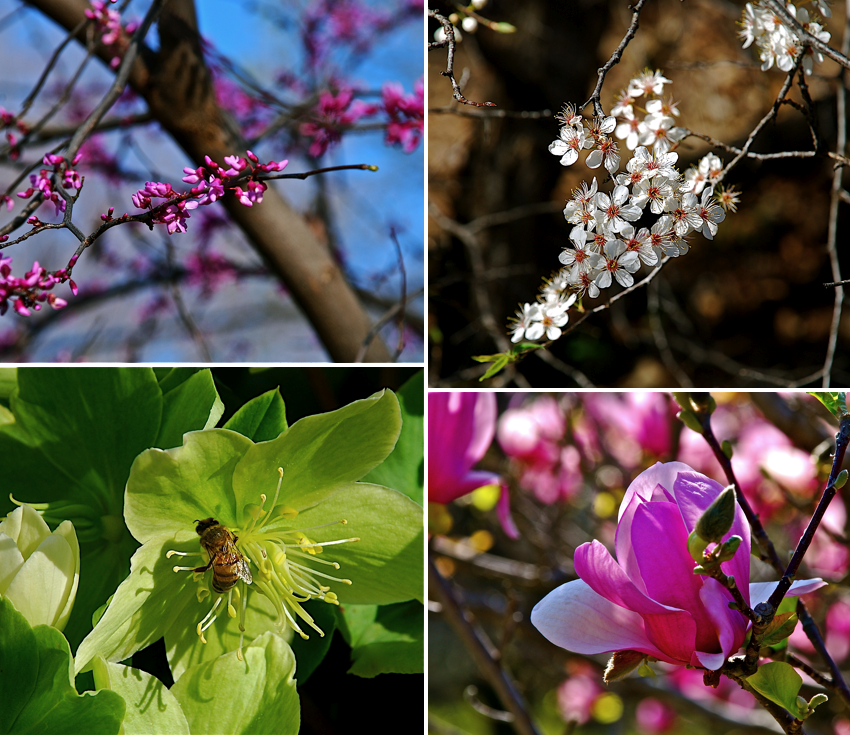
Leaf by leaf, bud by bud, and blossom by blossom the spring of the year advances.   On warmish days, earth casts off its wintry gloom, and breezes broadcast sweetly-scented aromas.  The first butterflies then dare to soar and the hungry bees hum amid the glad laughter issuing forth from flowering bulbs and trees.  As a result the year’s initial poetry of rebirth is penned by the pollinating, aerial whirring of dainty wings.  In the meantime as I hurry about trying to taking photos of the blossoming narratives and their paramours, I often find myself asking the same question Walt Whitman once did.  “Why are there trees I never walk under but large and melodious thoughts descend upon me?”  The answer I’ve decided is that the arms of trees reach towards the heavens to gather sacred messages meant to draw mankind near to “the living Word of God in nature” as well as what is read in Scripture.

In our area the first verses of  “tree” poetry come from Saucer Magnolias.  Their big, goblet-shaped flowers pen exquisite couplets in pink and white.  Soon to follow are the brilliant white blossoms of Star Magnolias.  Though not quite enough lines to form a fourteen-lined sonnet, their twelve exquisite, “petal-poesy” lines form rhyming schemes as lovely as any Shakespearean sonnet.  Next and in perfect rhyming sequences come the double samaras.  Samaras, the scarlet, dual winged fruits of the Red Maple, look like long, slender fairy wings as they dance choric rhymes writ by the winds.  Then come the Eastern Redbuds and Bradford Pears that compose stunning free-verse stanzas in purple and white, each resplendent branch, a psalm written in praise of its Maker.  For a pollinator now there’s no quandary about where sweet nectaries are to be found for stanza after stanza they and I are lead in springtime to earth’s most festive and delicious banquets.

He has taken me to the banquet hall, and His banner over me is love.  ~Song of Songs 2:4

22. Until one has loved an animal, a part of one’s soul remains unawakened. ~Anatole France

Most cats do not approach humans recklessly.
The possibility of weapons, clods, or sticks
tend to make them reserved. . .
Much ceremony must be observed,
and a number of diplomatic feelers put out,
before establishing a state of truce.
~Lloyd Alexander
Image

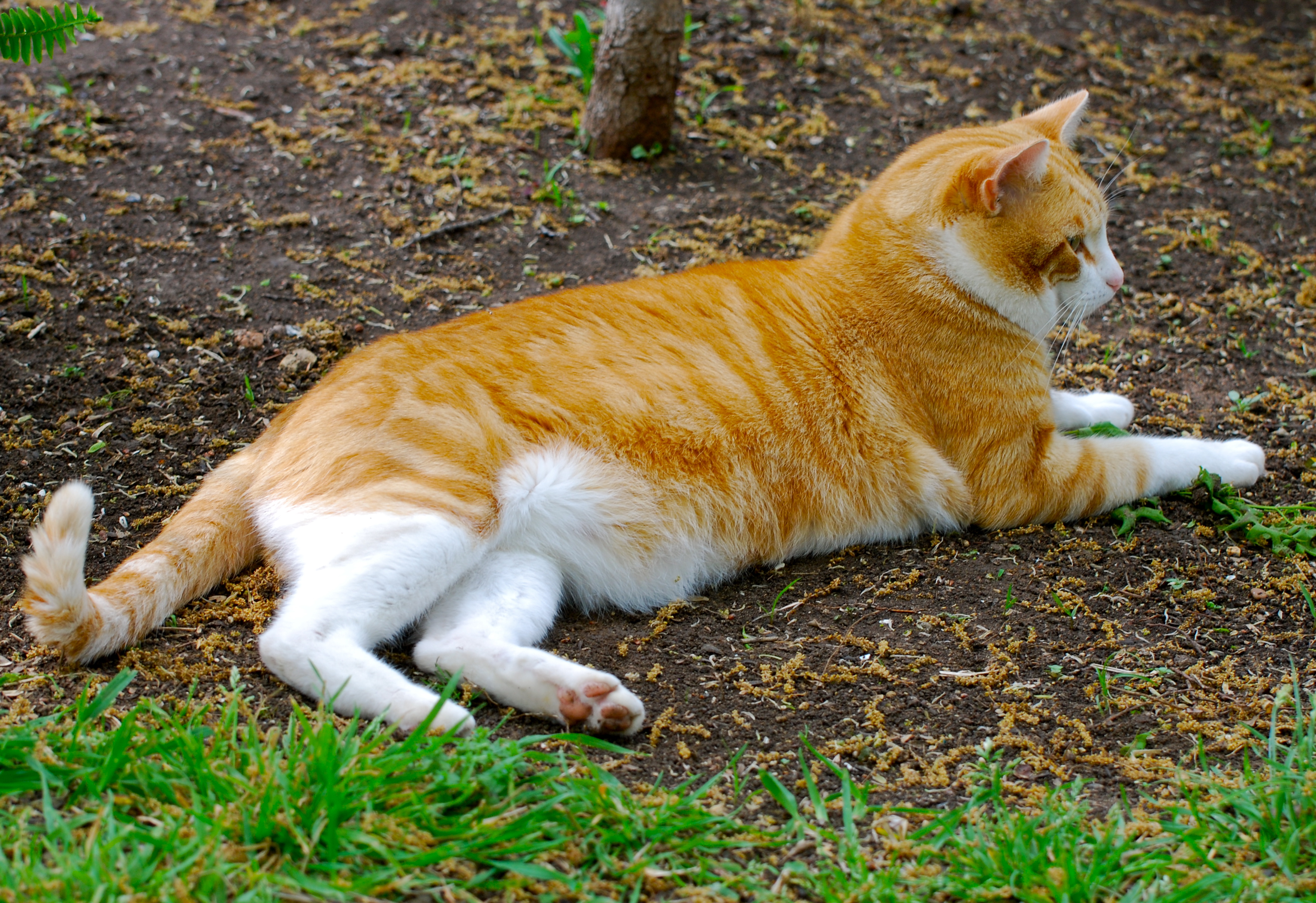
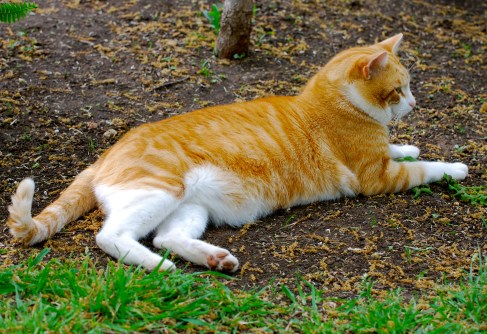
A beautiful stray cat came into our world some time back, and slowly but surely we managed to earn some of his trust.  From his size at the time he started coming into our yard we decided he was about a year old, and from his behavior it was apparent he had had some unfriendly encounters with humans.  However, as time went on he seemed to take more and more of a liking to us, and eventually he chose to stay in our yard most of the time.  As he became more accustomed to our presence, he started letting us get close enough to pet him.  Then one day he began loving us back in the way that feral cats do, but the exchanges were always done with that predictable element of guarded caution.  For example when I’d be out working in the yard, he’d follow me wherever I went and throw himself down to nap while I worked, but he never fell so fast asleep or got so close that he couldn’t make a fast get away if need be.  As the months passed he became more accepting of us, so much so that he followed me into my studio one afternoon and napped there.  Subsequently that became a daily thing, and he would even remain there on cold, cold nights.  After that winter, we were so in hopes he would one day let us pick him up and get him in a carrier to go to the vet’s for his shots and neutering.  Sadly though his trust fell just short of that.

The cat clawed its way into my heart
and wouldn’t let go. . .
When you’re used to hearing purring
and suddenly it’s gone, it’s hard to silence
the blaring sound of sadness.
~Missy Altijd

For a short period of time this yellow cat we named Beastie called our yard his home. We had managed to establish “a state of truce” with him, but as it turned out it was never going to be a complete surrender.   One day the call of the wild became much stronger than the call of the safe and secure.  The first time he left us, he was only gone for 6 days, but then he left again the next day for another 5 days.  After the third departure we never saw him again.  What became of our little feline friend we’ll never know.

Give sorrow words;
the grief that does not speak
whispers the o’er fraught heart
and bids it break.
~William Shakespeare

When Beastie disappeared for good, he took pieces of my heart with him, and if I hadn’t given my grief to words, as Shakespeare suggests, I fear my “fraught” heart would have broken and all its chambers flooded with tears.  Jean Burden was right when she said, “Prowling his own quiet backyard or asleep by the fire, a cat is still only a whisker away from the wilds.”  The Beast Man was never far from his feral beginnings, and when the wild called, he could do naught but answer.  Agnes Repplier summed it up best when she said, “it’s impossible to banish these alert, gentle, and discriminating little friends, who give us just enough of their regard and complaisance to make us hunger for more.”  Indeed, I have hungered for more ever since; in fact I’m still hungering and hurting because there’s no more of his sweet life to be shared.  My big backyard that I love so much seems like an empty and lonely place without that “silly” yellow cat to keep me company.  He was a confidant and consultant in my garden dreams and schemes, and I was his protector from pesky mockingbirds wanting to keep him from their nests and from any and all suspicious human interlopers.  I know I need to put this behind me and move on, but it has been a long time since grief has had so heavy a hold on my heart.  There was just something compelling and charming about that sweet boy, and he, a cherished presence too soon lost, will be forever missed.

17. God is closest to those with broken hearts. ~Jewish Saying

Loving God, help us remember the birth of Jesus
that we may share in the song of the angels,
and the gladness of the shepherds,
and the worship of the wise men.
Close the door of hate and
open the door of love all over the world.
~Robert Louis Stevenson

Image

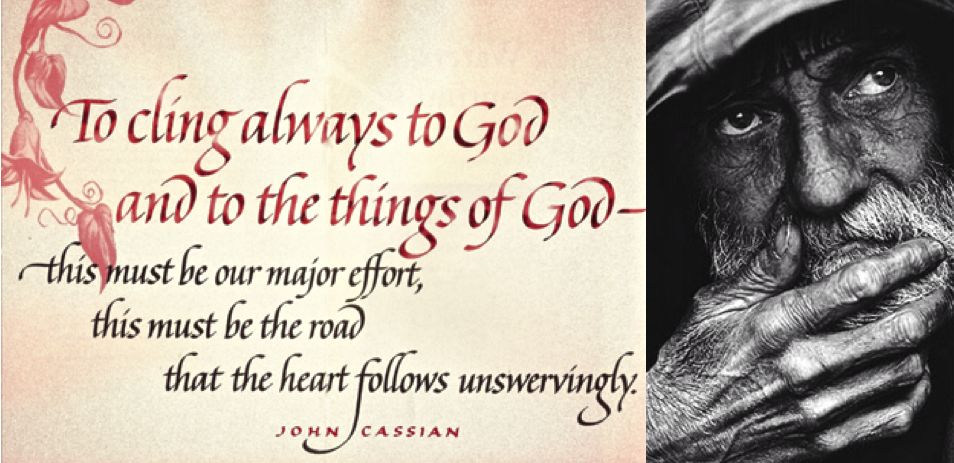
More than likely the man in this photo has no address, no phone number, no car, no money in his pocket, and certainly no credit cards.  He probably doesn’t know from whence his next meal is coming, if it comes at all, nor does he know where he’ll lay his head to sleep tonight.  I’d like to help in some way, but I know not his name nor where he’s from nor where he is now.  What trials lead this man to the harsh realities of the streets where he currently exists are a disturbing mystery, at least to me, and yet in spite of all he doesn’t have and all the things I don’t know about him, I do know in whose image he was made and by whose hands he was created.  I also know that if there is to be joy in his world and peace in his silent nights and ours, it will happen only with help from those of us who are part of Christ’s body.  I know that in the Father’s eyes this man’s worth is no less than that of any man, and the story of desperation in his eyes is deserving of compassionate hearing from those able to to lend a helping, healing hand.  But then given what I don’t know about this man, or where he is, or what he needs, how can I help.

 “. . . if two of you agree on earth about anything they ask, it will be done for them by my Father in heaven.  For where two or three are gathered in my name, there am I in the midst of them.”  ~Matthew 18:19-20   ✝

Please help me pray for this man, the well being of all God’s children, and for peace on earth and good will towards men.

**The photograph of this homeless man was taken from an enews bulletin at the First United Methodist Church of Fort Worth.

16. The trees reflected in the river– they are unconscious of a spiritual world so near to them. So are we. ~Nathaniel Hawthorne

A Ming vase can be well-designed
and well-made and is beautiful for that reason alone.
I don’t think this can be true for photography.
Unless there’s is something a little
incomplete and a little strange,
it will simply look like a copy of something pretty.
~John Loengard

Image

The annual beauty in a garden once spent is gone forever, except in memory, if not captured in some way.  A camera is one of the ways we who love nature’s fleeting glory take it captive.  Unlike Loengard, I believe photos can be more than just an uninteresting copy of a beautiful thing.  For example part of what you see in the photograph above started out as that of a single rose.  However, as an experiment with some computer technology, I turned the image into something “a little strange,” as Leongard suggests, and it added another level of interest.  If one looks carefully at the altered image, fragmented pieces of what used to be negative spaces in the original photograph now have merged into engaging patterns, and so what can be seen raises questions about how much one really sees.  “While there is perhaps a province in which the photograph can tell us nothing more than what we see with our own eyes, there is another in which it proves to us how little our eyes permit us to see,” claimed documentary photographer and photojournalist, Dorothea Lange. So it is that Hawthorne’s idea could be applied to my rose or his trees or to the reflection of anything, and it would speak a profound truth. We often don’t see what is right under our proverbial noses.  The eternal underlies everything mankind sees, tastes, hears, touches, and smells, so much so that all things seem to quiver from the Divine energy emitted from them.  But it’s only when the Lord’s demure presence is acknowledged that it becomes more and more keenly perceptible.

So we fix our eyes not on what is seen, but on what is unseen. For what is seen is temporary, but what is unseen is eternal.  ~2 Corinthians 4:18   ✝