172. Over everything connected with autumn there lingers some golden spell–some unseen influence that penetrates the soul with its mysterious power. ~Northern Advocate

O Autumn, laden with fruit, and stain’d
With the blood of the grape, pass not, but sit
Beneath my shady roof; there thou may’st rest,
And tune they jolly voice to my fresh pipe,
And all the daughters of the year shall dance!
Sing now the lusty song of fruits and flowers.
~William Blake, English poet
Image

*Photo courtesy Mike Bizeau

Lusty indeed is the dance of the year’s 4th child!  Escalating as she goes, she regales herself in glorious colors, and whilst strutting her hour upon earth’s stage, she reigns in majesty.  As she prepares the land for its Sabbath, her chariot enters the eastern sky at dawn with pink and purple banners flying high or she comes veiled in gray from a fog or torrents of rain.  Then after day is done she exits on the western horizon in mellow twilight, or in a blaze of red and gold, or swallowed up in the wetness of massive clouds.  When not thundering “mournful melodies” for all to hear, she’s belting out songs of joyfulness until she perishes in deep December softly playing “the harps of leafless trees.”

There is pleasure in the pathless woods,
There is rapture in the lonely shore,
There is society where none intrudes,
By the deep sea, and music in its roar;
I love not man less, but Nature more,
~Lord Byron, English poet

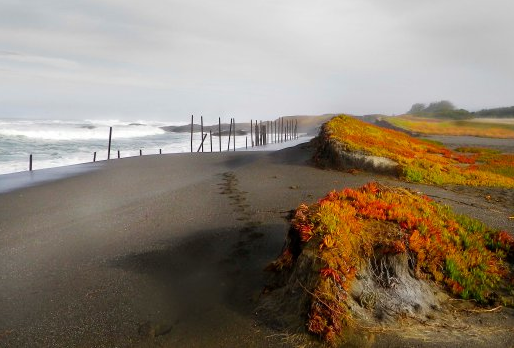
It wasn’t until Mike Bizeau posted this photo of fall-colored succulents along a beach north of Mendocino, California, that I realized lusty autumn not only sings in forests and gardens but also in places on the “lonely shore.”  What a splendid artist is the holy Yahweh!

Sing to Him, sing praise to Him; tell all of His wonderful acts.  ~1 Chronicles 16:9  ✝

171. Nature is to be found in her entirety nowhere more than in her smallest creatures. ~Pliny the Elder (Roman Scholar)

She sat down in a weed patch, her elbows on her knees ,
and kept her eyes on the small mysterious world of the ground.
In the shade and sun of grass blade forests,
small living things had their metropolis.
~Nancy Price, Website writer and poet

Image

This writer is describing a kingdom that exists in probably every square foot of ground in any garden, and it is not a singular kingdom.  In and around blossoming things there’s yet another mysterious metropolis.  In it airborne living things yearn to “possess the sweet of every flower that blooms,” and so in that above-ground realm there really is a very simple equation: if there are no flowers there are no pollinators; if there are no pollinators there are no flowers.  One simply doesn’t exist without the other, at least for very long.  The hum or buzz of the pollinating agent and the flower’s blooming go hand in hand.   Together they dance the dance of life and commit their acts of love.  And so it is that different life forms as well as scripture “remind us that there are other voices, other rhythms, other strivings, and other fulfillments…”  How I’d love to hover over the petals of a rose, peer deep into its center, and then dive in to taste its “sweets” like the wasp on this bi-colored Scentimental rose.

God’s voice thunders in marvelous ways; he does great things beyond our understanding.  ~Job 37:5   ✝

167. God gave us memory so that we might have roses in December. ~James M. Barrie

I arise today
blessed by all things.
~John O’Donohue

Image

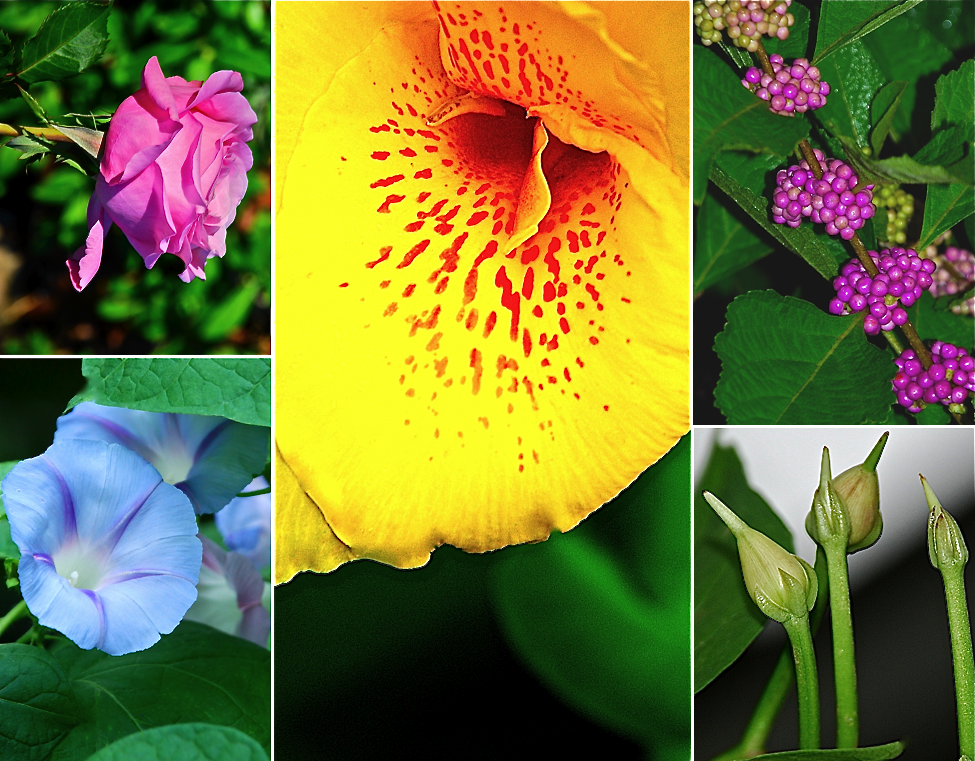
The English poet, William Blake, once penned that all “the daughters of the year shall dance” in autumn and “sing the lusty song of fruit and flowers.”  I think it might be hard to find a much lustier song or livelier a dance than what the beauties above are lending to October’s opus.  As a part of the process of summer’s “slow disrobing” and the “summing up” before year’s end, their ordained and impassioned performances are undeniably spreading a magnificent and long lasting “common feast for all that live.”  From this rich banquet, the berries will remain on winter’s menu for birds who fly not elsewhere for warmer refuge.  The seeds in the lower right corner produced from flowers like the pink and blue morning glories will foster faith and hope for we mortals as they carry the promise of spring through winter’s cold and dark dominion.  The scarlet spots in the throat of the yellow Canna will bleed thoughts of Christ into our awareness as we look forward to celebrating His birth in deep December.  And the scent and sight of the inimitable rose will take its usual place in memory whilst not in bloom.

I will perpetuate Your memory through all generations; therefore the nations will praise You for ever and ever.  ~Psalm 9:6  ✝

165. Some praise the Lord for Light, the living spark; I thank God for the Night, the healing dark. ~Robert William Service, “Weary”

Night, the beloved.
Night, when words fade and things come alive.
When the destructive analysis of day is done,
and all that is truly important becomes whole and sound again.
When man reassembles his fragmentary self
and grows with the calm of a tree.
~Antoine de Saint-Exupéry

Image

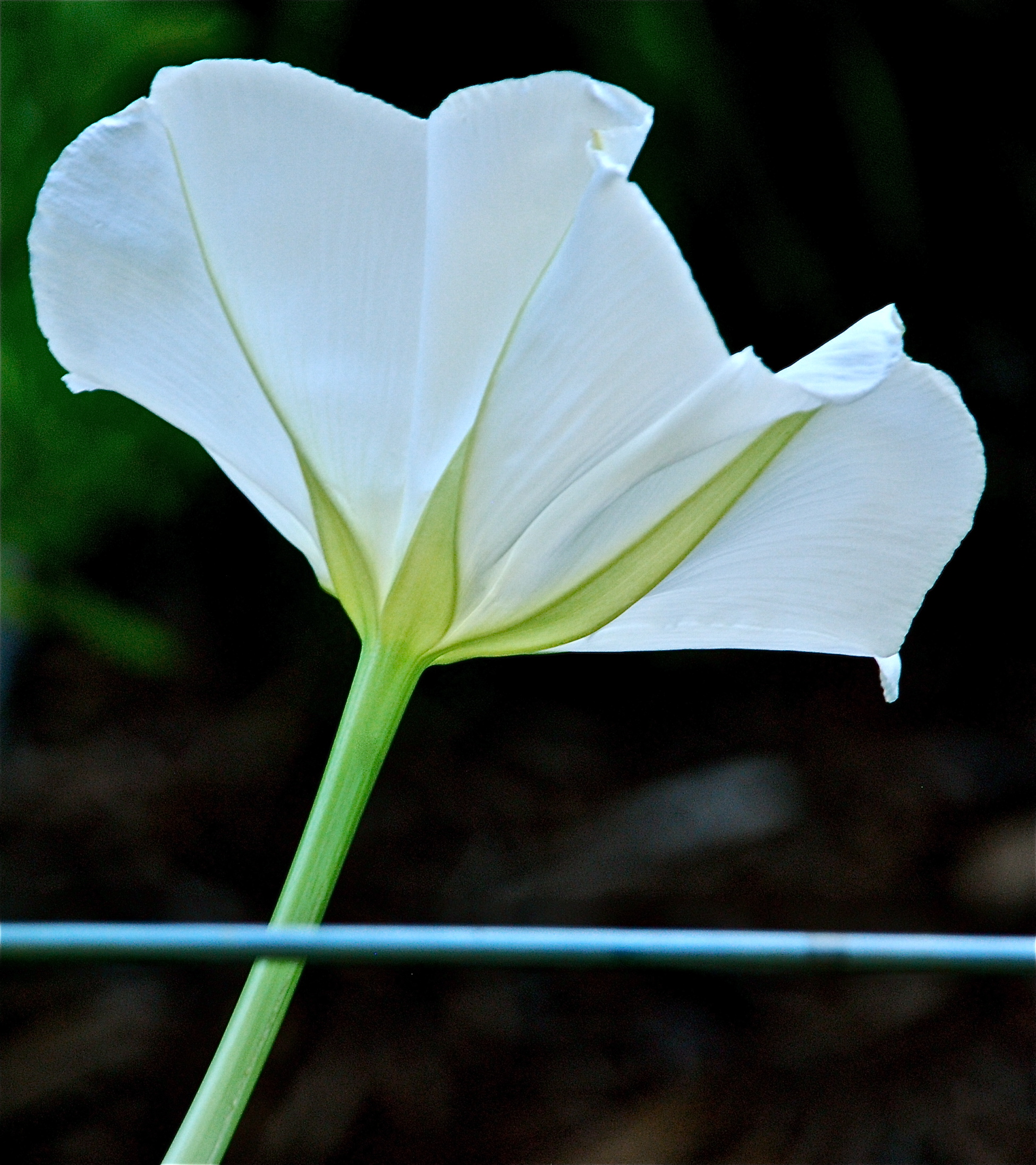
The air was crisp and cool; day’s light had just slipped away.  Wet blades of grass sparkled in a kind of diamond-dusted majesty under the glow of a rising harvest moon.  As if to punctuate my scattered thoughts, tiny aircraft lights glided from time to time through the darkening indigo sky.  When I began glancing around the yard, the images that confronted me seemed to be popping up like photos in a slowly advancing slide show.  The first one I saw was of the red turk’s caps underneath the rose arch, then the white moonflowers on the neighbor’s fence, fattening seed pods under the oak, a Celtic cross, a flying moth, an intermittently  shrouded moon.  The spell was broken only for a short while when the fragrance from my potted herbs temporarily seduced my nose.  Then the slide show started up again with a flash of yellow and white lights, followed by a rustling noise, leafy branches hanging low, a sculpted monk, stone rabbits, and a fleeting little lizard.  Music in the distance floated down the alley, and when I turned to follow the sound, I was startled by ghostly shadows dancing on the shed in the deepening darkness.  However the fear was fleeting and not enough to alleviate my growing sleepiness.  It wasn’t until water tapped noisily in the nearly drained fountain and a pair of feral cats came meowing at my feet that I was jolted out of my reverie.  And it had been such a lovely respite for a weary soul, always is when under the holy hosts of heaven that light the night.

And God said, “Let there be lights in the vault of the sky to separate the day from the night, and let them serve as signs to mark sacred times, and days and year…   ~Genesis 1:14  ✝

162. All was silent as before — All was silent save the dripping rain. ~Henry Wadsworth Longfellow

But the true lover of rain…has a deep inner enjoyment of the rain, as rain, and his sense of its beauty drinks it in as thirstily as does the drinking earth.  It refreshes and cools his heart and brain; he longs to go forth into the fields, to feel its steady stream, to scent its fragrance; to stand under some heavy-foilaged chestnut-tree, and hear the rushing music on the crowded leaves.  ~John Richard Vernon

**One of my readers just sent me to a website which has a slowed down audio clip of crickets chirping.   It’s amazing to hear that they sound like an angelic choir reminiscent of gregrorian chanters.  If you’d like to listen, you’ll find it at:  www.soundcloud.com/acornavi/robert-wilson-crickets-audio

Image

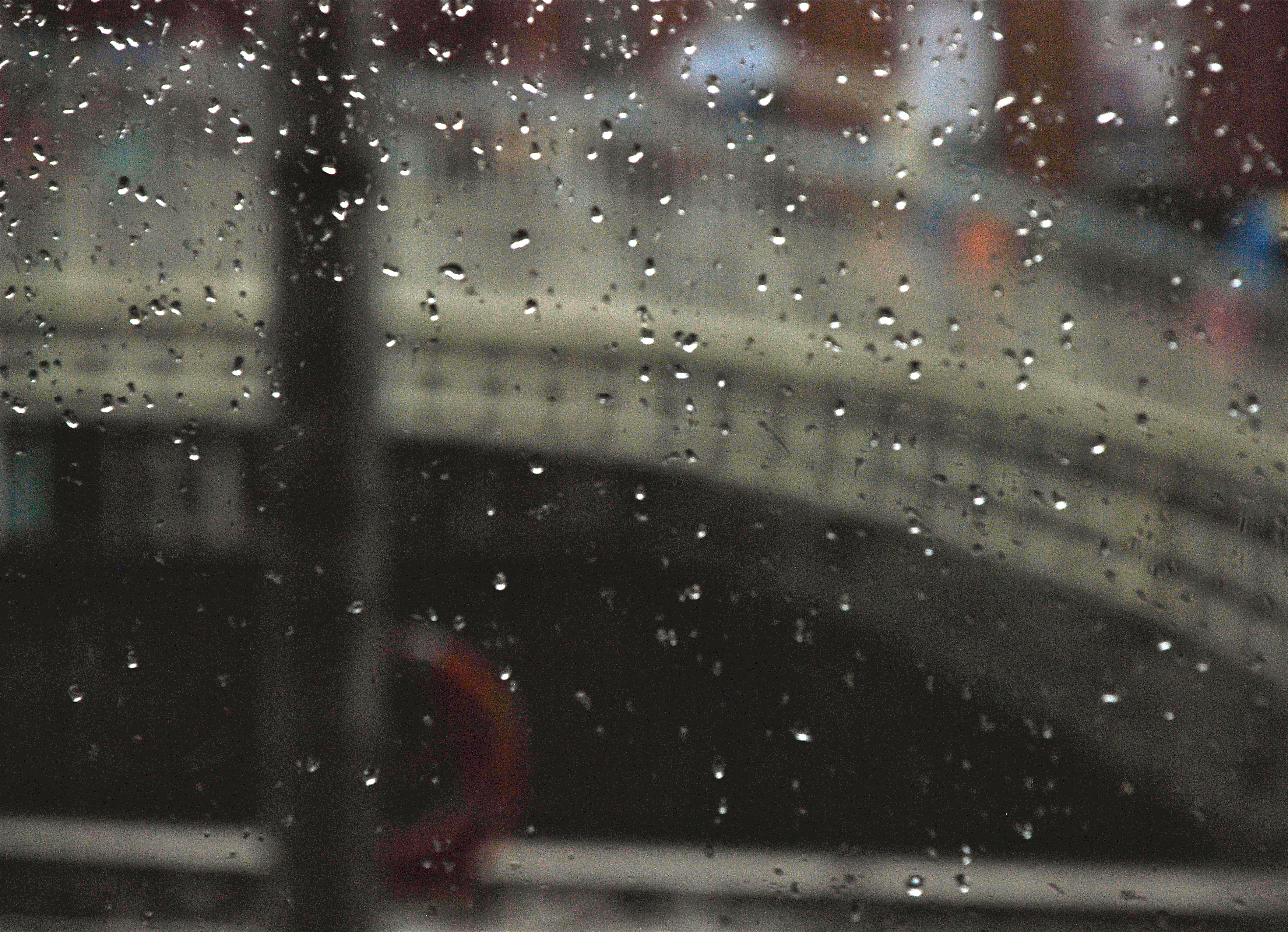
I like to think of the universe as a cosmic temple and of planet earth as a sanctuary in that temple.  Though not given the power of speech as such, rain and other weather-related phenomena exhibit distinctive voices under heaven’s dome, and as they fall from earth’s chaotic atmosphere, they often blend their unique voices with other holy sounds in the natural world.  I believe that in that sacred chorus is a call to humanity to seek the Maker of the temple because God not only hardwired man with a desire to connect with other human beings but also with a  longing to seek and connect with Him whose breath gave him life. To that end man was given eyes to witness the sacraments of heaven and earth, ears to hear the chants of their hallowed voices, intellect to question and understand much of what is seen and heard, and a heart that in due time turns from irreverence to longing.  Tecumseh, a leader of the Shawnee, said, “Nature is so powerful, so strong.  Capturing the essence is not easy – your work becomes a dance with light and the weather.  It takes you to a place within yourself.”

Let my teaching fall like rain and my words descend like dew, like showers on new grass, like abundant rain on tender plants.  ~Deuteronomy 32:2  ✝

155. Observe the cautious toadstools…Pale and proper and rootless, they righteously extort their living from the living. ~W. D. Snodgrass

What did I see today?
I saw a fairies’ gypsy camp.
The tents were toadstools, brown and gray,
Among the bracken, soiled and damp.
~An excerpt from “The Fairy Camp” by Danske Dandridge,
Danish poet and garden muse

Image

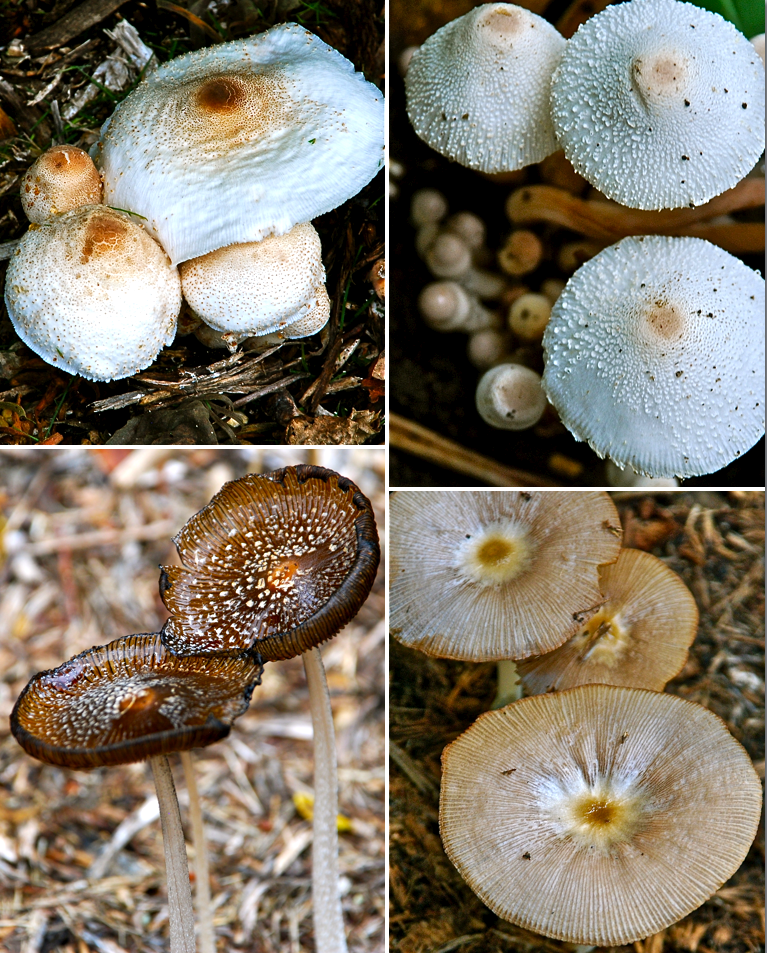
In tales of yore fairies were depicted as pixie-like creatures with gossamer wings, colorful clothing, and magic wands.  Do you believe in them?  The child in me did, and my adult self has had a hard time convincing her otherwise.  It was an especially hard sell when I’d come across toadstools like the ones above.  Such as they never failed to prompt thoughts of fairies that lived in enchanted realms and oftentimes were sighted among flowers, hills, streams, and woodlands.  The storytellers of such tales claimed that the elfish beauties rode on fairy steeds or took to wing in order to flit from flower to flower.  They also said that when a host of fairies gathered together to sing and dance, they were often found in a “fairy ring of toadstools.”  When that was so, we, the readers, were admonished to step lightly around the toadstools or to tip-toe gingerly past them.  Ah, what sweet childhood days were those!  Now the innocence of my youth and my belief in fairy tales may be gone, but not unlike a toadstool that extorts its “living from the living,” I secure my salvation from living in Christ.

For we did not follow cleverly devised stories when we told you about the coming of our Lord Jesus Christ in power, but we were eyewitnesses of His majesty.  ~2 Peter 1:16  ✝

154. “Just living is not enough,” said the butterfly, “one must have sunshine, freedom, and a little flower.” ~Hans Christian Andersen

Bees sip honey from flowers
and hum their thanks when they leave.
The gaudy butterfly is sure that
the flowers owe thanks to him.
~Rabindranath Tagore

Image

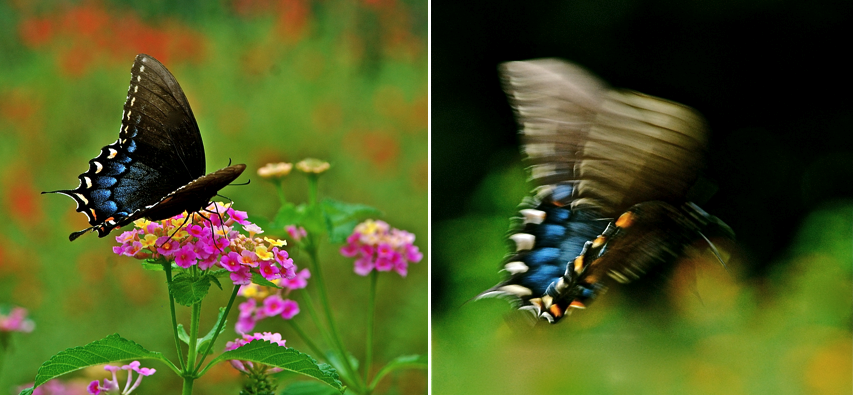
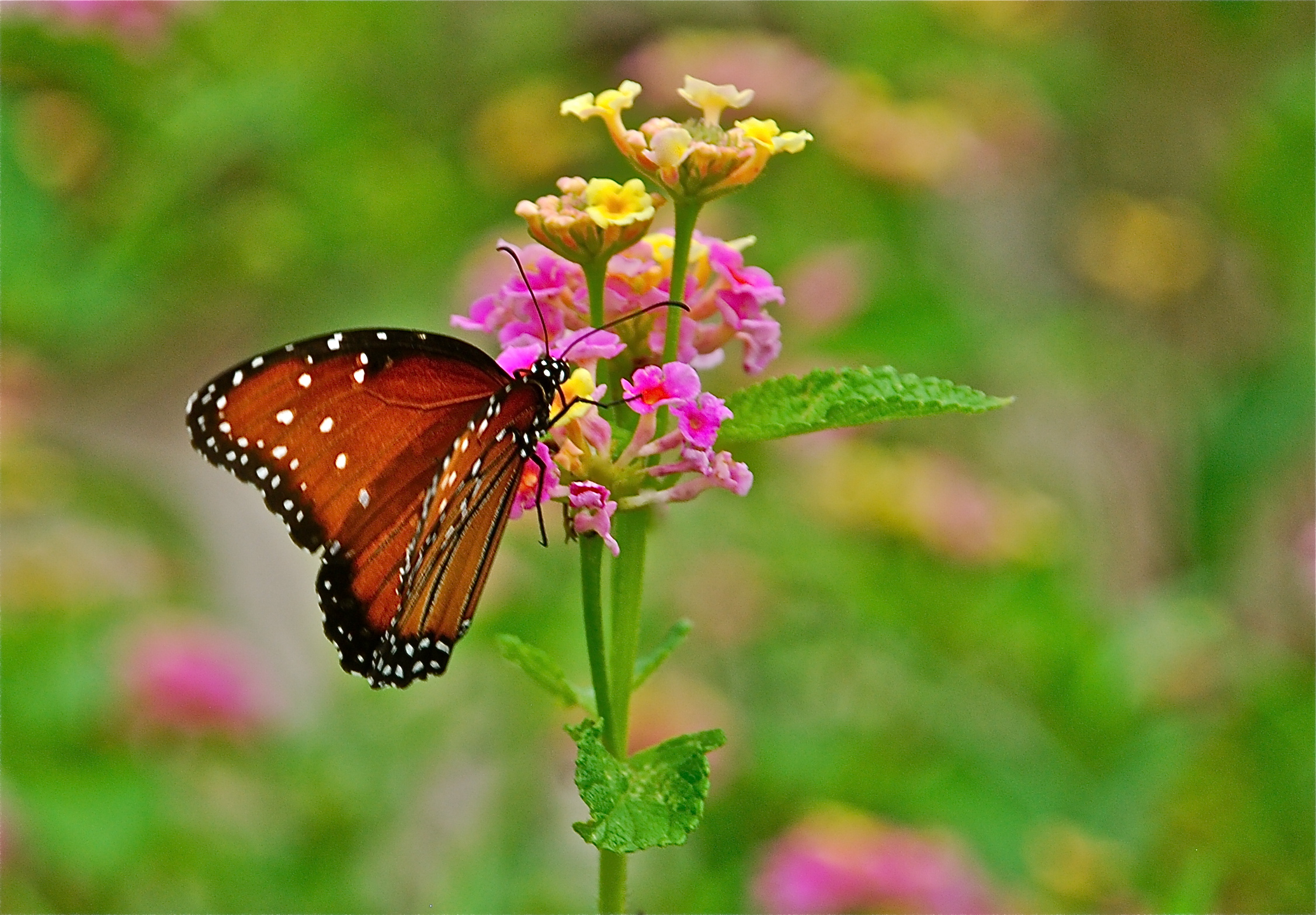
Could there be a more mesmerizing or glamorous creature than the butterfly?  No matter where I am or what I’m doing, the winged beauties stop me in my tracks.  Envious of their dance and fascinated by the way they feed, I watch in awe as they gracefully float from one flower to another.  On this particular trip to our local Botanic gardens, I was thrilled to get a pretty good shot of a swallowtail in flight.  As you can see, butterflies are beautiful even when their likenesses are blurred.  Butterflies, often described as self-propelled or flying flowers, have long been venerated all over the world.  We see a variety of artistic depictions of them in many cultures, including the 3500-year-old ones on Egyptian hieroglyphs.  They are also the darlings that inspired the images of “butterfly fairies” both in art and as fictional characters in stories.  They have been used as well as symbols of God’s favor, good luck, the human soul, love, and rebirth.  Simply put, they are to the world of insects what the rose is in the world of flowers–incomparably beautiful.

How sweet are Your words (Lord) to my taste, sweeter than honey in my mouth.  ~Psalm 119:103  ✝

40. Spring shows what God can do with a drab and dirty world. ~Virgil Kraft

Awake, thou wintry earth –
fling off thy sadness!
Fair vernal flowers, laugh forth –
your ancient gladness!
~Thomas Blackburn

Image

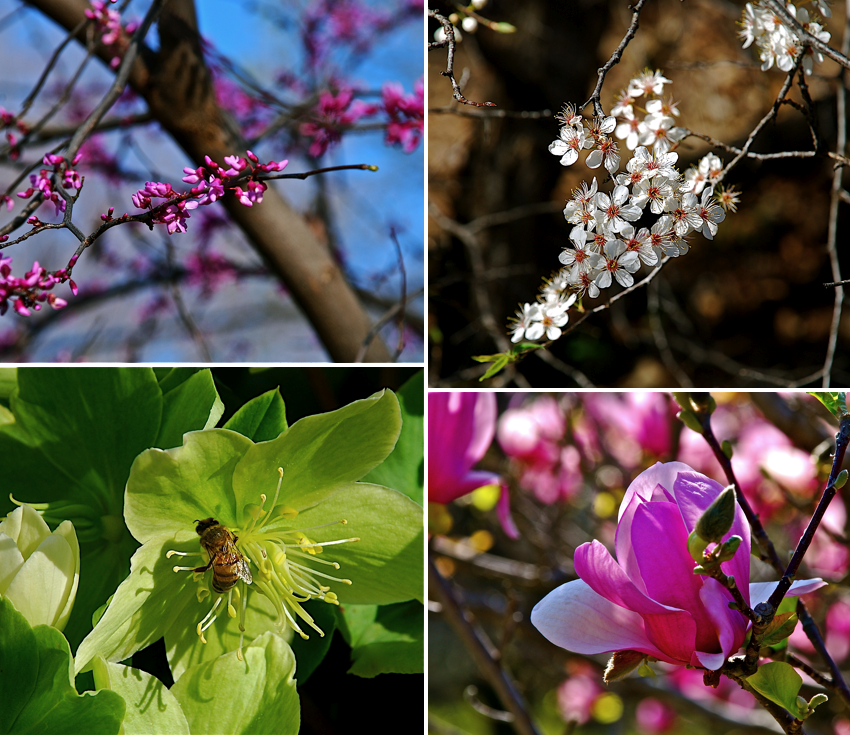
Leaf by leaf, bud by bud, and blossom by blossom the spring of the year advances.   On warmish days, earth casts off its wintry gloom, and breezes broadcast sweetly-scented aromas.  The first butterflies then dare to soar and the hungry bees hum amid the glad laughter issuing forth from flowering bulbs and trees.  As a result the year’s initial poetry of rebirth is penned by the pollinating, aerial whirring of dainty wings.  In the meantime as I hurry about trying to taking photos of the blossoming narratives and their paramours, I often find myself asking the same question Walt Whitman once did.  “Why are there trees I never walk under but large and melodious thoughts descend upon me?”  The answer I’ve decided is that the arms of trees reach towards the heavens to gather sacred messages meant to draw mankind near to “the living Word of God in nature” as well as what is read in Scripture.

In our area the first verses of  “tree” poetry come from Saucer Magnolias.  Their big, goblet-shaped flowers pen exquisite couplets in pink and white.  Soon to follow are the brilliant white blossoms of Star Magnolias.  Though not quite enough lines to form a fourteen-lined sonnet, their twelve exquisite, “petal-poesy” lines form rhyming schemes as lovely as any Shakespearean sonnet.  Next and in perfect rhyming sequences come the double samaras.  Samaras, the scarlet, dual winged fruits of the Red Maple, look like long, slender fairy wings as they dance choric rhymes writ by the winds.  Then come the Eastern Redbuds and Bradford Pears that compose stunning free-verse stanzas in purple and white, each resplendent branch, a psalm written in praise of its Maker.  For a pollinator now there’s no quandary about where sweet nectaries are to be found for stanza after stanza they and I are lead in springtime to earth’s most festive and delicious banquets.

He has taken me to the banquet hall, and His banner over me is love.  ~Song of Songs 2:4

9. O Autumn…pass not, but sit…and tune thy jolly voice…and all the daughters of the year shall dance! ~William Blake

In the garden, Autumn is, indeed the crowning glory of the year,
bringing us the fruition of months of thought, and care, and toil.
~Rose G. Kingsley, British Gardener and Writer

Image

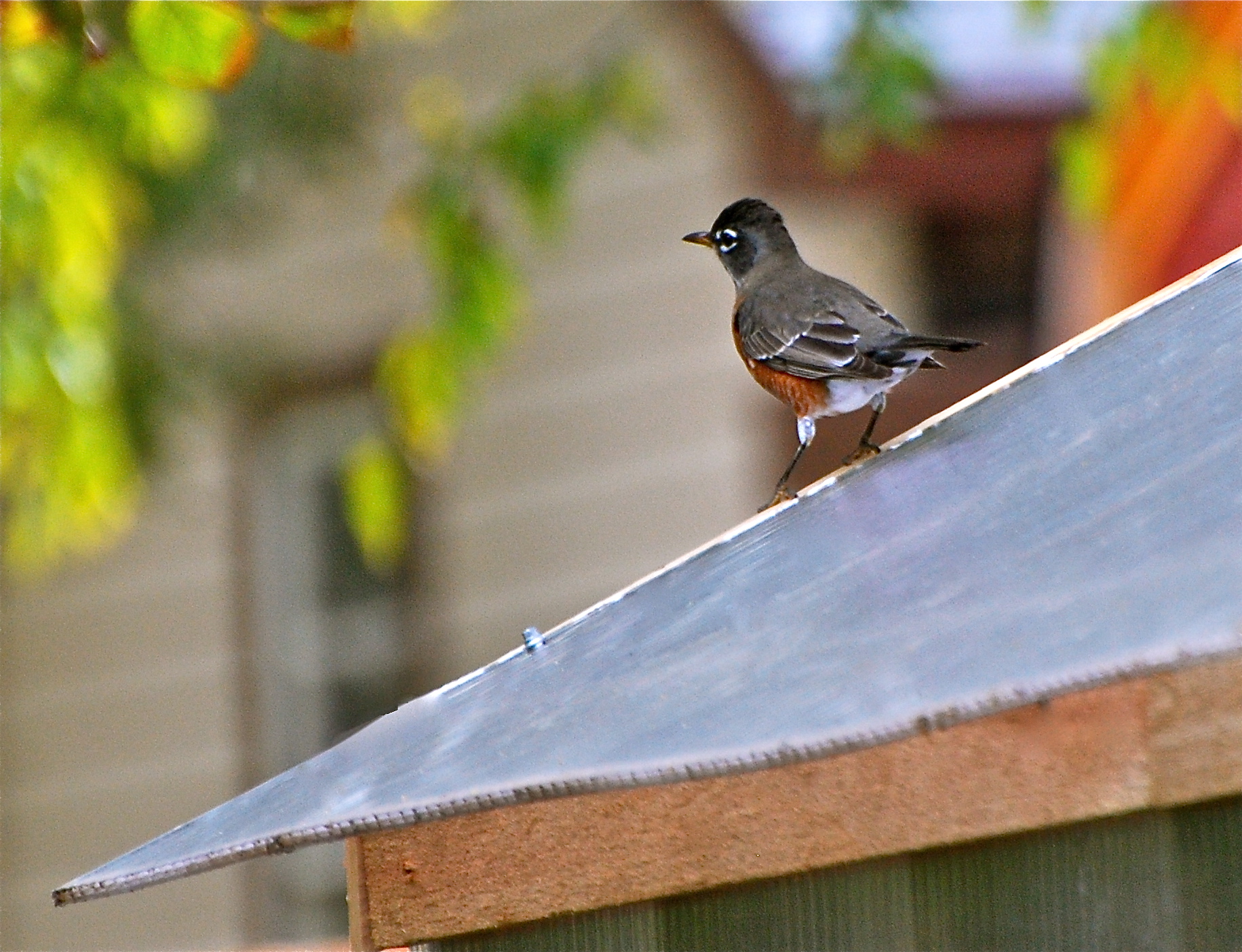
Now that the year has grown long in the tooth, the migratory birds have moved on to warmer lands.  But the birds who overwinter here are still very visible and busy.  However, on the chillier days they, like me, “remain perched” early in the morning and later when the sun is well over the rooftops.  Nevertheless, in spite of our periodic and combined lethargy, we still manage to be out and working during the warmer parts of the day.  The “common feast for all” the garden spreads may be nearly gone and the bird’s tired wings along with my tired feet may drag somewhat, but autumn’s remaining golden glory continues to quicken our spirits.  In fact even after winter ravages the land, we, man and beast alike, who live close to the soil will venture out on the occasional warm day to search with hungry eyes for any signs of what we know lies waiting to emerge from beneath the surface of things.

Autumn’s song is indeed “a rich and lusty melody.”  It induces a healthy renewal in bodies wilted by summer’s long siege of torrid heat, and it creates a restful peacefulness that washes away the “fret and fever of life.”  “It’s jolly voice” sings a comforting song of promise that speaks of God’s circadian rhythms of life–the rhythm of changing seasons, busyness followed by stillness, “youth’s energy followed by age’s measured pace.”

There is a time for everything, and a season for every activity under the heavens. . .  ~Ecclesiastes 3:1   ✝

6. There is pleasure in the pathless woods. There is rapture in the lonely shore. There is society where none intrudes. ~Lord Byron

She sat down in a weed patch, her elbows on her knees,
and kept her eyes on the small mysterious world of the ground.
In the shade and sun of grass blade forests,
small living things had their metropolis.
~Nancy Price

Image

In and around blossoming things there is another mysterious metropolis.  This one is above the soil, and therein airborne things move around yearning to “possess the sweet of every flower that blooms.”  In that realm two simple equations are in place:  a) if there are no flowers there are no pollinators;  b)  if there are no pollinators there are no flowers, no fruits, no crops.  The hum or buzz of a pollinating agent and a flower’s blooming go hand in hand; together they commit reproductive acts of love as they dance the sacred dance of life orchestrated by the Lord.  In so doing they “remind us that there are other voices, other rhythms, other strivings, and other fulfillments. . .” in God’s grand plan.

Recently in a National Geographic snippet on the internet, the narrator remarked that present-day humanity is the recipient of a 400,000,000 year old legacy bequeathed by earth. Imagine that!  For all those years the sun has not failed to rise and set at its appointed time, fruits and crops have not failed to burst forth and ripen, and the earth has not failed to make its trip around the sun.  One season has followed another repeating the Genesis story over and over again as per the Lord’s plan.  Like the fruits and flowers and pollinators, our time here is very brief, and we who are fashioned by the same holy Hands as the sun and earth are no less adored and significant in our loving Father’s eyes.

There is a time for everything, and a season for every activity under the heavens. . .  ~Ecclesiastes 3:1   ✝